Post Contents
- What is the Pantheon in Italy? The Pantheon in Rome and why it matters for travellers
- History of the Pantheon: Agrippa, Hadrian, and ancient Rome context
- Inside the Pantheon dome and oculus: the largest unsupported concrete dome in Italy
- Santa Maria ad Martyres: how the Pantheon became a basilica and still a church
- Near the Pantheon: visit the Pantheon, piazza cafés, and crafted luxe Rome
- Pantheon in Rome: the lasting impression after you leave
- F.A.Qs: Pantheon in Rome (dome, history, church, burials)
What is the Pantheon in Italy? The Pantheon in Rome and why it matters for travellers
What is the Pantheon in Rome and why it matters
If you’re asking what is the pantheon in italy, start with two truths: this is a best preserved ancient monument from ancient Rome, and it remains a living place of worship. The Pantheon isn’t a ruin you circle from behind a rope; it’s a space you enter—quiet, grand, and surprisingly intimate. For a trip to Rome with a high-end rhythm, it’s also wonderfully compact, so you can savour the atmosphere without the fatigue that larger sites can bring.
You’ll hear it called the pantheon of Rome, Rome’s Pantheon, or (on maps) pantheon rome—different labels for the same iconic address in the historic centre. It sits just off the lively piazza della Rotunda, close enough to reach on foot from many luxury hotels, yet tucked away enough to feel like a secret the first time you turn the corner.
Pantheon of Rome: identity, location, and your first arrival
There’s a particular moment—almost cinematic—when you go from the brightness of the piazza into the calm interior. I still remember walking into the Pantheon on a warm afternoon, sunglasses in hand, and feeling the air cool by a few degrees as the noise softened. The scale doesn’t announce itself at the door; it reveals itself gradually, as your eyes adjust and the rotunda opens like a quiet surprise.
Outside, the scene is social and sunlit; inside, the sound becomes a hush that invites care. That contrast is part of the story of the Pantheon: it’s a crafted pause in the middle of the city, and it supports a slower kind of attention—especially if you arrive early or later in the afternoon.
Inside the Pantheon: what you’ll uncover in the rotunda, chapels, and details
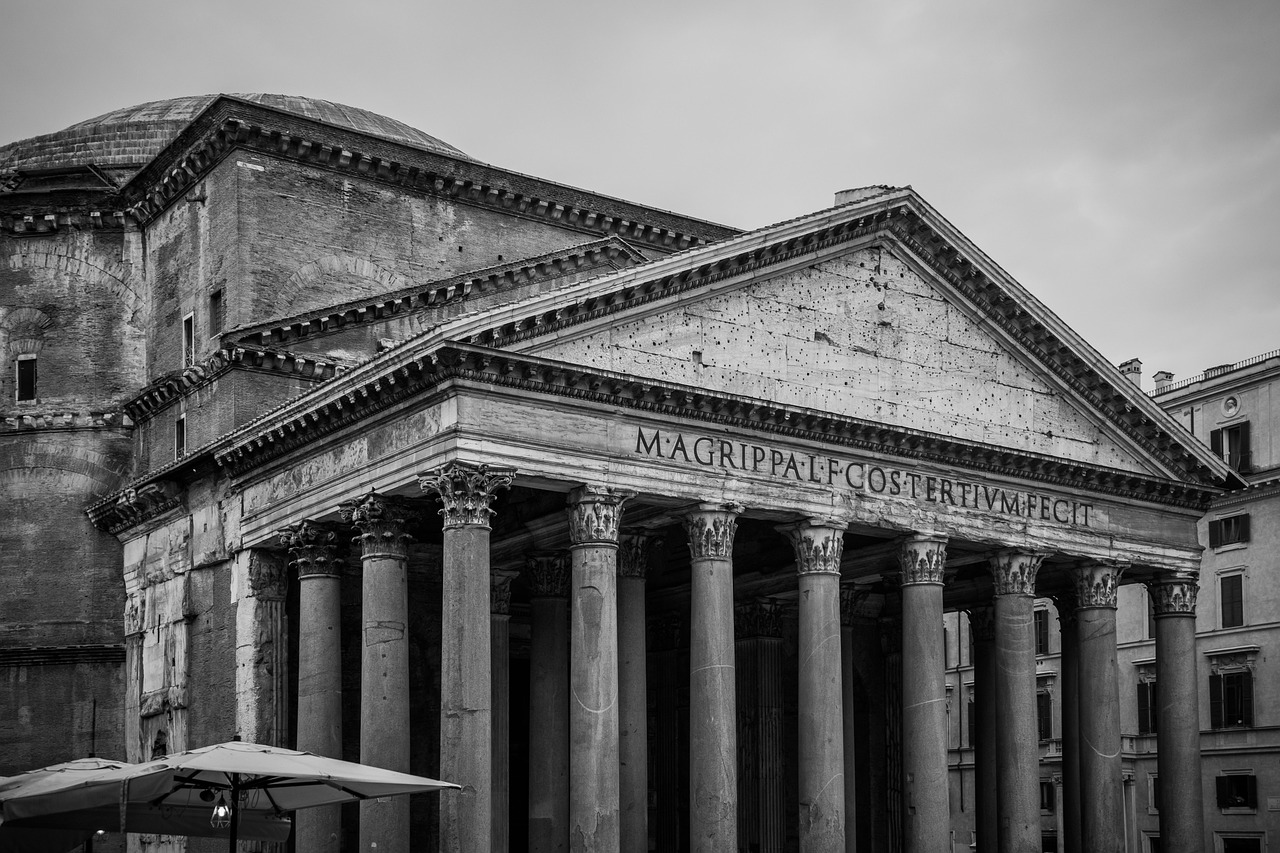
Even before you look up, notice the approach: the portico and the porch of the Pantheon feel ceremonial, like a deep breath before the main space. Inside the Pantheon, you’ll uncover marble patterns underfoot, bronze details that catch the light, and chapels that gently remind you this is not only history. Daylight changes hour by hour, and with it the mood of the building—bright and crisp at midday, warmer and more intimate as the day tilts on.
- Rotunda calm: allow yourself a first minute simply to stand still and let the scale settle.
- Marble floor: follow the geometry; it guides you like a design language.
- Bronze accents: look for the darker gleam against pale stone.
- Light as a companion: return your gaze upward throughout your visit, not only once.
For high-end travellers, the most luxurious way to visit is to design an unhurried moment. A private guided tour can be beautifully reassuring—someone else holds the context and the timing, while you simply experience the Pantheon with confidence.




History of the Pantheon: Agrippa, Hadrian, and ancient Rome context
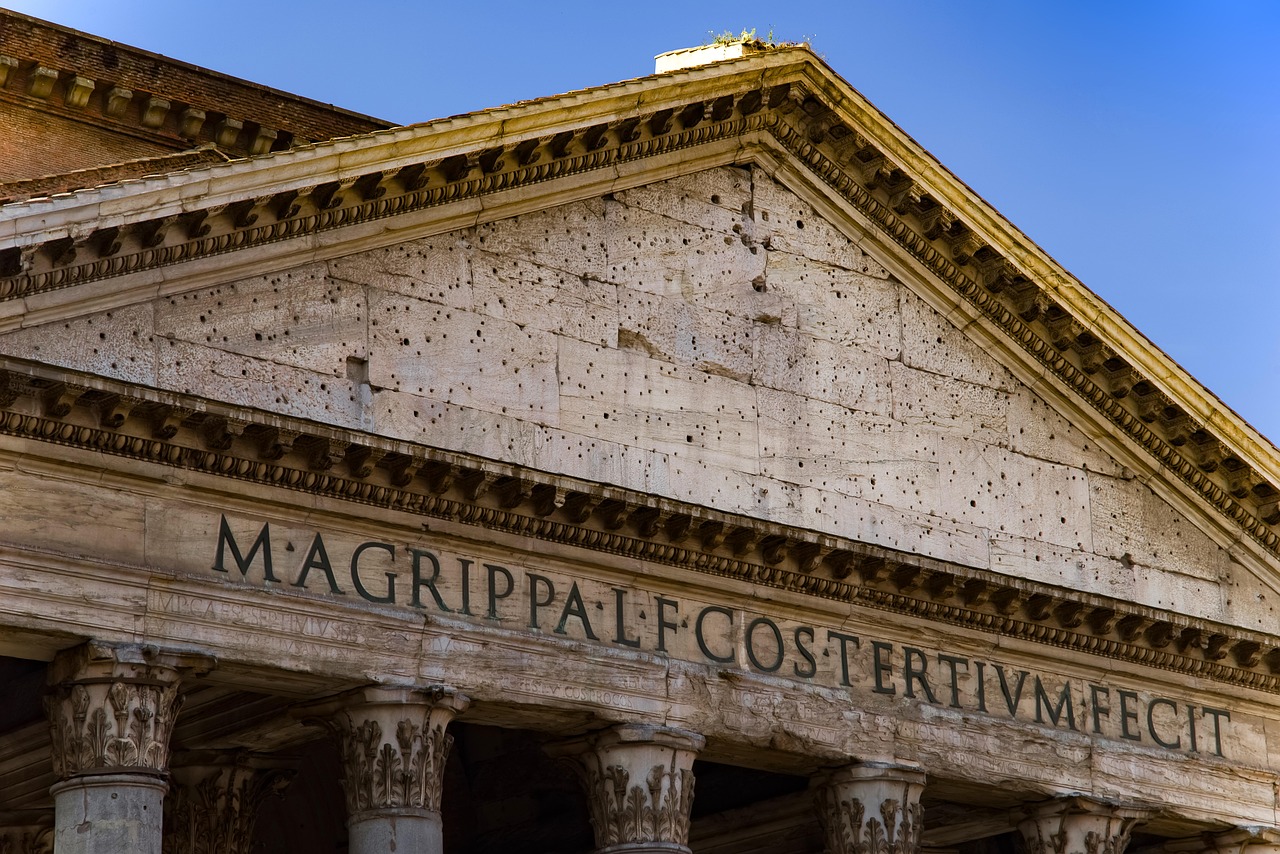
History of the Pantheon from Marcus Agrippa to Emperor Hadrian
The history of the Pantheon is often introduced through a name carved in stone: Marcus Agrippa, consul under Augustus, whose inscription still crowns the entrance. When you see that inscription, it’s easy to assume the building before you is exactly what he commissioned. In truth, the site was originally built in Agrippa’s time, yet the structure we admire today reflects a later rebuild—one of those elegant decisions where continuity mattered as much as novelty.
That’s part of the Pantheon’s power: it doesn’t erase earlier chapters; it carries them forward. In a city of constant reinvention, it stands as a beautiful relic of ancient Rome, and one of the clearest windows into an ancient roman imagination made stone.
Emperor Hadrian and the Roman Pantheon we see today
It was Emperor Hadrian who placed his vision at the centre of the current building, shaping what we now recognise as the roman pantheon. The broader ancient Roman Empire context—Domitian, then Trajan—matters mainly as framing: this was an era when engineering, urban planning, and imperial identity were inseparable. Hadrian’s Rome was both practical and poetic, and the Pantheon is where those instincts meet.
You may also hear scholarly debates about who influenced the design; Apollodorus of Damascus is sometimes mentioned in wider architectural discussions of the period. Whether or not any single figure can be credited, the result feels unmistakably Roman: measured, confident, and almost modern in its restraint.
Why the Pantheon survived the centuries and became the best preserved landmark
Travellers often wonder why this monument endured when so much of ancient Rome was quarried, collapsed, or absorbed into later buildings. In short, the Pantheon survived the centuries because it never became irrelevant: it remained useful, reinterpreted, and protected. Continuous care—paired with the solidity of the original structure—kept it from becoming a romantic fragment.
There’s also a “designed for eternity” feeling to its proportions. The Pantheon is an architectural lesson in calm balance: nothing screams for attention, yet everything is intentional. If you choose an expert-led guided tour, you’ll gain insight into subtle alignments and material choices that make the building feel serene without ever needing to announce itself.
Inside the Pantheon dome and oculus: the largest unsupported concrete dome in Italy
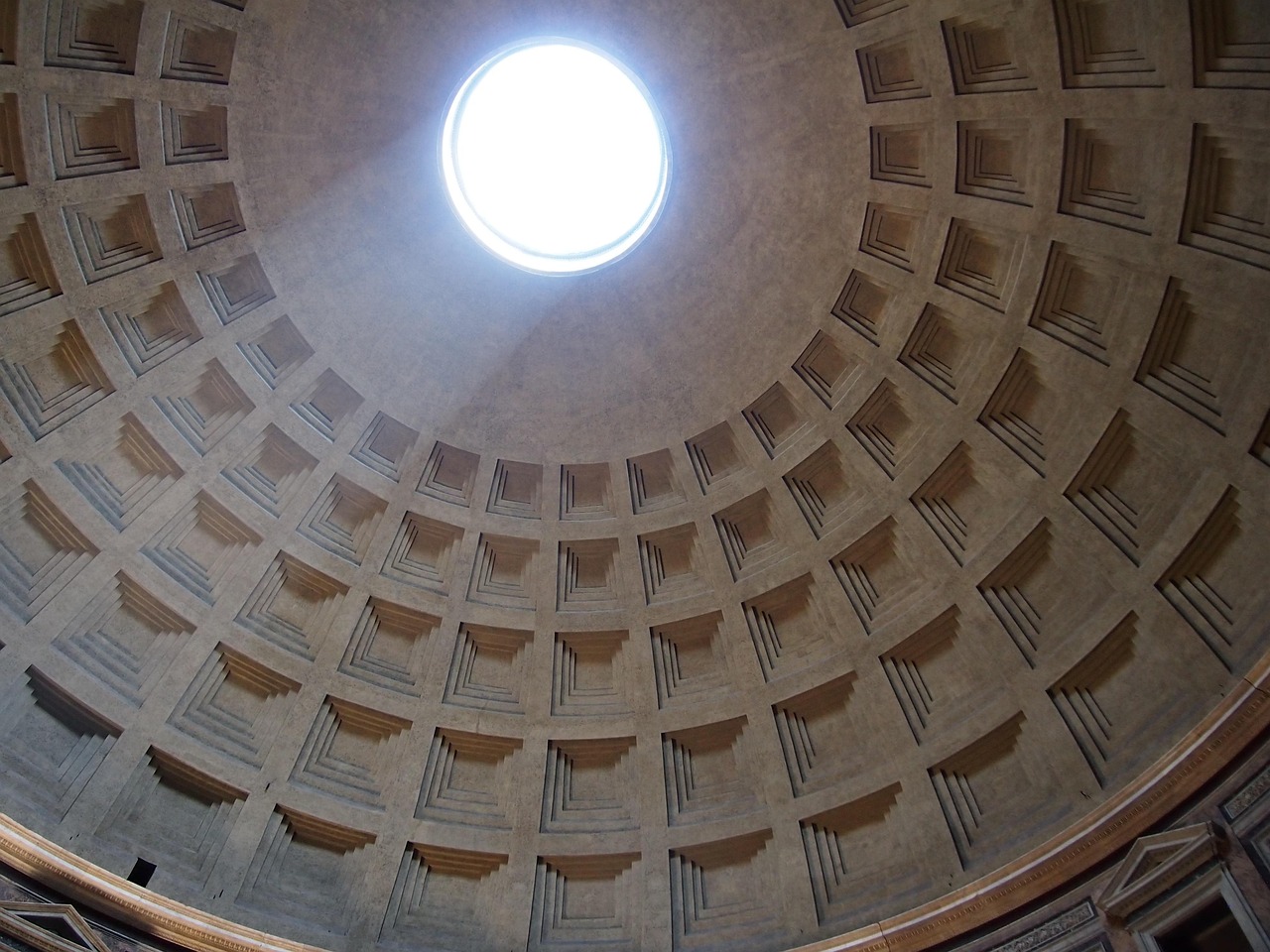
Inside the Pantheon dome and oculus a masterpiece of light
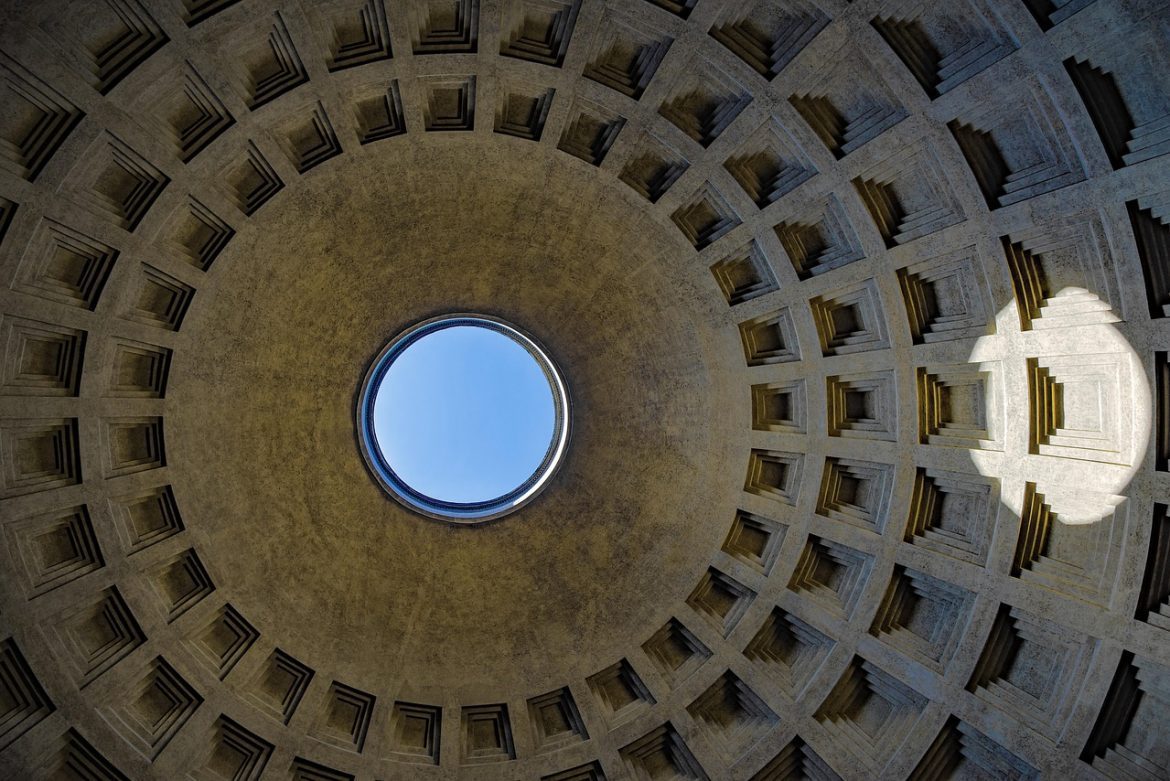
To understand the engineering, you need to stand beneath the dome and feel the geometry work on you. The diameter and the height is equal, about 142 feet, creating a near-perfect sphere of space that feels instinctively harmonious. The dome of the Pantheon remains the largest unsupported concrete dome in the world—an unreinforced achievement that still reads as effortless, even when you know it shouldn’t be. It’s also the most studied concrete dome in the world, and, in simple terms, the largest unsupported feat of Roman building you can still experience as a complete interior.
One guide once quietly pointed out the base: the walls are roughly 21 feet thick, tapering as they rise. That single fact can change how you see the room—less like decoration, more like a masterwork of structure made beautiful.
Oculus: the only source of natural light inside the building
The oculus is the only source of natural light, and it turns the Pantheon into a living instrument. Watch the light inside the building as it moves: a bright circle sliding across coffers, columns, and marble like a slow, dependable sundial. On certain days, the beam feels almost theatrical, yet nothing is staged—only the Earth’s turning and Rome’s patience.
If you’re visiting around the summer solstice, imagine the rare pleasure of seeing sunlight fall with uncanny precision, illuminating the interior with a clean, celebratory clarity. It’s a special time, and it rewards careful planning—particularly if you value a seamless arrival and a quieter moment within the crowd.
Craftsmanship, bronze details, and the sensory hush of the rotunda
Look up and you’ll see the coffered ceiling stepping inward, both decorative and weight-saving—an ingenious interior of the dome that feels delicate from below. Look down and you’ll notice the floor is slightly convex, designed for drainage when rain falls through the opening—an elegant reminder that the building is open to the sky by design. Bronze elements add warmth against cool stone, and every footstep seems to carry a little further than you expect, as if the rotunda itself encourages softer voices.
A traveller once told me they felt an unexpected connection in that spot—standing beneath the curve, tracing the top of the dome with their eyes, and realising they were witnessing ancient Roman ingenuity at its most humane. It’s not only impressive; it’s personal, because it speaks to what people can create when ambition is paired with precision.
- Give yourself a pause: stand centrally for one full minute before taking any photos.
- Use an audio guide: an audio guide lets you move at your own pace without losing context.
- Listen for the room: the acoustics are part of the experience—quiet becomes a design feature.
- Return your gaze: notice the opening again before you leave; it will look different each time.
If you prefer independence to a private visit, an audio guide is a refined middle ground—enough narrative to support understanding, without rushing you through your own observations.
Santa Maria ad Martyres: how the Pantheon became a basilica and still a church
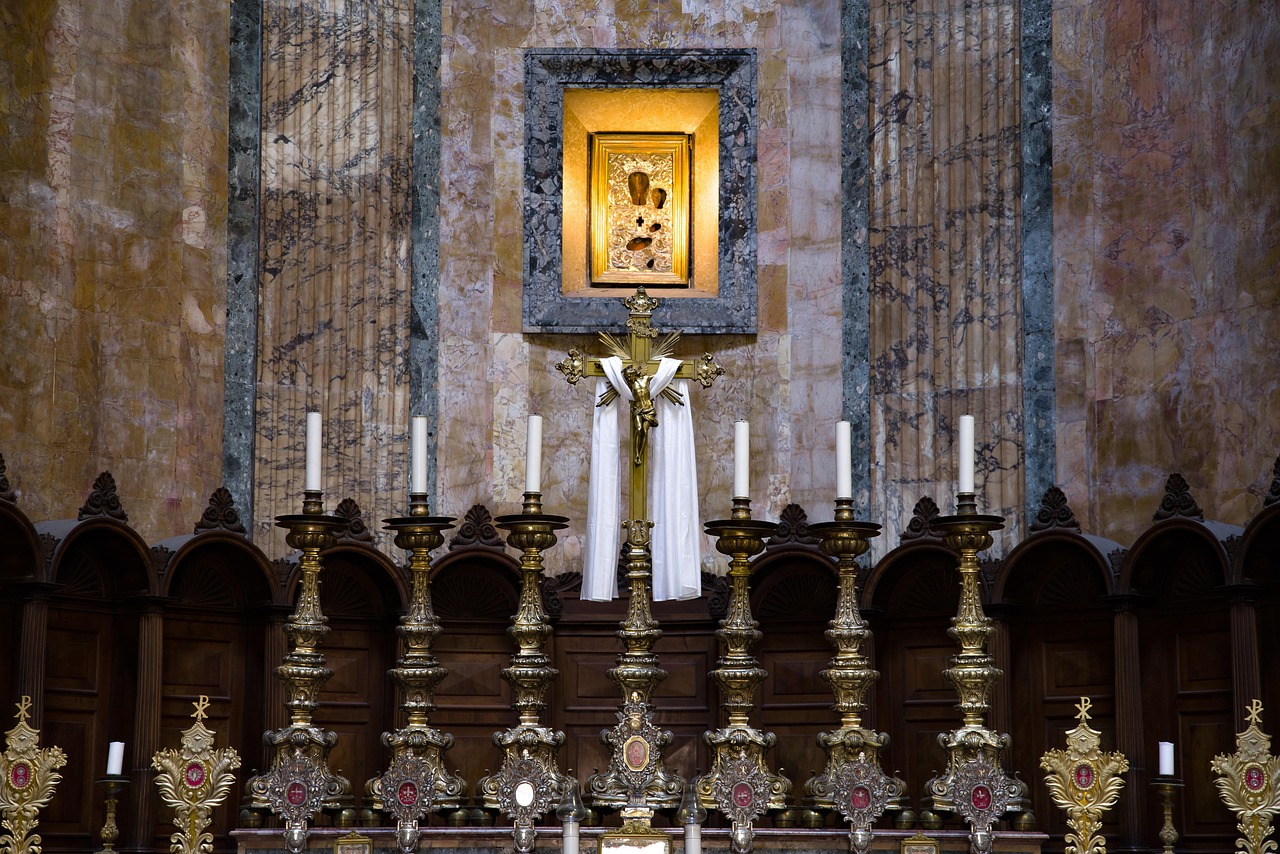
Santa Maria ad Martyres the basilica within the Pantheon
The name Santa Maria ad Martyres tells you what the Pantheon became, not what it started as. It was built as a temple dedicated to “all gods” in the pagan imagination of Rome, yet it is still a church today—one of the most extraordinary transformations in European religious history. In modern terms, it functions as a basilica, often referred to as Maria ad Martyres or the basilica of Santa Maria ad Martyres, and that continuity is a key reason the building endured with such dignity.
To visit comfortably, it helps to hold both identities together: a masterpiece of Roman form and a sacred space with living rituals. That duality is what makes the pantheon in Rome feel less like an exhibit and more like a conversation across time.
Santa Maria ad Martyres and the turning point of 609
The conversion is commonly anchored to 609, when Pope Boniface IV dedicated the building as santa maria ad martyres. The change was linked to a gift confirmed by Byzantine Emperor Phocas, and in a single generation, a civic symbol acquired a Christian heart—without losing the architectural brilliance that made it worth preserving.
When services take place, the atmosphere shifts again: photographers lower their cameras, voices quieten, and the space feels more intimate. A little preparation helps you feel at ease together with local worshippers: modest dress, shoulders covered, and a gentle respect for silence are the simplest forms of care.
Raphael, royal tombs, and the basilica’s legacy (Barberini, bronze, bell towers)
Beyond faith, the Pantheon is also a resting place for artists and kings. Raphael lies here, and it can be unexpectedly moving to stand before his tomb and feel the weight of artistic legacy in a room built for grandeur. One art enthusiast described it as “a private meditation in a public monument”—a moment of stillness that stayed with them long after they stepped back into the piazza.
You’ll also find the royal tombs of Italian kings, adding another layer to the building’s identity as a national symbol. Small details add texture to the story: the Barberini family and later popes shaped the Pantheon’s afterlife, including tales of original bronze taken for other projects under Pope Urban VIII. For a memorable footnote, two bell towers once sat on the façade; these bell towers drew criticism, and the bell towers were removed—proof that even in Rome, taste evolves.
Near the Pantheon: visit the Pantheon, piazza cafés, and crafted luxe Rome
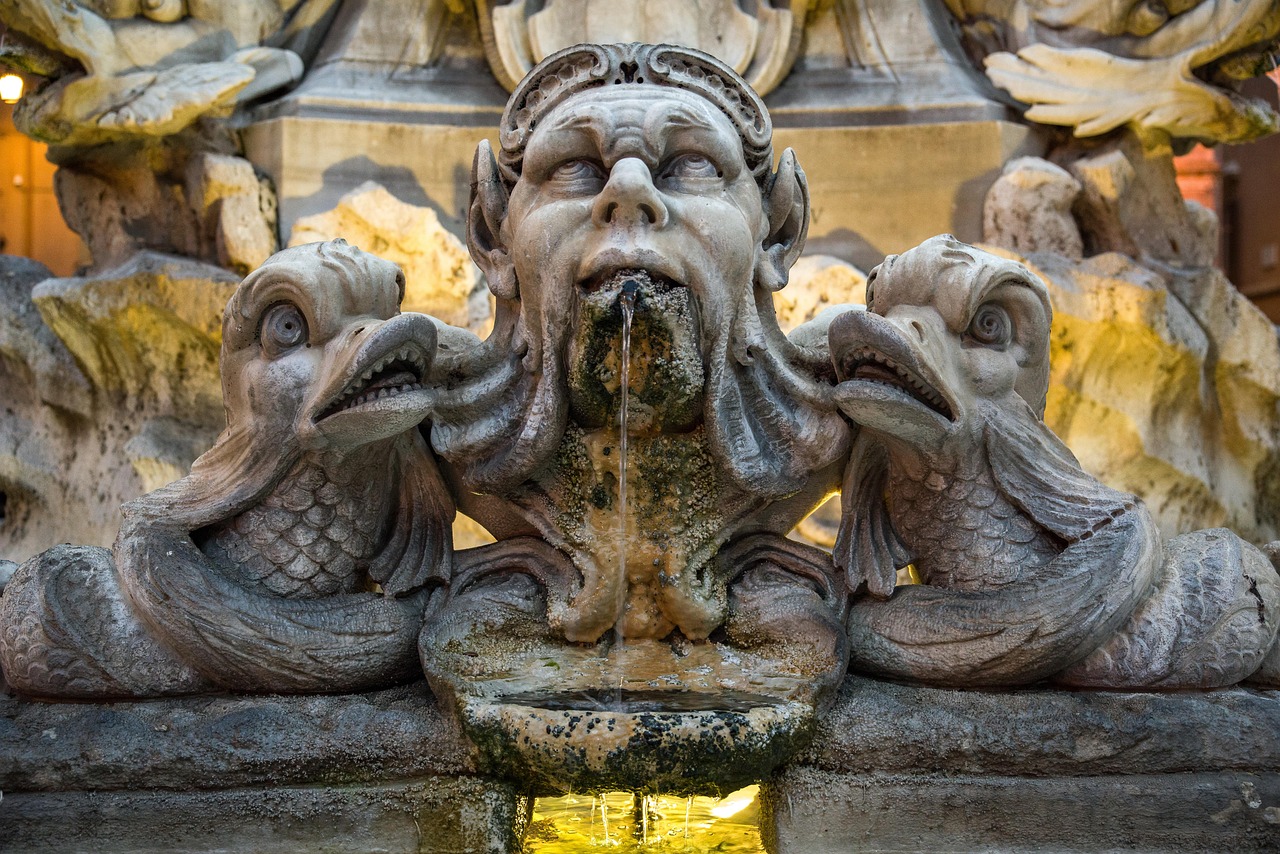
Near the Pantheon crafted piazza life and luxe people watching
If your search is focused on the area around this landmark, you’re already thinking like a designer of experiences, not a collector of sights. Step outside and the surrounding streets offer polished stone, historic fountains, and the effortless theatre of Roman life—ideal for slow, high-end people-watching. This is where the visit becomes more than a monument: it becomes an atmosphere you can linger in.
Approach on foot through the city centre if you can, or arrive by taxi and let the last few steps be yours. Either way, the surrounding lanes make the arrival feel earned, and they frame the Pantheon as part of the neighbourhood rather than an isolated stop.
Around the Pantheon: small rituals before and after your visit
A simple ritual can create a seamless rhythm. Arrive with enough time to stand outside for a moment—watching the façade, listening to the piazza—then step inside and allow the space to do its quiet work. Afterwards, return to the light with intention: one luxury traveller told me their favourite memory was sipping espresso at an upscale local café, looking back at the entrance and letting the city move around them.
This is the kind of crafted travel that feels indulgent without being extravagant: time, comfort, and attention, designed with confidence.
Practical guidance: when you visit the Pantheon, what to know before you go
Entry is often free, which is part of its charm, but it also means timing matters. For the most comfortable experience, consider early morning or late afternoon; you’ll often feel the space breathe a little more, and photos become easier. In peak season, you can support your own calm by keeping the rest of your day light—one major site, one leisurely meal, one unhurried wander.
- Best times: arrive at opening or later afternoon for softer crowds and better flow.
- Comfort planning: carry a light layer; the interior can feel cooler than the piazza.
- Meaningful context: a short audio guide can highlight details you might otherwise miss.
- Self-paced option: an audio guide is ideal when you want insight without a fixed schedule.
- Seasonal magic: around the summer solstice, book nearby accommodation early to protect your time.
If you’d like to explore more refined itineraries beyond this single stop, our Trip gallery can help you imagine Italy with the same calm, curated approach—pairing cultural depth with breathing room and trusted support.
Pantheon in Rome: the lasting impression after you leave
The phrase “lasting impression” makes sense only after you’ve left—when you realise how much the building rearranged your sense of time. The Pantheon holds nearly 2000 years without feeling distant; it meets you in the present, then quietly follows you back into the street. You may find yourself remembering not the facts, but the feeling of proportion, the steadiness of the space, and the way it invited you to slow down.
Later, you might recall that simple circle of sky—nothing ornate, nothing performative—yet able to change the room with a single shift of light. Or you may remember the hush, that soft agreement among strangers to speak gently in a place that carries so many lives and meanings at once.
Luxury, in the end, is often the freedom to be fully present. It’s the confidence to linger without apologising, the trust to let a moment unfold, and the care to move through sacred spaces with respect. The Pantheon gives you that kind of time, and it’s surprisingly generous with what it offers in return.
And perhaps that is why it stays with you: not as a checklist ticked, but as a quiet standard you carry into later journeys—an invitation to notice how the best places don’t ask for urgency, only attention.
F.A.Qs: Pantheon in Rome (dome, history, church, burials)
What is the Pantheon best known for in Rome?
The Pantheon is best known for its vast unreinforced dome and the central opening (oculus) that lights the interior with shifting daylight. It’s also celebrated as one of Rome’s most intact ancient buildings, still used as a church, which makes the experience feel both historic and alive.
Why is the Pantheon so special?
The Pantheon is special because it combines daring Roman engineering with a calm, perfectly balanced interior that still feels modern. The central opening creates a moving beam of light, and the building’s continuous use over centuries helped preserve it with remarkable integrity and atmosphere.
What was the Pantheon used for in Italy?
In Italy, the Pantheon was first used as a temple honouring multiple Roman deities. In the early 7th century, it was converted into a Christian church known as Santa Maria ad Martyres, which protected the building and reshaped its meaning while keeping its architecture at the centre.
Who is buried inside the Pantheon?
Inside the Pantheon are the tombs of major Italian figures, including the artist Raphael, as well as several Italian kings. These burials add an emotional, human layer to the experience—art, nationhood, and faith all held within the same remarkable space.