Post Contents
- Where the Colosseum sits in Rome Italy for visitors and local insight
- A Roman Colosseum history guide Rome Italy with architectural depth
- Colosseum tickets and tour options Rome Italy for the best arena experience
- Best time to visit the Colosseum Rome Italy luxury guide for a seamless day
- Roman Forum and Palatine Hill itinerary near the Colosseum Rome Italy with a guide’s eye
- Colosseum in Rome reflective travel moments Italy that stay with you
- F.A.Qs: Colosseum visitor questions in Rome Italy
Where the Colosseum sits in Rome Italy for visitors and local insight
Where the Colosseum sits in Rome Italy for visitors and local insight
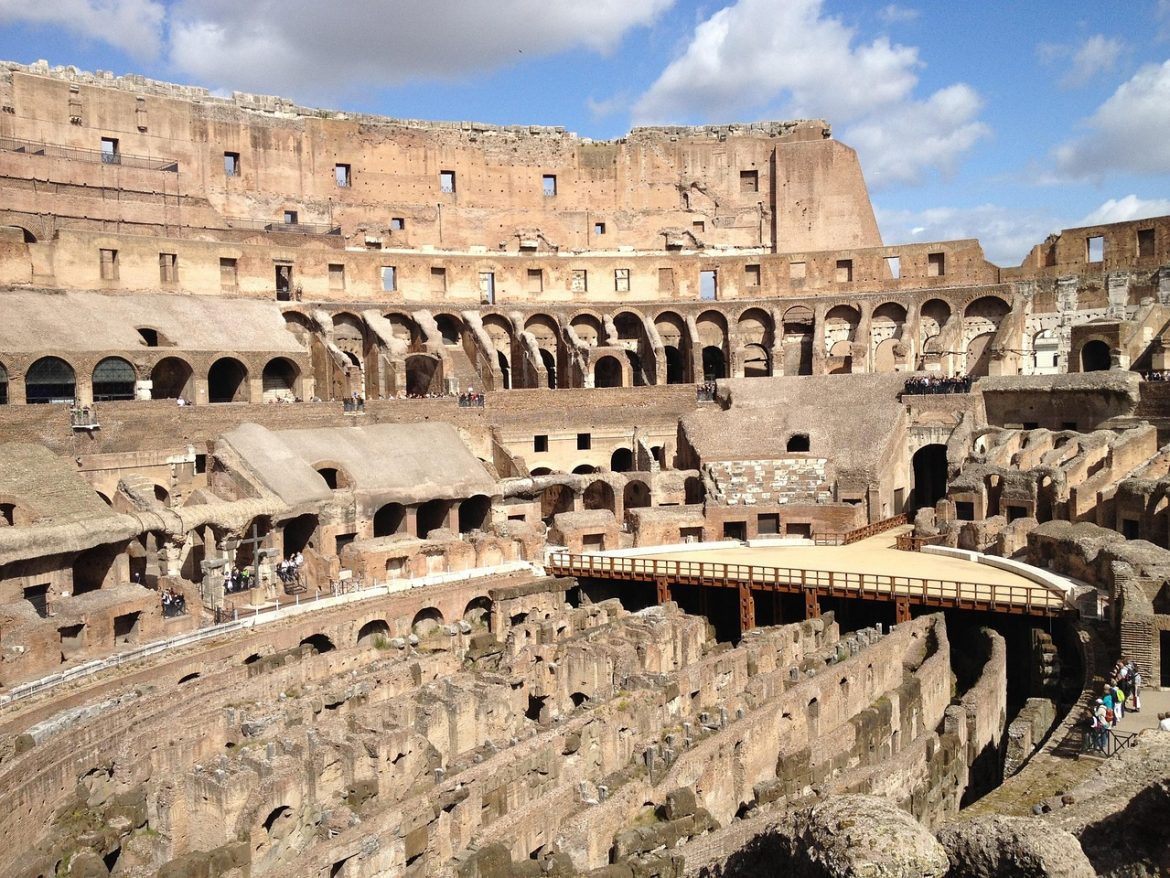
If you’re wondering where in Italy is the Colosseum located in Rome, it stands in a central location just east of the roman forum, at the edge of the ancient centre of the city of rome. Arriving in person, you’ll feel how naturally it anchors the neighbourhood—close enough to walk, yet grand enough to stop you mid-step.
Within a comfortable stroll, you can explore the Arch of Constantine, pause at viewpoints that look over the forum, and slip into a nearby café for an elegant espresso or a glass of something chilled. This is Rome at its most cinematic: sun-warmed stone, wide boulevards, and a sense that the past sits right alongside the present.
Colosseum name notes for your Rome guide
You’ll see a few names used interchangeably. “Colosseum” is standard, while “coliseum” appears in some English materials. On formal signage and in certain guidebooks, you may spot the historic title Flavian Amphitheatre, a nod to the dynasty that commissioned it.
Visitor expectations at the Colosseum in Rome
The scale is immense, and the atmosphere can be bright and exposed—bring water and allow time for security checks at the main entrance. At peak hours there can be long lines, even with timed entry, so a thoughtfully crafted plan is more than convenience; it’s support that helps you enjoy the moment rather than manage it.




A Roman Colosseum history guide Rome Italy with architectural depth
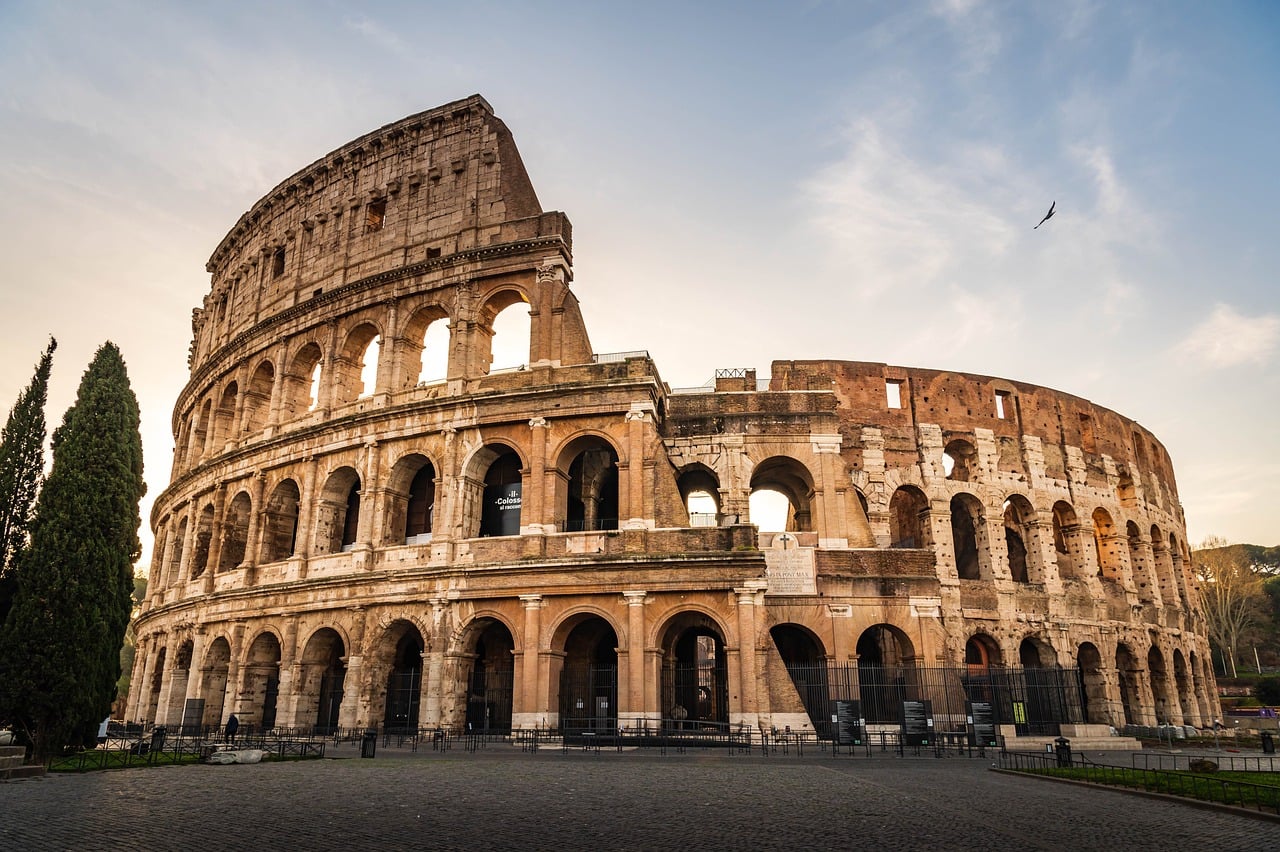
A Roman Colosseum history guide Rome Italy with architectural depth
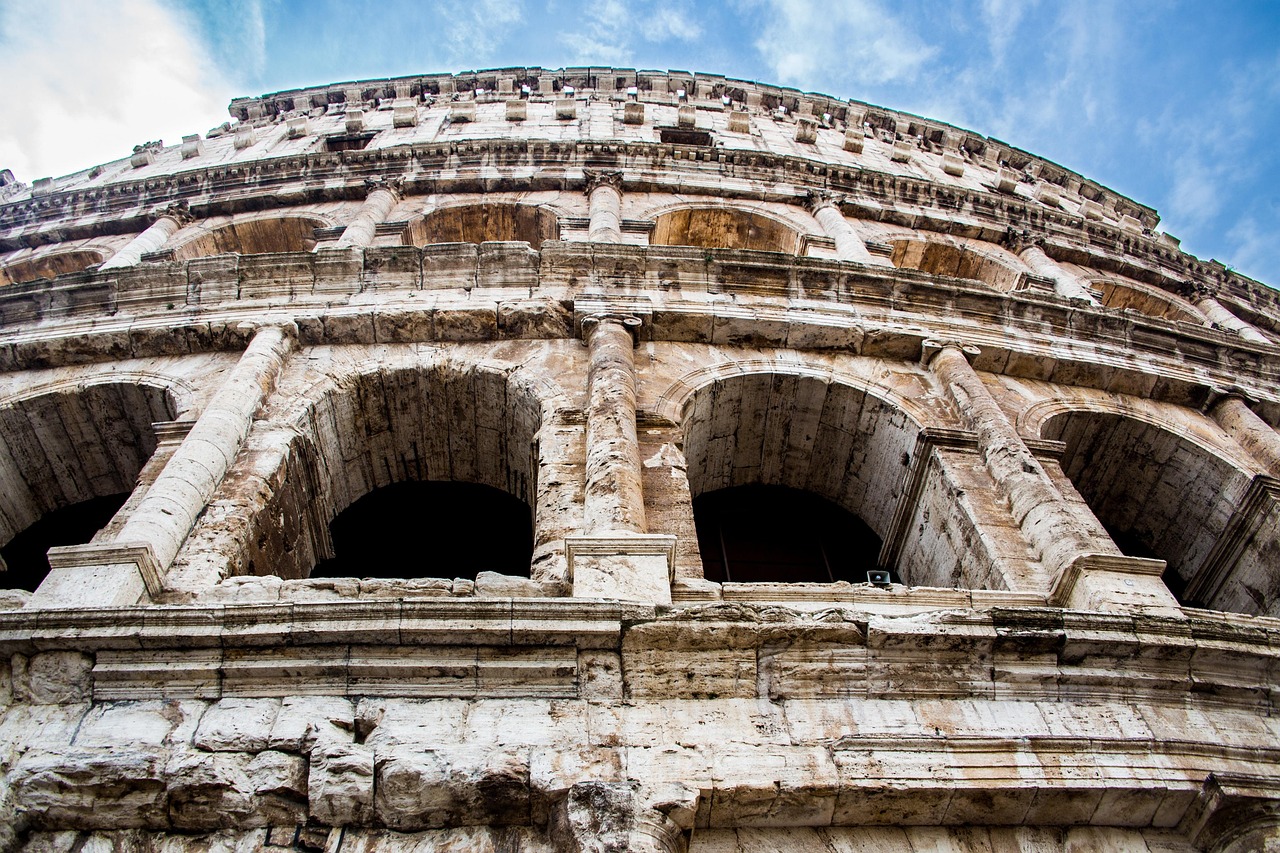
This Roman Colosseum history guide Rome Italy begins with a simple truth: it’s a famous monument because it still works as a piece of design. The structure is elliptical, built in travertine and engineered for sightlines, sound, and crowd flow—proof that great architecture can outlast empires by 2000 years.
Construction began under Emperor Vespasian—and the story is partly political. After Nero’s reign, the Flavian family returned land to the people, replacing what had been Nero’s private pleasure landscape. The construct was inaugurated by Titus in 80 AD, and later improvements are linked to Domitian; you’ll sometimes see the year 80 referenced as the opening moment when the city’s excitement would have been at full volume.
Roman history and the arena machine
The amphitheatre staged public spectacles that were as much about power as entertainment: gladiatorial combat, staged drama, and displays involving wild animals. In its earliest period, sources even mention the idea of naval scenes—an extraordinary concept when you consider the engineering required to control water and staging for a theatrical battle.
One traveller we hosted described stepping into the centre and feeling awe-struck, able to imagine the roar of 50,000 spectators and the imperial theatre of the roman empire. It’s a rare kind of time travel—quietly personal, even when you’re surrounded by others.
Architectural details high-end travellers notice
Look for the rhythm of arches and the calm logic of circulation. There were 72 numbered entry points, designed for swift, dignified movement—an ancient solution that still feels remarkably modern. With the right guide, small details become big insight, and the monument stops being a backdrop and becomes a living system.
Colosseum tickets and tour options Rome Italy for the best arena experience
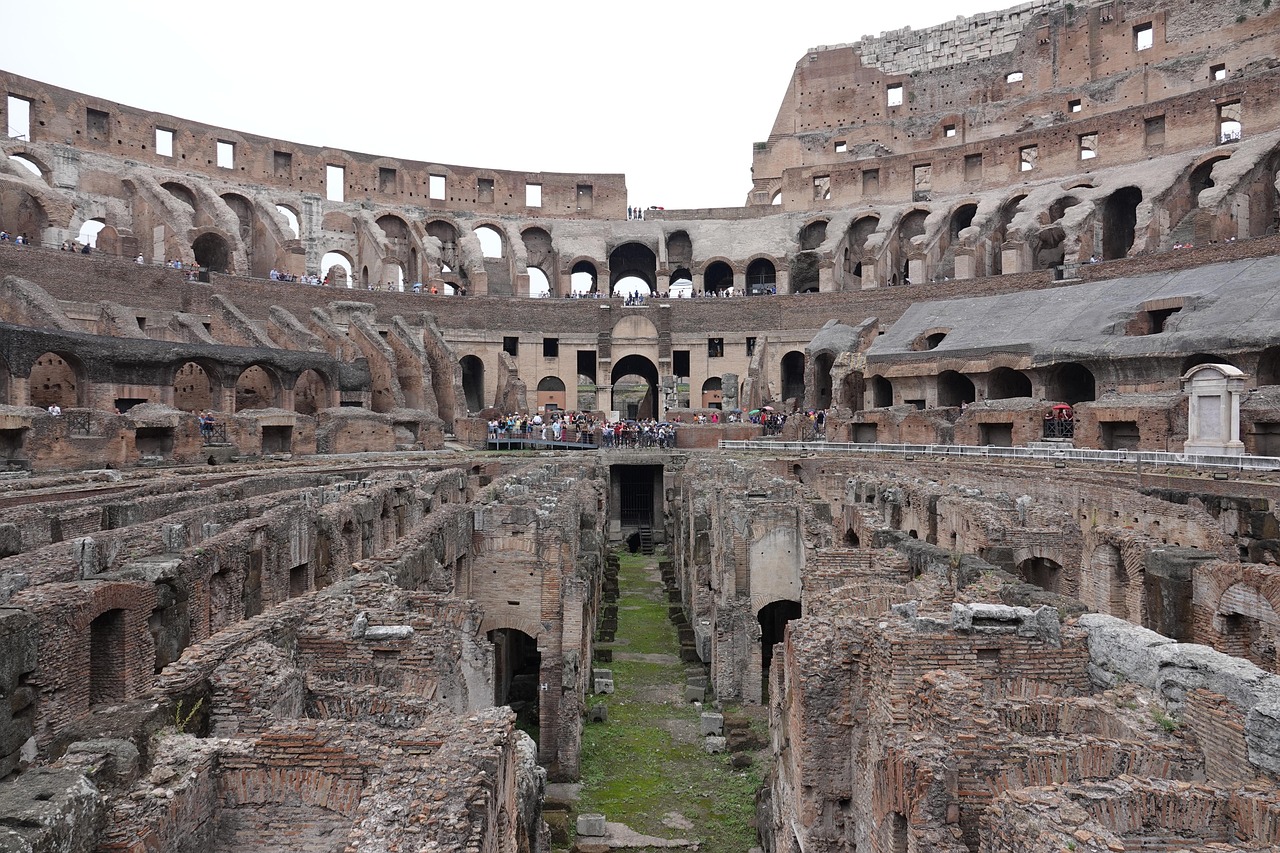
Colosseum tickets and tour options Rome Italy for the best arena experience
When planning Colosseum tickets and tour options Rome Italy, the key decision is timing and access. Most visitors choose a combined pass that includes the Colosseum plus the Roman Forum and Palatine Hill, which lets you explore the wider story of ancient rome together, rather than as separate fragments.
For comfort and confidence, book in advance online with timed entry to reduce waiting. If you value context and pace, an expert-led tour is often the difference between “seeing” and truly understanding—especially in spaces where the most meaningful details are easy to miss.
Ticket choices and how to avoid queues
- Standard entry: ideal if you’re comfortable navigating independently and arriving early.
- Combined access: Colosseum, Forum, and Palatine in a single plan for a richer itinerary.
- Skip-the-line booking: reduces friction at the main entrance, especially in high season.
- Private or small-group: crafted pacing, deeper history, and calmer movement.
If you’d like the simplest shorthand: prioritise colosseum tickets that match the hour you want to enter, then build the day around that fixed point.
Underground and arena floor tours
Premium visits can include the underground areas beneath the arena and time on the arena floor—an experience that changes how you read the amphitheater’s scale. A luxury traveller once shared how a private after-hours walk felt serene and intimate, as though Rome briefly exhaled; without the usual noise, the human stories of performers and the city’s grand ambitions rose to the surface.
An audio guide can be helpful for a straightforward route, but if you want to ask questions, pause for photography, and uncover nuances, a private guide delivers far more value—especially when the site is busy and signage can’t tell the whole story.
Best time to visit the Colosseum Rome Italy luxury guide for a seamless day
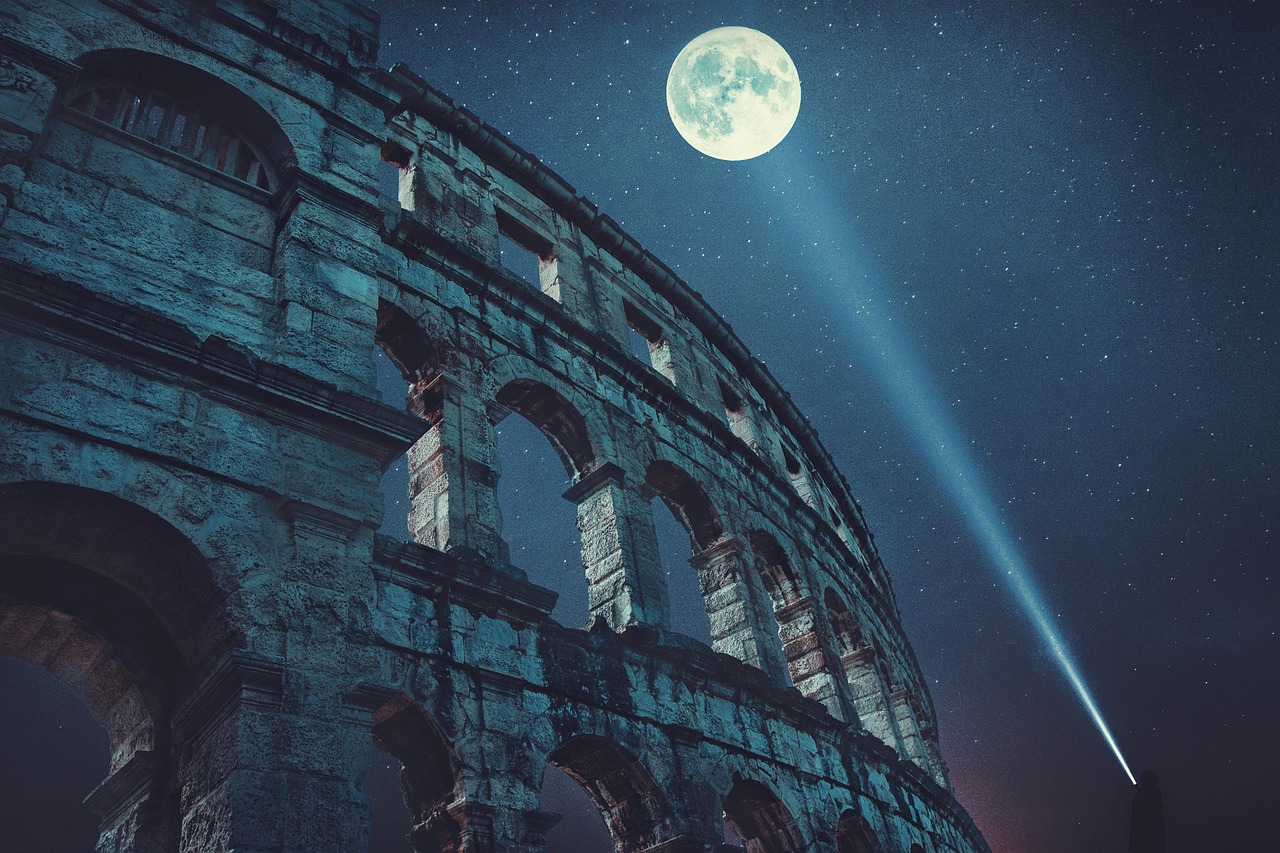
Best time to visit the Colosseum Rome Italy luxury guide for a seamless day
This best time to visit the Colosseum Rome Italy luxury guide is designed around ease: early morning or late afternoon in spring or autumn brings softer light, fewer crowds, and gentler temperatures. You’ll feel more present, and the photographs are often more beautiful—golden edges on weathered arches, shadows that reveal texture rather than glare.
Wear comfortable shoes for uneven stones and keep hydration close; the sun can be stronger than it looks in open areas. With a little care, you can create a visit that feels unhurried and genuinely pleasurable.
Transport in Rome with support and confidence
The metro to Colosseo station is fast and direct, especially from central neighbourhoods. A taxi offers flexibility, but for the most seamless option, a luxury private chauffeur service gives door-to-door comfort and removes the guesswork—particularly helpful if you’re balancing dinner reservations, galleries, or family pacing.
Accessibility and evening atmosphere
There are accessible routes and lifts in parts of the site, though some areas remain uneven; checking accessibility in advance helps you design a plan that’s kind to your energy. If you can, discover the Colosseum Illuminations after dark from nearby viewpoints—Rome feels quieter, and the Colosseum’s presence turns almost sculptural.
- Pack water and a light layer, even in shoulder seasons.
- Plan short rests between levels; the experience is richer when it isn’t rushed.
- Be respectful: don’t touch delicate surfaces, don’t litter, photography is allowed, and drones are prohibited.
Roman Forum and Palatine Hill itinerary near the Colosseum Rome Italy with a guide’s eye
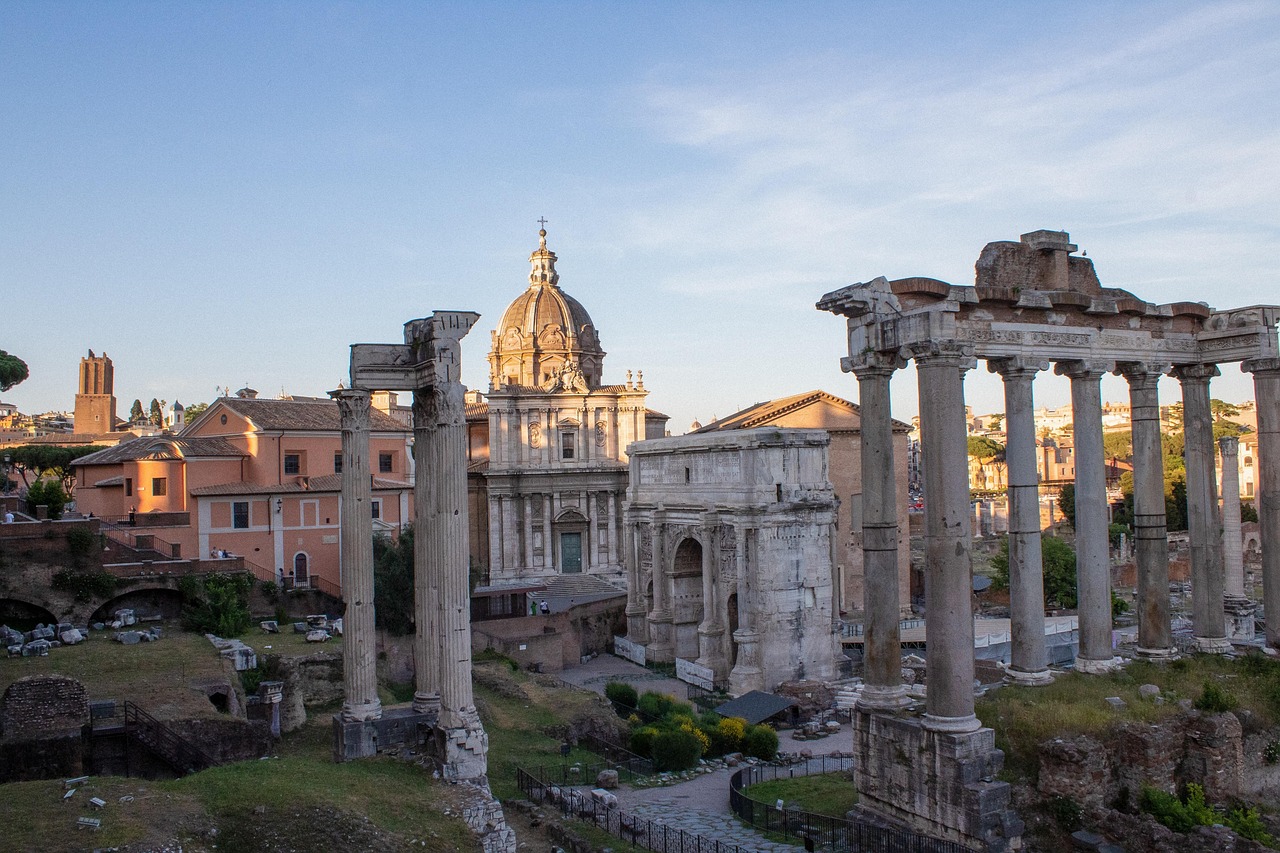
Roman Forum and Palatine Hill itinerary near the Colosseum Rome Italy with a guide’s eye
A Roman Forum and Palatine Hill itinerary near the Colosseum Rome Italy flows beautifully on foot: begin at the Colosseum, then drift into the roman forum, and finish by climbing to palatine hill for wide, quiet views over ancient rome’s centre. The shift in altitude is small, but the change in perspective is profound—suddenly, you’re looking across layers of time.
With an expert guide, ruins become readable. You’ll start noticing the footprints of processional routes, the placement of power, and how civic life once unfolded between temples, courts, and marketplaces.
What to look for in the Forum and basilica remains
Move slowly and let your curiosity lead: an arch framing a pathway, a fallen column hinting at a forgotten temple, and the skeletons of a basilica where public life once gathered. A visitor once told us that learning about the site’s engineering ingenuity—and the lives behind the gladiator and performer narratives—felt unexpectedly emotional, because it revealed how much of Rome’s grandeur depended on individual courage, labour, and risk.
Pairing Rome’s icons with breathing space
For high-end travellers, we often design the Vatican as a separate half-day to keep the rhythm balanced. The vatican is at its best when you have room to pause, and the vatican museums deserve time without squeezing them into an already monumental day.
If your journey through Italy continues, Rome pairs effortlessly with Venice for atmosphere and art, or Naples for energy and cuisine—contrast that makes each place feel sharper. For inspiration on how these experiences can be crafted together, explore our Trip gallery.
Colosseum in Rome reflective travel moments Italy that stay with you
In Colosseum in Rome reflective travel moments Italy, what lingers is often not the headline facts, but the feeling in your body when the noise drops away. The Colosseum’s scale is undeniable, yet there are pockets of silence where you can simply stand and let it settle—light moving across worn steps, the hush between conversations, the sense of distance collapsing.
Later, you may find yourself thinking about its history in a gentler way: not as a list of dates, but as a human thread—ambition, spectacle, artistry, and survival. There’s trust in letting your own rhythm lead; powerful places become more approachable when you allow time for stillness, and when your day has been designed with care.
Days afterwards, you might still picture Rome’s evening glow on old walls, and the way the amphitheatre seemed to hold both grandeur and fragility at once—like a quiet reminder that every city, every life, has layers worth returning to, when the moment is right.
F.A.Qs: Colosseum visitor questions in Rome Italy
F.A.Qs: Colosseum visitor questions in Rome Italy
What city is the Colosseum in Italy?
The Colosseum is in Rome, Italy. It sits in the historic centre, close to the Roman Forum and Palatine Hill, making it easy to combine major ancient sites in a single well-paced day.
How far apart are the Vatican and the Colosseum?
The Vatican and the Colosseum are in the same city but on different sides of central Rome. By car or taxi it’s often around 20–35 minutes depending on traffic; by metro, it’s a straightforward trip with one change.
Can you go inside the Colosseum in Italy?
Yes—you can go inside with a valid ticket and timed entry. You can choose standard access or upgrade to guided options that may include the arena floor, which offers a striking perspective over the amphitheatre.
Are there toilets in the Colosseum?
Yes, there are toilets available within the Colosseum visitor areas. Even so, it’s wise to go before your entry time, as queues can build during peak hours and you may want to keep your visit flowing smoothly.