Post Contents
- San Clemente in Rome: a three-level church in Rome near the Colosseum
- Inside the Basilica di San Clemente: mosaic, fresco art, and medieval Rome
- Underground San Clemente excavation: the Roman house and the 4th century church
- The Mithraeum below San Clemente: mithraic rites, ancient Rome, and religion
- What stayed with me after visiting San Clemente in Rome
- F.A.Qs: Basilica of San Clemente Rome Italy practical answers
San Clemente in Rome: a three-level church in Rome near the Colosseum
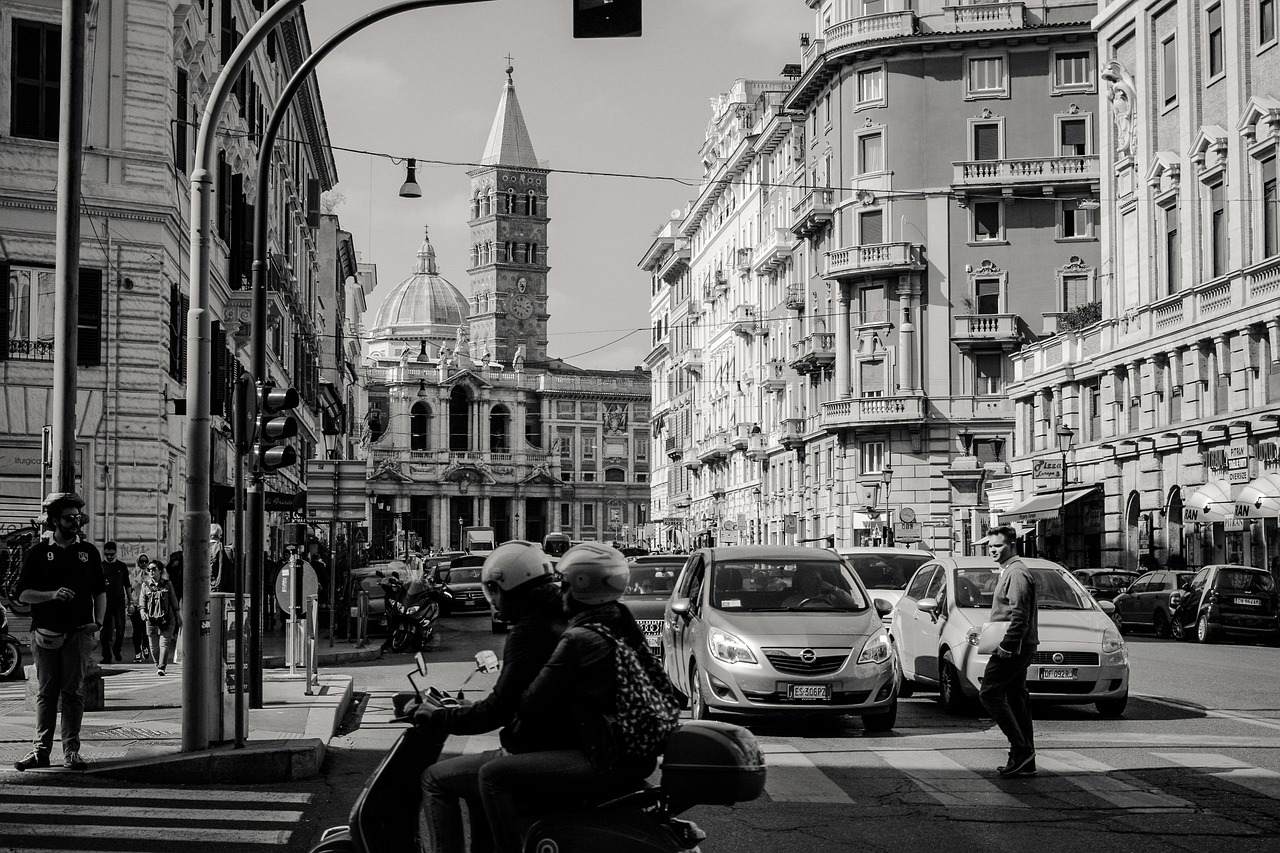
San Clemente in Rome, a three-level basilica and church complex
For a practical guide to the church of san clemente rome italy, start by picturing a calm side street just beyond the city’s busiest ruins. This is San Clemente at its best: a famous basilica that doesn’t shout, but gently invites you to discover how Rome can hold centuries of faith and everyday life in one address.
You can reach the entrance easily from the Colosseo area by walking a few minutes into the Monti neighbourhood; the route feels local rather than touristy. When you enter the basilica, the pace of Rome seems to soften, and your journey becomes more personal—less about ticking boxes, more about letting the place lead.
How to locate the basilica from Colosseo and the piazza routes
From Colosseo metro station, it’s a short, straightforward walk—ideal if you want a seamless start and the freedom to explore independently. If you’re arriving from a different part of Rome, taxis are easy to find, and several bus lines stop within comfortable walking distance.
High-end travellers often plan this visit as a calm counterpoint to the Forum crowds: a focused hour or two that still delivers a genuinely archaeological thrill. Think narrow corridors, shifting light, and the first hint that an older story is waiting below your feet.
Tickets, tours, and the best time to visit and explore in peace
Entrance is handled simply: you buy a modest ticket for the lower areas, while the current church is often open to step into without fuss. Check the official website for opening times before you visit, and consider a small-group tour if you want clear context on the art and excavation without feeling rushed.
- Best time to visit: early morning or late afternoon on a weekday for a quieter basilica and a more reflective experience.
- Planning support: book online in peak season, and build in extra time for the lower levels if you’re adding a guided tour.
- Comfort: wear comfortable shoes—older floors can be uneven, especially as you move down through each level.
If you’d like to weave San Clemente into a broader, beautifully curated route through Italy, you can browse our Trip gallery for inspiration designed around culture, comfort, and confidence.




Inside the Basilica di San Clemente: mosaic, fresco art, and medieval Rome
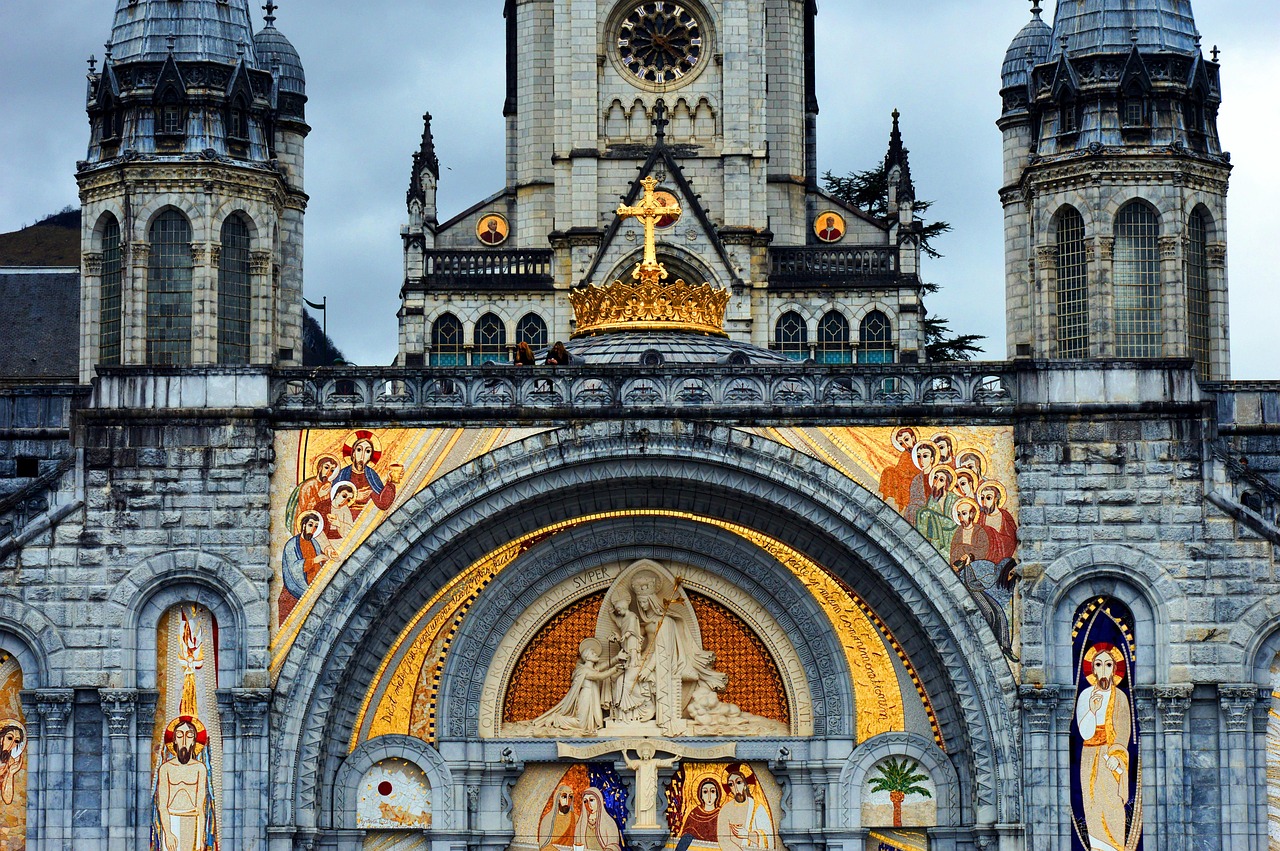
Inside the Basilica di San Clemente: mosaic, fresco, and the atmosphere of Rome
Step into the Basilica di San Clemente story by letting your eyes adjust to the hush of the nave. This is the current basilica you see first, and it’s where the church feels most reassuring—orderly, luminous, and quietly grand in the heart of Rome.
Move forward towards the altar area and look up: the mosaic programme is the heart of the space, a crafted vision of Christ and the christian community that still feels alive. You don’t need to be a scholar to sense it—just give yourself a moment for the scene to settle.
The artistry here is not just decorative; it’s narrative. A surviving fresco fragment, a patterned floor, a careful border—each detail helps you read how devotion and memory were used to build continuity across each century of change in Rome.
Travellers often tell me the same thing: the calm inside this church makes the city’s noise feel suddenly distant, as if you’ve stepped behind a curtain. It’s a gentle kind of awe—one that supports deeper attention, especially when you pause near the altar and notice the light shift.
Visiting with care, and a virtual way to remember what you saw
San Clemente rewards quiet. Speak softly, avoid flash, and protect the atmosphere for others so the basilica remains a place of worship as well as a place of wonder.
For planning and reflection, create a simple virtual pin on your map and save a few close-up shots (without flash) of a mosaic corner or a fresco detail that catches your eye. Later, those notes bring you back to Rome in an unexpectedly vivid way—especially if you record where you were standing and how the space made you feel.
Underground San Clemente excavation: the Roman house and the 4th century church
Underground San Clemente excavation: Roman rooms and early Christian history
The descent to the lower areas changes everything: the temperature cools, acoustics tighten, and light becomes more deliberate. You don’t just read the history of Rome here—you uncover it step by step, moving beneath the present-day church into spaces that still feel startlingly close.
This is the adventure-seeker’s reward at San Clemente: a rare, tactile sense of time, with different layers that were adapted rather than erased. Each new level feels like another chapter—carefully preserved, thoughtfully presented, and deeply ancient.
Understanding each level and the archaeological foundation of the site
Below the basilica, you’ll move through the remains of earlier structures: parts of a 1st-century Roman building and domestic spaces, then evidence of later phases, and the footprint of a 4th century church that served an early community. Walls, a clear foundation line, and more than one preserved room make the transition from Roman life to Christian worship feel remarkably direct.
As you explore, you can see how the site balances access with conservation: enough proximity to feel real, enough care to keep this layered structure intact. It’s also an elegant reminder that Rome can build anew without fully wiping away what came before.
Saint Cyril, Slavic memory, and what we can say with confidence
San Clemente is associated with Saint Clement traditions and stories that connect Rome to the wider world—Slavic culture, missionary history, and references reaching as far as Crimea. Saint Cyril is part of that broader web of learning, but it’s best approached with care: some details sit in tradition rather than tidy certainty, and that complexity is part of the story.
- Footing: expect uneven surfaces as you move through each room; comfortable shoes matter.
- Pacing: slow down—confidence comes from taking your time through each century of change.
- Accessibility: access is supported above, but lower areas can feel narrow once you enter.
The Mithraeum below San Clemente: mithraic rites, ancient Rome, and religion
The Mithraeum below San Clemente: a quiet encounter with ancient Rome
The mithraeum is where the site becomes genuinely uncanny—in the best, most respectful way. This isn’t sensationalism; it’s simply the recognition that ancient Rome held more than one religion, and that belief could change from one century to the next while places stayed in use.
One visitor described a palpable sense of mystery as they entered the mithraeum, as if the air itself had shifted. Standing there, you can imagine the confidence it took to belong to a private cult in an emperor’s city, under the reign of changing powers and public rituals—before later Christian worship rose above it.
What you’ll see in the mithraeum and how Romans used the structure
The space is intimate: bench-like platforms along the sides, a central focus that draws your eye towards an altar, and symbolism tied to the initiate’s path. Even without lengthy explanation, the layout makes clear that this room was designed for rites—private, ordered, and charged with meaning in mithraism.
It’s also a reminder that Rome didn’t simply replace one world with another. It reshaped, absorbed, and reinterpreted—then decorated new sanctuaries above old ones, century after century, including this mithraic corner hidden below a Christian church.
Move with care, and leave space for the experience to speak
For safety and respect, move slowly and mind your steps so others can share the hush. The best insight comes when you let curiosity guide you, and when you allow the experience to unfold without trying to rush it.
As you leave, the contrast is striking: one moment a secretive temple, the next the bright basilica above. It’s a seamless lesson in how Rome holds contradictions—and how your own travels can be both adventurous and grounded.
What stayed with me after visiting San Clemente in Rome
What stayed with me wasn’t a checklist of facts, but the feeling of 2000 years held in one place—time stacked so neatly you can almost sense it shift. San Clemente in Rome has a particular stillness: the basilica above feels composed and kind, while the lower spaces feel like a private conversation with the city.
I remember pausing in the dim corridors and noticing how my pace changed. The moment I stopped trying to “do Rome” and simply allowed the space to set the tempo, everything became clearer—art, stone, silence, even my breath. That’s the quiet power of this church: it asks you to look again, and it rewards patience.
And then there’s continuity—how a Roman room can become a sacred site, how devotion can move from one century to the next, how something can be destroyed (1084 is a date that haunts the imagination) and yet, in another form, endure. In a city shaped by the Tiber, you start to understand why people kept returning, rebuilding, and re-committing to meaning.
Leaving San Clemente, Rome felt less like spectacle and more like texture—something you don’t conquer, but come to know. It’s the kind of place that stays with you quietly, and sometimes calls you back when you’re ready to see it with fresh eyes.
F.A.Qs: Basilica of San Clemente Rome Italy practical answers
F.A.Qs: Basilica of San Clemente Rome Italy planning notes
What is the history of the San Clemente church?
San Clemente is a layered site in Rome: today’s basilica sits above an earlier church and older Roman structures. You can see how the complex developed across century after century, from everyday rooms to Christian worship, with preserved walls and spaces showing how the city continuously rebuilt and repurposed what came before.
What was the miracle of St Clement?
Stories of St Clement include traditional accounts linked to his witness and veneration, rather than one universally agreed miracle. At San Clemente, the emphasis is often on continuity of devotion: a church dedicated to Clement, traditions of memory, and the way a community kept his story alive. Some visitors also ask about a relic and a nearby tomb tradition, but details vary by source.
Is the Basilica di San Clemente free?
The main church area is often free to enter, but access to the excavations below typically requires a ticket. Opening times and conditions can change, so it’s wise to check the official website before you plan your visit, especially around services or holidays.
What is San Clemente in Rome?
San Clemente is a church complex close to the Colosseo that lets you explore multiple historical layers in one stop. Above is the basilica with altar art and a celebrated fresco tradition; below are archaeological remains and a hidden mithraeum, giving a rare glimpse of pre-Christian practice alongside later Christian devotion. Along the way, you’ll also hear how popes helped shape the site, and how a statue and inscriptions recall a long-standing Christian presence.