Post Contents
- Arriving in Sapa Vietnam and finding your rhythm in Sapa town for first impressions
- Planning a trip to Sapa Vietnam best time to visit and how to get to Sapa from Hanoi
- Muong Hoa Valley rice terraces and the Ta Van to Lao Chai trek Sapa
- Village life cultural immersion from Cat Cat to Ta Phin in Sapa
- Fansipan trek cable car Hoang Lien Sapa Vietnam adventure
- Love Waterfall Silver Waterfall and food in Sapa Vietnam for restorative endings
- After Sapa what stays with you in Sapa Vietnam reflections after the journey
- F.A.Qs: Sapa Vietnam travel guide essentials
Arriving in Sapa Vietnam and finding your rhythm in Sapa town for first impressions
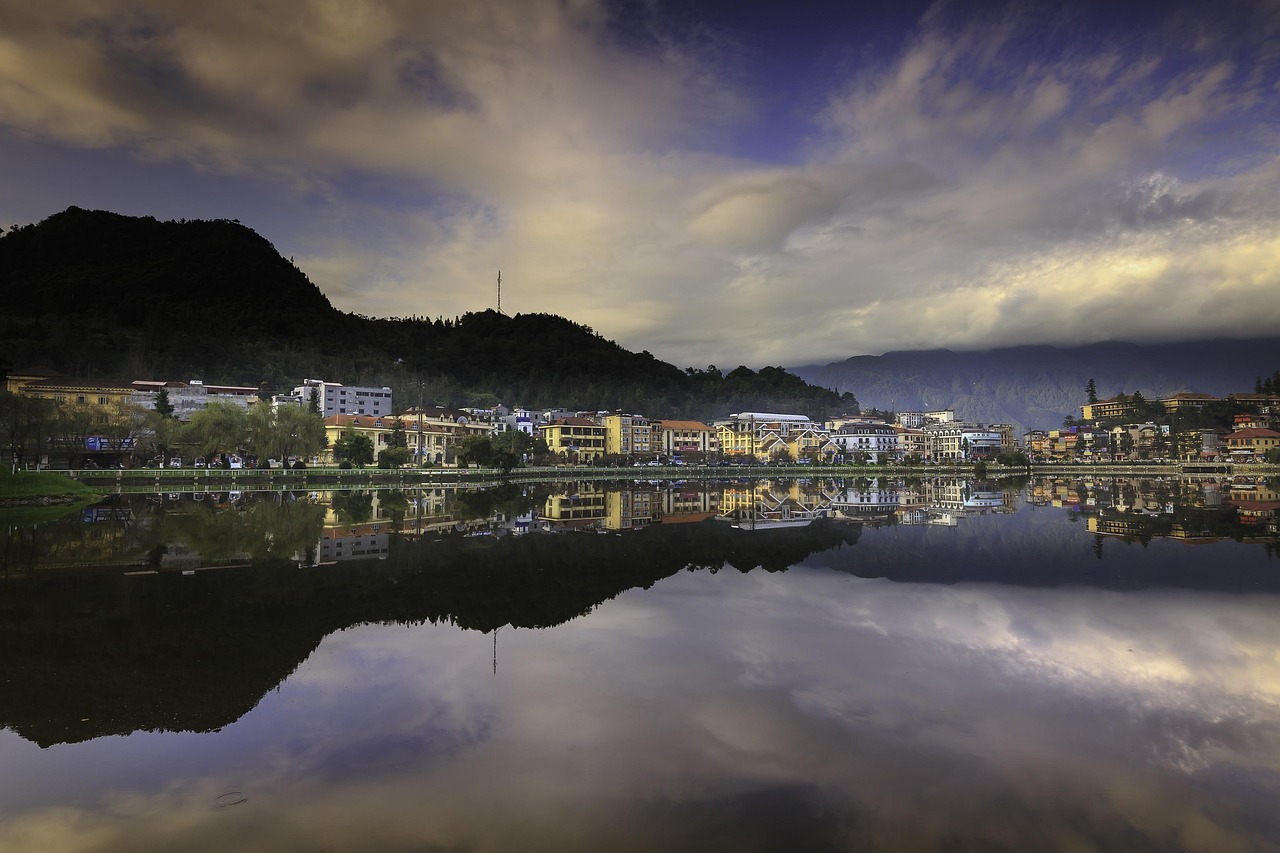
Arriving in Sapa Vietnam and finding your rhythm in Sapa town
For many travellers, Sapa Vietnam Sapa town first impressions arrive on a breath of cool air: misty mornings, sudden sunbreaks, and the gentle thrum of tourism meeting mountain life. Sapa is famous for dramatic landscapes, but it’s the way weather moves across the ridge that makes you slow down and listen. Imagine stepping out early as shopfronts lift their shutters, with the scent of grilled local food and wet stone underfoot.
To settle in with confidence, begin with a simple circuit that lets you feel the place rather than rush it. Walk towards Sapa lake first, where the water reflects grey-blue cloud like brushed silk. From there, drift into Sapa square—a natural gathering point where you can watch families, guides, and hikers pass like chapters opening.
Sapa lake, Sapa square and the stone church atmosphere
Continue to the stone church for a moment of atmosphere and a few composed photographs. The architecture feels quietly European, but the surrounding street life is unmistakably Vietnam: vendors, warm laughter, and the soft choreography of scooters. It’s a good place to “arrive” mentally—especially if you’re about to trek in earnest over the next days.
A gentle first evening with the night market
In the early evening, let your first taste of Sapa town be unhurried. Browse the night market for a small souvenir—textiles, simple silver pieces, or handmade keepsakes—and practise light haggling kindly, with a smile that signals respect rather than pressure. As music drifts through town, you’ll feel the tone of Sapa: lively, but never too far from quiet.
If you’re deciding where to stay in Sapa, prioritise a calm base with easy pick-ups for early starts and a warm shower for late returns. Keep one eye on the weather (it changes quickly at altitude) and one hand on your own pace. This is where adventure begins: not with speed, but with steadiness, trust in your body, and care for your energy.


Planning a trip to Sapa Vietnam best time to visit and how to get to Sapa from Hanoi
Planning a trip to Sapa Vietnam best time to visit and how to get to Sapa
If you’re planning a trip to Sapa, timing and arrival logistics shape everything—from terrace colour to trail safety. The phrase best time to visit Sapa how to get to Sapa from Hanoi sounds like a search query, but it’s also the backbone of a seamless journey: choose your season, then build your travel day to minimise friction.
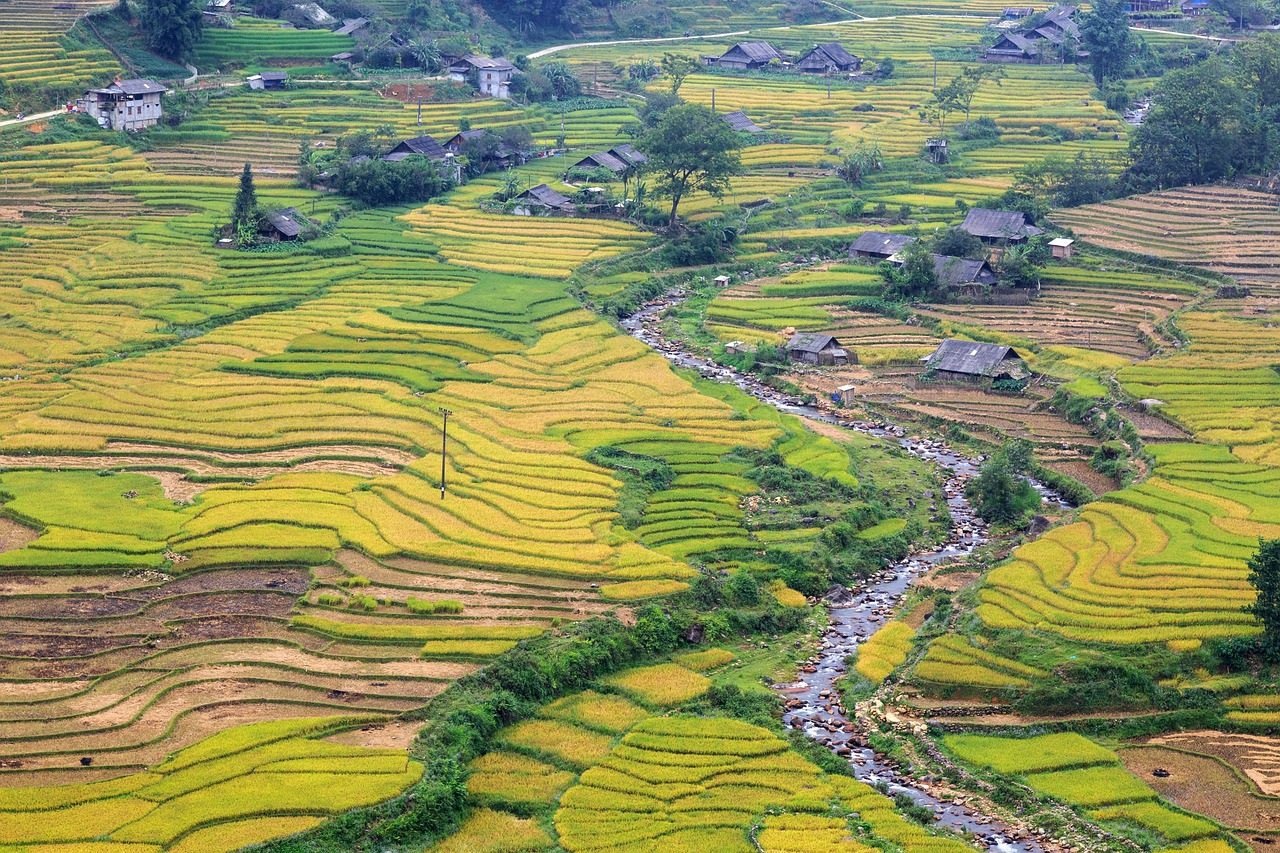
The best time to visit sapa is typically September and October, when rice paddies begin to turn golden and the light feels crisp. Another excellent time to visit is March to May, when flowers bloom and you may see green rice returning to the valley. In peak weeks, expect higher room rates and busier viewpoints—so high-end travellers often book a little earlier to secure the most restful rooms and thoughtfully run experiences.
How to get to Sapa and reach Sapa smoothly
The classic route is simple and reliable: take the overnight train from Hanoi to Lao Cai station, then continue by bus or taxi to reach Sapa. If you’re sensitive to rough roads, pre-arranging the final transfer can create a calmer arrival—especially after sleeping lightly on the train. For a curated overview of routes and styles of travel across Vietnam travel, you can browse our Trip gallery.
It’s also worth knowing about sapa may, the local “mist season”. A thick white cloud can roll in and reshape your plans—sometimes hiding the mountains completely, sometimes lifting like a curtain at noon. The reassurance: flexible mornings work beautifully here. Start with coffee, a slow breakfast, and a later departure if visibility is low.
Travel tips for packing and mountain weather
Weather shifts are part of the charm of sa pa, but they demand smart layers. These travel tips help you create comfort without overpacking:
- Light base layers plus a warm mid-layer—mornings can feel unexpectedly cold.
- Rain cover for your daypack and a thin waterproof shell for sudden showers.
- Sturdy footwear with grip; trails can be slick after rain and steep near terraces.
- A small dry bag for phone and camera, especially if you plan long days outdoors.
Muong Hoa Valley rice terraces and the Ta Van to Lao Chai trek Sapa
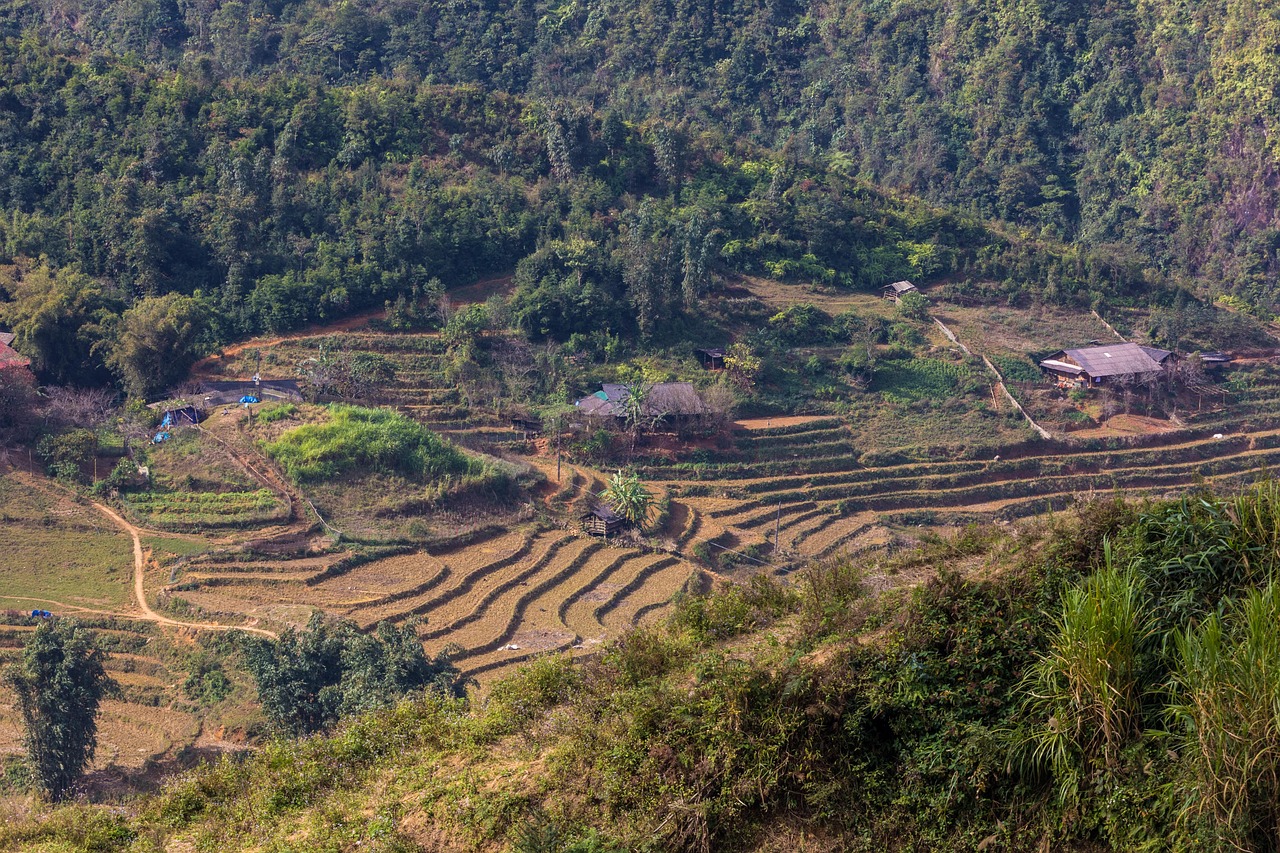
Muong Hoa Valley rice terraces and the Ta Van to Lao Chai trek
For a day that captures Sapa at its most iconic, build your plan around Muong Hoa Valley rice terraces Ta Van Lao Chai trek Sapa. This route is a living landscape—terraced rice carved into hillsides, rivers murmuring below, and footpaths that reveal the valley in gradual, generous layers. You don’t need to rush it; the magic is in how the scenery arrives in waves.
Start near Ta Van, then walk along the terrace edges as the valley opens. Depending on the season, you’ll see flooded mirrors, bright seedlings, or heavy heads of grain. When the sun breaks through, the views of the rice can feel almost unreal—like polished metal and velvet stitched together.
Trekking experience on dirt roads and steep steps
This trekking experience is honest underfoot: sections of dirt roads, uneven stone steps, and narrow paths where mud can tug at your boots. The best views don’t always appear at the highest point; often they come after a bend, when a stream flashes silver and you hear a distant bell from a hillside home.
There’s a choice point that can define your day. A guided tour adds cultural context and helps with navigation, while experienced hikers may go without a guide—but only with careful route planning, offline maps, and a sensible turnaround time. If you’re unsure, choosing a guide is a professional-level decision, not a beginner’s one.
- Guided: deeper insight into farming cycles, textiles, and local life; easier logistics and safer pacing.
- Independent: more freedom and quiet, but you’ll need navigation confidence and weather awareness.
For tired legs or a different angle, consider a late-afternoon loop by road. I often recommend taking a motorbike to catch wider views of the valley as the light softens—especially if you want photographs that show how vast the terraces really are.
Village life cultural immersion from Cat Cat to Ta Phin in Sapa
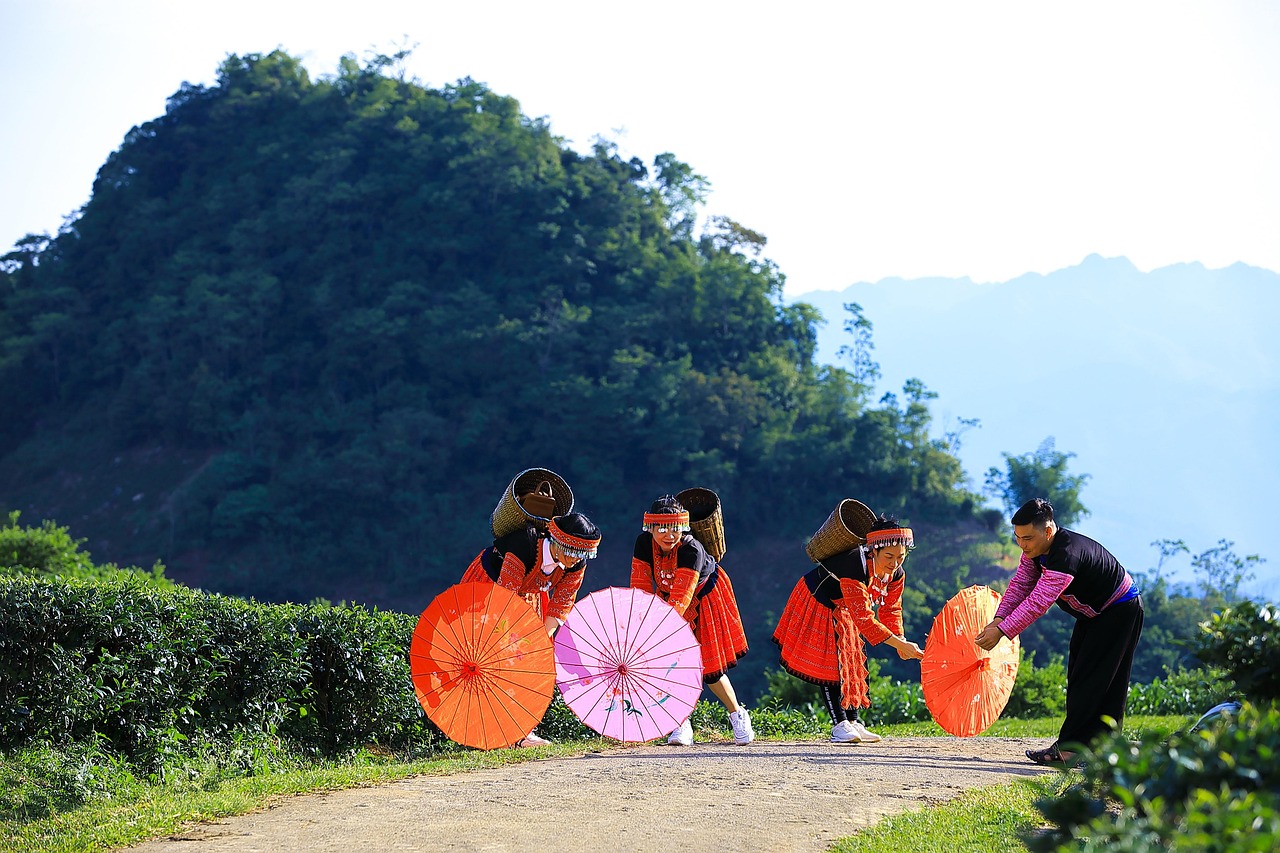
Village life cultural immersion from Cat Cat to Ta Phin
When people search Cat Cat village Ta Phin village cultural immersion Sapa, they’re usually hoping for something real: connection, not performance. Sapa’s hill tribe communities are diverse, and the most meaningful encounters come from respectful curiosity—asking, listening, and understanding that your presence is part of someone else’s daily rhythm.
As you explore, keep etiquette simple. Ask permission before photographing individuals, dress modestly in any village, and remember that a warm greeting goes further than a camera lens. You’ll hear references to h’mong people and the red dao; each community has its own language, craft traditions, and ways of welcoming guests with gentle pride.
Cat Cat and Cat Cat village as a half-day option
Cat Cat is the most accessible: a half-day trip from Sapa town that works well if your schedule is tight or you’re easing into longer hikes. Cat Cat village offers craft stalls, small performances, and a nearby waterfall feel—without overpromising wilderness solitude. Go early for quieter lanes, and treat purchases thoughtfully: choose quality pieces you’ll genuinely keep, and pay fairly.
Ta Phin and homestay moments that build trust
For a deeper layer, shift your day towards Ta Phin. A group of friends once told me their strongest memory wasn’t a view—it was bonding over traditional mountain food and the warmth of the Red Dao people. They sat together over herbs, simple dishes, and small cups of rice wine, and the evening became a cultural exchange that felt heartfelt rather than staged.
Another personal story stays with me: a solo trekker spent a night in a homestay with a local h’mong family. They described the quiet care in small details—how shoes were placed neatly, how the fire was tended, how morning chores began before dawn. That night uncovered something rare in modern travel: the feeling of being welcomed with trust, and the responsibility to honour it. If you choose homestays, look for locally operated hosts so your stay directly supports families and community projects.
Fansipan trek cable car Hoang Lien Sapa Vietnam adventure
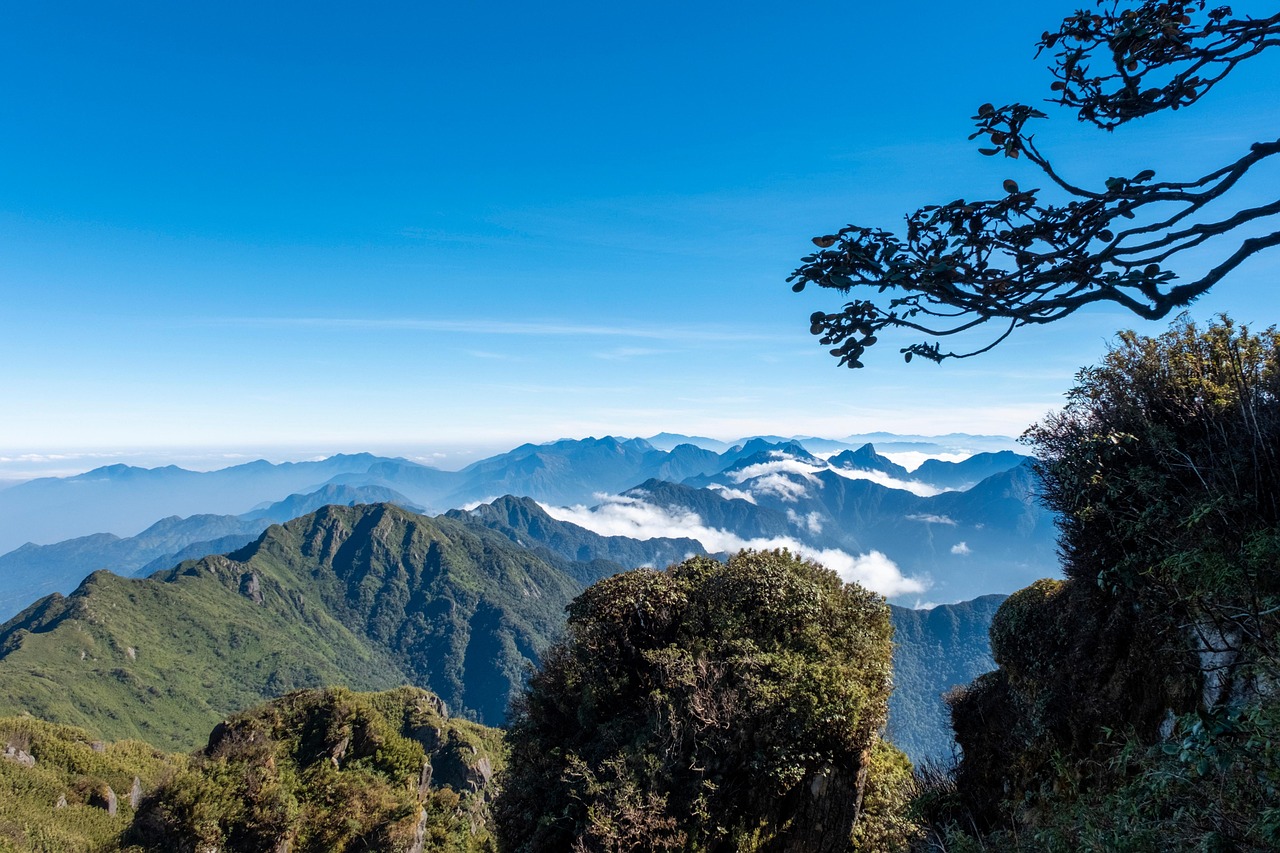
Fansipan adventure in the Hoang Lien range Roof of Indochina
For many, the phrase Fansipan trek cable car Hoang Lien Sapa Vietnam is shorthand for one thing: the ultimate mountain day. Fansipan, the “Roof of Indochina”, rises in the Hoang Lien range of northern vietnam, where altitude changes quickly and weather can pivot from sun to fog in minutes. It’s a bold adventure, but it can still be designed with expert care.
You have two strong paths. Strong hikers can choose a multi-hour trek, pacing steadily and treating the climb as a conversation with the mountain rather than a race. Alternatively, the cable car offers summit scenery with far less strain—ideal if you’re balancing adventure with recovery days, or travelling in a mixed-ability group. Even then, pack warmth: wind and cold can surprise you at the top.
A sunrise Fansipan push and the panoramic reward
An adventurous couple once shared their sunrise hike story with me: the physical challenge, the quiet ridge light, and the moment the clouds lifted. They described standing still as the valley opened in silence—one of those rare, panoramic rewards that makes you forget the ache in your calves. It’s not always clear at dawn, but when it is, the best views can feel like a private reveal.
Safety, pacing and when turning back is the expert choice
Build confidence through fundamentals: hydrate, snack regularly, and keep your pace deliberately conservative. If conditions shift—heavy rain, dense fog, strong wind—turning back can be the most expert decision you make all week. Vietnam’s mountains will still be here; your wellbeing matters more than a summit photograph.
Love Waterfall Silver Waterfall and food in Sapa Vietnam for restorative endings

Waterfalls hot herbal baths and food in Sapa to end your days well
After demanding hikes, it helps to plan a gentler day, and Love Waterfall Silver Waterfall food in Sapa Vietnam makes a beautifully balanced reset. These waterfall visits sit near Sapa and are ideal for travellers who want fresh air and scenery without another full-day climb. Go early for softer light, or later when day-trippers thin out and the forest feels calmer.
Love Waterfall is especially atmospheric after rain, when the spray hangs in the trees and the path feels quietly dramatic. Silver Waterfall is more roadside-accessible, so it can be busier—but the cascade is powerful, and it works well as a shorter stop between other plans. If you want flexibility, you can rent a motorbike with a confident rider, or go by car for comfort and dry storage for your layers.
Traditional herbal bath recovery after a trek
For a recovery ritual that feels both local and deeply restorative, try a herbal bath inspired by Red Dao tradition. The warm, traditional herbal soak is a small act of care for sore legs, tired shoulders, and travel-worn feet. In high-end terms, it’s wellbeing without pretence—simple, grounded, and surprisingly effective after a steep day on the trail.
Food in Sapa and a simple food tour approach
When it comes to food in Sapa, look for family-run restaurants where the flavours feel honest and the dining room is warm. A steaming bowl of pho is a reliable comfort after rain, and it’s a gentle way to end a day without overcomplicating plans. If you’re short on time, a small food tour can help you sample regional specialities efficiently—just keep it curated and not rushed.
- Choose places that cook to order and feel locally loved, not only built for tourism.
- Ask what’s seasonal; the best dishes often follow what the mountains provide.
- Save space for a sweet drink later—back in Hanoi, egg coffee is a classic taste of food in vietnam.
Before you leave, consider how you spend as a way to support the community. Book a homestay or locally run tours, buy crafts thoughtfully, and share meals together in places that treat hosts and guests with mutual respect. It’s a small choice, but it builds a more sustainable kind of Vietnam travel—one based on trust and long-term benefit.
After Sapa what stays with you in Sapa Vietnam reflections after the journey
In time, what you remember of Sapa Vietnam reflections after the journey won’t be only the elevation, or the photographs, or even the names on your map. It will be what you uncover about yourself when mountain weather changes the rules and you learn to move with it—patiently, with quiet confidence. Sapa has a way of teaching that strength can be soft: a slower step, a steadier breath, a kinder judgement of your own limits.
Small moments return first. Shared meals that warmed your hands; soft mornings in Sapa town where the mist made every streetlamp glow; the feeling of being looked after with simple care by strangers who became familiar. You may recall the gentle humour of a host, the rhythm of a household, the way a cup of tea made you feel like you belonged for a moment.
And the landscape lingers, too—terraced rice shining after rain, distant bells, and the way the same viewpoint changed again and again as cloud rolled in. There’s something quietly reassuring in that constant transformation: the mountains don’t perform; they simply are, and you are invited to witness them as they choose to appear.
Long after you’ve returned to your routine, you might find yourself imagining those ridgelines again—not to tick off sights, but to notice more, slowly, with trust. Somewhere in the background, a valley breathes under mist, waiting to be seen in a different light.
F.A.Qs: Sapa Vietnam travel guide essentials
Is Sapa in Vietnam worth visiting?
Yes—Sapa is worth visiting if you want a rare blend of mountain scenery and cultural connection. The rice terraces of Muong Hoa Valley, the atmosphere in Sapa town, and the chance to meet local communities can feel deeply meaningful, especially when you travel respectfully and choose locally run experiences.
How long is the journey from Hanoi to Sapa?
Most travellers go from Hanoi to Lao Cai by overnight train, then continue by bus or taxi up to Sapa. The overnight option is popular because it saves daylight and can feel more seamless, though road conditions for the final stretch can be winding.
Why is Sapa so famous?
Sapa is famous for dramatic terraced landscapes, cool mountain air, and access to treks like Ta Van to Lao Chai, plus high-altitude adventures such as Fansipan. It’s also known for vibrant culture in nearby villages, where textiles, traditions, and everyday life add depth beyond the views.
Which month to avoid Sapa?
There isn’t one single month to avoid, but periods of heavy rain can make paths slippery and visibility low. If you prefer clearer views and easier trekking conditions, aim for autumn harvest season or spring blooms, and stay flexible in case mist rolls in.