Post Contents
- Sapa town and the best villages to visit with a sapa travel guide
- Muong Hoa Valley terrace trek Lao Chai to Ta Van Vietnam valley views
- Cat Cat village Ta Phin village Red Dao Hmong culture Vietnam encounters
- Fansipan trek Hoang Lien Son Sapa Vietnam high-mountain choices
- Hanoi to Sapa train to Lao Cai visit Sapa itinerary and village days
- What stayed with me after Sapa village days
- F.A.Qs: Sapa village Vietnam travel guide essentials
Sapa town and the best villages to visit with a sapa travel guide

Sapa town and the best villages to visit for a calm first day in Vietnam
If you’re searching for a sapa travel guide to understand Sapa town and the best villages in one breath, start in the town center and let your pace soften. The streets around Sapa Lake can feel lively and, at times, a little touristy, which is not a flaw—just a sign that tourism supports many families here. Step a few lanes back from the main strip and you’ll uncover a quieter village in Sapa atmosphere: early bowls of phở, low conversation, and the first hint of mountain air.
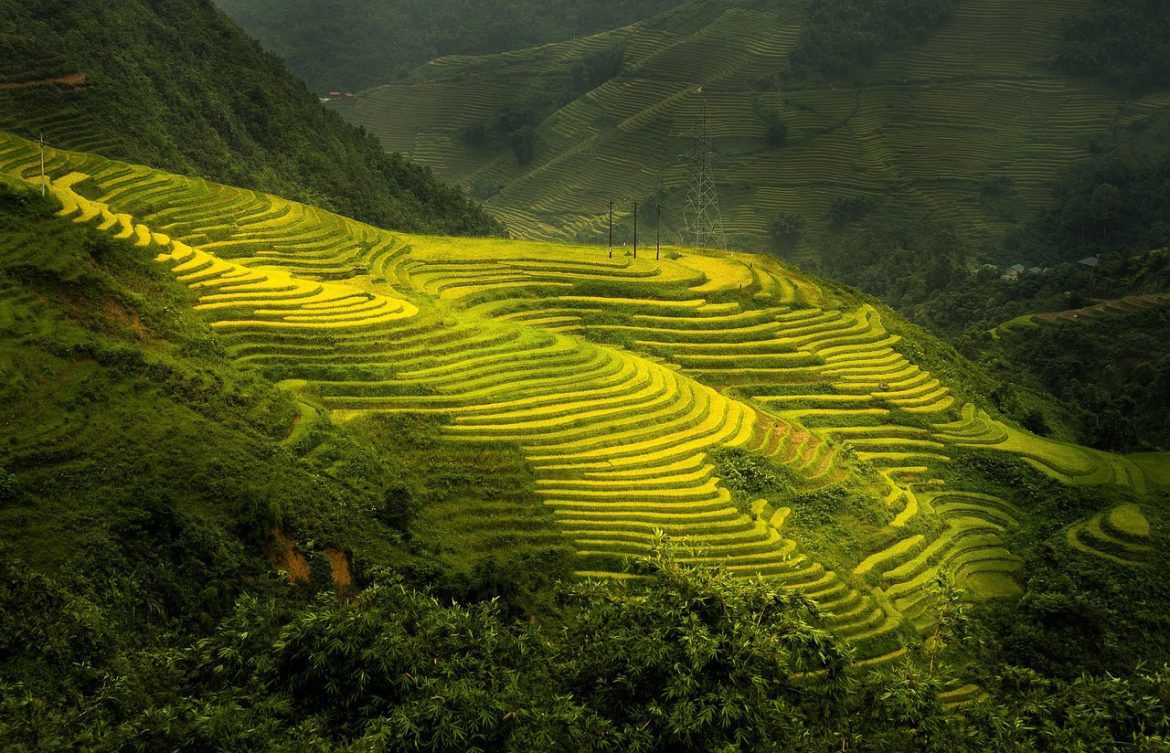
Imagine Northern Vietnam light doing its own quiet theatre—mist folding over ridgelines, then lifting to reveal terraces that look hand-drawn. Even a simple village path can feel majestic at dawn, when the valley is hushed and you hear water moving through channels that feed the rice terraces. It’s the moment many travellers describe as a reset: awe without noise.
Best time to visit and Vietnam weather for terrace days
The best time to visit is September to November and March to May, when skies are kinder and trails are more forgiving. In June to August, Vietnam weather can turn quickly; yellow-grey cloud and heavy rain make stone steps slick, and the humidity can surprise even fit hikers. Bring waterproof gear, and waterproof your belongings, not because you’re anxious—because you’re designing comfort and confidence into your days.
Think of “around Sapa” as a menu rather than a checklist: Muong Hoa Valley, Lao Chai and Ta Van, Cat Cat, Ta Phin, and Ban Ho. The best villages are the ones that match your energy, time, and curiosity, so you can create space for the moments that matter—like shared tea in local houses, or a smile that bridges a language gap.


Muong Hoa Valley terrace trek Lao Chai to Ta Van Vietnam valley views
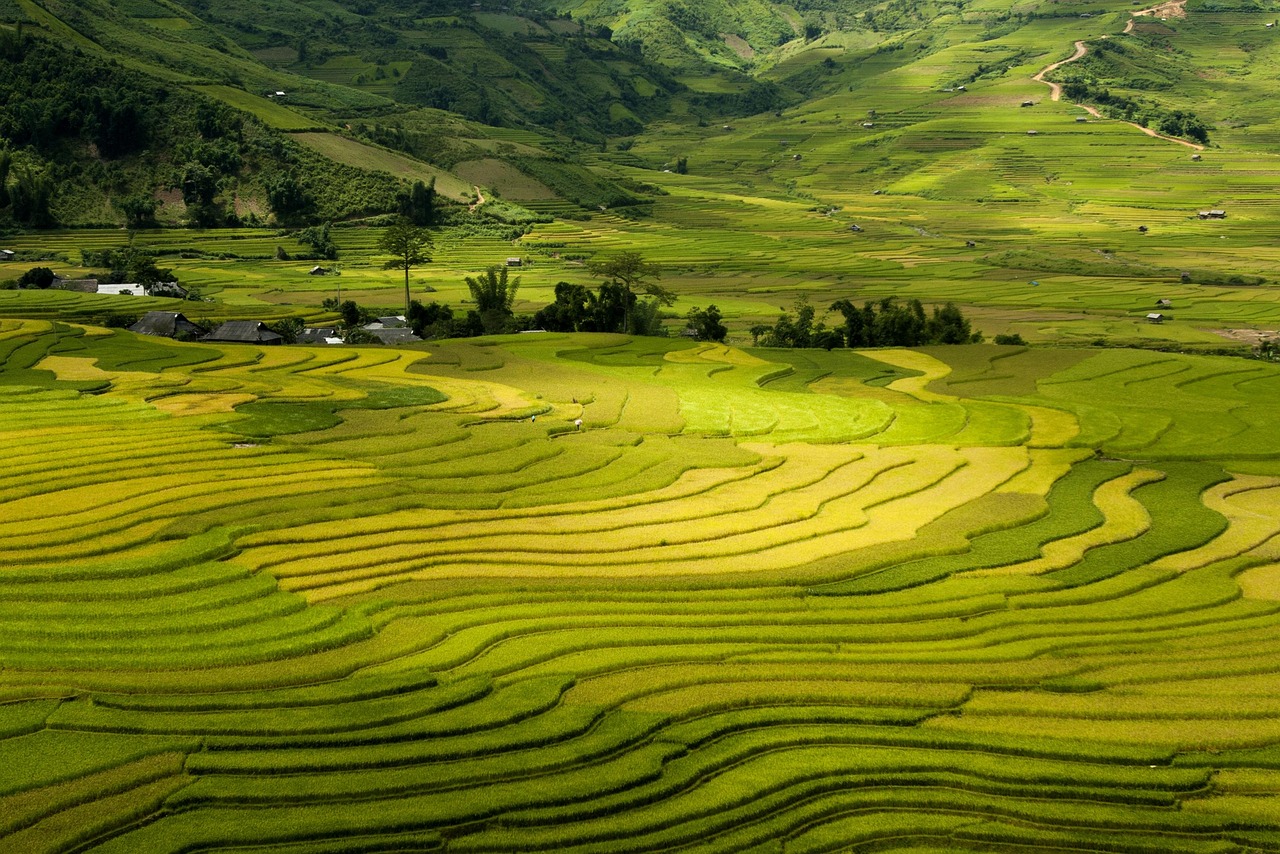
Muong Hoa Valley terrace trek from Lao Chai to Ta Van with sweeping rice terraces
The classic Muong Hoa Valley terrace trek Lao Chai to Ta Van Vietnam route is the one that makes people fall in love with Sapa’s landscape. From Lao Chai, you descend past terraced rice fields, bamboo thickets, and river bends that catch the light, then drift towards Ta Van where the valley opens into softer, greener folds. It’s a day that feels both cinematic and intimate—panoramic terrace viewpoints followed by tiny human details: a rooster call, a child’s laugh, a basket of herbs.
Easy day hikes or a longer trek with Ta Van village as a finish
For adventure seekers, the question is not “can I do it?” but “how do I want it to feel?” An easy day hike still includes undulating paths and steps that test calves, while longer routes add distance and time on uneven ground. A local guide adds expert insight—reading the weather, choosing safer lines after rain, and translating small cultural cues so you can engage with care and trust.
One morning on this valley trail, a traveller told me the mist arrived like a curtain. When it lifted, the terraced fields revealed themselves layer by layer, and their mind went quiet in the best way—energised, but centred in the beautiful natural landscape. That’s the magic of a Sapa village walk: you’re moving, but you’re also listening.
Meeting indigenous H’mong people with confidence and respect
On the path you may meet indigenous H’mong people and Giay families heading home, often carrying more than you’d expect with effortless balance. Dress modestly, ask before photos, and keep your body language open; your warmth will do more than perfect words. If you’re invited to step into local houses, accept gently, and remember that your curiosity should always support dignity.
Practical trail care: after rain the terrace edges can be slippery, so slow down and place your feet deliberately. Carry water, a light snack, and pack out every scrap of rubbish so nature and culture remain protected together.
Cat Cat village Ta Phin village Red Dao Hmong culture Vietnam encounters
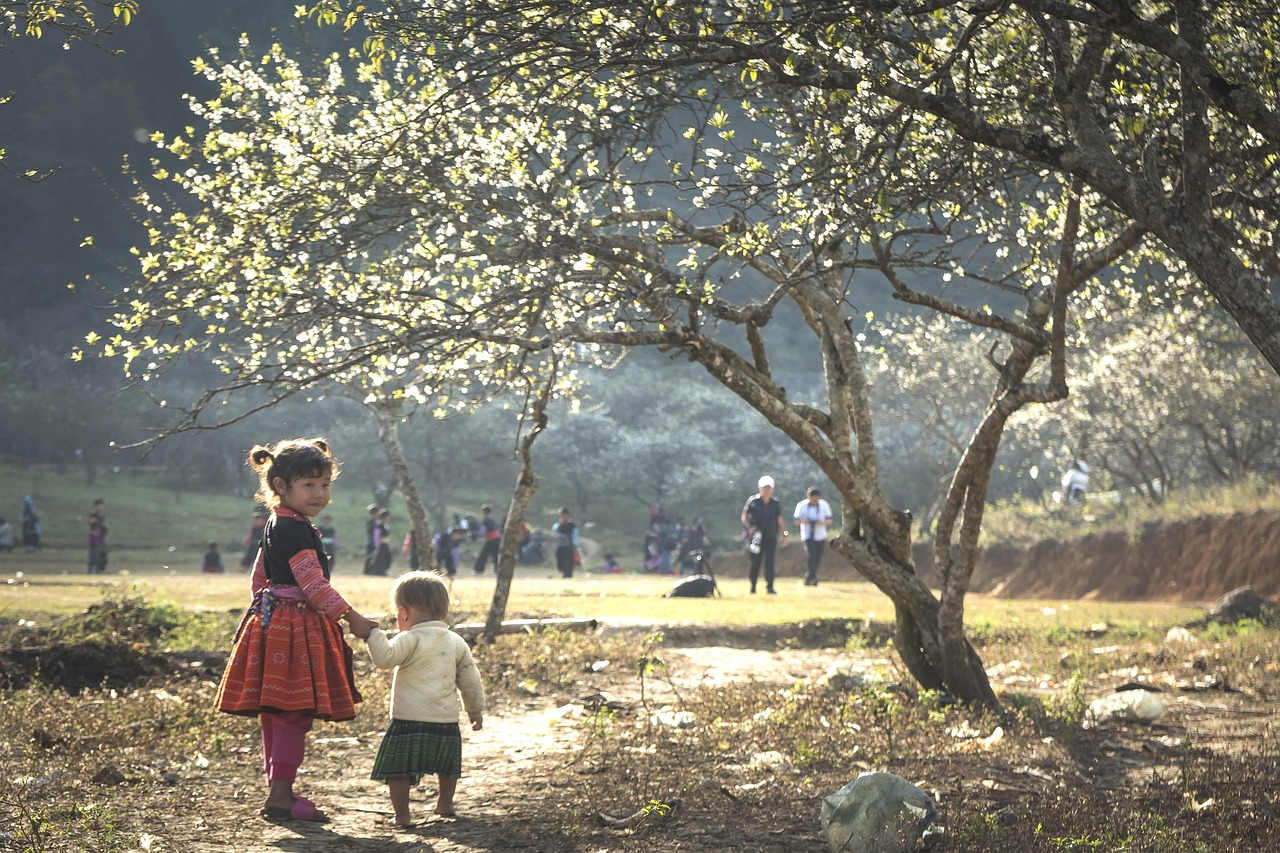
Cat Cat village and Ta Phin village culture up close with crafts and mountain lanes
If you’re looking up Cat Cat village Ta Phin village Red Dao Hmong culture Vietnam, you’re likely hoping for more than photographs—and you can absolutely have that, with the right approach. Cat Cat village is close to Sapa town, and it’s undeniably photogenic: stone lanes, waterwheels, and typical wooden houses framed by green slopes. Because it’s popular, your best move is to arrive early, step beyond the main flow, and uncover quieter corners where daily life feels less like a stage.
Ta Phin offers a different texture: calmer, more inward, with craft and ritual at the heart. The Red Dao people are known for herbal bath traditions, and for intricate embroidery that carries family identity in pattern and stitch. Engage with softness—ask permission, listen to what’s offered, and avoid turning culture into a backdrop for content.
Homestay warmth and how to experience the homestay well
A well-chosen homestay can be the most personal part of a Sapa village journey. Expect simple comforts, but also a kind of grounded luxury: shared meals, quiet nights, and waking to mist over rice terraces. In peak season, book homestays early, clarify bedding, hot water, dietary needs, and whether your host home is in typical stilt houses or a newer build—small details that make your stay seamless.
- Respect: remove shoes when asked, and keep voices low at night.
- Fair support: pay agreed prices, and choose craft co-ops where you can.
- Connection: a few Vietnamese phrases, plus patience, goes far.
Embroidery and a crafted weaving lesson to take home
One traveller shared a moment that still glows in memory: a Red Dao woman guided their hands through a basic weaving pattern, correcting gently, then laughing when the rhythm finally clicked. They left with a small handmade piece—imperfect, yes, but crafted with attention and care. It became a souvenir with story, not just a purchase.
When customs feel unfamiliar, consider an expert-led visit. Context turns curiosity into insight, and helps you support local livelihoods without pressure or awkwardness.
Fansipan trek Hoang Lien Son Sapa Vietnam high-mountain choices

Fansipan and Hoang Lien Son adventures for trekkers above Sapa
For many, the phrase Fansipan trek Hoang Lien Son Sapa Vietnam is the headline dream. Fansipan is the highest peak in Indochina, and you have two legitimate ways to experience it: a full trek, or a cable car that saves time and energy. Neither is “more real” by default—what matters is designing the day that matches your body, your schedule, and the kind of challenge you want to meet.
Multi-day trek realities and why going without a guide can be risky
A multi-day trek brings real altitude feel and changing visibility, especially when cloud drops fast over Hoang Lien. “Hard” often means sustained steep sections, wet roots, and mental fatigue rather than technical climbing. Going without a guide can be risky in poor weather; a local team brings route knowledge, pacing, and reassurance when confidence wobbles.
As you climb through Hoang Lien Son forest bands, the scenery shifts: dense green, then thinner growth, then sudden cloud breaks that reveal distant valleys like a secret. These are the moments that restore trust in your legs when the climb gets tough.
Packing and safety checklist for comfort and care
- Layers that breathe, plus a rain shell; weather changes quickly.
- Dry bags for waterproofing belongings and a spare pair of socks.
- Foot care: tape hot spots early, and keep nails trimmed.
- Know when to turn back—good judgement is part of adventure.
A trekker once described befriending a Hmong guide whose calm presence shaped the whole climb. Over a simple, home-cooked meal after a long day, the guide shared customs and family stories, turning the mountain into more than a summit. That’s Sapa at its best: challenge held gently by human care.
Hanoi to Sapa train to Lao Cai visit Sapa itinerary and village days
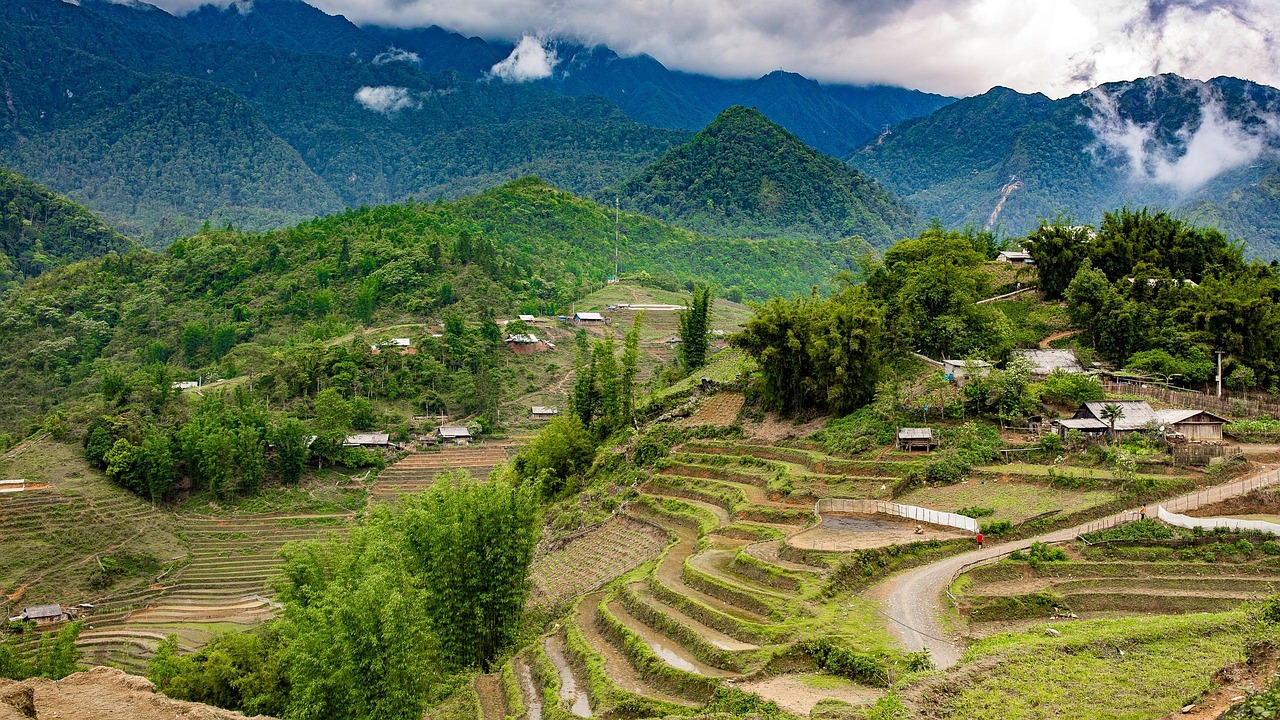
Design a seamless Sapa itinerary from Hanoi to Lao Cai with village stays
If you want a truly Hanoi to Sapa train to Lao Cai visit Sapa itinerary Vietnam plan, keep it simple and kind to your sleep. Take the overnight train to Lao Cai, then transfer by bus or taxi to reach Sapa in the morning; it’s the most classic route, and it lets your first day start softly rather than in a rush. Many high-end travellers choose a private car or motorbike transfer for added control and comfort, but the train remains a charming way to arrive.
Once you’re in town, you can link Sapa town and Muong Hoa in a way that feels unforced. I like to think of “Sapa town and muong hoa” as two moods: town for warmth and logistics, valley for breath and perspective. Keep one flexible day for weather; in the mountains, adaptability is part of seamless design.
A suggested 3–5 day flow linking town and Muong Hoa Valley
- Day 1: settle near the town center, stroll by Sapa Lake, early night.
- Day 2: Muong Hoa Valley day walk, including Lao Chai and Ta Van.
- Day 3: choose Cat Cat or Ta Phin depending on your cultural focus.
- Day 4: Ban Ho for a quieter village rhythm and river air; some call it a village of the Tay.
- Day 5: Fansipan day or a slow morning, depending on energy.
For add-ons, Bac Ha Market is a standout: vibrant ethnic minority traders, colour everywhere, and street food that invites you to be brave in small bites. On the drive, you can pause for Silver Waterfall and Love Waterfall—one unforgettable waterfall moment that frames the region’s natural drama without demanding a long hike.
Money, bookings, and calm market confidence
Costs vary widely: a budget traveller might spend around $20–40/day, while curated stays, private transfers, and guides quickly lift the total. Carry Vietnamese Dong cash for markets and small village purchases, and negotiate politely; warmth travels further than force. During peak season, secure your homestay or boutique base in advance, and consider guided treks for safety and deeper insight.
If you’d like to explore ideas for a more tailored route, browse our Trip gallery and imagine how your own days could be shaped with care.
What stayed with me after Sapa village days
After a few days in a Sapa village, time does something gentle to you. Mornings arrive wrapped in mist, and you begin to move at a pace that matches the valley—unhurried, attentive, quietly sure. The world feels less like a list to complete and more like a place to notice.
I keep one image close: terraced rice at dawn, not as a spectacle, but as a steady kind of beauty that asks nothing. Somewhere nearby, there’s laughter over breakfast, and the smallest conversation—half gestures, half smiles—carries more trust than language should allow.
What lingers is the hospitality: the way people offer warmth without fuss, and how care can be practical as well as kind. You remember the feeling of being supported—by a guide’s calm, by a shared meal, by the quiet dignity of lives lived close to land and season.
And when you’re far from the mountains, you may find you still carry that slower rhythm—an invitation to uncover the next story, whenever you’re ready, and to keep travelling with curiosity held softly in your hands.
F.A.Qs: Sapa village Vietnam travel guide essentials
Is Sapa in Vietnam worth visiting?
Yes—especially if you enjoy mountain landscapes and culture-led travel. Sapa rewards you with rice terraces, village walks, and genuinely warm local encounters, while still offering enough comfort in town to recover well between adventures.
Why is Sapa so famous?
Sapa is famous for dramatic valleys, terraced rice fields, and access to Fansipan, alongside strong cultural identity in surrounding villages. The mix of scenery and living traditions makes it feel both cinematic and personal.
What is the best month to go to Sapa?
September to November and March to May are the most reliable periods for pleasant weather and trekking. You’ll often get clearer views, safer trails, and a more relaxed experience compared with the peak rains of summer.
Is Sapa, Vietnam senior friendly?
It can be, with smart planning. Choose gentler village routes, private transfers, and comfortable accommodation in Sapa town, then add a guide for steady pacing and support. Avoid slippery trails after heavy rain and keep days flexible.