Post Contents
- Why visit Yungang Grottoes in China for adventure seekers
- The Yungang Grottoes are located in Shanxi, China, and feature a Buddhist story.
- Datong City to Yungang Grottoes transport plan in China with support
- Plan Yungang Grottoes, China: Tickets, Best Time, Verification, Essentials
- Yungang Grottoes Cave 20 highlights China Buddhist route
- Yungang Grottoes: Buddhist grottoes symbolism in Chinese art insight
- Yungang Grottoes local guide etiquette, safe walking shoes, China
- F.A.Qs: Yungang Grottoes, China
- Yungang Grottoes in China offers a reflective travel experience.
Why visit Yungang Grottoes in China for adventure seekers
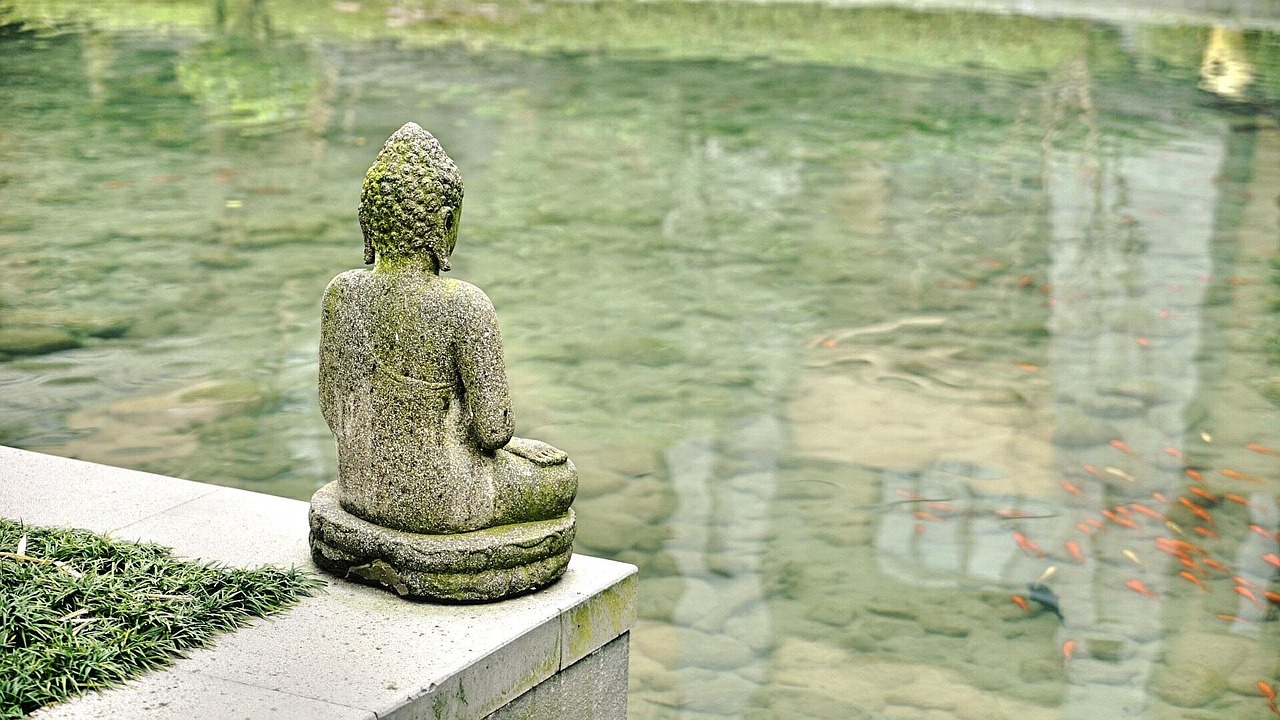
Why Yungang Grottoes, China, Belongs on Your Adventure List in a serene cliffside setting
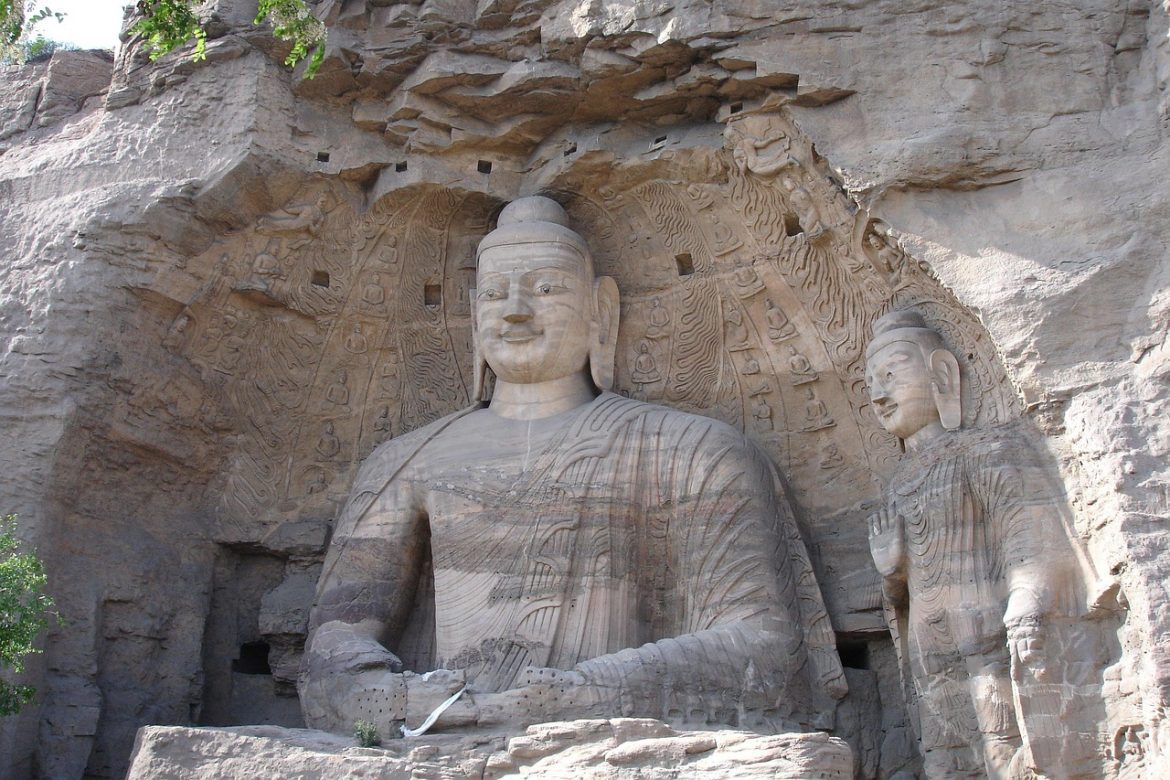
If you’re wondering why visit Yungang Grottoes in China as adventure seekers, start with the feeling of stepping into a living gallery carved into stone. The cliff face stretches wide, the air is clear, and the atmosphere is as calm as a temple courtyard—yet the scale is thrilling, like arriving at a hidden mountain amphitheatre.
Among China’s great Buddhist sites, the Yungang Grottoes stand out for how quickly they draw you in: one moment you’re walking an open path, the next you’re face-to-face with a gaze that has watched the world change for centuries. Travellers often share the same personal beat—the first glimpse of towering figures, and a sudden sense of trust in the power of human craft and care.
Yungang Grottoes, China route ideas for a first day
To explore without pressure, imagine your day as a gentle loop: begin in the main carved zone, pause at the most famous cave fronts, then drift towards calmer corners where you can uncover smaller reliefs at your own pace. Start early if you can; it’s how many visitors discover those “I have the whole place to myself” moments—quiet, spacious, and surprisingly moving.
In the sections ahead, I’ll help you design a seamless plan from arrival to on-site rhythm, so your adventure feels curated rather than rushed.


The Yungang Grottoes are located in Shanxi, China, and feature a Buddhist story.
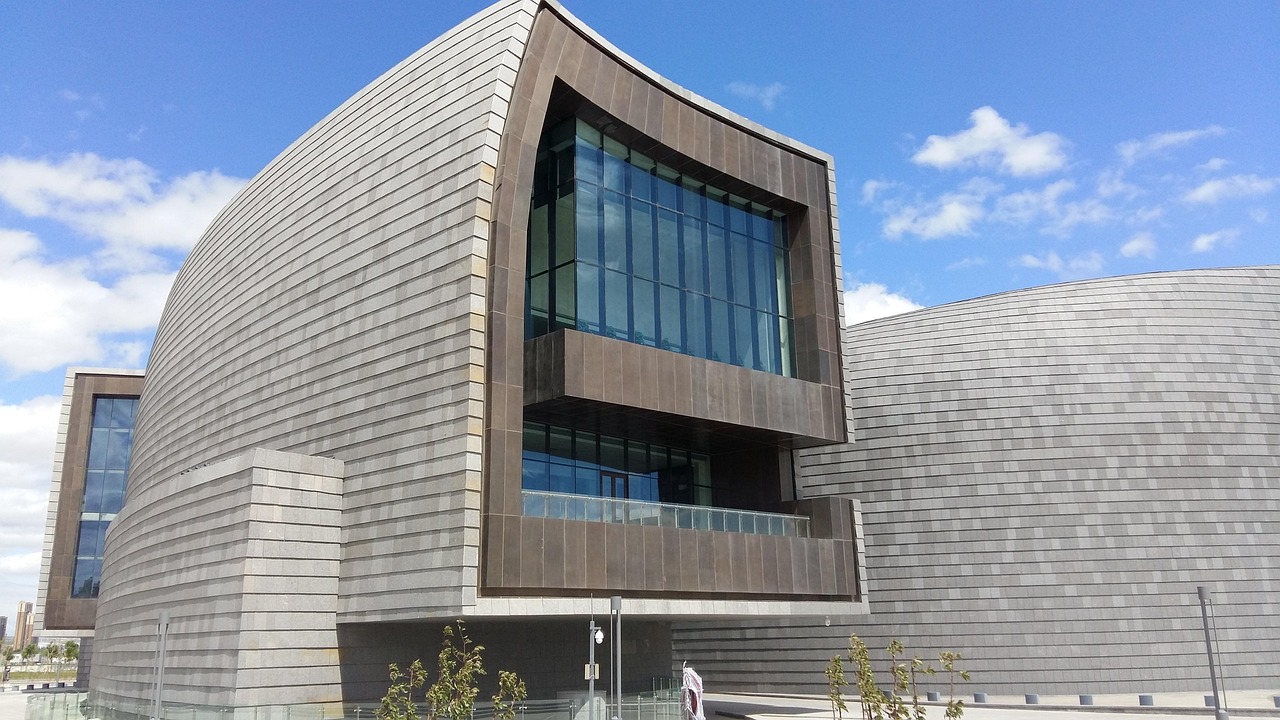
Locate the Grottoes in China and Meet Their Northern Wei Story through the museum context
For anyone asking where the Yungang Grottoes are located in China, the answer is reassuringly straightforward: they sit near Datong in Shanxi province, in the north of the country, where open sky meets a long, sculpted cliff. You can almost feel the landscape helping the art breathe—mountain air, wide light, and a sense of space that suits contemplation.
The story begins with the Northern Wei Dynasty, when patrons and artisans shaped an ambitious project in the 5th–6th century. What you see today is not only devotion expressed in stone, but also a historical statement—art that helped represent identity and power, without needing any heavy academic framing to appreciate it.
Buddhist grottoes scale and why it matters in China
Adventure-seekers tend to love the numbers because they hint at the experience: the Yungang Grottoes include 252 caves and tens of thousands of figures, a true masterpiece of Buddhist cave art. Look closely, and you’ll notice a gentle fusion in style—details that echo wider Asian influences, yet still feel unmistakably Chinese in their rhythm and structure.
With that context in mind, your visit becomes more than sightseeing: it becomes insight—grounded, human, and surprisingly immediate.
Datong City to Yungang Grottoes transport plan in China with support
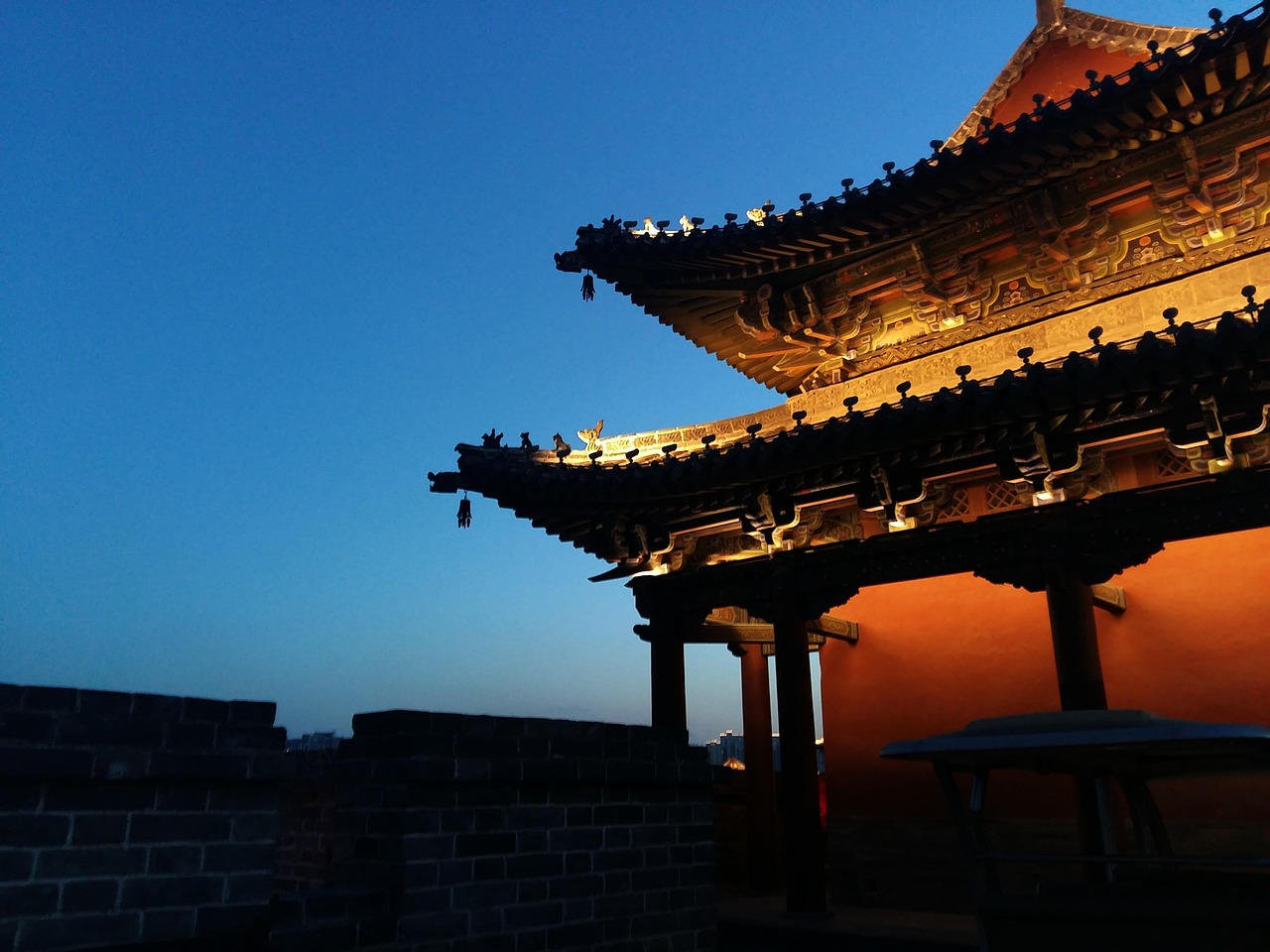
Getting to Yungang Grottoes via Datong City Without the Stress with city-wall views
A smart Datong City-to-Yungang Grottoes transport plan in China is the difference between a frazzled morning and a seamless start. Most high-end travellers reach Datong by train or flight, then continue by local bus, taxi, or a pre-booked driver—my favourite option if you value calm pacing and an easy return.
Timing is your secret weapon. Go early morning for cooler temperatures and fewer groups, or late afternoon when the light softens, and shadows give the carvings more depth—an especially photogenic moment for those who like to create images with atmosphere, not flash.
Support and confidence tips for the last stretch
If you’re travelling without Mandarin, lean on the kind of practical support China does well: hotel desks, station staff, and tour operators can confirm routes and write destinations in characters. That small step builds confidence, and it also frees you to stay present once you arrive.
- Last-mile feel: expect a clear entry flow, then walking along the cliff-front paths.
- Pause points: stop before the most crowded cave fronts and let the scene settle—your eyes adjust, and details start to appear.
- Designed rhythm: alternate “big highlights” with quieter niches so you never feel overloaded.
If you’d like to daydream about your wider itinerary, you can browse our Trip gallery for inspiration while you plan.
Plan Yungang Grottoes, China: Tickets, Best Time, Verification, Essentials
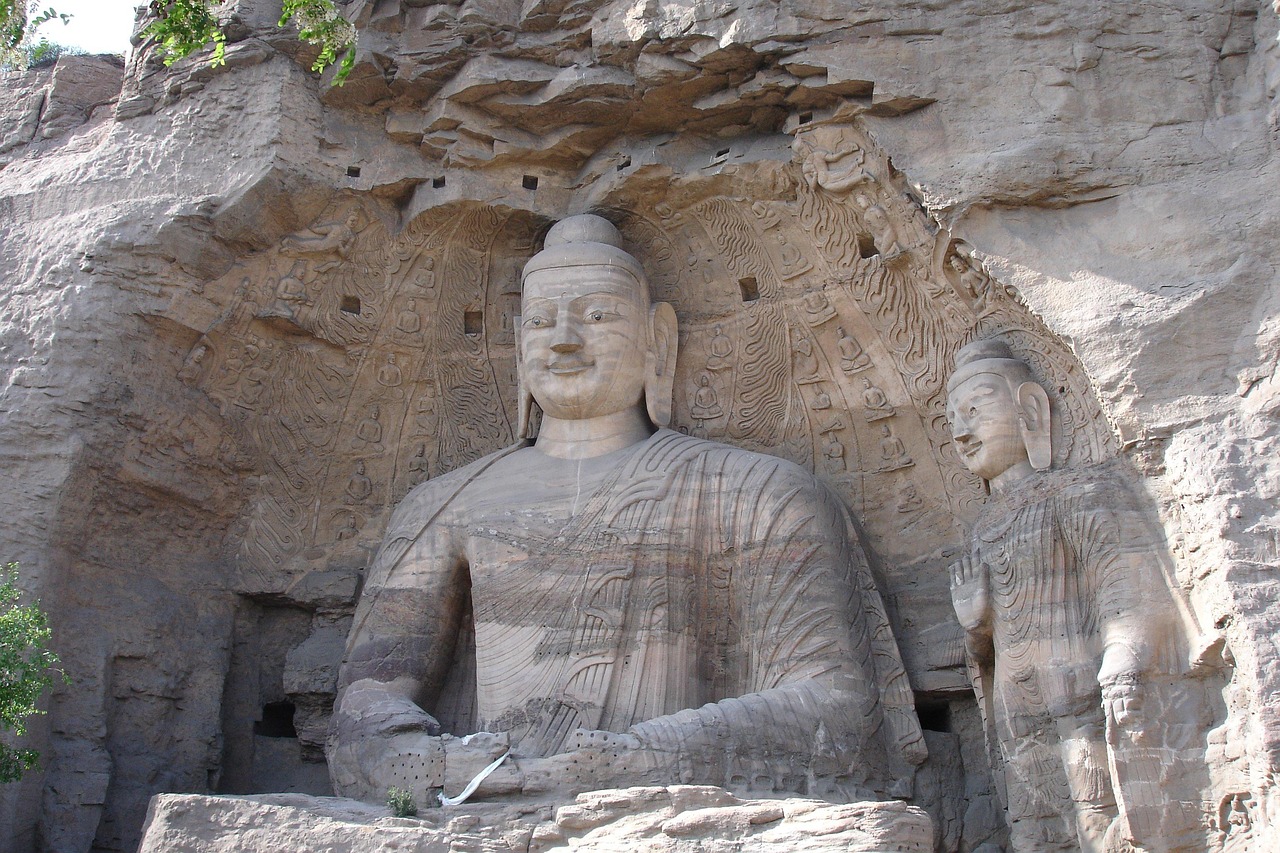
Plan Your Visit Tickets, Seasons, and Verification Essentials for Yungang Grottoes, China
To plan Yungang Grottoes China tickets, aim for April to October when conditions are comfortable, and the light is forgiving. Winter can be sharply cold, and peak summer heat can make long outdoor stretches feel heavier than they need to be.
Entry fees are generally reasonable, with common discounts for students and seniors, but do check official sources close to your visit for verification of prices and opening hours. At a UNESCO-protected location, management sometimes adjusts flows for conservation or seasonal maintenance, and it’s worth aligning your day with those updates.
Verification and ethical travel that helps protect the site
The best mindset here is simple: your behaviour is part of the conservation effort. Avoid touching carved surfaces, keep a respectful hush, and follow barriers—these are not rules for the sake of rules, but practical ways to protect fragile stone from oils, abrasion, and crowd pressure.
- Research: use professional museum pages, official notices, or your guide rather than viral posts.
- Cross-check place names: if you see unfamiliar references (even something like Wuzhou), verify context before you reroute your day.
- Environmental awareness: small actions—no litter, no leaning—support long-term preservation.
With the logistics settled, the real joy begins: stepping slowly into the caves, letting the atmosphere meet you halfway.
Yungang Grottoes Cave 20 highlights China Buddhist route
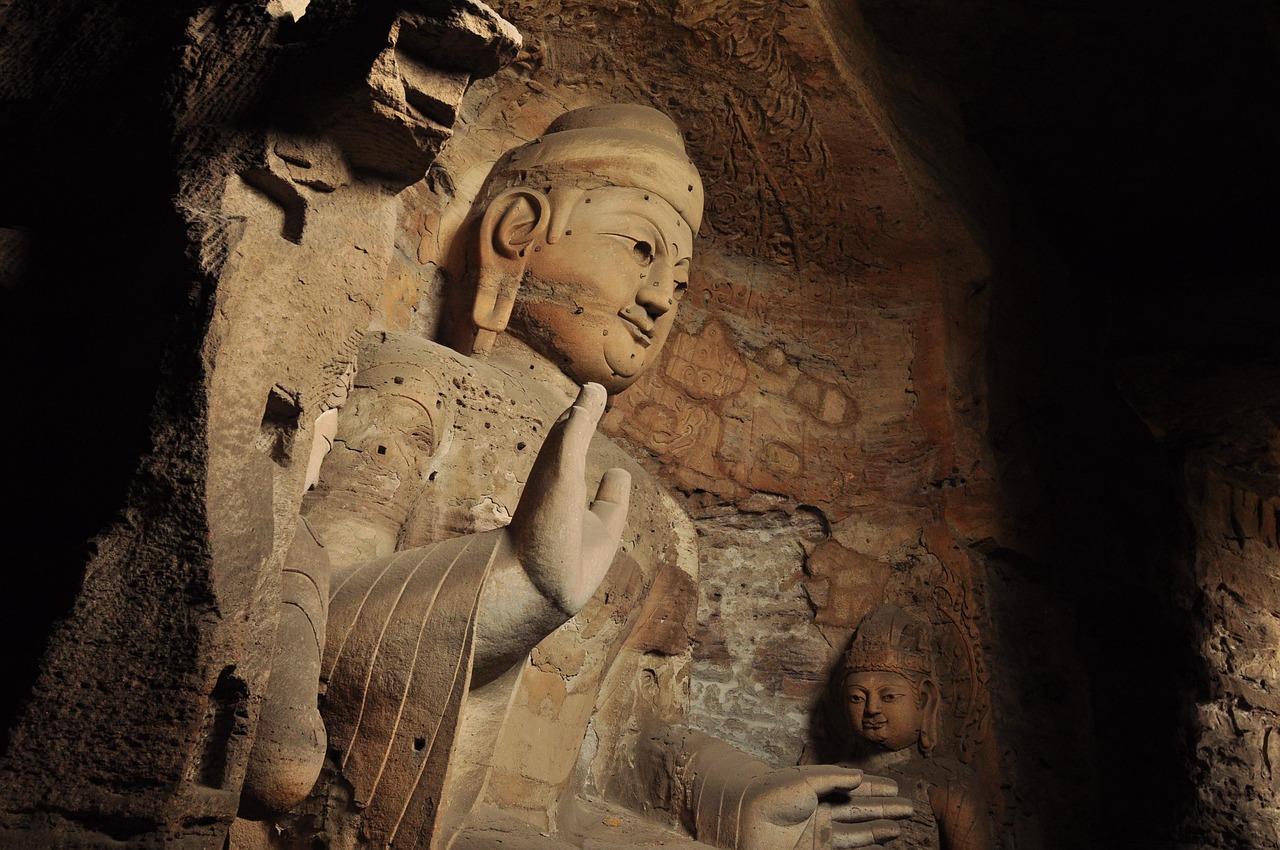
Cave by Cave Highlights Including Cave 20’s Colossal Buddha at Yungang Grottoes
If you’re searching for Yungang Grottoes Cave 20 highlights in China with a Buddhist lens, the key is to give yourself permission not to “complete” the site. Choose a confident flow through the most impactful fronts, then linger where your curiosity sparks—because the most memorable details are often the ones you notice in silence.
Cave 20 is the headline for good reason. Its colossal Buddha feels both monumental and surprisingly warm, especially when you stand back to take in the full figure and then step closer to study the surrounding reliefs, where smaller scenes build a layered sense of devotion.
Yungang Grottoes in China quietly explored early morning
One adventurer told me the thrill wasn’t in rushing to the famous spot—it was arriving early and slipping into less crowded chambers first, feeling like a modern-day discoverer. That quiet changes everything: you hear footsteps soften, you notice chisel lines, and you sense how carefully each surface was carved and built into the cliff.
- Lighting: morning light can be crisp; later light can be softer and more sculptural.
- Space: step aside to let others pass, keeping the experience calm and safe.
- Photos: avoid flash; take a breath before shooting to avoid disrupting the temple-like mood.
By now, you’ll likely feel it too: the site doesn’t demand attention—it earns it.
Yungang Grottoes: Buddhist grottoes symbolism in Chinese art insight
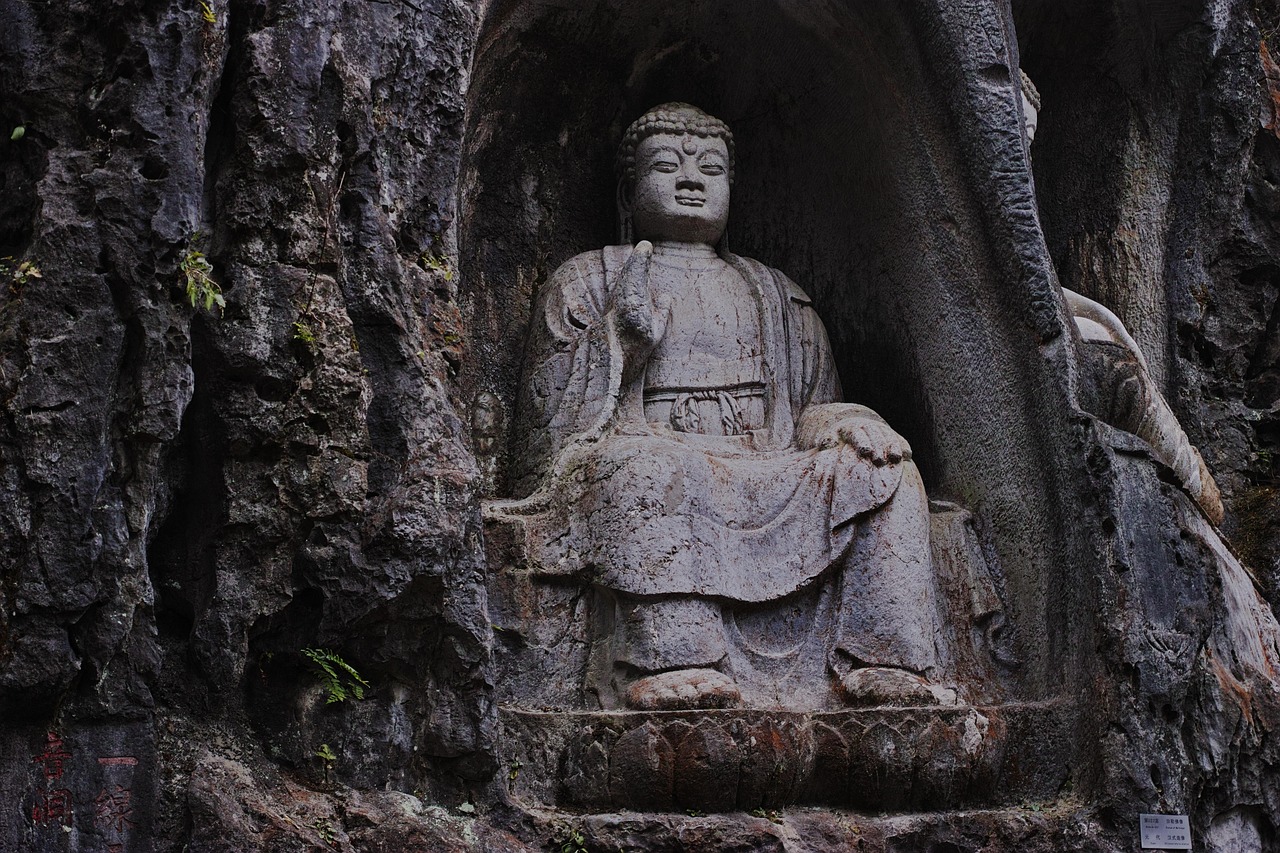
Uncover the Artistry Symbols and Crafted Details in the Buddhist Grottoes at Yungang
For travellers seeking Yungang Grottoes Buddhist grotto symbolism and insight into Chinese art, the best approach is wonderfully simple: look for patterns, then ask what they make you feel. These figures were crafted directly into the cliff face, and their repetition is not monotony—it’s rhythm, like visual chanting.
Watch for drapery that falls in deliberate folds, halos that frame calm faces, and guardian figures that look ready to step forward. Panels can feel narrative, almost like storyboards, and once you see them that way, the walls stop being “stone” and become a living surface.
Buddhist details you can observe without over-claiming
When people talk about stylistic blending here, think of it as an observable fusion: proportions, expressions, and decorative elements that hint at travel and exchange across regions. You don’t need to name every influence to appreciate the impact—just notice how the work can feel both intimate and vast, a cultural encounter that holds you gently.
This is where many visitors feel something personal: a quiet steadiness, as if time has slowed down to make room for reflection.
Yungang Grottoes local guide etiquette, safe walking shoes, China
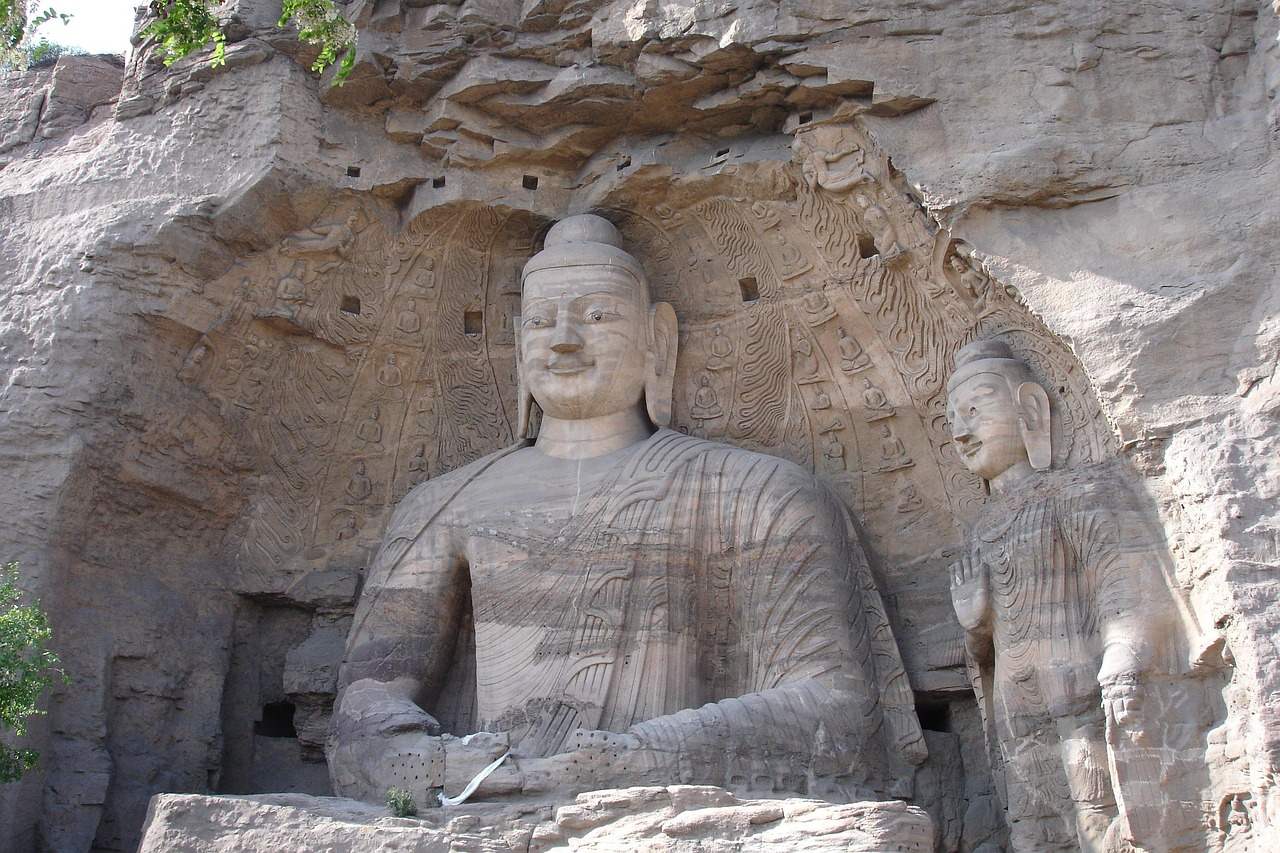
Local Guides Etiquette and Safe Trails for a Seamless On-Site Day at Yungang Grottoes
If you’re weighing up Yungang Grottoes local guide etiquette and safe walking shoes in China, know that a little preparation gives you a far richer day. A local guide (or a good audio guide) adds expert context and legendary tales behind each cave, without drowning you in dates—just enough story to make the carvings feel close.
Etiquette here is part of the experience. Don’t touch the statues, keep voices low, and respect worshippers; these small choices preserve the sacred ambience and help protect delicate surfaces under ongoing management and conservation planning.
Plan a seamless pace together on uneven paths
Wear comfortable shoes with grip—some surfaces are uneven—and carry layers for shifting temperatures. Bring water, take breaks, and let your group move together at a calm rhythm: pause, look, breathe, then continue.
- Comfort: light layers, sun protection, and steady footwear make longer loops enjoyable.
- Safety: watch your step near edges and busy pinch points along the cliffside walk.
- Mindset: slow travel builds trust in your own pace and leaves space for wonder.
Once you feel settled on the trails, the art meets you with surprising warmth.
F.A.Qs: Yungang Grottoes, China
What are the Yungang Grottoes famous for?
The Yungang Grottoes are famous for their vast collection of Buddhist carvings—over 51,000 statues—cut into a cliff near Datong. Highlights include monumental Buddhas (especially Cave 20), finely detailed reliefs, and their status as a UNESCO World Heritage site recognised for cultural and artistic significance.
How long do you need at Yungang Grottoes?
Most travellers need around 3 to 5 hours to explore at a comfortable pace, focusing on key caves and quieter sections. If you enjoy photography, guided interpretation, or slow contemplation, a half-day visit feels ideal without turning the experience into a rush.
What are the 4 grottoes in China?
The “four great grottoes” commonly referenced in China are Mogao (Dunhuang), Longmen (Luoyang), Yungang (Datong), and Maijishan (Tianshui). Each has distinct styles and periods, but all are celebrated for Buddhist cave art and the cultural history they preserve.
How to go from Beijing to the Yungang Grottoes?
Travel from Beijing to Datong by high-speed train or flight, then continue to the Yungang Grottoes by taxi, local bus, or a pre-booked driver. Many travellers find the simplest option is a day trip based in Datong, starting early for quieter caves and softer light.
Yungang Grottoes in China offers a reflective travel experience.
For those drawn to a Yungang Grottoes China reflective travel experience, what stays with you is rarely a single fact. It’s the hush of stone, the sense of devotion made tangible, and the way the air changes as you step from sunlight into shadow.
One moment returns to me with quiet clarity: standing still, letting the crowd drift, and noticing a carved face half-lit—calm, watchful, almost conversational. In that softened light, the scale stopped feeling grand and started feeling human, as though the makers had left a message not to impress, but to care.
You don’t need to share the same beliefs to feel the power of religious symbolic art. The space invites you to imagine your own meaning in the silence, to hold time differently, and to sense how beauty can be both strength and shelter.
Long after you’ve left the cliff and the last figure has slipped from view, you may find you’re still walking more slowly—listening, noticing, and wondering what other ancient places in China might be waiting with the same gentle patience.