Post Contents
- Arrive in Sannomiya with Ease: an elegant First-Day Plan and Key Area Features
- Waterfront Views at Harborland and Meriken Park After Dark: Kobe Port Tower Evening Lights
- Kitano Ijinkan Heritage and City Style: Museums, Daimaru Kobe, and Nankinmachi
- Nunobiki Herb Gardens by Ropeway: Mt Rokko and Maya Panorama Above the City
- Arima Onsen Day Trip: Hot Spring Ryokan Ritual and Kobe Beef Cuisine
- FAQs: What to see in Kobe, Japan
- What stayed with me after Kobe: what to see in Kobe, Japan beyond the highlights
Arrive in Sannomiya with Ease: an elegant First-Day Plan and Key Area Features
Visit Kobe with Confidence Your Elegant First Day with Sannomiya as a polished base
For a refined first arrival, this travel guide begins in Sannomiya, a polished base in Kobe City with effortless links to Shin-Kobe Station for the shinkansen from Osaka and Kyoto. If you are planning to visit Kobe with minimal friction, this is the place to exhale: check-in stays unhurried, luggage feels handled, and your first walk can be timed for softer light. The mood is quietly cosmopolitan, so you feel confident without pressure to rush.
I like to frame the city around a gentle top three: a harbourfront promenade for evening glow, gardens for a sensory pause, and cuisine for one unforgettable dining moment. Kobe is one of Japan’s smartest short breaks when you want style without strain. It is one of Japan’s top city escapes for travellers who value polish, a calm pace, and beautiful transitions.
Time in Kobe planning with surrounding area rhythm
As a rule, time in Kobe feels best with two nights, giving you one full day in the centre and one half-day for the surrounding area. Group your days by area features: Sannomiya for hotel life and the shopping district, Kitano for preserved streets, and the bayside for dusk. If you want a simple spiritual pause, the Ikuta Shrine near the centre adds a calm counterpoint to the city’s sleek lines.
Much of central Kobe is a short walk from one elegant pocket to the next, especially around boutiques and cafés. For comfort, taxis are plentiful, and a private chauffeured car keeps transitions seamless—particularly if you are planning a dinner reservation with a fixed seating time.
- Best seasons: spring (March to May) and autumn (September to November) for gentle weather and colour, with rewarding itineraries throughout the year.
- Arrivals: aim to land mid-afternoon, then glide into an early evening by the bay.
- Booking: Reserve premium dining and cruises in advance for crafted, unhurried service.
If you would like visual inspiration while you explore Japan, browse our Trip gallery and imagine your own designer-paced route.


Waterfront Views at Harborland and Meriken Park After Dark: Kobe Port Tower Evening Lights
Waterfront Views at Harborland and Meriken Park After Dark with evening lights
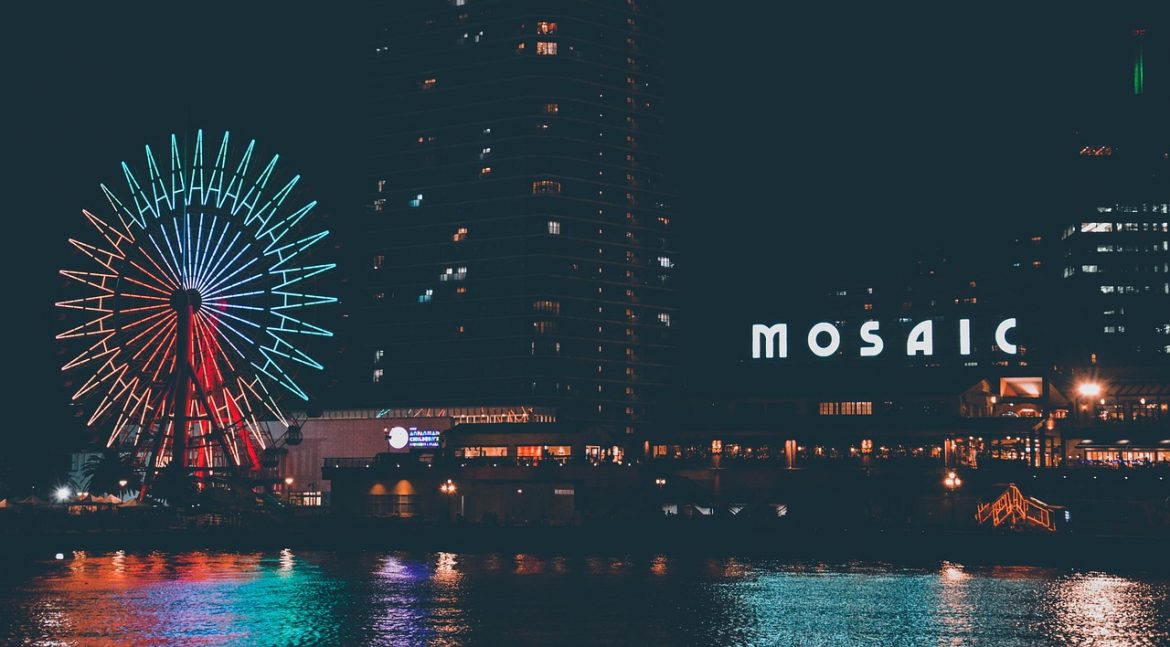
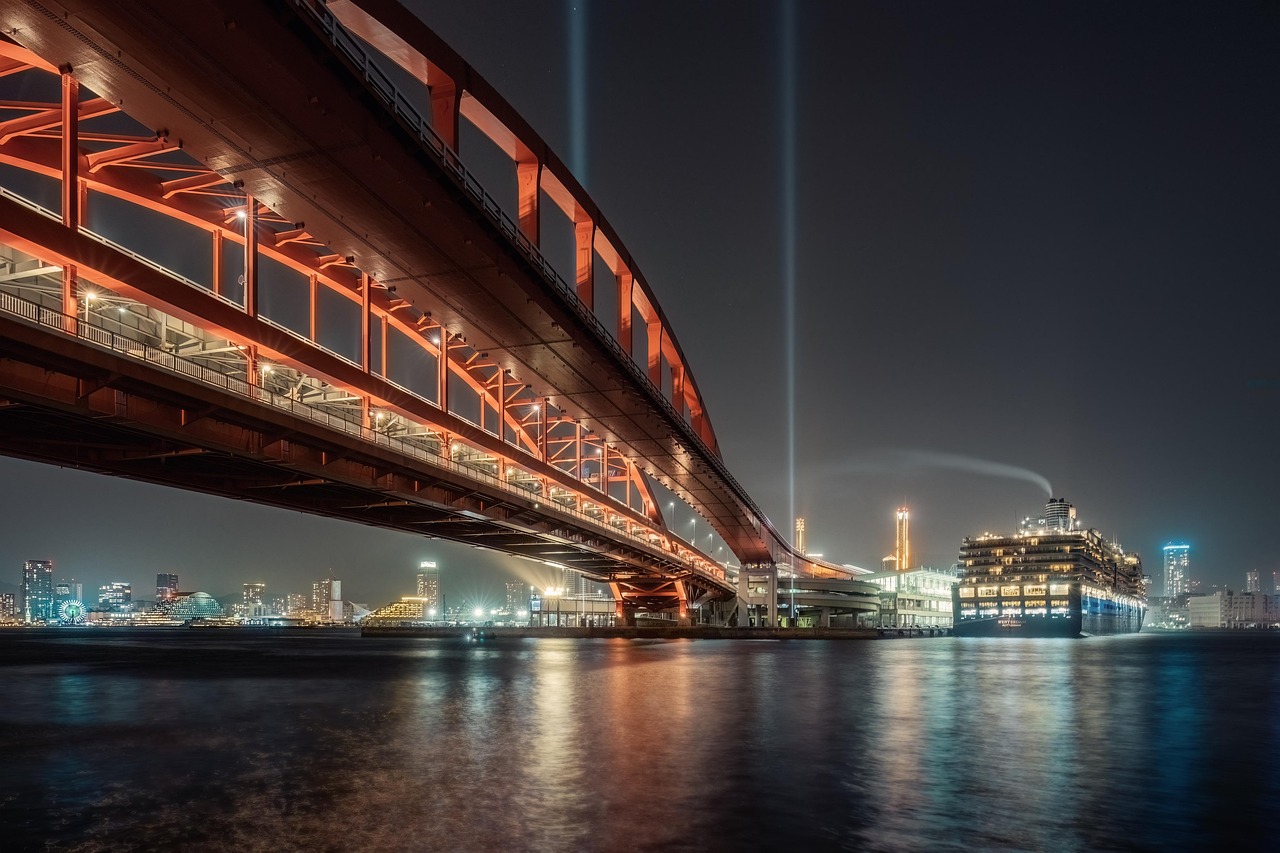
For an evening that feels both glamorous and easy, begin at Kobe Harborland for luxury browsing, then drift towards Meriken Park as the city softens into a seaside shimmer. The route is made for slow steps and good timing, with reflections on the water and an international atmosphere that never feels loud. Let it be a relaxed stroll where you pause often and do less, better.
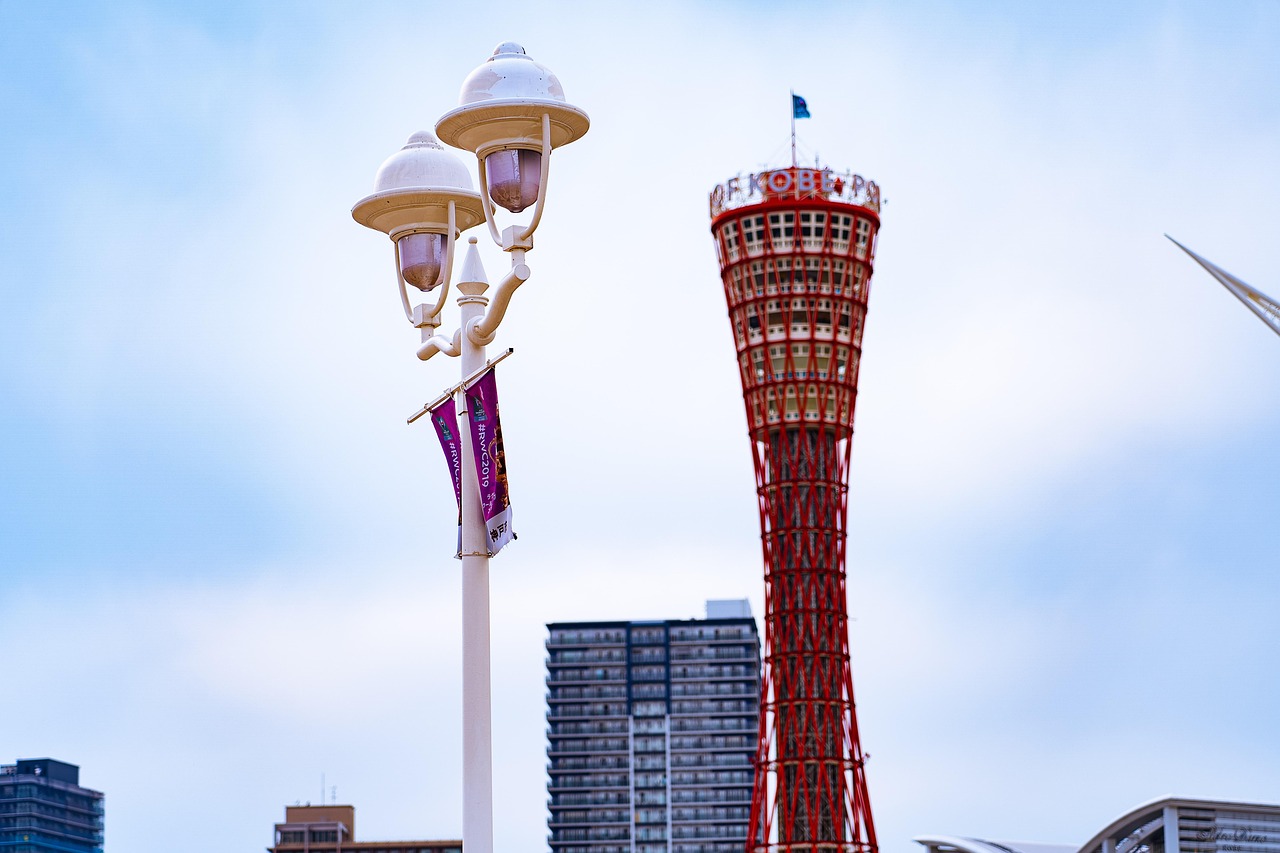
Along the waterfront, you will spot the Maritime Museum’s sculptural roofline and, nearby, the illuminated port tower rising like a clean modern landmark. Later, pause where you can frame the silhouette of Kobe Port Tower against the water; the composition is crisp, elegant, and unmistakably local. If you hear locals mention the Kobe Tower, they are usually pointing to this familiar beacon in the cool harbour air.
Blue-hour planning: cruise timing, terrace seating, and city sparkle
For high-end travellers, the luxury is in the details: a reserved window table or a private harbour cruise timed for blue hour. If you enjoy a playful contrast, the Ferris wheel glow adds a soft sparkle without shifting the refined mood. Finish with one well-made cocktail at a discreet lounge and let the evening feel effortless.
Photography tip: arrive 20 minutes before sunset, then stay through the deepening blue—your most cinematic frames often land just after the last warmth fades. Choose a terrace angle with clean lines, and let the layers build naturally: glass, water, and light.
Meriken Park also holds space for reflection. A brief, thoughtful stop connected to the Great Hanshin-Awaji earthquake offers insight into resilience without disrupting the evening’s calm. It is a quiet reminder that tourism here sits beside real lives and real recovery.
If you have time, look across towards Port Island—an extra glimpse into how this port city keeps reinventing itself while remaining graciously human.
Kitano Ijinkan Heritage and City Style: Museums, Daimaru Kobe, and Nankinmachi
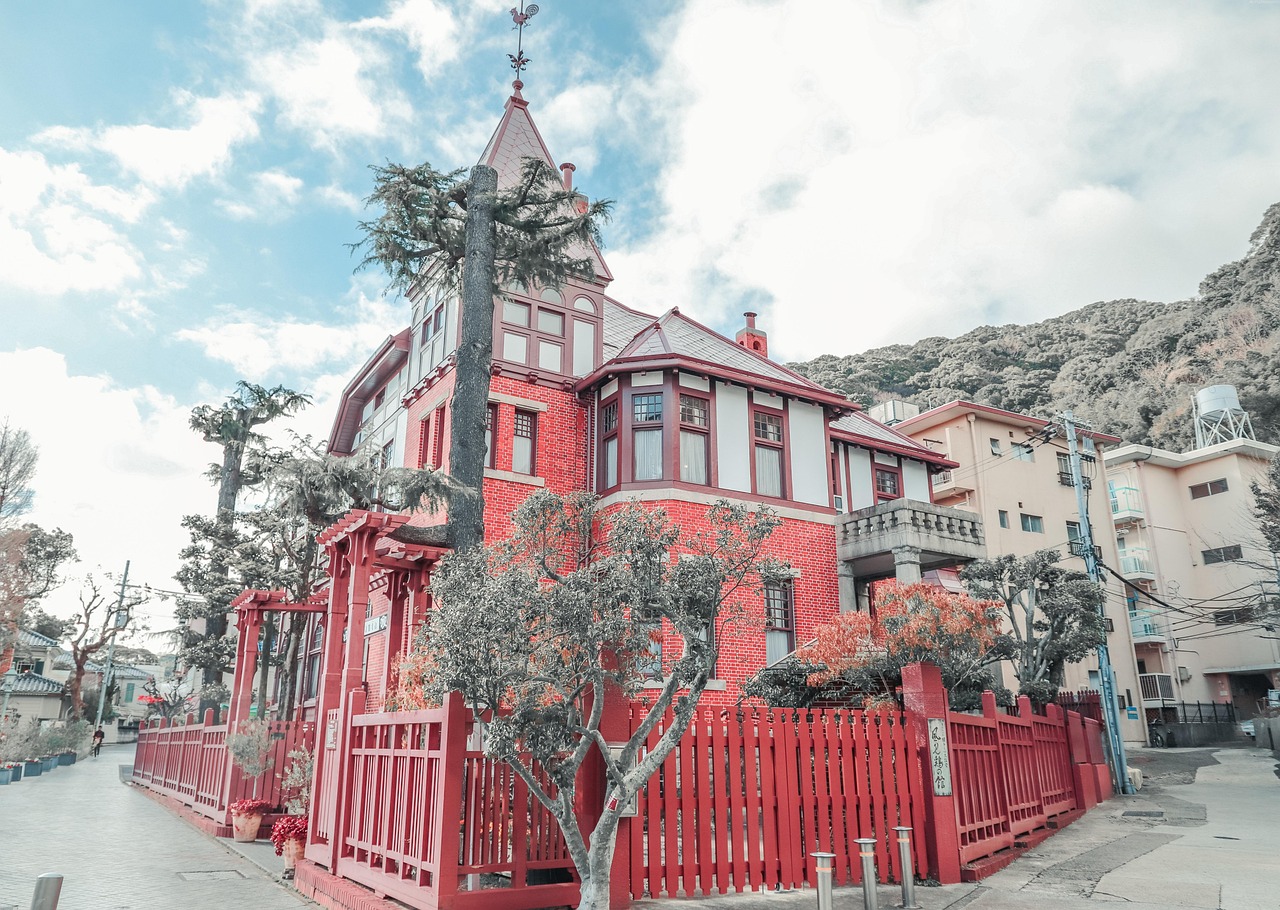
Kitano Ijinkan and City Style: From Motomachi to Nankinmachi on a serene morning
To balance the glow of the bay, spend a morning in Kitano, using Ijinkan streets and gentle slopes as your quiet pathway. In Kitano-cho, one traveller shared a personal memory of walking early when European-style houses stood still, and cherry trees softened the street edges. There is no need to speak loudly here; the calm feels like care, and that softness is part of what makes the city so reassuring.
The story is best held lightly: after 1868, the city’s openness accelerated, shaped by a foreign settlement and the currents of foreign trade. You can feel it in the architecture and the tiny details of daily life—how a foreigner’s past presence became part of the design language. It is less about spectacle, more about how cultures can meet and attract curiosity with quiet confidence.
A curated museum interlude with local context
If the weather turns, choose one curated museum as a graceful pause—think art, design, or a small history collection. Treated as one focused attraction rather than a checklist, this hour deepens local context and keeps your day beautifully paced.
From there, slide into Motomachi for clean-lined shopping and café stops. A well-judged department store visit at Daimaru Kobe makes it easy to create a capsule plan: neutral layers, a single statement accessory, and something quietly trendy that still feels timeless in photos.
- Style tip: shop with your dinner plans in mind—light fabrics in spring, richer textures in autumn.
- Heritage tip: go early for softer streets and fewer tour groups.
- Food tip: save appetite for a refined detour into the city’s best food lanes.
For lunch, wander through Kobe Chinatown with intention: a few elevated street bites or a booked set menu that leans into oriental aromas while keeping the experience polished. It is a small, delicious contrast to Kitano’s hush—and a reminder that Kobe’s palate is broader than it first appears.
Nunobiki Herb Gardens by Ropeway: Mt Rokko and Maya Panorama Above the City
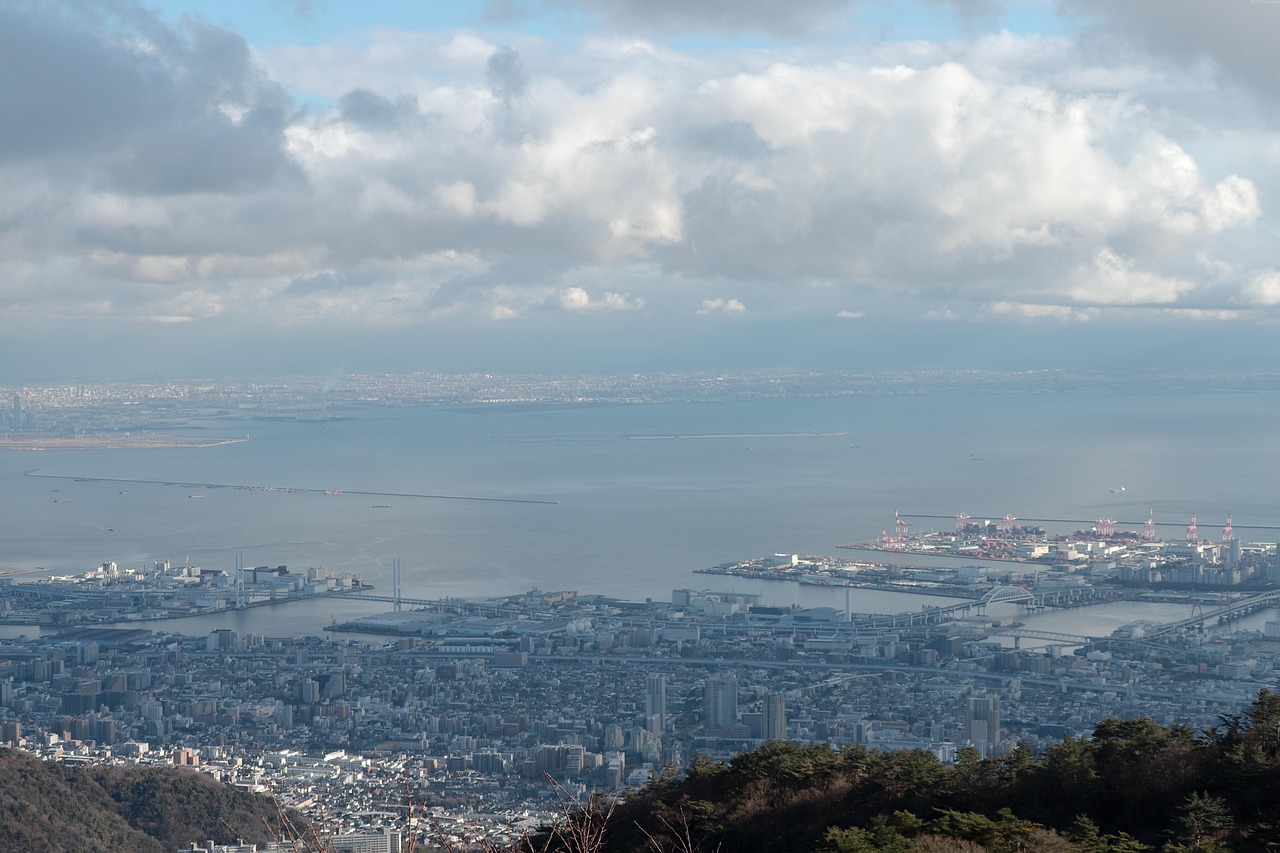
Nunobiki and the Mt Rokko and Maya Panorama Above the City with serene ascent
When you are ready to trade city polish for air and altitude, follow Nunobiki Herb Gardens for a calm mountain day. From Shin-Kobe, the ropeway makes the transition feel ceremonial: a soft queue, a gentle hush, then the cable car lifts you above the streets for panoramic views of Kobe that arrive in slow layers. One visitor described the ascent as a sensory exhale—a scent rising first, then silence, then the feeling of being held above the day.
At the gardens, the paths feel curated rather than wild, with fragrant plantings and pockets designed for lingering. Pause on a terrace with tea or something sparkling; let the city views unfold slowly, as if the skyline is being revealed just for you.
Rokko Mountains routes for seamless comfort
From here, extend into the Rokko Mountains if the weather is clear. My views of Rokko Garden Terrace are wonderfully composed for photographs and quiet conversation, and the overlook delivers sweeping views as the light shifts. For transport, a taxi works well, but a private car keeps the day seamless—no waiting, no route stress, just the freedom to stop when something catches your eye.
If you would like an optional evening arc, Mount Maya offers a breathtaking finish without feeling hectic. It is the kind of high, calm pause where the city lights feel intimate, even from above.
In winter, a snow park in the wider Rokko area becomes a favourite indulgence for travellers who like crisp air and playful contrast—especially when followed by a warm drink and a slow ride back down.
Arima Onsen Day Trip: Hot Spring Ryokan Ritual and Kobe Beef Cuisine
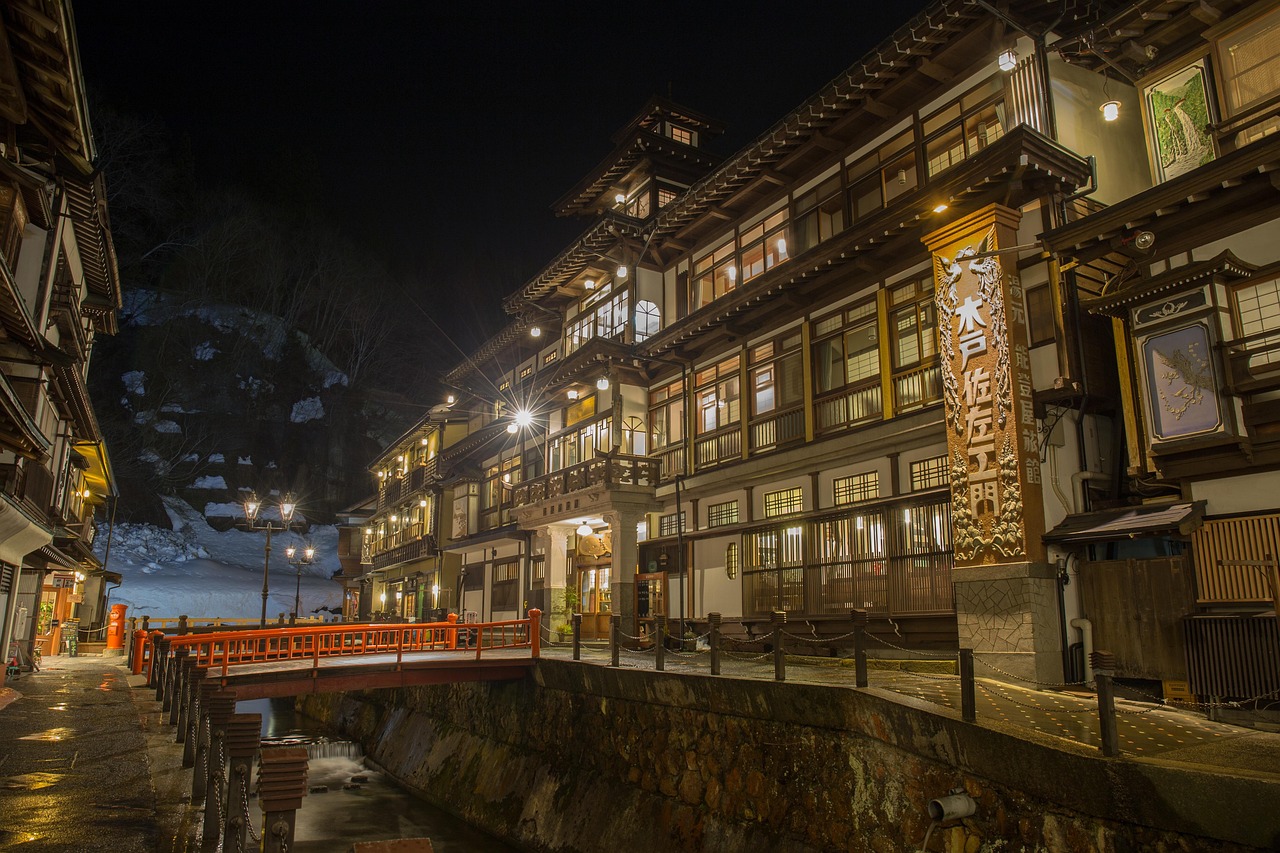
Arima Onsen and the Art of Kobe Beef Dining with restorative luxury
For a half-day reset, Arima Onsen is the most elegant addition to your stay: a hot spring interlude that feels close enough to be effortless, yet different enough to change your pace. Choose a discreet ryokan with a Japanese-style calm, and let the afternoon be about restoration rather than constant movement. Arima Onsen’s stone lanes and quiet steam create the kind of luxury that feels personal, not performative.
A single etiquette note, offered with warmth: rinse before you enter the bath, and keep the atmosphere quiet so everyone can unwind. It is a small gesture, but it signals care for shared space and helps you settle into the ritual with confidence.
Cuisine as a speciality chef-led experience
Back in the city, make dinner the centrepiece. If you are looking for Kobe beef, aim for a private tasting where the chef explains the cut, the sear, and the timing—then let the silence do the rest. Ask for thoughtful pairings with seasonal vegetables for brightness and fresh fish when the menu leans towards a broader kaiseki-inspired flow.
This is not just a meal; it is a speciality performance of technique, and the city’s standards help explain why it often ranks among Japan’s most attractive dining stops.
- Reservations: book well ahead for counter seats, or request a private room for conversation and calm.
- Dietary notes: share restrictions early so the kitchen can create alternatives without compromise.
- Pacing: choose an earlier seating for a gentle evening or a later one if you want to return to the lights after dinner.
It is worth a brief comparison: Yokohama is another celebrated harbour city, but the dining scene here feels more intimate—less about scale, more about precision and quiet generosity. For many travellers, it becomes one of Japan’s great places to understand what Japanese luxury can feel like when it is deeply human.
FAQs: What to see in Kobe, Japan
Is Kobe in Japan worth visiting for a short, stylish break?
Yes—especially for travellers who appreciate a polished, slower rhythm. The city combines evening lights along the bay, mountain scenery, and exceptional dining, all with easy access from Osaka and Kyoto. It is a comfortable base with a calm pace, a strong design culture, and thoughtful hospitality that makes planning feel seamless.
What is Kobe, Japan, best known for today?
Kobe is best known for Kobe beef, its elegant bayside setting, and the scenic backdrop of the Rokko Range. Many visitors also love the European-influenced Kitano area and a refined evening scene where the lights feel cinematic without being overwhelming.
What is a must-see in Kobe if you only pick one area?
For most travellers, a must-see is Meriken Park at dusk, when the city’s lights reflect across the water and the skyline feels especially calm. Pair that with one mountain viewpoint and one standout meal, and you will understand the city’s signature blend of style, ease, and craftsmanship.
What to do in Kobe for one day without rushing?
Design one day around three moods: a quiet morning in Kitano, a relaxed lunch and shopping in the center, then an evening by the water with a reserved dinner. If you prefer nature, swap shopping for a ride through the herb garden, then return for a beautifully timed night view.
What stayed with me after Kobe: what to see in Kobe, Japan beyond the highlights
When people ask what to see in Kobe, Japan, I often think first of what stays rather than what we did. Kobe offers a softness that lingers: evening light on the water, mountain air that clears the mind, and small gestures that make travel feel safe again. It is a city that does not demand attention—it earns it, quietly.
I still return, in memory, to two moments. The first is the hush of Kitano in blossom, where preserved residence facades seemed to hold their stories without needing to explain them. The second is the chef’s care at dinner—how the room felt intimate, how each course arrived like a promise kept, how hospitality can be both precise and kind.
In between those anchors, the contrasts settle into something whole: cosmopolitan streets and the stillness near a second shrine; modern lines beside old stories; and a feeling of calm that is carefully designed rather than accidental. Even the memory of the earthquake’s imprint reads not as drama but as a measure of resilience and dignity.
Long after you leave, you may find yourself missing the balance—sea breeze, mountain hush, and the sense of being gently looked after. And perhaps, one day, you will explore Japan again with calm curiosity, trusting that the next return will reveal its own quiet grace.