Post Contents
- Why Mekong Delta Vietnam Calls Adventure Seekers – Delta Travel Guide Overview
- Designing Your Trip to the Mekong River Delta – Ho Chi Minh City Transfers and the Best Time to Visit
- Floating Markets and Canal Life in the Mekong Delta – Cai Rang and Phong Dien Boat Tours
- Temples, Towns, and Wild Wetlands of the Delta – Can Tho, Chau Doc, and Tra Su
- What Stayed With Me After the Mekong Delta – A Mekong Delta Vietnam Reflection
- F.A.Qs: Mekong Delta Vietnam Travel Guide
Why Mekong Delta Vietnam Calls Adventure Seekers – Delta Travel Guide Overview
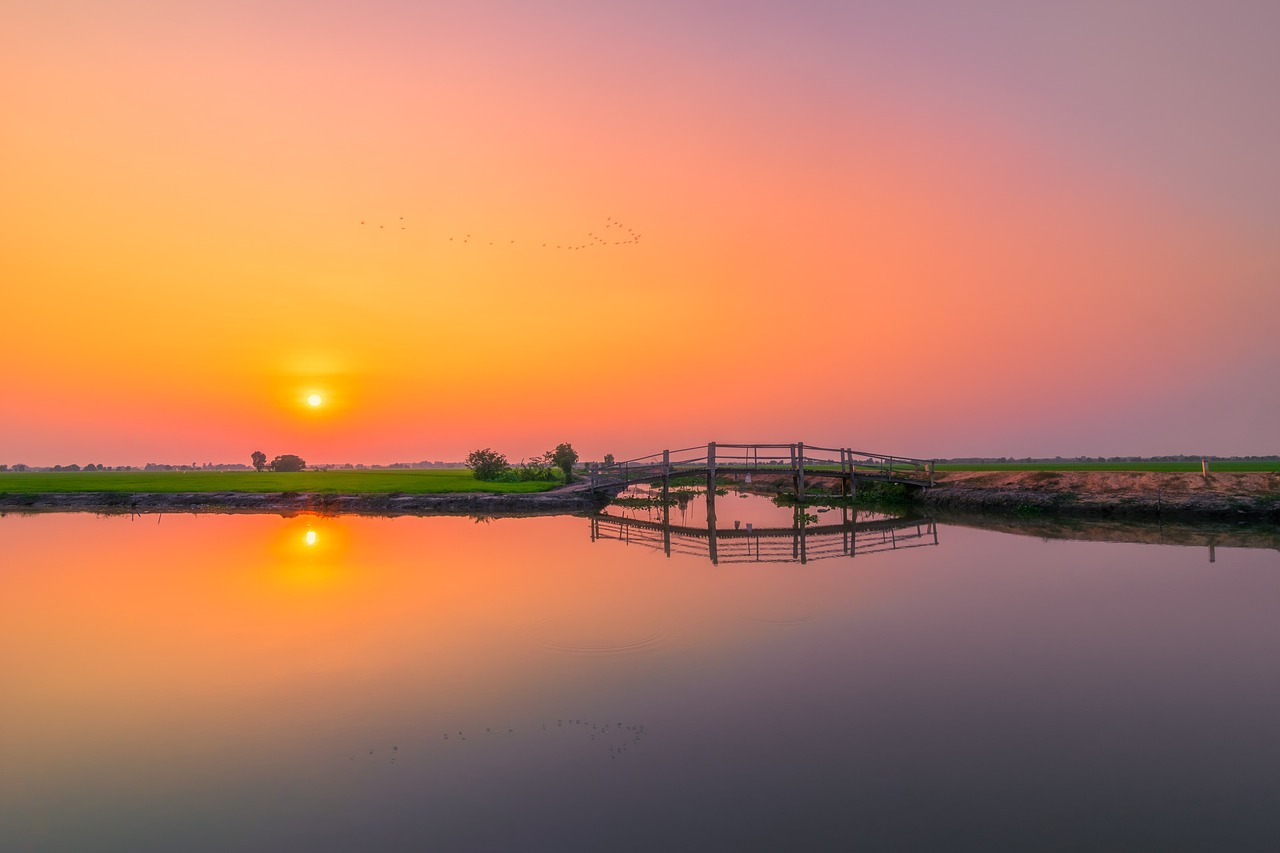
Why Mekong Delta Vietnam Calls Adventure Seekers at sunset in this river delta
Any mekong delta vietnam travel guide overview should start with scale, because mekong delta is a vast floodplain in southern vietnam that you feel as much as you see. Spread across roughly 40,000 square kilometers, the delta supports about 18 million people, and its rhythms are written in water levels, boat wakes, and market calls. This is vietnam’s mekong delta at its most elemental: a destination to explore slowly, yet never passively.
The delta’s identity comes from an intricate network of rivers and canal routes that stitch together towns, orchards, and rice fields into one continuous waterfront. Along the riverbank you’ll notice houses on stilts, shaded landing steps, and small ferries moving with the confidence of commuters. For travellers who love culture and history as much as movement, the mekong delta offers both—crafted encounters that still feel like real local life.
Friendly people and a living delta after the end of the Vietnam War
Life in the delta changed profoundly after the end of the vietnam war, yet trade and hospitality remained its anchor. The friendly people you meet—farmers, boat pilots, market vendors—are often quick to share a story, a shortcut through a canal, or a recommendation for the freshest fruit. River commerce continues not as a performance, but as local life in motion, and it’s that authenticity that reassures even first-time vietnam travel guests.
For adventure seekers, nature is part of the invitation too. The freshwater habitat here supports remarkable biodiversity, including species found in the mekong such as the irrawaddy dolphin (rarely seen, but often spoken about with pride). At the same time, the delta faces pressures from upstream dams, sand mining, and a shifting topography—reminders that this landscape is both resilient and vulnerable, worth visiting with curiosity, respect, and care.
When you arrive, expect a mosaic: coconut gardens, aquaculture ponds, small fishery operations, rice paddies stretching behind palm-lined paths, and quiet temples tucked between fruit trees. The pace encourages you to uncover details—how nets are mended, how fruit is sorted, how the day begins on water—while still feeling safe, supported, and in control of your own adventure.


Designing Your Trip to the Mekong River Delta – Ho Chi Minh City Transfers and the Best Time to Visit
Designing your trip from Ho Chi Minh City into the Mekong River Delta
For a smooth route, keep this phrase in mind: ho chi minh city to mekong delta transport and time to visit. The best time to visit is typically the dry season from December to April, when the tropical climate feels gentler and waterways are calmer for small boats. It’s the easiest window to design an itinerary with early starts, relaxed afternoons, and that “unhurried but purposeful” feel high-end travellers appreciate.
The rainy season can be beautiful too—lush, dramatic skies, sudden downpours—but it asks for flexibility. Water levels rise, canal edges soften, and schedules can drift, especially on multi-stop days across the delta. If your travel style is adventurous yet time-conscious, dry season travel gives you more control while still letting the region surprise you.
From Ho Chi Minh City (Saigon) to Can Tho city
Most journeys begin in Ho Chi Minh City (saigon), then head south by road. You can travel by public coach from a main bus station, or choose a private car for a more seamless experience—especially if you’re carrying camera gear, travelling as a couple, or simply want a calmer start. Staying overnight in tho city (Can Tho) is a smart move because it makes sunrise departures effortless, rather than rushed.
As you approach the mekong delta, the scenery quietly shifts: more water, more small ferries, more roadside fruit stalls, and more boats loaded with local produce. If you’re comfortable, a short motorbike ride (as a passenger with a driver) can also be a delightful way to feel the humid air and village tempo—just ensure helmets and sensible speeds are non-negotiable.
Boat logistics in the Mekong Delta – planning a trip to Vietnam
Transport by boat is essential in the mekong delta, because many of the most memorable moments happen away from the main road. A guided tour can add expert local knowledge—timing the markets, choosing the right canal routes, and translating those quick, warm exchanges that help you connect. For travellers who want to create a personal journey with confidence on a trip to vietnam, a private boat or small-group option often feels like the best balance of comfort and authenticity.
Budget-wise, floating market entry is usually free, but boat tours and activities and parks often cost about $5–$15 per person depending on duration and inclusions. Ask what’s covered (water, fruit tastings, transfers) so you can relax into the day without second-guessing. If you’re extending your stay, pairing the delta with phu quoc can be a lovely contrast—beautiful beaches after river days—though the mekong delta deserves its own time rather than being rushed.
- Adventure-ready essentials: sunscreen, insect repellent, and a lightweight long-sleeve for boat breezes.
- Weather confidence: check forecasts daily; storms can build fast in a tropical climate.
- Comfort choices: quick-dry clothing, grippy sandals, and a small dry bag for phones and passports.
- Cash clarity: carry small notes for snacks, tips, and short rides between piers.
If you’d like visual inspiration while you design, here’s our Vietnam trip gallery—a gentle way to imagine the mood and craft a route that feels seamless and true to you.
Floating Markets and Canal Life in the Mekong Delta – Cai Rang and Phong Dien Boat Tours
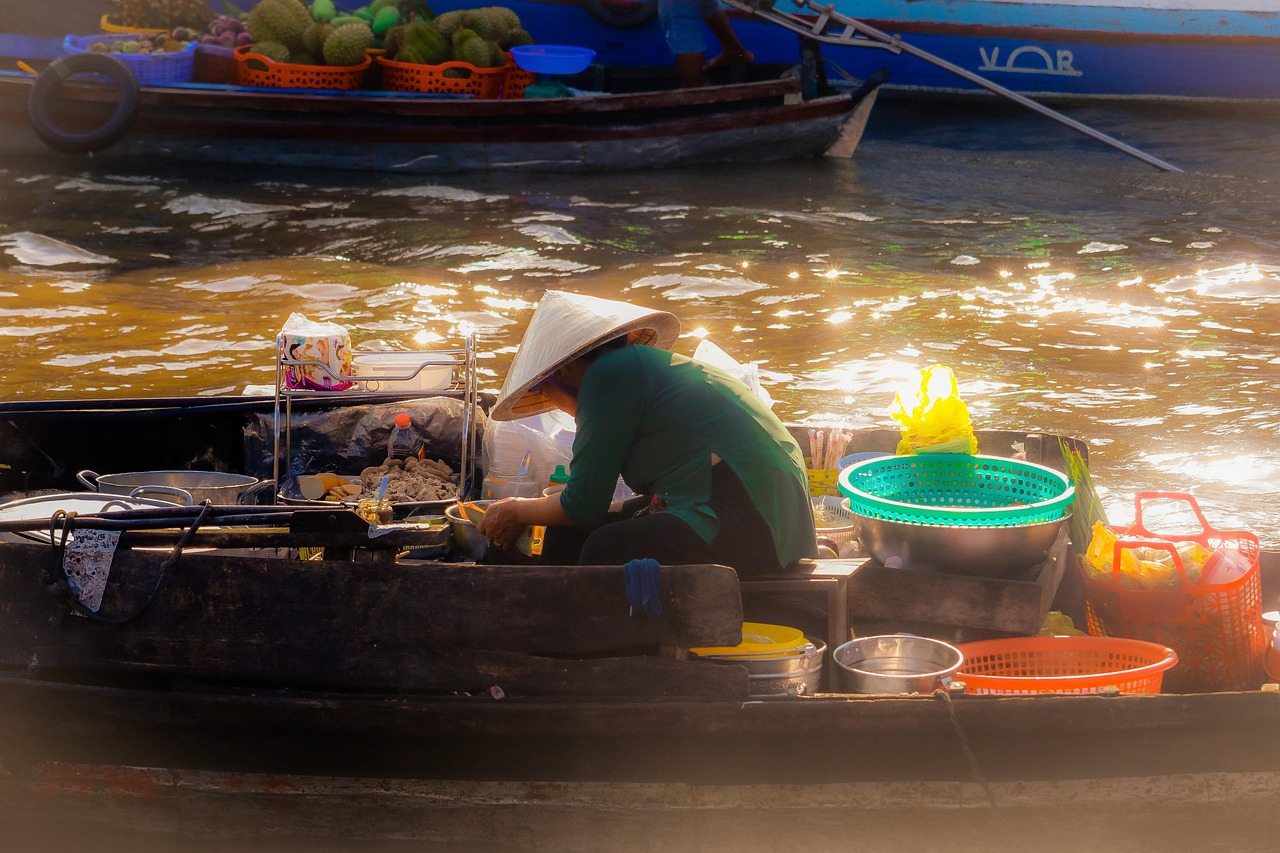
Floating markets and canal life at sunrise in the Mekong Delta
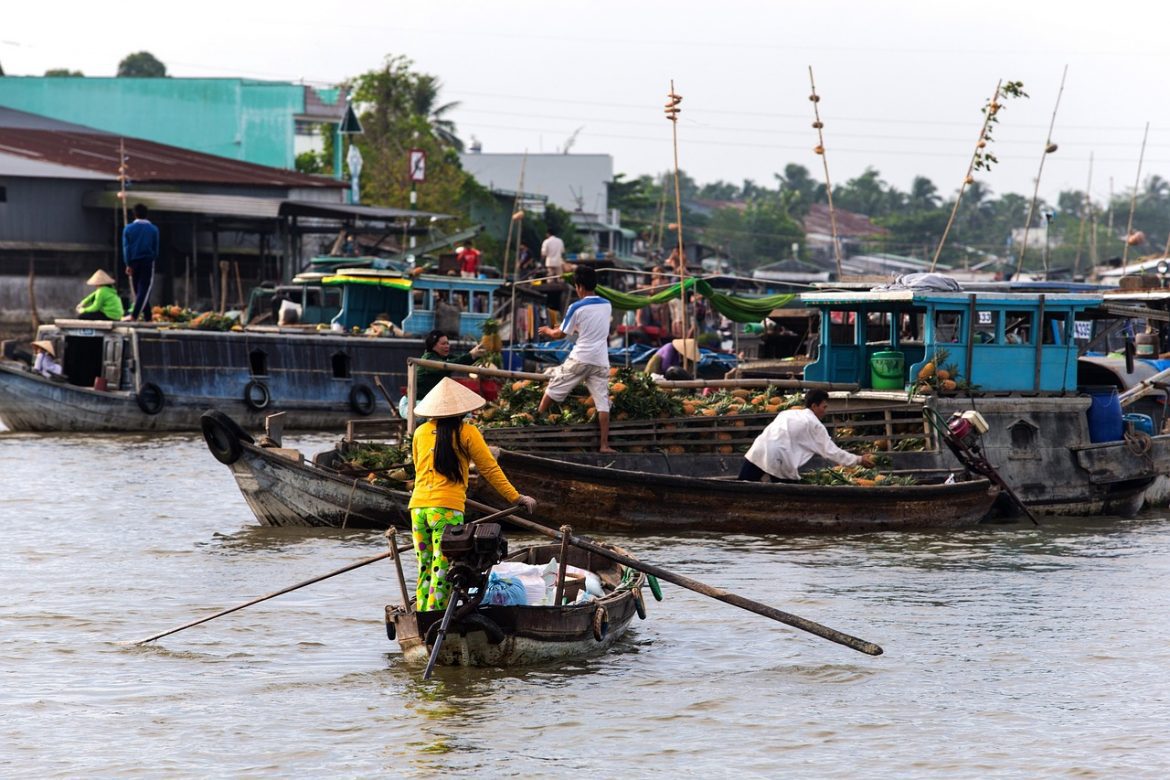
To understand river trade, start with this classic: cai rang floating market and Phong Dien—two icons of mekong delta morning life. The delta is at its most alive just after sunrise, when the water carries voices and engines, and boats nudge gently into place like neighbours arriving at the same café. This is where you don’t just watch culture—you float within it, together.
Sunrise at Cai Rang floating market – the language of “for sale” poles
At the floating market, look for the tall “for sale” poles—wooden masts displaying pineapples, gourds, or pumpkins so buyers can scan offerings from a distance. A traveller once told me about waking early, expecting a quick photo stop, and instead being pulled into conversation: vendors smiling, passing fruit to taste, sharing small stories about family routes and river heritage. It’s a reminder that the delta’s commerce is also a social network, one shaped by trust built over generations.
Even if you’re travelling in a more refined style—private boat, chilled water, an unhurried driver—the market still feels wonderfully unpolished in the best way. Your guide can help you spot what’s seasonal and what’s truly vietnamese, rather than the same fruit arranged for visitors every day.
Phong Dien, coconut-lined canals, and everyday craftsmanship in the delta
Then continue to Phong Dien for a slightly quieter floating market atmosphere, where the pace can feel gentler and more conversational. The route itself is part of the pleasure: a small-boat glide into narrower canal corridors, with coconut palms shading the banks and children hopping across planks between gardens. In Ben Tre is a province often associated with coconut, you may stop to see coconut candy made in small batches—simple, sweet, and surprisingly elegant when paired with warm tea.
This is also where the mekong delta reveals its artisan side. You might visit workshops shaping baskets, weaving mats, or crafting small wooden items; you may also meet farmers whose days are organised around tide, harvest, and water management. The best encounters feel unforced: you arrive politely, learn a technique, and leave with insight rather than intrusion.
To keep these village moments respectful, ask permission before photographing people, especially elders and children. A smile, a small greeting, and waiting for a nod goes a long way in the delta, and it helps build the kind of mutual ease that turns “tourism” into genuine exchange.
And yes—taste the mekong delta through its noodle culture. A breakfast noodle soup on the water hits differently: aromatic broth, herbs, and the soft hum of engines nearby. If you’re unsure how to order, point kindly, say “cảm ơn,” and let your guide translate; you can also ask for rice noodle dishes or vermicelli noodles, which are common and comforting even for sensitive stomachs.
Temples, Towns, and Wild Wetlands of the Delta – Can Tho, Chau Doc, and Tra Su
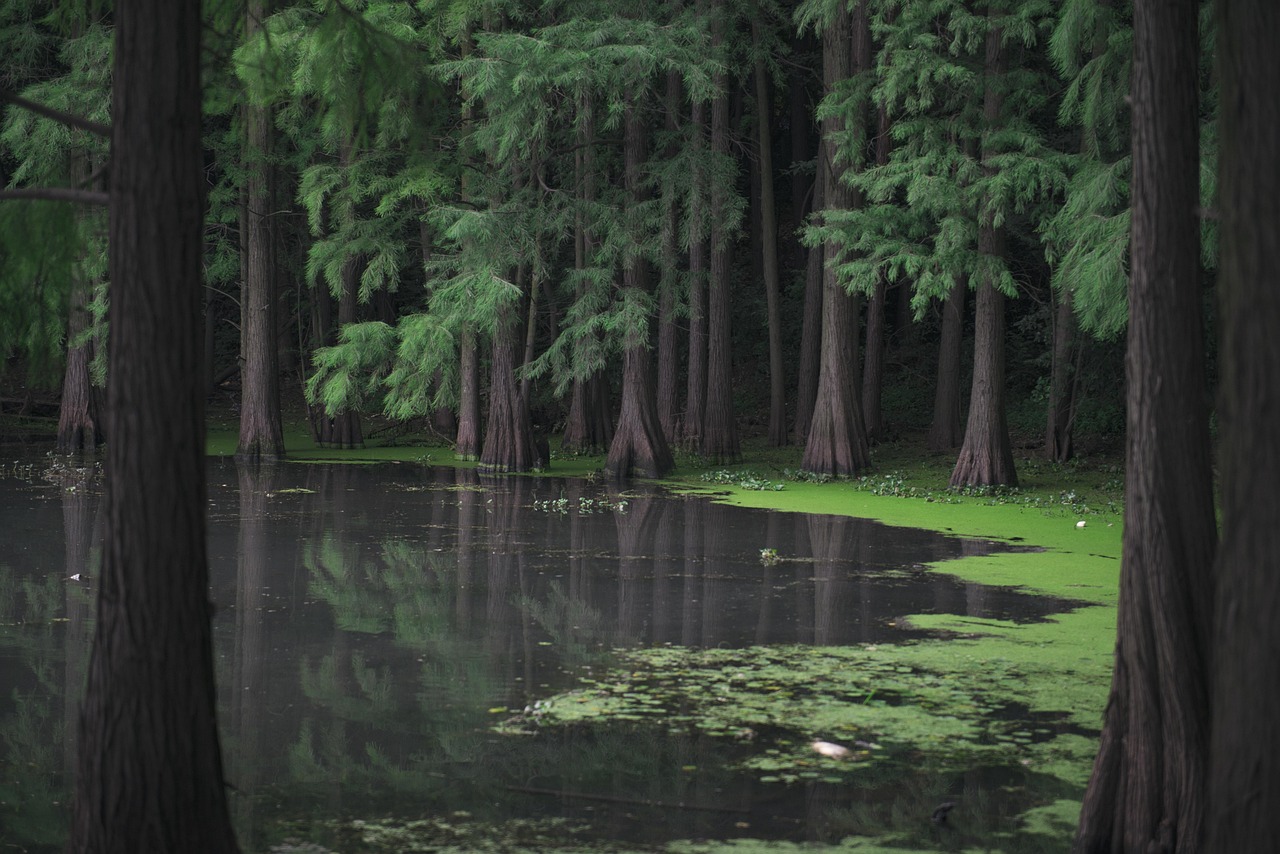
Temples, towns, and wild wetlands from Can Tho to Tra Su
If you’re mapping culture and nature together, use this anchor: Can Tho, Chau Doc temples, and Tra Su Cajuput Forest in the mekong delta. The delta isn’t just markets—it’s a layered region of towns, temple grounds, and wetland sanctuaries where silence can feel as thrilling as speed. For high-end travellers, the luxury here is space: to observe, to listen, to be guided with care.
Can Tho, Ninh Kieu, and an easy base in Vietnam’s delta
Can Tho is the largest city hub of the delta, and it’s wonderfully practical between water excursions and evening comforts. Around ninh kieu waterfront you’ll find cafés and promenades that carry subtle colonial-era textures—shuttered façades, old signage, and riverside views that make even a simple drink feel cinematic. It’s also a reassuring base if you prefer a polished hotel before heading into more rural stays.
If you want to add another cultural thread, consider a day trip in tra vinh (Tra Vinh province), known for Khmer heritage and temple architecture. Nearby, ba om is a quietly atmospheric pond and tree-filled area that invites slow walking and soft conversation—an ideal counterpoint to busy waterways.
Chau Doc, An Giang (Giang), and temple etiquette with confidence
Further west, Chau Doc sits close to the Cambodian border in An Giang (giang) province, where culture and history feels richly intertwined. The blend of Khmer, vietnamese, and Cham influences shows up in textiles, food, and spiritual sites, and a visit to a khmer cultural museum can add context before you step into sacred spaces. This is a part of the mekong delta where identity feels proudly plural.
When you visit temples, a few simple choices communicate respect. Dress modestly (shoulders and knees covered), remove shoes when expected, and keep your voice low—especially if locals are praying. At ang pagoda and other sites in the region, pausing at the edge of a ceremony rather than pushing closer is a quiet form of care, and it’s often rewarded with warmer smiles and gentle curiosity from southern vietnamese locals.
Now shift from temples to pure nature: Tra Su Cajuput Forest is a serene wetland sanctuary, a place many travellers remember as the emotional heart of their mekong delta journey. One adventure seeker described drifting silently at dawn, watching various bird species lift from the trees, feeling a deep connection that didn’t require words. In the wider mangrove forests region nearby, you may hear about conservation efforts and rare sightings—sometimes even the sarus crane, depending on season and conditions.
- Choose operators with transparency: ask how fees support local livelihoods and habitat protection.
- Respect the wetland: keep voices low, avoid feeding wildlife, and follow marked routes.
- Be mindful of impact: shrimp farming and aquaculture shape the delta and its river edges; learning the context helps you travel with insight.
- Pack for sun and water: hats and sunscreen are essential even on cloudy days.
Travelling responsibly in the mekong delta doesn’t mean giving up comfort. It means choosing experiences that are crafted with local input, paying fairly, and letting expert guides explain how the landscape is changing—so your presence supports, rather than strains, what you came to explore.
What Stayed With Me After the Mekong Delta – A Mekong Delta Vietnam Reflection
I used to think of time as something you organise—minutes, departures, a neat list. But on a mekong delta vietnam reflection and delta journey, time loosens. At first light, the mekong delta doesn’t ask you to do more; it quietly invites you to notice more. The mekong river’s rhythm—soft engines, paddles tapping wood, birds calling from far reeds—changes the way you pay attention.
What stayed with me most was the care that arrived without fuss. Homestay hosts welcomed guests with homemade Mekong meals, not as a show, but as a natural extension of their day—fresh herbs, fish cooked simply, fruit offered with a smile and an extra chair pulled closer. They shared gentle insight into rice farming and river gardening, and in those small conversations I felt trust being built in real time.
There were moments I couldn’t have planned, even with the best itinerary. The quiet between boats in the delta, when the water goes glassy for a few breaths. The subtle shift in air before rain. The sense that the landscape is alive—diverse plant edges and a living habitat, the hum of insects, and the steady work of people who have always read the river better than any map.
When I think back, I don’t reach for a checklist. I remember a warm bowl of broth, the smell of coconut on a breeze, and the way the mekong delta seemed to make space inside my own thoughts. And I suspect that’s why people return: not to repeat the same route, but to see what new light the water will offer next time.
F.A.Qs: Mekong Delta Vietnam Travel Guide
Why is the Mekong Delta so famous for floating markets and delta culture?
The mekong delta is famous for its floating markets, fertile floodplain, and a water-based way of life shaped by canals and river trade. It’s also culturally rich, with Vietnamese, Khmer, and Cham influences across towns, province-level traditions, temples, and food—making it a rewarding region to explore beyond a typical city stay.
Is it safe to visit the Mekong Delta Vietnam region?
Yes, the mekong delta is generally safe for travellers, especially when you use reputable boat operators and follow basic precautions. Wear sunscreen in the tropical climate, watch your step on wet docks, and stay alert to weather changes during the rainy season. In temples and villages, respectful behaviour and asking permission for photos helps experiences feel comfortable for everyone.
Is the Mekong Delta worth seeing on a Vietnam travel itinerary?
If you enjoy culture, nature, and slower travel, the mekong delta is absolutely worth seeing. Highlights include sunrise markets, small-boat canal rides, hands-on village encounters, and wetland sanctuaries like Tra Su with rich biodiversity. Even a short visit can offer a deeper understanding of southern Vietnam’s daily rhythms and hospitality.
Is Ho Chi Minh City on the Mekong Delta, or just a gateway?
No—Ho Chi Minh City (Saigon) is not in the mekong delta. It’s in southern Vietnam, north-east of the delta, and acts as a main gateway for road transfers. Most travellers go from Ho Chi Minh City to Can Tho or other delta towns, then continue by boat to reach markets and canal routes.