Post Contents
- Yokohama City: From a Fishing Village to a Modern Hub Near Tokyo
- Yokohama Chinatown After Dark: Street Food, Colourful Gates, and One Chinese Cuisine Dish
- Sankeien Garden in Yokohama: Japanese-style Time Capsule with Teahouses
- Minato Mirai, Yokohama: Landmark Tower View and Ferris Wheel Glow at Night
- Yamashita Park to Osanbashi Pier: Yokohama Shoreline Walk and Maritime History
- Yokohama Museum: Digital Attraction With a Hands On Facility
- Yamate District & Motomachi, Yokohama: Elegant Neighbourhood Walk
- Practical Yokohama Travel Guide: JR, Subway, Haneda Airport, Hotel Costs
- What Stays With You After Yokohama
- F.A.Qs: Yokohama visitor essentials
Yokohama City: From a Fishing Village to a Modern Hub Near Tokyo
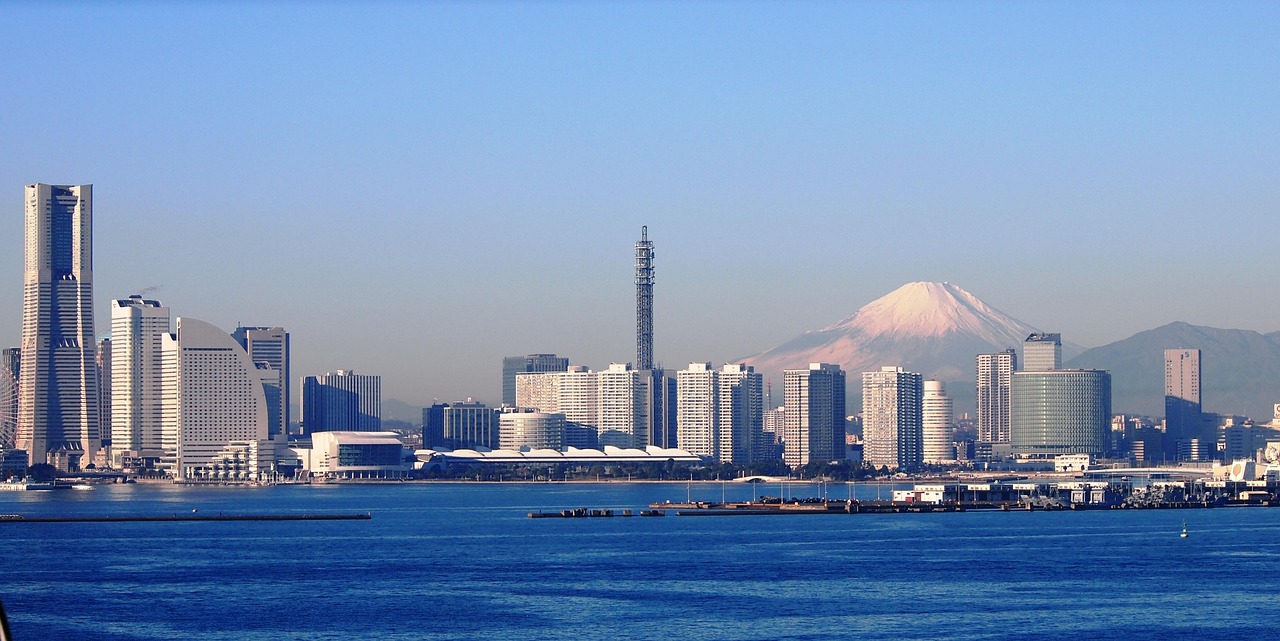
A calm arrival into Yokohama, with big-sky scenery and an easy day out from Tokyo
If you’re looking for a calm, curated guide to yokohama that still feels adventurous, start here. For many travellers, Japan Yokohama is an ideal first step beyond the capital: Japan’s second-largest city and the second largest city in the country after Tokyo, plus the capital of Kanagawa prefecture—a visitor-friendly centre where you can explore confidently without complicated planning.
A quick timeline helps the city make sense: in 1859 the port opened at the end of the edo period, the policy of self-isolation eased, and foreign trade reshaped a small fishing village into a modern metropolis. That origin story is still visible along the harbour edge, on hillside streets, and in the international food culture you’ll uncover as you move through Yokohama.
Your first loop: Minato Mirai lights, hillside streets, and Motomachi style
For a first visit, imagine a loop that keeps your day flowing: start with open-air walking, drift into Minato Mirai for design-led city energy, taste your way through lantern-lit lanes, then climb towards the Yamate hills before easing down into Motomachi. This is where yokohama offers contrast—old timber and glass building lines, quiet steps and bright streets—without you feeling pulled in ten directions.
Design your day for a seamless pace, night view moments, and confidence
To keep the day feeling crafted rather than rushed, aim for morning calm, afternoon culture, and a night finale. A simple rhythm helps you explore with trust: early walking while streets are quieter, a focused cultural stop after lunch, and then an evening highlight when lights come on across the bay.
- Morning: a gentle shoreline stroll and coffee, letting the city of Yokohama settle around you.
- Afternoon: one core cultural stop, then an unhurried neighbourhood wander for hidden details.
- Evening: a skyline view and street snacks, with time for photos.
A final reassurance: local etiquette is simple—queue neatly, keep a quiet respect in sacred-feeling spaces, and you’ll move through Yokohama with ease.


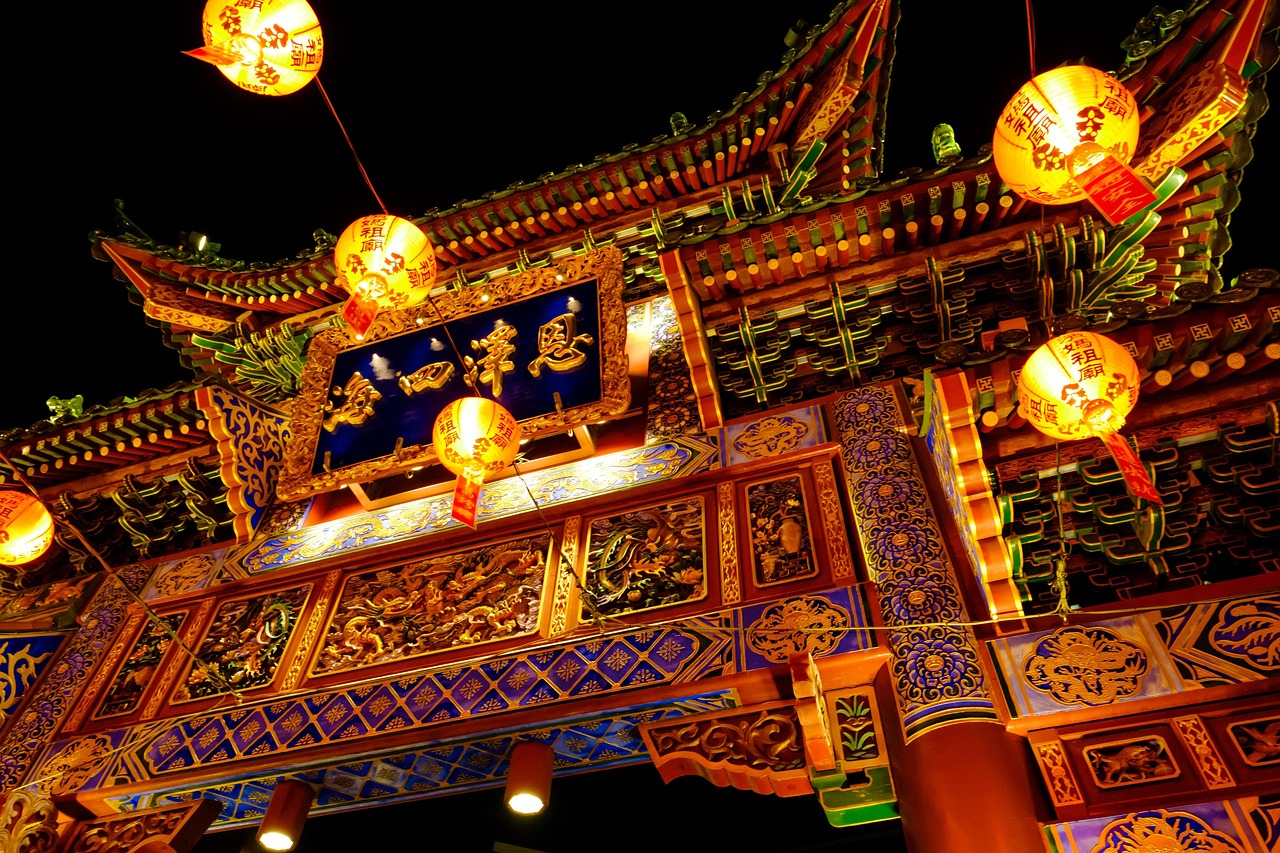
Yokohama Chinatown After Dark: Street Food, Colourful Gates, and One Chinese Cuisine Dish
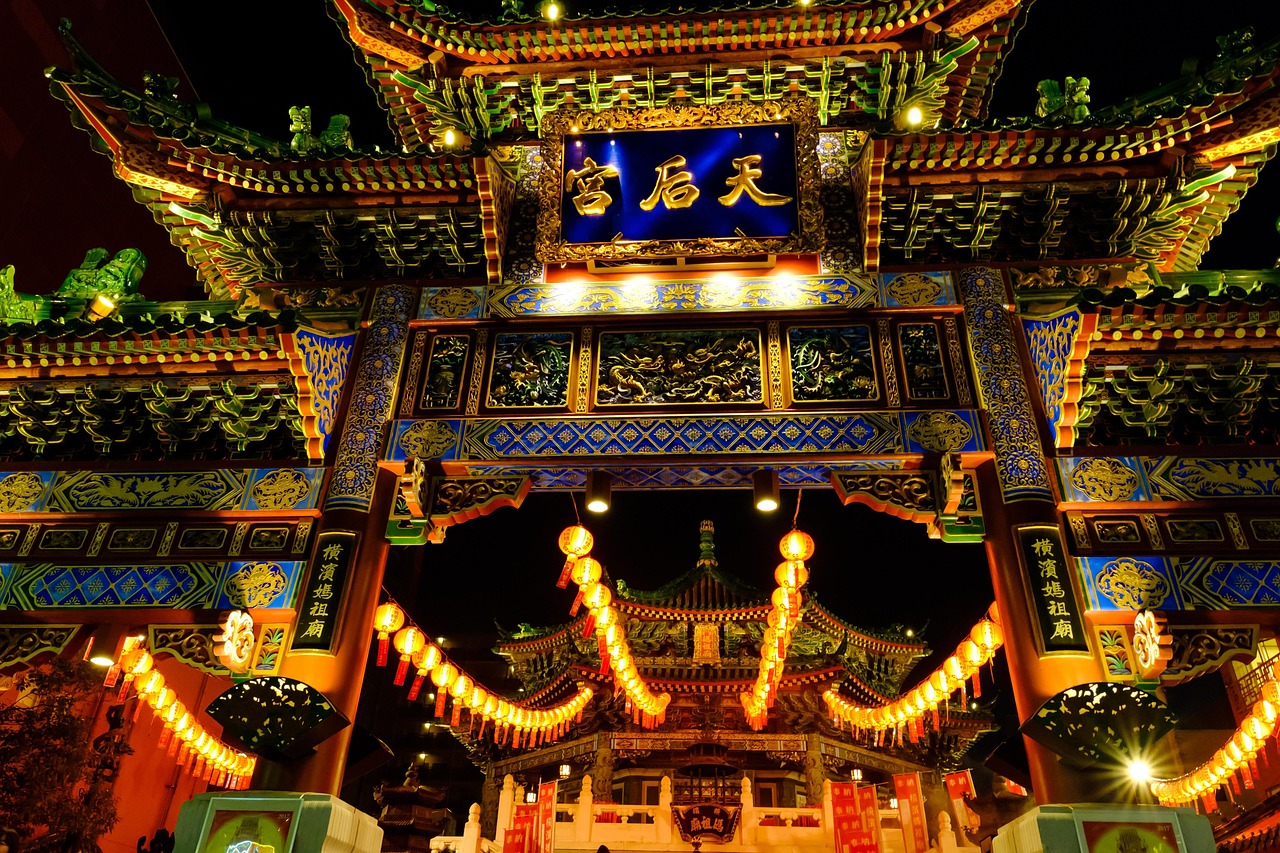
Lantern-lit lanes in Yokohama after dark—safe, lively, and made for slow wandering
The phrase yokohama chinatown chinese cuisine night street food doesn’t quite capture the real feeling: colourful gates, lantern-lit lanes, and an atmosphere that’s lively yet reassuringly safe—even if you’re travelling solo. This is one of the world’s largest chinatowns, and it’s easy to get happily lost for an hour, then find your bearings again in seconds.
One traveller told me their favourite Yokohama memory began with a simple night stroll. They wandered one side lane, noticed steam pooling beneath a neon sign, and uncovered a tiny stall serving the best dim sum of their life—one perfectly blistered dumpling that became the dish they still compare everything to.
A practical tasting plan: one restaurant, then small bites as you wander
Start with one sit-down restaurant you’ve chosen on purpose (a little planning is a form of care), then snack as you wander so the evening stays light and social. Carry cash—smaller counters often prefer it, and it keeps ordering seamless when queues build.
For souvenirs, skip anything that feels like a mall crawl. Instead, choose one local treat—tea, sweets, or spices—then step outside and let the lantern glow pull you onwards.
Photo prompt for adventure seekers: a mini series that feels real
Create a mini series: neon signs, steam clouds, hands passing paper trays, candid street scenes. You’ll go home with images that feel personal, not staged.
Sankeien Garden in Yokohama: Japanese-style Time Capsule with Teahouses
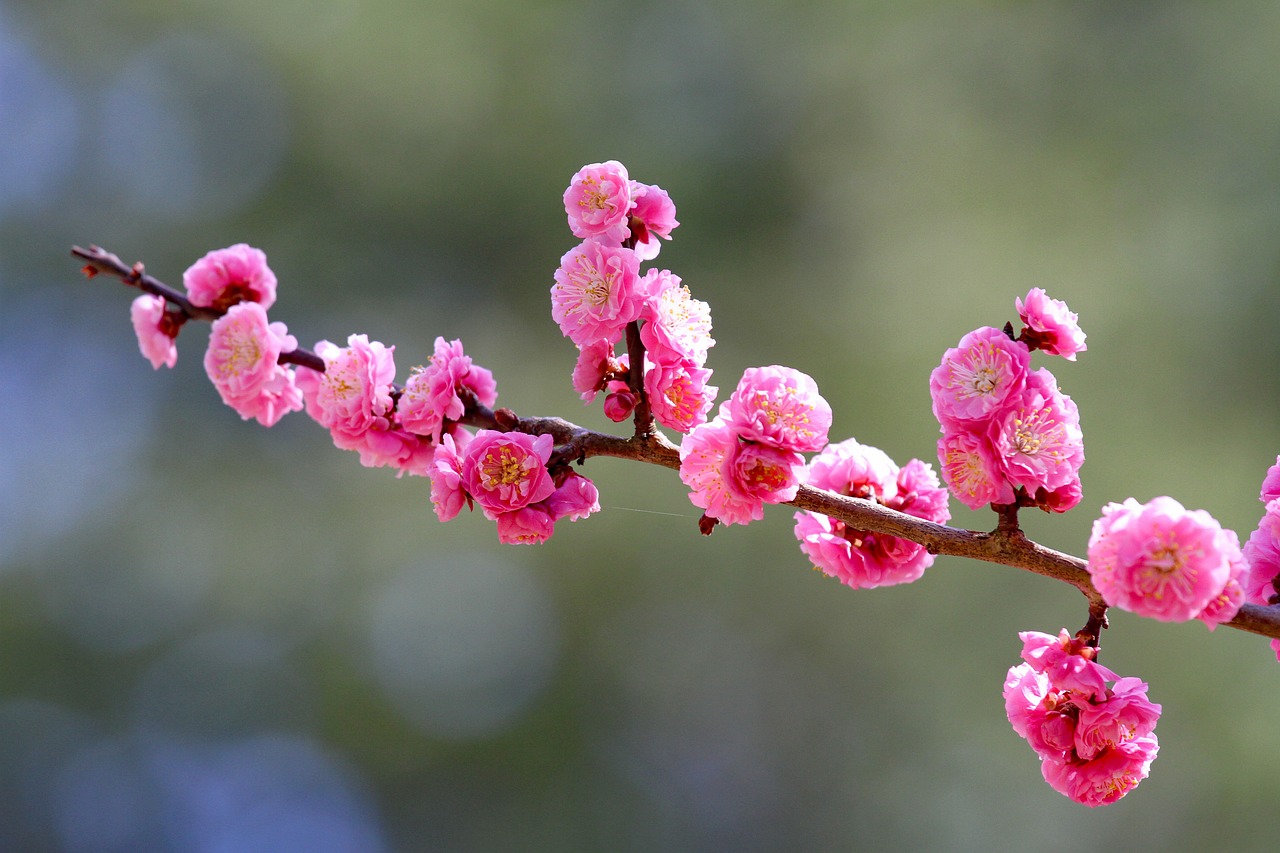
A quiet escape into craft, water, and seasonal colour—made for slow walking
If you’ve searched sankeien garden traditional japanese garden yokohama, you’re already close to the truth: this landscape feels gently removed from the city’s tempo. With ponds, wooded paths, and historic structures, it’s the sort of place where design and nature work together—quietly, expertly.
An adventurer once described a serene afternoon here during spring bloom. Among cherry blossom, a single flower petal landed on the water, and the effect was transporting—like stepping into a living story, framed by old timber silhouettes near the teahouses.
Seasonal guidance and mindful pacing for a cinematic visit
For the most cinematic visit, spring (March–May) brings blossoms, while autumn (October–November) layers the paths with warm tones. Give yourself permission to slow down: one long loop, a bench pause, then a second short loop where you notice new details you missed before.
Comfort, respect, and a small creative exercise
Wear comfortable walking shoes and bring water; adventure seekers still need steady energy. Keep voices low in the quieter corners, and treat the space with the same respect you’d give a temple.
- Pause, breathe, and imagine the landscape as a traditional japanese museum of craft.
- Write one insight in your notes before you leave—something you can carry back into everyday life.
Minato Mirai, Yokohama: Landmark Tower View and Ferris Wheel Glow at Night
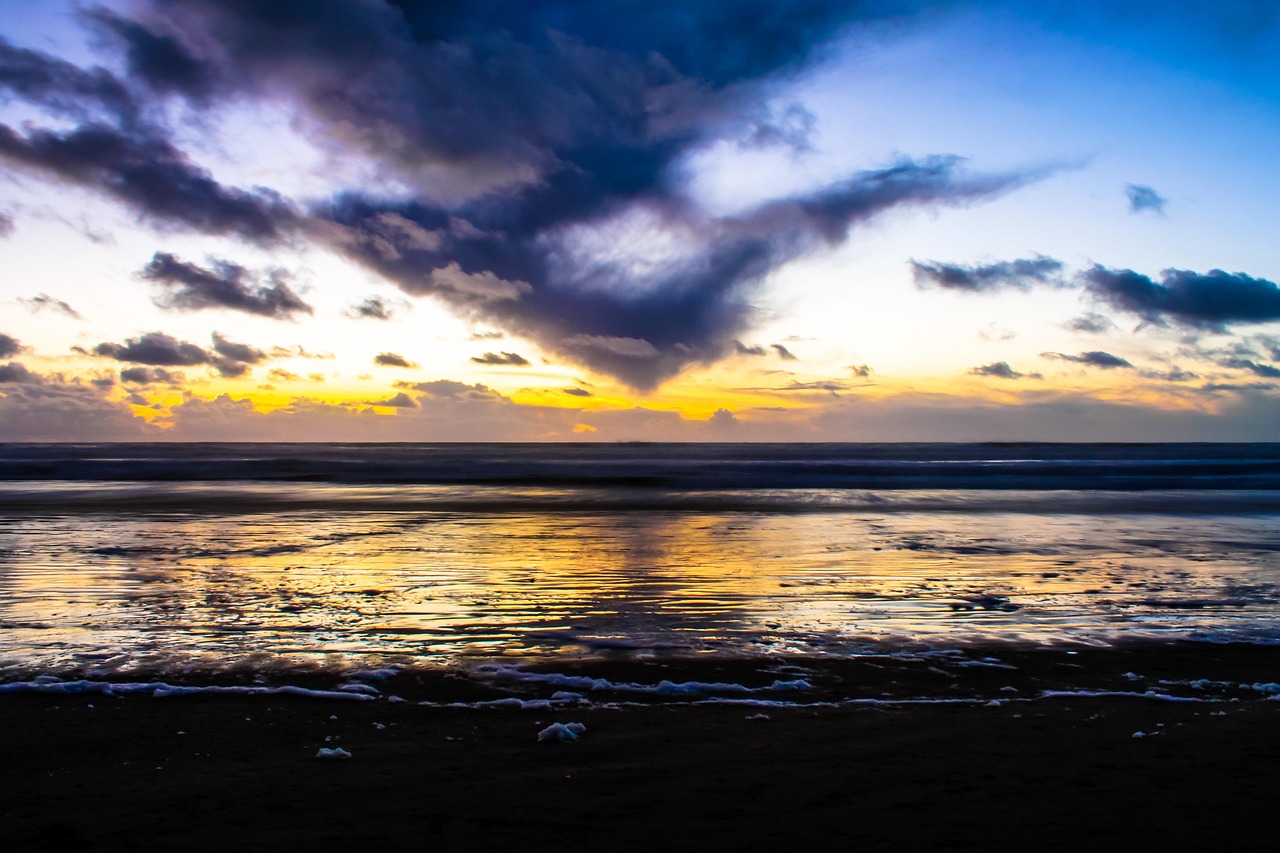
Sunset to nightfall in Yokohama—perfect for skyline shots and reflective water lights
Type minato mirai waterfront yokohama landmark tower view into your map app and you’ll see why this area feels so future-forward. Often written Minato-Mirai, it’s the one waterfront stretch where bold silhouettes gather, the ferris wheel glows, and a hint of amusement rides through the air without overwhelming the calm.
The Landmark is the iconic stop: once the tallest building on the skyline. One visitor told me they caught sunset from the observation deck, watched the light soften across Yokohama, and felt their passion for urban photography click into place—like a door opening inside them.
A simple shop stop for essentials, then back outside for fresh air
Choose one well-designed shop for essentials or a refined souvenir, then step back outside for the breeze and night sparkle. The goal is to feel free, not weighed down by bags.
Night photography tips for sharper city scenes
Use reflections, look for leading lines, and try a steadier long exposure if you have a tripod. If you don’t, simply brace against a railing and shoot slower—confidence often comes from small, repeatable habits.
Even when crowds swell, lifts and signage keep things smooth, so your evening can stay seamless.
Yamashita Park to Osanbashi Pier: Yokohama Shoreline Walk and Maritime History
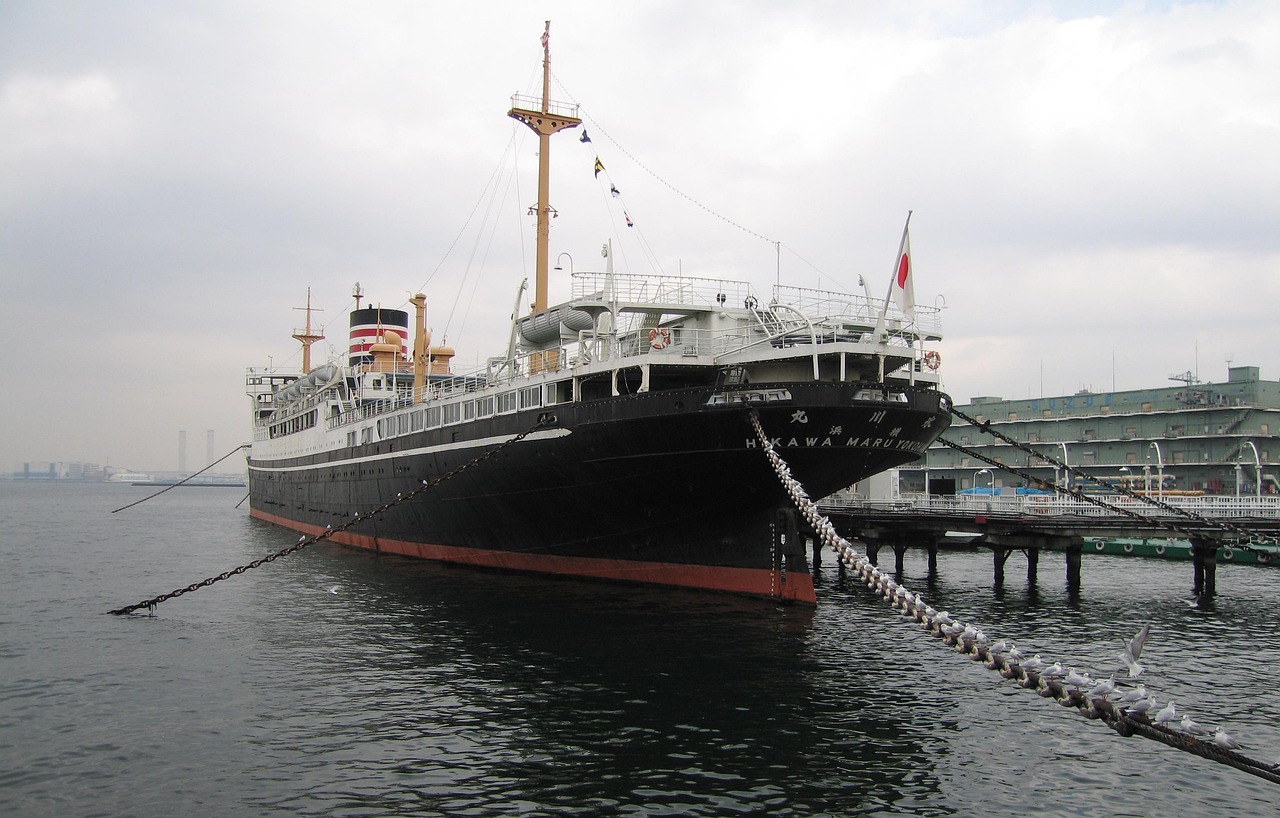
A wide-open shoreline walk for ocean air, people-watching, and slower travel energy
For a calmer route, follow the shoreline between the park and the pier. The walk offers open sky, a steady ocean breeze, and a wide-angle view that feels like a reset button after a busy morning in Yokohama.
It’s also where the trade story becomes physical. After the opening to the world, the shoreline had to be engineered—piers extended, edges reinforced, materials chosen to construct a working city. Over time, movement and commerce shaped identity, and the result is a coastal edge that still feels outward-looking.
A river moment and a low-fuss picnic plan
If you’re visiting in blossom season, a quick pause by the Ōoka river adds a softer texture to the day. Outside spring, simply find a quiet bench and let the air do the talking.
- Pick up takeaway you can eat while walking, then dispose of rubbish carefully.
- Support shared spaces by keeping volume low and pathways clear.
Optional detour: look for crafted details—railings, timber curves, coastal geometry—and sketch one line in your notebook.
Yokohama Museum: Digital Attraction With a Hands On Facility
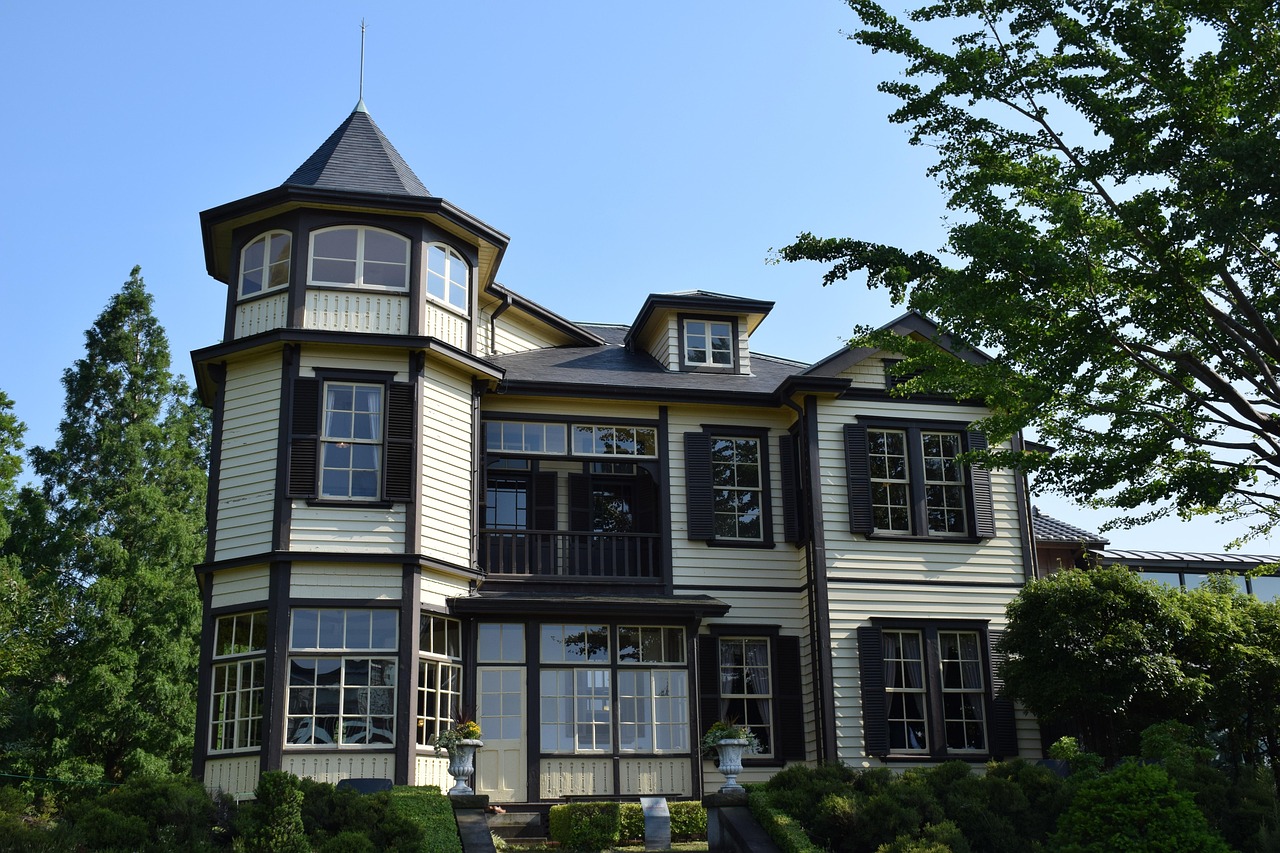
Indoor culture breaks in Yokohama—ideal for a focused hour between long walks
When you search yokohama museum gallery digital attraction family facility, you’ll notice how easy it is to balance outdoors with a focused indoor stop. Pick one museum for depth and one exhibition space for mood, and you’ll keep your energy high without skimming everything.
For adventure seekers, the best stops often include interactive exhibits—hands-on models, design-forward installations, or playful storytelling that makes history vivid. It’s not about cramming facts; it’s about uncovering one detail that changes your perspective.
Entry costs, combined passes, and quiet resilience
Most entries sit around 300–1000 yen, and combined passes can be a smart way to support your budget while keeping quality. If you love context, it’s worth remembering the city’s resilience too: parts of Yokohama were shaped by wartime bombing, and later rebuilt or thoughtfully repurposed—a reminder that places evolve, and so do we.
Before you leave, find one object label or model that surprises you, then let that insight travel with you into the street.
Yamate District & Motomachi, Yokohama: Elegant Neighbourhood Walk
A slower hillside-to-boutique stroll with architecture details and café pauses
For a slower, style-led stroll, plan a gentle ascent. The hillside streets offer calmer lanes and viewpoints, then you can drift down into the boutique streets for a refined wander that feels quietly international.
Without turning your walk into a lecture, you’ll notice how cross-cultural architecture echoes the foreign trade era—balconies, brickwork, gates, and small decisions in proportion. It’s a kind of living design lesson, best absorbed at human pace.
A café pause, a crafted browse, and reassurance
Choose a low-key café, keep cash handy, and take a moment to simply be present. If you want a souvenir, pick something local and crafted rather than mass-produced—one object you’ll use, not just store.
Daytime wandering here is straightforward, and navigation stays easy with landmarks and rail access, so you can explore Yokohama with confidence.
Micro-story prompt for your journal
Choose one doorway, hedge, or balcony and imagine who lived there. Write a single line in your journal—personal, light, and true.
Practical Yokohama Travel Guide: JR, Subway, Haneda Airport, Hotel Costs
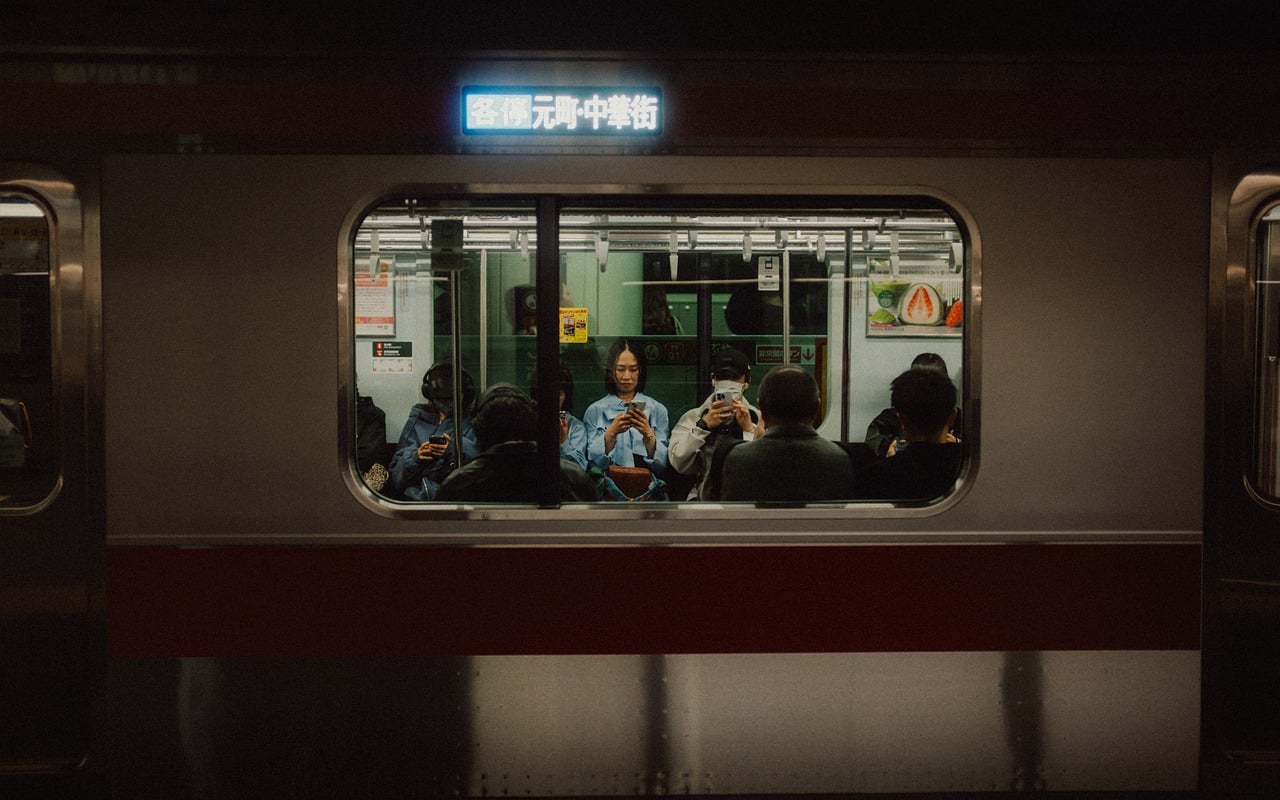
Simple logistics for a smooth Yokohama day—transport, costs, and where to base yourself
This section is here to reassure you: logistics can be simple and still feel high-end. From Tokyo, Yokohama is about 30 minutes via JR and private rail lines, making it ideal for a polished day visit or an overnight with a slower morning.
From haneda airport, connections are straightforward; from narita airport, allow more time and aim for a direct line where possible. Once you arrive, the subway and rail network is clear, and many highlights link beautifully on foot.
Costs, cash, and combined passes
Plan entry fees with confidence: most parks and cultural stops fall between 300–1000 yen. Combined passes can save money without sacrificing experience, and carrying cash is wise for smaller eateries and shops.
- Wear comfortable shoes for long, stylish walks.
- Bring a camera for sunset and night scenes.
- Queue patiently, and keep a quiet tone in temples and quiet public spaces.
Where to stay and how to keep the day seamless
Your hotel strategy depends on your rhythm: stay near transport if you want early starts, or near the shoreline if you want night lights close by. If you’d like inspiration for your wider journey, browse our Trip gallery and imagine how Yokohama can slot into a longer, designed route in Japan.
Travel with care: follow shoes-off rules where required, respect shared spaces, and support the community by being mindful with noise and litter. Small acts, done together, build trust everywhere you go.
What Stays With You After Yokohama
Long after you’ve left Yokohama, it’s often the quiet scenes that return first: the soft glow of lanterns reflected on a side street, the pause of water in a pond, the clean salt edge of evening air. Not a checklist, not a rush—just a steadier gaze, as if your senses learned to notice more, and to do it gently.
Sometimes it’s a shared meal that shifts you, or a single skyline moment that stays lodged in the mind like a small, private postcard. Those experiences don’t demand meaning; they simply offer it, in their own time. You may find yourself walking at home with a little more patience, a little more openness, and a warmer respect for how places are made.
Hold onto one detail that felt unmistakably local, and one that felt universal. Let them sit side by side without forcing a conclusion. If there’s a next journey, it can be unhurried—designed with care, carried by curiosity, and guided by the quiet confidence that you already know how to explore.
F.A.Qs: Yokohama visitor essentials
What is Yokohama Japan known for?
Yokohama is known for its open, international port heritage, its vibrant food culture, and its modern seaside skyline. Travellers often remember the lantern-lit streets, the calm beauty of preserved historic spaces, and evening outlooks from high observation decks.
Is Yokohama close to Tokyo?
Yes. Yokohama is very close to Tokyo and is one of the easiest day visits you can do. Many trains connect the two cities in roughly 30 minutes, so you can enjoy a full day out without feeling travel-worn.
Is Yokohama worth visiting in Japan?
Yokohama is worth visiting if you enjoy culture with a modern edge. It offers great dining, coastal walks, museums, and photogenic night scenes, while still feeling relaxed and navigable—ideal for travellers who want adventure without hassle.
What language is spoken in Yokohama?
Japanese is the main language spoken in Yokohama. In major attractions, hotels, and transport hubs, you’ll often find English signage and helpful staff, but learning a few polite phrases can make everyday interactions feel warmer.