Post Contents
- Shirahama, Wakayama: a relaxed resort base for Kansai Japan travel planning
- Shirahama Beach, Japan: white sand, clear water, and low-stress swimming
- Adventure World: aquarium exhibits, safari wildlife, and amusement park rides near Shirahama
- Engetsu Island sunset viewing: a natural rock arch on the Wakayama coast
- Nanki-Shirahama Onsen: hot spring bathing and Mount Shira hiking on the Kii Peninsula (Kumano area)
- After your trip: what stays with you from Shirahama Japan
- F.A.Qs: Shirahama Japan travel planning, Wakayama tourism, and getting around
Shirahama, Wakayama: a relaxed resort base for Kansai Japan travel planning
Wakayama resort overview for Japan travel planning
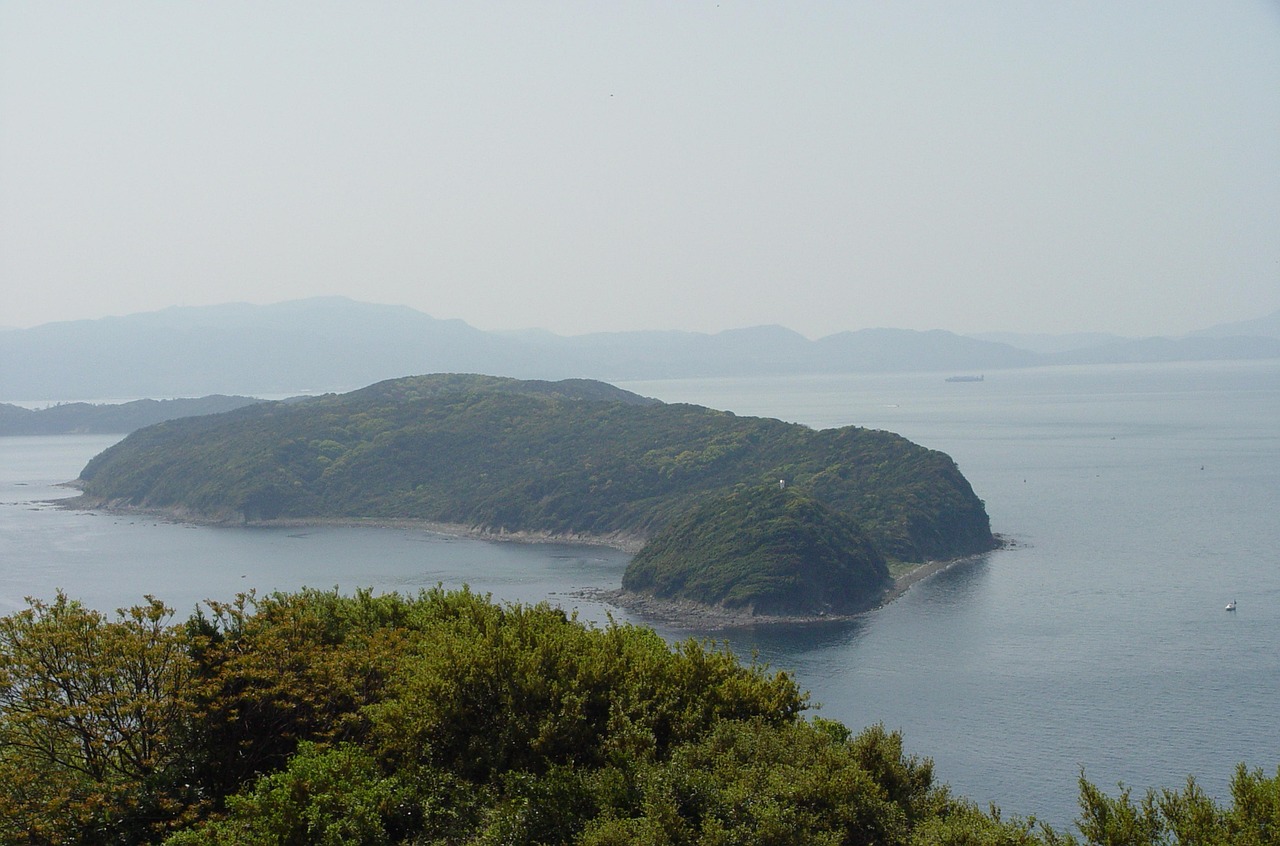
Planning a trip to Shirahama Japan is easiest when you treat it as a polished Kansai escape with genuine local texture. This is the shirahama town in wakayama prefecture where comfortable stays, a bright beach, and everyday Japanese life sit side by side, so each visitor can balance wildlife encounters with rugged scenery and unhurried time to relax. It’s a rewarding destination for the independent traveler who likes an itinerary that feels calm, scenic, and quietly restorative.
Timing helps: spring (March to May) and autumn (September to November) bring mild weather and a calmer tourism flow. You’ll have more breathing room for viewpoints and evening strolls, and it’s easier to plan around the setting sun than a packed calendar. Summer can be lively too, especially around any local festival dates when the town feels brighter and busier.
Arrive by train via Shirahama Station: limited express routes, bus links, and first-day tips
Most visitors arrive by rail, taking the JR limited express from Osaka or Wakayama to Shirahama Station. Signage is generally clear even when English is limited, and once you’re out of the station you’ll see universal icons for exits and transport. A local bus connects the main waterfront, Adventure World, and the cliff viewpoints, so you can settle into Shirahama without renting a car.
Fly or ride the rails from Tokyo: Nanki-Shirahama Airport transfers and time-saving options
If you’re short on time, a flight can make sense: you can travel from Tokyo via Haneda Airport to Nanki-Shirahama Airport, then transfer into town by taxi or shuttle. Choose rail if you want an unhurried start with scenery; choose air if you’re stitching this stop into a tight Japan itinerary and want more hours on the ground.
Costs are moderate for a premium-feeling day out: Adventure World tickets are around 4,800 yen, and onsen entry is often 500 to 1,000 yen. Carry cash, as small local shops may not accept cards, and consider booking ahead for peak weekends to keep your arrival unflustered. Before you go, check the official site for opening hours and transport notes, then browse travel japan ideas to round out your plans—your Japan tour gallery can help you picture how this destination connects with the rest of the country.
- Quick planning comfort: build a must-do list around tides, sunset time, and your energy levels so the beach and viewpoints don’t feel rushed.
- Language support: learn a few Japanese basics—hello and thank you go a long way in smaller towns across Japan.
- Bookings: reserve accommodation early for peak weekends, especially during any festival periods.


Shirahama Beach, Japan: white sand, clear water, and low-stress swimming
White sand and clear water in the bay at Shirahama Beach
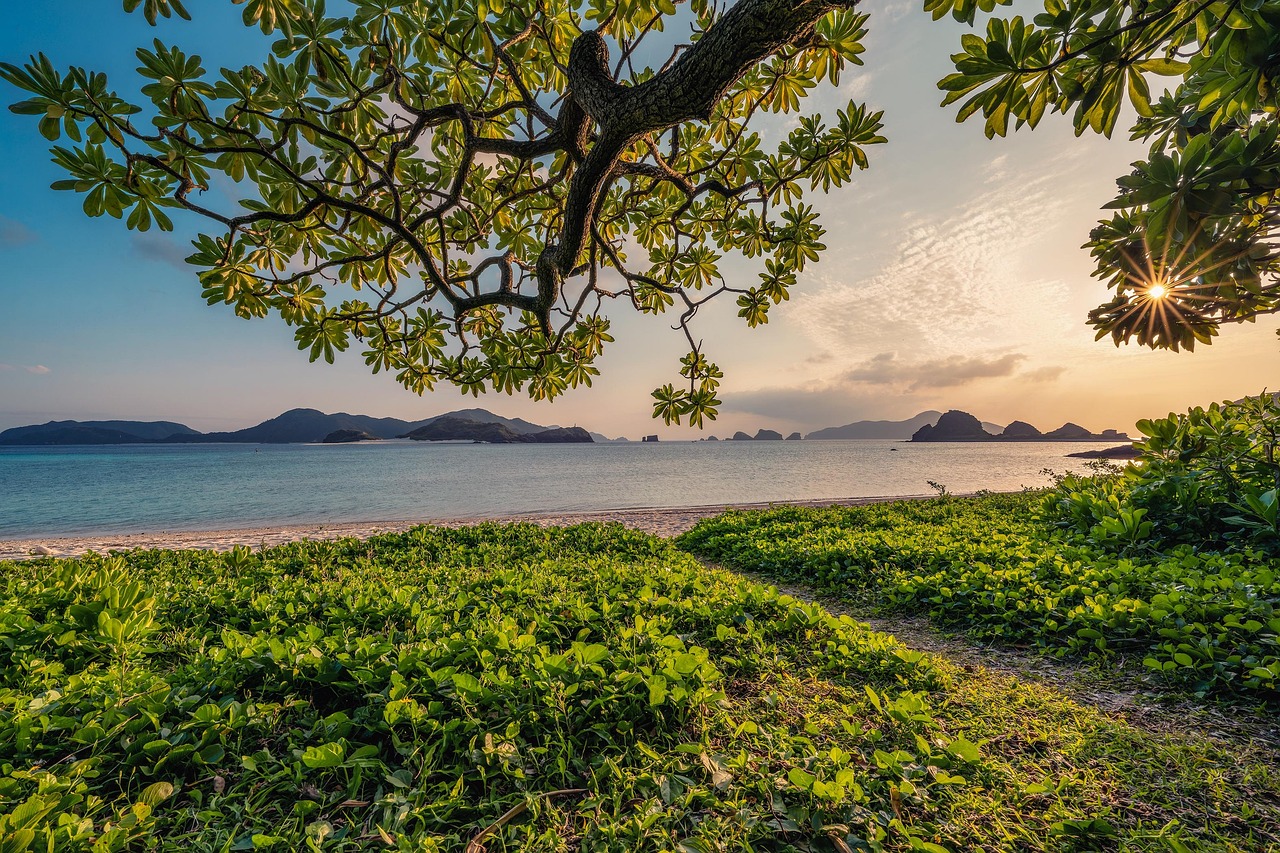
Think pale quartz white sand that brightens the whole bay, with colour shifting through the day as the light changes over the water. The main strip can feel lively, yet a short walk often brings a calmer mood and more space to breathe. Arrive early and you’ll often find a gentler rhythm before day-trippers roll in.
Best time to swim: safety flags, lifeguards, and what to pack
For a calmer swim, mornings are often your friend, with smoother conditions before afternoon winds. Keep an eye on local flags and forecasts, and treat the Pacific with respect—sea conditions can change quickly. Pack high-SPF sun protection, a hat, quick-dry layers, and a reusable bottle so your day stays comfortable and supported.
Small habits matter: use reef-safe sunscreen, avoid standing on fragile shoreline life, and keep the sand clean by taking litter with you. On bright days the bay can look almost tropical, and that contrast is part of what makes this corner of Japan feel special.
Active bay adventures: SUP, kayak, beginner dive options, and post-swim dining
If you want more than lounging, you can explore the bay by SUP or kayak, staying close to shore for reassurance. Some operators offer a beginner dive introduction; you may spot colorful fish, while any coral viewing is best approached with realistic expectations and gentle care. The real pleasure is the clarity, the light, and the sensation of moving through open space.
Between sessions, choose one relaxed restaurant for simple waterside plates—grilled seafood tastes especially good after salt and sun. Prioritise shade and hydration so your energy stays steady from late morning into golden hour.
If you’ve visited Izu or Atami, this area often feels less metropolitan: the pace is softer, the shoreline is more rugged, and the resort atmosphere sits closer to everyday life. That difference can be a quiet kind of luxury—room to breathe, and space to create your own rhythm in Japan.
Adventure World: aquarium exhibits, safari wildlife, and amusement park rides near Shirahama

Adventure World highlights: wildlife zones, marine exhibits, and rides
Adventure World’s appeal is beautifully simple: one well-run facility that blends big-animal moments, an aquarium for marine-life exhibits, and an amusement park atmosphere in a single, easy day. It suits travellers who want variety without constant transfers, and it’s ideal when you’d rather explore deeply than scatter your time. Even as a solo visitor, it can feel curated rather than chaotic, and it’s one of the easiest add-ons when you’re staying near Shirahama.
Panda viewing tips: quiet times, etiquette, and photo patience
The quietest moments often happen early, before the main crowds arrive and queues build. Keep expectations gentle: special programmes can vary by season, and most experiences are about calm observation rather than interaction. Approach viewing respectfully—keep voices low, follow staff guidance, and let the animals’ pace lead the moment.
Safari zone highlights: lion, giraffe, ferris wheel views, and roller coasters
To add an adrenaline layer, the safari-style section brings you close to big personalities like lion and giraffe, often from a guided vehicle. Afterwards, a ferris wheel spin can add elevated viewing across the park, while a quick burst on roller coasters keeps the day buoyant. This mix is a big reason it’s memorable for the whole family, while still leaving room for a slower travel style.
The coolest indoor areas are perfect during the hottest hours—plan your tank viewing and timed shows for midday, then return outside later when the light softens. To avoid a hectic flow, do the most popular zones first, then circle back for quieter corners as other visitors move to rides.
Practicalities keep everything easy: use the bus into the park, use lockers for day bags, and keep a light rain plan in mind as sea weather can shift. Most importantly, give yourself permission to slow down—good travel in Japan isn’t about doing everything, it’s about doing what fits you well.
Engetsu Island sunset viewing: a natural rock arch on the Wakayama coast
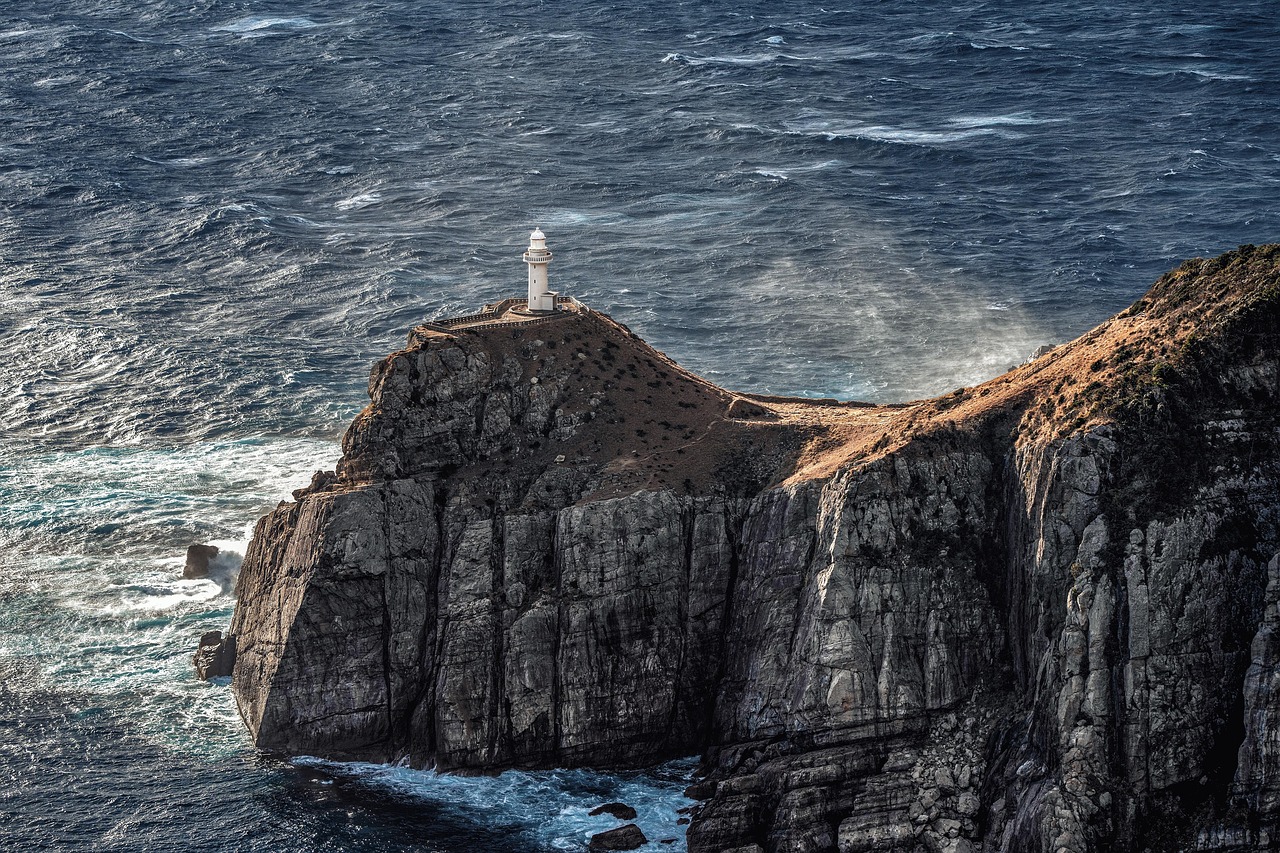
Engetsu Island rock arch at sunset on the Wakayama coast
The scene is as iconic as it is simple: a natural limestone arch framed by sea and sky. Engetsu Island is easy to reach on foot or via a short bus ride, making it perfect for an unhurried evening chapter after a day in Shirahama. As the light lowers, the coastline seems to exhale, and the stone shapes take on deeper colour.
Sunset photography: tide timing, safe footing, and considerate sharing
For the best angles, arrive early and watch how the arch changes as the tide shifts. Clouds can make the colour richer, so even a “grey” forecast can surprise you. If you bring a tripod, keep it close and be mindful of others—good etiquette helps shared viewing stay calm and respectful.
When the light drops towards the horizon, the arch becomes a natural frame and the moment can feel deeply personal. Many visitors describe a quiet reflection here, the sort you can’t schedule but can gently invite with time and presence.
Nearby Sandanbeki cave and Senjojiki rock terraces for dramatic coastal scenery
To extend the story, pair Engetsu with sandanbeki cliffs for a different kind of power. The nearby cave experience is made easy by an elevator, so you can feel the scale without exhausting your legs before dinner. The sound of waves hitting the cliff base adds a visceral edge that still feels safe and supported.
Then consider senjojiki, where layered rock shelves invite you to linger and listen as the coast changes with the tide. The air is salty, the sea feels endless, and the textures underfoot make the coastal landscape feel alive. If a seasonal boat tour is running, treat it as an optional extra rather than a must; if conditions suit, some operators may also offer a short ship outing.
Nanki-Shirahama Onsen: hot spring bathing and Mount Shira hiking on the Kii Peninsula (Kumano area)
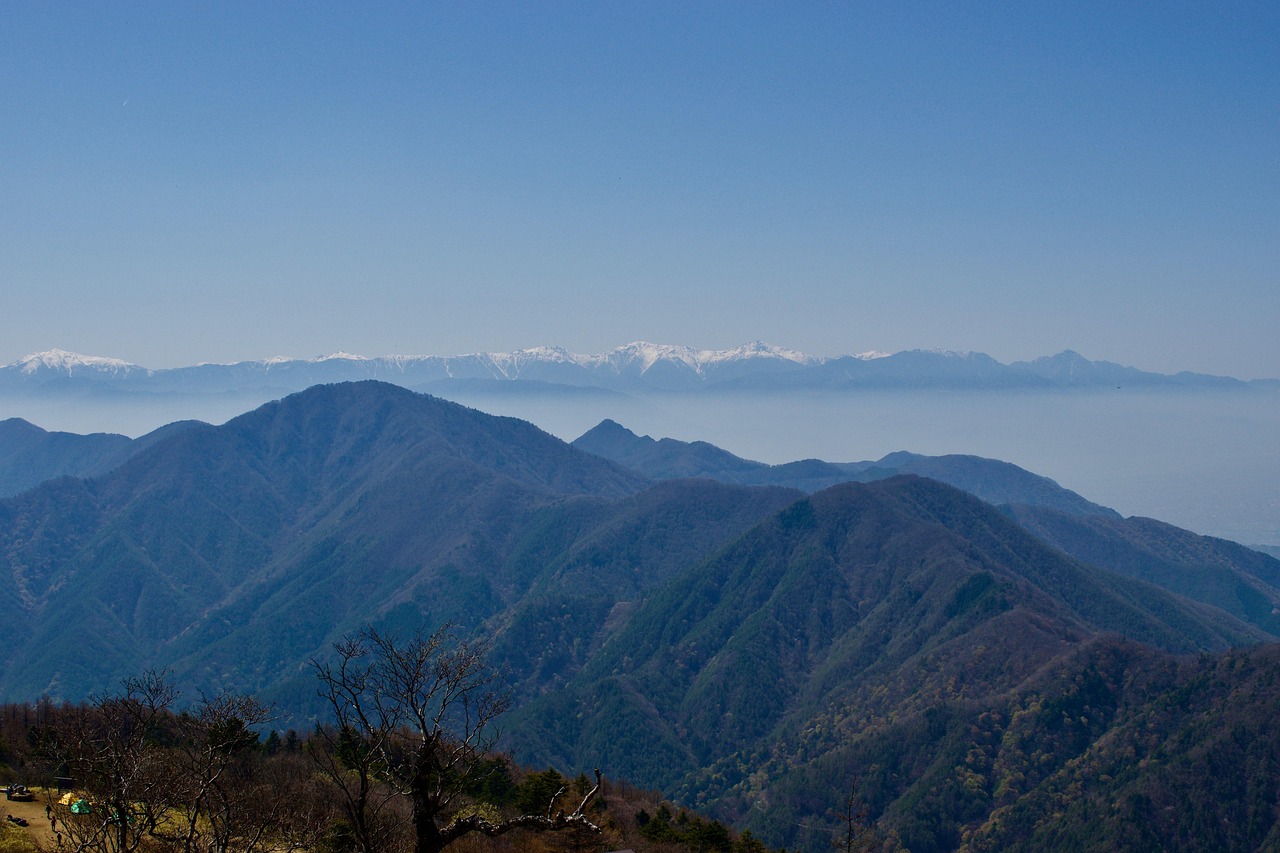
Nanki-Shirahama Onsen soaking and Mount Shira trails on the peninsula
You’re stepping into one of Japan’s oldest bathing landscapes and a wilder inland backdrop on the Kii Peninsula. Onsen time is where effort and ease meet: after a big day outside, soaking can feel like a reset you carry in your body. This comfort builds confidence, especially for adventure seekers who like to earn their downtime in Shirahama.
Good etiquette is simple and reassuring: wash thoroughly before you bathe, keep voices low, and bring a small towel (but don’t soak it in the water). Remember that it’s a shared bath environment, so rinse off and move calmly. Fees are usually straightforward, and changing areas often include baskets or lockers and sometimes tatami mats for a softer transition. If you’re new to Japanese bathing culture, remember that everyone is there to unwind—quiet care is the shared language.
Afterwards, a short walk outside can feel almost luminous, as if the hot spring has smoothed the edges of the day. Many visitors recall this as the moment the trip shifts from “holiday” to genuinely restorative.
Mount Shira hiking near the peninsula: routes, water planning, and cultural stops
For a centrepiece adventure, explore hiking trails around Mount Shira on the southern peninsula. Expect moderate routes with occasional steep sections; wear proper footwear, carry water, and give yourself time for safe footing. The reward is panoramic green, birdsong, and the rare feeling of being both energised and held by the landscape.
Small villages add cultural texture—greetings at a shop counter, a nod on a footpath, and a sense of community. A few simple Japanese phrases help when English is limited, and the warmth you receive can feel like quiet trust offered back.
If you want to extend the adventure near shirahama, consider a flexible day towards Kushimoto for fishing, coastal walks, and beginner dive spots with a more local feel. Keep it light and choose what suits your energy; the best plans are the ones you create with the day’s weather and your own curiosity.
- Comfort kit: blister care, layers, and a small towel for an onsen stop.
- Cash and calm: rural counters can be cash-only, so plan for small purchases.
- Seasonal note: summer can bring a local firework festival mood—fun, but expect more visitors.
After your trip: what stays with you from Shirahama Japan
After your time here, what lingers isn’t a checklist so much as a set of sensations you can return to in your mind. Salt air on the seashore, the softened hush of a shared soak, and the way evening light gathered around the arch as if it had always been waiting for you. Even small details can remain vivid: sandals on a quiet street, the clean scent of warm sea air, and the gentle patience of Shirahama.
There’s a particular confidence that grows here—built through nature, culture, and small local kindnesses that make you feel looked after. Perhaps it was a moment of stillness during animal viewing, or the steady rhythm of walking along cliff edges as waves rose and fell. Perhaps it was the simple act of being welcomed, even when your Japanese was minimal, and realising you could explore more bravely than you thought.
This corner of Japan can quietly reshape what “adventure” means. Not just speed and height, but presence: choosing your pace with care, trusting your instincts, and letting a destination meet you where you are. Later, when you catch late sunlight across a window or smell the sea on a breeze, you may find yourself wondering what other places in Japan are waiting—patiently—to be discovered.
F.A.Qs: Shirahama Japan travel planning, Wakayama tourism, and getting around
FAQs for planning a trip to Shirahama Japan and visiting Wakayama
Is Shirahama worth it?
Yes—especially if you want a comfortable pause with real character. You can combine beach time with dramatic scenery and a well-organised day at adventure world, then wind down with onsen culture in the evening. For many first-time visitors, it’s an easy-to-navigate stop that still feels memorable.
What is Shirahama known for?
It’s known for a bright shoreline with white sand, sunset views at Engetsu Island, and classic hot spring soaking. Many travellers also visit for wildlife and family-friendly attractions, which add a playful layer to a Wakayama stay in Japan.
Can you swim at Shirahama Beach?
Yes, you can swim when conditions are safe. Check flags and weather on the day, go earlier for calmer water, and take shade breaks so your time by the bay stays comfortable. If you’re travelling with kids or as a cautious swimmer, stay close to lifeguarded areas.
How do I get there from Osaka or Tokyo?
From Osaka, take the JR train to Shirahama Station, then use local transport for the waterfront and major sights. From Tokyo, flying is an option if you want to save time, but rail works well if you prefer a scenic journey and fewer transfers.