Post Contents
- Why this expedition tour feels like a lost world Son Doong Cave expedition tour cave in Vietnam world-class tour
- Booking the Son Doong Cave expedition with confidence booking Son Doong Cave tour Oxalis Adventure book a tour Vietnam
- Getting to Phong Nha via Dong Hoi and settling in locally Dong Hoi to Phong Nha Son Doong expedition trek Vietnam farmstay
- Inside the cave day by day trek camps and the Great Wall of Vietnam Son Doong expedition trek inside the cave Great Wall of Vietnam Hang En cave
- Safety briefing gear and conservation for a caving expedition safety briefing Son Doong Cave expedition caving expedition rope safety harness Vietnam
- After Son Doong what stays with you in Vietnam Son Doong expedition personal reflection Vietnam
- F.A.Qs: Son Doong Cave tour Vietnam
Why this expedition tour feels like a lost world Son Doong Cave expedition tour cave in Vietnam world-class tour
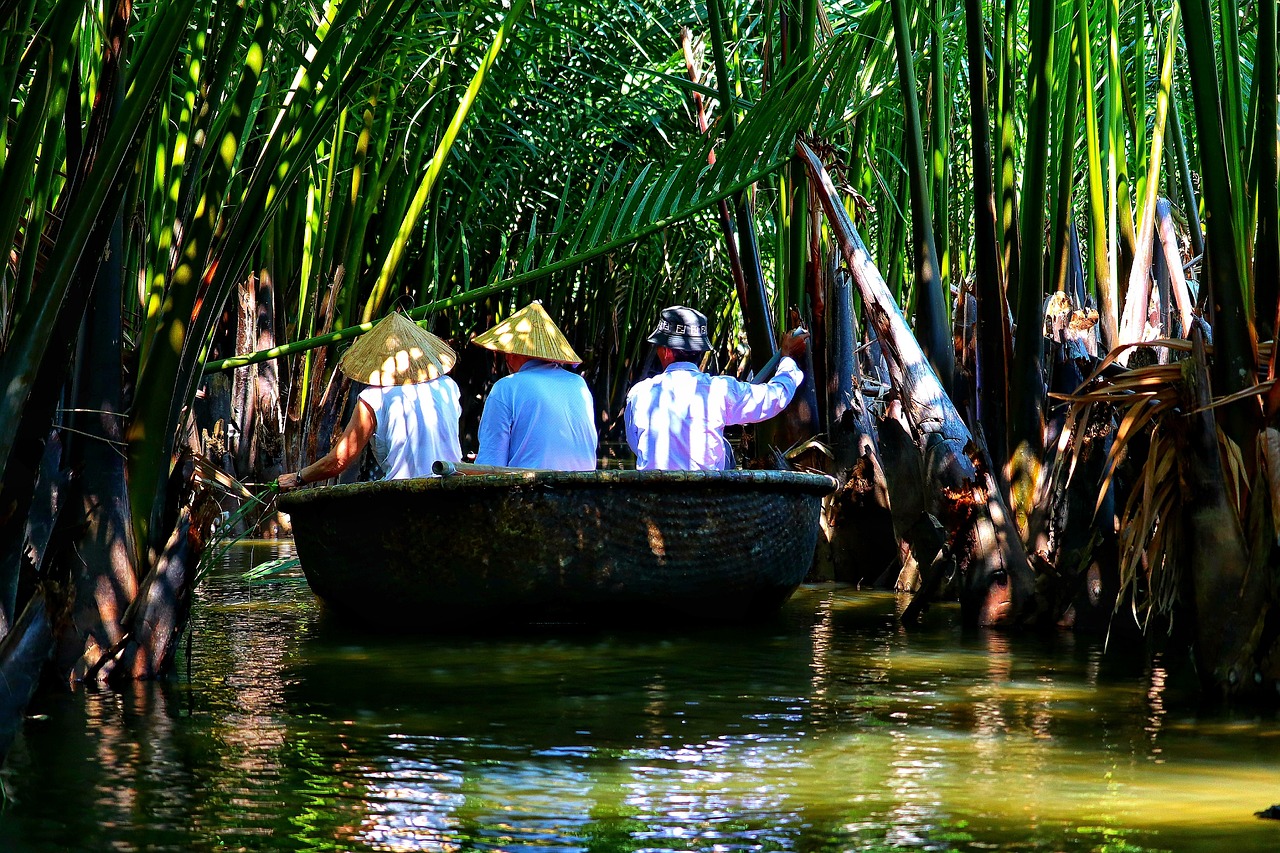
Why this expedition tour feels like a lost world in Son Doong Cave, Vietnam
A Son Doong Cave expedition tour is often described as a world-class tour, but the truth is quieter and more powerful: it feels like entering a place that never needed us. Hang Son Doong is widely recognised as the world’s largest cave, and the scale is the first “cultural” lesson—nature writes its own architecture, and you simply learn to read it.
Set within Phong Nha – Ke Bang, the UNESCO-protected national park, the expedition begins long before the cave entrance. You walk through humid green, hear insects threading the air, and sense the weather system shifting on your skin. Then the jungle falls away and the first cave passage swallows sound, turning conversation into whispers and footfalls into meaning.
Phong Nha and the Son Doong expedition tour as living heritage
For cultural enthusiasts, the Son Doong expedition is also a story of place and people—of local knowledge, patient logistics, and a shared responsibility. Guides speak about the valley routes, the old forest, and how communities near Phong Nha learned to support conservation through carefully limited tourism. The result is an expedition team rhythm that feels crafted: you move together, you wait for one another, and trust grows naturally.
Explore Son Doong cave features that make it feel unreal
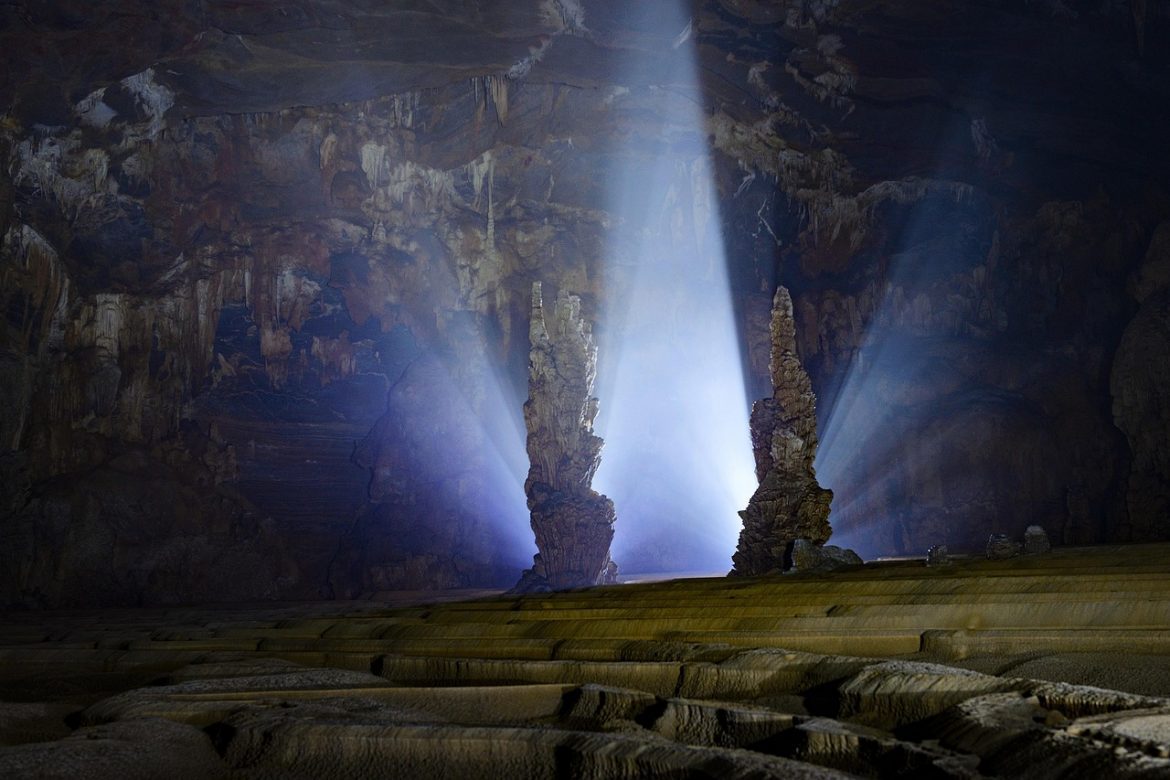
Inside the cave, signature cave features appear one by one: colossal chambers, stalagmites the size of buildings, and dolines that pour daylight into darkness. One moment many travellers recount is seeing the light first—soft and angled—then realising it’s feeding a hidden jungle below. It’s hard not to imagine you’ve discovered a lost world, yet you’re also gently reminded you’re a guest here.
Somewhere among the formations you’ll hear nicknames passed along—like Lion’s Head—and spot shapes that look sculpted rather than eroded. And when someone mentions the volume of 38.5 million, it lands less as a statistic and more as an invitation to slow down and let awe arrive properly.


Booking the Son Doong Cave expedition with confidence booking Son Doong Cave tour Oxalis Adventure book a tour Vietnam
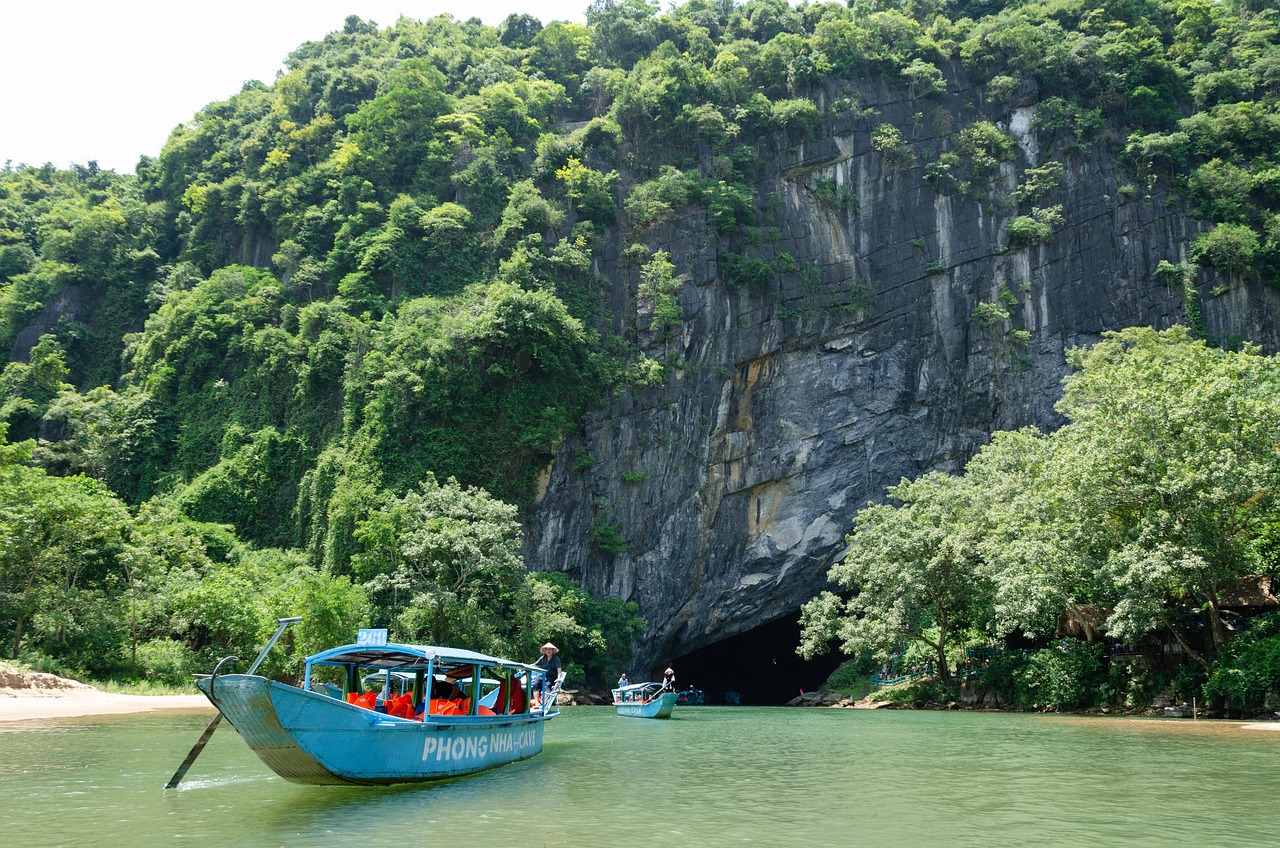
Booking the Son Doong Cave expedition with confidence for an adventure tour in Vietnam
Booking Son Doong Cave tour Oxalis Adventure book a tour Vietnam is the practical phrase you’ll end up typing, and it reflects reality: permits are limited and dates disappear quickly. For most travellers, the calmest approach is to start 6–12 months ahead, so the tour booked confirmation feels like relief rather than a race.
Oxalis Adventure is the best-known route for this Son Doong Cave expedition tour, and the operator coordinates the permissions, safety systems, and logistics that make a remote expedition tour feel seamless. You’ll sometimes hear the history referenced too—oxalis adventure and the british teams who helped bring modern exploration attention here, including the british vietnam caving expedition team.
Oxalis Adventure and booking decisions that feel designed
Expect transparent stages from enquiry to confirmation: date request, eligibility screening, deposit, permit processing, and final joining instructions. In my notes it’s simply written: • oxalis adventure — because having one experienced organiser reduces friction and supports confidence on the ground.
- Tour cost and tour fee: typically around USD 3,000–3,500, covering guides, safety assistant support, camping kit, meals, and park permissions.
- What’s included: helmets, headlamps, rope systems, tents, porters, and organised transfers from Dong Hoi to Phong Nha.
- What’s not the point: luxury “stuff”. The luxury is access, expertise, and time inside the cave.
Best season, river crossings, and the weather system
The dry season is usually February to August every year, and that timing matters because river crossings and steep descent sections can become unsafe after heavy rain. This is why dates aren’t just preference—they’re part of risk planning, and your tour guide will speak candidly about conditions. When you design your decision, balance your calendar with comfort around wet terrain, heat, and humidity.
A quick checklist before you commit: are you physically fit for a multi-day trek, comfortable with heights and a safety harness, and willing to follow conservation rules without exception? If the answer is yes, the Son Doong Cave tour becomes less about bravery and more about steady intention.
Getting to Phong Nha via Dong Hoi and settling in locally Dong Hoi to Phong Nha Son Doong expedition trek Vietnam farmstay
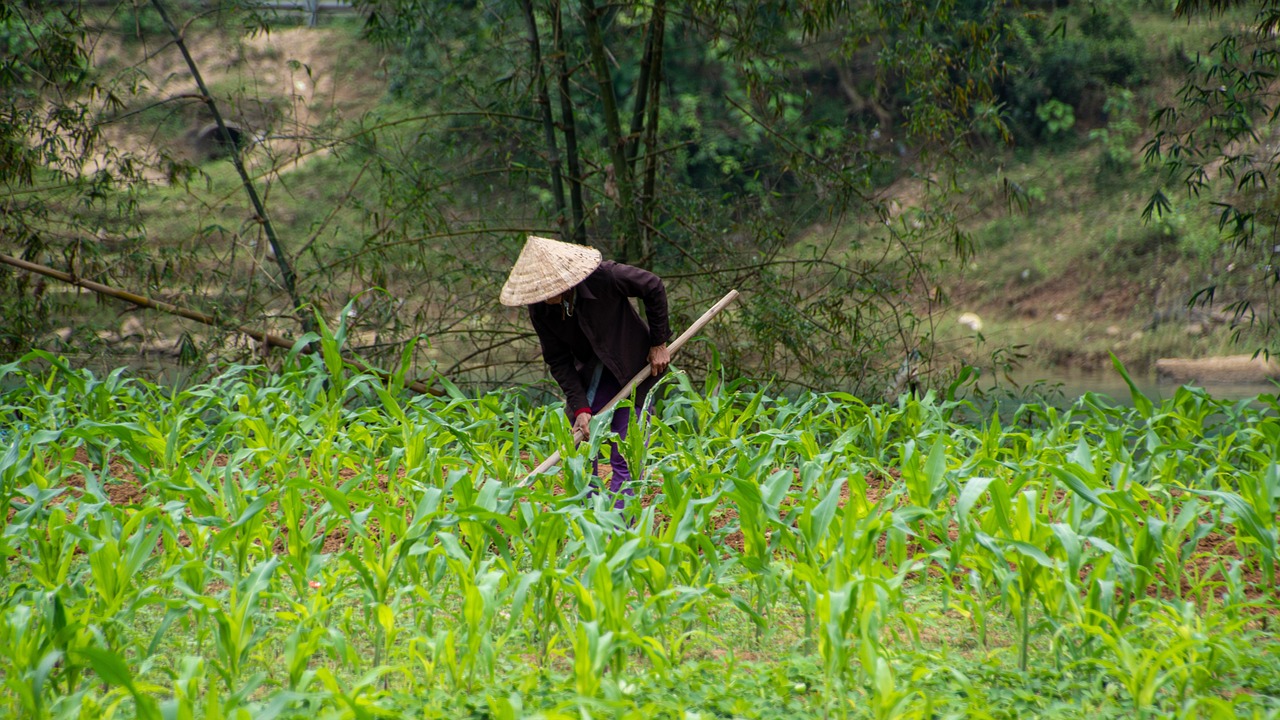
Getting to Phong Nha via Dong Hoi and settling in locally before the Son Doong expedition
Dong Hoi to Phong Nha Son Doong expedition trek Vietnam farmstay planning is where the journey starts to feel human. Most travellers arrive in Dong Hoi by flight or train, then join a transfer arranged by the operator—an easy handover that creates calm. Build in a buffer day if you can; it’s a simple way to protect the experience from flight delays or a shifting weather system.
In Phong Nha, the pre-expedition rhythm is intentionally unhurried: check-in, kit fitting, and a briefing that sets expectations without drama. The best evenings here are quiet ones—local food, early sleep, and a mind that has time to settle into purpose.
Phong Nha local life, farmstay warmth, and cultural insight
Choosing a farmstay can be a meaningful way to support nearby communities while keeping the adventure rooted in local life. You’ll notice the pace: children cycling home, family gardens, and the gentle pride of people living beside a globally significant national park. This is cultural travel at its most honest—small conversations that create connection without performance.
If you want a warm-up for scale, Paradise Cave is an elegant option nearby, but keep it light; the main trip to explore is still ahead. Some itineraries also mention Nuoc Nut Cave or even stories of discovering Rat Cave in the wider region—useful context for how rich this cave in Vietnam landscape really is, without diluting your focus.
- Pack for comfort: well-broken-in trekking shoes, light layers, and socks you trust.
- Day bag essentials: water, snacks, a small dry bag, and anything personal you want reachable on the trek.
- Mindset: arrive rested; the cave rewards steadiness more than speed.
Inside the cave day by day trek camps and the Great Wall of Vietnam Son Doong expedition trek inside the cave Great Wall of Vietnam Hang En cave
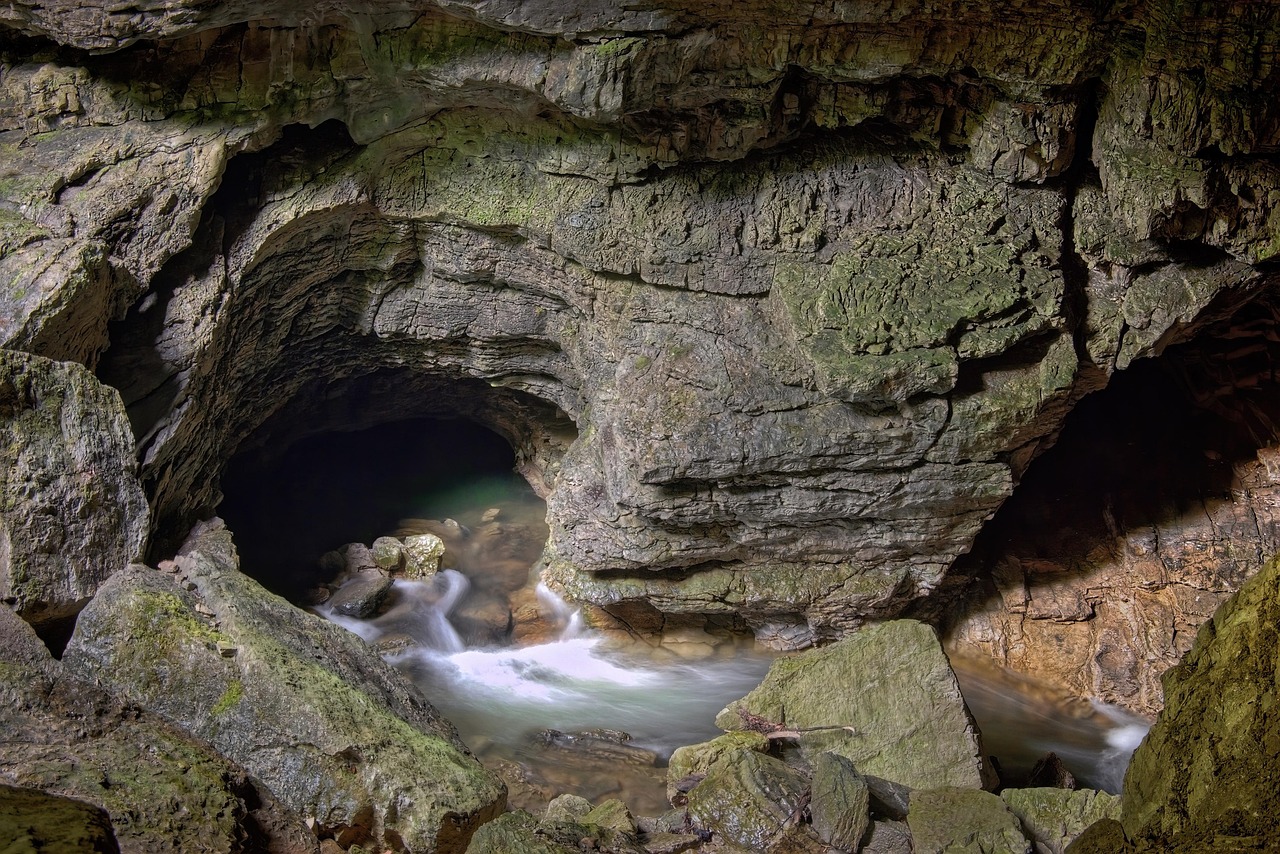
Inside the cave day by day trek with camps and the Great Wall of Vietnam in Son Doong
Son Doong expedition trek inside the cave Great Wall of Vietnam Hang En cave is the phrase that captures the arc of the journey: jungle, threshold, and then the underworld opening wide. The itinerary of the Son Doong usually begins with a forest approach, then the cave entrance arrives almost abruptly—one moment you’re in green heat, the next you’re stepping down into cool shadow at the Son Doong entrance.
Travellers often describe an emotional pause at the first cave chamber, when your eyes adjust and you understand what “big” really means. It’s not just size; it’s the feeling of being allowed into something ancient. This is where “tour of Son Doong” becomes more than a label, and you start to uncover your own relationship with silence.
Hang En and the first campsite of Son Doong
Depending on the operator’s plan, Hang En cave (often written Hang En) is a memorable milestone on the route—an immense cavern that feels like a gateway into deeper remoteness. Here, the first campsite and your first campsite of Son Doong routines begin to make sense: boots lined up, warm food appearing like magic, and an ease that comes from a seasoned expedition team.
Camping in the cave is unexpectedly comforting. The tents are secure, the lantern glow is soft, and the camaraderie is immediate—people who arrived as strangers begin to move together with quiet care. Some guests call it the campsite in the world they’ll never forget, not because it’s luxurious, but because it’s so utterly unlike anywhere else.
Inside the cave highlights, underground river, and the Great Wall of Vietnam
Inside the cave, the days fold into a sequence of wonders: the underground river, careful river crossings, and enormous walls of stone that make you feel miniature. You’ll hear the Great Wall of Vietnam referenced with a kind of reverence; reaching this section is both physical and symbolic, a place where rope work and steady breathing matter. Nearby formations carry nicknames too—like the “wedding cake”—and you’ll understand why once you see the layered shapes rising out of the dark.
Skylights change everything. A doline can feel like an open door to the sky, and at doline 1 the Thung rainforest appears—an underground jungle thriving where light and water meet. This is where wildlife encounters can happen: tiny cave-adapted species, movement in the leaves, and the strange comfort of hearing living sounds so far below ground.
As you explore Son Doong, your trekking experience becomes less about conquering and more about attention: where to place a foot, how to keep hands off fragile surfaces, and how to let the place lead. It’s the rare adventure tour that leaves you feeling both powerful and profoundly humbled—almost as if you’ve been trusted with a secret.
Safety briefing gear and conservation for a caving expedition safety briefing Son Doong Cave expedition caving expedition rope safety harness Vietnam
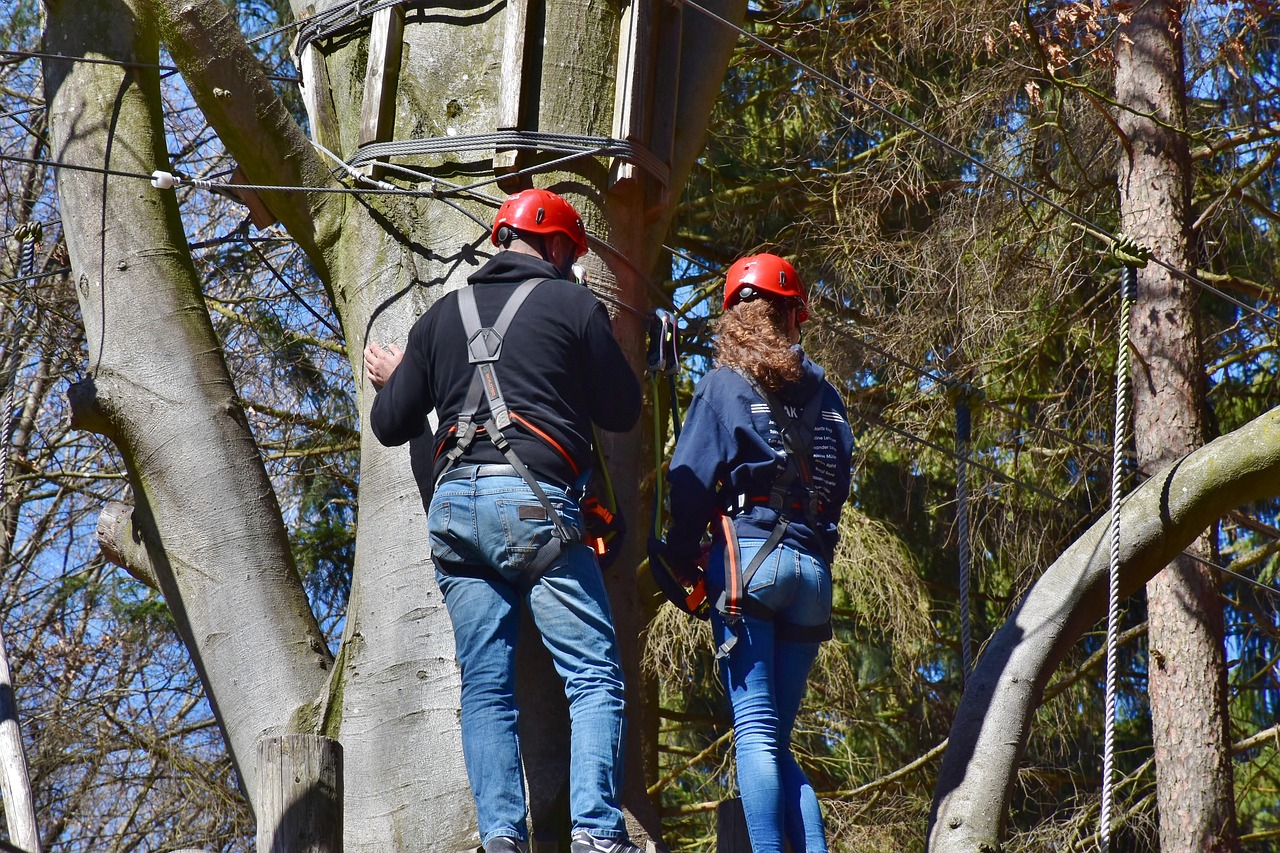
Safety briefing, gear, and conservation care for a Son Doong caving expedition in Vietnam
Safety briefing Son Doong Cave expedition caving expedition rope safety harness Vietnam is not a formality—it’s the foundation of trust. Before you enter the core zone of Phong Nha, the team clarifies route rules, communication plans, and exactly how tour guides and safety support keep the experience both adventurous and secure. This is where “tour guides and safety” stops being a phrase and becomes a felt reassurance.
Safety briefing essentials, rope systems, and expert kit
Your equipment is maintained by cave experts and issued with calm precision: helmet, headlamp, gloves, rope systems, and a safety harness for technical points. There may be a tricky steep descent where you clip in and move one by one, guided by a safety assistant who watches details you don’t need to carry in your head. For high-end travellers, this is the real luxury—expert systems that let you stay present.
Risk management is practical and quiet. River level checks are done repeatedly, decisions are adjusted without ego, and satellite phone protocols are ready for true emergencies, even if they’re unlikely. The aim is not to eliminate risk; it’s to manage it thoughtfully so the expedition keeps its seamless flow.
Conservation care in Phong Nha Ke Bang National Park
Son Doong is part of nha ke bang national park and the wider Phong Nha Ke Bang National landscape, and the conservation etiquette is strict for good reason. Don’t touch formations; oils on skin can permanently damage growth. Stay on marked lines to protect fragile sediment, cave pearls, and rare micro-ecosystems, and respect the core zone of phong nha – ke bang as a privilege, not a right.
- Train smart: build endurance walks, stair sessions, and balance work; you’re preparing for days of varied terrain.
- Pace together: the group moves as one; when energy dips, support one another without judgement.
- Leave no trace: carry what you brought, follow instructions, and let the cave remain unchanged.
If you’re still weighing tours to Son Doong Cave, know this: the structure is there to help you feel safe enough to be moved by beauty. And if you’d like a broader sense of crafted journeys across Vietnam before or after, browse our Trip gallery for inspiration.
After Son Doong what stays with you in Vietnam Son Doong expedition personal reflection Vietnam
Son Doong expedition personal reflection Vietnam is difficult to summarise, because what stays with you isn’t a checklist—it’s a recalibration. The cave changes what “big” means: not just the world’s largest cave, but the way scale makes you more patient, more attentive, and strangely more at ease with not being in control. You might even smile at the old phrase “conquer the world’s largest cave”, because what you really did was listen.
Later, back in ordinary daylight, you’ll still remember the hush of the largest known cave and the way light arrived through a doline like a gentle reassurance. You’ll recall the subterranean jungle sounds—leaves stirring in the Thung rainforest—and the feeling of standing still while time felt deep. The cave gave you calm confidence without asking you to perform courage.
What lingers too is togetherness: the steady humour of guides, the quiet competence of a safety assistant, and the way strangers became companions through shared effort. In those moments, your son doong cave expedition didn’t feel like a product; it felt like a relationship—built on trust, care, and mutual respect.
And with that comes responsibility. In ke bang national park, you were a guest in a largest natural cave shaped over ages, and you leave with a softer loyalty to wild places—an instinct to protect what cannot be replaced. Somewhere down the line, you may find yourself wondering what other hidden landscapes Vietnam holds, waiting patiently for those who travel with curiosity.
F.A.Qs: Son Doong Cave tour Vietnam
How much does a trip to Son Doong cave cost?
The tour cost is typically around USD 3,000–3,500 per person. This usually includes permits, expert guides, safety assistants, camping equipment, meals, and logistics such as transfers between Dong Hoi and Phong Nha. Exact pricing can vary by season and inclusions, but the fee largely reflects strict access limits and the scale of support required for a remote expedition.
How difficult is the Son Doong cave tour?
It’s physically demanding rather than technically extreme for most participants. Expect a multi-day trek with uneven terrain, humidity, river crossings, ladders or rope sections, and long days on foot. You don’t need to be an athlete, but you do need good fitness, balance, and the willingness to follow safety instructions closely so the group can move steadily together.
Can you visit Son Doong cave in Vietnam?
Yes, but only through a tightly controlled expedition with limited permits. Independent visits aren’t allowed, and access is managed to protect the cave’s fragile ecosystems and formations. Most travellers visit via Oxalis Adventure tours, which coordinate the required permissions, guides, safety systems, and logistics for entering the protected zone within Phong Nha – Ke Bang National Park.
Why is Son Doong cave so expensive?
The price reflects conservation limits and the sheer operational complexity. Group sizes are restricted, permits are scarce, and the expedition requires specialist guides, safety staff, rope systems, camping infrastructure, food, porters, and contingency planning such as satellite phone capability. In short, you’re paying for rare access delivered with high safety standards and a strong commitment to protecting the cave.