Post Contents
- Why Vietnam’s largest caves feel like a private world in this Vietnam caves destination guide
- Designing a seamless base in Dong Hoi to reach the cave entrance for Phong Nha-Ke Bang National Park cave tour Vietnam
- Hang Son Doong and the Son Doong expedition with Oxalis Adventure in Vietnam
- Hang En Cave and En Cave nights for a softer expedition rhythm on a Vietnam cave tour
- Phong Nha Cave by boat and the quiet drama of a river cave in Phong Nha Vietnam
- Paradise Cave and Dark Cave in Phong Nha-Ke Bang National Park for light and shadow
- Beyond Phong Nha the Tu Lan cave system and Vietnam’s coastal classics
- What stays with you after the caves of Vietnam
- F.A.Qs: Vietnam caves
Why Vietnam’s largest caves feel like a private world in this Vietnam caves destination guide
Why Vietnam’s largest caves feel like a private world in this Vietnam caves destination guide
For high-end travellers, the pull of the largest caves isn’t only about size. It’s the feeling of stepping into a private world where every sound softens, every surface becomes textured, and time seems to slow inside the cave. This chapter sets the tone for a Vietnam caves destination guide that is as much about trust and calm as it is about adventure.
In Vietnam, the most compelling cave experiences often begin with contrast: bright, humid forest outside, then cool air and clean stone within. The scale can be cathedral-like, yet the details are intimate—calcite ripples, tiny pools, and the gentle echo of water. If you enjoy design, you’ll appreciate how light and shadow “compose” a cave scene without any human hand trying too hard.
Phong Nha-Ke Bang National Park and Ke Bang National Park as a UNESCO-grade landscape
Phong Nha-Ke Bang National Park in Quang Binh is the gateway to the most iconic cave in Vietnam experiences, with limestone mountains, river corridors, and hidden valleys. You may see it referenced in different ways—Phong Nha ke bang national, nha – ke bang national, even nha ke bang national park in local shorthand—yet the feeling is consistent: wild, ancient, and quietly protected.
This is a place where the terrain can change quickly. Some caves are reached by paved paths and boardwalks, while others require river crossings, steep descents, and muddy approaches. Setting expectations early is a form of care: it helps you choose the right tour and the right pace, so the cave day feels spacious rather than rushed.
Exploring the caves with confidence through certified support in Bang National Park
In Bang National Park (often used as shorthand for the wider protected area), the difference between a good day and an extraordinary one is the team around you. A certified cave tour isn’t just a permit—it’s risk management, equipment standards, and a culture of looking after each other. Crafted luxury underground means steady pacing, clear briefings, quality lighting, thoughtful meals, and the quiet confidence that someone has already planned for the small details.
Geographically, the national park in quang binh sits inland from Dong Hoi, the coastal city that connects you to the caves in the area. With the right planning, you can arrive gently, sleep well, and begin each cave morning feeling restored.
Timing matters too. The dry season—typically February to August—brings safer trails and more predictable cave entrance approaches. In wetter months, river levels can transform a gentle path into a logistical puzzle. If you’re travelling for comfort as well as wonder, “why now” is an essential question.


Designing a seamless base in Dong Hoi to reach the cave entrance for Phong Nha-Ke Bang National Park cave tour Vietnam
Designing a seamless base in Dong Hoi to reach the cave entrance for Phong Nha-Ke Bang National Park
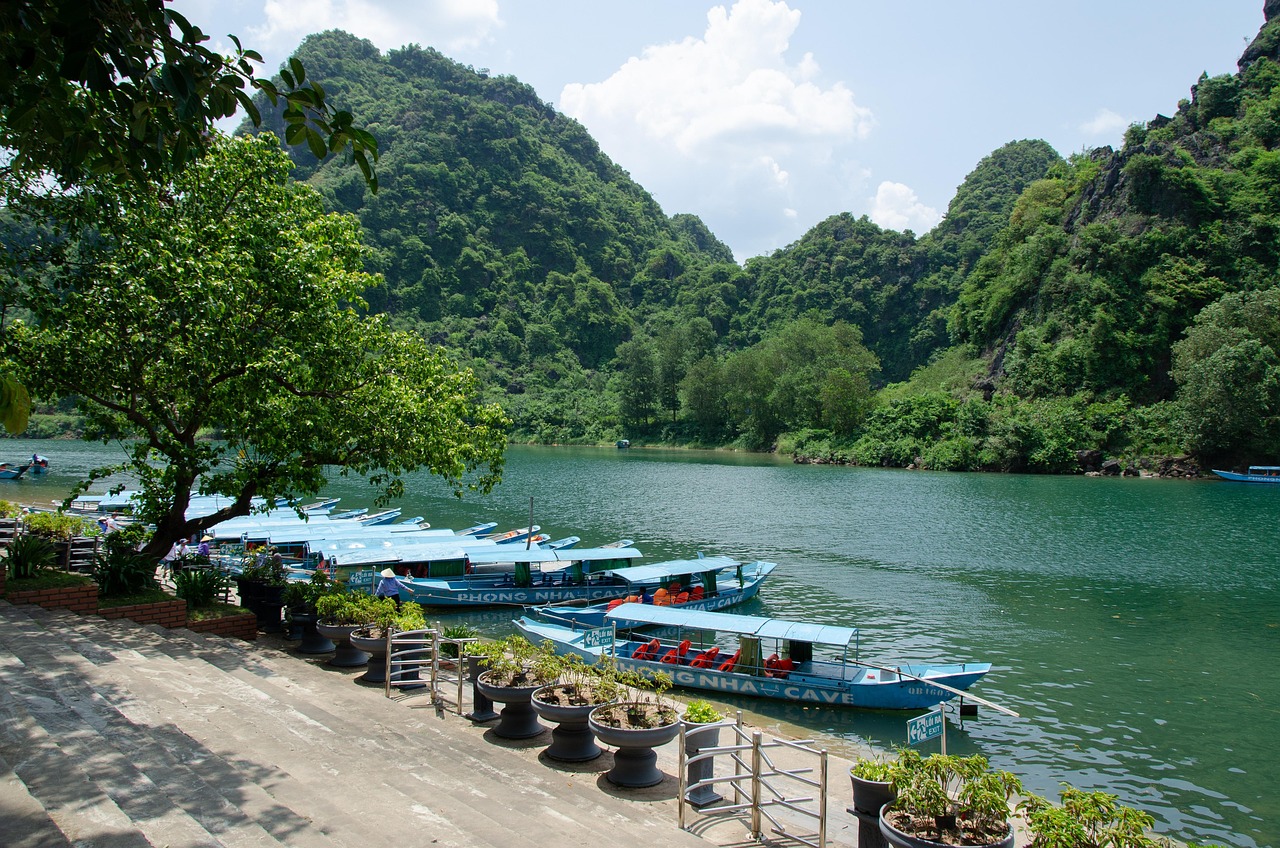
For Dong Hoi luxury base planning, Phong Nha-Ke Bang National Park access, and a reliable cave tour Vietnam approach, start with a simple principle: arrive with time. Dong Hoi has convenient domestic flights, and from there a private transfer allows you to get to the cave region without friction. A seamless arrival day is not indulgent—it’s how you create resilience for the days when the cave trail demands more of you.
If you can, land by early afternoon, check in, hydrate, and take a slow walk along the coast or river. It’s a gentle reset before you explore the national park. When your body is calm, your mind has more space for insight and wonder.
A high-end base camp approach that still feels personal
Think of Dong Hoi as your “base camp”, but designed properly: boutique hotels, villas, or premium resorts with staff who understand early starts and late returns. Ask for quiet rooms, early breakfasts, a place to dry gear, and laundry that can handle mud respectfully. A spa treatment after a cave day can be transformational—less about glamour, more about recovery so you can travel well together.
If you’d like inspiration for building an itinerary around comfort and nature, you can browse our Trip gallery and imagine how caves, coast, and culture might combine in a single, crafted journey.
Packing for cool cave temperatures and calm confidence
Packing well is part of travelling with care. Even in Vietnam’s heat, cave air can feel surprisingly cool and damp, especially after wading or swimming sections. Operators will usually provide helmets, headlamps, and technical gear, but your personal choices still shape comfort.
- Light jacket or thin fleece for cool cave temperatures
- Sturdy walking shoes with grip (not fashion trainers)
- Dry bags for phones, cameras, and spare layers
- Lightweight socks and blister care for longer trails
- Swimwear if your cave route includes water crossings
Safety and etiquette are equally important. Follow established paths, avoid littering, and show respect to local guides and cultural sites. On multi-day trips, trust is built through small actions—listening, keeping group timing, and letting the cave remain as you found it.
Finally, aim for February to August. This is the best-time window for stable trails, river levels, and easier access to dry caves. Conditions still vary day to day, but your odds of a smooth cave entrance approach are simply better.
Hang Son Doong and the Son Doong expedition with Oxalis Adventure in Vietnam
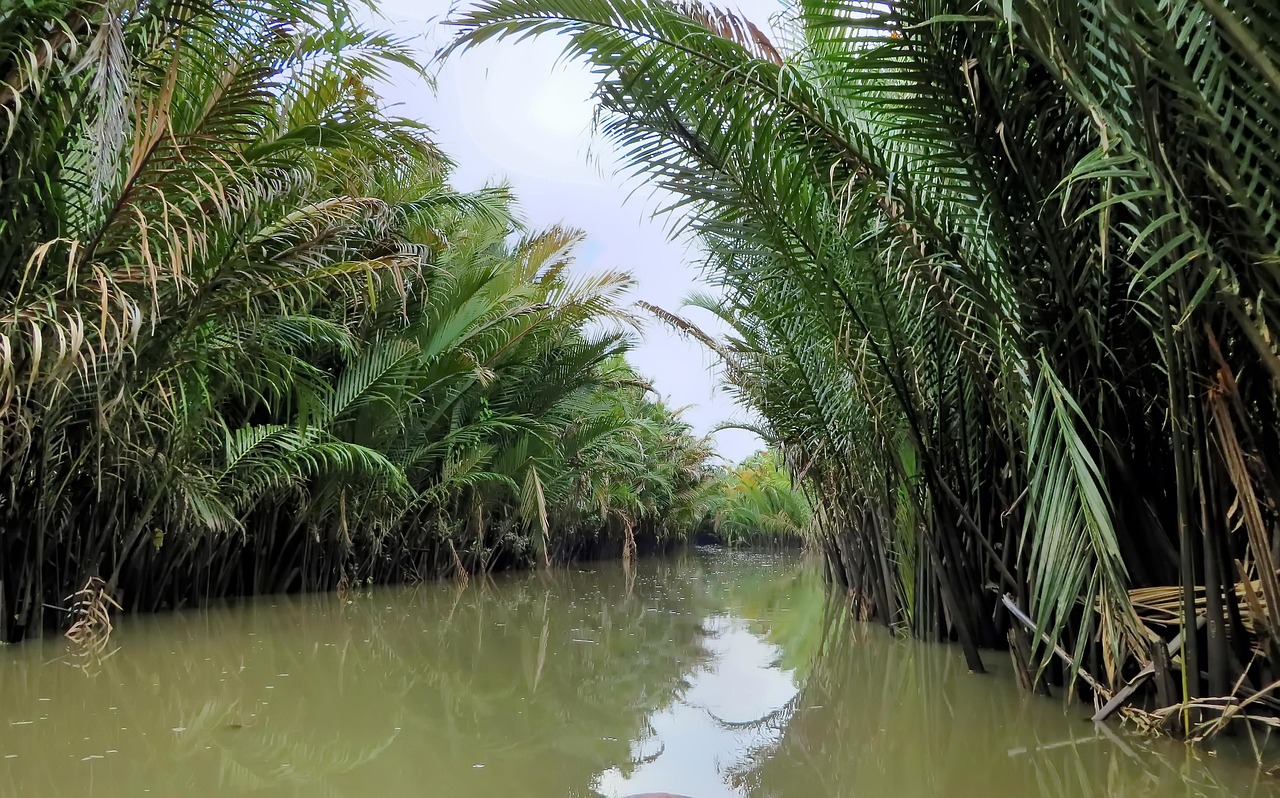
Hang Son Doong and the Son Doong expedition with Oxalis Adventure in Vietnam
If you have ever dreamed of a true once-in-a-lifetime cave in Vietnam, Hang Son Doong is the name that lingers. This chapter focuses on Hang Son Doong Son Doong expedition tour Oxalis Adventure Vietnam planning—because the difference between “knowing it exists” and actually standing there is logistics, permits, and an expert team.
Son Doong Cave is widely recognised as the largest cave in the world, and the superlative is not abstract when you arrive. The size of the cave changes the way sound travels; your footsteps seem to disappear into space. Temperatures shift, wind moves through chambers like weather, and you begin to understand why people call it the world’s largest cave and the world’s biggest cave without sounding dramatic.
What a crafted Son Doong expedition tour looks like for high-end travellers
A Son Doong expedition is limited by design: entries per day are restricted, permits are required, and you must book far in advance. Fitness matters too; the terrain includes steep descents, boulder fields, and wet rock. Crafted does not mean easy—it means properly paced, safely supported, and thoughtfully comfortable when you stop.
It also means being realistic about what it takes to reach the cave entrance. The son doong entrance approach includes trekking and river crossings, and there is a moment when you realise you’re leaving the ordinary world behind. If you want to visit son doong cave, treat preparation as part of the pleasure: sleep well, train gently beforehand, and allow your team to guide you.
Oxalis Adventure tours and the cave expedition team as steady support
Oxalis Adventure is the primary operator for Son Doong, with a model built around safety, conservation, and local employment. On an Oxalis trip, the cave expedition team is your quiet backbone—guides, porters, cooks, and safety staff moving with calm competence. Dining is better than most people expect in such a remote cave setting, and the systems are designed so you can focus on the experience rather than the mechanics.
Look for clear safety briefings, equipment checks, and a culture where questions are welcomed. That’s what an expert operator provides, and it’s why certified tours in vietnam matter most in remote environments. This is also where oxalis adventure tours shine: a consistent standard, without stripping the expedition of its wildness.
Inside Son Doong highlights from jungle to underground river cave
Inside Son Doong, the cave offers a sequence of landscapes: enormous chambers, sculpted formations, and an otherworldly ecosystem with a jungle growing inside the cave. You may cross an underground river cave section, then pause where natural light drops through openings, illuminating mist like stage lighting. In one area, you can feel what the phrase deep inside the cave truly means—protected, dwarfed, and oddly safe.
It helps to understand a touch of history. Son Doong Cave was found by a local man and later mapped with support from international experts; in many accounts, son doong cave appeared on the world stage after major exploration and documentation. The British Vietnam Caving Expedition Team is often mentioned in this context, and it’s a reminder that exploration is both local and collaborative.
A luxury traveller once shared how booking a private guided Son Doong tour created an exclusive, intimate rhythm. With fewer distractions, they could stop for longer, ask better questions, and take photographs without pressure. Their guide’s steady coaching built confidence on slick rock—proof that a personal approach can make a demanding cave day feel surprisingly gentle.
For clarity, Son Doong Cave is located within the wider protected region of Quang Binh, and hang son doong cave sits deep in forested karst terrain. When someone says “cave is located far from town”, this is what they mean—and it’s exactly why the preparation feels so worthwhile.
Hang En Cave and En Cave nights for a softer expedition rhythm on a Vietnam cave tour
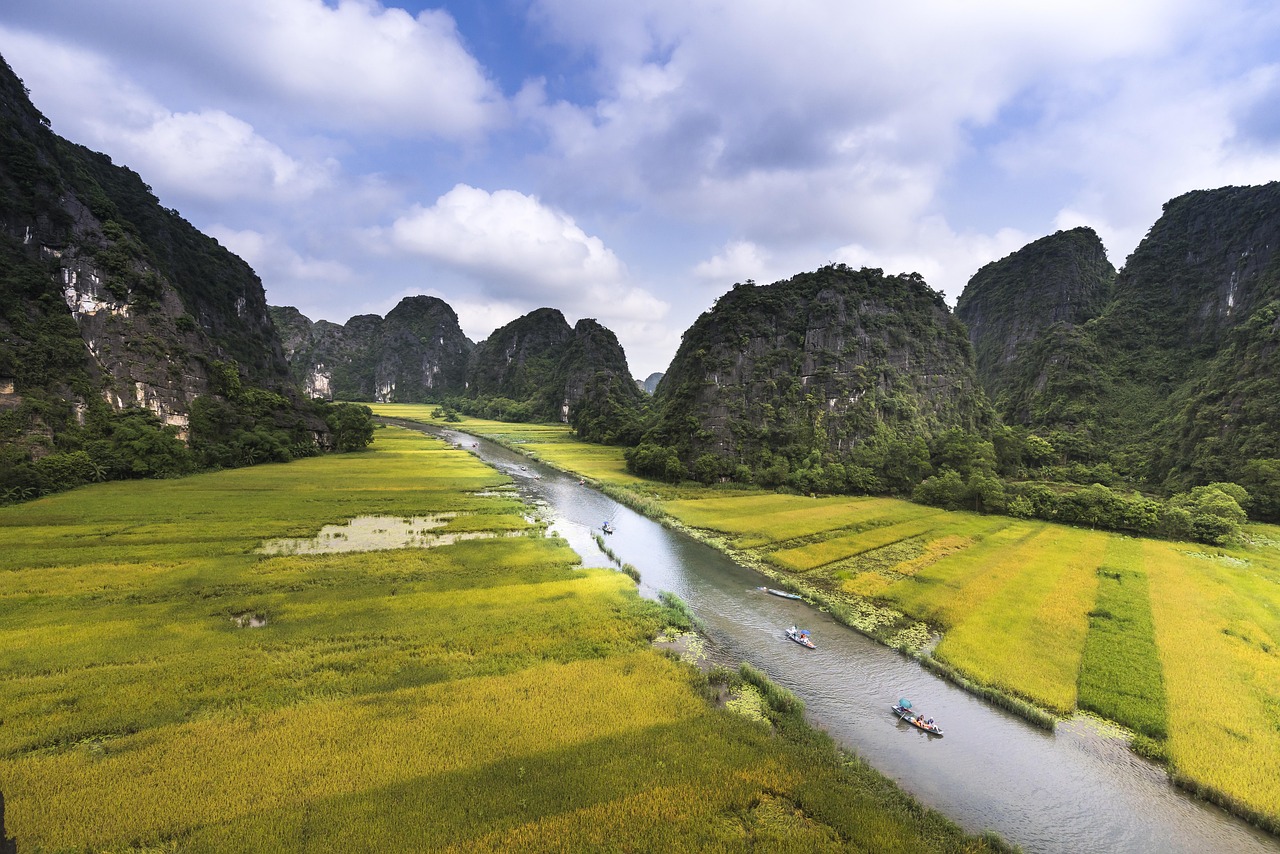
Hang En Cave and En Cave nights for a softer expedition rhythm on a Vietnam cave tour
For travellers searching “Hang En Cave En Cave Vietnam cave tour near Son Doong”, the promise is real: Hang En Cave is vast, beautiful, and a little kinder in pace. It’s an ideal bridge between comfort and wildness, especially if you want to explore numerous caves over a few days without overextending. You still feel the thrill of remoteness, but the rhythm is softer.
En Cave is defined by scale and sound: a broad chamber, sandbanks underfoot, and a river murmuring through darkness. It’s the sort of cave where you can sit quietly and just listen—no need to perform the experience.
Inside the cave contrasts and what a high-end camp can feel like
Stepping inside the cave, the air cools and the light narrows to torch beams. Those beams pick out limestone textures, small cascades, and the curve of rock that leads your eye onwards. Thoughtful camps can still feel high-end through details: dry sleeping areas, well-planned meals, hot drinks at the right moment, and guides who create calm when the day has been long.
Privacy is possible even in shared settings. Ask your operator how they space sleeping areas, manage quiet hours, and handle personal belongings. It’s not about fussiness; it’s about designing an environment where everyone feels comfortable together.
Who Hang En suits and how dry caves conditions change the experience
This route suits confident walkers who want adventure without the full intensity of a Son Doong expedition. Expect several hours of walking, some uneven surfaces, and the possibility of swimming or wading depending on season. In the February to August window, many dry caves routes feel more straightforward, and river levels are often calmer.
- Best for: active couples, families with older teens, and travellers who want a premium expedition feel
- Expect: forest trails, rocky sections, and water crossings that vary by day
- Comfort wins: quick-dry clothing, a dry bag, and shoes you trust
If you’re a cave enthusiast craving something quieter, consider an extension to Nuoc Nut Cave. It can feel like uncovering a secret corner of Vietnam, and a good operator will keep the logistics minimal so you can focus on the experience rather than the admin.
Phong Nha Cave by boat and the quiet drama of a river cave in Phong Nha Vietnam
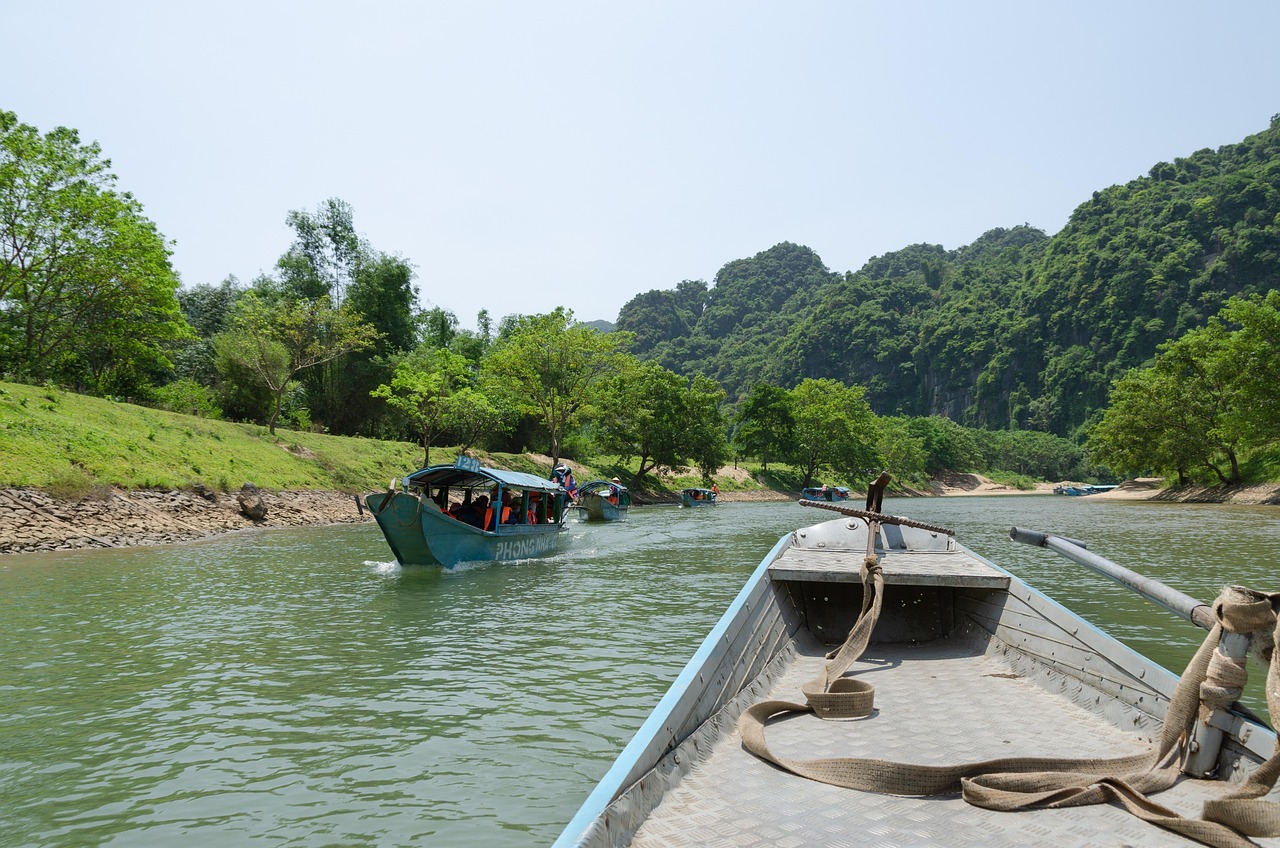
Phong Nha Cave by boat and the quiet drama of a river cave in Phong Nha Vietnam
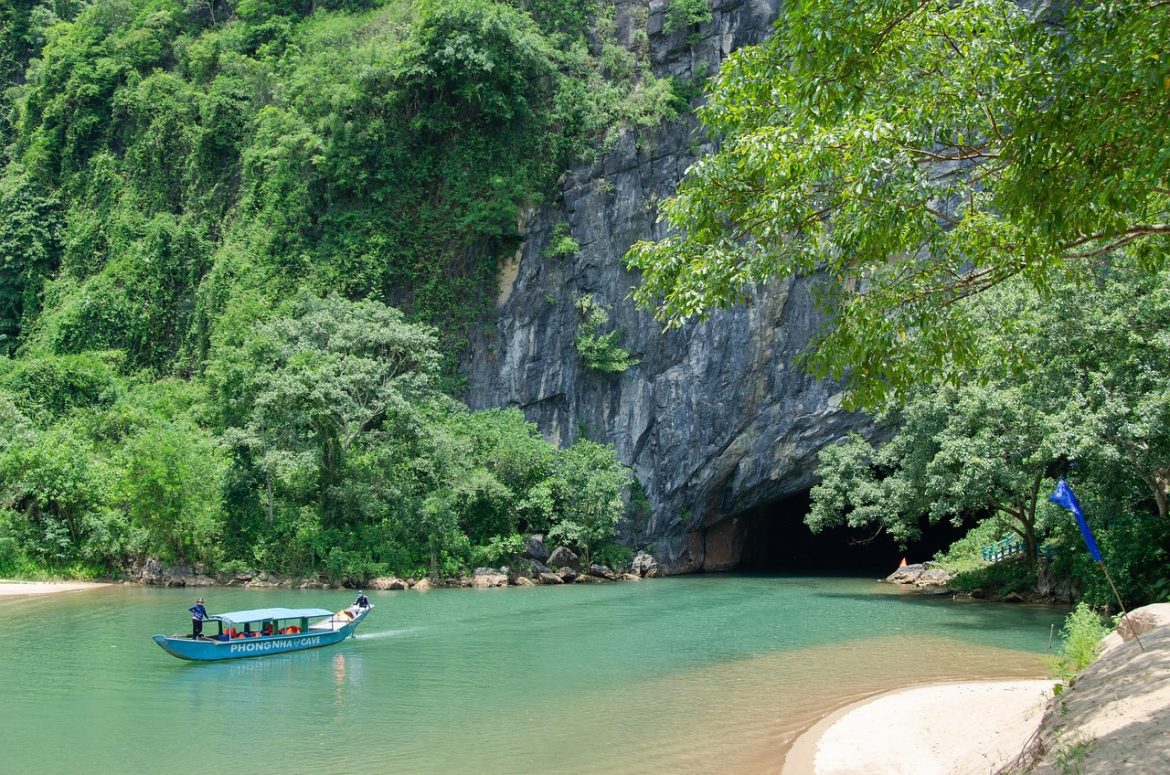
If “Phong Nha Cave boat trip Phong Nha Vietnam underground river” is on your list, prepare for a different kind of magic. This is the classic river cave experience: a slow journey on water, a shaded cave entrance revealing itself ahead, and a hush that settles as you drift inside. For many travellers, the stillness feels both magical and humbling.
As the boat glides along the underground river, the limestone walls begin to show their drama—arched ceilings, polished rock, and formations that look like curtains or frozen waves. You’re not chasing adrenaline here; you’re allowing the cave to set the pace.
Phong Nha local history held with care
Phong Nha also carries wartime significance, and it’s worth holding that history gently. Local stories can add depth without turning your visit into a lecture. A good guide will offer context, then step back so you can absorb the cave in your own way—quietly, personally, and with respect.
One visitor described their serene boat trip through Phong Nha’s underground river as “a kind of moving meditation”. They spoke about the striking rock formations, the soft drip of water, and the moment they realised how small they were. That sense of scale is a gift the cave gives without asking anything in return.
Tien Son and Tien Son Cave as an easy pairing
If you’d like a simple pairing in the same area, add Tien Son—often visited as Tien Son Cave—for a drier, elevated viewpoint. The steps can be warm in the sun, but the cave itself is cooler and the lookout can be lovely at golden hour. It’s a good option for mixed-ability groups who want a second cave experience without a long trek.
- Seamless timing: go early for softer light and fewer queues at the boat pier
- Upgrade option: arrange a private boat for more space and a calmer pace
- Family-friendly: keep snacks and layers handy; caves can cool quickly
In a region with many cave choices, Phong Nha remains a classic because it offers wonder with ease—and that’s a luxury in itself.
Paradise Cave and Dark Cave in Phong Nha-Ke Bang National Park for light and shadow
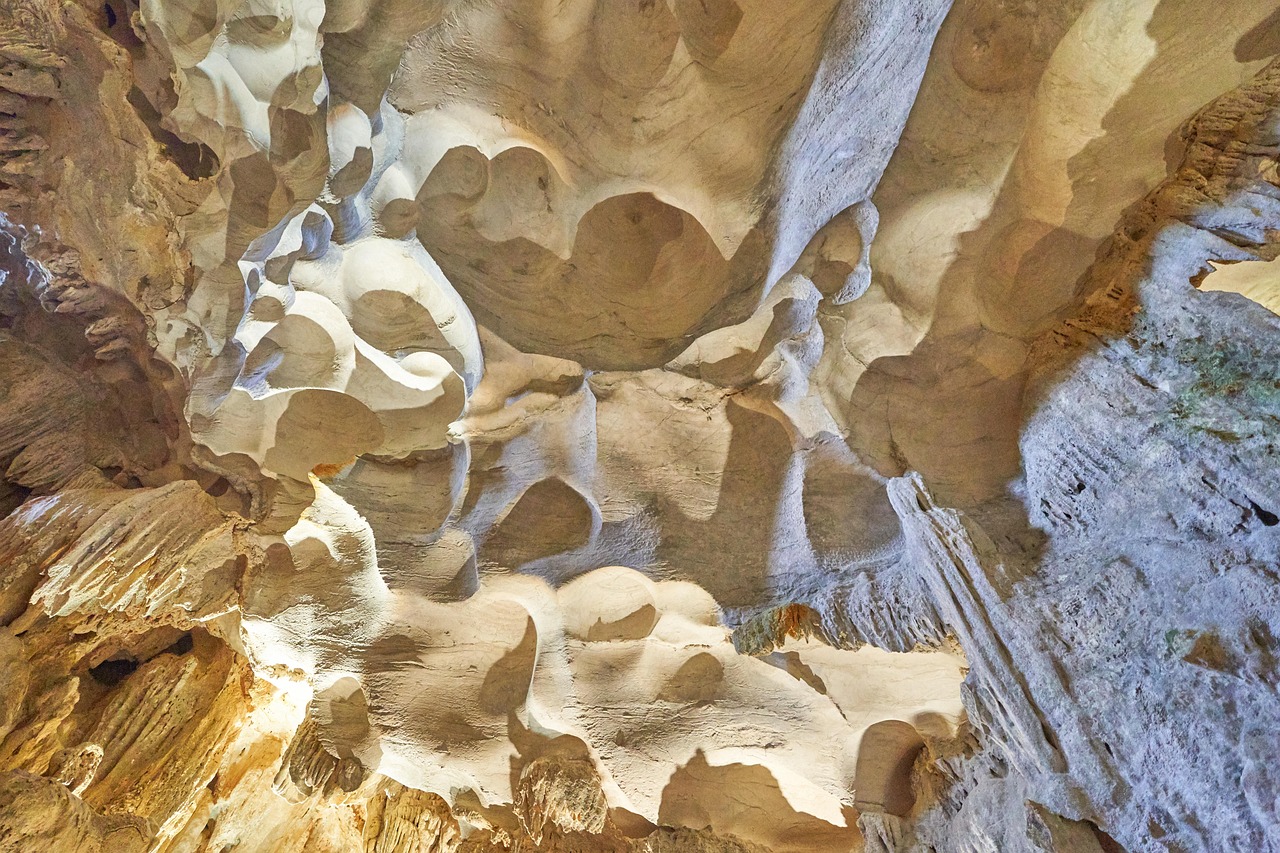
Paradise Cave and Dark Cave in Phong Nha-Ke Bang National Park for light and shadow
For “Paradise Cave Dark Cave Vietnam Phong Nha-Ke Bang National Park” planning, this is where the experience becomes beautifully curated: a showpiece cave followed by playful contrast. Paradise Cave is famed for vast chambers and sculptural stalactites and stalagmites, and the natural light filtering through openings can make it feel almost designed.
Walkways make portions accessible, yet the scale is still startling. You can stand quietly, look upwards, and let your eyes adjust as the cave reveals fine details—calcite patterns, delicate formations, and an atmosphere that feels serene rather than theatrical.
Paradise Cave as a honeymoon-worthy cave in Vietnam
A couple on their honeymoon recalled the exhilaration of trekking through Paradise Cave’s majestic galleries, then returning to high-end amenities nearby. The joy, they said, was in the combination: adventure in the morning, comfort in the evening, and the sense that Vietnam could hold both in the same day.
In this part of the park, you’ll also hear dramatic limestone ridges nicknamed the great wall of vietnam. It’s best taken as a poetic local shorthand, not a claim—an invitation to notice the scale of the karst landscape that holds these caves.
Dark Cave as a playful contrast with clear cave exploration boundaries
Dark Cave offers a different mood, sometimes with zipline and mud elements depending on current offerings. It suits travellers who want a lighter, more energetic cave exploration experience. That said, safety still matters: choose reputable providers, listen to your guide, and stay within designated sections.
- Transport: easy day-trip distance from Dong Hoi with a private driver
- Upgrade: pre-book a guide for deeper insight and smoother transitions
- Comfort: bring a light layer; caves cool even when the day is hot
With good planning, you can move from light to shadow and back again without feeling hurried—just gently carried by a seamless schedule.
Beyond Phong Nha the Tu Lan cave system and Vietnam’s coastal classics
Beyond Phong Nha the Tu Lan cave system and Vietnam’s coastal classics
If you’re searching “Tu Lan cave system caves in Vietnam Sung Sot Cave Dau Go Cave”, you’re likely building a broader itinerary—one that balances a deep interior cave journey with Vietnam’s elegant coast. The Tu Lan cave system is a cinematic alternative near the same region, with cave systems linked by jungle paths and water crossings. The phrasing “caves of the Tu Lan” is common, and it captures the sense of moving through a connected underground world rather than visiting a single site.
This is an excellent choice for travellers who want fewer crowds than the headline caves, while still enjoying a crafted experience. Expect varied terrain and moments where you’ll wade through shallow water, then emerge into bright valleys. It’s immersive, physical, and deeply rewarding when paced well.
Hang Ba Deep Jungle Expedition and how experts design risk management
For those wanting something more remote, the Hang Ba Deep Jungle Expedition can feel like true uncovering. It’s not about ticking off the biggest cave; it’s about feeling present in wild places. On this sort of route, an expert operator’s risk management becomes part of the luxury: route decisions based on conditions, clear group protocols, and contingency planning that keeps everyone safe.
If your curiosity runs towards the obscure, you might hear mention of lesser-known routes like discovering Rat Cave. Treat that curiosity as a prompt to ask good questions—who is licensed, what equipment is used, and how the site is protected. A certified cave expert will welcome those questions.
Elsewhere in Vietnam with Sung Sot Cave and Dau Go Cave in Ha Long Bay
Not every cave day needs to be an expedition. For well-heeled itineraries, Ha Long Bay pairs beautifully with Quang Binh: a cruise, calm service, and an easy cave visit. Sung Sot Cave and Dau Go Cave are popular add-ons, often visited between kayak sessions and deck lunches. This is where Vietnam’s cave experiences become accessible, elegant, and wonderfully relaxed.
- Routing: many travellers connect via Hanoi to combine caves and a bay cruise
- Travel times: allow buffer days so the journey stays unhurried
- Balance: pair a demanding cave with restorative coastal time
In planning terms, it helps to remember there are caves in phong nha-ke bang as well as caves further north; a good itinerary keeps transitions seamless. If you want the best caves in vietnam without fatigue, build in rest days and let each cave have its own moment.
And yes, you may hear the great wall of vietnam nickname again as you travel—another reminder that the landscape itself is part of the story.
What stays with you after the caves of Vietnam
Long after the photographs fade into your camera roll, what stays is the feeling of being right inside the cave—small, safe, and strangely restored. In Vietnam, a cave is never just a geological fact; it’s an atmosphere you carry back into daylight. Sometimes it’s the cool air on your skin, sometimes it’s the soft echo of footsteps, and sometimes it’s simply the relief of silence.
There is also gratitude. The local porters, cooks, and guides rarely take centre stage, yet their quiet support shapes everything: the steadiness on a slippery descent, the reassurance when the path narrows, the shared humour at the end of a long day. Trust is built in these moments, and it’s the most valuable souvenir a journey can offer.
When you remember Son Doong Cave, it may be the sunlight in a vast chamber, or the sense of weather moving through stone. When you recall Phong Nha, it may be the stillness of the river cave and the way the darkness made you listen more closely. In Paradise Cave, perhaps it’s the way light touched stone like fabric, as if the cave were patiently waiting to be noticed.
Limestone measures time differently, and spending hours among it can recalibrate your own sense of urgency. You return to the surface with a quieter mind, a softer pace, and a private insight that doesn’t need to be explained to anyone else. And perhaps that is why Vietnam calls you back—not to collect another cave, but to keep discovering what you didn’t know you needed.
F.A.Qs: Vietnam caves
What is the famous cave in Vietnam?
The most famous cave in Vietnam is often considered Son Doong Cave, celebrated as the world’s largest natural cave. In Phong Nha-Ke Bang National Park, Phong Nha Cave and Paradise Cave are also widely known and easier to access, making them popular choices for travellers who want a remarkable cave experience with a gentler pace.
What are the best caves to visit in Vietnam?
Many travellers rate Son Doong Cave, Phong Nha Cave, and Paradise Cave among the best caves to visit in Vietnam. For a softer expedition, Hang En Cave is a beautiful option near Son Doong. If you’re building a wider itinerary, the Tu Lan cave system adds cinematic jungle-and-water routes, while Ha Long Bay’s Sung Sot Cave and Dau Go Cave suit a relaxed cruise pairing.
Is Son Doong cave worth visiting?
Yes—if you enjoy true wilderness and you’re comfortable with challenging terrain, Son Doong Cave can be extraordinary. The scale, shifting cave climate, and the jungle inside the cave create a rare sense of discovery. It’s worth visiting for travellers who value expert support, careful logistics, and a crafted pace rather than a quick sightseeing stop.
How expensive is Son Doong cave?
Son Doong is one of the most expensive cave experiences in Vietnam because access is limited, permits are tightly controlled, and the expedition requires a large safety and porter team. Pricing typically reflects multi-day logistics, professional guides, specialist equipment, and conservation standards. For many high-end travellers, the value lies in the exclusivity, support, and the rare opportunity to enter such a protected cave environment.