Post Contents
- Planning a Trip to Japan with Confidence – Luxury Destination Guide and Itinerary Support
- Kyoto Temples and Shrines – Garden Scenery for a Classic Japan Experience
- Hakone Ryokan Stay – Onsen Experience and Hot Spring Baths with Fuji Views
- Tokyo Ginza: Luxury Shopping, Meiji Shrine Stops, and Fine Dining in Japan
- After Japan: What Stayed With You – Japan Bucket List Experiences and Reflection
- F.A.Qs: Japan experience planning for high-end travel
Planning a Trip to Japan with Confidence – Luxury Destination Guide and Itinerary Support
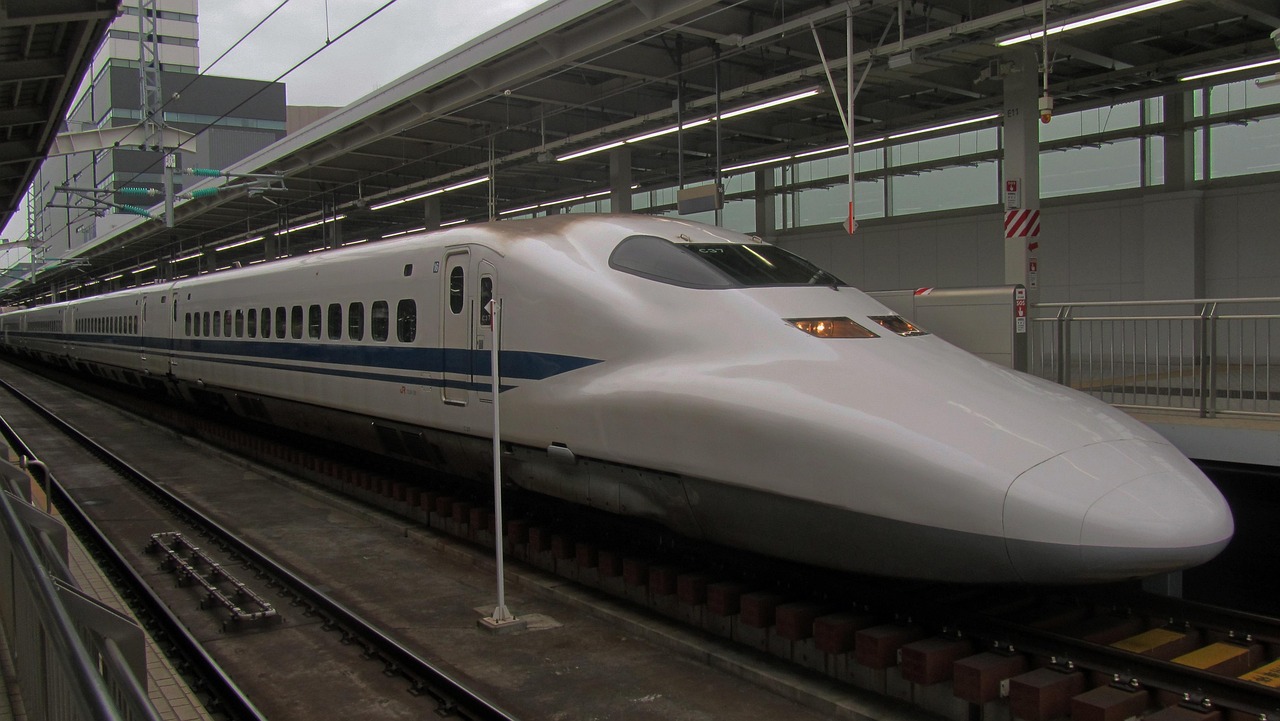
Plan a trip to Japan with confidence as the shinkansen bullet train glides through the countryside
For many travellers, planning a trip to Japan luxury destination guide searches are really about one thing: trust. Japan is a destination where experiences in Japan can feel exquisitely designed, from major cities to smaller towns, and it pays to create a rhythm that leaves space to breathe. With the right pacing on a trip to Japan, you can explore Tokyo’s energy, Kyoto’s temples and shrines, and a restorative interlude in Hakone—without feeling rushed or overwhelmed.
Japan’s refinement shows up in small things: the quiet order of a platform queue, the way a hotel lobby seems to anticipate your needs, and the gentle confidence of service. Throughout Japan, you’ll find the same signature—crafted hospitality—whether you’re stepping into a minimalist apartment in Tokyo for a longer stay, or arriving at a countryside inn near Kanazawa.
Best seasons to visit Japan: cherry blossom timing, autumn colour, and avoiding the peak crowd
Spring (March to May) is beloved for cherry blossom, while autumn (September to November) brings luminous foliage and crisp, clear days. These are also peak periods, so the secret is not avoiding popular moments, but designing around them. An early start, a weekday visit, and a concierge who understands your personal pace can protect the magic even when the crowd swells at headline sights.
If this is your first visit, consider a split: a few nights in Tokyo, then Kyoto, with Hakone as a restorative pause. Later returns can uncover different textures—Aomori’s quiet north, Hokkaido’s wide landscapes, Kyushu’s hot springs, Okinawa’s coastal ease, or even Sado for an offbeat island reset—without needing to chase everything at once.
Arrivals, riding the shinkansen, and when a rail pass is worth it
Most journeys begin via Tokyo’s Haneda or Narita airports. From there, you can glide into the country’s heart by rail—often the simplest way to feel grounded quickly. The classic route is Tokyo to Kyoto and then onward to Hakone, and nothing quite matches the calm pleasure of riding the shinkansen for the first time. You’ll notice how the bullet train experience turns travel into rest: clean platforms, clear signage, and a rhythm that lets you read, doze, or simply watch the scenery shift outside the window.
A rail pass can be excellent value if you’re covering long distances in a short time—think Tokyo–Kyoto–Hiroshima and back, or adding Nagoya and Kanazawa along the way. If your itinerary is focused on a few core stops with luxury transfers in between, point-to-point tickets are often more flexible. Your planner can model both options so the decision feels seamless rather than technical, and can also recommend the best train class and seat side for a clearer Fuji view on certain routes.
To spark ideas, you can browse our Trip gallery and imagine how each region might fit your travel style.
High-end logistics that change everything come down to two choices: support and spacing. Private guides bring local insight, while a car service can transform a full day into something effortless—especially when you want to combine a garden, a gallery, and an unhurried lunch without juggling timetables.
- Private guiding for context in temples and shrines, and discreet help with etiquette and timing in popular tourist areas.
- Concierge planning to secure dining, timed entries, and personal interests like architecture, design, and contemporary art.
- Door-to-door transfers when you’d rather arrive calm than navigate with luggage.
Japan is very safe, which is reassuring for solo travel and couples alike, but it’s still wise to keep valuables secure in busy districts. Cultural customs are gentle and easy to follow: bowing as a greeting, quiet conversation in public places, and a mindful approach to shared spaces. When you lead with care, Japan meets you with the same.


Kyoto Temples and Shrines – Garden Scenery for a Classic Japan Experience
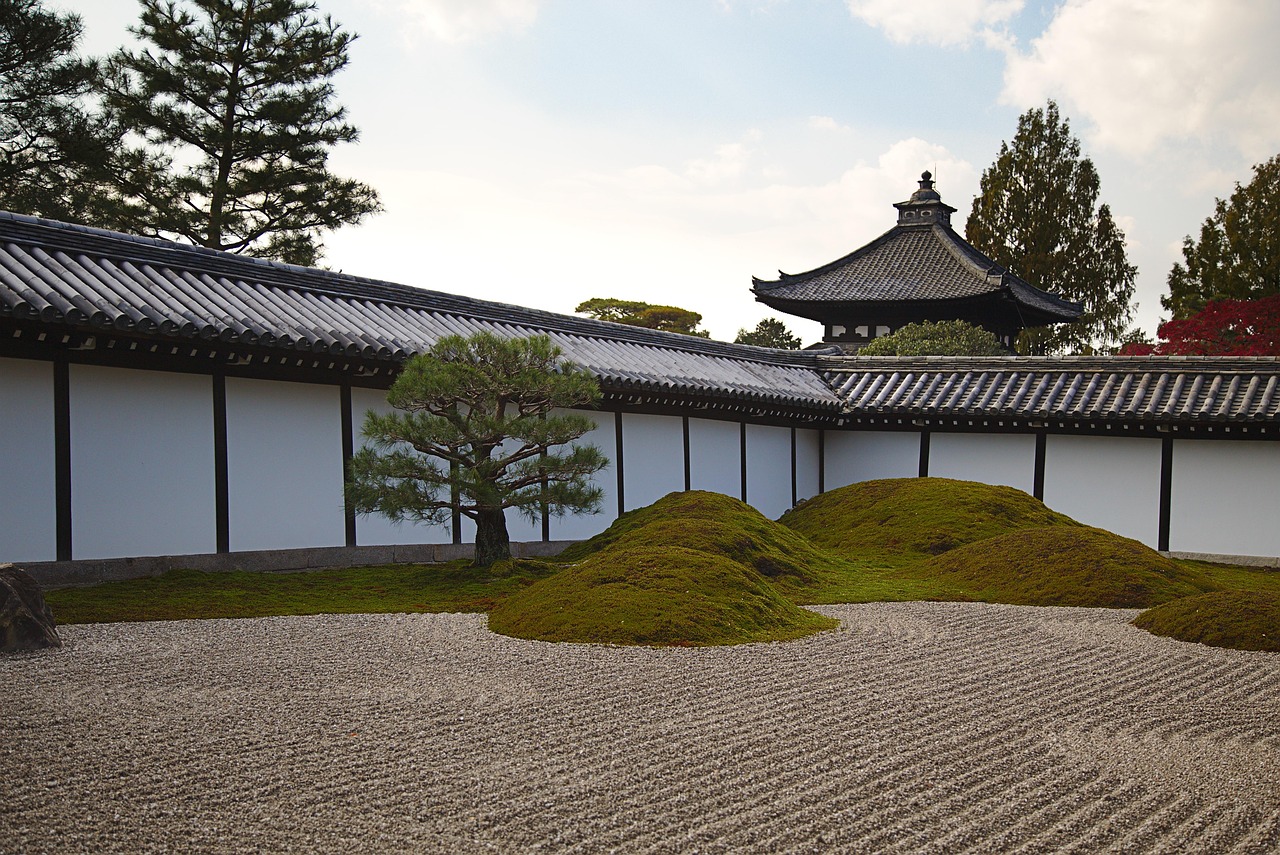
Kyoto’s temples and shrines with serene gardens—slow travel moments that feel truly personal
Kyoto temple shrine gardens Japan experience planning is often where a journey becomes meaningful. Kyoto is both a living city and a time capsule, where scenery shifts from lantern-lit lanes to hillside viewpoints in minutes. The key is to treat Kyoto not as a checklist, but as a place to slow down—letting a garden composition, a gate, or a wooden threshold hold your attention for longer than you expected.
Begin with icons, but experience them thoughtfully. Kinkaku-ji is luminous not only for its gold pavilion, but for the way the temple and its garden work as a single design—each angle offering a new balance of reflection and stillness. Kiyomizu-dera delivers that classic Kyoto moment too: the terrace extending over the hillside, a perfect photo op that still feels intimate if you arrive early and linger quietly.
Fushimi Inari at dawn: thousands of torii gates and a gentle hike above the city
One solo traveller told us their most moving experience came before the city properly woke. They entered Fushimi Inari at dawn and walked beneath thousands of torii gates, the path narrowing and widening like a breath. In that early light, this inari shrine felt less like an attraction and more like a private conversation with place—an encounter with Shinto tradition and cultural heritage that left them calm for the rest of the day.
If you’d like a similar moment, design it as a gentle morning: start early, take a short hike to a quieter lookout, then enjoy a simple breakfast afterwards and return to your hotel to refresh before lunch. It’s a small shift in timing that makes Kyoto feel personal rather than touristy, and it turns the walk into a sight you’ll carry with you.
Private tea ceremony in Kyoto: reserve with a tea master for local insight
A private tea ceremony is one of the most reassuring ways to uncover Kyoto’s depth. Hosted in a tranquil setting, the ritual is explained with warmth and care—why each movement matters, how seasonal elements are chosen, and what “quiet” truly means in this context. When you arrange it through a trusted concierge, you gain local insight that stays with you long after you leave the tatami room.
Choose a ceremony that allows time for questions, especially if you’re curious about ceramics, gardens, or the subtle rules of Japanese hospitality. The goal isn’t to perform perfectly, but to be present—together, if you’re travelling as a couple, or in gentle solitude if you’re travelling alone.
Where Kyoto feels most intimate is often between the headline stops: discreet courtyards, riverside walks, and laneways where a geisha silhouette may pass like a flicker of history. Consider short stroll routes in the area of Kyoto around Gion’s quieter edges, or along the Kamo River at dusk when the city softens.
If you’d like a Kansai contrast, add an optional half-day in Nara. In Nara Park you’ll meet the deer, then step into Todaiji Temple to see the Buddha—an experience that feels quietly powerful, especially after Kyoto’s more intricate layers. And if your tastes lean modern, Osaka’s culinary confidence and Kobe’s polished dining can be woven in as an evening extension without changing the spirit of Kyoto—an elegant way to sample both shrines and temples and city style in the wider Kansai region.
Hakone Ryokan Stay – Onsen Experience and Hot Spring Baths with Fuji Views
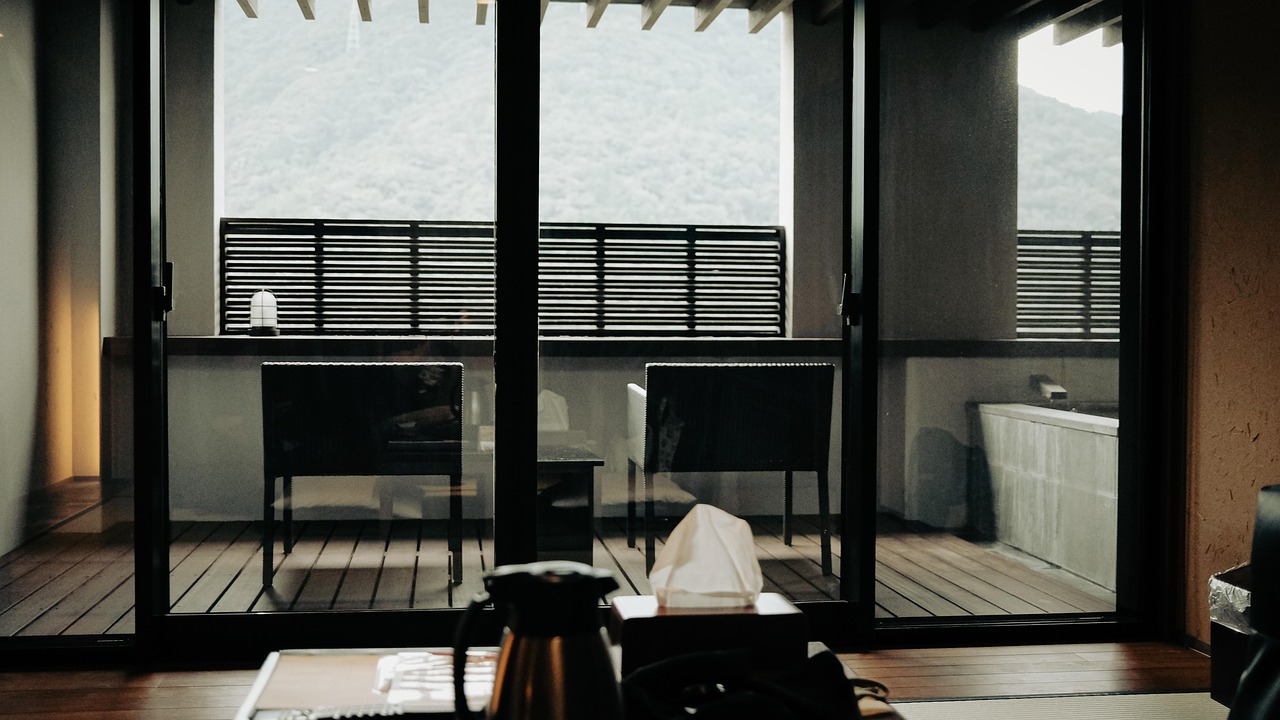
A Hakone ryokan stay with an onsen experience—quiet luxury in the mountains
If you’re designing a restorative pause, Hakone ryokan onsen experience luxury Japan is the phrase to remember. Hakone is where many travellers exhale. Check-in rituals feel quietly ceremonial—shoes set aside, sleeves rolled back, tea offered without hurry—and the tatami calm encourages you to do less and feel more.
There’s a particular comfort in being gently looked after here. In Hakone, time becomes softer: dinner arrives when it should, your room is reset while you soak, and the outside world feels pleasantly distant. This is also a natural place to add a helicopter ride over Mount Fuji if you want one cinematic moment; on a clear day, Fuji and its surrounding lakes can look like a landscape painting from above.
A personal ryokan story, reimagined with Hakone mountain air
A traveller once described an unforgettable night in a Kyoto ryokan-style setting: hosts who remembered preferences, a personalised kaiseki dinner, and an onsen view across a peaceful garden. Hakone offers that same spirit, translated into its own standards of hospitality. The difference is the setting: mountain air, mineral-rich water, and evenings that feel designed for rest.
Expect kaiseki to be seasonal and precise—each course placed like a small artwork—yet deeply comforting. The most memorable luxury is often the human touch: a host who notices you prefer green tea to black, or who gently explains how to wear the yukata without making you feel self-conscious.
Onsen etiquette made easy: calm guidance, private options, and hot spring baths
An onsen experience can feel intimidating until you learn the rhythm. The core rules are simple: wash thoroughly before entering, keep towels out of the water, and move quietly so others can soak in peace. Traditional facilities often have tattoo policies, so if this applies to you, ask discreetly at booking time; many properties can suggest private bathing options and in-room hot spring baths.
Choosing your ryokan comes down to details that shape comfort. Think about room orientation (garden, forest, or mountain), whether you want private hot springs or shared bathing, and dinner timing if you prefer an early night. Crafted hospitality looks like anticipation: staff guiding you through each step without fuss, creating trust rather than instructions.
For a seamless transition between cities, luggage forwarding is invaluable—especially when you’re connecting from Tokyo or Kyoto by rail. It lets you arrive light, check in within the property’s window, and begin resting straight away.
Tokyo Ginza: Luxury Shopping, Meiji Shrine Stops, and Fine Dining in Japan
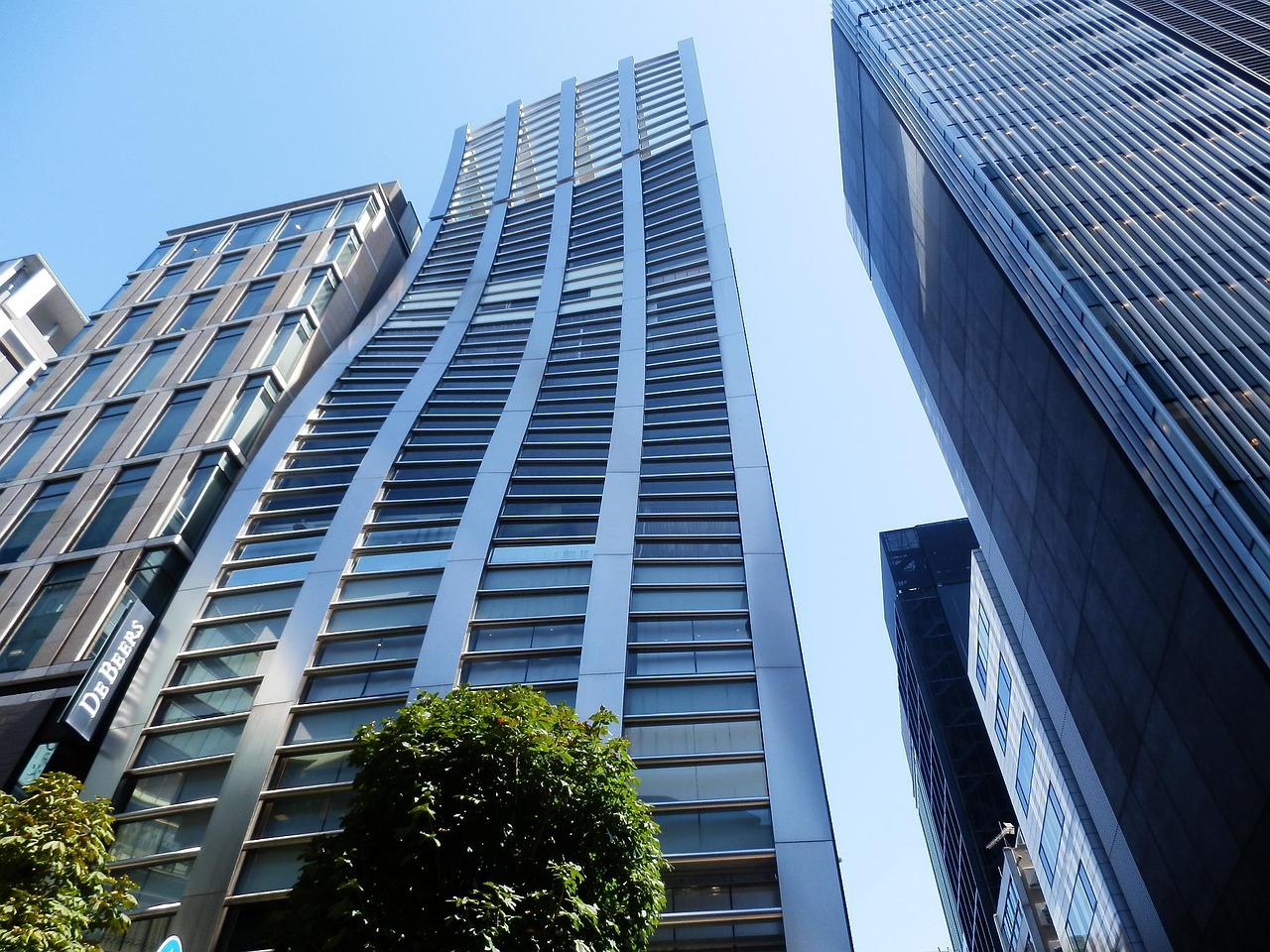
Tokyo’s Ginza for luxury shopping and refined dining, with galleries and design-led side streets
When people search Tokyo Ginza luxury shopping fine dining Japan experience, they’re usually picturing a city that feels both immaculate and alive. Ginza is Tokyo’s polished theatre—flagship fashion, galleries, impeccable cafés—yet it’s also a place for gentle wandering. The best approach is to explore with intention, but without over-scheduling, leaving room for the unexpected: a small exhibition, a perfectly poured coffee, a hidden eatery, or a side street that glows with neon as evening lands.
Design your day around a few anchors: one shopping block, one cultural stop, and one meal you’re genuinely excited about. Tokyo rewards curiosity, but it also asks for pacing. A private guide can add expert context—especially if you want to uncover craftsmanship in jewellery, denim, or Japanese stationery, then balance the day with a quiet visit to Meiji Shrine for contrast.
Kaiseki and sushi counters in Tokyo: what to book ahead for a smooth travel day
Tokyo’s culinary scene can feel endless, so clarity builds confidence. Sushi at a counter is often the most intimate format: a short menu, a quiet conversation, and a sense of theatre in the chef’s hands. Kaiseki in Tokyo tends to be a touch more contemporary than Kyoto—still seasonal, still precise, but sometimes with a modern flourish shaped by the city’s pace.
As a practical guide, kaiseki meals commonly range from ¥15,000 to ¥30,000, and you’ll want to reserve in advance. When you book, communicate allergies and preferences clearly; the most luxurious meals feel personal because the kitchen has the information to care for you properly.
Sake tasting with local makers: craftsmanship, regional stories, and day-trip ideas
One couple shared their guided sake tasting experience in Tokyo as a highlight because it wasn’t only about flavour. They met passionate storytellers who explained rice polishing, water sources, and regional styles—an insight-rich way to connect with the people behind each brew. It’s the kind of indulgence that still feels grounded, turning an evening into a conversation with craft.
For travellers who like to broaden the map, Tokyo also makes a perfect base for refined day trips—Nikko for temples and shrines, or a design-led excursion to Yokohama. And if you’re extending your journey, you might weave in Hiroshima Peace Park and its sombre museum and monuments, including the Children’s Peace Monument statue, the atomic legacy it records, and the A‑Bomb Dome. Many travellers describe this stop as quietly transformative, offering human scale to history.
If your route continues west, Miyajima and Miyajima island bring a different kind of stillness. The floating torii and the floating torii gate near Itsukushima Shrine are particularly atmospheric at changing tide, and the surrounding torii gates and waterfront viewpoints feel especially serene at sunrise.
A high-end visitor once noted how a luxury Tokyo hotel made the whole city feel effortless: impeccable service, attentive doormen, and a concierge who handled reservations as though it was the most natural thing in the world. That level of care isn’t about formality; it’s about support. You return from the city’s energy and feel held—ready to head out again refreshed.
- Ginza pacing tip: plan one “must-do” block, then leave two hours unscripted for discovery.
- Dining trust: confirm reservation timing, dress notes, and dietary needs at least a week ahead.
- Easy add-ons: consider Kanazawa for gardens and design, or Takayama for old-town texture.
And yes—if you’re travelling with family, even something as unexpected as Tokyo DisneySea can be designed in a high-end way with premium access and thoughtful timing, so it remains joyful rather than exhausting.
After Japan: What Stayed With You – Japan Bucket List Experiences and Reflection
When you look back, Japan bucket list experiences reflection after the journey isn’t really about the boxes you ticked. The Japan experience tends to linger in smaller details: the hush inside a temple courtyard, the way a garden path turned your thoughts quiet, the soft click of wooden sandals somewhere behind you. You might remember the rhythm of a train gliding out of the station, or the patience of a tea master guiding you through a ritual that asked nothing from you except presence.
There’s something about Japan’s restraint—its preference for what is implied rather than announced—that can gently reshape how you think about time. Thoughtful service teaches you to accept care without rushing to repay it. Calm rituals invite you to slow your pace at home, too, even if only in small ways: making tea with a steadier hand, laying a table with more intention, choosing silence for a moment longer.
It’s tempting to label moments as bucket list experiences, yet the deeper joy is rarely in the headline. Meaning is created through design and attention: a host who remembers, a guide who offers insight without performing, a shared glance that says “this is enough”. And perhaps that’s why so many travellers feel drawn to visit Japan again—returning not for more, but for familiarity in a new season, refining your own japan bucket list with quieter, more personal choices.
Long after the suitcases are unpacked, you may still hear a bell in the distance, or picture light moving across water beneath a shrine gate. It arrives without effort, like a small ritual finding you when you least expect it.
F.A.Qs: Japan experience planning for high-end travel
Is $5,000 enough for a week in Japan on a luxury trip?
$5,000 can be enough for a week in Japan with mid-range hotels and careful choices, but it’s tight for high-end travel once you add private guides, luxury hotels, and kaiseki dining. For an elevated, seamless week, many travellers budget more so they can prioritise comfort, reservations, and door-to-door support without compromise.
What is the 80% rule in Japan travel planning?
The “80% rule” is a practical mindset: plan only about 80% of your days and leave 20% open. In Japan, this creates space for discovery—an unexpected gallery in Tokyo, a quiet garden in Kyoto, or a slower lunch—while still keeping the trip beautifully structured and stress-free.
What’s the best Japan experience for a first-time visitor?
The best experience in Japan depends on your travel style, but many high-end travellers love a balanced mix: a serene Kyoto shrine visit early morning, a private tea ceremony with a tea master, and an onsen soak in Hakone. The “best” moment is often the one that feels personal, unhurried, and thoughtfully supported.
Is $10,000 enough for a week in Japan with Tokyo, Kyoto, and an onsen stop?
$10,000 is often enough for a week in Japan at a high-end level, especially if you focus on Tokyo and Kyoto with one restorative stop like Hakone. It can cover luxury hotels, a few premium meals, and selective private guiding, particularly when planned early to secure the best rooms and reservations.