Post Contents
- Japan Travel Guide 2026 Planning a Trip to Japan in Luxury Style
- Tokyo in 2026: Private Tour Luxury, Michelin Stars, Ginza, Omotesando, and After-Dark Energy
- Kyoto Guide: Kinkaku-ji, Fushimi Inari, Gion, and a Tea Ceremony Experience
- Hakone Ryokan Retreat: Private Onsen and Luxury Accommodation in Japan
- Getting Around Japan: Shinkansen Transport and the Japan Rail Pass in 2026
- After Japan: What Stayed With You and What You Carry Into Your Next Trip
- F.A.Qs: Japan tourism guide budgeting, timing, and the best travel guides
Japan Travel Guide 2026 Planning a Trip to Japan in Luxury Style
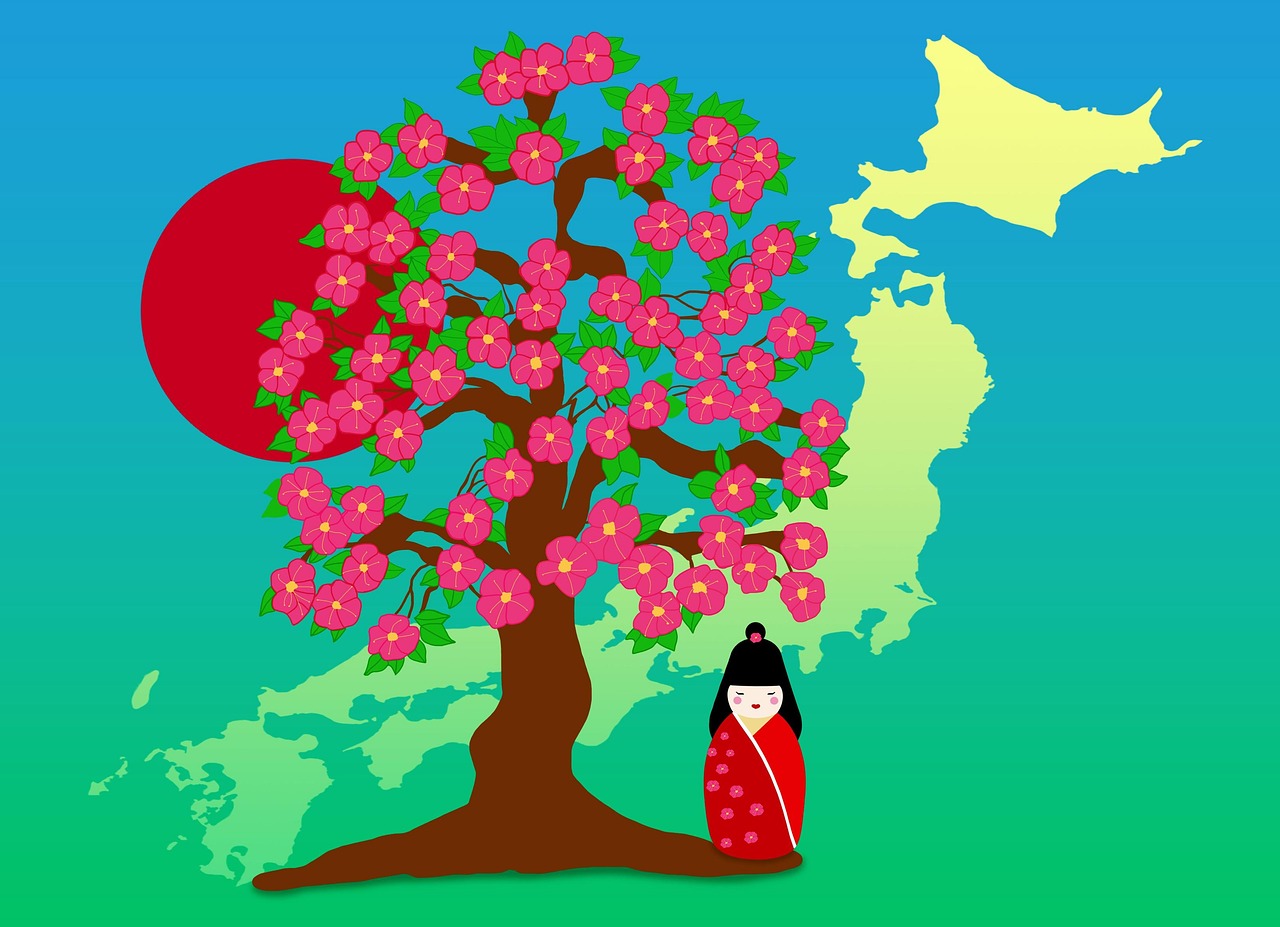
A calm, design-led Japan journey in 2026, framed by cherry blossoms and unhurried city light
This Japan tourism guide is written for travellers who want more than a list of things to do in japan: you want the destination to feel seamless, private, and deeply considered. For Japan tourism in 2026, luxury is often about pacing, access, and a route that flows naturally between city energy, rural stillness, and the coast.
Think of this as an official japan guide mindset rather than a checklist. We map days around light, crowd patterns, and your interests, with just enough structure to feel freea quiet morning at a temple, an unhurried lunch, then a gallery appointment you would not easily find without local context.
Best time to visit Japan: seasons, cherry blossoms, and one simple region overview
Japan is captivating year-round, but spring and autumn are the classic sweet spots for weather and colour. For cherry blossoms, late March to early April is the headline window; for autumn colour, late October to November brings crisp air and a softer, glowing palette.
A simple region overview helps you plan with confidence:
- Tokyo area: contemporary design, dining, fashion, and after-dark sparkle; ideal in spring and autumn.
- Kyoto area: gardens, sacred sites, and traditional japan; go early in the day and consider shoulder dates for gentler crowd levels.
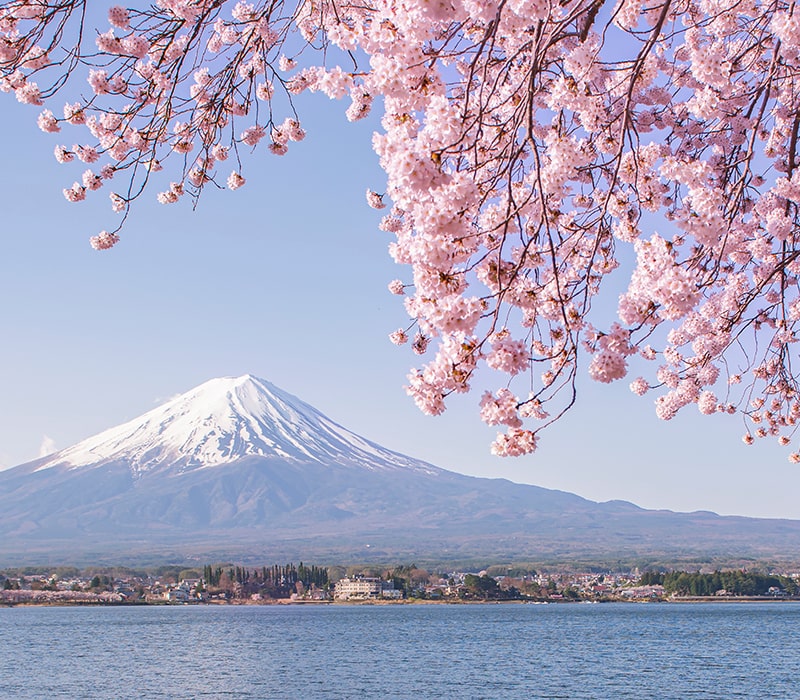
- Hakone and Fuji area: hot springs, lake scenery, and museum time; clear winter days can be crisp and beautiful.
- Hokkaido: powder snow, seafood, and summer hikesan elegant contrast to the main island.
- Okinawa: island beaches and warm seas; ideal for a slow exhale after cities.
If you are also weighing Osaka for food culture or Hiroshima for perspective and peace, they can sit on the same map without feeling rushedespecially when train timing is designed from the start.
Practical travel tips you can trust: visa checks, jnto sources, and Japanese government information
For entry requirements, always check visa rules through official sources and current notices. Start with the japan national tourism organization and relevant jnto updates, then verify key details via japanese government information before booking non-refundable flights or accommodation.
For broad context, travel guides like Lonely Planet can be reassuring. From there, refine the route with private access, local timing, and small custom touches that lift the overall travel experiencewithout over-scheduling.
A luxury itinerary framework for 7, 10, or 14 nights your travel map to plan the trip
High-end japanese travel is easiest when you begin with a travel map and then layer in what you genuinely love. This japan travel guide framework is designed to keep the pace elegant:
- 7 nights: Tokyo (4) + Kyoto (3), with one well-timed day trip.
- 10 nights: Tokyo (4) + Kyoto (4) + Hakone/Fuji (2) for a restorative stay.
- 14 nights: Tokyo (5) + Kyoto (5) + Hakone/Fuji (2) + one extra destination (Hokkaido or Okinawa) for balance.
To explore by interest, choose two anchors and one wildcard: art and architecture; food and counter dining; nature and landscape; religion and ritual; fashion and craftsmanship. It is a simple way to explore with focus, and it still leaves room for a little adventure when an unexpected reservation or exhibition appears.
Planning tip: For luxury ryokan, private guides, and Michelin-starred restaurants, book earlyoften 36 months ahead, and longer for peak dates. A discreet concierge can also support dining requests, anniversaries, and calm logistics across Asia-facing time zones.
If you would like to imagine how your route could look in real life, browse our Trip gallery for inspiration that feels curated rather than crowded.


Tokyo in 2026: Private Tour Luxury, Michelin Stars, Ginza, Omotesando, and After-Dark Energy
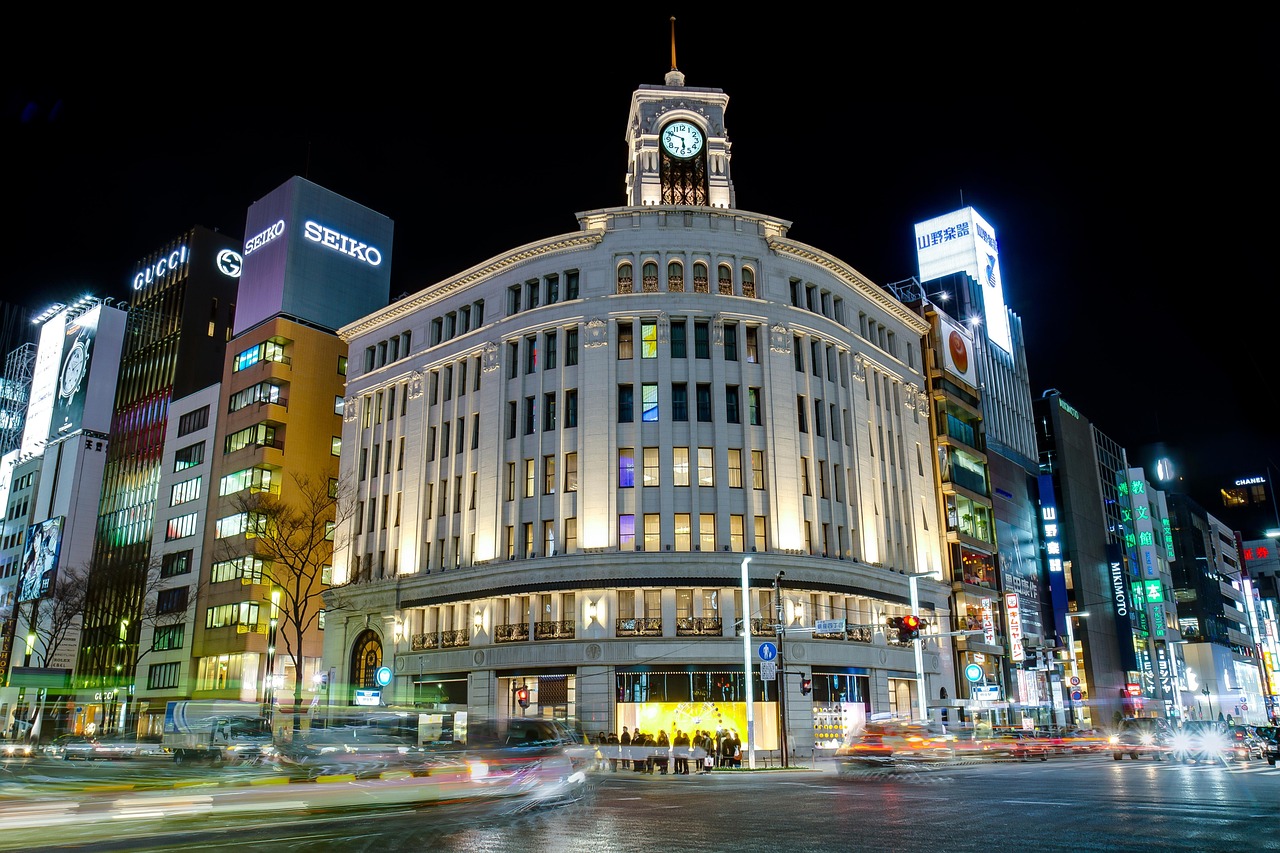
Tokyo nights in Ginza: modern Japanese design, gallery time, and polished dining
If your wish list includes a Tokyo private tour, Michelin-star dining, and design-led neighbourhoods like Ginza and Omotesando, begin by letting the first 48 hours feel unhurried. Tokyo can be dazzling, but a gentle arrival keeps your senses openand your jet lag from steering the whole itinerary.
After landing, a meet-and-greet service or hotel car can turn a long-haul day into something almost ceremonial. Check in, reset, and let a private concierge handle confirmationsrestaurant timings, gallery slots, and a slow evening walk that feels personal rather than performative.
We often design a soft landing around a neighbourhood you can understand on footGinza for polish, or a quieter, design-led pocket near Omotesando. It is a small decision that builds confidence early, especially if you are travelling as a family or arriving solo and want to navigate the city with ease.
Then, add modern Japanese creativity with a private visit to galleries and architecture. teamlab can be a contemporary attraction when timed thoughtfullyideally with pre-booked entry so you never feel herded.
Popular places still work beautifully with a twist:
- shibuya viewpoints later in the evening, when the crossing becomes a living light installation.
- Quiet design districts for stationery, ceramics, and carefully edited concept stores.
- A relaxed stop for manga culture if you are curious, framed as local insight rather than a spree.
Tokyo dining as cultural insight: Michelin counters, sushi, and dietary reassurance
In Tokyo, dining is an art formwhether it is a multi-course tasting menu or intimate counter seating where technique becomes ritual. Michelin-star reservations often open weeks to months ahead, but last-minute seats can appear when your hotel team calls at the right time.
If you have allergies, preferences, or faith-based requirements, share them early and plainly. Japanese staff are meticulous and caring when they have notice; the key is to ask with confidence and allow the kitchen to respond thoughtfully, including a carefully paced sushi set when raw fish is suitable for you.
Ginza and Omotesando shopping: Japanese craftsmanship and a quiet styling appointment
High-end shopping here is not only about labelsit is about craftsmanship and materials. We love pairing Ginzas elegance with Omotesandos smaller ateliers, including a private stylist session so your purchases feel intentional rather than rushed.
A family once told us their most joyful Tokyo memory was not a landmark at allit was a private workshop with a renowned chef, designed around their childrens curiosity. The personalised attention, clear explanations, and warm humour created instant ease, and that sense of being welcomed stayed with them long after the meal.
Kyoto Guide: Kinkaku-ji, Fushimi Inari, Gion, and a Tea Ceremony Experience
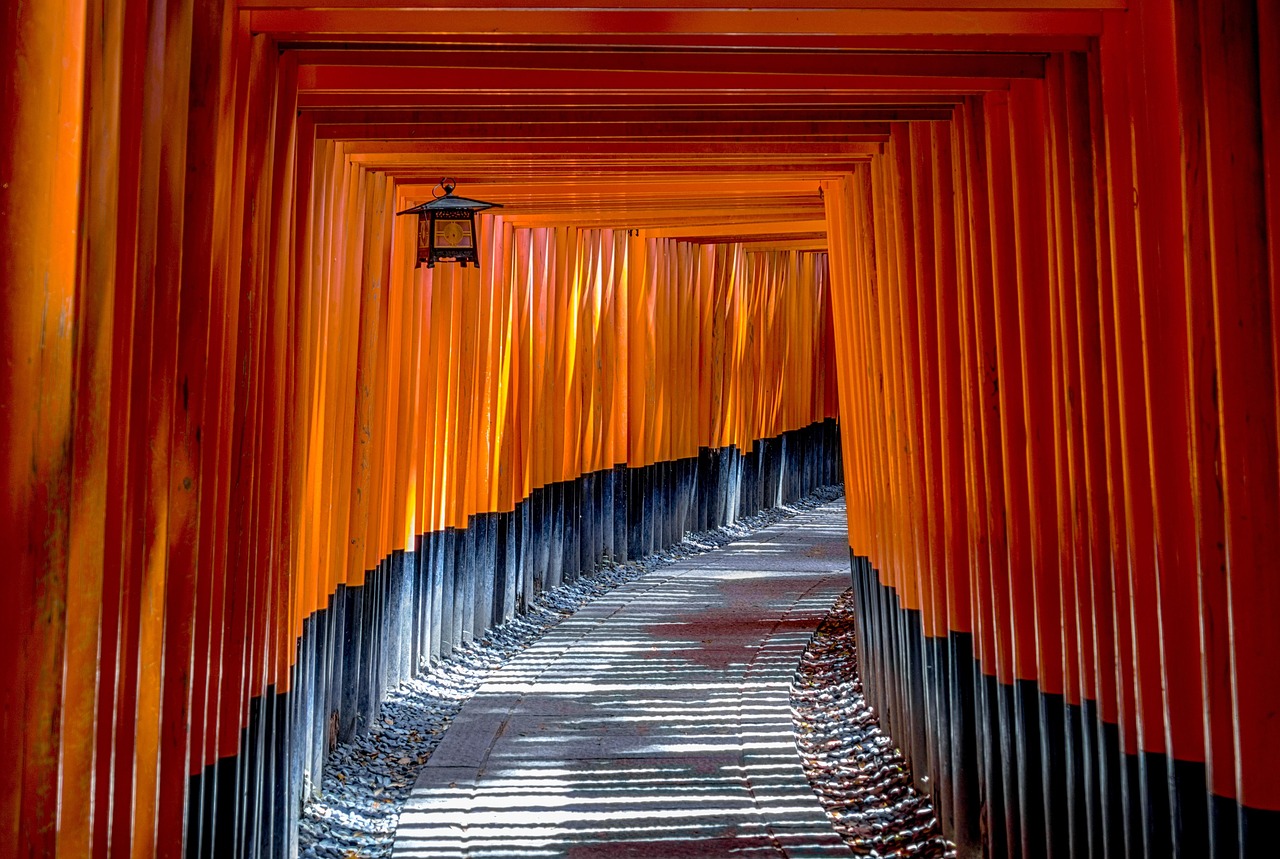
Kyoto mornings: quiet lanes, shrine gates, and cultural encounters held with care
For many travellers, Kyoto is the heart of the journey. It invites reverence, but the true luxury is time: arriving early, moving gently, and allowing silence to be part of the story rather than filling every hour with activity.
Start with Kinkaku-ji at opening for a calmer first impression, then consider Fushimi Inari Taisha either very early or later in the day. One etiquette note goes far: speak softly, follow signs, and remember these are living sacred spaces, not sets built for photos.
Temple visits in Kyoto: quiet pacing, etiquette, photography norms, and a goshuin stamp
Kyotos sacred-site culture is rich with detailincense, worn timber, the sound of gravel underfoot. In some areas, photography is restricted; when in doubt, pause, look for signage, or ask a local guide before lifting your camera.
If you would like a tangible memory, consider collecting a goshuin stamp at select sites. It is a small, beautiful ritualpart souvenir, part devotionand it naturally slows the day in the best way.
Local tales and discreet matsuri moments beyond the main sight
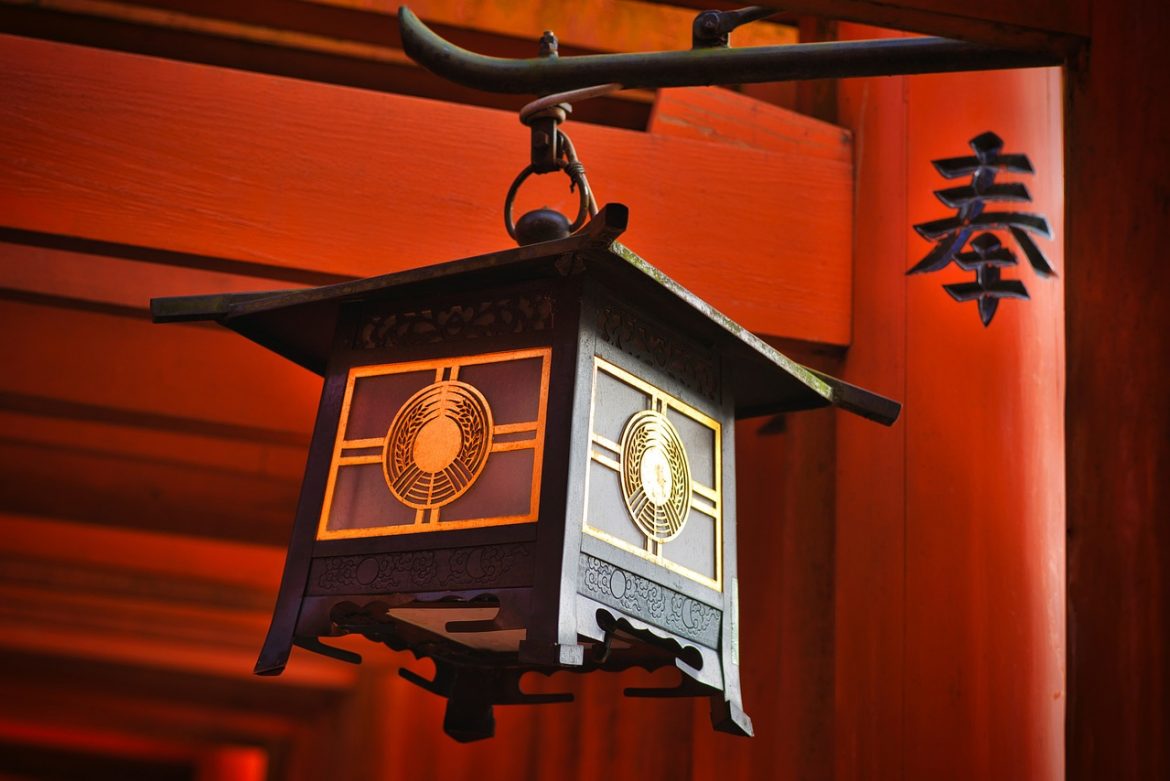
Some of the most meaningful Kyoto experiences come from local guides who know which lanes to take and when. They share stories of neighbourhood matsuri and seasonal rituals where visitors can witness tradition without disruptionno loudspeaker commentary, just lantern light and soft footsteps.
Those moments create a personal connection to Japanese heritage, and they often become the single best highlight you did not know to request.
A crafted cultural exchange in the historic geisha district
One of our favourite ways to encounter Kyoto culture is through a private, well-explained encounter hosted by local practitioners. When arranged thoughtfully, it feels less like a performance and more like a genuine exchangequestions welcomed, gestures explained, and the atmosphere held with care.
For a gentle interlude, add nishiki market as an easy wander between bigger stops. Taste a few small bites, prioritise seasonal specialities, and keep your pace relaxed. And one of the simplest donts in Kyoto: avoid eating while walking where the lane is narrow or crowdedstep aside, finish neatly, then continue.
Kyoto japan travel tips: Choose early starts, aim for one major stop per half-day, and let private car transfers create calm between appointmentsespecially if you are travelling with parents, children, or anniversary plans.
Hakone Ryokan Retreat: Private Onsen and Luxury Accommodation in Japan
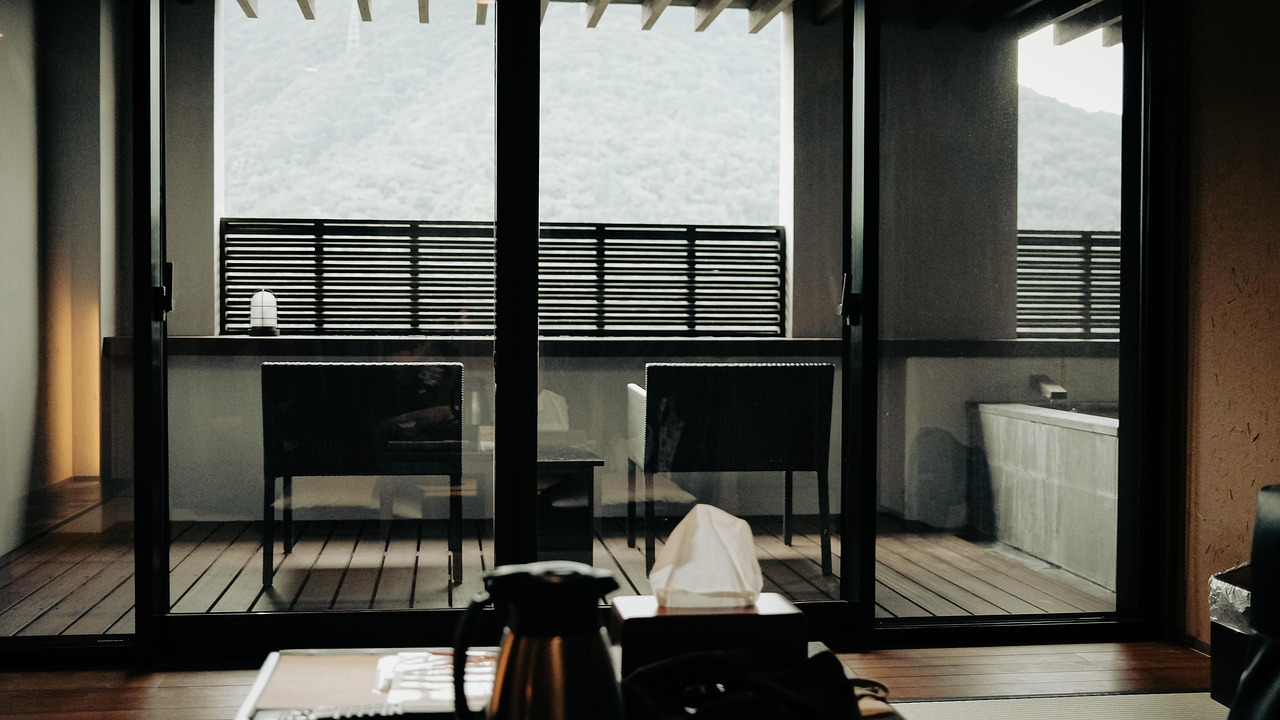
Hakone calm: lake air, mountain silhouettes, and ryokan hospitality at its most restorative
If you are searching for a Hakone ryokan with a private onsen, you are close to one of the most restorative chapters of travel japan. A great ryokan stay is not just where you sleepit is a choreographed form of hospitality that makes you feel quietly looked after from arrival to breakfast.
Choosing well starts with the room category (garden view, river view, lake view), then deciding between private bathing and shared bathing. Add kaiseki dining and the evening becomes a sequenceseasonal, precise, and deeply comforting.
Hakone versus the Kiso Valley: landscape, art stops, and who each stay suits
Hakone is ideal if you want easy access from Tokyo, dramatic landscape, and the option to pair museums with soaking. The Kiso Valley, by contrast, is slower and more ruralperfect for travellers who want footpaths, timber towns, and a sense of old Japan between mountain ridges.
Getting there is straightforward with trains and short transfers, but the best accommodation can sell out far ahead. For peak foliage and spring weekends, booking early is the simplest way to keep your choices wide and your experience seamless.
Anniversary calm near Lake Kawaguchi: slow mornings and restorative time
One couple celebrated an anniversary with a serene ryokan overlooking Lake Kawaguchi, waking to soft lake light and mountain silhouettes beyond the waterline. They described how luxury and nature together created an unforgettable pause: breakfast served quietly, the sound of wind in the reeds, and a private soak that made time feel generous again.
Onsen etiquette for first-timers: dos, donts, and private bathing options
Onsen etiquette can feel intimidating, but staff are usually kind and supportive when you ask politely. Wash before entering, keep towels out of the water, and choose quieter times if you prefer privacy. If you have tattoos, check policies in advancemany high-end properties now offer private options that make the experience comfortable for everyone.
To create your own calm, consider a short forest walk, in-room tea, or a gentle craft activity arranged by the ryokan. These small Japanese moments can feel more lasting than any big-ticket outing.
Getting Around Japan: Shinkansen Transport and the Japan Rail Pass in 2026
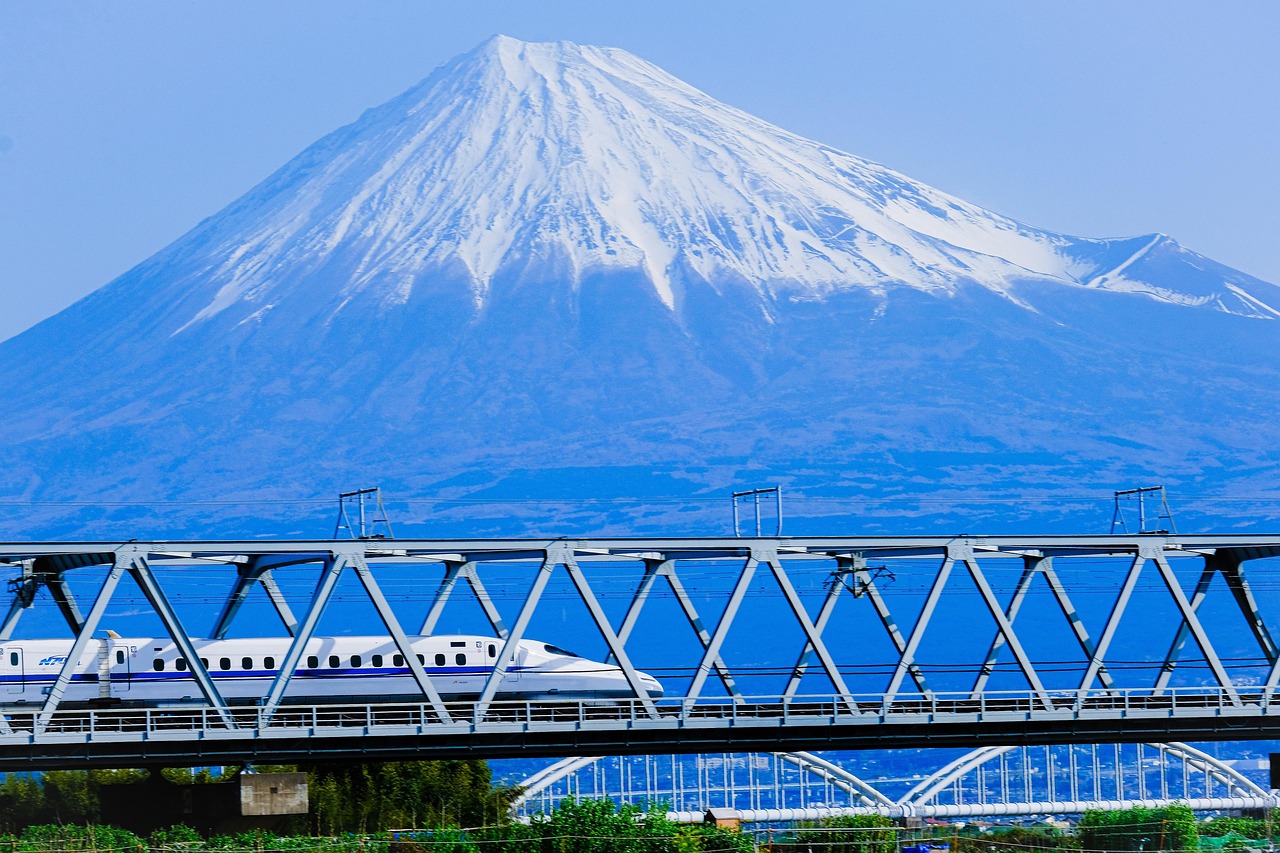
Shinkansen days: smooth transfers, reserved seats, and clear-window countryside views
When travellers ask about Shinkansen comfort and the Japan Rail Pass, they are usually hoping for two things: clarity and ease. The good news is that Japans network is built for reliability, and with a little design up front, your days can feel wonderfully fluideven on a first visit japan itinerary.
Core options are simple: IC cards for city journeys, taxis for short hops, private drivers for full-day freedom, and the Shinkansen as the signature thread connecting destinations. For many, the train itself becomes part of the travel highlightsquiet, punctual, and beautifully civil.
Japan Rail Pass guidance: tickets, train station transfers, and luggage-forwarding tips
The Japan Rail Pass suits some itineraries more than others, especially if you are doing multiple long-distance rides in a tight window. Plan routes and major days before purchase, and consider whether premium seats or individual tickets better match your pace and preferred transport.
Major train station transfers are manageable with two upgrades: luggage-forwarding (so you travel light) and a brief orientation from a guide or hotel team. That single act of support can turn busy platforms into something surprisingly stress-free.
Shinkansen seat planning for the tokyo to kyoto ride and mt fuji views
For this ride, choose a daytime service and reserve seats on the right-hand side when travelling from Tokyo for the best chance of seeing the peak. Clear winter air can be especially crisp, while spring and autumn offer softer light across the countryside.
A simple ride checklist helps you enjoy the view without fuss: tickets ready, a light bento, a quiet playlist, and enough buffer time to board without rushing.
For connectivity, an esim can be the easiest solution, and translation apps make menus and signage less daunting. Even so, learning japanese basicshello, thank you, excuse mechanges interactions in a lovely way, signalling respect for local custom and inviting warmer exchanges as you navigate daily life.
Japan is exceptionally safe, but keep personal belongings close in crowded areas and be mindful of healthcare abroad: travel insurance, medications, and clinic access should be organised before you fly. If you would like extra reassurance, a private guide can support complex days without hurrying and can advise on respectful behaviour in sacred spaces.
- Tip: Pack one small day bag for trains and forward the rest between hotels.
- Tip: Allow extra minutes in larger stationscalm beats speed every time.
- Recommendation: If you are curious, book sumo tickets or a stable visit via trusted providers rather than last-minute touts.
After Japan: What Stayed With You and What You Carry Into Your Next Trip
Long after you leave Japan, it is often the quietest details that return first: the hush as you step inside a wooden doorway, the way a coat is handed back with both hands, the gentle precision of everyday care that makes you feel unexpectedly at ease.
A solo traveler once described a mindful meditation session at a Zen hall in Kamakura as quietly transformative. There was no dramatic momentjust steady breathing, soft light on tatami, and a sense of being allowed to slow down without explanation.
That is the kind of trust that changes how we travel. When you have been looked after well, you return home carrying small rituals you did not expect: placing shoes neatly by the door, pouring tea with intention, pausing before a busy crossing simply to listen.
And somewhere in the background, without urgency, a question begins to formwhat might your next trip feel like if you followed that quieter thread a little further?
F.A.Qs: Japan tourism guide budgeting, timing, and the best travel guides
Is $5000 enough for 2 weeks in Japan?
$5,000 can work for 14 days in Japan with careful choicesmid-range hotels, simple meals, and smart routing to reduce costs. For high-end travellers, it is usually not enough once you add luxury accommodation, private experiences, and premium dining. A more realistic approach is to decide your must-haves (ryokan nights, private guiding, standout meals) and build the budget around those priorities.
What is the 5 minute rule in Japan?
The 5 minute rule is a social norm around punctuality: arriving a few minutes early is considered considerate, while arriving late can feel disrespectful. It is especially relevant for reservations, private tours, and trains. If you are running behind, a quick message via your hotel or guide is appreciated and helps maintain the calm, respectful flow that Japanese hospitality is known for.
What is the best travel guide for Japan?
The best travel guide depends on your style. Many travellers like Lonely Planet for a broad overview and practical context. High-end travellers often do best with a combination: a reputable guidebook for background, then expert curation for hotels, dining, and timingbecause reservations and neighbourhood nuance can change the entire feel of a trip.
Is $10,000 enough for a week in Japan?
$10,000 can be enough for a luxurious week in Japan for one traveller, or for a couple with selective splurgesespecially if you prioritise one standout ryokan stay, a few premium meals, and efficient routing. Costs rise quickly with suites, private drivers every day, and top-tier dining. The key is to design the week around a few crafted moments rather than trying to do everything at once.