Post Contents
- Japan Cities to Visit: Luxury Guide to Top Cities for First Timers with Limited Time
- Tokyo City Guide: Places in Japan to Visit, What to Do, and Where to Stay in Tokyo
- Kyoto Guide: Private Tea Ceremony, Temples, and a Gion Evening Itinerary
- Osaka Guide: Dotonbori Street Food, Michelin-Level Dining, and Unmissable Places
- Hiroshima, Miyajima and Nara Itinerary: Japan Destinations and UNESCO World Heritage Sites
- After Japan: What Stayed With You (A Luxury Journey Reflection)
- F.A.Qs: Japan cities to visit
Japan Cities to Visit: Luxury Guide to Top Cities for First Timers with Limited Time
Japan Cities to Visit for first timers: a luxury-minded guide to top cities and refined day trips
When you’re choosing places to visit in Japan, a little structure brings instant calm—especially for first timers and anyone with limited time. This luxury-minded approach focuses on what you can truly experience (slow mornings, great service, meaningful culture), not just what you can tick off. It’s a destination of contrasts and micro-moments: a bow at check-in, lantern light along a shrine approach, and skyline views that feel like tomorrow.
For travelers visiting Japan for the first time, the classic pairing is Tokyo and Kyoto, with Osaka adding a more playful rhythm. If you want deeper context, Hiroshima and Miyajima bring perspective and beauty, while Nara offers serenity close to Kyoto. If you visit Japan for the first time and want comfort at the centre, this Japan travel guide keeps the pace elegant—so you can travel to Japan with confidence and still leave room for spontaneity.
Regions of Japan: how to plan your visit and where to go in Japan with confidence
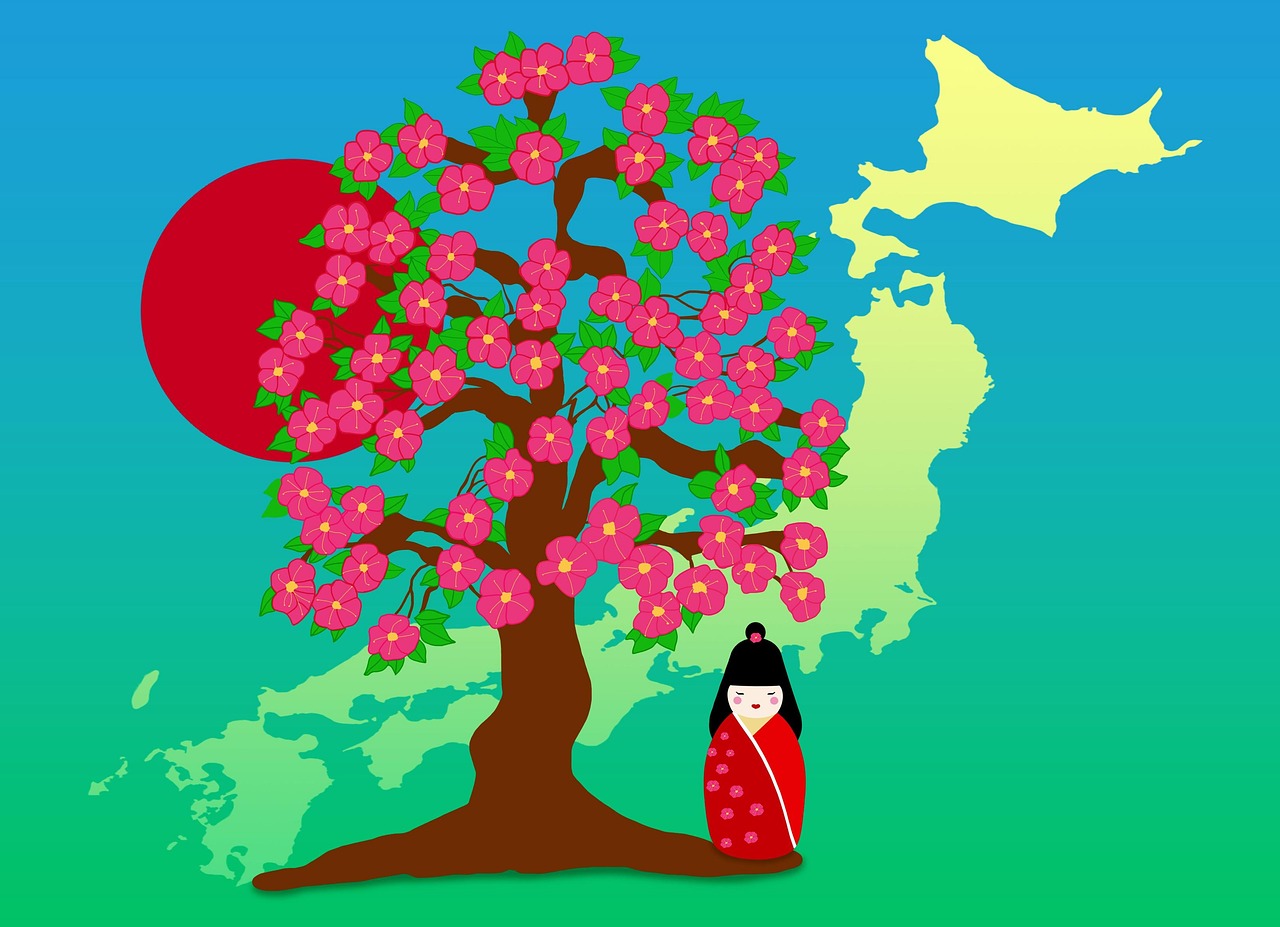
Thinking in regions of Japan makes choices feel simpler. Kantō is where Tokyo sits—ideal for modern architecture, shopping, and day trips near Tokyo. Kansai is your Kyoto-and-Osaka heartland, rich with temples, food culture, and neighbourhood wanderings. Chūgoku (further west) is where Hiroshima and Miyajima live, and it’s a meaningful addition for an “around Japan” trip that still feels unhurried.
For a first trip to Japan, staying anchored in two regions keeps your time to explore generous. This simple Japan itinerary (Tokyo, Kyoto, and a few crafted side stops) is ideal if you’re deciding between Kyoto and Tokyo order and want a smooth flow. Beyond the big cities, popular cities and refined alternatives include Kanazawa for design and gardens, or an onsen pause to reset between stops while travelling in Japan.
Mini decision guide for Tokyo or Osaka and Kyoto or Osaka (Japan bucket list picks)
If you’re refining your Japan bucket list, these gentle comparisons help you choose the best fit without second-guessing. The goal is a journey that feels curated rather than rushed, with the unmissable places balanced by quieter, local corners.
- Tokyo or Osaka: choose Tokyo for museums, shopping in Ginza, and big-city contrasts; choose Osaka for late nights, street food culture, and easy connections.
- Osaka or Tokyo: if you love skyline hotels and neighbourhood variety, Tokyo wins; if you want a compact city in Japan with maximum flavour, Osaka is a delight.
- Kyoto or Osaka: Kyoto is for temples, traditional streets, and ritual; Osaka is for nightlife and dining—many travellers love pairing both for balance.
To reduce friction, design your plan around rail: the Japan Rail Pass can be excellent value depending on your route, and a bullet train ride between Tokyo and Kansai is part of the pleasure. Booking premium stays and private experiences in advance adds trust and care—particularly during cherry blossom and autumn colour peaks.
If you’d like inspiration for a crafted route and hotel style, you can browse our Trip gallery and imagine what “seamless” looks like when it’s personalised from the start.


Tokyo City Guide: Places in Japan to Visit, What to Do, and Where to Stay in Tokyo
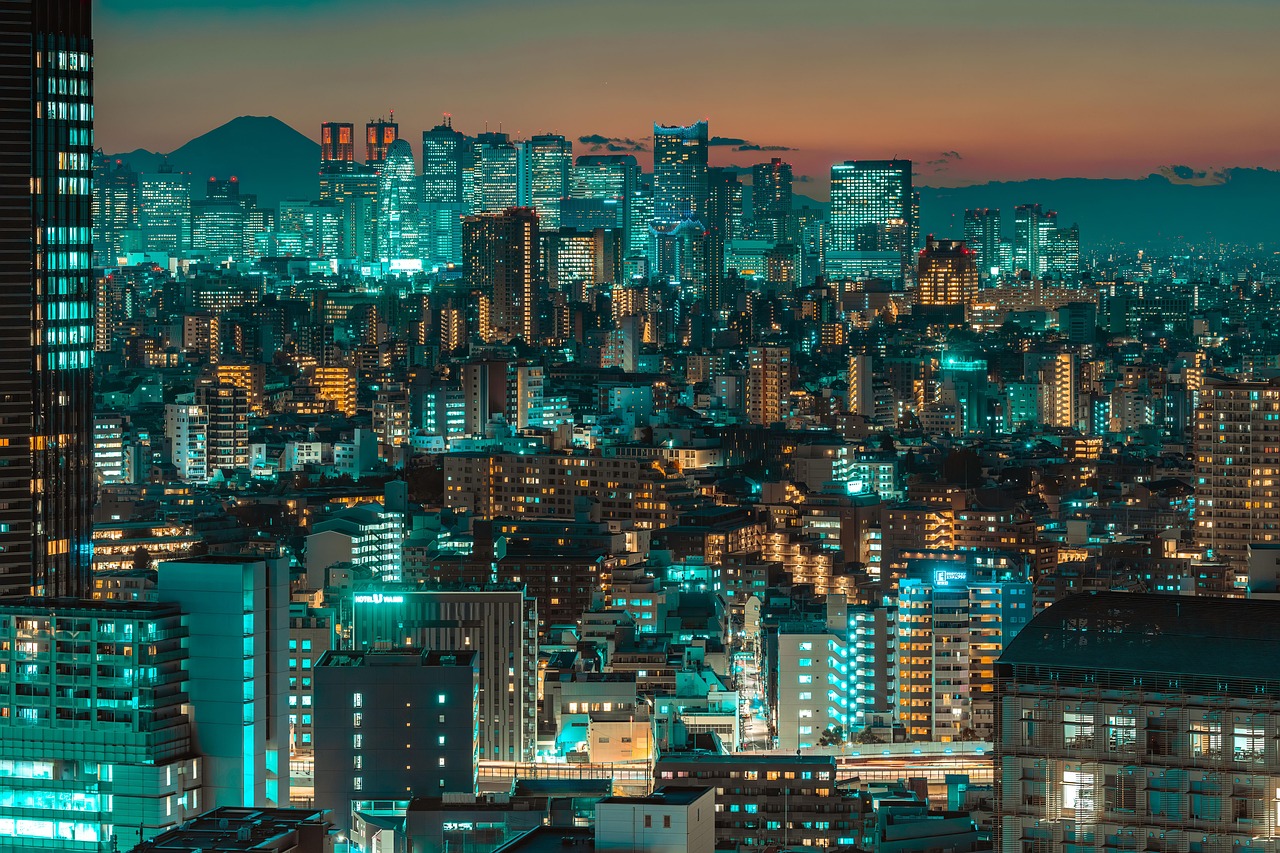
Tokyo city guide for places in Japan to visit: what to do, where to stay, and how to move with ease
This Tokyo city guide begins with the truth you feel on arrival: Tokyo is built for contrast. As the capital of Japan, it carries immense energy, yet it’s also a city where you can step from bright avenues into quiet gardens within minutes. The artistry is in how you weave both into your days—so Tokyo feels exhilarating, never exhausting.
One traveller told us the thrill of crossing Shibuya with the crowds, lights and momentum—then, minutes later, retreating to a quiet rooftop bar overlooking the city skyline. That shift is Tokyo at its best: you explore the spectacle, then uncover stillness, supported by planning that respects your pace.
What to do in Tokyo: iconic highlights and refined places to see
Begin in Shibuya for the iconic moment: Shibuya Crossing is pure Tokyo theatre. From there, let the day soften at Meiji Shrine, where the approach through trees feels like a breath held and released. If you want a quieter stroll, the Tokyo Imperial Palace area offers calm paths and dignified views—especially lovely in spring and early autumn.
For shopping, design a Ginza circuit rather than wandering. In Ginza, luxury brands are presented with gallery-like restraint; it’s ideal for travellers who appreciate craftsmanship and service. Consider pairing shopping with a reservation at a discreet bar or a tasting menu nearby, so the day feels intentional rather than crowded.
Best area to stay in Tokyo and how many days in Tokyo to plan
For high-end travellers, the best area to stay depends on the mood you want to come home to. Stay in Tokyo with intention: Ginza is polished and walkable for dining and boutiques; Shinjuku brings skyline drama and transport convenience; and quieter neighbourhoods near green spaces suit travellers who want a gentler rhythm. If you’re near Tokyo stations like Tokyo or Shinagawa, transfers are smoother and early starts feel effortless.
- Days in Tokyo: 3–4 days gives you time for a balanced first impression with one slower afternoon built in.
- Week in Tokyo: ideal if you want neighbourhood depth, art and design, and a more personal pace with room for spontaneity.
- Day trip from Tokyo: choose a mountain-and-lake escape, a seaside town, or a heritage spot if you want nature without changing hotels.
Getting around is part of Tokyo’s confidence: the subway network is extensive and intuitive once you know the main lines, while luggage-forwarding makes transitions effortless—especially if you’re carrying tailored pieces or shopping purchases. Japan is very safe, yet crowded areas like Shibuya are easier when you stay aware and keep valuables secure. To plan your visit smoothly (and save time on the first day), a private guide can add calm in the opening hours while you learn the city’s flow.
Kyoto Guide: Private Tea Ceremony, Temples, and a Gion Evening Itinerary
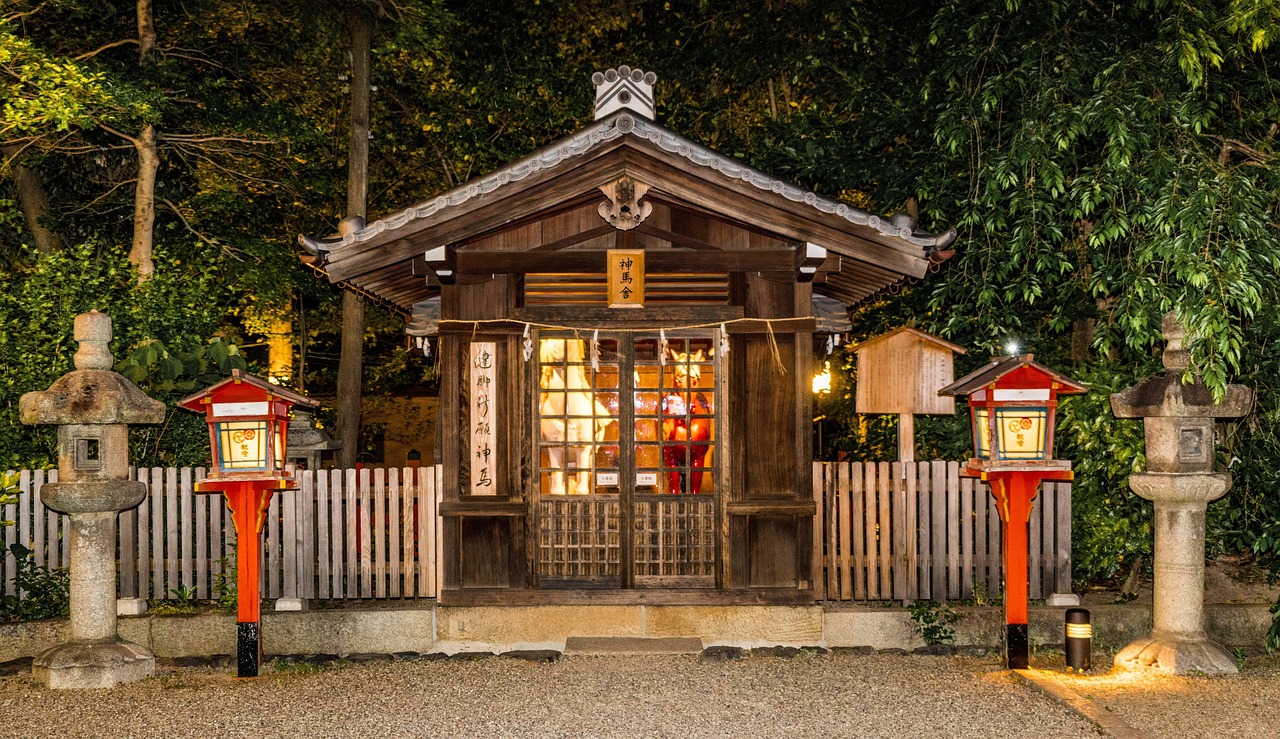
Kyoto guide for a private tea ceremony, temple moments, and a graceful Gion evening
This Kyoto section is for travellers who want the city’s iconic beauty, but also the feeling of having space. Kyoto is one of the most meaningful places to see because it rewards attention: a stone path after rain, the scent of cedar, the quiet between footsteps. With expert planning, you can experience the headline sights and still uncover corners that feel local.
Kyoto’s rhythm is gentler than Tokyo, yet it can feel busy at peak times. The luxury is not only where you stay, but when you arrive, how you move, and who helps you interpret what you’re seeing with insight and care.
Kyoto temple itinerary: Kinkaku-ji, Fushimi Inari, and Gion etiquette
If you only have a short itinerary, anchor it with three signature experiences. Kinkaku-ji is luminous in any season, especially when autumn colour frames the gold pavilion. Fushimi Inari is best early—walking beneath the torii before the crowds arrive feels almost meditative. Then, in the evening, wander Gion’s traditional streets as lanterns begin to glow.
In Gion, respectful photography matters. Keep voices low, don’t block narrow lanes, and avoid photographing people up close without permission. A guide can help you understand the difference between public streets and private spaces, so your curiosity stays kind.
Private tea ceremony, ryokan calm, and a quiet night at Kiyomizu-dera
High-end Kyoto shines when you choose experiences that feel personal. A private tea ceremony isn’t about formality; it’s about presence. In a small room, the world narrows to texture, sound, and gesture—an intimate kind of luxury that stays with you long after the japan trip ends.
One traveller described a moment of tranquillity during a private nighttime visit to Kiyomizu-dera, illuminated under the stars. The temple was quiet, the city below reduced to a soft shimmer. They said the most memorable part wasn’t the view—it was the feeling of trust: being guided gently, arriving at the right time, and having space to simply stand and breathe.
For accommodation, consider a ryokan-style stay designed for calm, where service feels intuitive and reassuring. In terms of transport, Kyoto’s local trains and buses are reliable, but the navigation can be less obvious than Tokyo’s. If you prefer ease, book a driver or private guide for the temple-heavy days, and use public transport for relaxed neighbourhood exploring. For seasonal planning, the best time to visit is often cherry blossom season (March–May) or autumn (October–November) when the city becomes painterly.
Osaka Guide: Dotonbori Street Food, Michelin-Level Dining, and Unmissable Places
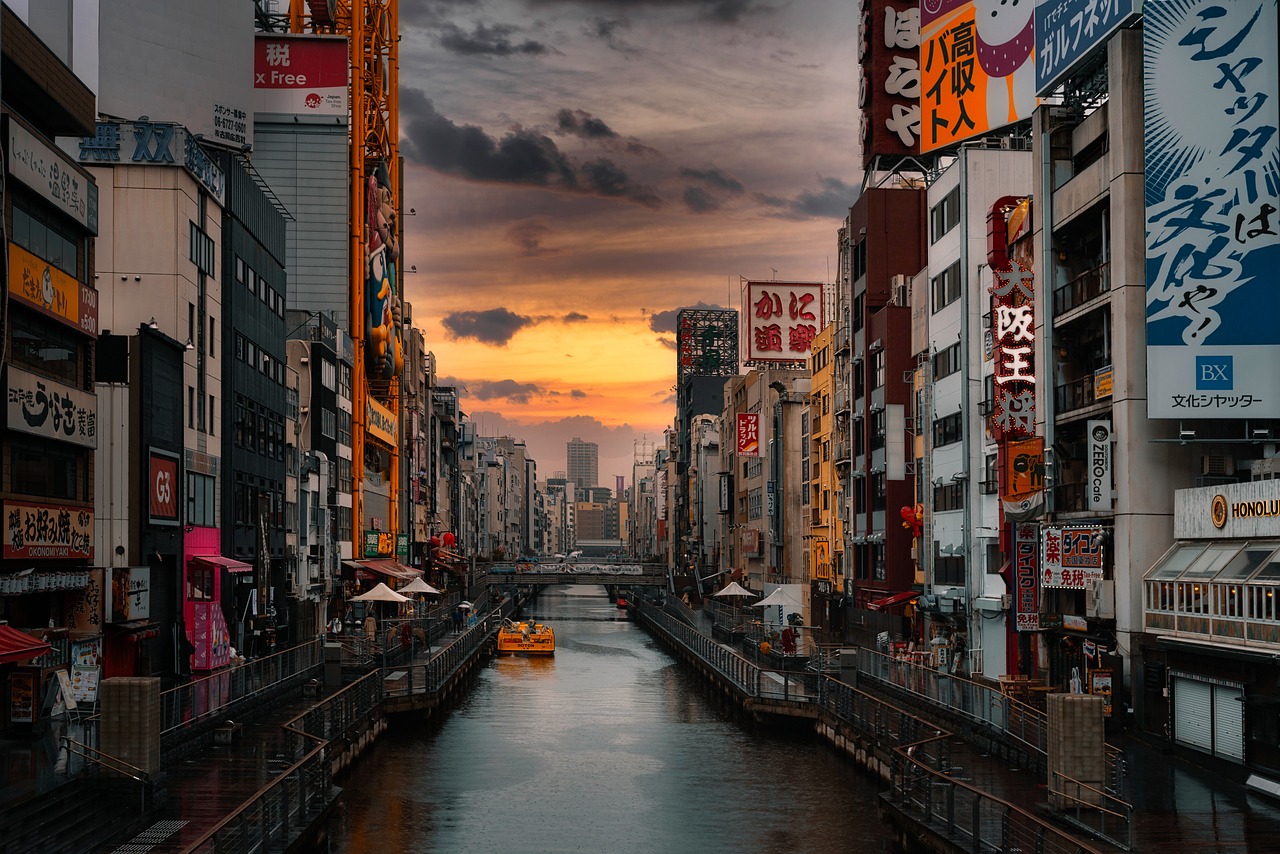
Osaka guide for Dotonbori nights, Michelin-level dining, and classic sights like Osaka Castle
This Osaka chapter is for travellers who want their evenings to sparkle. Osaka is design-led, friendly, and wonderfully direct—one of the best places to visit for dining because the city takes pleasure seriously. If Tokyo feels like a world capital and Kyoto feels like a poem, Osaka feels like a conversation you don’t want to end.
It’s also a smooth addition if you’re already doing Tokyo and Kyoto. Osaka’s connections make it simple to move on without stress, and its neighbourhoods are compact enough to explore deeply even on a short stay.
Dotonbori tasting trail: where to eat well in Osaka at night
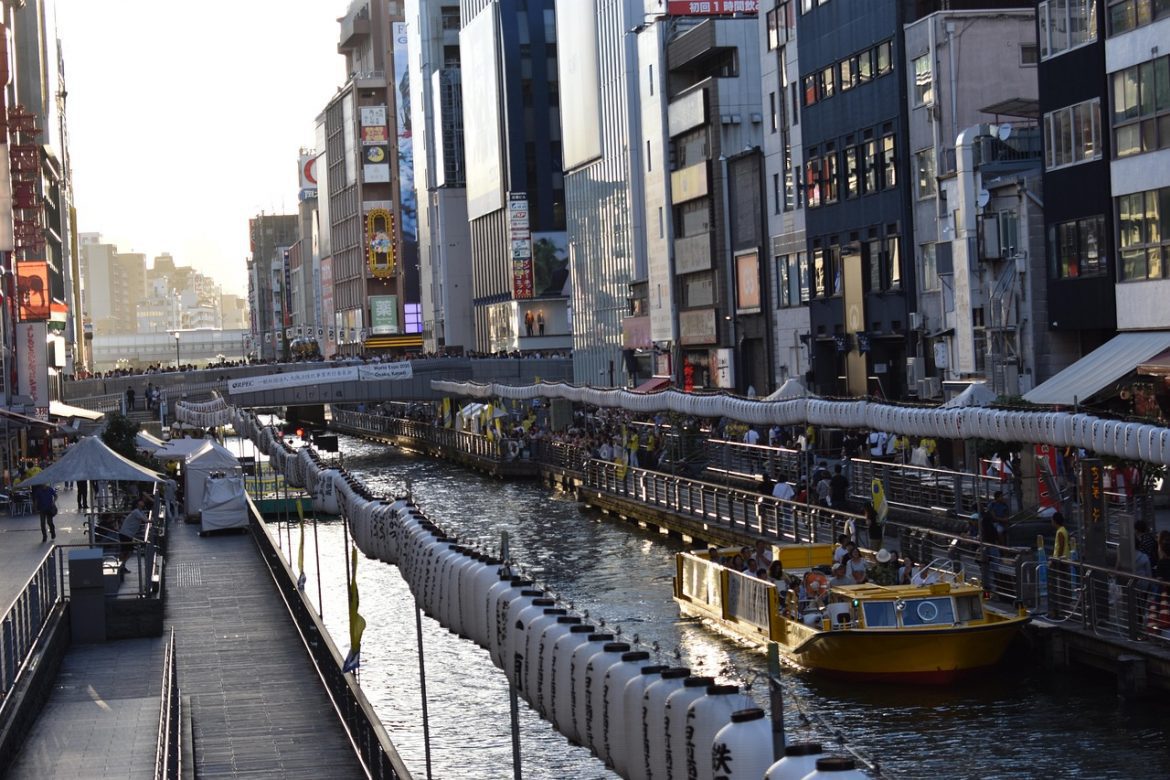
Dotonbori is the neon-lit stage, and it’s at its best when you arrive hungry and unhurried. You’ll see references online to “Michelin-starred street food” in Osaka; the careful way to think about it is this: some stand-up spots are run by chefs with serious pedigree, and the broader city is filled with Michelin-recognised restaurants. Either way, the true magic is the quality-to-joy ratio—food that’s casual, but crafted.
A foodie once told us their most unforgettable evening in Osaka wasn’t in a formal dining room. They tasted takoyaki and okonomiyaki from street vendors, chatted warmly with locals, and came away with cooking tips and recommendations scribbled like gifts. That kind of exchange is Japan at its most human—local insight shared with easy generosity.
Osaka Castle viewpoints and the best area to stay in Osaka
Balance the nightlife with a little history and height. Osaka Castle is a strong daytime anchor, especially if you enjoy learning how a city in Japan became what it is today. For futuristic views, the Floating Garden Observatory is a sleek contrast—an evening visit feels cinematic, with the city stretching out in layered light.
- Best area to stay: Namba for energy and walkability; Umeda for sleek hotels, shopping, and transport links.
- Tokyo and Osaka: fast rail connections make it simple to combine the two if you want modern Japan in two distinct flavours.
- Kyoto or Osaka: if you’re choosing one, pick Kyoto for temples and ritual; pick Osaka for nightlife and food. Many travellers choose both together for contrast.
When you connect Osaka with Kyoto, you can keep plans flexible: it’s easy to go out late in Osaka and still enjoy a slow morning in Kyoto the next day. For an effortless transfer, take the train from Kyoto and arrive with luggage forwarded, tickets arranged, and your next hotel already expecting you with quiet care.
Hiroshima, Miyajima and Nara Itinerary: Japan Destinations and UNESCO World Heritage Sites
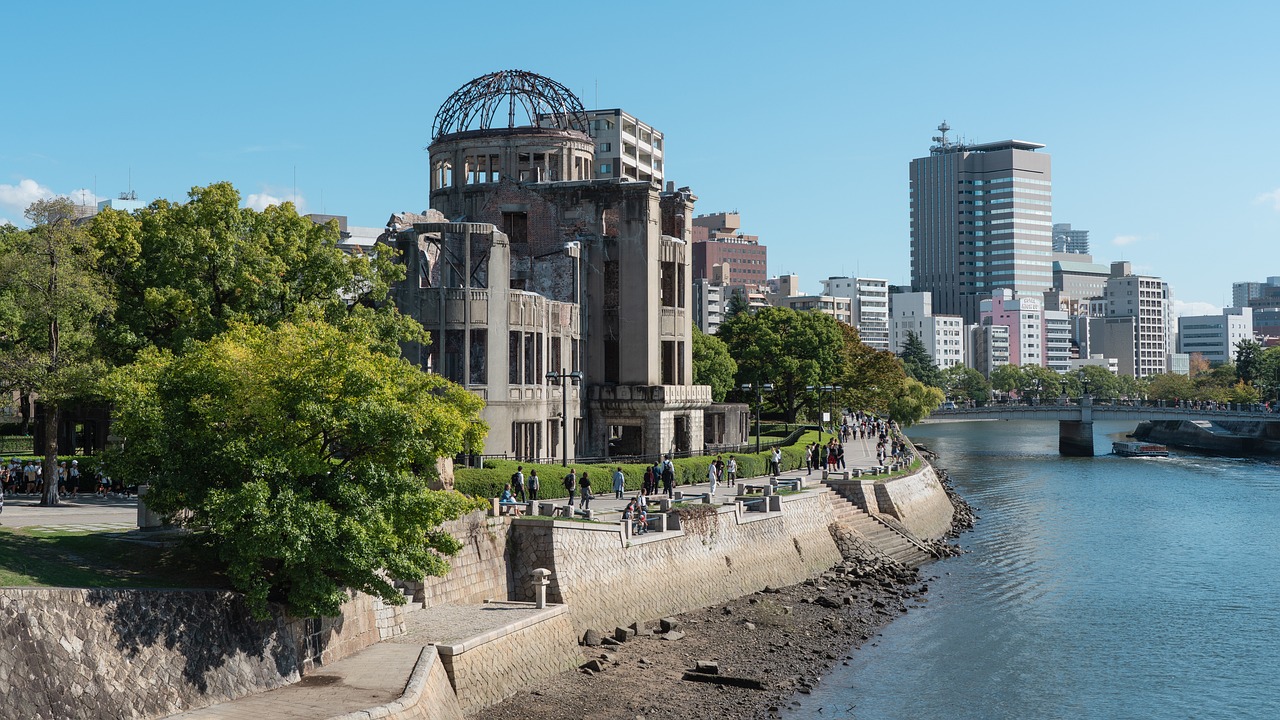
Hiroshima, Miyajima and Nara itinerary: depth, reflection, and UNESCO World Heritage sites
This Hiroshima, Miyajima, and Nara chapter is about depth—how certain stops change the texture of your journey. Hiroshima is not a “side stop”; it’s a city whose storytelling invites reflection, and it often becomes one of the most quietly important Japan destinations for travellers who want more than highlights.
With a premium pace, you can hold space for emotion, avoid the busiest periods, and still feel supported. It’s the difference between rushing through history and letting it land, gently and honestly.
Hiroshima Peace Memorial Park & Museum: how to visit with respect
Begin with the Peace Memorial Park, then continue to the Peace Memorial Museum. The experience is confronting, and it should be. When you encounter the story of the atomic bomb, it’s natural to feel a mix of sadness, disbelief, and quiet anger. Hiroshima Peace history matters because it speaks to the human cost of conflict with clarity and restraint.
Nearby, the Atomic Bomb Dome stands as a stark marker in the cityscape. Many travellers find it helpful to visit with a private guide—not to intellectualise grief, but to provide context, answer questions, and ensure the day is paced with care. If you can, start early for a calmer atmosphere, and plan a gentle lunch afterwards somewhere quiet.
Miyajima and Nara: easy day trip destinations with crafted pauses
From Hiroshima, it’s an easy day trip to Miyajima. Ferries run frequently, and timing your crossing for softer light can make the island feel especially photogenic. Itsukushima Shrine is the headline, set in a landscape recognised as UNESCO World Heritage and widely described as a UNESCO World Heritage site. The best moments are unforced: the sound of water under the shrine structures, the way mist changes the horizon, and the small rituals of visitors who arrive quietly.
Nara is the classic day trip from Kyoto for good reason. To visit Nara well, start early, walk through the deer park with patience, and then head to Tōdai-ji for scale and stillness. Nara was Japan’s first permanent capital, and you can feel the historic weight without needing to over-schedule. For an easy day trip from Kyoto, this is a simple win—whether it’s a short trip from Kyoto by local line or part of a wider Kansai loop after you visit Kyoto.
For “travel around” travellers who want one more refined detour, consider Kanazawa: tokyo to kanazawa by bullet train is smooth, and the city offers design, gardens, and galleries without the intensity of the biggest hubs. If you can, visit Kanazawa for a night or two—it’s genuinely worth a visit when you want elegance without crowds. Or, place an onsen stay between Tokyo and Kansai to reset—warm water, quiet rooms, and the kind of rest that makes the rest of your Japan trip feel lighter.
After Japan: What Stayed With You (A Luxury Journey Reflection)
This closing reflection is not about what you managed to see; it’s about what you quietly carry home. Japan has a way of changing your sense of luxury—less about excess, more about attention. The care in small rituals stays with you: bowing greetings, the hush of public transport, shoes left neatly at the door, and the gentle reassurance of service that anticipates what you might need.
Later, you may find yourself remembering a particular kind of light: lantern glow along an evening lane in Kyoto, or the way Tokyo looks from above when the city becomes a constellation. You remember how confidence feels when a plan is seamless—when transfers are smooth, the right table is waiting, and there’s time to be present rather than prepared.
And perhaps most of all, you remember the warmth of local exchanges: a vendor offering a tip with a smile in Osaka, a guide giving you space to reflect in Hiroshima, a quiet nod from a passer-by as you step aside. These moments don’t announce themselves as highlights, yet they are the ones that return when life becomes busy again.
Japan doesn’t always call you back loudly. It simply leaves a small, steady curiosity—like a shrine path disappearing into trees—inviting you to wonder what you might uncover next time, at your own pace.
F.A.Qs: Japan cities to visit
Which Japan cities must you visit?
If you visit Japan for the first time, Tokyo, Kyoto, and Osaka are the core Japanese cities: Tokyo for modern life and shopping, Kyoto for temples and tradition, and Osaka for food and nightlife. If you have extra time, add Hiroshima for history and reflection, plus a Miyajima or Nara day trip for a softer, nature-and-culture balance.
Is $5000 enough for 2 weeks in Japan?
$5000 can work for 2 weeks depending on flight costs, travel style, and season, but high-end travellers should expect luxury accommodation and fine dining to push the budget higher. If you prioritise a few standout hotels, book some meals thoughtfully, and use rail efficiently (sometimes with a Japan Rail Pass), you can create a comfortable trip—just plan carefully and keep a buffer for experiences.
What are the top 5 best cities in Japan?
A refined top five for many travellers is Tokyo, Kyoto, Osaka, Hiroshima, and Kanazawa. This mix balances design, food, temples, and cultural depth. Depending on your interests, you might swap in an onsen town for rest, but these five give a strong sense of Japan’s range without needing to rush.
What is the prettiest city in Japan?
“Prettiest” is personal, but Kyoto is often the most visually timeless thanks to its gardens, traditional streets, and seasonal colour. In spring, cherry blossom scenes can feel dreamlike; in autumn, temple grounds glow with deep reds and golds. If you prefer a quieter beauty, Kanazawa’s gardens and galleries can feel equally enchanting with fewer crowds.