Post Contents
- Japan Travel and Japanese Travel Explained for High End Journeys Japan travel guide for luxury travellers planning a trip to Japan
- Planning a Trip to Japan Arrivals Rail Pass and Seamless Logistics planning a trip to Japan arrivals Haneda Narita Kansai rail pass
- Tokyo Travel Guide Time in Tokyo Ginza Meiji Shrine and Roppongi Nights Tokyo travel guide Ginza Meiji Shrine Roppongi Michelin dining
- Kyoto Travel Guide Temples Zen Gardens and Gion at Dawn Kyoto travel guide temples zen gardens Gion Nishiki Market
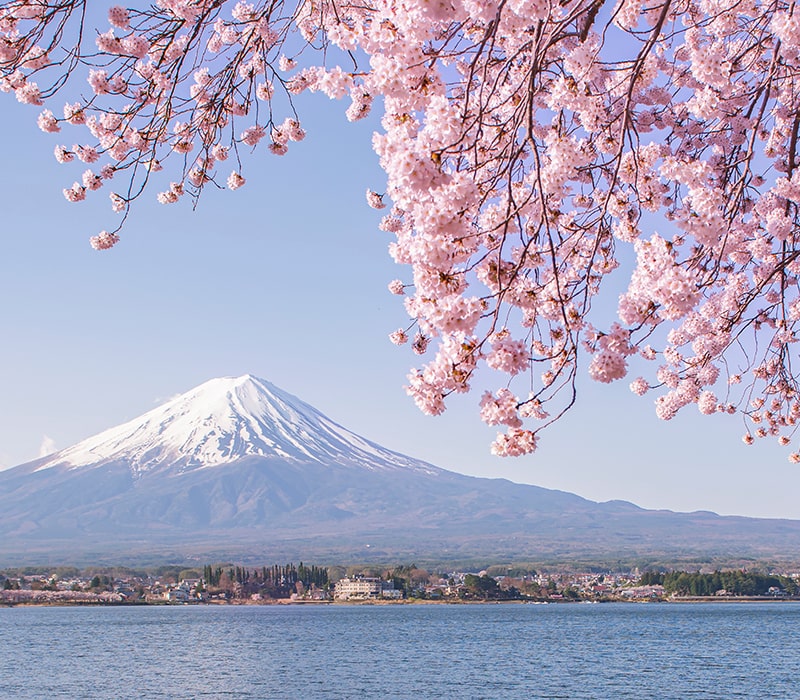
- Hakone Ryokan Onsen and Mt Fuji Views Your Private Reset Hakone luxury ryokan private onsen Mt Fuji hot spring
- Travel Japan by Shinkansen Through Honshu and the Japanese Alps travel Japan shinkansen Japanese Alps Nagano Osaka Hiroshima
- Japan Travel Tips Boutique Stays VIP Moments and Family Friendly Splendour japan travel tips luxury hotels ryokan VIP experiences Tokyo Disneyland
- After Japan What Stayed With Us Japan travel reflection personal insight after the trip
- F.A.Qs: Japan budget and timing
Japan Travel and Japanese Travel Explained for High End Journeys Japan travel guide for luxury travellers planning a trip to Japan
Japan Travel and Japanese Travel Explained for High End Journeys for luxury travellers planning a trip to Japan
When you’re looking for a Japan travel guide for luxury travellers planning a trip to Japan, it helps to know what “luxury” means here. In Japanese travel, the most memorable moments are often quiet: a perfectly timed welcome, a train that arrives to the minute, and service that feels intuitive rather than showy. With the right design, Japan becomes both curated and surprisingly intimate—an experience built on trust, precision and genuine care.
High-end Japan trips also reward travellers who value rhythm. You can immerse yourself in Tokyo’s sleek modernity, then step into traditional Japan in Kyoto where lantern-lit lanes and temple gardens slow the pulse. The beauty is in creating your own balance, rather than chasing someone else’s checklist of places to visit.
Trip to Japan style spectrum from Tokyo to Kyoto and beyond
Imagine your trip to Japan as a spectrum. At one end: Tokyo, where gallery-like boutiques, manga culture and futuristic architecture sit comfortably beside centuries-old rituals. At the other: Kyoto, where craftsmanship is a daily practice and stillness feels like a form of art. Most travellers feel happiest somewhere in the middle—enough energy to feel alive, enough quiet to feel restored.
This is where thoughtful planning becomes an act of creativity. We encourage you to explore the icons, but to leave room for slow breakfasts, early mornings and gentle evenings—those “in-between” moments where Japan quietly reveals itself.
Popular places and quiet moments beyond the guide book
A guide book can be a wonderful starting point. Many of us first fell in love with Japan through a guidebook spread: a temple gate, a bowl of ramen, a Shinkansen streaking past Mt Fuji. Even Lonely Planet Japan can be inspiring for neighbourhood context and transport basics, especially for Japan for the first time.
Where guidebook research falls short is in the softly exclusive layer: private openings, small studios, and local guides who know exactly when to arrive so a “popular places” moment still feels private. If you’d like inspiration first and then something more personal, start with your Japan guidebook, then let a concierge team help you uncover the experiences that feel truly yours. If you’d like to see how designer-led itineraries can be shaped, you can browse our Trip gallery for a sense of what’s possible.


Planning a Trip to Japan Arrivals Rail Pass and Seamless Logistics planning a trip to Japan arrivals Haneda Narita Kansai rail pass
Planning a Trip to Japan Arrivals Rail Pass and Seamless Logistics from Haneda Narita or Kansai
For travellers focused on planning a trip to Japan arrivals Haneda Narita Kansai rail pass decisions can shape the entire mood of the first day. The goal is seamless landing: minimal queues, simple transfers, and a gentle arrival that supports your confidence. Japan’s infrastructure is excellent, but pre-booking the right pieces turns “efficient” into “effortless”.
If you’re arriving into Tokyo Haneda, you’ll often be in the city quickly—ideal for a shorter itinerary or a first night in Ginza. Narita works well for certain long-haul routes and premium airport hotels. Kansai (Osaka) is a strong choice if your journey begins in Kyoto and Osaka, or if you’d like to start in the west and travel Japan eastwards.
Planning a trip to Japan arrivals at Haneda Narita and Kansai
For the smoothest start, consider pre-arranging fast-track arrival services where available, plus a private transfer if you’re landing after a long flight. It’s a small investment that creates calm immediately, especially if you’re travelling with family or arriving late.
- Haneda airport: quickest access to central Tokyo for high-end hotel check-ins and an easy first evening.
- Narita: excellent premium lounges and reliable rail links; worth it if your flight routing is best.
- Kansai: ideal for starting in Kyoto or Osaka and avoiding an immediate cross-country transfer.
Once you’ve landed, an IC card is your best friend for the Tokyo subway and short hops; it keeps movement fluid and reduces decision fatigue. Even with vending machines everywhere, cash still matters—particularly for small temples, classic coffee shops, and some traditional properties.
Rail pass and train station comfort for Japan trips
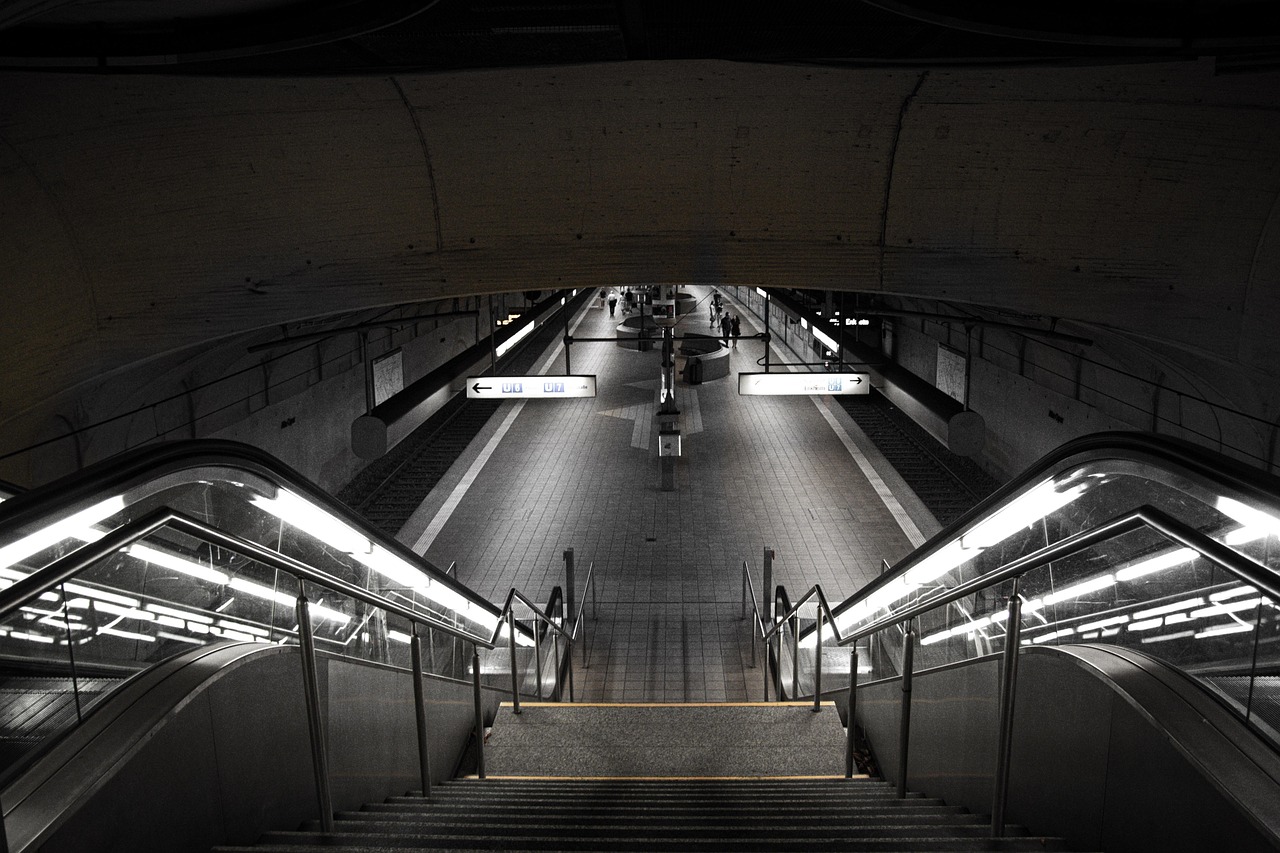
A rail pass can be excellent value on multi-city Japan trips, particularly when you’re using the Shinkansen for longer legs such as Tokyo to Kyoto. The maths changes depending on your route and pass type, so check pricing before you plan the trip; a boutique advisor or Japan-guide.com can help confirm what makes sense for your dates.
At the train station, high-end comfort is often about logistics, not extravagance. Luggage forwarding removes the stress of large suitcases, and a Green Car booking gives you space to breathe. When you take the train, keep the experience calm by following platform etiquette: queue neatly, keep voices low, and treat the carriage like a shared sanctuary.
One reassuring cultural note: tipping is uncommon. In Japan, gratitude is shown through manners, a warm thank-you, and respectful timing—small gestures that are understood and appreciated.
Tokyo Travel Guide Time in Tokyo Ginza Meiji Shrine and Roppongi Nights Tokyo travel guide Ginza Meiji Shrine Roppongi Michelin dining
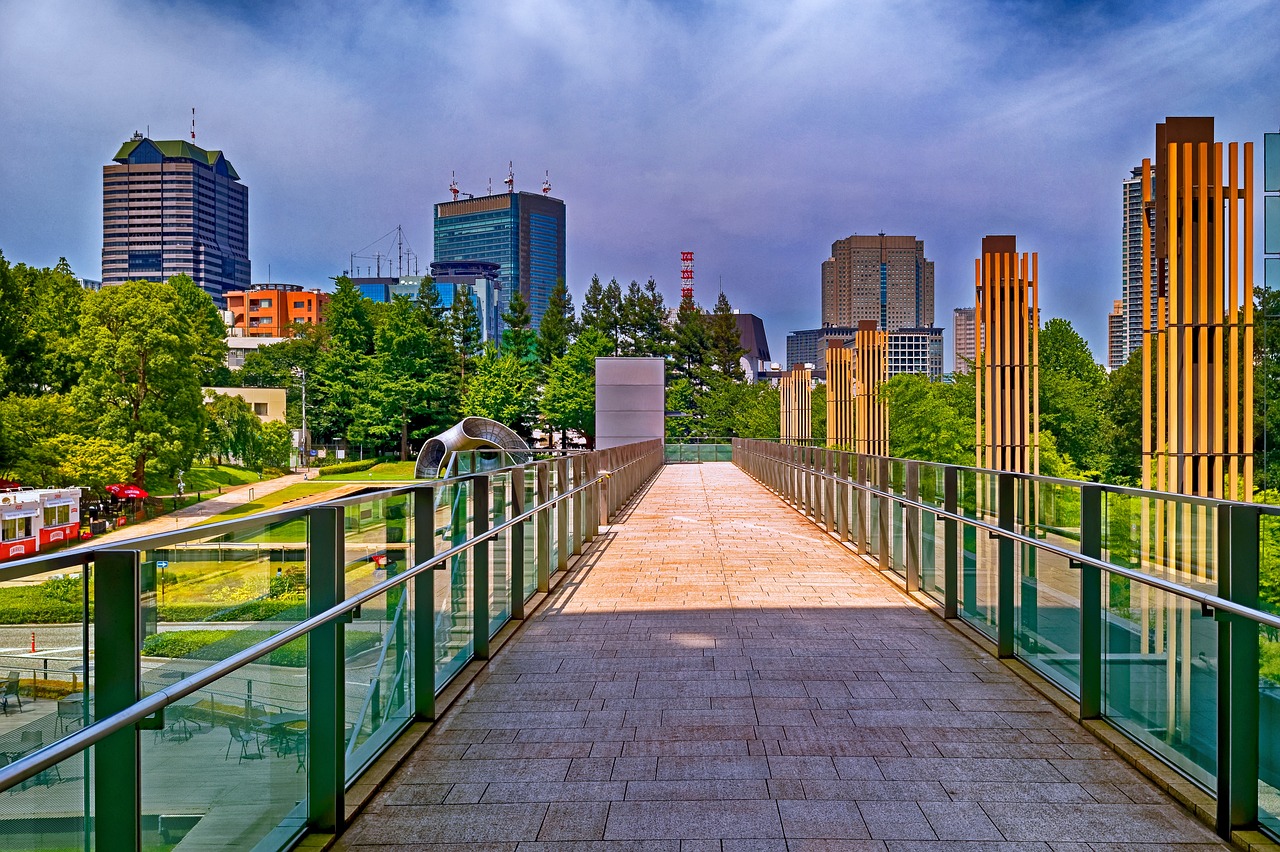
Tokyo Travel Guide Time in Tokyo with Ginza Meiji Shrine and Roppongi nights
For a Tokyo travel guide Ginza Meiji Shrine Roppongi Michelin dining itinerary, think in arcs rather than lists. Tokyo is at its best when you move through contrasting moods: a serene morning, a polished afternoon, and an art-led evening that feels crafted rather than crowded. This is the city where technology and tradition don’t compete—they quietly collaborate.
Time in Tokyo arc from Meiji Shrine to Ginza and Roppongi
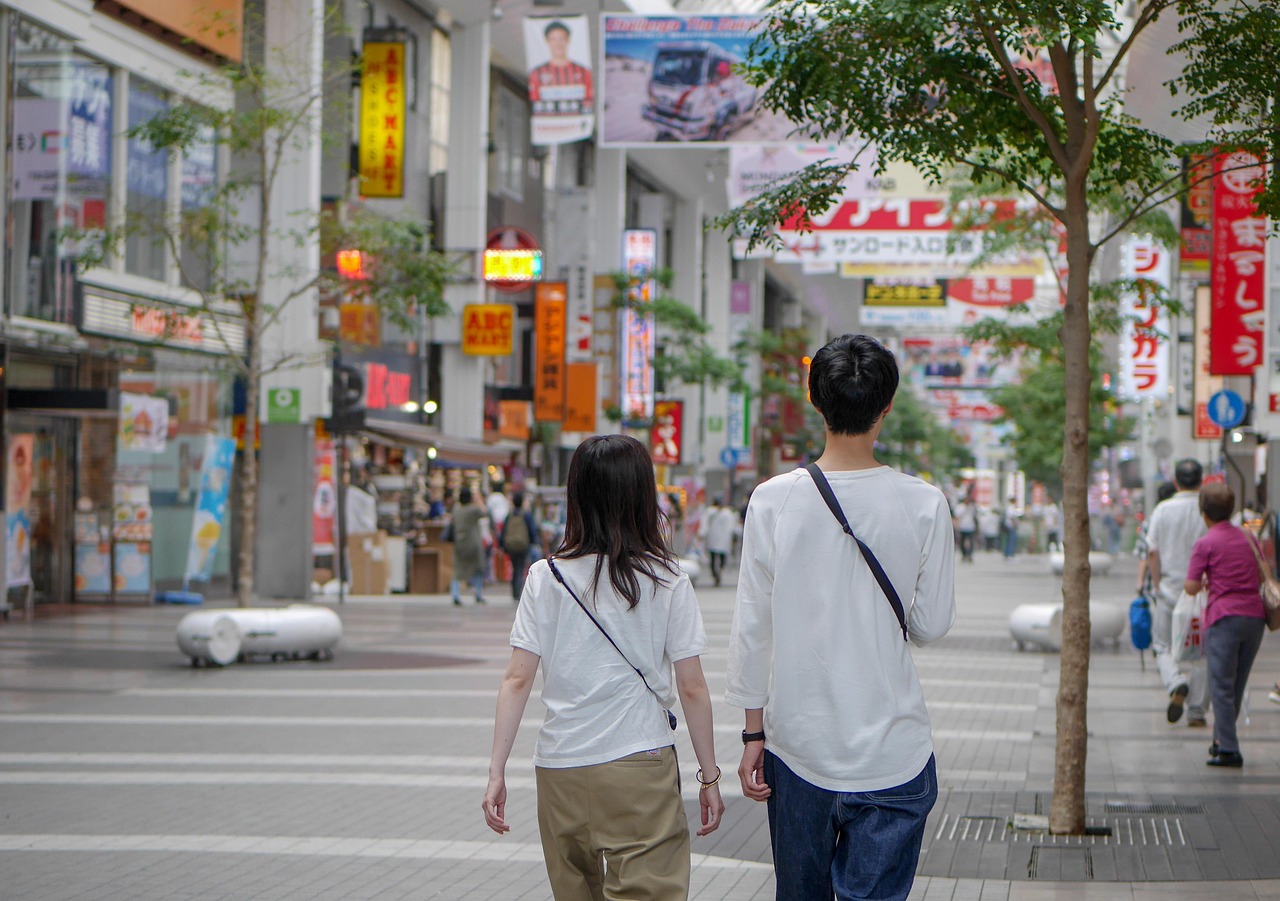
Begin with the hush of Meiji Shrine, where towering trees soften the city’s edges. It’s a gentle reset that makes the rest of Tokyo feel more vivid. From there, glide into Ginza for design-forward shopping and immaculate service—department store food halls are an experience in themselves, with bento boxes so beautiful they feel like gifts.
As evening arrives, Roppongi offers galleries, contemporary architecture, and a dining scene that rewards planning. Tokyo at night can be electric, but it can also be intimate—especially when your reservations are handled by a concierge who understands your pace.
Japan trips highlight with a private sushi-making class
A private sushi-making class with a master chef is one of the most joyful ways to discover Tokyo’s culinary heart. The best experiences are small, instructional and quietly playful: you learn knife care, rice seasoning, and the difference between supermarket fish and truly pristine ingredients. For high-end travellers, it’s the access and the personal guidance that make it worth it.
Look for classes that happen in a chef’s studio or a reserved counter, and ask whether the experience includes market sourcing or seasonal insight. It’s a beautiful way to create a memory that’s both local and deeply personal.
One couple we designed for still talks about their romantic night at a Michelin-starred restaurant in Tokyo’s Roppongi district. What stayed with them wasn’t just the flavours—it was the choreography: the perfectly paced courses, the staff who noticed a shared glance and quietly adjusted the timing, and a sense of being supported without ever being hovered over. With the right concierge support, booking those tables becomes seamless.
If you have extra space, add around Tokyo day trips such as Nikko for heritage and nature. Nikko is easiest when planned as a calm, early start—so your Tokyo days stay spacious rather than rushed.
Local etiquette in Tokyo is simple and reassuring: speak softly on public transport, follow queue culture, and mind small don’ts like taking calls on trains. The city meets you halfway when you move with the same quiet consideration.
Kyoto Travel Guide Temples Zen Gardens and Gion at Dawn Kyoto travel guide temples zen gardens Gion Nishiki Market
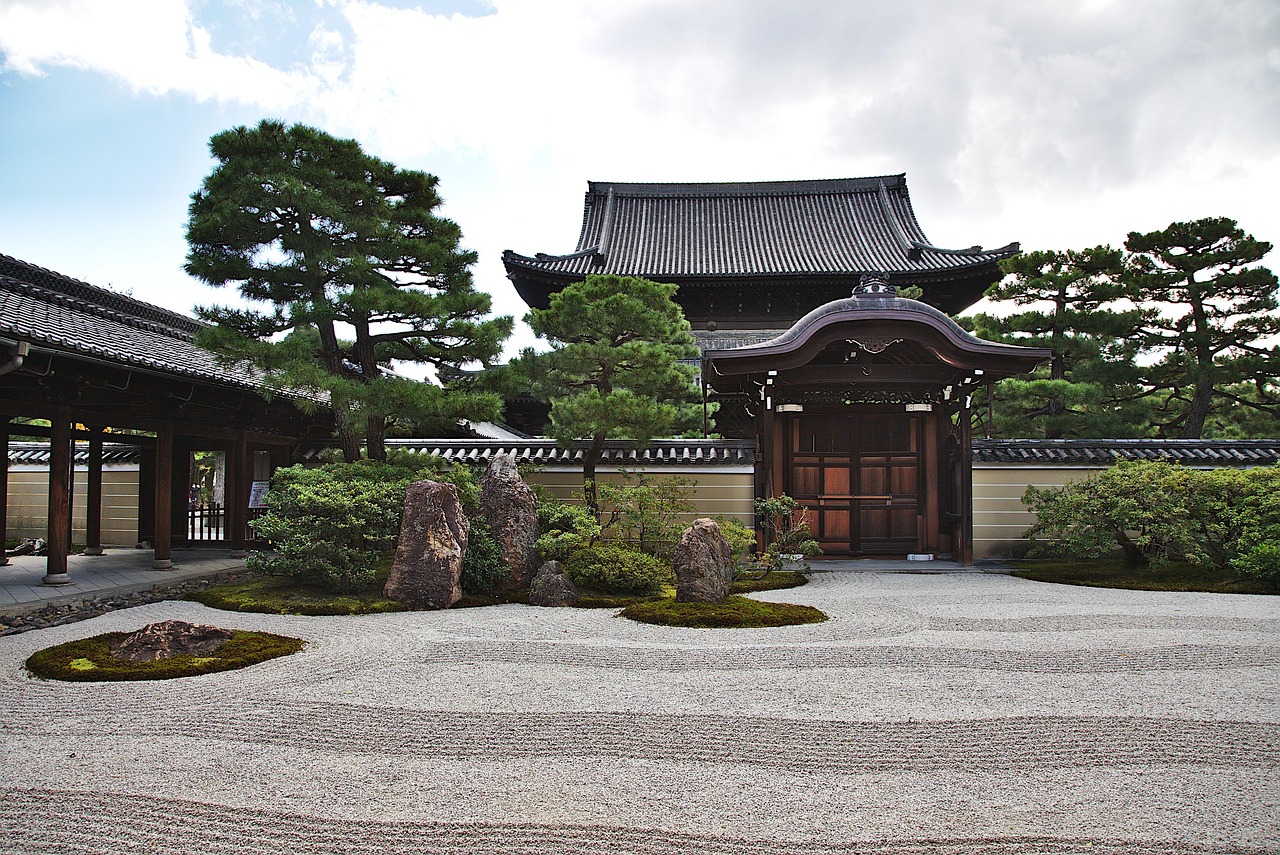
Kyoto Travel Guide Temples Zen Gardens and Gion at Dawn with Nishiki Market
If you’re searching for a Kyoto travel guide temples zen gardens Gion Nishiki Market insight, begin with the truth most travellers feel on arrival: Kyoto is the emotional heart of a trip. The city carries traditional Japan with grace—temples, tea houses, quiet lanes, and a rhythm that invites you to slow down without feeling like you’re missing out.
Trip to Japan stillness in Kyoto temple gardens at dawn
One traveller shared a transformative moment meditating in a quiet Kyoto temple garden at dawn. There were no dramatic revelations—just a deep sense of connection to Japan’s spiritual heritage, as if the garden’s careful raking and mossy stones were speaking a language beyond words. If you’d like space for a moment like that, we recommend early mornings and fewer fixed plans.
Choose one or two key temples and give them time. Let your footsteps be unhurried. Kyoto isn’t a city to “do”; it’s a place to listen to.
Popular places explored with intention through walking tours
Kyoto’s popular places can still feel intimate when approached with intention. A respectful guide on walking tours can add depth—craft stories, seasonal symbolism, and the etiquette that helps you move through sacred spaces with trust and ease. Gion, visited early, offers atmosphere without spectacle: lantern light, artisan shops, and glimpses of a living cultural district.
For taste and texture, Nishiki Market is a curated feast. The key is to snack thoughtfully—pick a few stalls, avoid the busiest centre at peak midday, and lean on local recommendations for places to eat that prioritise quality over gimmicks.
- Best approach: arrive earlier, sample a few standout bites, then sit down for a proper lunch nearby.
- What to try: seasonal pickles, grilled skewers, delicate sweets, and well-made bento boxes for later.
- What to avoid: overpriced “Instagram” snacks with long queues and little flavour.
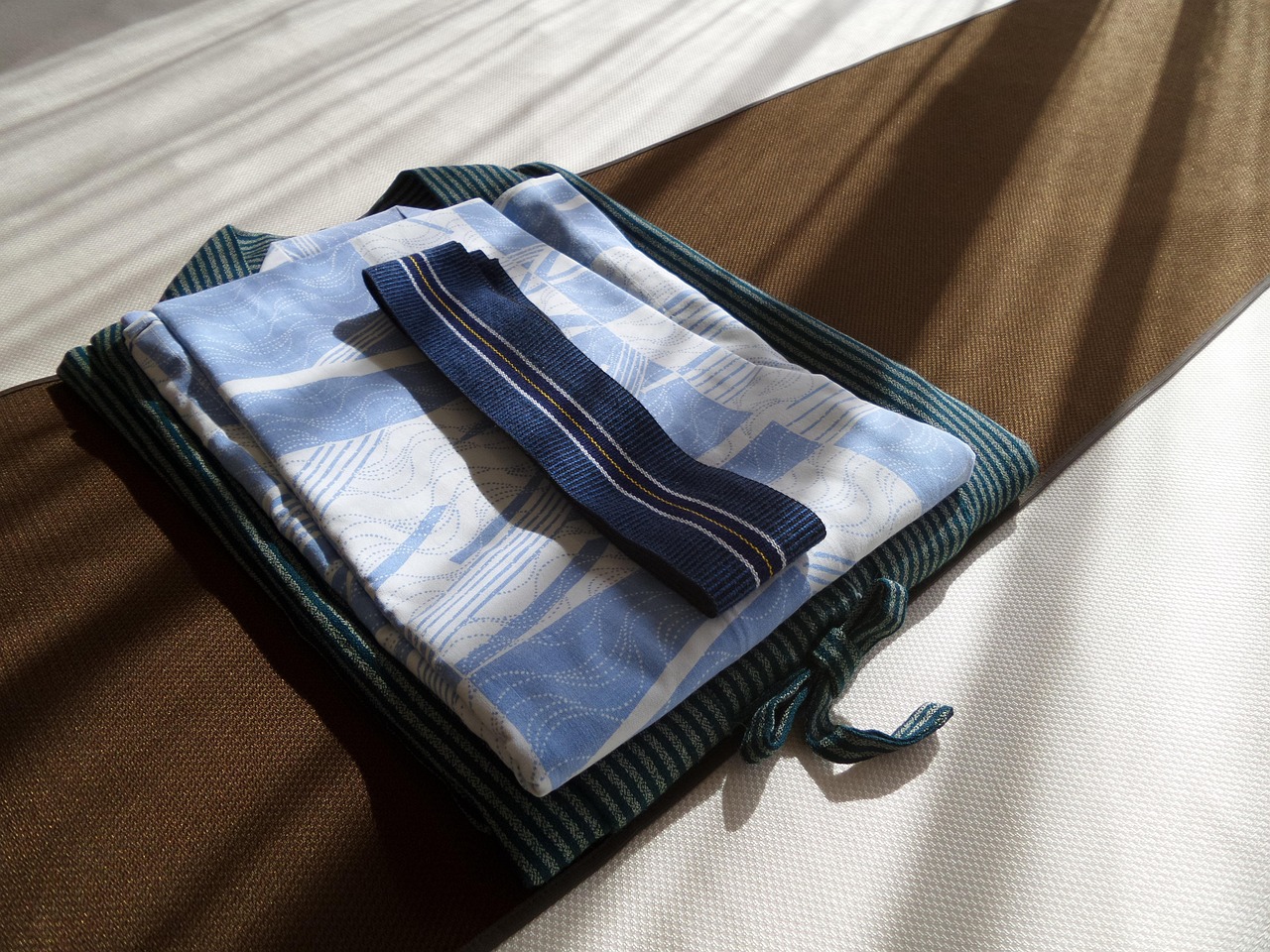
Where to stay matters in Kyoto. Boutique hotels offer design-led calm, while ryokan-style rooms give you a sense of place with futon, tatami mat floors and the comfort of traditional tatami details—without sacrificing modern bathrooms or discreet service. In peak seasons, booking early isn’t just practical; it’s what makes the entire itinerary feel unforced.
Hakone Ryokan Onsen and Mt Fuji Views Your Private Reset Hakone luxury ryokan private onsen Mt Fuji hot spring
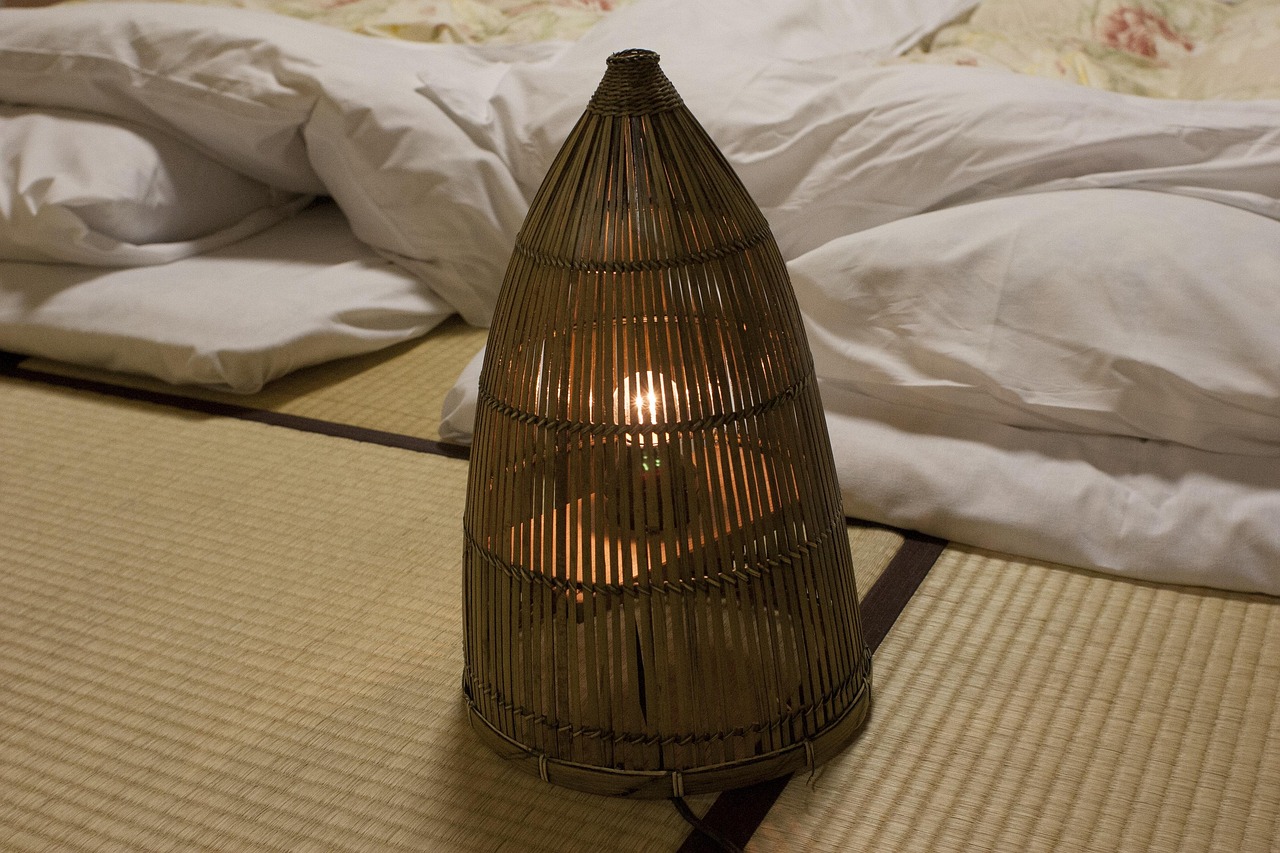
Hakone Ryokan Onsen and Mt Fuji Views Your Private Reset in a luxury ryokan
For many high-end travellers, the phrase Hakone luxury ryokan private onsen Mt Fuji hot spring captures the dream: an unforgettable stay in a serene retreat where the world goes quiet. Hakone is close enough to Tokyo to feel easy, yet far enough to feel like a true reset. The best ryokan here offer privacy, thoughtful design, and a sense that time has been softened at the edges.
Planning a trip to Japan with a private onsen and Mt Fuji views
When choosing a luxury ryokan, details matter. Ask about room orientation for Mt Fuji views, whether your bath is genuinely private, and how kaiseki dining is served (in-room can feel especially personal). In the right property, the onsen becomes a ritual of reassurance—warmth, silence, then an unhurried meal that tastes like the season.
A solo traveller once described their Hakone stay as “relearning how to breathe”. They arrived from Tokyo a little overstimulated, and left with a calmer kind of confidence—thanks to personalised hospitality, quiet corridors, and the healing comfort of mineral water. It’s the sort of stop that restores you for the rest of Honshu.
Visit an onsen with confidence and simple etiquette
If you’re nervous to visit an onsen for the first time, you’re not alone. The rules are straightforward, and good staff will support you with gentle guidance. If your ryokan has a private bath, it’s a wonderful way to ease in.
- What to pack: minimal toiletries, a small bag for your room key, and an open mind.
- Before bathing: wash thoroughly at the shower station; the hot spring is for soaking, not cleaning.
- Comfort tip: go at quieter times, and ask staff about any tattoo policies in advance.
For one crafted calm add-on, consider a sake tasting guided by someone who can translate flavour into story, or a private guide to uncover local craft traditions—woodwork, ceramics, or textiles—so the experience feels both restorative and culturally rich.
In more traditional properties, cash and card realities can be surprising. Carry some yen, and let a concierge team handle confirmations so everything stays seamless, from dietary notes to departure timing.
Travel Japan by Shinkansen Through Honshu and the Japanese Alps travel Japan shinkansen Japanese Alps Nagano Osaka Hiroshima
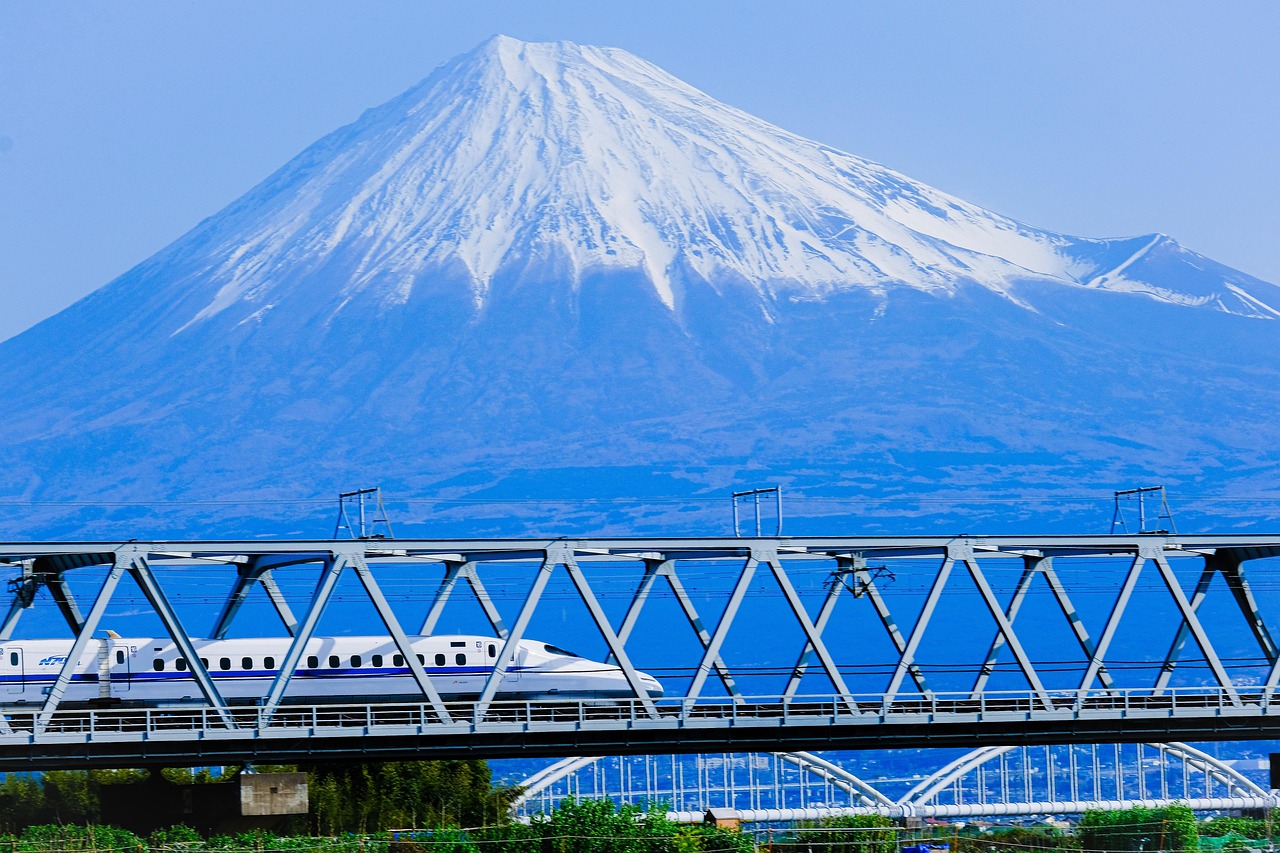
Travel Japan by Shinkansen Through Honshu and the Japanese Alps with Nagano Osaka and Hiroshima
To travel Japan shinkansen Japanese Alps Nagano Osaka Hiroshima style is to let the journey become part of the pleasure. The Shinkansen isn’t just transport; it’s a signature experience—quiet, precise, and unexpectedly calming. Watching the landscape shift from city to countryside to alpine air feels like cruising through scenery with the ease of a well-designed film cut.
Japan trips map from Tokyo and Kyoto across Honshu
Most itineraries work beautifully with Tokyo and Kyoto as anchors, then a few well-chosen additions. Osaka brings playful food culture and late-night energy, while Hiroshima offers moving history that lingers in the heart. For a breath of mountain clarity, Nagano delivers clean air and a slower tempo that feels far from Tokyo without adding stress.
When you’re plotting Tokyo to Kyoto, choose timings that protect your energy. Mid-morning departures can be ideal, and reserving seats reduces the mental load, especially in peak periods.
Tips for planning Shinkansen comfort and avoiding hot and humid days
In summer, Japan can be hot and humid, so it’s worth designing your long travel legs for cooler parts of the day. Book seats on the Fuji side when possible, keep a light layer for air-conditioned carriages, and travel with a small day bag so transitions stay smooth even if your main luggage is forwarded.
If you want parts of Japan that feel less expected, you can extend beyond the classics: Hokkaido for crisp northern skies and time in Sapporo, winter glamour in Niseko, island calm in Okinawa, or spiritual routes in Shikoku where the landscape encourages reflection. The key is breathing space—fewer check-ins, more meaning—so the trip of a lifetime feels spacious, not busy.
Japan Travel Tips Boutique Stays VIP Moments and Family Friendly Splendour japan travel tips luxury hotels ryokan VIP experiences Tokyo Disneyland
Japan Travel Tips Boutique Stays VIP Moments and Family Friendly Splendour in Tokyo and Kyoto
If you’re collecting japan travel tips luxury hotels ryokan VIP experiences Tokyo Disneyland ideas, start with seasonality and booking strategy. Spring (March to May) brings cherry blossoms and a luminous social energy; autumn (September to November) delivers autumn leaves and a slightly calmer, more golden mood. Both seasons can be premium-priced, but they’re also when Japan feels most cinematic—and when thoughtful design pays off.
Planning a trip to Japan with boutique hotels and early design
For luxury travellers, the most valuable tip is simple: design early. Boutique hotels in Tokyo and Kyoto often have limited rooms, and the most sought-after ryokan can be tiny by nature. Booking well in advance gives you better choice, better views, and a calmer decision process.
- Tokyo: choose a neighbourhood that matches your style—Ginza for polish, Roppongi for art-led nights, or quieter pockets with easy subway access.
- Kyoto: prioritise tranquillity and walkability so early mornings are effortless.
- Space: use Airbnb only when it genuinely improves privacy and family space, and when service support is still in place.
Exclusive experiences are best handled with trust. Concierge support can secure private tours, matsuri access, cultural performances, and specialist guides who translate context—turning a “nice day out” into genuine insight. If you’re learning Japanese, even a few phrases go a long way; the warmth you receive back is often immediate.
Popular places with VIP access for families together
Luxury in Japan can also be wonderfully family-friendly. One family shared their excitement exploring Tokyo Disneyland with VIP passes—less time queuing, more time together. They loved how high-tech attractions were woven with Japanese cultural elements, from immaculate hospitality to thoughtful details in food and design. For parents, it’s reassurance in motion: a day that feels joyous, well-run, and surprisingly restful.
For practical confidence builders, keep Japan-guide.com bookmarked for transport checks and platform updates. It’s a small tool that makes a big difference when you’re coordinating timings across Tokyo, Kyoto and beyond.
After Japan What Stayed With Us Japan travel reflection personal insight after the trip
For a Japan travel reflection personal insight after the trip, what lingers isn’t a list of landmarks. It’s the feeling of being cared for with quiet precision: a hotel staff member who remembers how you take your tea, a shopkeeper who wraps a small purchase as if it were precious, a conductor’s bow as the doors close. Long after you’ve unpacked, those gestures return with surprising clarity.
Tokyo stays in the mind as electric modernity with a soft centre—the city’s bright surfaces balanced by the calm of shrines and the kindness of strangers who help without fuss. Kyoto remains a spiritual hush, like a held breath: the sound of your own steps in an early lane, the subtle scent of incense, the patience of craft that refuses to rush. And somewhere in between, the onsen’s restorative stillness becomes a reference point you can return to in memory, like warm water smoothing out the noise of the world.
We remember the contrasts without needing to explain them. We remember how harmony is not an idea but a practice—soft voices on trains, small bows, careful hands arranging food, and design choices that make everyday life feel graceful. Even the simplest moments—a vending machine drink on a quiet platform, a perfectly folded towel, a door opened with gentle timing—carry the same message: you are welcome here.
If you’re thinking about going to Japan again one day, let it be with curiosity rather than urgency. The country has a way of becoming a continuing relationship with place—one that deepens each time you return, quietly, when the moment feels right.
F.A.Qs: Japan budget and timing
Is $2000 enough for 1 week in Japan?
$2000 can work for a week in Japan with careful choices, but it’s tight in Tokyo and Kyoto once you add intercity trains, attractions, and well-located stays. For high-end travellers, it usually won’t cover luxury hotels, private guides, or premium dining. If you’re aiming for comfort, treat $2000 as a baseline for essentials and consider increasing the budget or reducing cities to keep the itinerary relaxed.
Is $5000 enough for a week in Japan?
$5000 is a more comfortable starting point for a week in Japan, especially if you plan your route efficiently and mix premium experiences with simpler meals. It can cover strong four- to five-star hotels in Tokyo, a well-chosen Kyoto stay, and a few special moments such as a private class or excellent dining. For a luxury ryokan with private onsen, you may need to allocate a larger share of the budget to that night.
Is $10,000 enough for a week in Japan?
$10,000 is typically enough for a week in Japan at a high-end level, including luxury hotels, a memorable ryokan stay, private transfers, and curated experiences in Tokyo and Kyoto. It also allows for flexibility—better room categories, concierge-supported reservations, and a pace that feels unhurried. Costs still vary by season, so spring and autumn dates may require earlier booking to secure the best-value luxury options.
How many days in Japan is enough?
For Japan for the first time, 10 to 14 days often feels “enough” to experience Tokyo and Kyoto at a comfortable pace and add one restorative stop such as Hakone or a cultural extension to Osaka or Nara. If you only have 7 days, it can still be beautiful—just keep the itinerary focused and avoid too many check-ins. The best length is the one that leaves breathing space, not exhaustion.