
Post Contents
- War Remnants Museum overview for first-time visitors in Ho Chi Minh City
- How to visit the War Remnants Museum Saigon transport tickets timing
- Inside the museum exhibits War Remnants Museum Ho Chi Minh City floors
- War Remnants Museum photojournalism Agent Orange exhibition Ho Chi Minh City
- War Remnants Museum outdoor display tank helicopter aircraft Ho Chi Minh City
- War Remnants Museum Ho Chi Minh City reflection traveller perspective
- F.A.Qs: War Remnants Museum Ho Chi Minh City
War Remnants Museum overview for first-time visitors in Ho Chi Minh City
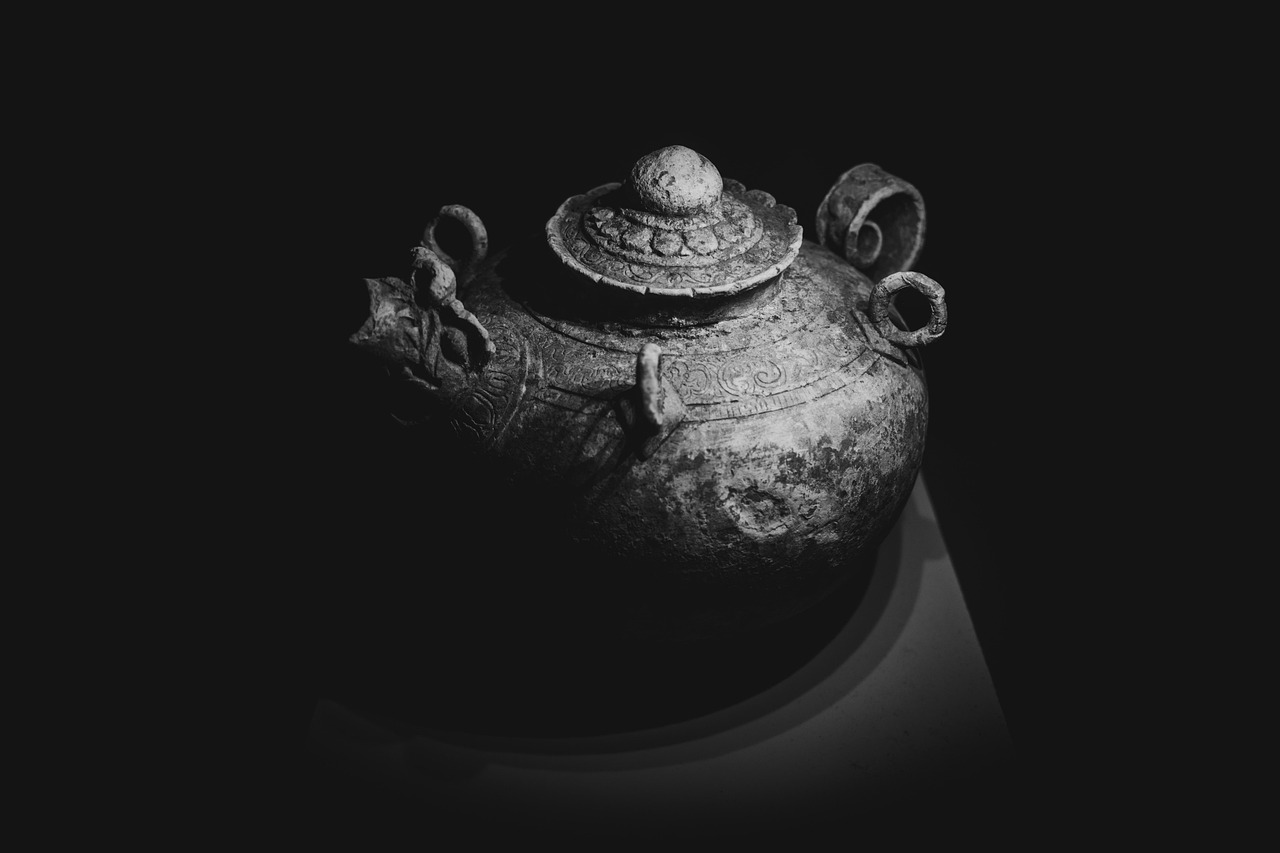
War Remnants Museum overview for first-time visitors in Ho Chi Minh City with a quiet courtyard approach
Think of this as a War Remnants Museum overview for first-time visitors in Ho Chi Minh City: a museum visit that asks for presence, not speed. Many travellers say it’s worth visiting because the exhibits are unflinching, carefully curated, and grounded in lived experience rather than myth. You don’t come for entertainment; you come to uncover context—and to leave with a deeper understanding of what conflict does to families, streets, and a country’s memory.
For adventure seekers, this is a different kind of tour—less adrenaline, more moral courage. The museum invites you to confront hard truths about the Vietnam War and its aftermath, while still offering human-scale moments of resilience. It’s a powerful reminder that the most transformative journeys aren’t always scenic; sometimes they’re quiet, interior, and profoundly personal.
What it feels like to be a War Remnants Museum visitor
Inside the museum, the atmosphere tends to be solemn, with long pauses between rooms as visitors read, look, and recalibrate. You may notice your pace changing: quick footsteps outside, slower movements inside, as if your body instinctively offers respect. If you’re travelling together, you’ll likely speak less—and listen more.
To create space for reflection, give yourself permission to step aside, sit, and breathe. You don’t need to “get through” every exhibit to honour the experience. In fact, some of the most meaningful insight arrives when you stop trying to consume it like an attraction, and simply allow it to meet you where you are.
Language, context, and trust in the museum’s framing
Most displays are interpretive, and some panels reflect particular viewpoints shaped by wartime history and national memory. If English isn’t your first language—or if phrasing feels unfamiliar—approach with curiosity and local respect rather than judgement. A little trust goes a long way: trust in your capacity to hold complexity, and care for the Vietnamese people whose stories are being preserved.
As you explore, remember that this museum is not asking you to pick a side; it’s asking you to witness. That stance—warm, open, and thoughtful—keeps your experience grounded and genuinely humane.


How to visit the War Remnants Museum Saigon transport tickets timing
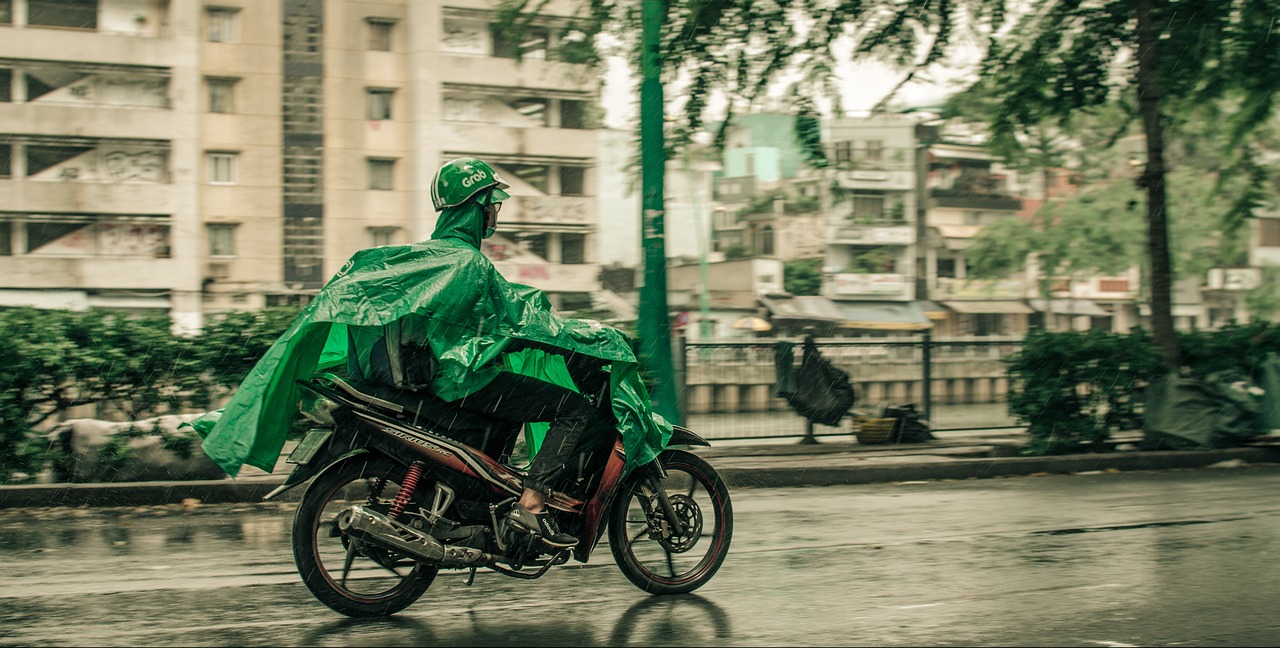
How to visit the War Remnants Museum Saigon with transport, tickets, and timing in mind
If you’re wondering how to visit the War Remnants Museum Saigon transport tickets timing, the basics are pleasantly straightforward—especially for first-time visitors who want a seamless plan. The museum is located in District 3 on Vo Van Tan Street, easily reached from the city centre and minutes away from well-known District 1 corners. It’s a short hop from several landmark stops, which makes it easy to balance an emotionally heavy experience with gentler architecture and café time afterwards.
To visit the War Remnants Museum with comfort, aim for early morning or late afternoon. Midday heat can be intense, and crowds can blur the stillness the museum deserves. Many travellers spend around 1.5 hours, though it’s wise to leave flexibility—some rooms may haunt you, and that’s not something to rush.
Tickets, queues, and calm arrival as a museum visitor
The entrance fee is modest, often around 40,000 VND, though it’s sensible to check current pricing near your travel date. Queues are usually manageable; arriving early gives you more quiet space in the galleries and less pressure to move quickly. Once inside, you’ll find a clear flow and helpful signage, even if you choose to design your own route rather than follow a strict tour pattern.
Getting there is simple: public buses are budget-friendly, while ride-hailing apps like Grab are convenient and air-conditioned—especially reassuring if you’re dressed smartly and want to arrive composed. If you’re staying somewhere refined such as Hotel des Arts Saigon, you can reach the museum in minutes without logistical fuss.
Nearby attractions for a balanced Saigon day
Pairing this museum with nearby attractions can help you process the emotional intensity in a healthier rhythm. Consider planning a gentle itinerary that flows from history to beauty—allowing perspective, not emotional overload.
- Independence Palace for context and architecture (and a sense of how 20th-century decisions shaped the city)
- Saigon Central Post Office and the post office interior for a lighter cultural contrast
- Notre Dame Cathedral and also Notre-dame Cathedral (you’ll see both spellings) as a familiar landmark to pause near
Whatever you choose, dress modestly, keep voices low, and move with care. That tone isn’t performative—it’s a small, crafted gesture of support for local memory, and for your own capacity to absorb what you’re seeing.
Inside the museum exhibits War Remnants Museum Ho Chi Minh City floors
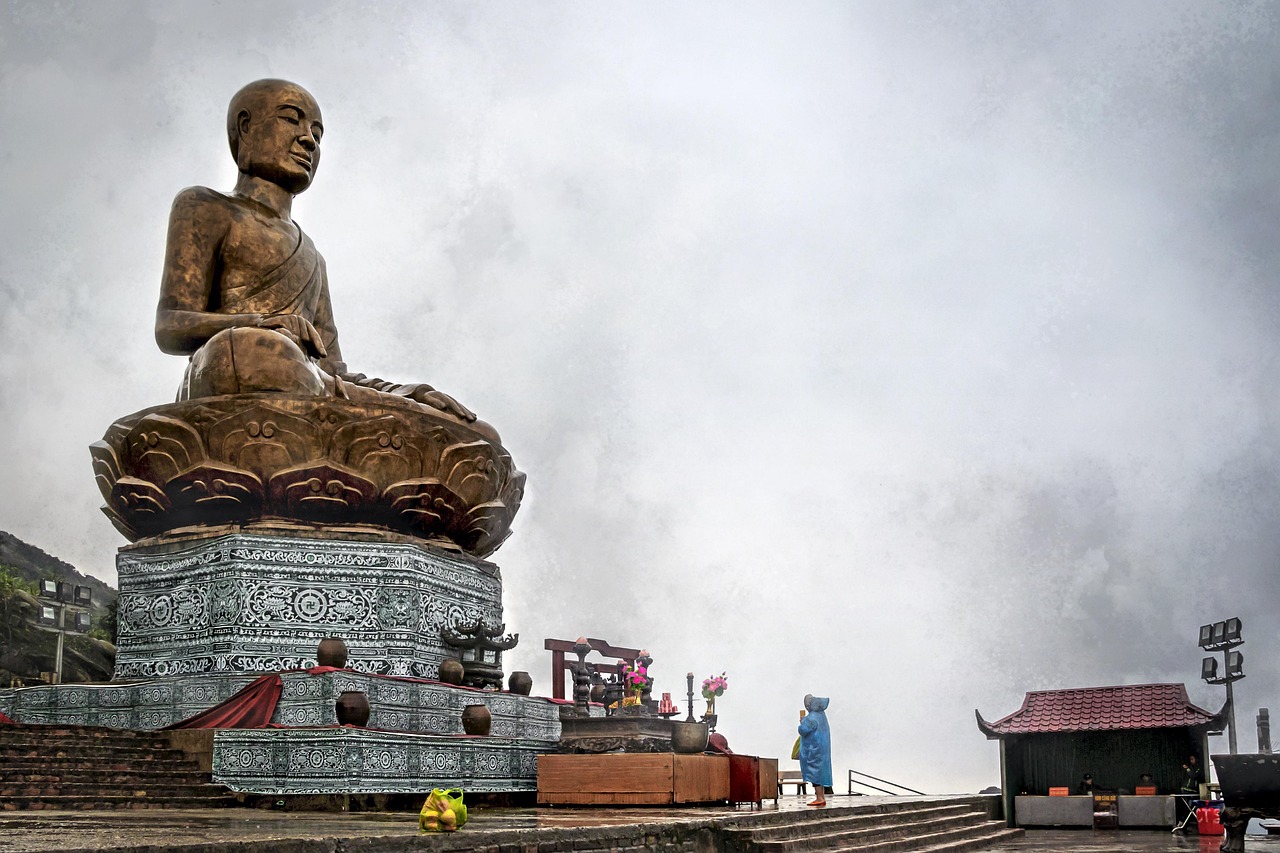
Inside the museum exhibits across three floors at the War Remnants Museum Ho Chi Minh City
For travellers searching inside the museum exhibits War Remnants Museum Ho Chi Minh City floors, it helps to picture the parts of the museum as a story told over three floors. You’ll usually begin with a ground floor orientation that sets the tone and points you towards key galleries. From there, the first floor and second floor spaces deepen the narrative—shifting from broad framing to intensely human detail.
This isn’t a museum you “complete”; it’s one you navigate. If you’re an adventure seeker used to powering through, this is where a different skill matters: pacing. Comfortable shoes are essential, and so is giving yourself permission to step out for water, shade, or a quiet moment on a bench.
Overview of themes and the consequences of the war
As you move from one floor of the museum to the next, you’ll encounter context around Indochina, the Cold War, and the wider geopolitical machinery that pressed into Vietnamese lives. There are exhibits referencing the U.S and its role, and the framing can be confronting—especially when paired with civilian stories. The aim, at its best, is to show the consequences of the war with clarity: how policies and weapons reshape communities long after headlines fade.
Look for the way the museum’s narrative ties big history to small realities—homes, bodies, and daily survival. Even a single artifact can carry a surprisingly intimate weight when you pause long enough to read its label and imagine who last held it.
Prison models and cells with a respectful approach
The prison models and cells are among the most sobering exhibits, and they often change the emotional temperature of the entire visit. Walk through slowly, keeping your voice low, and notice the details that aren’t dramatic but are devastating in their plainness: cramped space, restraints, and the implied duration of suffering. A solo traveller once described the silence here as “a lesson in cultural empathy”—not a performance of grief, but an honest recognition of pain.
If you want added insight, consider listening in as a local guide shares firsthand accounts from veterans and survivors. One traveller recounted how those personal stories offered support and context, especially when the timeline turns to 1975 and the city’s identity continues evolving beyond war.
War Remnants Museum photojournalism Agent Orange exhibition Ho Chi Minh City
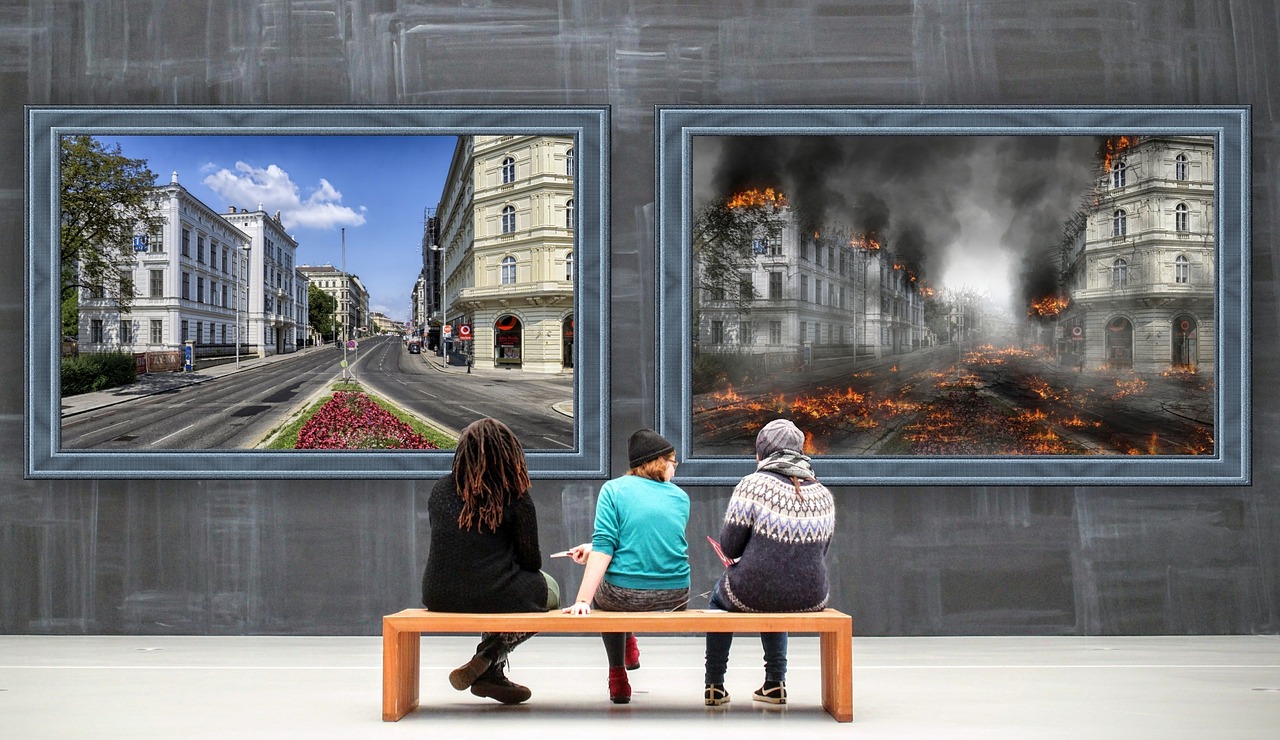
War Remnants Museum photojournalism and Agent Orange exhibition in Ho Chi Minh City galleries
When people mention the War Remnants Museum photojournalism Agent Orange exhibition Ho Chi Minh City, they’re usually referring to the most confronting rooms in the museum. Many visitors describe them as deeply moving, not because they’re sensational, but because they are direct. It’s wise to approach consent-based viewing: you’re allowed to look away, step out, or choose not to read every caption.
The images and panels can land differently depending on your background, your family history, and even your energy that day. Think of this section as a place to slow down—one photograph, one story, one breath at a time—so your nervous system isn’t overwhelmed.
War crimes, chemical warfare, and war and its long-lasting effects
These galleries often address war crimes and the realities of chemical warfare, including Agent Orange and its long-lasting effects on families. The language on some walls may feel stark, and you may notice period terminology—occasionally even phrases like “puppet crimes”—that reflects the political rhetoric of the era. Holding that nuance with care can be part of the learning: noticing how memory is recorded, not only what is recorded.
One of the hardest truths here is also one of the most important: war and its long-lasting effects are not abstract. The museum preserves faces, names, and daily struggles, so history cannot be softened into distance.
A crafted approach for emotional safety and respectful photography
If you’re visiting with friends, agree beforehand that anyone can step outside without explanation. Go slowly, read selected captions rather than all of them, hydrate, and debrief together afterwards—perhaps over something soothing and familiar. Many visitors speak about feeling both grief and admiration as they witness resilience beside aggression, and that emotional complexity is normal.
- Photography is allowed, but flash is prohibited—bring a good low-light phone or camera
- Frame mindfully: avoid turning suffering into spectacle, and respect other visitors’ space
- If a room feels too intense, take a short break outdoors and return only if you choose
Handled with this gentle structure, the exhibition can offer insight without leaving you raw. You’re not there to collect images; you’re there to learn, to preserve memory, and to leave with more compassion than you arrived with.
War Remnants Museum outdoor display tank helicopter aircraft Ho Chi Minh City

War Remnants Museum outdoor display with tank, helicopter, and aircraft in Ho Chi Minh City
For those searching War Remnants Museum outdoor display tank helicopter aircraft Ho Chi Minh City, the courtyard collection delivers a tangible connection beyond textbooks. You’ll see restored military equipment—heavy forms of engineering designed for speed and force—now sitting quietly under open sky. Depending on what’s on show, there may be iconic hardware such as an M48 Patton, an F-5, and other large military pieces; you may also see a helicopter, artillery, and the kind of casing that makes the word bomb feel painfully real.
This outdoor display can be strangely grounding after the indoor galleries. The scale is immediate, but the mood often stays hushed—visitors instinctively lower their voices, as if the metal itself asks for respect.
Explore like an adventure seeker with intention
If you love adventure, you’ll likely notice the technical detail: rivets, cockpit angles, the brutal logic of design. And yet the most meaningful perspective comes when you imagine the human cost behind each artefact—hands that loaded, families that waited, streets that changed. Take photos, but keep them calm rather than triumphant.
A group of adventure seekers once told me this section sparked the most honest conversations of their day. Standing beside the machinery made history feel less like a chapter and more like something that happened to real people, in real time—and that shared realisation created unexpected closeness together.
Practicalities for heat, shade, and a seamless flow
Ho Chi Minh City heat can climb quickly, especially on sunlit paving. Build in shade breaks and move between outdoor and indoor areas for a more seamless experience. If you’re doing a larger day tour that also includes the Cu Chi Tunnels, you’ll appreciate saving your energy here rather than lingering too long in direct sun.
- Carry water and take five minutes in shade before returning inside
- Wear breathable clothing and comfortable shoes for the full museum grounds
- If you’ve been to the Cu Chi Tunnels earlier, treat the museum as a slower, quieter counterpart
Done thoughtfully, the courtyard becomes not a photo stop, but a pause—an outdoor exhale that helps you hold the indoor stories with steadier confidence.
War Remnants Museum Ho Chi Minh City reflection traveller perspective
In a War Remnants Museum Ho Chi Minh City reflection traveller perspective, what lingers isn’t a checklist of rooms—it’s a shift in how you look at people, headlines, and even your own comfort. You might find certain photographs returning in quiet flashes, or remember the pressure of the air in the prison cells, where silence felt more eloquent than words. It can be unsettling, and also strangely clarifying.
I’ve noticed that leaving this museum often brings a softer kind of confidence. Not the confidence of having “done” a difficult attraction, but the steadier confidence of having stayed open—of choosing to listen to local voices and to hold complexity without needing to tidy it up.
There may be mixed feelings, and that’s part of the point. If you’ve visited places like Con Dao Prison, you may recognise the same sombre thread: a respect for what was endured, and a refusal to let memory fade into abstraction. Even if you haven’t, you may still leave with a new tenderness towards Vietnam’s layers—how a country can carry trauma and beauty at the same time.
And later, perhaps back in the city’s rhythm, you might notice yourself moving differently: with more care, more attention, and a quieter sense of trust in what thoughtful travel can create. The museum doesn’t ask you to solve the past; it simply invites you to remember that understanding is an ongoing journey—one that can begin again, gently, whenever you’re ready to look a little deeper.
F.A.Qs: War Remnants Museum Ho Chi Minh City
F.A.Qs: War Remnants Museum Ho Chi Minh City practical answers for visitors
How long do you need at the War Remnants Museum in Ho Chi Minh?
Most visitors need about 1.5 hours, but it depends on how deeply you engage with each exhibit. If the photojournalism rooms feel intense, it’s normal to slow down, take breaks, and stay longer. If you’re combining it with nearby landmarks, plan a flexible window so you can move at a respectful pace.
Is the War Remnants Museum free?
No, it usually isn’t free. The entrance fee is typically modest—often around 40,000 VND—though pricing can change, so it’s best to confirm close to your visit. Tickets are straightforward to purchase on arrival, and arriving early can help you avoid queues.
What is the best Vietnam War museum?
For many travellers, the War Remnants Museum in Ho Chi Minh City is the most impactful Vietnam War museum because it combines artefacts, documentation, and powerful photography in one place. If you want broader context, pairing it with the Cu Chi Tunnels can add another layer of understanding, especially on a guided tour.
Is there a dress code for the War Remnants Museum Ho Chi Minh?
There’s no strict dress code, but modest, respectful clothing is strongly recommended because the subject matter is solemn and sensitive for many Vietnamese visitors. Comfortable shoes help, as you’ll do a fair amount of walking across multiple floors and outdoor areas. Keeping voices low is part of the etiquette too.
For more crafted Vietnam journeys that balance history with beauty and comfort, you can browse our Trip gallery when you’re ready.