Post Contents
- Visit Vietnam with Confidence A Guide to Vietnam trip plan your trip luxury Vietnam vacation packages
- Hanoi itinerary Vietnam tour Old Quarter Temple of Literature with trust and care
- Ha Long Bay cruise halong bay cruise Vietnam trip in northern Vietnam
- Central Vietnam Hoi An Hue Vietnam travel best places with design details
- Ho Chi Minh City Saigon Vietnam tour fine dining day trip Cu Chi Tunnels
- Mekong Delta private tour Ben Tre Chau Doc Vietnam travel tips Vietnam FAQ
- After Vietnam reflection luxury traveller
- F.A.Qs: Vietnam trip planning and comfort
Visit Vietnam with Confidence A Guide to Vietnam trip plan your trip luxury Vietnam vacation packages
Visit Vietnam with Confidence A Guide to Vietnam Trip Planning
If you’ve ever wanted to visit Vietnam but worried it might feel complicated, crowded, or too fast, a thoughtful design changes everything. A guide to Vietnam trip plan your trip luxury Vietnam vacation packages approach means you’re not “upgrading” randomly—you’re curating, with care, so each day feels calm, personal, and beautifully paced.
Vietnam is often described as one of the cheapest places to travel well, and that can be true in the most surprising way: the best experiences come from craft, context, and local insight rather than sheer extravagance. With expert guides, discreet drivers, and hotels chosen for serenity, Vietnam can feel like a private world that opens gently, one door at a time.
Plan your trip with a route that feels effortless
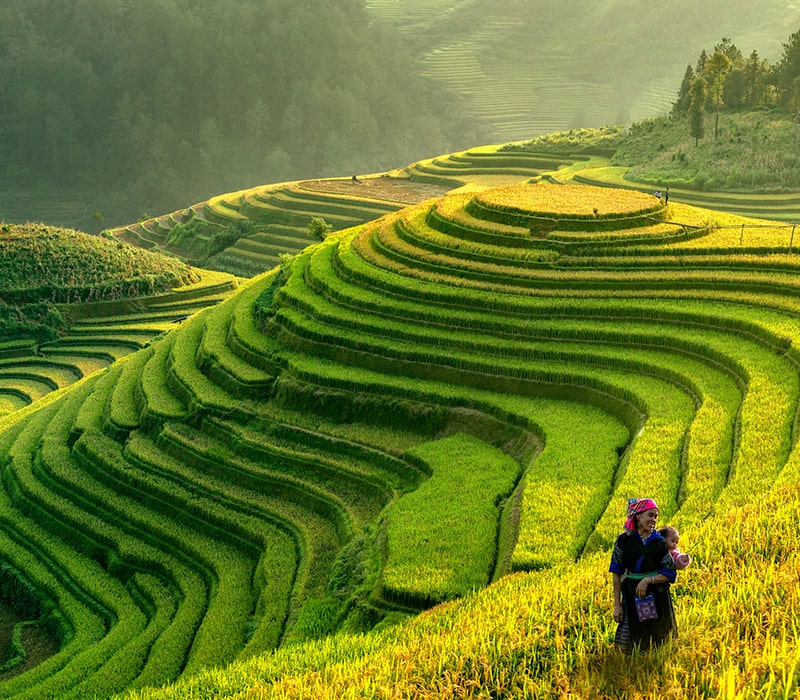
Most first-time travellers do best with either a north to south journey or a south to north flow, depending on flight access and what you want to feel first—heritage or energy. A classic shape links Hanoi, northern Vietnam’s limestone seascapes, the artistry of central Vietnam, and the dynamism of Saigon, with slow pauses that keep the experience human.
When clients ask us how many days in Vietnam they need, we often suggest a rhythm that balances the major cities with one or two scenic breathers—think Tam Coc’s river-and-karst countryside, or a gentle highland walk near Sapa if cooler air and layered landscapes appeal. If you’re working with a fixed window such as 15 days, we design transitions so you never feel you’re constantly packing and repacking.
Best time, entry essentials, and currency in Vietnam
The best time to travel is typically October to April, when temperatures are pleasant and sightseeing feels comfortable. Vietnam’s weather is nuanced, though: monsoon patterns can shift beach conditions in central Vietnam, affect Halong Bay visibility, and make highland mornings crisp and misty. We plan mornings, boats, and beach days with that in mind, so you’re supported rather than surprised.
For entry, many visitors need a visa, and it’s wise to prepare for your trip early so you can choose the best option for your passport and arrival point. We’ll flag the key steps to enter Vietnam smoothly, including what a Vietnam visa might look like for your travel dates and whether Vietnam visa on arrival is applicable for your route and airline arrangements.
On the ground, currency in Vietnam is the Vietnamese Dong, and carrying small cash is still helpful for tips, small purchases, and characterful local stops. Luxury, however, is often about seamless support: fast-track arrival where available, private transfers, reliable luggage handling, and a trusted driver who makes your first hour in-country feel quietly reassuring. If you’d like to explore curated routes and hotels, you can browse our Trip gallery for inspiration.
- Timing: October to April suits most travellers; we fine-tune around regional rain and heat.
- Arrivals: Fly into Hanoi, Da Nang, or Ho Chi Minh City for the smoothest access to key regions.
- Booking: For top suites and the best guides, reserve 2–3 months ahead.
- Money: Keep cards for hotels and fine dining, plus modest cash for small vendors.
From here, we’ll move city by city, showing you a way to travel that feels designed around you—never around the crowd.


Hanoi itinerary Vietnam tour Old Quarter Temple of Literature with trust and care
Hanoi Itinerary Old Quarter Culture Pagoda Stops and Street Food
A well-crafted Hanoi itinerary Vietnam tour Old Quarter Temple of Literature day is less about ticking sights and more about uncovering the city’s texture. As the capital of Vietnam, Hanoi can feel intense at first glance, yet with a private guide and smart timing it becomes intimate—lanes, courtyards, and small moments of local life that you would otherwise walk straight past.
We love to begin in the Old Quarter early, when the light is soft and the pavements are still clearing. Your guide can steer you into a single perfect cafe for a quiet coffee and conversation, then lead you through tucked-away ateliers where Vietnamese craftsmanship still feels personal and unhurried.
Culture in Hanoi with pagoda calm and French colonial detail
To understand Hanoi, we weave in landmarks with context rather than crowds. The Temple of Literature is best approached with a guide who can translate its symbolism and scholarly heritage, then slow the pace so you can simply listen to the hush of the courtyards. A pagoda stop later in the morning offers a change of energy—incense, bells, and a calmer rhythm that makes the city feel gentler.
Between these anchors, Hanoi’s french colonial architecture adds another layer: balconies, shutters, and boulevards that hint at the city’s complicated history. Taken together, it becomes a narrative rather than a list.
Street food with a private guide, plus refined alternatives
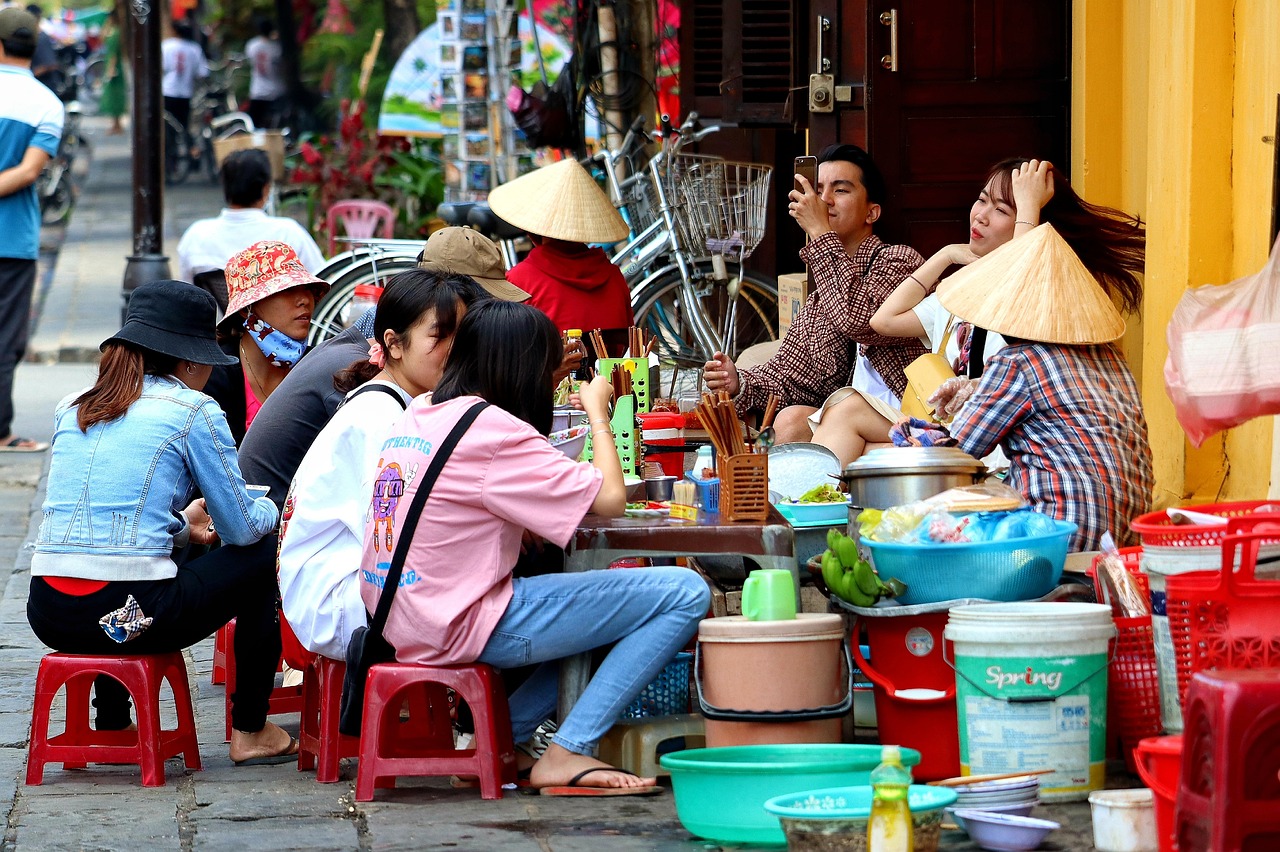
Evenings in Hanoi can be designed with warmth and trust. If you’re curious, a private guide can introduce street food in a way that feels safe and supported—starting with pho, then a few small tastings chosen for cleanliness and quality. For sensitive palates, we can create an alternative: modern Vietnamese restaurants where flavours stay authentic, yet the setting is serene and service is assured.
A family once told us their favourite memory wasn’t a monument at all, but a Vespa tour through Hanoi’s Old Quarter. With an expert guide at the lead, they discovered hidden cafes, heard meaningful local stories, and felt cared for in the busy streets—especially at junctions where the motorbike flow can look daunting until someone shows you how it works.
For logistics, we time Hoan Kiem Lake (hoan) for early morning or late afternoon, avoiding the midday pinch points. In the Old Quarter, a taxi can be quicker for short hops, but a private car wins for comfort when you’re crossing the city or travelling with children.
Ha Long Bay cruise halong bay cruise Vietnam trip in northern Vietnam
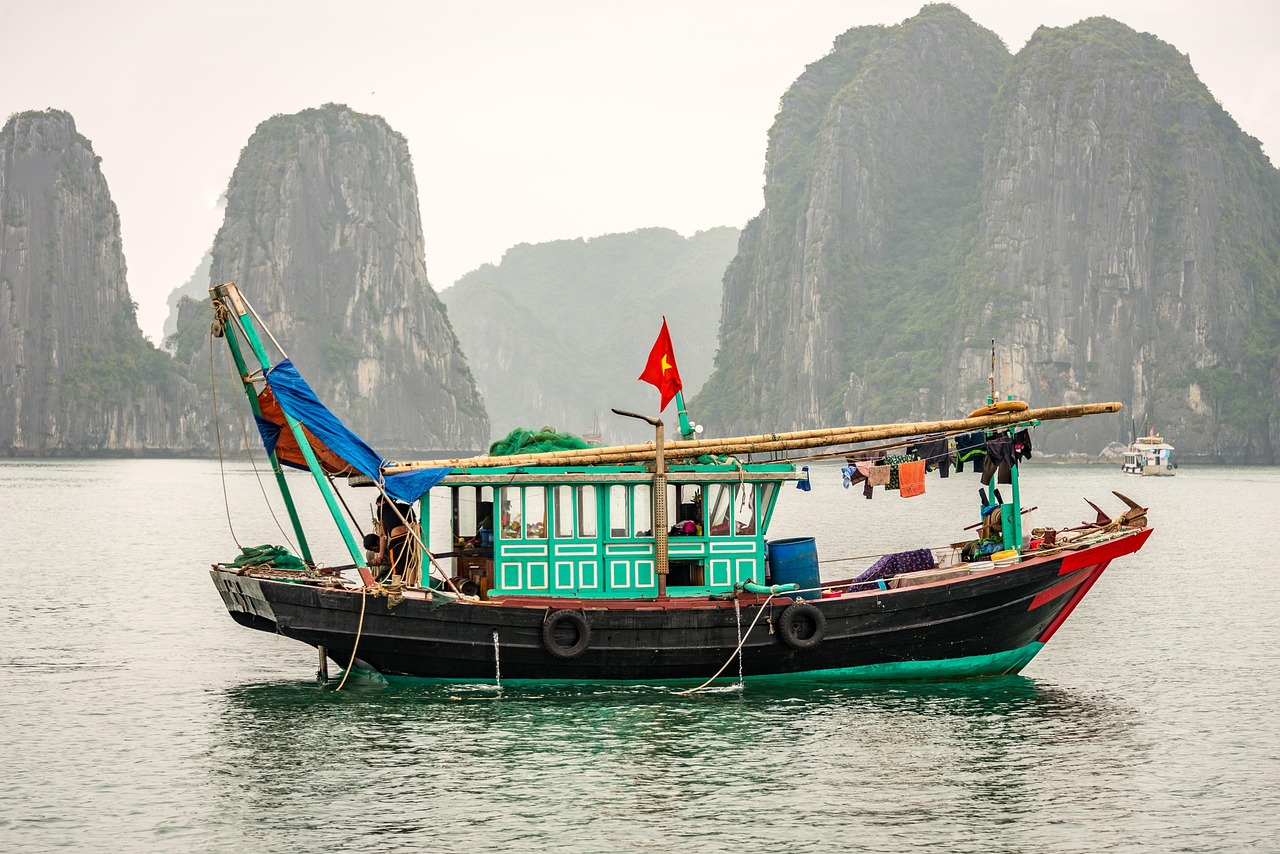
Ha Long Bay Cruise Designed Luxury Among Limestone Karsts
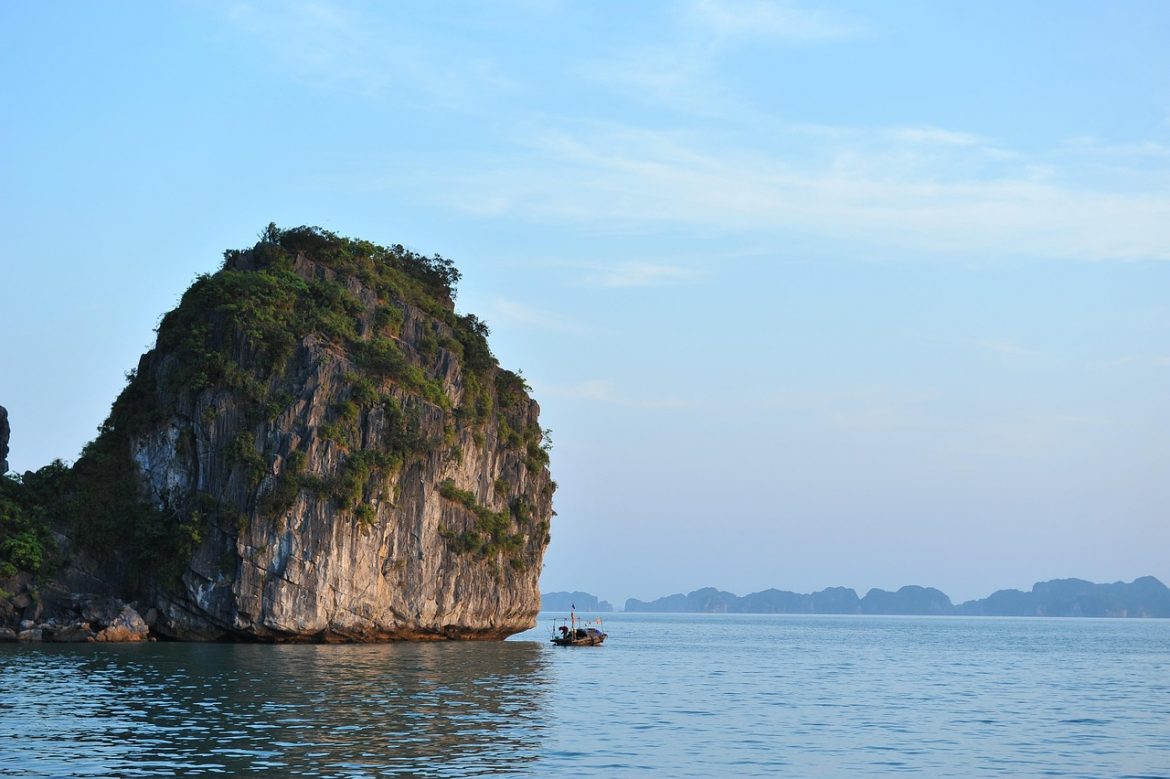
A Ha Long Bay cruise halong bay cruise Vietnam trip is where many travellers finally exhale. Imagine waking to a quiet horizon of limestone karsts, the water barely moving, and the day beginning not with an alarm but with light. This is why we encourage you to slow down here—Ha Long Bay rewards stillness, and the luxury is the space to actually feel it.
On the right vessel, dawn can be almost meditative: tea on your balcony, the soft sound of oars, and a sense that nature is doing the work. It’s one of the highlights of Vietnam when it’s curated with a crew that knows how to keep everything graceful.
Choosing a Vietnam tour style cruise for high-end comfort
For high-end travellers, choosing the cruise is less about size and more about detail. Look for private balcony suites, strong soundproofing, and a dining team that can tailor meals with genuine care. A curated wine list matters, too—not for show, but because pairing refined Vietnamese flavours with excellent wine can turn a simple dinner into a memorable evening.
We also pay attention to the crew’s style: the best teams are quietly local, highly organised, and warm without being intrusive. That balance creates confidence, especially for first-time visitors.
Private excursions to uncover quieter lagoons and Cat Ba Island
To explore beyond the main routes, we favour private excursions that create depth. Kayaking into hidden lagoons is often the most intimate way to experience the karsts, and a day trip to Cat Ba Island can add a different rhythm—small villages, viewpoints, and a sense of life beyond the bay.
An anniversary couple once described their time aboard a luxury junk boat as “the gentlest celebration we’ve ever had”. They spoke about the serene dawn, then how the chef remembered their preferences and created customised meals that felt personal rather than routine. In a place as cinematic as this, it’s the human touch that makes it unforgettable.
- Transfers: Private transfers from Hanoi keep the morning calm and protect your cruise time.
- Timing: One night can work; two nights suits travellers who want deeper exploration.
- Routes: Ask for quieter itineraries designed to avoid peak crowd corridors.
After the bay’s quiet, the next chapter brings colour and craft—central Vietnam’s artistry, lantern light, and imperial grace.
Central Vietnam Hoi An Hue Vietnam travel best places with design details
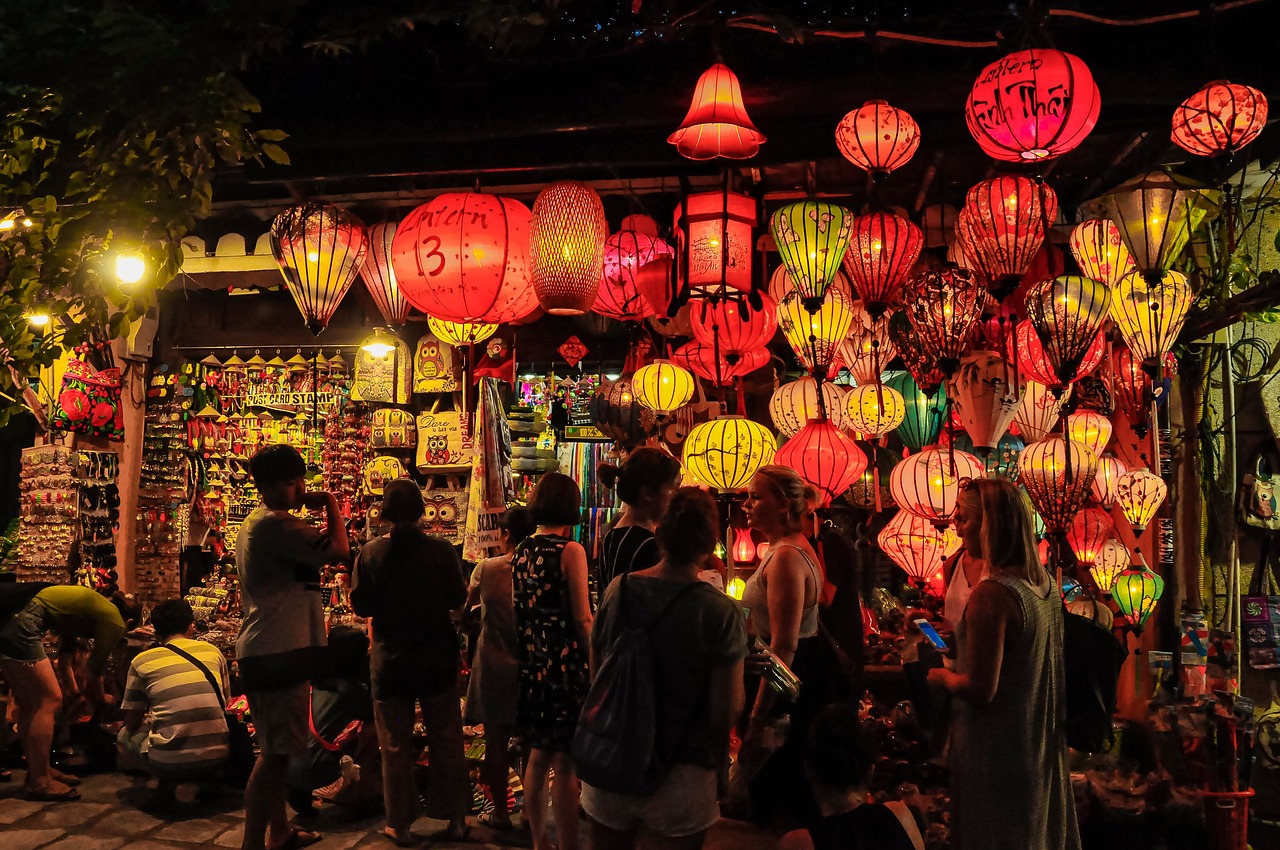
Central Vietnam Hoi An Hue and Vietnamese Design Details
Central Vietnam Hoi An Hue Vietnam travel best places can feel like a love letter to design—textiles, timber houses, and river reflections that make you want to linger. In Hoi An, the magic isn’t only what you see; it’s how you arrange the evening so it feels safe, romantic, and unhurried, even when the streets glow with visitors.
We typically plan Hoi An in soft layers: late afternoon rest, a golden-hour walk, then dinner timed around lantern light. It’s a simple approach, yet it changes how you experience the town—less rush, more wonder.
Hoi by night with lantern streets and river calm
As the sun falls, Hoi An becomes a quieter kind of theatre. Lanterns shimmer, boats drift, and the air feels warmer. We design your route with confidence—choosing well-lit streets, pre-booking a table, and building in a short pause by the river so the evening feels like it belongs to you.
If you’re celebrating, we can arrange a private guide who knows the back lanes and the artisan addresses, so you’re exploring rather than navigating. It’s especially reassuring if you’d like to photograph the lantern scenes without feeling jostled.
Tailoring and craft, plus Hue’s imperial elegance
Tailoring in Hoi An can be much more than shopping—it can be a cultural connection when it’s done slowly and respectfully. A solo traveller once shared how learning to tailor her own Ao Dai in a workshop helped her connect deeply with local artisans. She wasn’t just measured; she learned about fabrics, seams, and the quiet pride that sits behind the craft. It became one of those personal stories you carry home, stitched with meaning.
To broaden the story, we add Hue for imperial elegance: palaces, temple courtyards, and a slower pace that offers insight into Vietnamese history. Hue is also a welcome contrast after busy days—more reflective, less hurried, and wonderfully atmospheric in early morning light.
For beach time in this region, the right coast depends on your mood: quiet luxury for couples, or a livelier shoreline for families. For those who want a classic resort pause, Nha Trang can work beautifully as an add-on, and we sometimes propose Phu Quoc Island later in the trip if you’d prefer a softer finish by the sea. For a playful, photogenic diversion, Ba Na Hills can be a joy when weather aligns—especially for families and design lovers who enjoy a touch of the unexpected.
Ho Chi Minh City Saigon Vietnam tour fine dining day trip Cu Chi Tunnels
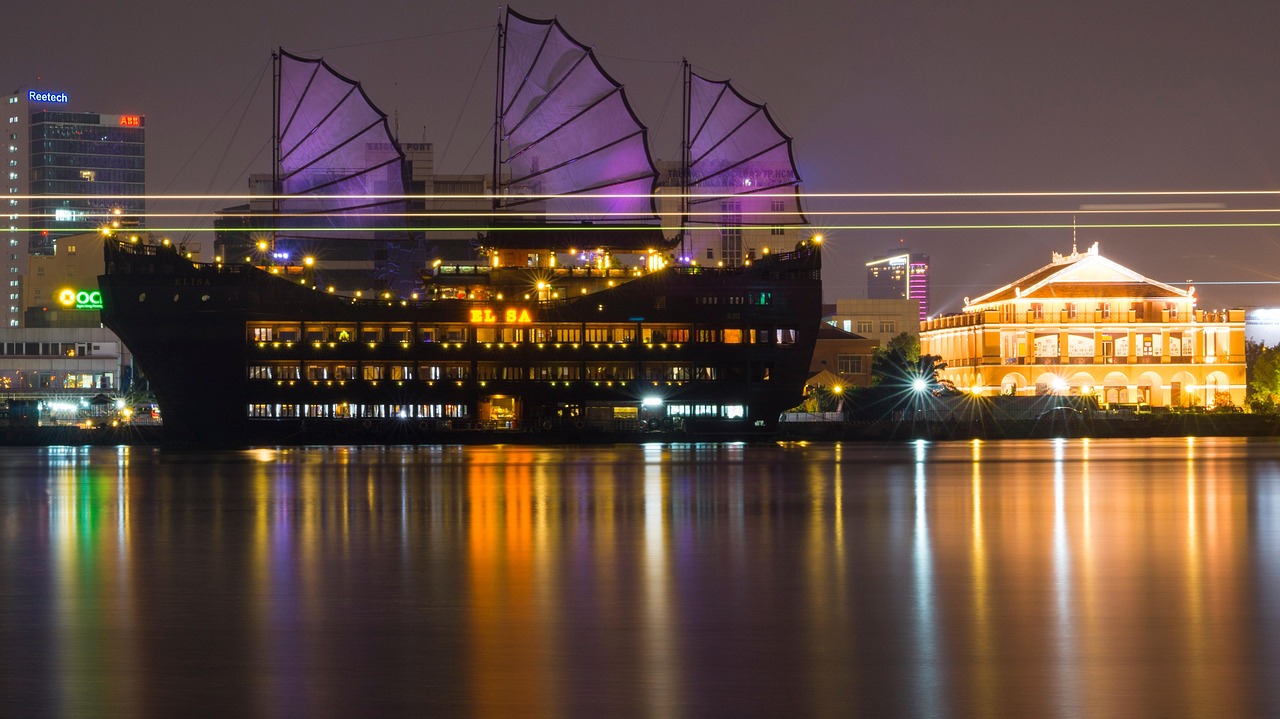
Ho Chi Minh City Saigon Glamour Fine Dining and Day Trip Culture
Ho Chi Minh City Saigon Vietnam tour fine dining day trip Cu Chi Tunnels planning begins with one truth: this city in Vietnam is alive with contrast. The bustling Ho Chi Minh City skyline and motorbike energy can feel cinematic, yet there’s also glamour, design, and a deep sense of story when you explore with the right guide and pacing.
Many travellers say they feel a jolt of excitement here—Saigon is fast, creative, and unapologetically modern. With a trusted driver and a hotel chosen for calm, that energy becomes thrilling rather than tiring.
Vietnamese cuisine can be extraordinarily refined, and Ho Chi Minh City is where you can lean into it with confidence. We book tasting menus that honour tradition while elevating technique, then pair them with world-class wines in settings designed for comfort. If you’re celebrating an anniversary or travelling solo and want to feel looked after, the right table and the right service style matter—this is where expert support makes the evening feel effortless.
For high-end travellers, it’s also worth booking early. The best rooms and the most in-demand chefs often have limited seatings, especially on weekends and around festivals.
Architecture walks, Ben Thanh Market, and a private day trip
During the day, we like to balance neighbourhood discovery with breathing space. A short french colonial architecture walk can be paired with boutique shopping and a curated stop at Ben Thanh Market—done gently, so it feels like a window into local life rather than an overwhelm of noise. Your guide can help with fair pricing and quick exits when you’ve seen enough.
For history, we recommend you visit the Cu Chi Tunnels with a specialist and treat it as a day trip built for context and comfort. The goal is to understand, not to endure—early departures, quieter entry times, and a return to the city refreshed rather than drained.
In terms of pacing, three nights is often ideal if you want dining, culture, and one excursion without hurry. Pick-up times matter: leaving before the city fully wakes can save significant time, and a private car generally beats a taxi for comfort when you’re crossing districts or returning late after dinner.
- How many nights: 2–3 in Ho Chi Minh City suits most itineraries.
- Dining: Reserve tasting menus in advance for the best service and ambience.
- Markets: Go with a guide for calm navigation and curated stalls.
From Saigon’s sparkle, the river slows everything down—next, we’ll explore the Mekong Delta with privacy, insight, and quiet beauty.
Mekong Delta private tour Ben Tre Chau Doc Vietnam travel tips Vietnam FAQ
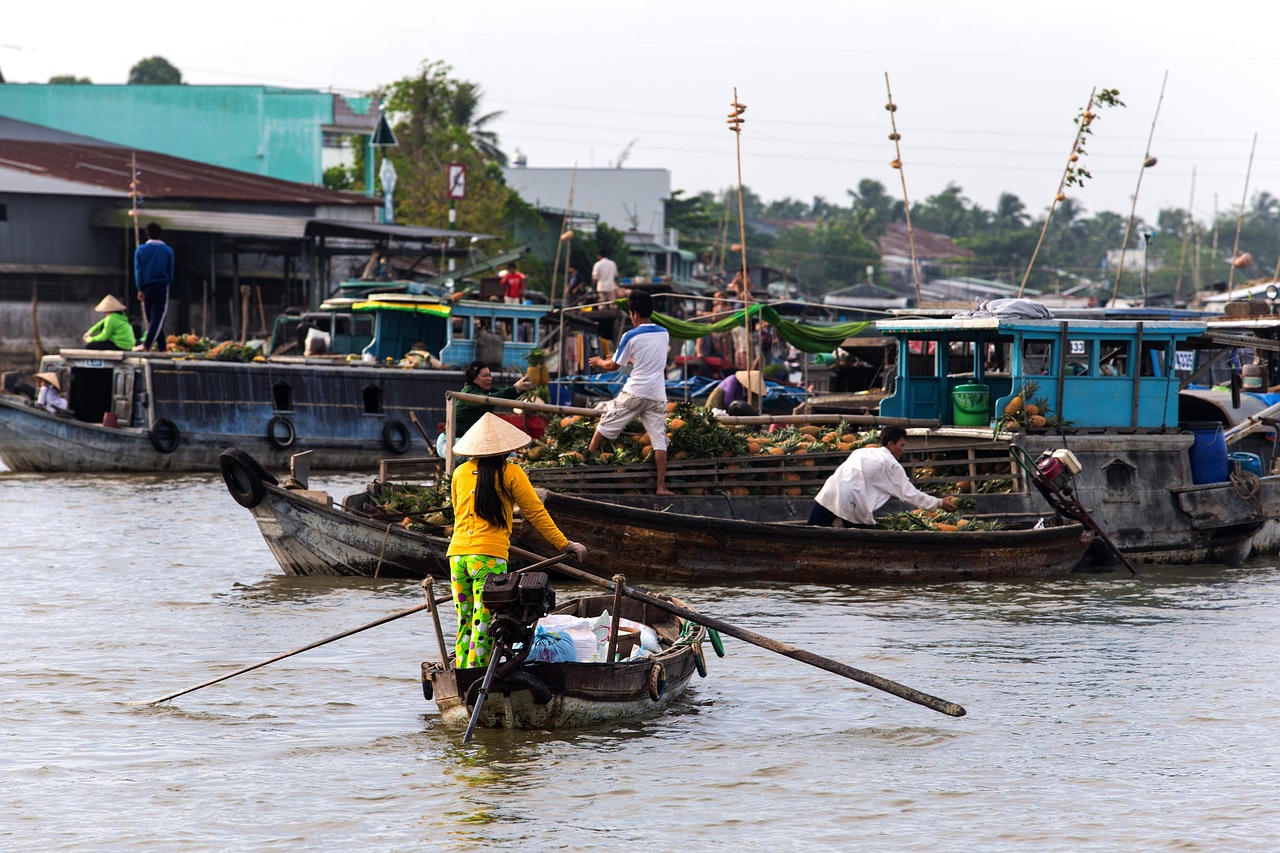
Mekong Delta Private Boat Trip Plus Vietnam Travel Tips and Vietnam FAQ
A Mekong Delta private tour Ben Tre Chau Doc Vietnam travel tips Vietnam FAQ style day is one of the most rewarding ways to see how life moves beyond the cities. With a private boat trip, you can explore floating markets, orchard canals, and shaded waterways at a pace that feels intimate—more conversation, less spectacle.
We often base this experience around Ben Tre, where small villages and craft traditions still feel close to the water. The design is simple: start early, move quietly, and create space for genuine local encounters that don’t feel staged.
Mekong Delta depth with a local historian and a Chau Doc option
A high-end traveller once told us that what transformed their Mekong Delta day was touring with a local historian. Instead of a surface-level route, they gained insight into ecology, livelihoods, and the changes the river communities have faced over generations. It felt personal—like being invited into a living story rather than shown a scene.
If you’d like a different river mood, we can also discuss a route towards Chau Doc. It shifts the atmosphere: wider water, different communities, and a sense of Vietnam’s southern waterways stretching outward.
Practical travel tips, SIM card set-up, and health and safety
Staying connected is easy when you plan it discreetly. A SIM card can be arranged on arrival, and a sim card in Vietnam typically offers excellent value for data. Ask your hotel or driver to help with activation so you’re online within minutes, and keep expectations realistic for network in Vietnam coverage in rural areas—it’s good, but canals and countryside can be patchy.
For health and safety, Vietnam is generally safe for respectful visitors, and most travel issues are minor when you take sensible care. Be mindful crossing roads, watch for the motorbike flow, and keep valuables close in busy areas. Dress modestly for religious sites, remove shoes where required, and let your guide advise on etiquette so you feel confident rather than cautious.
Finishing logistics matter, too: tipping of around 5–10% in restaurants is typical unless a service charge is included, and it’s fine to ask first. Travel insurance should be arranged before departure; a good rule is to purchase travel insurance when you confirm flights, so you’re protected early. Carry Vietnamese Dong for small purchases, and use cards for hotels and fine dining.
For seasoned travellers, gentle extensions can be wonderfully complementary. Thailand via Bangkok pairs modern city energy with a different culinary scene, while Cambodia offers a heritage contrast that deepens your sense of the region. If your dates touch Tet, we plan carefully: it can be culturally rich, but it also affects availability and pacing.
After Vietnam reflection luxury traveller
After Vietnam, what lingers is rarely the list of places. It’s the scent of incense drifting near a pagoda, the quiet hush of Ha Long Bay at first light, and the feeling of being met with kindness in small, ordinary moments—a cup placed gently on your table, a guide noticing when you need shade, a driver waiting with calm patience while you take one more photograph.
Travelling in Vietnam can feel expansive and personal at the same time. The country invites you to explore, to imagine, and to discover details you didn’t know you were looking for: the artistry of a tailored garment, the soft glow of lantern light on water, the way a shared meal can create trust without many words. When the journey is thoughtfully designed, you don’t have to brace yourself for the day—you can simply be in it.
And then you leave, and it arrives again in unexpected fragments: river mist in the back of your mind, the gentle rhythm of oars, the warmth of Vietnamese hospitality remembered in your hands. It’s not a checklist; it’s a quieter sort of change, the kind that returns when life is busy and you need to recall what unhurried feels like.
Perhaps that is the real gift: Vietnam doesn’t ask you to chase it. It waits, timeless and local, until one day you find yourself wondering what you might notice next time—if you returned not to see more, but to see more deeply.
F.A.Qs: Vietnam trip planning and comfort
How much should a trip to Vietnam cost?
Costs vary by comfort level and season. For high-end travellers, the biggest drivers are premium hotels, private guides, domestic flights, and a quality cruise. Vietnam can offer outstanding value compared with many luxury destinations, especially when you prioritise service, location, and seamless logistics over sheer opulence. Decide what matters most—space, privacy, dining, or pace—and build the budget around that.
Is $1000 enough for 2 weeks in Vietnam?
$1000 can work for a very simple, low-cost style of travel, but it is unlikely to cover two weeks at a high-end standard once you add flights, strong hotels, private transport, and curated experiences. For a more comfortable journey, focus on fewer places, travel by private car where it counts, and choose one or two signature splurges—such as a well-selected cruise or a special dining evening.
Is it safe for Americans to go to Vietnam right now?
Vietnam is generally considered safe for visitors, including Americans, when you travel with normal city awareness. The most common concerns are minor scams in busy areas and road safety around fast traffic. Use reputable drivers, keep valuables secure, and take care when crossing streets. For added reassurance, stay in well-reviewed hotels and use private guides who can help you navigate local customs and neighbourhood dynamics.
Can I wear red in Vietnam?
Yes—red is commonly worn in Vietnam and is often associated with good fortune and celebration. As with anywhere, context matters: when visiting temples or religious sites, dress modestly and avoid overly revealing clothing. If you’re attending a formal occasion, your host or guide can advise on what feels most appropriate. For everyday sightseeing and dining, red is perfectly acceptable.