Post Contents
- Designing a Japan bucket list: top places to visit in Japan and visit in Japan in 2026 without rushing
- Tokyo destination guide: Ginza luxury shopping, Omotesando design streets, and Michelin dining
- Kyoto: temples and shrines in Kinkaku-ji, Fushimi Inari, Arashiyama bamboo, and Higashiyama old Japan
- Osaka travel guide: best places to visit for Osaka Castle, street food, and Universal Studios Japan
- Fuji and Mount Fuji: luxury stay in Hakone, day trip planning, and best area to stay for views
- Hakuba in the Japanese Alps: luxury ski, private lodge stays, ryokan onsen, and winter privacy
- Destinations in Japan that stay with you after you visit Japan: Hiroshima and Miyajima
- F.A.Qs: Top places to visit in Japan
- What are the top 5 places to visit in Japan for a first-time itinerary?
- Is $5000 enough for 2 weeks in Japan, including Tokyo, Kyoto, and Fuji?
- What is the #1 tourist attraction in Japan: Mount Fuji or Kyoto’s famous shrine walk?
- Which part of Japan is best to visit if you want cities, culture, and a day trip?
Designing a Japan bucket list: top places to visit in Japan and visit in Japan in 2026 without rushing
Designing a Japan bucket list itinerary for 2026 with a curated, luxury-minded route
To plan well, start with a clear Japan itinerary—a high-level map of the top places to visit in Japan—and treat it like a design brief rather than a checklist. The goal is simple: a curated 10 best places to visit framework that gives you structure, while still leaving room for discovery. On a first trip to Japan, that balance is what makes the experience feel effortless instead of over-scheduled.
A reliable rhythm is to begin with Tokyo and Kyoto for contrast, then move into nature, then end with quieter reflection. Tokyo delivers modern craft, dining, and city energy; Kyoto offers cultural depth, temples and shrines, and slower time. After that, you can breathe—Fuji for iconic views and hot springs, then the Japanese Alps for private-lodge calm on your Japan trip.
Route design to keep Tokyo and Kyoto unhurried (and still hit the best places to visit)
Most high-end travellers find that days in Tokyo are best used for neighbourhoods, reservations, and a few beautifully crafted experiences rather than constant movement. Kyoto, by contrast, rewards early starts and long pauses—time for a temple garden, a considered lunch, and a quiet lane at dusk. If you’re splitting time between Tokyo and Kyoto, consider a minimum of four nights in Tokyo and three in Kyoto, then add nature based on season and your preferred destination style.
Spring brings cherry blossom season and luminous evenings; autumn brings copper-toned hillsides and calmer light for photography. If you want cherry blossoms with fewer pinch points, aim for weekday stays, pre-book key meals, and plan one slower day in Kyoto devoted to a single shrine and one standout temple. For travellers who want peak beauty with fewer crowds, late November can be a sweet spot—autumn foliage in Kyoto, crisp views around Fuji, and comfortable walking weather in Tokyo.
Practical foundations for a seamless Japan itinerary: transport, pacing, and support
For high-demand dates (especially cherry blossom season and autumn foliage), book luxury hotels and key dining as early as you can. A concierge or vetted guide adds more than convenience: they add trust—confirming timings, smoothing language gaps, and quietly protecting your time. It’s also how you secure personal moments without feeling like a tourist being funnelled through a script.
- When to go: aim for cherry blossoms (late March–early April) or autumn colour (mid-November), and consider shoulder weeks for calmer streets.
- Booking windows: top hotels and sought-after counters often need weeks to months; plan earlier for weekends and holidays.
- Guides you can rely on: choose specialists with local insight and a clear approach to etiquette, seasonal timing, and pacing.
Transport is part of the pleasure. The bullet train is punctual and comfortable, and the Shinkansen makes city-to-city transitions feel like a pause rather than a chore. A Japan Rail Pass can make sense for intensive intercity travel, but many luxury travellers prefer point-to-point tickets paired with a few private transfers for evenings or luggage-heavy days.
Even a day trip can feel calm when it’s properly designed. Plan one anchor experience, one scenic pause, and one unrushed meal—rather than trying to “collect” districts. If you want a day trip from Tokyo without stress, let timing do the work: depart after breakfast, return before late dining, and keep the middle of the day for scenery.
Small etiquette details unlock local warmth. Learn basic greetings, carry cash (yes, occasionally even in high-end shops), and remember that Japan is exceptionally safe for the everyday traveller. If you’re building a list of places in Japan to visit, this kind of preparation is what keeps the journey smooth from your first arrival.


Tokyo destination guide: Ginza luxury shopping, Omotesando design streets, and Michelin dining
Tokyo as a modern destination: Ginza polish, Omotesando creativity, and design-led city scenes
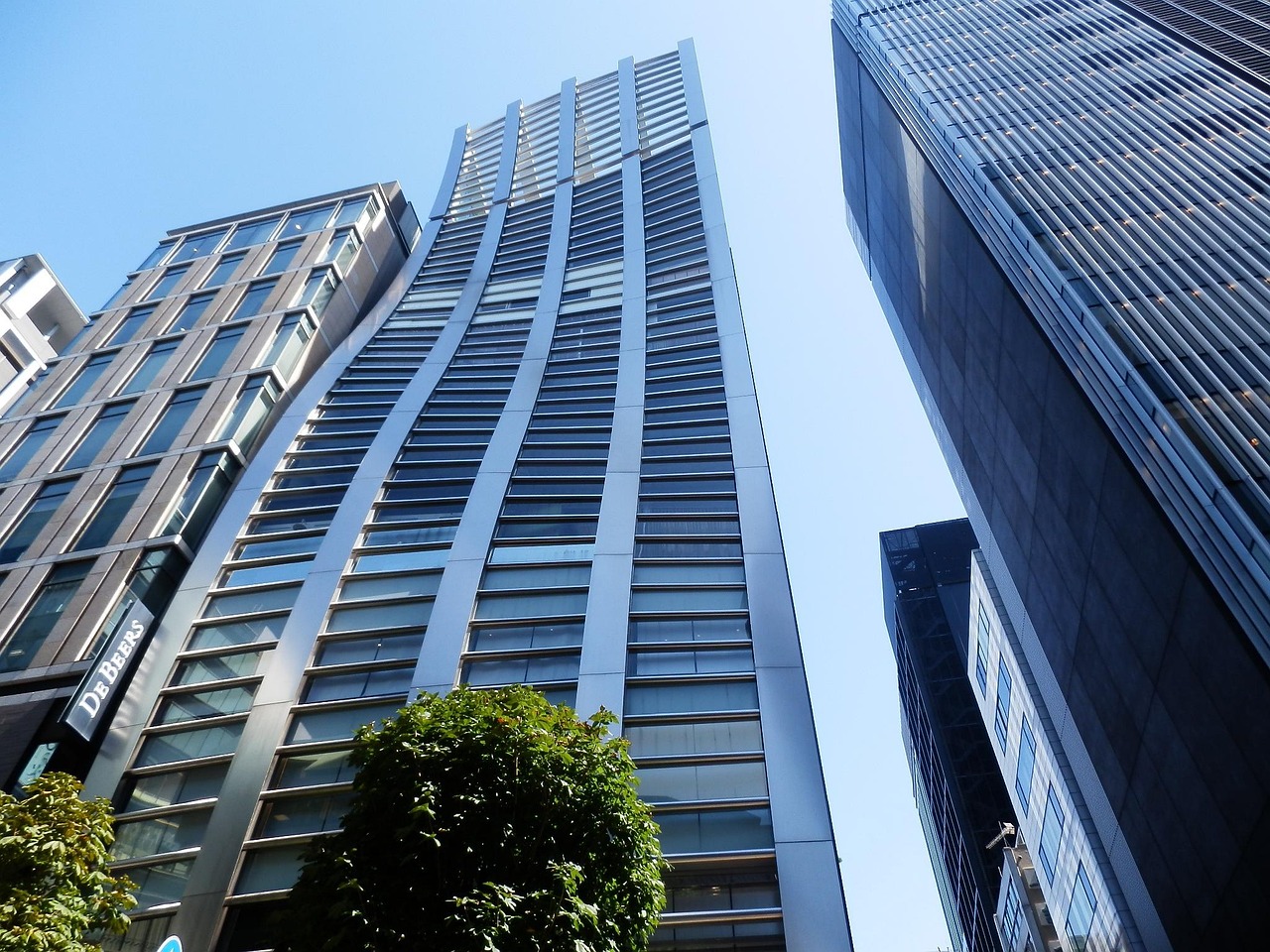
In a Tokyo destination guide luxury shopping Ginza Omotesando Michelin dining, the headline is choice: Tokyo can be impeccably polished, quietly artistic, or playfully late-night—often in the same day. For high-end travellers, the secret is to pick a “base mood” so your days feel coherent. Tokyo then becomes not just a city, but a crafted experience—and for many, one of the best places to start when you visit Japan.
Where to stay in Tokyo: best area to stay for walkability and easy Shinkansen days
If you want sophistication at your doorstep, stay in Tokyo around Ginza for galleries, department-store food halls, and elegant evening light. Marunouchi suits travellers who like smooth logistics: it’s close to Tokyo Station, ideal for Shinkansen departures, and easy to navigate after long flights. For a design-led feel, look near Omotesando where architecture, boutiques, and café culture create a slower, more aesthetic pace—ideal if you’re planning a week in Tokyo with a gentler rhythm.
Wherever you land, build in “white space”. Tokyo rewards a softer tempo: one reservation meal, one neighbourhood stroll, and one small surprise—an exhibition, a record shop, or a hidden cocktail bar. To add a cultural contrast without leaving the city, weave in a single historic stop such as Sensō-ji temple in Asakusa or a small local shrine tucked behind a shopping street.
Ginza and Omotesando shopping: appointments, craft, and calmer pacing
Luxury retail here is a kind of theatre—quiet, precise, and deeply attentive. One enthusiast described shopping in Ginza where impeccable customer service and exclusive boutique access made the day feel genuinely personalised. The best moments came through simple support: an appointment arranged in advance, items pulled in preferred sizes, and a calm private fitting rather than a busy shop floor.
If you enjoy fashion and craft, add Omotesando’s architecture into the mix—flagships that feel like galleries, and side streets that invite you to uncover independent designers. It’s an easy way to create contrast: Ginza’s refinement, Omotesando’s creativity, and a coffee stop that puts everything back into human scale.
Dining is where Tokyo becomes unforgettable. For Michelin-starred restaurants, availability often depends on timing, flexibility, and local help. If you’re curious about omakase, expect a chef-led sequence that is intimate and seasonal; for counter dining, etiquette is simple—be punctual, keep fragrance minimal, and let the pace lead you.
Tokyo’s transport is reassuringly logical once you’ve done it once. The metro is safe, clean, and well signed; for evenings or multi-stop plans, a private car can be a small luxury that keeps everything seamless. When your day is designed around reservations, comfort becomes part of the experience, not an afterthought.
Kyoto: temples and shrines in Kinkaku-ji, Fushimi Inari, Arashiyama bamboo, and Higashiyama old Japan
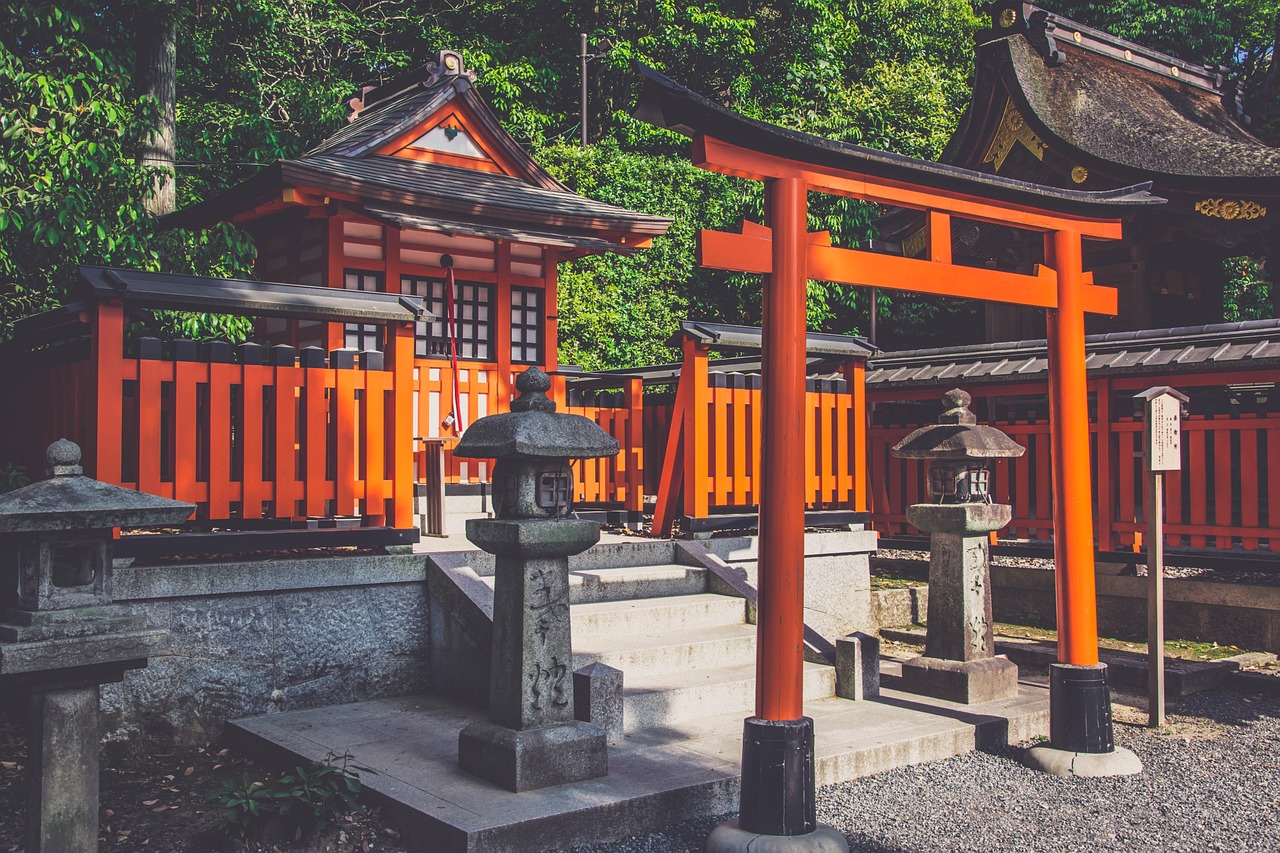
Kyoto at golden hour: temples and shrines across Higashiyama and Arashiyama
For travellers seeking depth, Kyoto temples and shrines Kinkaku-ji Fushimi Inari Arashiyama Higashiyama is the phrase that unlocks the city’s most resonant days. Kyoto is old Japan in its most refined form—quiet lanes, careful design, and a sense that beauty is allowed to be subtle. It’s one of the most beautiful cultural chapters you can add to your itinerary, especially if you want meaning as well as aesthetics.
Kyoto also asks for a different pace than Tokyo. Start early, rest in the middle, and return to the streets later when the light softens. That rhythm makes the city feel personal rather than crowded, turning even famous places to see into something calmer and more intimate.
Temple icons in Kyoto: classic sights with better pacing and softer crowds
Kinkaku-ji is luminous in almost any weather, a temple that seems to gather light even on grey days. Go early to keep the atmosphere serene, and linger in the garden details—moss, raked gravel, and reflections that shift with the breeze. If you can, pair one headline temple with a smaller temple nearby to keep the experience balanced and less hurried.
When planning temples and shrines, choose a few that genuinely speak to you rather than trying to cover every highlight. Kyoto’s power lies in repetition with variation: a different roofline, a different incense scent, a different hush as you pass through a gate. A good rule is one major shrine, one garden-led temple, and one quiet neighbourhood walk per day.
Fushimi Inari shrine: torii gate pathways and a calmer climb
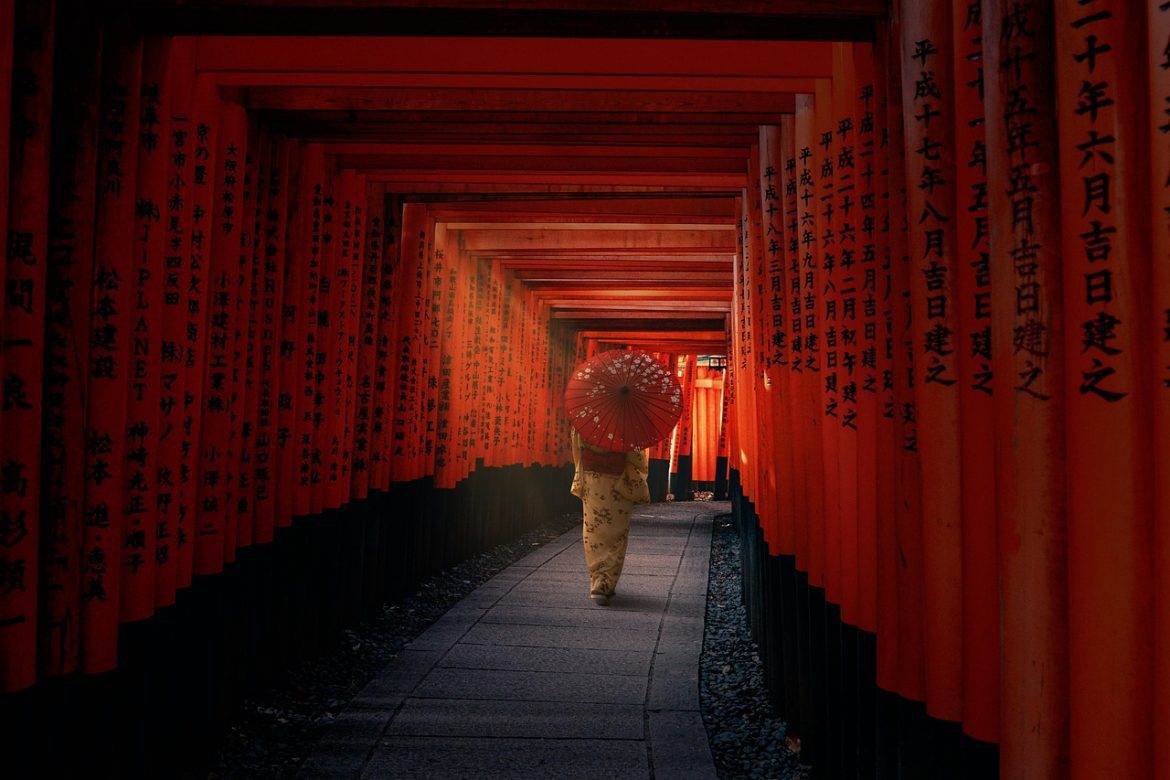
At Fushimi Inari, the journey is the point. Walking beneath the vermilion torii is one of the most iconic experiences in Kyoto, but it’s also easy to make it feel intimate: arrive early morning or later afternoon, and walk beyond the first clusters of visitors. The torii gate pathways thin out surprisingly quickly, and the hillside air feels cooler and quieter as you climb toward smaller sub-shrines.
For photography, the most respectful approach is also the simplest: keep moving, step aside when you pause, and avoid blocking the path for long shots. You’ll get better images when you let the shrine’s rhythm guide you, and you’ll feel more connected to the space.
In Arashiyama, the bamboo grove is a beautiful moment, but it’s even better when paired with riverside calm and a nearby temple stop. Consider a guide-led walk or a private rickshaw to slow the pace, then settle into a seasonal lunch—Kyoto’s ingredients are part of its story. If your schedule allows, this is a lovely half-day trip from Kyoto hotel districts without feeling like a full relocation.
Later, let Higashiyama take you into evening. One traveller told us a private guided tour allowed her to witness tea ceremonies in an intimate, centuries-old teahouse—an experience that deepened her trust in the culture and her own ability to move through it with care. That is Kyoto at its best: not spectacle, but closeness, and a city of temple courtyards and shrine lanes that glow in soft light.
Osaka travel guide: best places to visit for Osaka Castle, street food, and Universal Studios Japan

Osaka at its best: street food nights, castle views, and high-energy city scenes
If you’re weighing Osaka travel guide best places to visit Osaka Castle street food Universal Studios Japan, start with the vibe you want at night. Osaka or Tokyo isn’t really an either-or; it’s a question of texture. Tokyo feels polished and curated, while Osaka feels playful, warm, and deliciously spontaneous—an easy contrast after Kyoto’s temples and shrines.
Many travellers do both: Tokyo for design and dining, Kyoto for tradition, then Osaka for a burst of late-night energy. It’s also a practical add-on if you’re already travelling between Tokyo and Kyoto on the Shinkansen.
Osaka Castle: a beautiful castle and context for castles in Japan
Osaka Castle is a beautiful castle with a setting that invites you to slow down—moats, stone walls, and seasonal gardens that soften the skyline. Seeing it also gives helpful context on castles in Japan: symbols of power and strategy, tied to the era of samurai and regional rule. Arrive early, prebook where possible, and consider a guide for deeper insight without the queueing.
Street food in Osaka: curated tastings with comfort and confidence
Osaka is famous for street food, and you can still enjoy it in a way that feels elegant. A chef-led market walk or private tasting keeps it safe, curated, and genuinely fun—less guesswork, more flavour. After dark, choose one neighbourhood and do it properly: a few bites, one cocktail bar, then an unhurried return.
- Order with ease: a guide can help you discover local favourites and navigate menus with confidence.
- Keep it comfortable: plan one tasting “cluster”, rather than eating while constantly moving.
- Balance the pace: pair Osaka energy with a calm morning elsewhere, especially if you’re continuing to Kyoto or heading toward Fuji.
For couples or families, Universal Studios Japan can be your “joy day” amid cultural sightseeing. Express passes and a planned arrival time make all the difference, and small upgrades—lounge breaks, prebooked meals—turn it from hectic to seamless.
Connections are simple: the Shinkansen makes Tokyo and Osaka feel close. Stay near major stations for ease, and choose hotels with strong concierge support so dining and transfers remain effortless.
Fuji and Mount Fuji: luxury stay in Hakone, day trip planning, and best area to stay for views
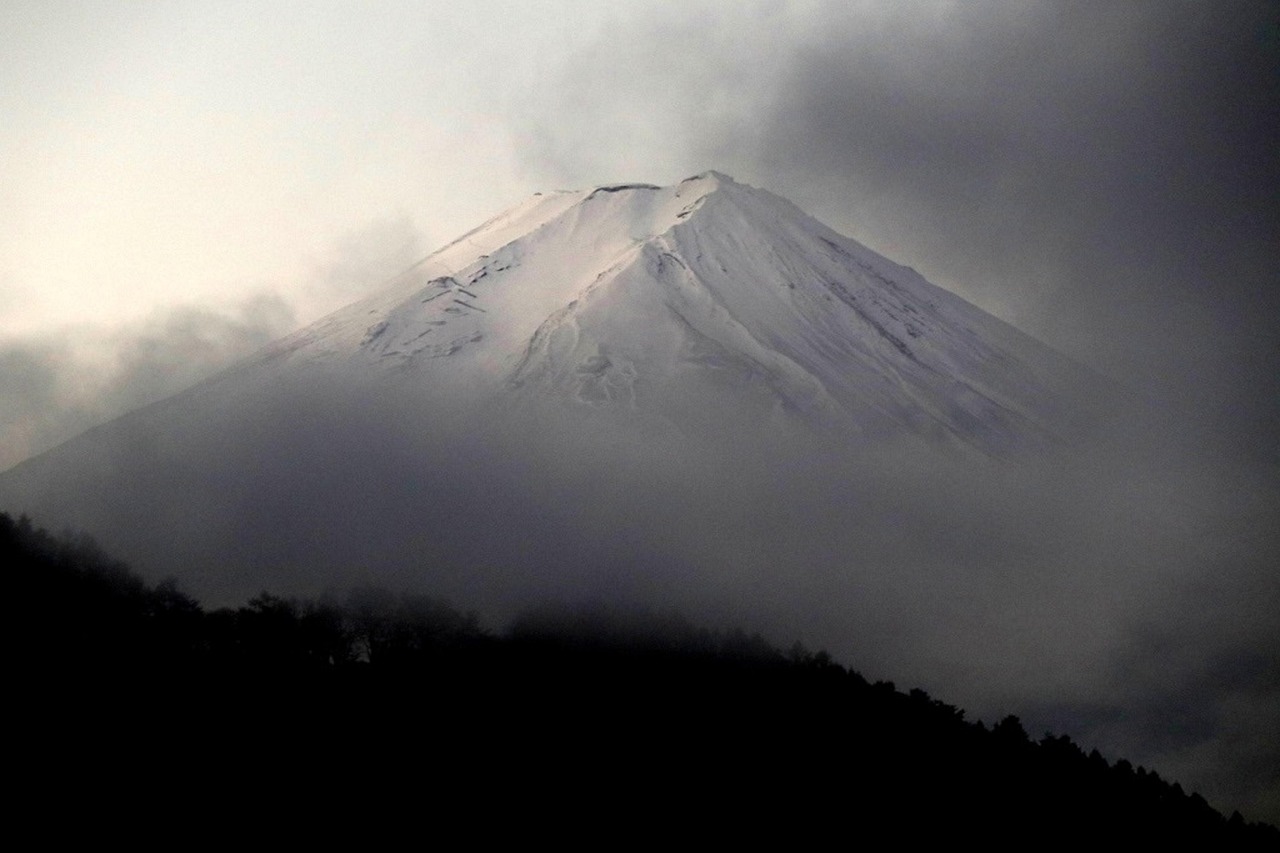
Fuji and Mount Fuji views: lakes, hot springs, and calm, weather-smart planning
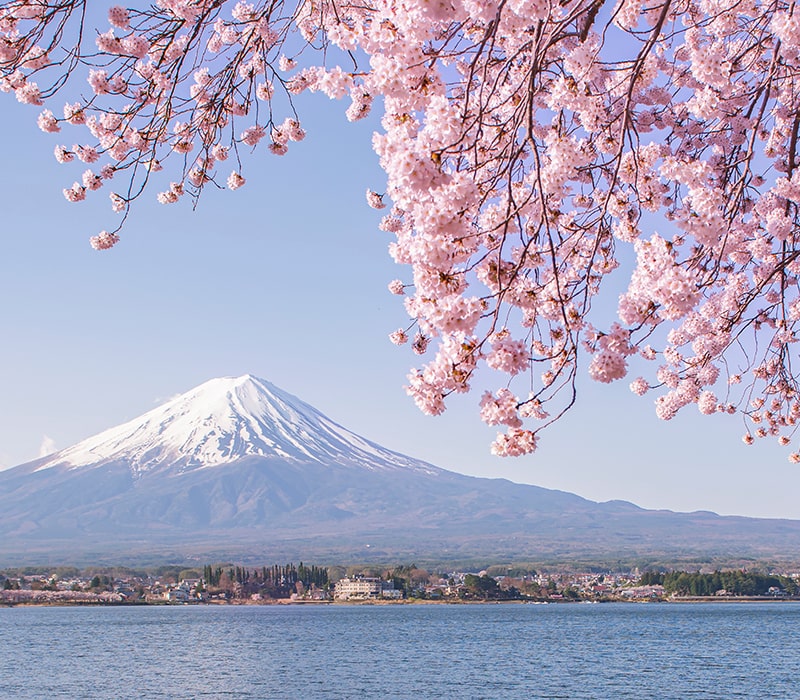
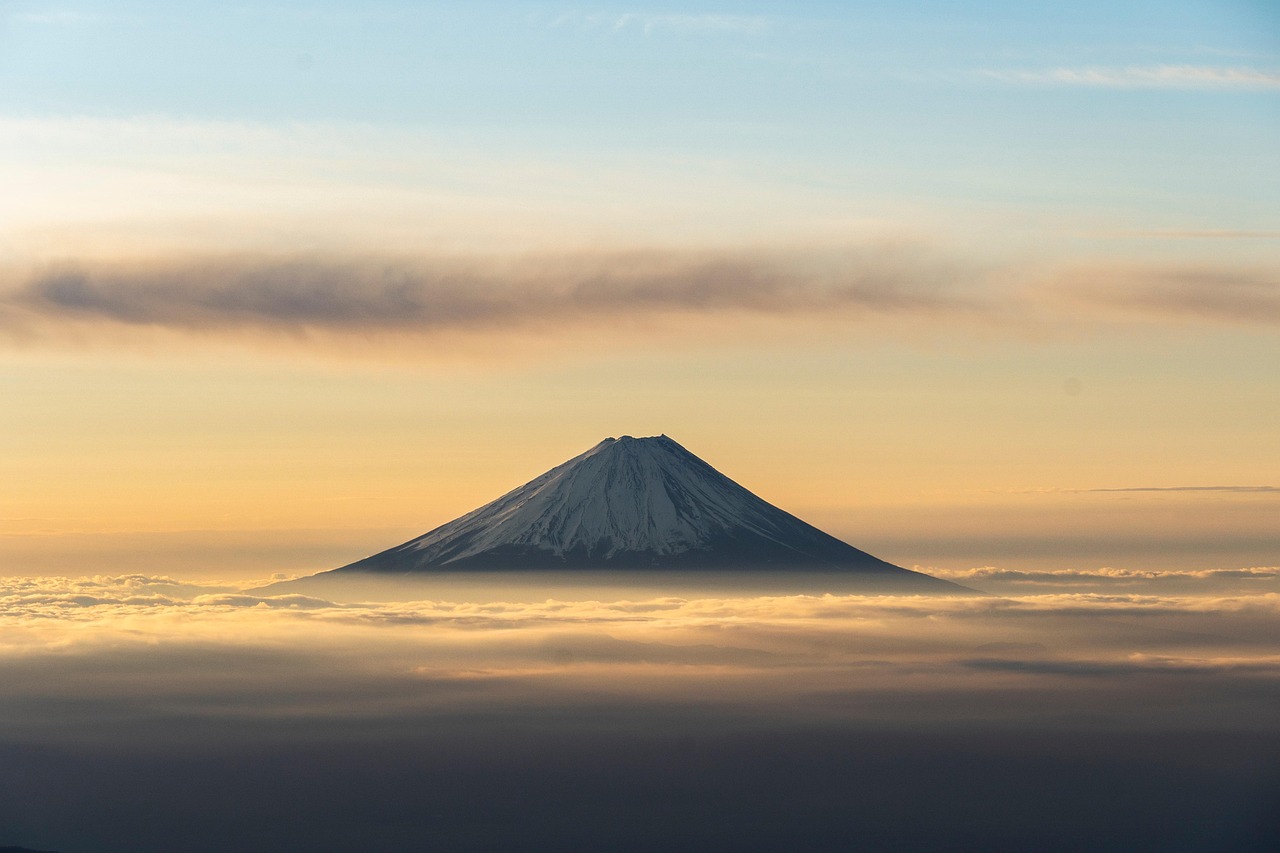
When you see Fuji Mount Fuji luxury stay Hakone day trip best area to stay in an itinerary, it’s a promise of scale and stillness. Fuji is a defining destination on many Japan bucket list routes, but it’s famously weather-dependent—visibility changes hour by hour. The most confidence-building approach is to plan for flexibility: give yourself two chances to see Mount Fuji, and treat anything else as a bonus.
Clearer views often come in colder months, while spring can bring atmospheric haze even during cherry blossom season. If Fuji is a priority, consider one night near the lakes or Hakone so you’re not gambling on a single moment. In many itineraries, it’s smarter to stay overnight than to squeeze it into a rushed loop back to Tokyo.
Best area to stay around Fuji and Hakone: lakeside calm, art, and private onsen suites
The best area to stay depends on the feeling you want. Lakeside areas offer classic postcard compositions and gentle morning light; Hakone brings hot springs, art, and forested roads that feel restorative. Many properties offer private onsen suites, which add privacy and a sense of retreat after Tokyo’s energy—especially if you’re transitioning from city shopping to nature in the same week.
If your schedule is tight, you can do a refined day trip with the right support. A private car makes the timing humane and lets you adjust to weather—lingering when the mountain appears, moving on when clouds settle in. Done well, Fuji becomes one of those beautiful places in Japan that feels spacious, not stressful.
A crafted Fuji day trip blueprint: museums, beautiful gardens, and viewpoints
For a high-end “Fuji day”, think in three acts: one museum with strong design, one set of beautiful gardens or lakeside walking, and one calm viewpoint. This is not about rushing; it’s about creating space for the scenery to arrive. Build in a gentle lunch and a short shopping stop for local crafts, then return before the evening feels long—especially if you’re continuing on to Kyoto the next day.
Hot springs are part of the ritual here, and a little etiquette makes it comfortable. Cleanse thoroughly before entering, keep voices low, and never put towels in the water. If tattoos are a concern, choose properties with private baths so you can relax with complete ease and care.
A ryokan stay near Fuji can be a bridge into deeper quiet. In a good ryokan, the service is attentive but unobtrusive, meals are seasonal, and the experience feels restorative—less “hotel night”, more gentle reset. For travellers chasing beautiful spots and stillness, this is often the most rewarding way to experience Fuji.
Hakuba in the Japanese Alps: luxury ski, private lodge stays, ryokan onsen, and winter privacy
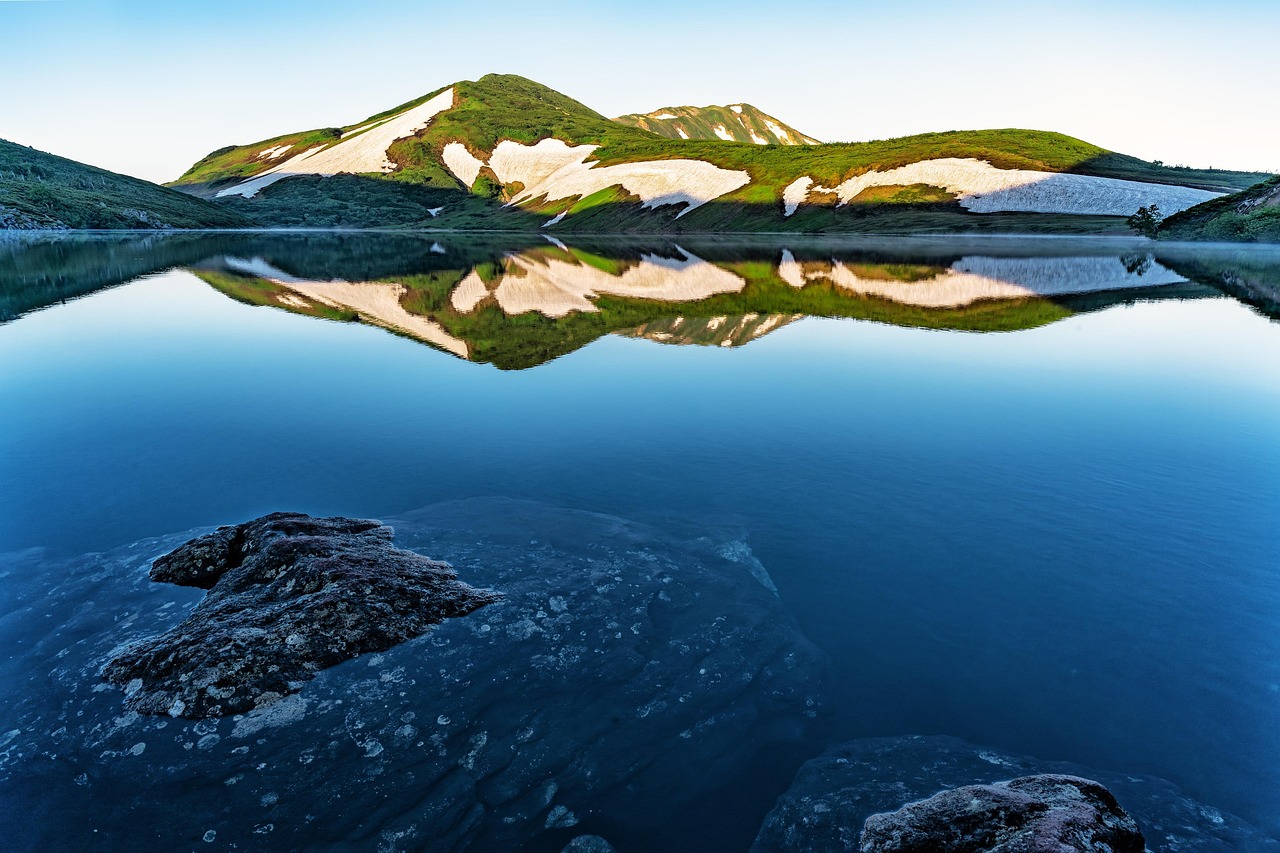
Hakuba in the Japanese Alps: private-lodge comfort, onsen evenings, and quiet winter views
For a winter escape, Hakuba Japanese Alps luxury ski private lodge ryokan onsen is a rare kind of quiet. Hakuba offers clean mountain air, wide views, and a sense of privacy that’s hard to find in bigger resorts. For high-end travellers, it’s a place to visit when you want the day to feel simple: ski, soak, dine, sleep deeply, repeat—often in what many call Japan’s most beautiful winter landscapes.
This is where “exclusive” can mean something gentler—private instructors who adapt to your pace, and days designed around comfort. If you’d like an alpine chapter that still feels culturally Japanese, Hakuba is ideal, especially after time in Tokyo and Kyoto.
Private lodges versus a traditional ryokan in Hakuba: what feels most restorative
Private mountain lodges suit travellers who like space, fireplaces, and the freedom to set their own rhythm. A traditional ryokan, by contrast, offers a more hosted style: slippers at the door, beautifully timed meals, and an onsen routine that anchors the evening. Both can be luxurious; the choice is whether you want independence or a little more care built into the structure.
Sleep quality is often a surprise highlight. The quiet in the mountains, the cool air, and the feeling of being looked after can make even a short stay feel like a true retreat—particularly after busy city days and long bullet train connections.
A couple’s ryokan story: kaiseki dinners, onsen rituals, and panoramic views
A couple once described their unforgettable ryokan stay in Hakuba: personalised Kaiseki dinners served at an unhurried pace, then onsen baths framed by panoramic, snow-capped mountain views. What stayed with them wasn’t just the scenery, but the thoughtfulness—small adjustments to preferences, gentle explanations of each course, and a sense of trust that made everything feel effortless. It’s romance, crafted with sincerity rather than show.
- Keep transfers easy: use luggage forwarding so you can travel light between Tokyo, Kyoto, and the Alps.
- Plan “weather buffers”: add flexibility for snow days, especially if connecting from a trip from Kyoto.
- Choose the right support: private drivers and local teams keep winter logistics seamless.
Beyond the slopes, Hakuba is at its most beautiful when you slow down. Take a quiet village walk, step into a small gallery, or plan a fireside tasting that celebrates local produce. Moments like these are why Japan is one of the world’s most rewarding destinations: even the simplest evening can feel designed.
Destinations in Japan that stay with you after you visit Japan: Hiroshima and Miyajima
At the end of a journey, it’s rarely the headline sights that linger first. It’s the hush as you step into a shrine courtyard, the careful placement of a cup, the way a host anticipates what you need before you ask. Japan travel has a particular talent for reminding you that beauty can be quiet, and that care can be practical—one reason this country remains among the best places in Japan to return to again and again.
Some travellers choose to hold space for Hiroshima, approaching it with humility rather than spectacle. Hiroshima Peace education begins in the Peace Memorial Park, which asks for a slower pace: time to read, to reflect, and to feel the weight of history without rushing past it. Inside the Peace Memorial Museum, the reality of the atomic bomb is presented with moral clarity, and it changes the tone of your trip in a way that is honest and necessary. If you can, pause at the Hiroshima Peace Memorial (Genbaku Dome), a stark focal point that brings the story into sharp focus.
From Hiroshima, many people find a gentle counterpoint on the island of Miyajima. On Miyajima Island, the waterline and wooded paths soften the mind, and the floating torii gate at Itsukushima shrine feels like a pause you can physically step into. Visit Daishō-in temple for a quieter, contemplative walk, then enjoy a calm afternoon before returning to the city. This world heritage setting is often described as a UNESCO World Heritage site—a world heritage site where nature and spirit share the same frame, and part of the broader UNESCO World Heritage story across Japan.
When you leave Japan, you may realise you’re taking home a new way of noticing: the elegance of daily rituals, the reassurance of systems that work, the warmth that appears when you meet the local culture with respect. If you want to explore further, you can uncover different Japan destinations each time—returning not to tick off more, but to see what else might quietly change you. For inspiration, you can browse our Trip gallery and start shaping your next set of places in Japan and experiences.
F.A.Qs: Top places to visit in Japan
What are the top 5 places to visit in Japan for a first-time itinerary?
For many travellers, the top five are Tokyo for dining and design, Kyoto for temples and shrines, Mount Fuji for iconic scenery, Osaka for energy and food, and Hiroshima for the peace memorial experience paired with miyajima. The best choices depend on your pace: a week in Tokyo suits city lovers, while more time in Kyoto rewards those who want cultural depth, a memorable shrine walk, and time inside a garden temple.
Is $5000 enough for 2 weeks in Japan, including Tokyo, Kyoto, and Fuji?
$5000 can work for two weeks with careful planning, especially if you balance cities with efficient transport and choose mid-range hotels. For high-end travellers seeking luxury stays, private transfers, a ryokan night, and Michelin-starred dining, you’ll likely need a higher budget—particularly during cherry blossoms or autumn foliage. Costs rise quickly with premium room categories, last-minute bookings, and hard-to-get reservations.
What is the #1 tourist attraction in Japan: Mount Fuji or Kyoto’s famous shrine walk?
Many people cite Mount Fuji as the most iconic attraction, because it symbolises Japan in a single view. That said, Kyoto’s Fushimi Inari shrine with its torii gates is often the most memorable “walk-through” experience for visitors. Your number one may simply be the moment that feels most personal: a sunrise view, a tea house hush, or a perfectly timed meal after a temple visit.
Which part of Japan is best to visit if you want cities, culture, and a day trip?
For a first visit, the tokyo and kyoto corridor is the most rewarding because it combines modern city life with historic culture, temples, and shrines. Add Fuji or Hakone for hot springs and scenery as a relaxed day trip or overnight, then consider Osaka for nightlife and food. In winter, the Japanese Alps—such as Hakuba—are ideal for crisp air, snow views, and restorative onsen evenings.