Post Contents
- Arriving at Kanazawa Castle Park in Japan with access from JR Kanazawa Station
- Explore Kanazawa Castle gates turrets Maeda clan restoration in Japan
- Kenrokuen Garden next to Kanazawa Castle Japan cherry blossoms autumn foliage
- Uncover Nagamachi Samurai District Kanazawa Japan samurai houses local culture
- Design a Kanazawa Castle itinerary Kenrokuen museum art bus yen guided tour Japan
- What stays with you after Kanazawa Castle Japan personal reflection after the journey
- F.A.Qs: Kanazawa Castle Japan
Arriving at Kanazawa Castle Park in Japan with access from JR Kanazawa Station
Arriving at Kanazawa Castle Park in Japan
Kanazawa Castle Park Japan access from JR Kanazawa Station is wonderfully straightforward, which means you can arrive with confidence rather than effort. Use jr kanazawa station as your anchor: it’s about a 15-minute walk, or an easy hop by bus when the weather turns or you’re saving your energy for exploring.
For the simplest public transport, take the Kanazawa Loop Bus or a Hokutetsu route and hop off at Kenrokuen-shita, the handiest bus stop for both the castle and the gardens. From there, you’ll feel the city loosen its grip as the parkland opens up and the castle skyline begins to appear between trees.
Arrive early for softer light at Kanazawa Castle Park
If it’s your first time, imagine a calm, crafted start: arrive early, when the air is cooler and the light is gentle on the white walls. You’ll have space to orient yourself at the main approaches and spot your first gate lines before the mid-morning flow arrives. One visitor told us the thrill wasn’t just “having it to themselves”—it was watching the place wake up, step by step, with the softest shadows for photography.
Practical timing, costs, and what to pack for the castle
Opening hours are often around 8:30 am to 5:00 pm, but do confirm current details as seasonal schedules can change. Entry fees are typically modest in yen, especially compared with many premium experiences in Japan, and you can choose to pay only for select reconstructed interiors.
- Footwear: comfortable shoes for uneven stone paths and slick edges after rain.
- Layers: Ishikawa weather can shift quickly—light knitwear and a shell keep things seamless.
- Etiquette: speak softly, queue patiently, and treat the site with care—Japan rewards quiet respect.
With those essentials, you’re free to explore with trust in your plan—no rushing, no second-guessing, just a warm, steady arrival.


Explore Kanazawa Castle gates turrets Maeda clan restoration in Japan
Explore Kanazawa Castle architecture and rebuild stories
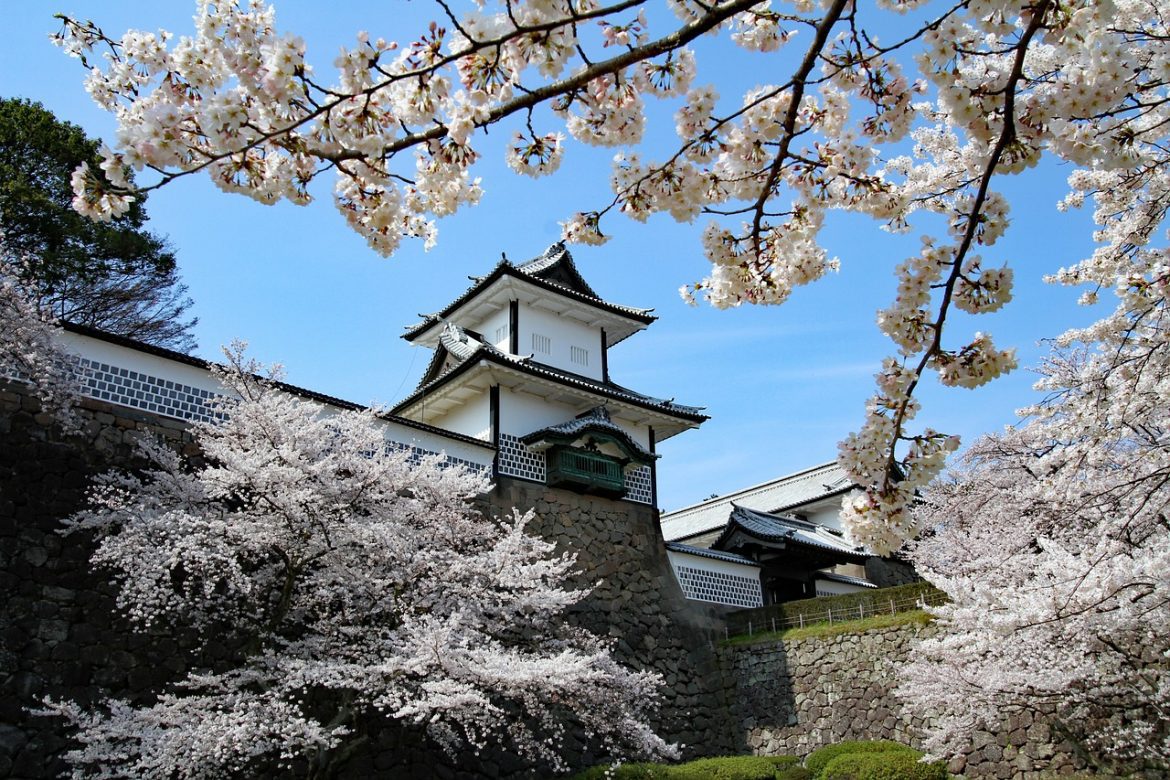
Kanazawa Castle gates turrets Maeda clan restoration in Japan is more than a mouthful—it’s the heart of why this place stands out among Japanese castles. Founded in 1583, the site became a major power base, shaped through the Edo period, and repeatedly tested by fire; major burn events in 1602 and 1788 changed the complex again and again. What you see today is a thoughtful rebuild—not a theme-park gloss, but a careful return of form, craft, and proportion.
The story centres on Maeda Toshiie, the Kaga warlord whose line became one of the wealthiest under the Tokugawa order. The castle served as the headquarters for a powerful lord within a carefully balanced domain, where loyalty and cultural refinement mattered as much as defence.
Signature gate walks and stone wall engineering
Begin with the iconic Ishikawa-mon gate (also seen written as Ishikawa-mon), then trace your route towards Hashizume-mon and Kahoku-mon gate. Each gate sequence is designed to slow an approach, and the angled stone wall lines—precise, layered, and quietly imposing—show how engineering can feel almost elegant. Pause by the moat viewpoints and arched bridges: in clear weather, the water carries the castle’s white geometry like a second, softer sketch.
Reconstructed interiors, nagaya scale, and the feel of craftsmanship
Don’t miss the reconstructed icons: Hishiyagura (with its Hishi-shaped profile), Tsuzuki Yagura, and the Hashizumemon Tsuzuki connection that stitches structures together with confidence. Walk the long nagaya corridor—especially Sanjikken Nagaya—and you’ll sense the almost gojukken scale even before you count the bays.
Inside, the experience becomes tactile: crisp carpentry, the faint scent of fresh timber, and the quiet shine of a polished floor underfoot. Look for displays explaining how a storehouse and warehouse system supported daily life, not just defence—because a castle was also logistics, routine, and order.
For context, it helps to know how the site evolved: after Meiji, parts were used by the Japanese army and later for national government administration, and it even connected to Kanazawa University in the modern era. If you’ve visited Himeji or Kumamoto, you’ll notice a different rhythm here—less about an untouched keep, more about architectural clarity and restoration detail. And if you’re coming from Osaka, Kanazawa feels calmer, with space to truly look.
Some travellers ask about the original castle—the truth is that time and fire changed it so much that what remains is the story of choosing to reconstruct, carefully, in the present.
Kenrokuen Garden next to Kanazawa Castle Japan cherry blossoms autumn foliage
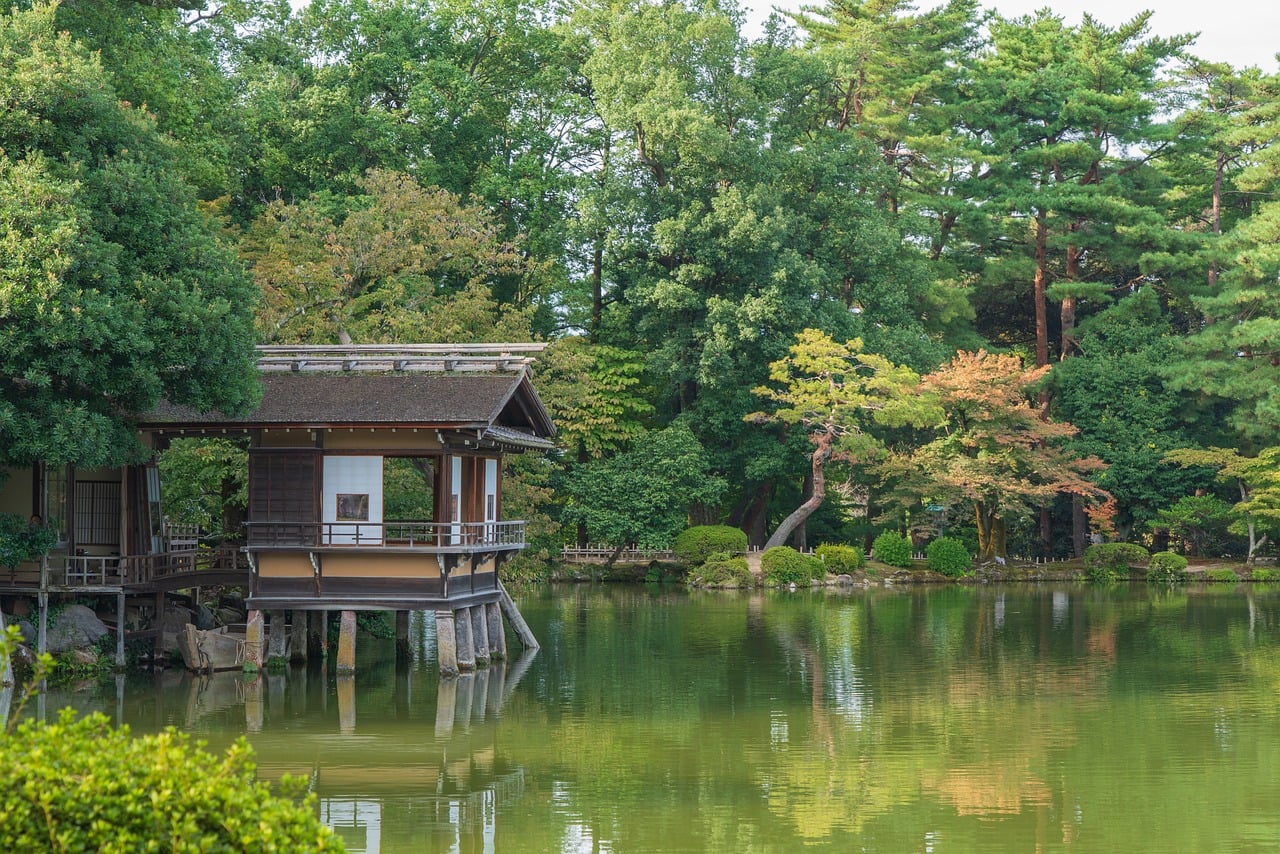
Kenrokuen Garden beside the castle in Japan
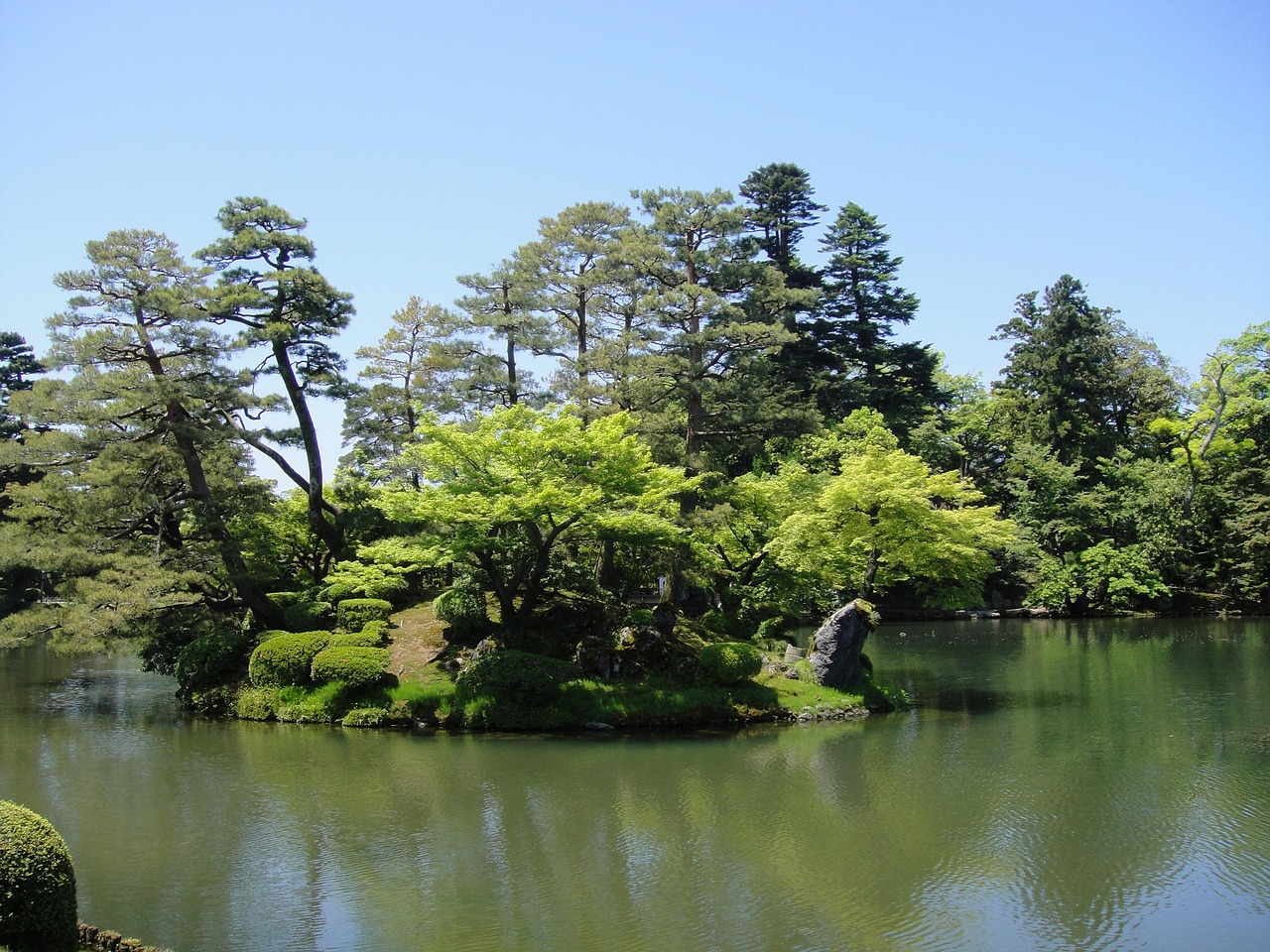
Kenrokuen Garden next to Kanazawa Castle Japan cherry blossoms autumn foliage is the perfect emotional counterpoint to the castle’s power story. After the measured angles of the castle, Kenrokuen feels like an exhale—designed to slow your pace, open your attention, and invite insight through small details: water sound, shifting light, and the careful placement of stones and trees.
A gentle route from the entrance of Kenrokuen
Start at the entrance of Kenrokuen that best suits your flow from the castle side, then let your route be guided by the season. From March to May, blossoms soften the landscape into pale cloudlike layers; from September to November, maples turn the garden into a glowing study of reds and golds. Streams and ponds act like mirrors, reflecting sky and canopy so your photos feel naturally composed.
One traveller shared a simple, personal moment that stayed with them: sitting on a bench under blooming trees, letting the day breathe during an otherwise busy Japan itinerary. It’s the kind of pause that high-end travellers often seek—not because it’s exclusive, but because it’s quietly profound.
Photo and mindfulness prompts for adventure seekers
If you like to explore with intent, treat the garden like a series of micro-adventures: follow the edges of streams, take the small turn that looks less obvious, and look back towards the castle silhouettes when you find a clearing. The quieter corners are where you create your most intimate frames.
- Walk slowly along water features and wait for ripples to settle before shooting reflections.
- Use branches as a natural frame, then place a white wall or roofline in the distance.
- Trust the hush—when voices drop, your senses sharpen, and details appear.
By the time you leave Kenrokuen garden, you’ll feel both energised and steadier—ready to uncover the lived history beyond the park.
Uncover Nagamachi Samurai District Kanazawa Japan samurai houses local culture
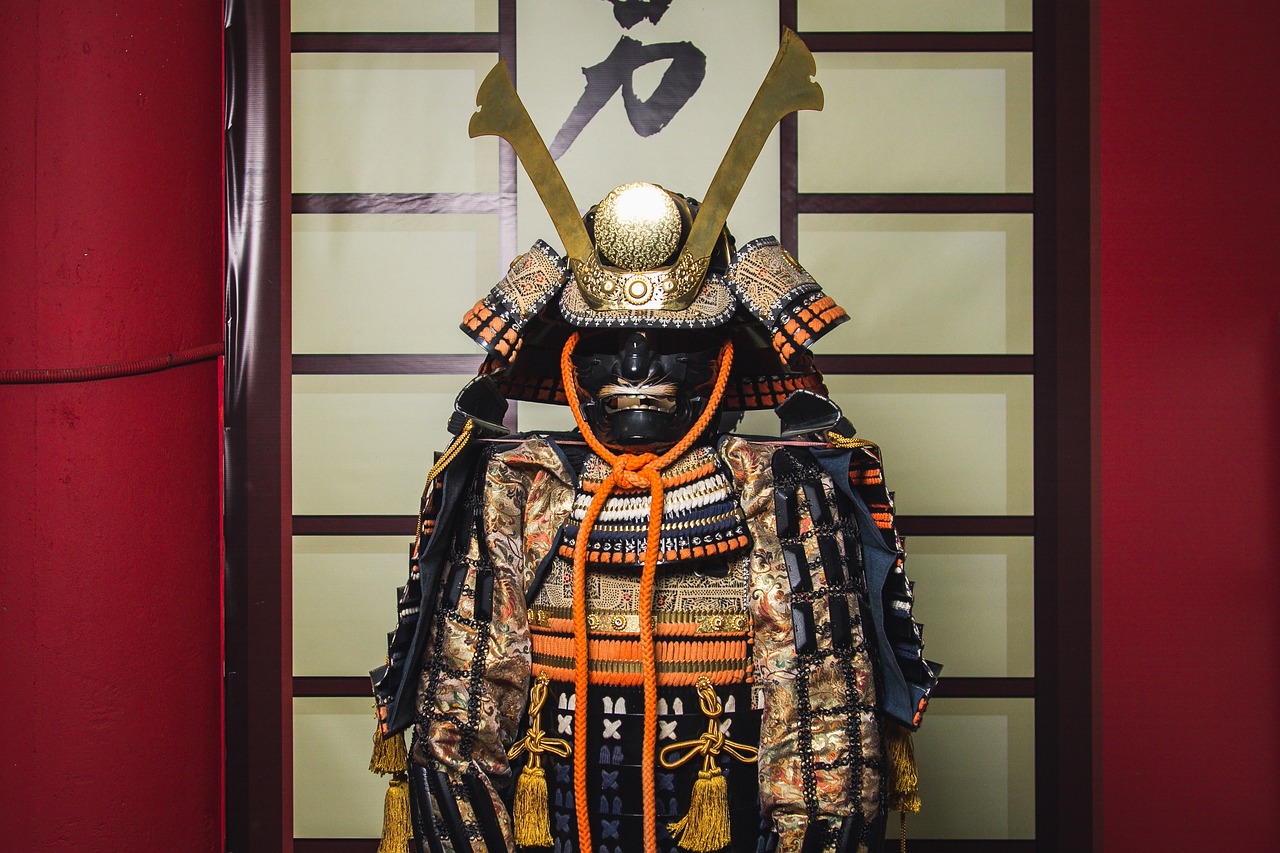
Uncover Nagamachi Samurai District local life
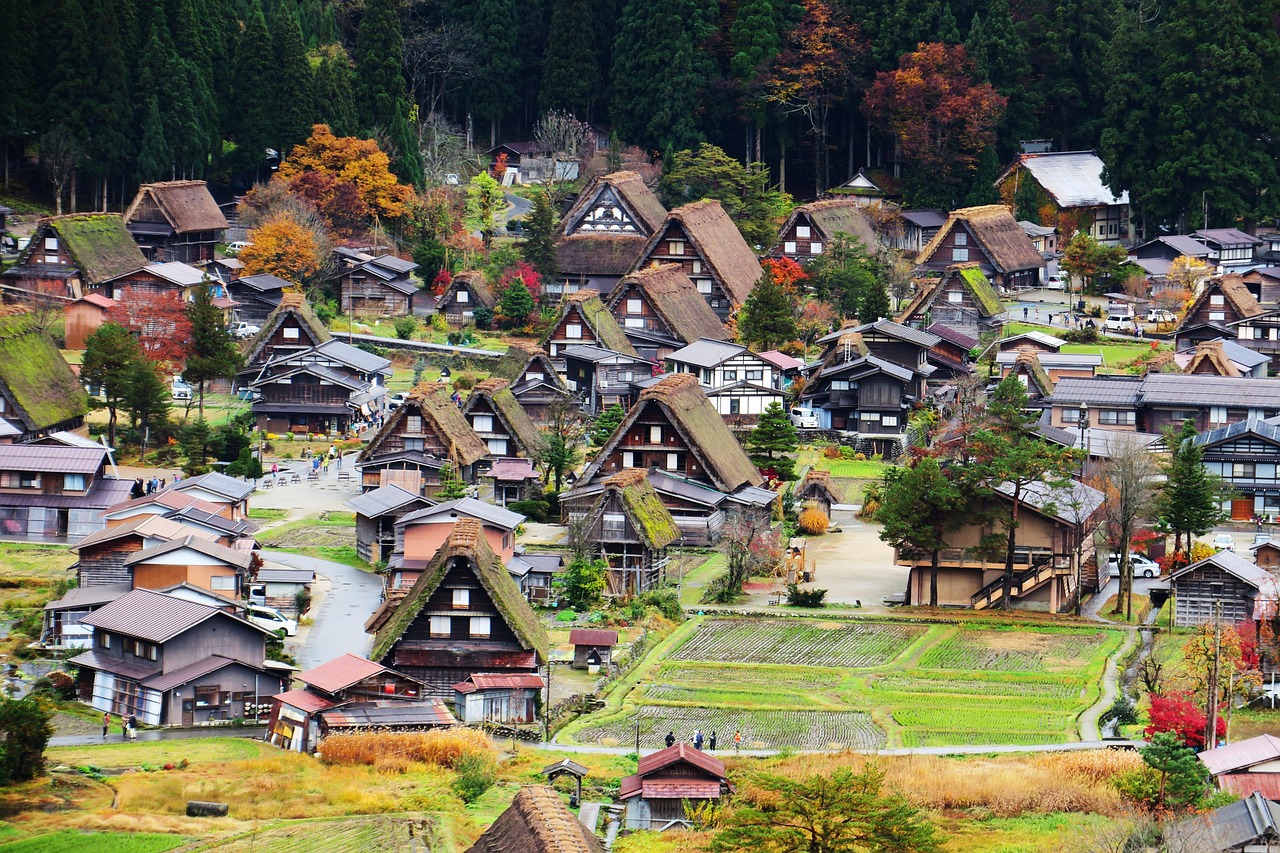
Nagamachi Samurai District Kanazawa Japan samurai houses local culture shifts you from grandeur to texture: narrow lanes, earthen walls, and well-preserved residences that reveal a feudal routine beyond the battlefield. Here, history feels human-sized—doorways, courtyards, and practical details that make the past easier to imagine.
A traveller once told us their visit to Kanazawa Castle sparked a deeper appreciation for samurai heritage—but it was Nagamachi that made it real. They chatted with local residents who occasionally reenact culture with gentle pride, and suddenly the Maeda story felt less like a textbook and more like living memory tied to the Maeda family legacy.
Respectful ways to engage with local life
Warm connection in Japan often comes from small acts of care. Speak softly, move thoughtfully through lanes, and ask before photographing people or private thresholds. When you enter a historic house, follow the rules with trust—these spaces are delicate, and your respect is part of how the heritage endures.
Design a richer afternoon with nearby cultural threads
To keep your day seamless, add nearby stops that deepen the cultural mood without overloading your schedule. A short detour to Oyama Shrine brings striking design contrasts, and an evening wander in Higashi Chaya adds a different kind of artistry, where geisha heritage still feels tangible in lantern light.
The shift is beautiful: from castle strength to neighbourhood quiet, from ceremony to everyday life—experienced together, rather than as disconnected “sights”.
Design a Kanazawa Castle itinerary Kenrokuen museum art bus yen guided tour Japan
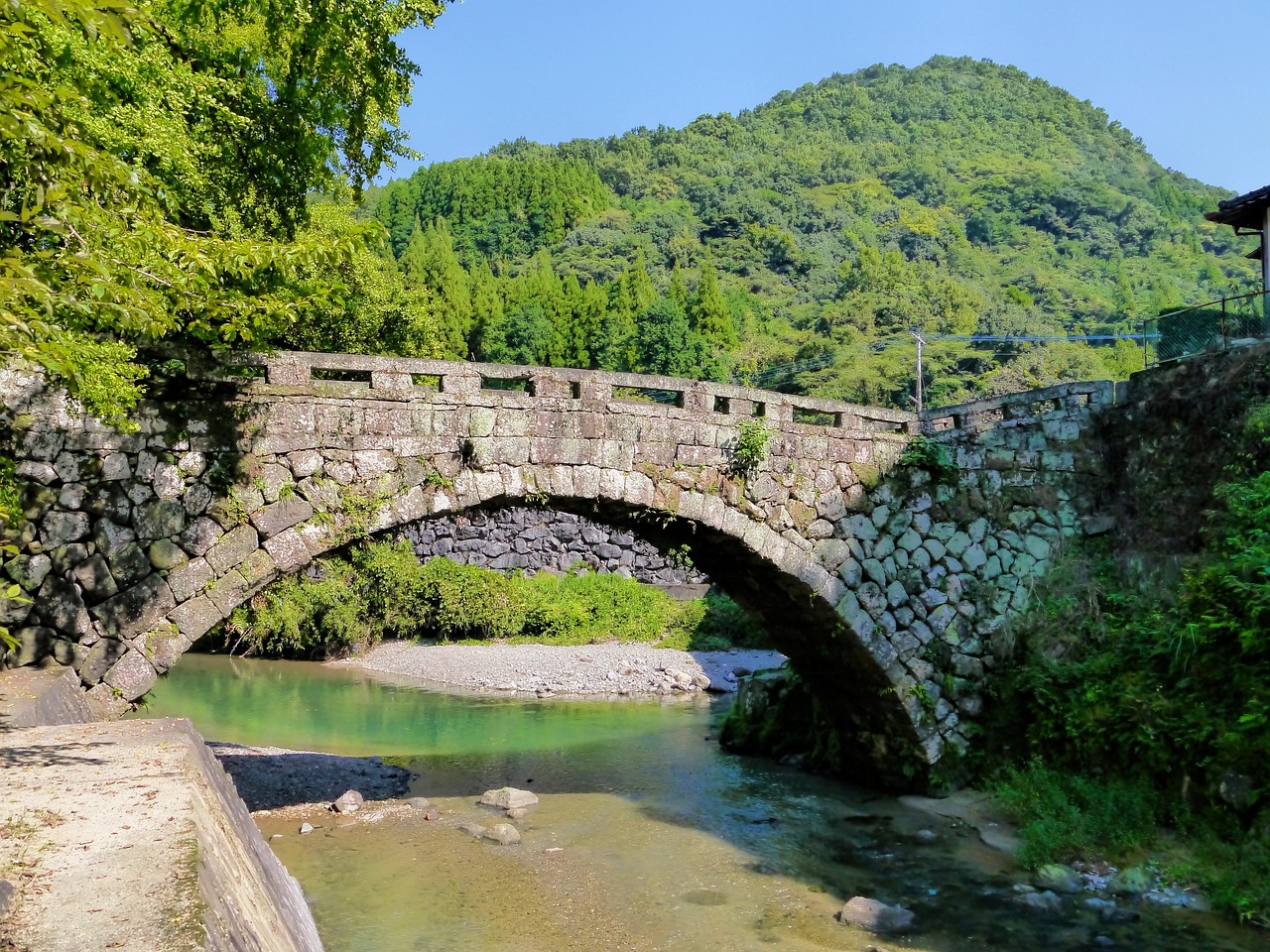
Design a seamless half-day Kanazawa Castle adventure
Kanazawa Castle itinerary Kenrokuen museum art bus yen guided tour Japan is your permission slip to stop juggling tabs and simply enjoy. This is a crafted half-day designed for adventure seekers who love culture: high energy, low friction, and enough structure to keep decisions light.
A time-stamped, seamless flow that keeps it all together
08:30–10:15 Explore Kanazawa Castle early: begin at the main paths and work through gates and interiors while the light is still soft. (This is where you’ll often get your best turret angles before the day warms up.)
10:30–12:00 Cross into Kenrokuen for a slower tempo and a mindful reset. Take your time—this is where you’ll notice the smallest design gestures.
12:15–14:00 Head onwards to Nagamachi, then pause for lunch nearby. If you want to keep things extra smooth, plan your transport in advance—whether that’s walking or a quick local connection.
In the middle of this loop, add the Ishikawa Prefectural Museum of Art on the castle side for regional insight and a calm, curated break. For a modern contrast, the 21st Century Museum of Contemporary Art nearby can be a brilliant palate-cleanser.
Guides, signs, and family-friendly support on site
There are informative multilingual signs throughout, but an English-speaking guide or audio guide can transform the experience—especially if you want deeper context on restoration, defence design, and how the castle evolved. Families often say guided tours bring the stone walls and turrets to life in a way that keeps all ages engaged and curious.
If you’re browsing ideas for Japan beyond Kanazawa, you can also dip into our Trip gallery for inspiration that matches a design-led pace.
- Costs: carry small change in yen for admissions and small purchases.
- Comfort: hydration breaks and steady footwear make uneven paths effortless.
- Etiquette: don’t touch delicate features; take rubbish with you; keep voices low indoors.
- Photography: shoot a turret at golden hour, and frame arched bridges after rain for reflections.
Give yourself at least half a day and you’ll feel supported, not hurried—enough time to explore, discover, and still have space left for wonder. On your return loop, you’ll notice how the castle grounds hold everything in a single, coherent story.
What stays with you after Kanazawa Castle Japan personal reflection after the journey
Kanazawa Castle Japan personal reflection after the journey often arrives later, when the photos are filed away and what remains is a feeling. The castle is a lesson in patience: a place shaped by fire, time, and choices made with care—proof that rebuilding can be quiet, not dramatic, and still deeply beautiful.
What lingers is rarely the checklist. It’s the warmth of a brief conversation with someone keeping tradition alive without spectacle; the calm confidence of a city that doesn’t need to shout; the moment you notice your own pace slowing to match the landscape.
You might remember soft morning light slipping across white walls, or the hush you found in Kenrokuen when the world felt briefly held in balance. You might even recall the way your steps sounded on an old wooden floor, and how instinctively you treated the space with respect—because it asked for gentleness, and gave steadiness in return.
And when you think of Japan again, perhaps it won’t be the biggest landmarks that call you back, but the quieter places—where strength is measured in restoration, and curiosity is rewarded with time.
F.A.Qs: Kanazawa Castle Japan
Is it worth going into Kanazawa Castle?
Yes—going inside adds depth you can’t get from the outside paths alone. The reconstructed spaces highlight craftsmanship, carpentry details, and how the castle was organised, making the story feel tangible rather than theoretical.
What is Kanazawa in Japan famous for?
Kanazawa is famous for its well-preserved Edo-era culture, refined arts and crafts, and an unusually rich set of sights close together—Kanazawa Castle, Kenrokuen, samurai districts, and strong regional museums within an easy walk or short ride.
Are they rebuilding Kanazawa Castle?
Kanazawa Castle has seen long-term reconstruction and restoration work over time, with key structures rebuilt using traditional methods. It’s wise to check current notices before you visit, as some areas can be partially restricted during maintenance.
How long do you need at Kanazawa Castle?
Plan 1.5–2.5 hours for the castle and selected interiors at a relaxed pace. If you’re pairing it with Kenrokuen and nearby districts, a half-day is ideal so you can explore without rushing and still enjoy the atmosphere.