Post Contents
- Tokyo Akasaka orientation and things to do in Akasaka Tokyo travel guide
- Tokyo nightlife in Akasaka izakayas themed bars and late bites Akasaka Tokyo nightlife izakaya themed bars restaurants in Akasaka
- Shrine calm in central Tokyo visit Hie Shrine and Toyokawa Inari Hie Shrine Tokyo Akasaka shrine walk Toyokawa Inari Tokyo Betsuin
- Contemporary Tokyo design and art around Akasaka and TBS TBS Akasaka Tokyo contemporary art design Tokyo Midtown Roppongi
- Stay in Akasaka Tokyo hotels transport and booking confidence stay in Akasaka Tokyo hotel booking Akasaka Station Chiyoda Line
- What stays with you after Akasaka Akasaka Tokyo personal journey cultural insight
- F.A.Qs:
Tokyo Akasaka orientation and things to do in Akasaka Tokyo travel guide
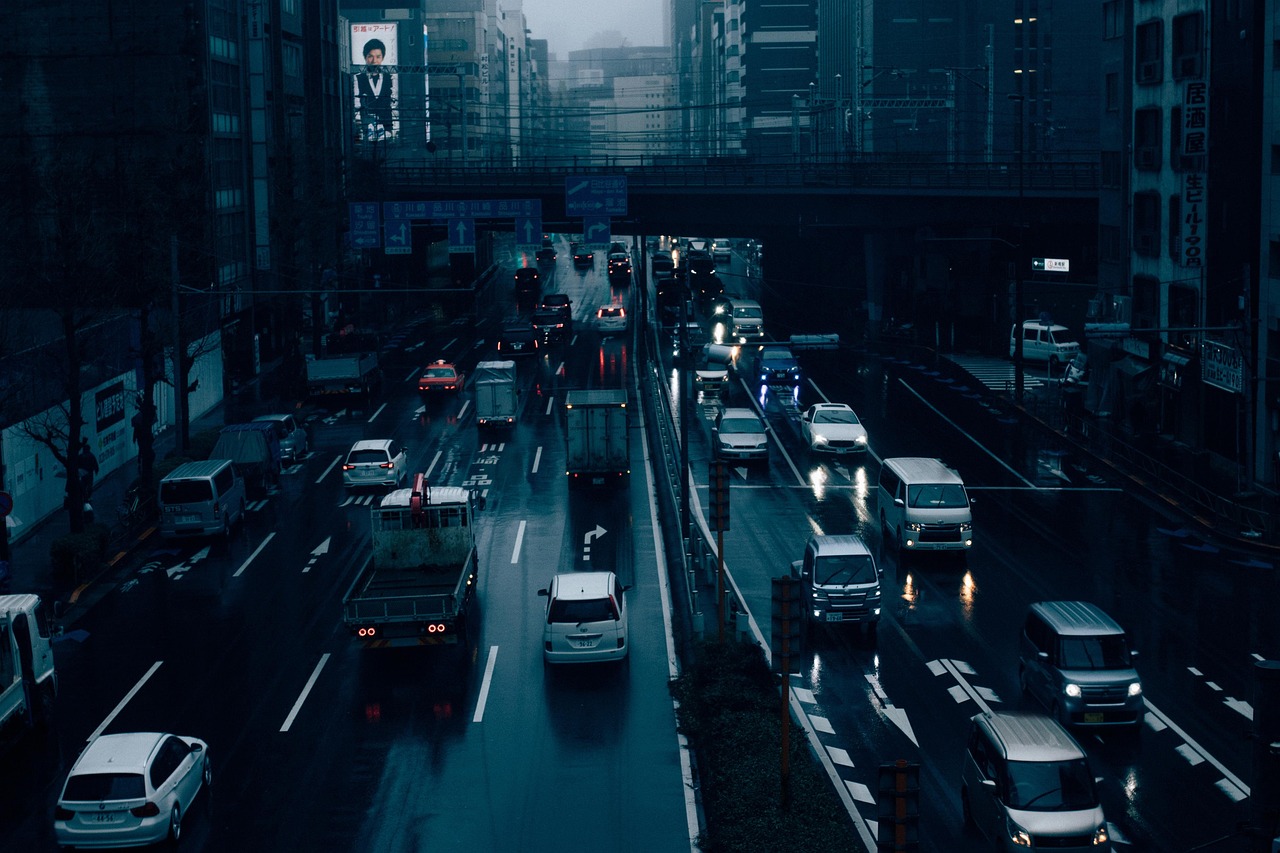
Tokyo Akasaka orientation and things to do in Akasaka, your first neighbourhood look
This things to do in Akasaka Tokyo travel guide starts with one reassuring idea: Akasaka is a crossroads, not a maze. The Tokyo Akasaka neighbourhood sits inside Minato, where business and entertainment share the same pavements—polished lobbies, discreet cocktail dens, and late-night noodle counters all within a few blocks. If you arrive with an adventurous appetite but want an expert sense of bearings, Akasaka rewards you quickly, especially after dusk when the streets soften into a gentle buzz.
Think of the Akasaka area as a set of layers. At street level you’ll discover everyday Tokyo—coffee runs, commuters, and quick lunches—then, as evening arrives, you can create a completely different rhythm: slow shopping, a quiet shrine pause, then a lively dinner that turns into an unplanned conversation. It’s a neighbourhood that supports spontaneity without demanding it.
Central Tokyo bearings from Akasaka Station and nearby subway station options
Start with Akasaka Station, connected to Akasaka Station on the Chiyoda Line for Akasaka, which makes Tokyo travel feel straightforward. For extra flexibility, you’ve also got Akasaka-mitsuke station with the Marunouchi Line and Tokyo Metro Ginza, plus Nagatacho and the nightlife connection for late finishes and easy transfers. This cluster of lines is why Akasaka works so well as a base: you can move across Tokyo confidently, then come back to a calmer pocket.
When you’re orienting yourself, glance at the hotel towers and embassy-like buildings: they’re not just scenery, they’re signposts. The bigger streets are bright and simple; the smaller lanes are where you uncover hidden dining. The trick is to keep your first evening route simple, then add detours once you’ve got your bearings.
Walk from Akasaka Station to Akasaka Sacas for a seamless first evening
For a first stroll, follow this gentle route as a walk from Akasaka Station: pass Akasaka Biz Tower, then swing into the Akasaka Sacas plaza. You’ll immediately feel what’s within walking distance—restaurants, cafés, and event spaces—without needing a rigid plan. This is also where you’ll sense the neighbourhood’s tempo: tidy, upscale, but still human.
From there, pick one anchor attraction to ground your first visit: Hie Shrine. Once you know where the shrine sits, the streets around it become your playground for curiosity. Detour down a side lane, follow a queue that feels local, or step into a bar that looks welcoming—Akasaka often gives you a little reward for trusting your instincts.
- Quick first-night flow: plaza wander, dinner, shrine walk-by, then dessert or a nightcap.
- Cost note: most sights are free, while special exhibitions can be ticketed.
- Confidence tip: keep your hotel pin saved and your last train time in mind.
One personal insight I love here is the “tomo” moment: a friendly greeting and a smile can turn a simple direction question into a local recommendation. In Tokyo, that small exchange can feel like a crafted piece of the city’s design—quiet, functional, and unexpectedly kind.


Tokyo nightlife in Akasaka izakayas themed bars and late bites Akasaka Tokyo nightlife izakaya themed bars restaurants in Akasaka
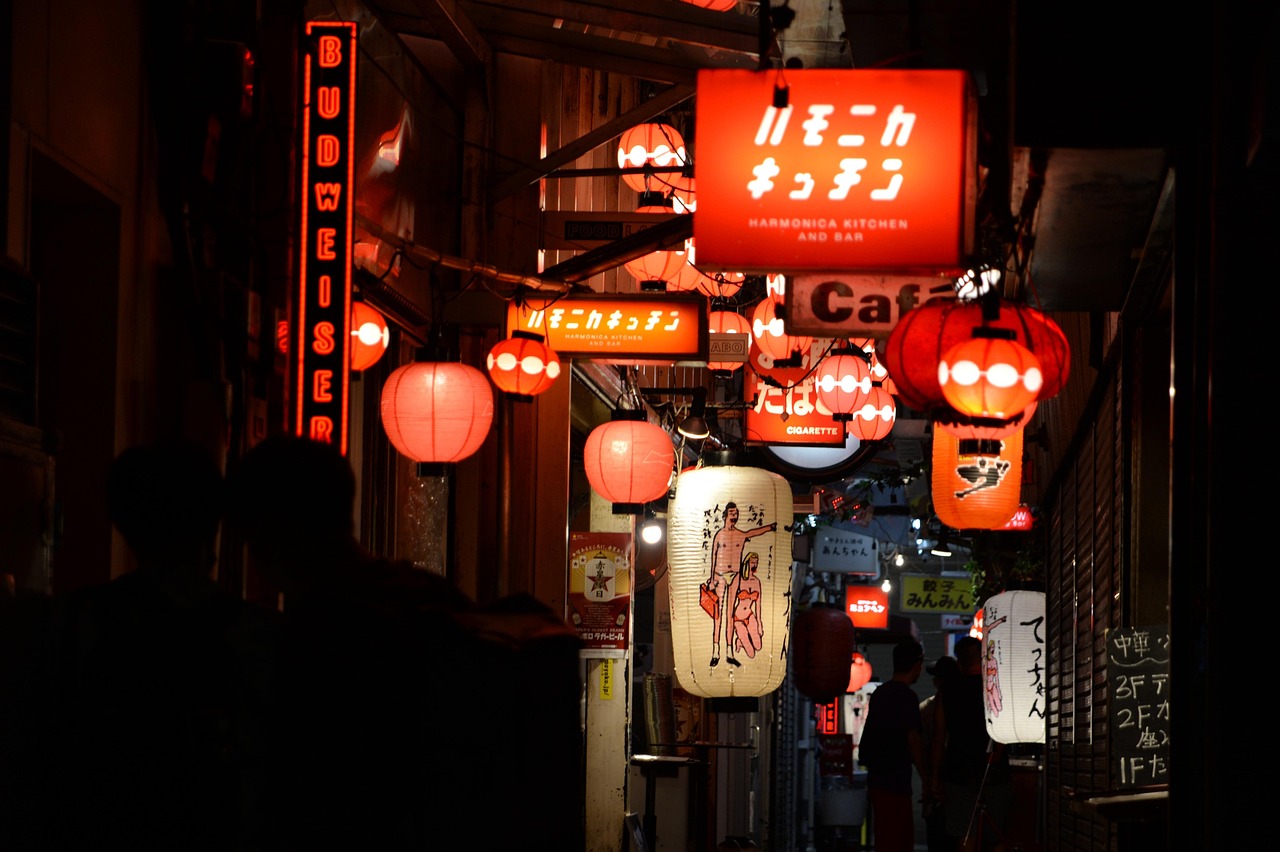
Tokyo nightlife in Akasaka izakayas themed bars and late bites, a warm evening scene
If you came for Akasaka Tokyo nightlife izakaya themed bars restaurants in Akasaka, you’re in the right place—this neighbourhood does evening exceptionally well. The vibe is lively without feeling chaotic, and the best nights often come from a “choose-your-own” crawl: a quick bowl of ramen, a few shared plates, then a themed bar you didn’t plan to love. For adventure seekers, it’s an easy way to explore Tokyo after dark with trust and a little playful courage.
Begin early and keep the pacing kind. Make gyoza your first stop—crispy, hot, and perfect with a cold drink—then let the night open out from there. Counter seating in Akasaka tends to be cosy, which means you’re close enough to watch the choreography of cooks and bartenders, and close enough for small talk if it comes naturally.
Ordering is simpler than it looks: point, smile, and use a few basics (hello, please, thank you). Many places have picture menus, and even when they don’t, staff are often practiced at helping international guests without fuss. Keep a little yen on you for smaller spots, though cards are common in bigger venues and hotel-adjacent dining.
To dine well without overthinking it, scan for three signals: a short queue (a good sign), a calm pace at the counter (you’ll be looked after), and a menu that feels focused rather than endless. In Tokyo, specialisation is a quiet form of expertise.
Reservation pacing and late-night care between Akasaka and Akasaka-mitsuke
A reservation can help for popular counters and michelin-starred restaurants, especially at peak times. But for most late bites, walk-ins work beautifully—just be prepared to wait a little, and treat it as part of the story. When you’re moving between Akasaka and Akasaka-mitsuke, keep to well-lit lanes, and don’t be shy about taking the main street if it feels more comfortable.
A traveller once told me about a tiny hidden sushi bar they found almost by accident. They sat quietly while the chef worked, then the conversation opened: stories of how the neighbourhood had transformed over decades, from older drinking alleys to today’s polished towers. It was warm, unshowy, and deeply personal—the kind of Tokyo memory you don’t photograph, you carry.
For late returns, use reliable transport: taxis are straightforward from main roads, and the metro is easy when you watch the time. The goal is a night that feels adventurous, not exhausting—so you can wake up ready to discover more.
Shrine calm in central Tokyo visit Hie Shrine and Toyokawa Inari Hie Shrine Tokyo Akasaka shrine walk Toyokawa Inari Tokyo Betsuin
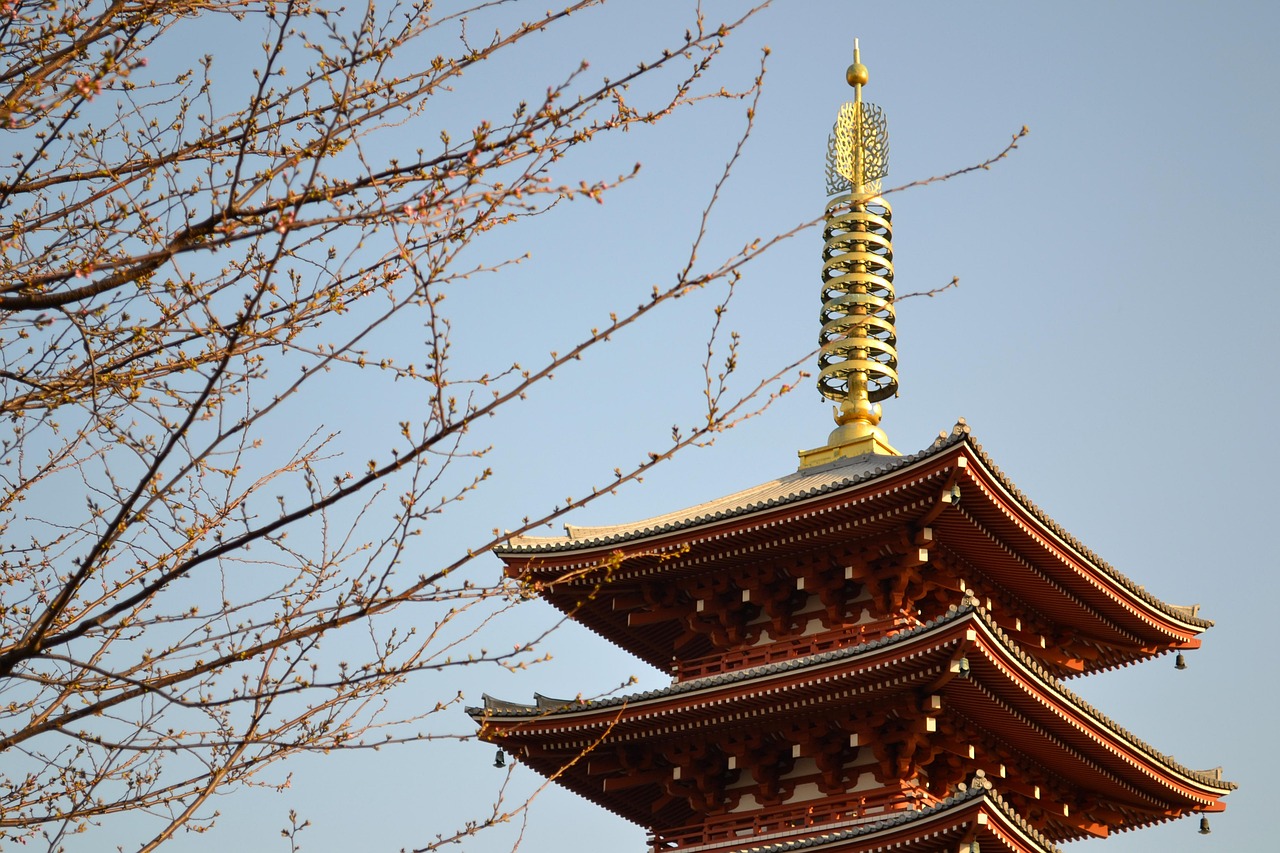
Shrine calm in central Tokyo visit Hie Shrine and Toyokawa Inari, a serene pause
When you need a reset, follow the thread of Hie Shrine Tokyo Akasaka shrine walk Toyokawa Inari Tokyo Betsuin and let the city exhale. In the centre of Tokyo, Hie offers a calm that feels almost designed—like someone built a pause button into the urban plan. One moment you’re among offices and traffic; the next, the air shifts, footsteps soften, and your attention returns to small details.
Arrive slowly, especially if you’ve been rushing through Tokyo’s big sights. This is where you give yourself permission to stroll, to notice light and shadow, and to let the day feel more seamless. Even if you’re not religious, a shrine visit can be a gentle way to travel with care.
Visit Hie and notice red torii gates and seasonal cherry blossom details
As you visit Hie, look for red torii gates, lanterns, and the woodwork that frames courtyards like quiet stages. In spring, a cherry blossom moment can appear almost casually—petals against dark timber, the city’s sharp edges softened. It’s a reminder that Tokyo’s beauty is often understated, waiting for you to look twice.
Photography is welcome, but do it with respect. Pause if others are praying, keep your voice low, and avoid stepping into someone’s ritual space for the perfect angle. Modest dress helps, especially if you’re coming straight from a hotel breakfast and feel too relaxed in beachwear.
Toyokawa Inari Tokyo Betsuin for fox statues and a different energy
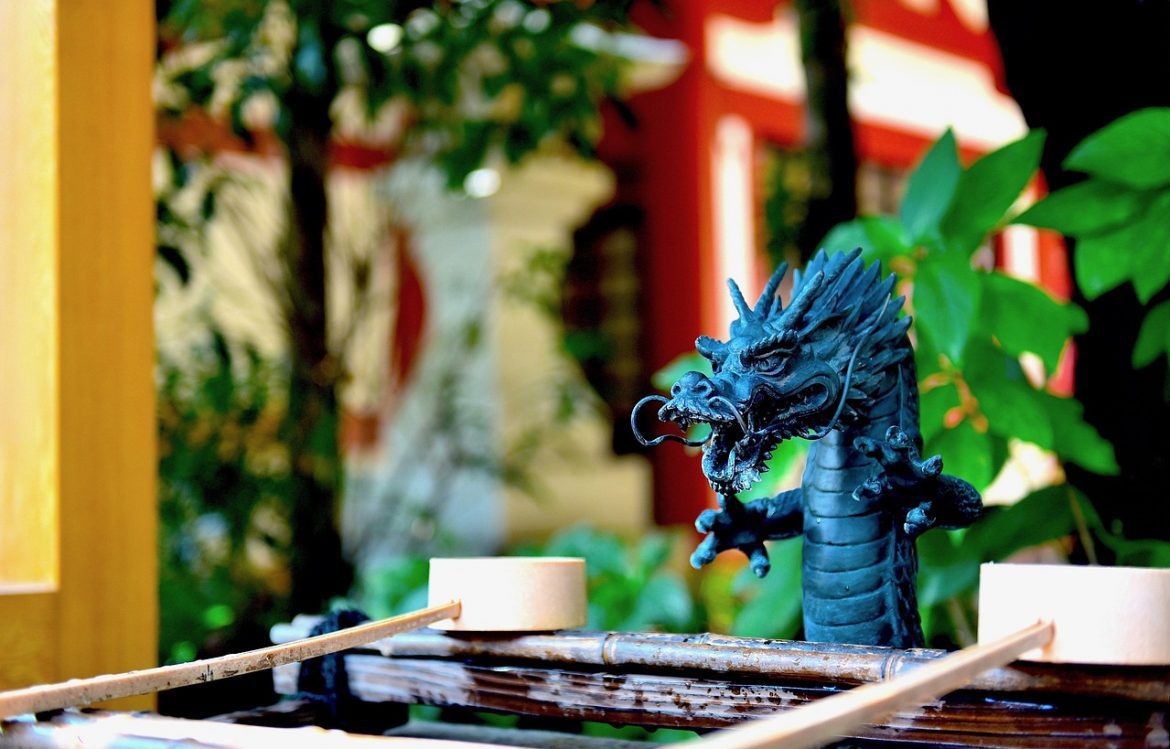
For contrast, add Toyokawa Inari Tokyo Betsuin. The fox statues change the mood immediately—more playful, more watchful, with a distinct Inari energy. Moving between these two spaces can deepen your insight into how spiritual architecture varies across Tokyo, even within the same day.
- Simple etiquette: a quiet bow, a quick rinse at the water basin, and mindful steps.
- Timing tip: mornings are tranquil, evenings feel atmospheric after the city lights come on.
- Festival planning: spring and autumn are ideal, while summer events can be magical if you’re comfortable with heat.
One cultural enthusiast described attending a summer festival at Hie: lantern light shimmering above the crowd, traditional performances unfolding like theatre, and street food scents drifting through the trees. They didn’t remember every detail, but they remembered the feeling—serene joy, shared together with strangers who somehow felt like neighbours for a night.
Contemporary Tokyo design and art around Akasaka and TBS TBS Akasaka Tokyo contemporary art design Tokyo Midtown Roppongi
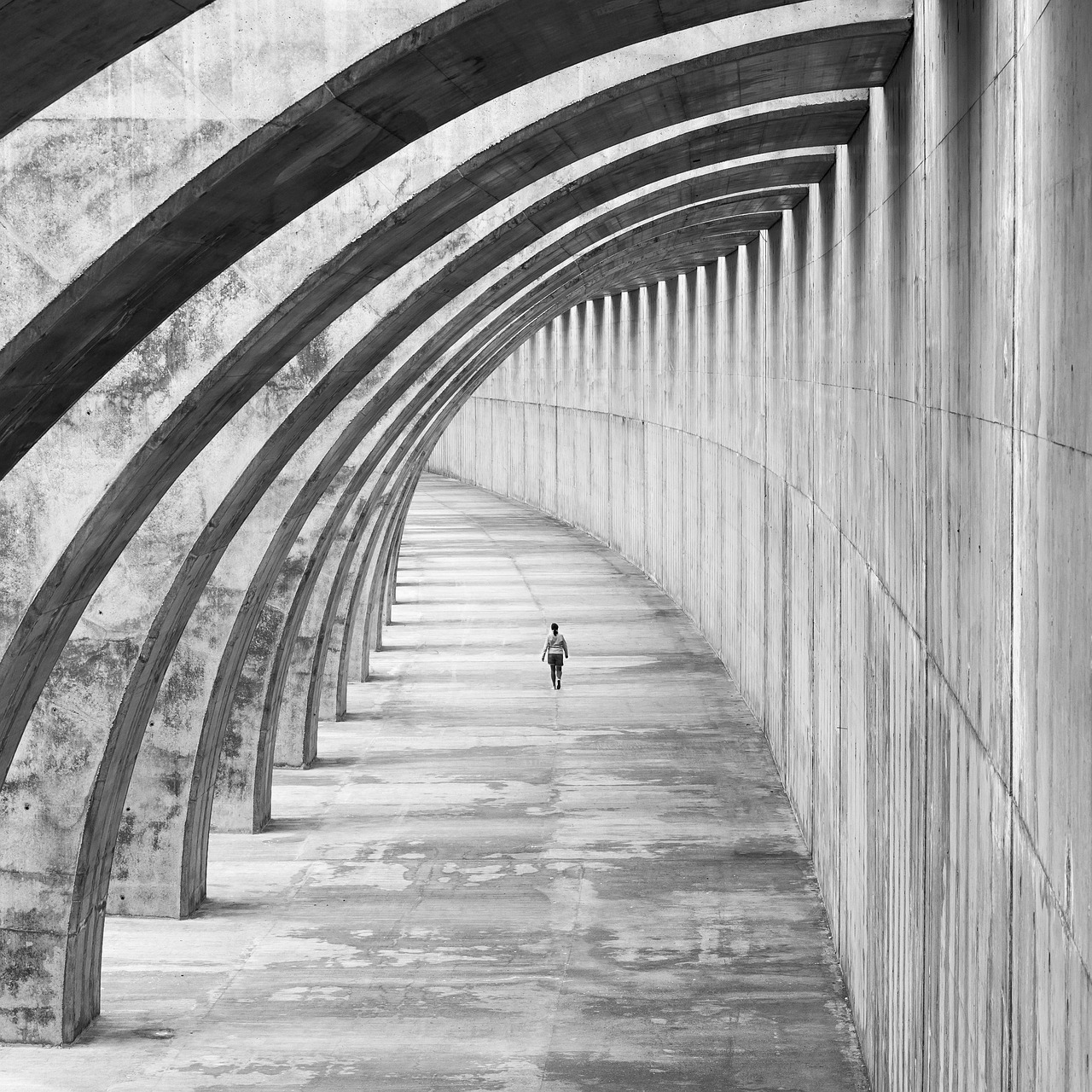
Contemporary Tokyo design and art around Akasaka and TBS, modern lines near the city
For a different kind of adventure, lean into TBS Akasaka Tokyo contemporary art design Tokyo Midtown Roppongi and let your day turn creative. Around Akasaka, you’ll find small galleries, sharp graphic design, and pop culture references that feel distinctly Tokyo. The TBS Broadcasting Center (TBS) adds a media pulse—part everyday workplace, part cultural signal that this is where stories are made.
Don’t worry about “knowing” art. The best approach is to explore with curiosity: notice typography, packaging, and how exhibitions guide your attention. In Japan, even the smallest gallery can feel carefully crafted, with thoughtful lighting and a calm pace that supports unhurried looking.
Around Akasaka creativity plus Tokyo Midtown and Roppongi extensions
If you want a bigger hit of contemporary culture, extend into Tokyo Midtown and nearby Roppongi. It’s close enough to feel effortless, but different enough to refresh your senses—sleek architecture, design-led shops, and galleries that lean more international. This is also where a high-end browsing mood makes sense: fewer trinkets, more objects you’ll keep for years.
Akasaka Sacas works as a connector between these worlds: a place for pop-up events, seasonal installations, and an easy plaza pause between stops. Dates matter, so check what’s on if you’re hoping to catch a special exhibition; some events are free, while others require tickets.
Shopping in Akasaka and a design-led souvenir strategy
For shopping in Akasaka, choose one souvenir with meaning rather than a bag of “stuff”. Look for stationery with local illustration styles, a small textile piece, or a ceramic cup that feels good in your hands. The best travel objects are quiet: they carry the neighbourhood’s story home without shouting.
Try a mini-itinerary I call “gallery to gyoza”: an hour of looking, a short walk for lunch, then an evening loop back through the lights. It’s playful, but it also keeps your day balanced—culture, food, and night scenery in one seamless rhythm.
Stay in Akasaka Tokyo hotels transport and booking confidence stay in Akasaka Tokyo hotel booking Akasaka Station Chiyoda Line

Stay in Akasaka Tokyo hotels transport and booking confidence, a welcoming reception scene
If you’re comparing bases, stay in Akasaka Tokyo hotel booking Akasaka Station Chiyoda Line is the practical sweet spot for many luxury-minded adventurers. You get fast access to Tokyo’s headline districts, but you can come home to a neighbourhood that feels a touch more composed. The right hotel also becomes part of the trip’s design: good sleep, calm mornings, and guest rooms that help you recover between big walking days and late dinners.
Here’s how the key options feel at a glance, with reassurance rather than hype. 1 Hotel Tokyo is a name travellers ask about, but what matters is choosing a property whose location and vibe match your rhythm—quiet enough to reset, connected enough to move.
Hotel choices and the feel of recovery between adventures
Hotel Mystays Premier Akasaka is a solid, modern pick when you want convenience and a straightforward base. For a more elevated stay, the Prince Gallery Tokyo Kioicho leans into skyline views and polished service, while the Capitol Hotel Tokyu is known for calm elegance and excellent comfort. Hotel New Otani offers a classic Tokyo experience with substantial facilities, and it can be especially appealing if you like having everything on-site.
Whichever you choose, look beyond the lobby. Check bed quality, soundproofing, and whether you have space to stretch after a long day in Tokyo. A good room supports your confidence: you can go further, knowing you’ll come back to real rest.
Transport made easy from Akasaka Station and Akasaka-mitsuke station
Transport is the quiet luxury here. The Chiyoda Line is connected to Akasaka Station, and it makes hopping across Tokyo straightforward. If you want more line options, you can walk from Akasaka mitsuke station or simply walk from Akasaka-mitsuke for quick access via Akasaka-mitsuke station, including the Marunouchi Line and Tokyo Metro Ginza.
Positioning is strong in both directions. From Akasaka, Ginza is direct for shopping, while Shinjuku and Shibuya are easy for big-city energy—yet you’ll likely find Akasaka itself feels calmer than the loudest late-night hubs. It’s a smart compromise that keeps the trip feeling sustainable.
- Booking windows: plan earlier for festival seasons; demand can spike in spring and autumn.
- One anchor plan: secure one dinner reservation, then keep the rest flexible.
- Practical perks: many cafés and hotels offer free wifi; cash still helps in small eateries.
Neighbourhood extras add texture: the Akasaka Palace grounds are a lovely nearby contrast, and you may even spot a small playground pocket where local families take a breather. For more Japan inspiration and design-led itineraries, you can browse our Trip gallery when you’re ready for daydreaming.
What stays with you after Akasaka Akasaka Tokyo personal journey cultural insight
Akasaka Tokyo personal journey cultural insight is not something you tick off—it’s something that lingers. Days later, you may find yourself remembering the contrast more than the specifics: ancient steps beside ultra-modern streets, and the way Tokyo holds both without explanation. In that layered time, you start to notice your own pace; you become a little more patient, a little more attentive, as if the city quietly redesigned your attention.
It often comes down to small, human moments. A first-time visitor once wandered through narrow lanes and received an unexpected invitation to a local sake tasting—nothing grand, just generous hospitality that made Tokyo feel less intimidating. Another traveller sat at that tiny sushi counter, listening as the chef spoke about change and continuity, and felt trust grow in the pauses between sentences.
And then there’s lantern light at Hie: warm, flickering, shared together with strangers who move as if they’re part of the same story for a few hours. Those moments can feel like care made visible—quiet, practical, and deeply local. You leave with confidence not just to explore new neighbourhoods, but to do it kindly: to soften your voice in a shrine, to offer space on a crowded pavement, to treat every interaction as personal even when it’s brief.
Akasaka doesn’t demand that you become someone else. It simply invites you to imagine the next turn down a side street, and to let curiosity guide you there—unhurried, attentive, and open to what you might uncover.
F.A.Qs:
What is Akasaka known for?
Akasaka is known for its refined Tokyo nightlife, excellent dining, and the contrast of modern towers with calm cultural sites like Hie Shrine. It’s also valued for easy metro connections and a polished, business-friendly atmosphere that still feels lively after dark.
Is Akasaka a good place to stay in Tokyo?
Yes—Akasaka is a convenient, well-connected base with a wide range of hotel options, strong transport links, and plenty of food choices. It suits travellers who want fast access to major Tokyo areas while returning to a neighbourhood that often feels calmer than the biggest nightlife districts.
Is it better to stay in Shinjuku or Akasaka?
It depends on your style. Shinjuku is bigger, louder, and more intense, with massive stations and constant action. Akasaka is typically more composed, with easier navigation and a more “grown-up” nightlife feel, while still offering quick access to the rest of Tokyo.
Is Akasaka a wealthy area?
Akasaka is considered an upscale part of Tokyo, with embassies, business hubs, and high-quality hotels and restaurants. That said, it still offers plenty of approachable, good-value dining and low-cost cultural experiences, so it can work across different budgets.