Post Contents
- Imperial Palace Tokyo Visit Guide and Why It Matters for Cultural Adventure in Japan
- Arriving Seamlessly from Tokyo Station to the Palace Park How to get to Imperial Palace Tokyo from JR Tokyo Station Otemachi
- Imperial Palace East Gardens Adventure Through Edo Ruins Imperial Palace East Gardens Japan seasonal flowers Edo Castle ruins
- Nijubashi Bridge at Sunrise History You Can Feel Nijubashi Bridge Imperial Palace Tokyo Japan photo spot
- Inner Grounds Guided Tours with Imperial Household Insight Imperial Palace Inner Grounds guided tours Imperial Household Agency reservation
- New Year’s Greeting and Emperor’s Birthday When the Palace Opens Imperial Palace New Year’s Greeting January 2 Emperor’s Birthday open to the public
- What Stayed With Me After the Palace Imperial Palace Tokyo Japan reflective travel memories
- F.A.Qs: Imperial Palace Tokyo Japan
Imperial Palace Tokyo Visit Guide and Why It Matters for Cultural Adventure in Japan
Imperial Palace Tokyo Visit Guide and Why It Matters for cultural adventure in Japan
If you’re searching for an Imperial Palace Tokyo Japan visit guide cultural adventure, begin with one grounding truth: imperial palace are located in central Tokyo, yet they feel like a pause in the city’s pulse. The imperial palace has served as the residential base for successive emperors since 1868 in the capital and imperial story of modern Japan, and that continuity is precisely what makes the visit feel so meaningful.
The imperial palace complex sits on the former site of edo castle, where successive tokugawa shoguns once ruled through the shogunate. For adventure seekers, those Edo Castle layers aren’t abstract history—they’re visible as walls, gates, and foundations that reward slow, curious wandering with real, tactile insight.
Imperial palace expectations and what is open to the public
Palace are generally not open in full, and that can be reassuring once you know how the experience is designed. From Kokyo Gaien (the Outer Gardens), you can uncover wide views across lawns and the moat towards stately bridges, while the Inner Grounds require pre-arranged access on set days.
If you’re building a broader lens on the imperial household, Tokyo complements rather than replaces Kyoto. Kyoto feels intimate and classical; Tokyo feels ceremonial against a modern skyline. Pairing this with a future visit to the kyoto imperial palace can help you understand how Japan’s imperial household balances tradition and the present—two cities holding the story together.
If you’re imagining a wider itinerary, you can browse Japan inspiration in our Trip gallery and design a journey that fits your pace.


Arriving Seamlessly from Tokyo Station to the Palace Park How to get to Imperial Palace Tokyo from JR Tokyo Station Otemachi
Arriving Seamlessly from Tokyo Station to the Palace Park with Marunouchi streets
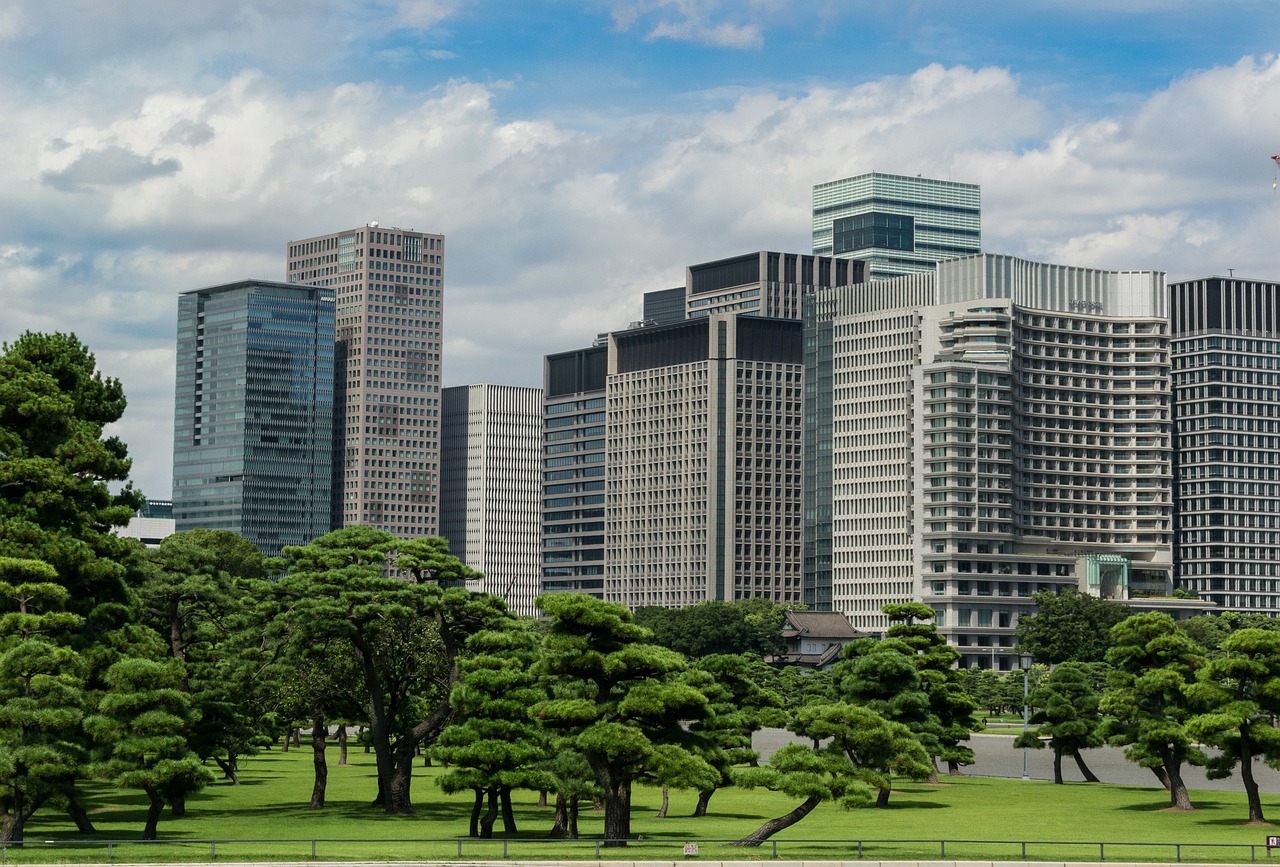
For anyone asking How to get to Imperial Palace Tokyo from JR Tokyo Station Otemachi, the calmest approach starts at jr tokyo station on the Marunouchi side. From there it’s a simple 10-minute walk to the plaza in front of the viewpoints at the front of the imperial palace—an arrival that feels polished, safe, and pleasantly unhurried.
Marunouchi’s broad pavements and smart façades are part of the experience, a seamless transition from transport hub to open space. If you prefer flexibility, Otemachi and the otemachi station exits place you right on the palace-side edge, and the otemachi subway station is directly connected to underground passages that help on rainy days.
Imperial palace access points and crowd rhythm for confidence
Nijubashimae station is another convenient option, especially if your day includes Ginza afterwards. For the quietest light—and to feel the local rhythm of runners looping the park—arrive early and let yourself breathe before you explore.
A gentle strategy that travellers trust: check what’s open on monday, because some areas and facilities can close or change hours. Weekends bring a more energetic vibe, which is wonderful if you like shared atmosphere, but less ideal for reflective photography.
- Best access: Tokyo Station (Marunouchi) for a scenic approach; Otemachi for speed; Nijubashimae for bridge-side viewpoints.
- Timing: early morning for calm; late afternoon for softer shadows on the stone walls.
- Comfort: carry water and plan a stop, rather than rushing the loop.
To keep things simple, try a mini “photo-and-breathe” route: a 2.2 km stroll that traces Kokyo Gaien lawns, key moat viewpoints, and return paths—enough movement to satisfy adventure energy, with built-in support for a slower pace.
Imperial Palace East Gardens Adventure Through Edo Ruins Imperial Palace East Gardens Japan seasonal flowers Edo Castle ruins
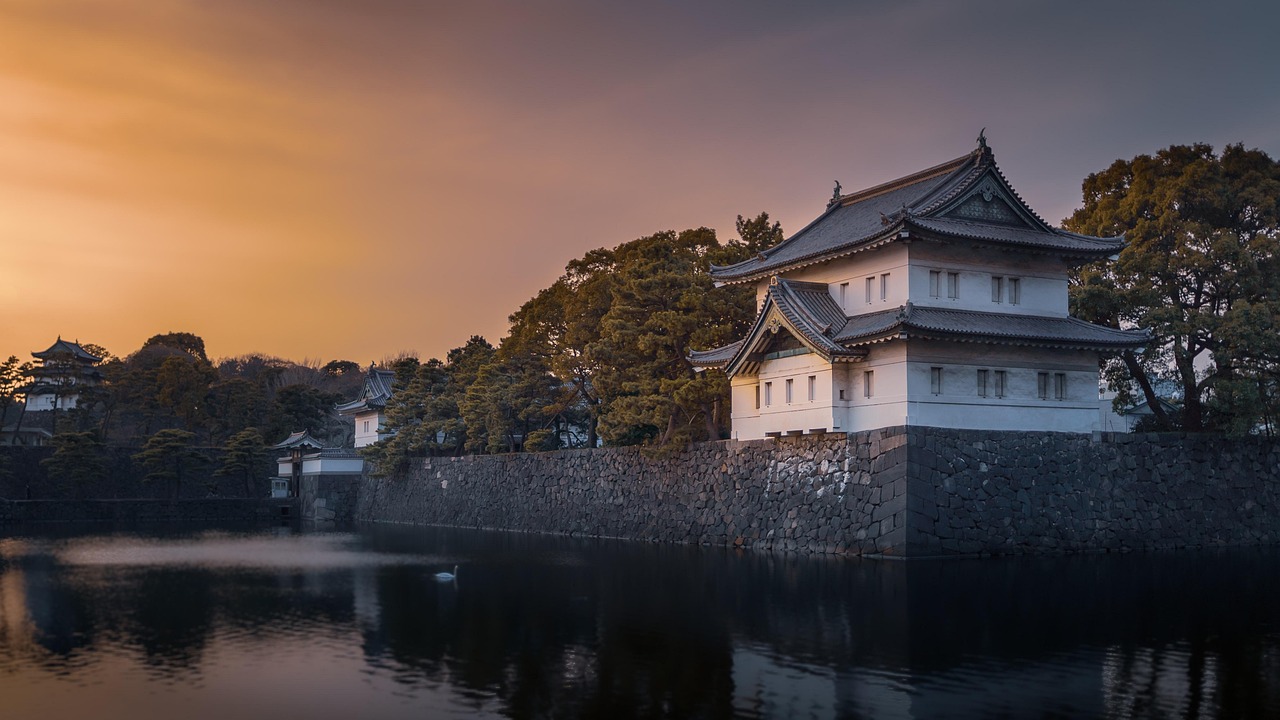
Imperial Palace East Gardens Adventure Through Edo Ruins and seasonal flowers
If your must-do list includes Imperial Palace East Gardens Japan seasonal flowers Edo Castle ruins, you’re in luck: imperial palace east gardens are free to enter, and the east gardens of the imperial are where history feels close underfoot. This is the eastern part of the palace, and a part of the palace grounds where the city noise fades into birdsong and footsteps on gravel.
For adventure seekers who like to move, aim for March–May or October–November. Spring brings blossom moments; autumn brings crisp air and colour that makes each corner feel newly crafted, especially when you’re exploring shaded lanes in warm weather.
Edo Castle remnants and the palace grounds you can touch respectfully
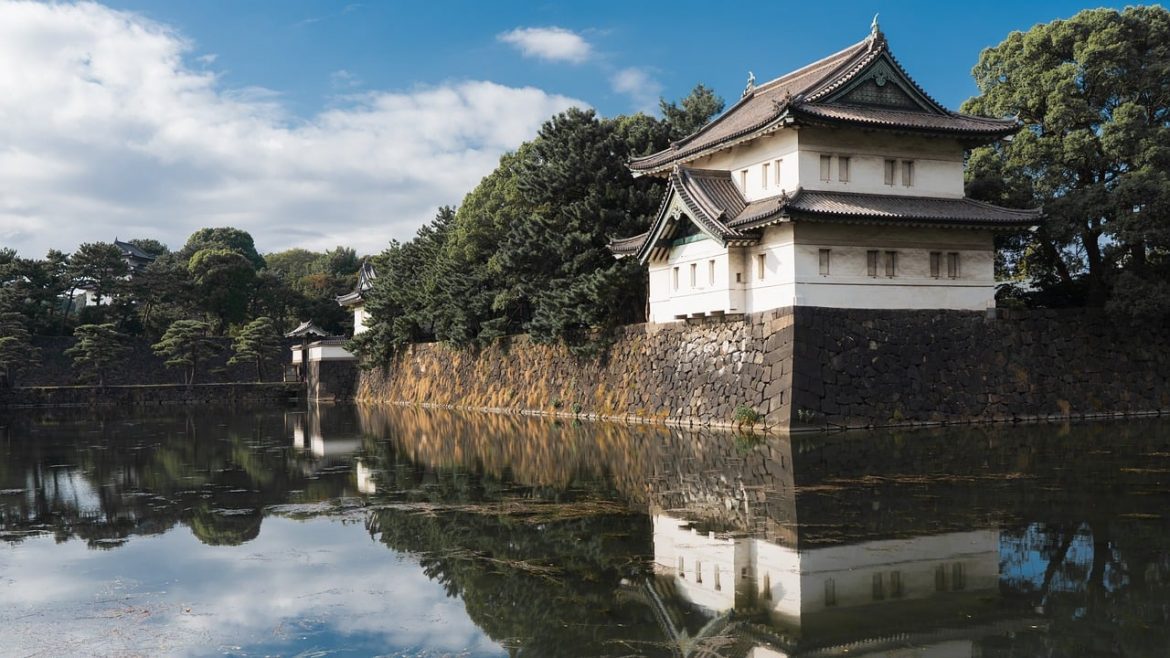
The gardens sit within the former edo castle footprint—more precisely the former site of edo castle—so you’ll notice massive stone walls, the fujimi-yagura watchtower, and paths that hint at an area surrounded by moats and fortifications. You don’t need to be a historian to feel it; you just need to slow down and let the details provide information through texture and scale.
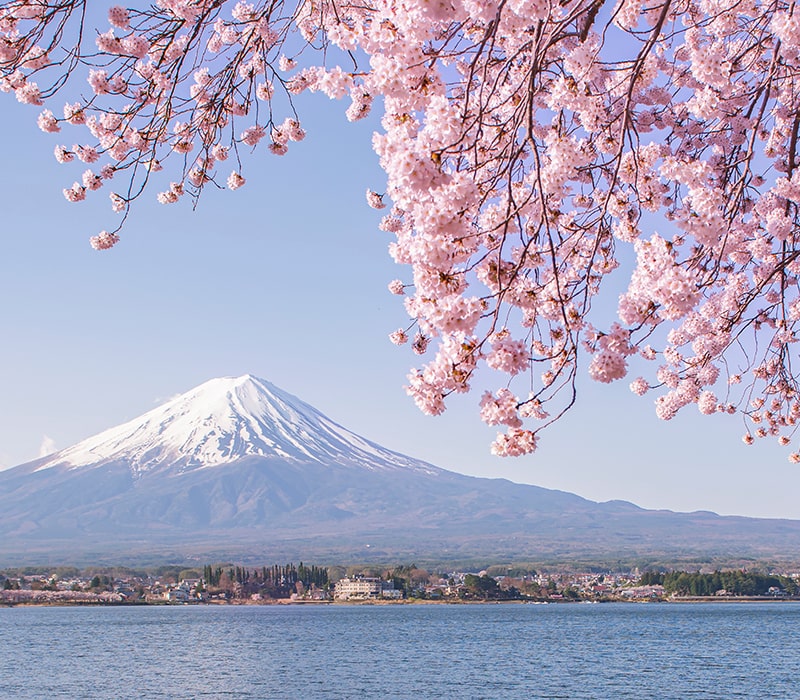
One spring morning, a visitor described the quiet joy of photographing cherry blossoms while spotting curious local birds hopping between hedges. Near small relics and foundation stones, the past didn’t feel distant—it felt like something you could discover with patient eyes and gentle care.
- Footwear: comfortable shoes for uneven paths and steps.
- Weather: bring a hat or umbrella; tree cover varies.
- Mindset: explore slowly, and let the ruins set your pace.
Nijubashi Bridge at Sunrise History You Can Feel Nijubashi Bridge Imperial Palace Tokyo Japan photo spot
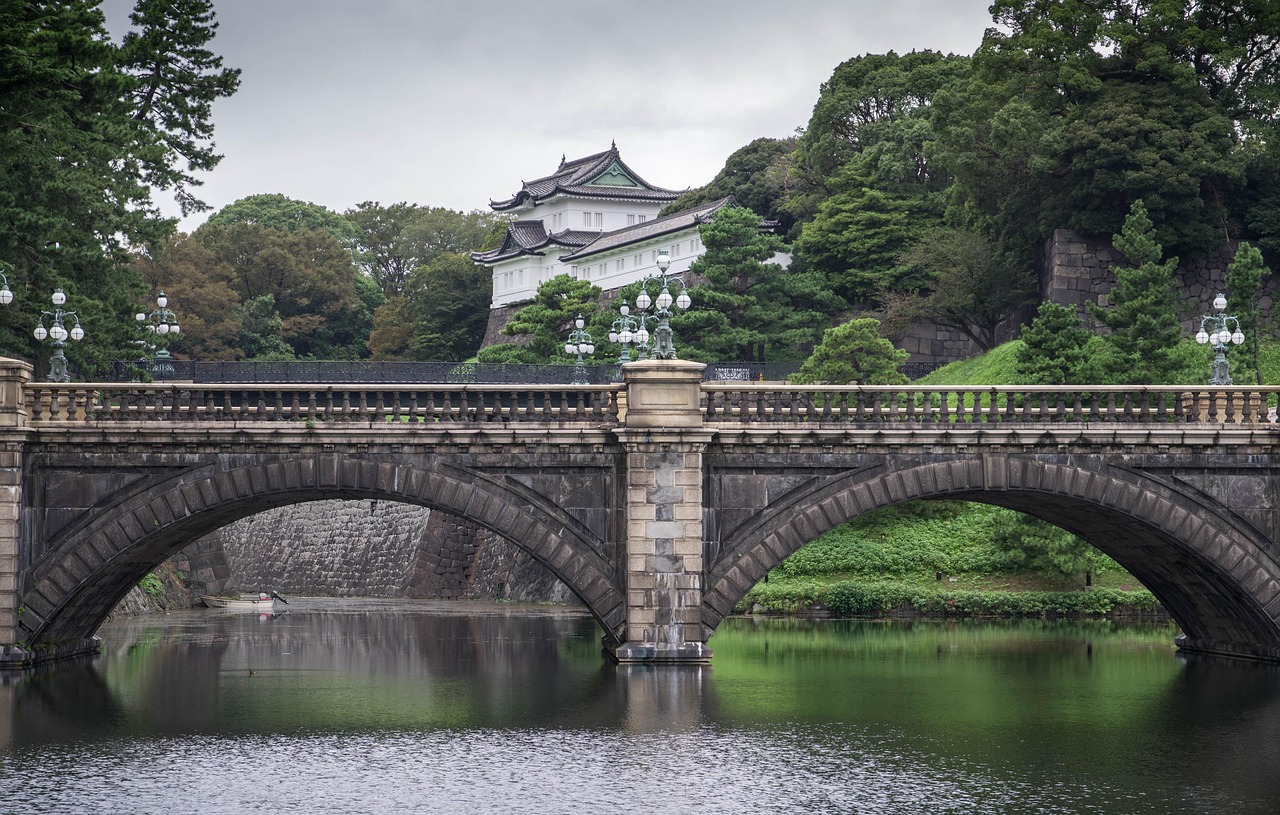
Nijubashi Bridge at Sunrise History You Can Feel at the Imperial Palace
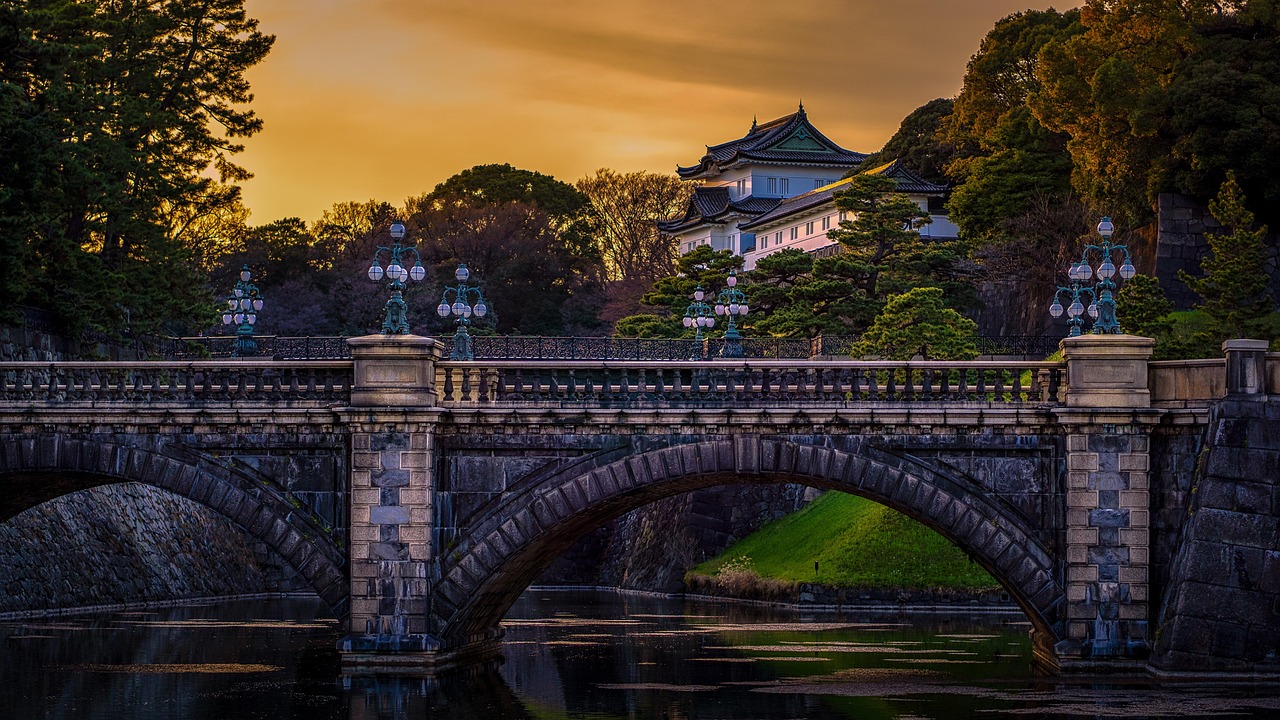
For the classic Nijubashi Bridge Imperial Palace Tokyo Japan photo spot, arrive just as the city light lifts. A traveller once recalled standing at nijubashi in the early morning, feeling a serene calmness as the sun illuminated the palace’s historic stone walls and the moat mirrored everything back with quiet precision.
Two bridges, one stately view in front of the imperial residence
What you’re seeing is a composition of two bridges: the famous arched bridge and its neighbouring crossing, framed by the bridge in front vista. Stories often mention a wooden bridge that once featured here, and today its modern counterpart helps create that unmistakably stately symmetry against the greenery.
The best angles are from Kokyo Gaien, where you can keep a respectful distance and still capture the full scene. Speak softly, avoid blocking pathways, and remember you’re near an active imperial residence—your curiosity is welcome when it comes with care.
When you’re ready to shift from calm to city, design a seamless transition by walking towards ginza for coffee or something sweet. The contrast—garden hush to neon polish—feels like Tokyo showing you how it holds opposites together with confidence.
Inner Grounds Guided Tours with Imperial Household Insight Imperial Palace Inner Grounds guided tours Imperial Household Agency reservation
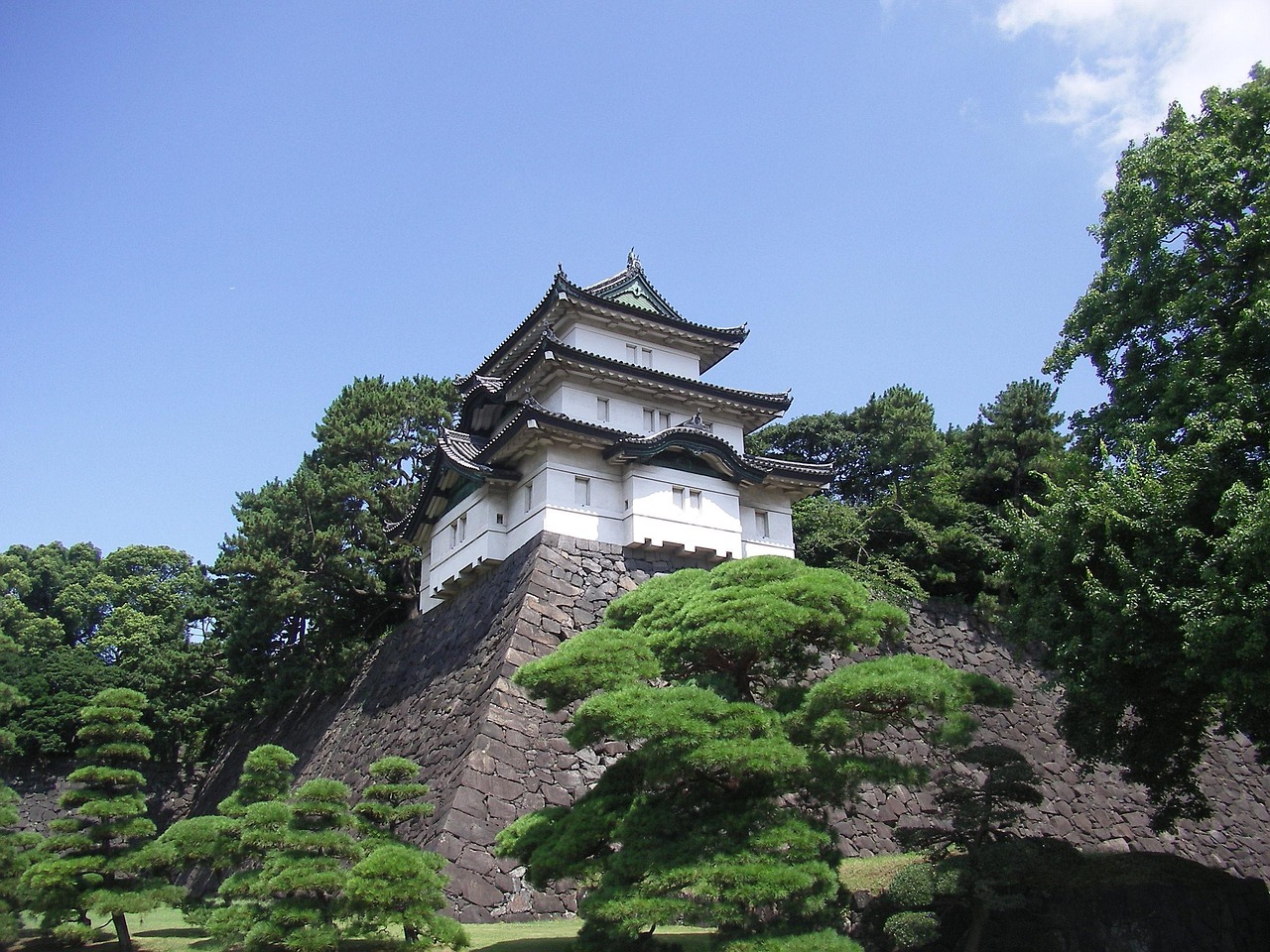
Inner Grounds Guided Tours with Imperial Household Insight near Kikyo-mon
For travellers looking up Imperial Palace Inner Grounds guided tours Imperial Household Agency reservation, here’s the clear expectation: you can enter the inner areas only on free, organised visits, and reservations are made through the imperial household agency with limited slots. Always verify dates and meeting times close to travel, as schedules can shift.
Imperial household stories and members of the imperial family in modern Japan
A cultural enthusiast once told me the tour felt like stepping into a living archive: guides share how the imperial household functions, how japan’s imperial family appears in contemporary ceremonies, and how members of the imperial family balance public duties with privacy. The result is less spectacle, more thoughtful insight—delivered with a tone that encourages trust and respect.
Along the tour route, you’ll pass the kikyomon gate and sections where you can look into inner palace grounds and see viewpoints towards kyuden, without overpromising access. It’s a rare glimpse into grounds of the palace that most visitors only imagine from outside the gates.
Heritage details from Meiji continuity to the palace sericulture centre
One niche thread that surprises many travellers is the palace sericulture centre, tied to tradition and continuity. Records note successive empresses have raised silkworms, and empresses have raised silkworms following practices set in 1871 by empress (often referenced as Empress Shōken in English) and 1871 by empress dowager shoken in some translations—worth fact-checking against official materials for naming and nuance.
This all connects back to meiji-era change, when emperor meiji and the court helped reframe Tokyo after 1868. In that sense, the walk isn’t just scenic—it’s a designed encounter with how modern Japan was shaped, step by step.
- Booking: apply early; cancellations are limited and popular dates fill fast.
- Security: bring ID if requested and allow time for checks.
- Etiquette: follow the guide’s instructions; photography may be restricted.
New Year’s Greeting and Emperor’s Birthday When the Palace Opens Imperial Palace New Year’s Greeting January 2 Emperor’s Birthday open to the public
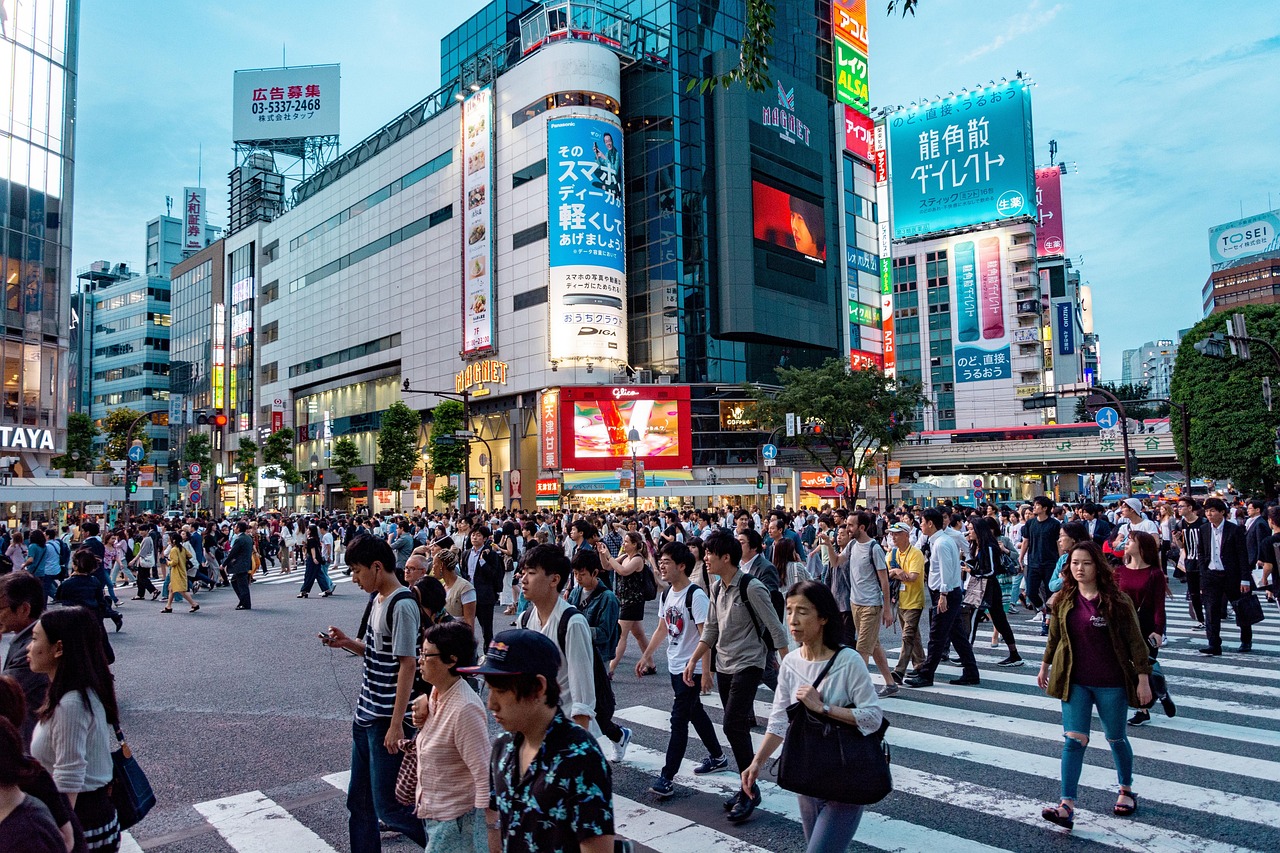
New Year’s Greeting and Emperor’s Birthday crowds at the Imperial Palace in Tokyo
If you’re timing a trip around Imperial Palace New Year’s Greeting January 2 Emperor’s Birthday open to the public, you’re chasing one of Tokyo’s most unusual cultural moments. On national holidays such as the new year’s greeting on january 2 and the emperor’s birthday, selected areas may be open to the public, and the energy feels both festive and profoundly respectful.
An adventure seeker once described the thrill of stepping into the crowd before dawn, then watching the day brighten over the surrounding business district. There’s a particular cityscape sparkle here—modern towers, orderly queues, and the sense that history is happening in real time.
Same-day tactics and respectful behaviour around the imperial palace
Plan for heightened security and build in same-day flexibility, because entry routes can change quickly. Arrive very early, follow staff instructions, and keep your pace patient; the experience rewards calm confidence more than hustle.
Do note restricted areas and no-photography zones. If you’re unsure, pause, watch what locals do, and let care lead your choices—your personal adventure will feel better for it.
- Arrival: earlier than you think, especially in peak years.
- Comfort: warm layers in winter; water and snacks for queues.
- Conduct: low voices, tidy spaces, and cameras away where asked.
What Stayed With Me After the Palace Imperial Palace Tokyo Japan reflective travel memories
Long after the visit, what returns to me isn’t a checklist, but a feeling—Imperial Palace Tokyo Japan reflective travel memories held in the body like a steady breath. There’s the lingering hush of the moat, the steady presence of stone walls, and the way the gardens of the imperial palace act like a pause button inside Japan’s capital.
What I carry is a crafted sense of time: tokugawa layers resting under modern streets, runners circling in the morning, and office lights blinking on as trees shift in the breeze. It’s a reminder that places can hold contrasts together without forcing them to compete—ceremony and everyday life, nature and steel, stillness and motion.
And perhaps that’s the quiet gift: when you slow down, you create space for small details to matter. A birdcall in a hedge, gravel underfoot, a polite nod from a passer-by—moments that build trust in your own ability to explore Japan with warmth and care.
I sometimes imagine returning in another season, just to see how the light changes on the water, and what new insight might surface when everything looks familiar, yet not quite the same.
F.A.Qs: Imperial Palace Tokyo Japan
Is the Imperial Palace in Tokyo worth going to?
Yes, especially if you enjoy culture with a sense of space. Even when you’re mostly outside the residence, the Outer Gardens and viewpoints offer history, moats, and calm greenery right in central Tokyo, and the East Gardens add tangible Edo Castle ruins and seasonal colour.
Can tourists go to Imperial Palace Tokyo?
Tourists can visit several areas. The East Gardens are free on open days, and the Outer Gardens are accessible for walks and views. Access to the Inner Grounds is limited to organised visits that require advance reservation through official channels, and availability depends on dates.
Who currently lives in the Imperial Palace Tokyo?
The Imperial Palace is the primary residence connected with Japan’s imperial household. Public areas are managed with strict boundaries, and certain zones remain private. When visiting, it’s best to assume that privacy is actively protected and to follow signage and staff guidance closely.
Can you just walk around Imperial Palace Tokyo?
You can walk around large parts of the park perimeter and Kokyo Gaien, enjoying wide paths, bridges, and moat views. However, you can’t freely enter the Inner Grounds without a reservation, and some areas have closures or restricted access depending on the day and security needs.