Post Contents
- Tokyo best museums guide and map for 2026 with tickets and a Japan museum map
- Mori Art Museum in Roppongi modern art with a tower view and observation deck ticket
- Edo-Tokyo Museum immersive room displays near Ryogoku with English audio guide
- Nezu Museum Tokyo Japanese art garden and traditional Japanese calm
- Ueno Park day Tokyo National Museum and Tokyo Metropolitan Art Museum tickets and exhibitions
- After Tokyo the art you carry home
- F.A.Qs: Japan museum Tokyo planning
Tokyo best museums guide and map for 2026 with tickets and a Japan museum map
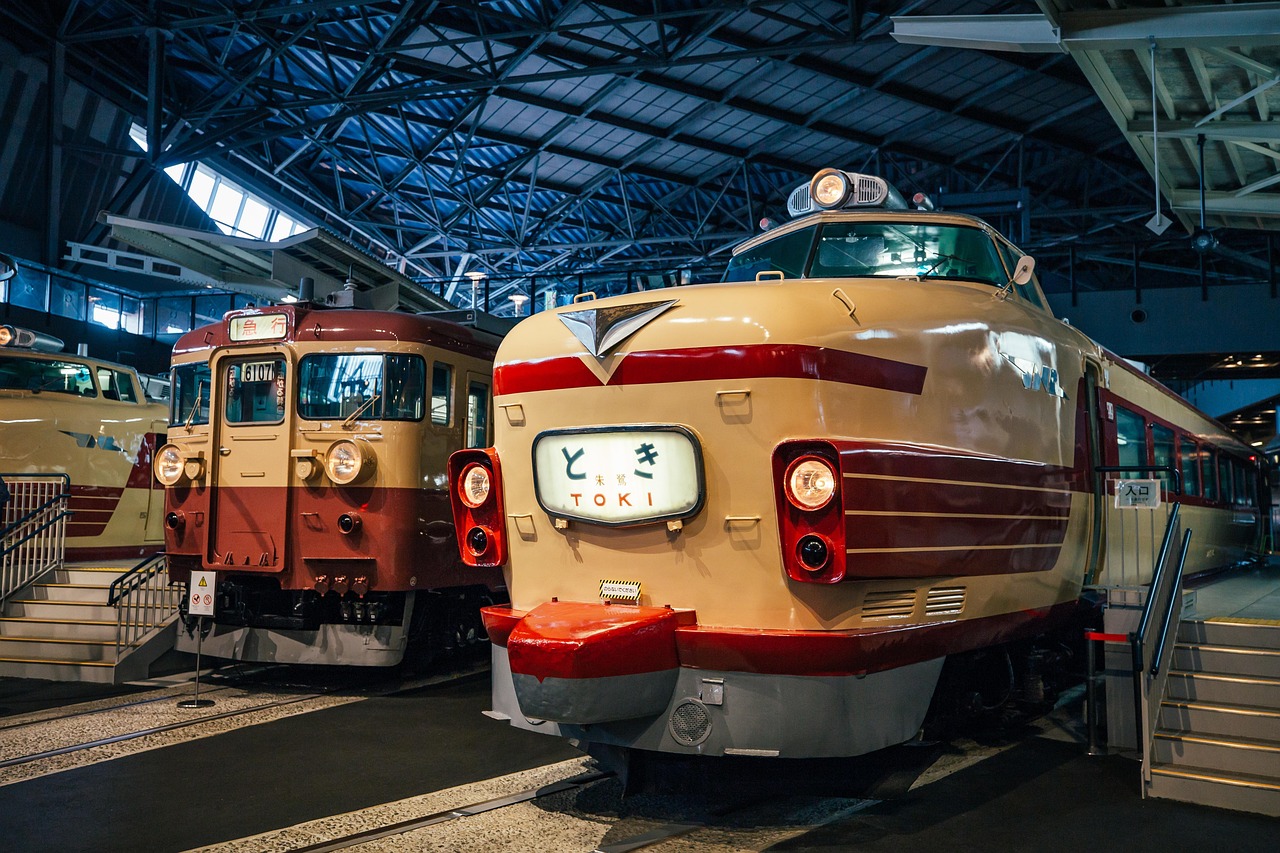
Tokyo best museums guide and map for 2026 with tickets and a Japan museum map
If you’re planning a premium culture stay, this best museums Tokyo guide Japan museum map tickets 2026 view helps you explore with confidence rather than guesswork. Tokyo’s museum neighbourhoods feel like distinct worlds: Roppongi for contemporary nights and skyline sparkle, Ryogoku for heritage you can almost touch, and Ueno for a full-day cultural cluster spread out around leafy paths. The aim is simple—create a route that feels calm, convenient, and beautifully paced.
Imagine landing, checking in, and already knowing your next move. From Haneda airport, central Tokyo is typically the easiest for a smooth start; from Narita airport, allow a little more time and arrive with care, not haste. Either way, public transport is the local superpower: clean, precise, and reassuring once you’ve done it once.
Map-style routes you can follow with ease
Here’s a simple “map” you can hold in your mind and adjust to your hotel location:
- Roppongi (evening): Mori Art Museum and the tower view—perfect for a late afternoon arrival and a night exhibition mood.
- Ryogoku (morning): Edo-Tokyo Museum for immersive rooms, then a slow lunch nearby.
- Ueno (full day): Tokyo National Museum first, then Tokyo Metropolitan Art Museum after a restorative restaurant pause.
For the most seamless visitor experience, weekdays and early mornings are your quiet luxury. You’ll notice it instantly in cloakroom queues, gallery flow, and the simple pleasure of standing still with an artwork without feeling nudged along.
For 2026, your best habit is a quick update check the night before: confirm opening hours, whether any wing is closed for renovation, and when it may reopen. Ticket norms vary—some sites encourage timed entry, others sell day tickets on arrival—so book online when available and keep screenshots handy. Bag policy can be stricter at blockbuster exhibition periods; travel light and use cloakrooms so your shoulders don’t set the pace.
Add a few crafted “local flavour” pauses between museums: the Sumida Hokusai Museum as a design-forward attraction, a brief stop near the imperial palace for open sky and symmetry, or a gentle culture break around Tokyo University followed by a small shrine visit for quiet grounding. If you’d like more ideas to design a complete journey beyond Tokyo, you can browse our Trip gallery for curated routes and trusted support.
High-end travellers often value museum features as much as the collection: a well-run cloakroom, a thoughtful restaurant, and a bookshop with catalogues worth carrying home. Build breathing space between exhibitions—Tokyo rewards those who move slowly, together, with trust in the rhythm.


Mori Art Museum in Roppongi modern art with a tower view and observation deck ticket
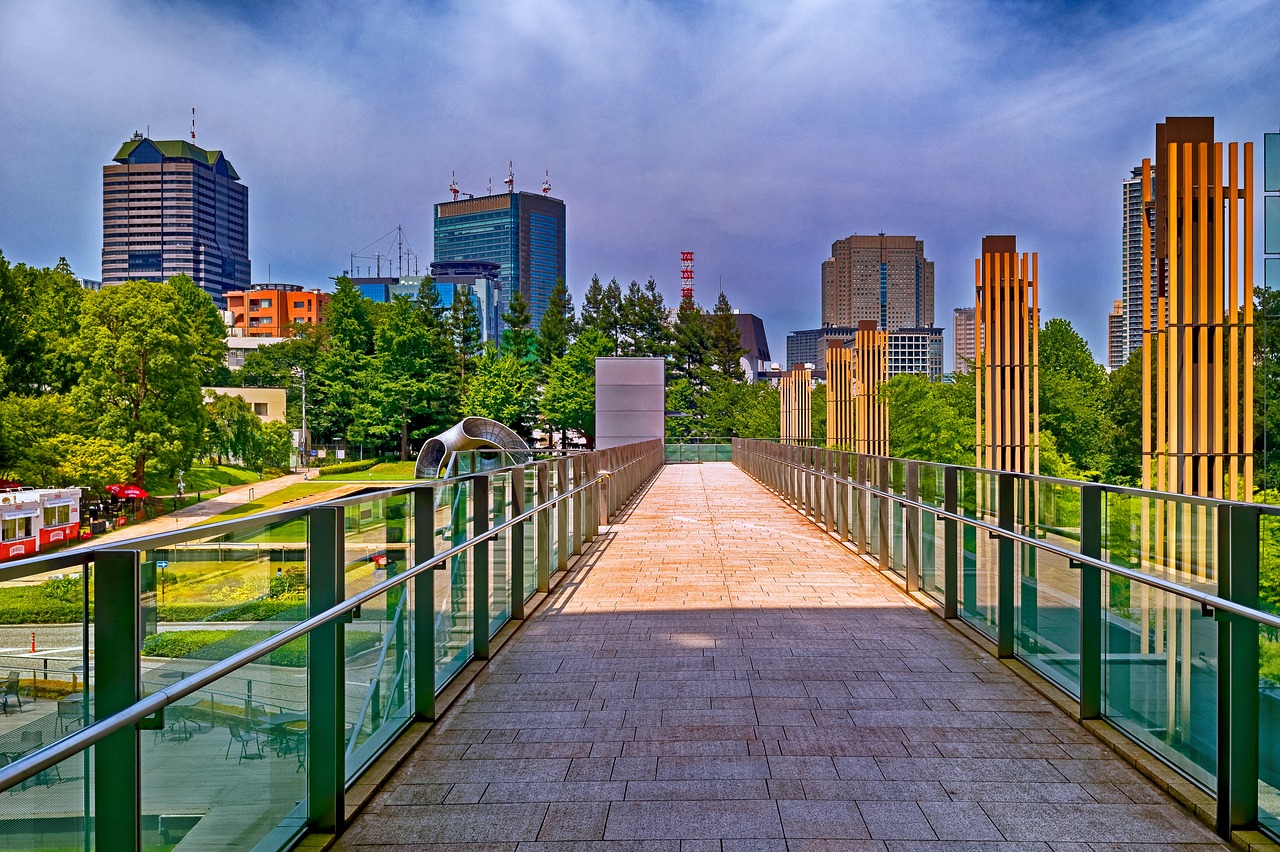
Mori Art Museum in Roppongi modern art with a tower view and observation deck ticket
For contemporary energy, the Mori Art Museum tokyo Roppongi exhibition ticket observation deck combination is the one that feels made for a stylish Tokyo evening. This art museum sits high above the city, and the tower perspective subtly changes how you read the gallery—Tokyo becomes part of the theme. It’s a place to discover how Japanese and global voices speak to each other, often through bold installation, film, and design-led storytelling.
Getting there is refreshingly convenient: use Roppongi Station and follow the clear signage. For a seamless arrival, book your ticket online; adult pricing is often around 1800 yen, though it’s wise to confirm the current rate for 2026. If you’re aiming for calm luxury, arrive in late afternoon, enjoy the exhibition first, then let dusk carry you to the observation deck.
Exhibition rhythm and upcoming exhibitions to watch
The programme rotates, so each visit feels fresh—especially if you’re tracking upcoming exhibitions. If a specific gallery restricts photography, take it as an invitation to slow down: no flash, sometimes no photos at all, and always a gentler pace when staff ask for care. If you love to sketch, bring a small notebook and capture shapes and colour without the camera.
Shop and restaurant timing for a quieter mood
The shop is a highlight in itself, with collectible catalogues and beautifully produced objects that feel representative of Tokyo’s diverse creative scene. Time your restaurant stop either early (before peak dinner) or later (after the tower lights deepen), and you’ll feel the difference in atmosphere.
A high-end traveller once described their night view experience here as “an unforgettable fusion of culture and quiet luxury”—standing with contemporary artwork still in mind, watching Tokyo glitter like a living installation around the world. It’s the kind of memory that stays bright without shouting for attention.
Edo-Tokyo Museum immersive room displays near Ryogoku with English audio guide
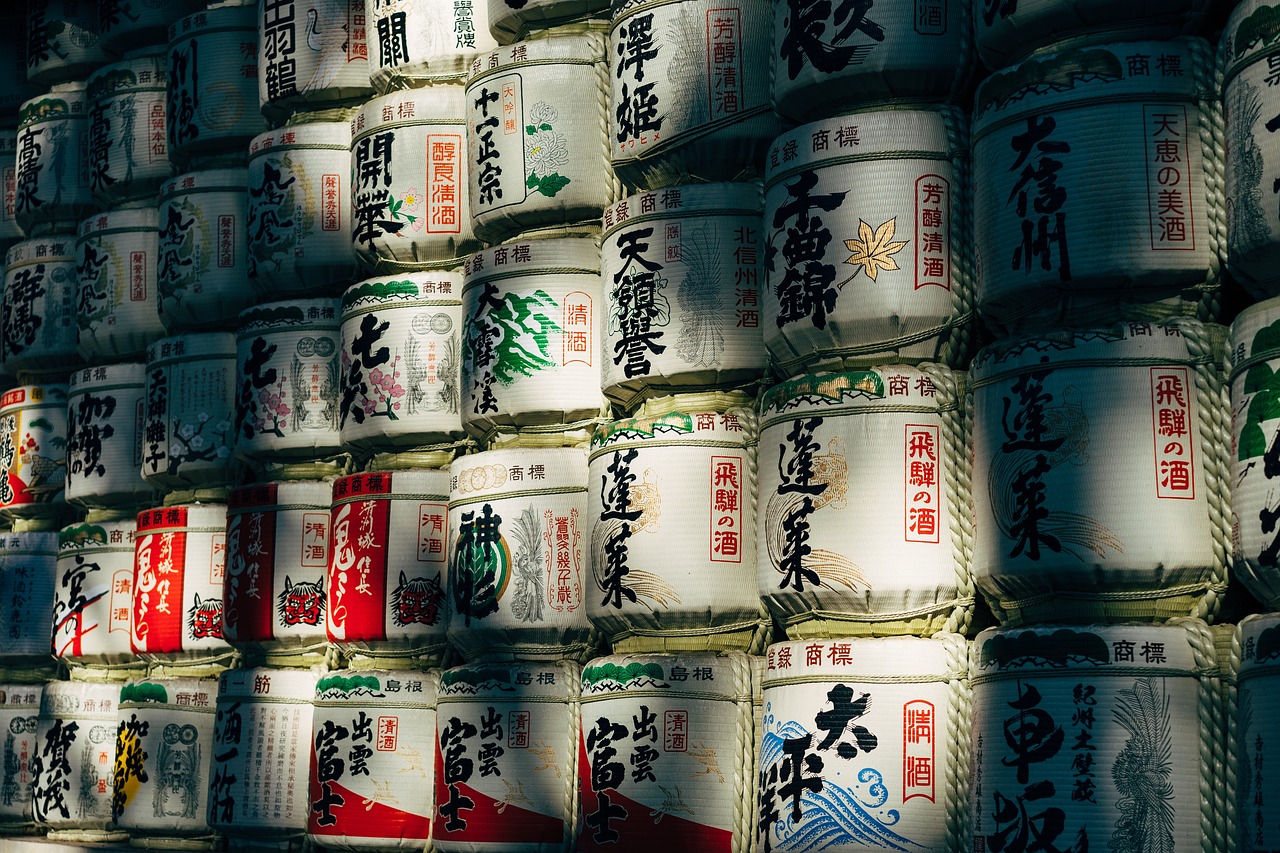
Edo-Tokyo Museum immersive room displays near Ryogoku with English audio guide
The Edo-Tokyo Museum tokyo Ryogoku room displays English audio guide experience is as close as Tokyo gets to time travel without theatrics. Life-sized replica streets, towering interactive models, and room-by-room heritage scenes make history feel personal, not distant. It’s particularly rewarding if you enjoy cultural detail—how people lived, traded, celebrated, and rebuilt.
Logistics are simple: it’s near Ryogoku Station, and allowing 2–3 hours gives you space to truly explore. Where available, English audio guides add insight without forcing you to read every panel; they’re a quiet form of expert support that lets you stay present with the display.
Before you go in 2026 update checks
For 2026, do a quick update check for any temporary closures or areas closed for renovation, and note any timelines to reopen. Exhibits can rotate, and that’s part of the charm—repeat visitors often see new angles on familiar stories. If you’re travelling with a tight schedule, prioritise the rooms that draw you in emotionally, not just the biggest headlines.
Etiquette and comfort for a polished visit
Tokyo museums reward gentle manners: keep voices low, refrain from eating in galleries, and follow signs on each exhibit. Pack comfortable walking shoes and bring cash—smaller counters or a pop-up shop may not take cards. If you’re planning a refined keepsake, consider a nearby photo studio afterwards for a portrait that complements the museum narrative without rushing your visit.
One traveller told us they were captivated by the towering, interactive models—suddenly understanding the city’s scale and resilience in a way no book had delivered. That’s the museum’s gift: it helps you uncover your own relationship with Tokyo’s past, then carry that understanding into the streets outside.
Nezu Museum Tokyo Japanese art garden and traditional Japanese calm
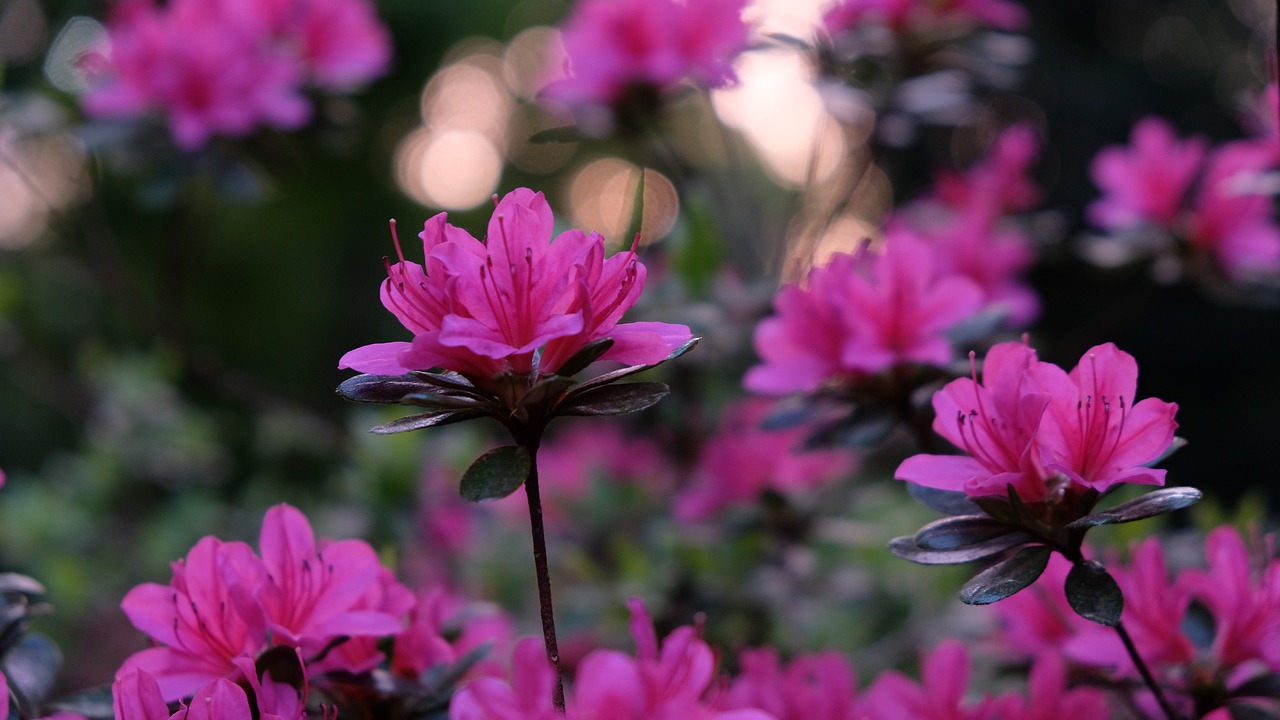
Nezu Museum Tokyo Japanese art garden and traditional Japanese calm
When Tokyo feels bright and fast, the Nezu Museum tokyo japanese art garden traditional japanese calm experience is an elegant counterpoint. The galleries are quietly lit, the curation feels deeply considered, and the garden is a hidden gem that invites you to exhale. This is traditional Japanese artistry presented with modern restraint—more whisper than spectacle.
One visitor described a serene afternoon wandering the Nezu Museum garden, finding tranquillity and inspiration in the meeting of art and nature. That sense of care is real here: you feel it in the pacing, in the seating, and in how the collection is allowed to breathe.
Practical visitor guidance and photography rules
Arrive early for an unhurried atmosphere, especially on weekends when the garden paths can feel popular. Be mindful of photography rules in each gallery; delicate artwork is protected with clear signage, and staff guidance is always polite. If you want to create a personal record, note colours and textures in words, then revisit your notes later over tea.
Outdoor pathways, autumn colour, and a tatami pause
The outdoor pathways are the quiet star—particularly in autumn, when colour gathers in corners like watercolour. If you find a tatami moment in a resting space or tea setting, let it slow your thoughts. A short walk to a nearby shrine afterwards makes a gentle cultural thread between tradition, place, and the modern city continuing just beyond the walls.
Ueno Park day Tokyo National Museum and Tokyo Metropolitan Art Museum tickets and exhibitions
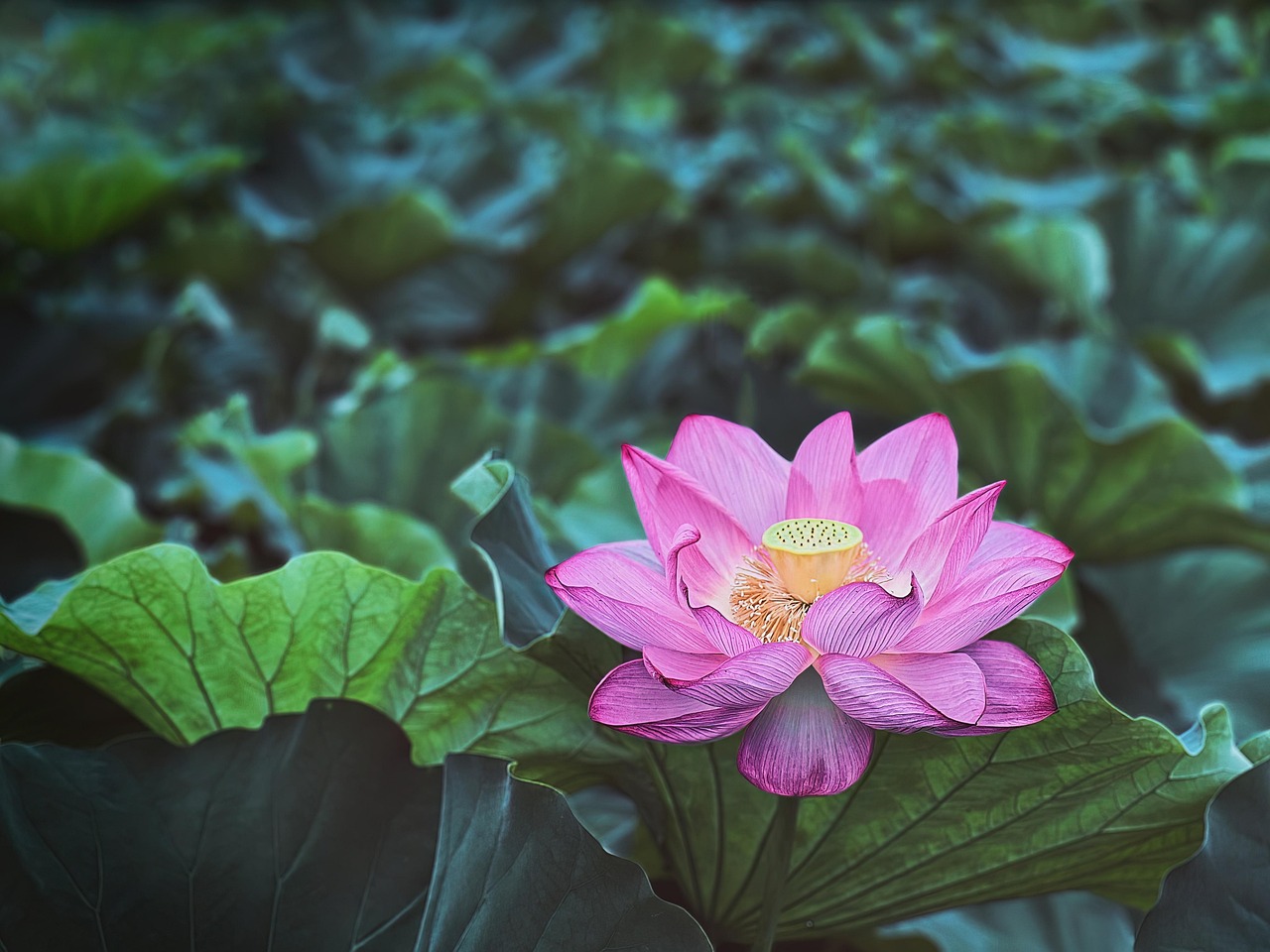
Ueno Park day Tokyo National Museum and Tokyo Metropolitan Art Museum tickets and exhibitions
For a full, unhurried cultural day, ueno park delivers one of the largest museum clusters in Tokyo, and this Tokyo National Museum Ueno Park tokyo metropolitan art museum tickets exhibitions pairing is the classic choice. Museums are spread out around tree-lined paths, making it easy to pause, reset, and keep your attention fresh. Start earlier than you think you need; the calm morning light in Ueno has a special atmosphere.
Tokyo National Museum route through the collection
The Tokyo National Museum is the oldest and largest in Japan, and it rewards a deliberate route rather than a sprint. Begin with the Toyokan for Asian art context, then move to the Gallery of Horyuji Treasures for a quieter, more contemplative gallery feel. Displays rotate, so treat the visit as a conversation with the present moment, not a checklist.
Choose a “masterpiece moment” for yourself—one object you’ll meet properly, with time and attention. Look out for national treasures and important cultural heritage works, and notice how craft and belief are held together: lacquer, metalwork, painting, and textile traditions shaped for both beauty and meaning. If you hear staff mention TNM, that shorthand often pops up in local tips and signage discussions.
Tokyo Metropolitan Art Museum choices and comfort
The Tokyo Metropolitan Art Museum offers a different pleasure: architecture, spacious facility design, and a smart way to experience contemporary creativity alongside rotating shows. Decide on arrival whether your energy suits special exhibitions or a lighter wander through temporary exhibitions that feel “permanent” in impact. If you’re sensitive to crowds, choose the quieter rooms first, then return to the busier highlights later.
Practicalities keep the day polished. Buy your ticket in advance where possible, plan a mid-visit restaurant pause (even 40 minutes can reset your focus), and browse the shop for design books or ceramics-inspired keepsakes that feel useful, not clutter. If time allows, look for outdoor sculpture moments and a nearby memorial stop—small, grounding encounters that round out the day without adding pressure.
After Tokyo the art you carry home
Leaving Tokyo after days of museums can feel oddly intimate, as if the city has adjusted the way you see your own life. You might notice it in small things: a colour combination you’d never have chosen before, or the patience to sit longer with an idea until it reveals its edges. Japanese art has a way of staying with you—quietly—like a tone in the background that makes ordinary moments feel more considered.
There’s a particular confidence that comes from travelling slowly, with trust in your choices and expert support when you need it. Not every hour must be filled, and not every exhibition needs to be “completed”. The museum hush, the soft footfall in a gallery, the pause before a threshold—these become part of what you carry, as much as any postcard image.
And later, when you’re home and the days resume their familiar shape, you may find Tokyo returning unexpectedly: in the thought of city lights seen from a tower, or a garden path after rain, or the simple memory of standing still with something beautiful. If a new question begins to form, let it—gently—lead you on.
F.A.Qs: Japan museum Tokyo planning
What is the most important museum in Tokyo?
For most visitors, the Tokyo National Museum is the most important because it holds the deepest overview of Japanese art and heritage, from archaeology to refined court culture. It’s also the best place to see nationally significant works, with displays that rotate across the year.
What is the most famous museum in Japan?
Many travellers consider the Tokyo National Museum the most famous museum in Japan due to its scale, central role, and internationally recognised collection. Others may name major institutions in Kyoto or Hiroshima, but for breadth and cultural authority, Tokyo’s flagship is often the reference point.
Is it worth going to Tokyo National Museum?
Yes—especially if you value context and craft. The galleries are spacious, the collection is exceptionally rich, and you can tailor your visit to your interests, whether that’s sculpture, ceramics, painting, or spiritual objects. Allow time for a calm pace and a break so the experience stays pleasurable.
What are the top 5 tourist attractions in Tokyo?
Top attractions often include a mix of viewpoints, neighbourhoods, and culture: a major art museum such as Mori, Ueno Park museum visits, a shrine experience, a design-focused district like Ginza, and an evening city view from a tower. The best set depends on your pace, interests, and how much breathing space you want.