Post Contents
- Best Things to Do in Shinjuku for a First Day best things to do in Shinjuku Tokyo travel guide
- Shinjuku Gyoen National Garden cherry blossom garden Tokyo Shinjuku best things
- Tokyo Metropolitan Government Building free observation decks city view West Shinjuku
- Kabukicho nightlife Shinjuku things to do in Shinjuku at night
- Golden Gai Omoide Yokocho local bars ramen Shinjuku nightlife
- Shopping in Shinjuku hotels in Shinjuku luxury hotels Shinjuku hotel
- Shinjuku Tokyo reflection cultural travel guide Japan
- F.A.Qs: Shinjuku Tokyo Japan travel guide
Best Things to Do in Shinjuku for a First Day best things to do in Shinjuku Tokyo travel guide
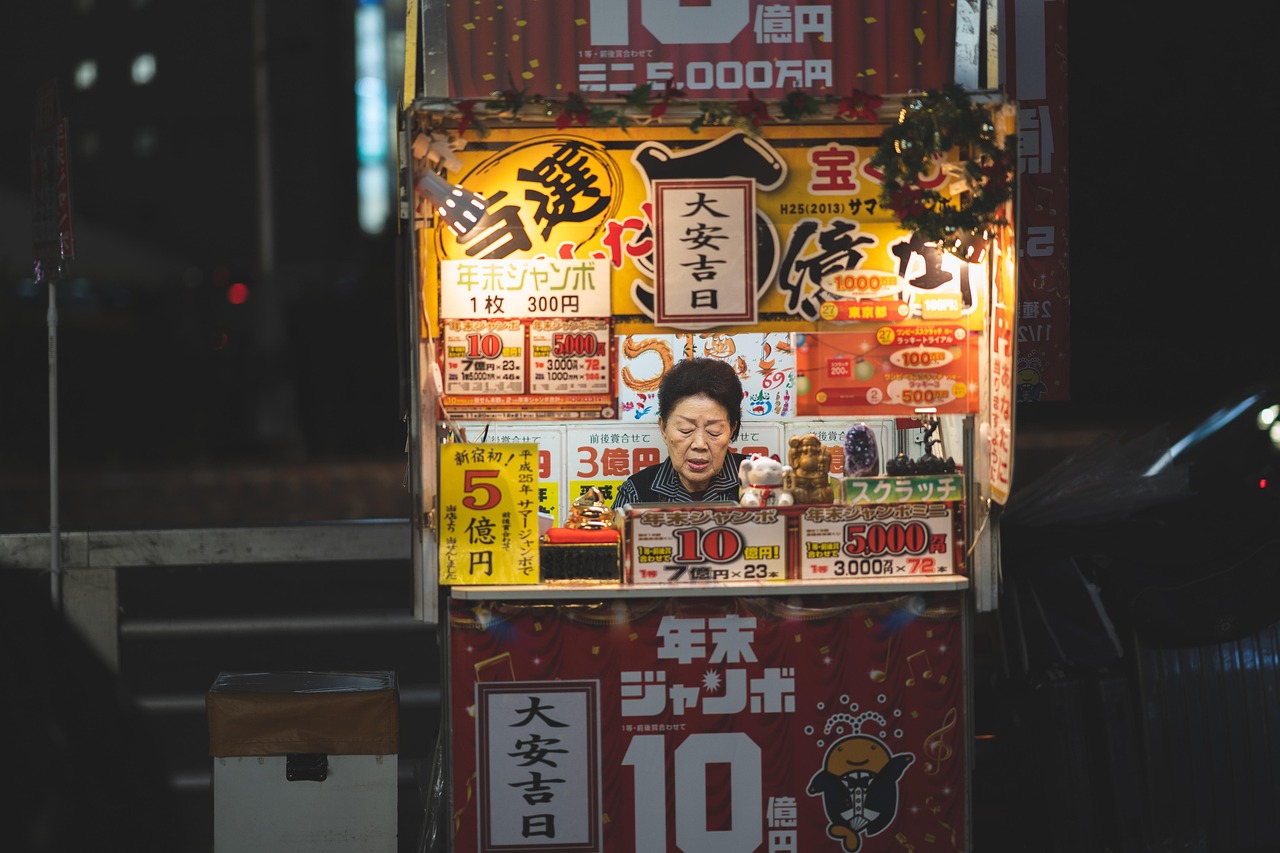
Best Things to Do in Shinjuku for a First Day in Tokyo Japan near Shinjuku Station
If you’re searching for the best things to do in Shinjuku Tokyo travel guide style of day, begin with one comforting truth: you don’t need to “solve” Shinjuku in an hour. Arriving via Shinjuku Station (often called the world’s busiest railway station) is a rite of passage for visitors to Tokyo, and it’s completely manageable with a little structure and a lot of trust in your own pace.
Step out at the west exit of Shinjuku Station and you’ll feel the tone shift immediately. The west of the station leans business and skyline—West Shinjuku towers, wide pavements, and that calm, polished rush. Cross to the east of the station and you’re nudged towards Kabukicho’s theatres and late-night energy; the east side of Shinjuku is buzzier and brighter, especially after dusk.
Arriving with confidence at Shinjuku Station and the west of the station
For a first day, I like to create a simple mental map: west side of Shinjuku for city views and calmer streets; east of Shinjuku for entertainment, neon, and nightlife. If you’ve just landed at Haneda Airport, the trip to Tokyo is usually straightforward via train connections into the city of Tokyo, and you can link smoothly into the JR network around Shinjuku. From Narita Airport, expect a longer ride—still seamless if you give yourself time, especially if you’re arriving after a long-haul flight.
Once you’re in the station area, look for the practical comforts that make Tokyo Shinjuku feel friendly rather than frantic: coin lockers for your bags, clear meeting points, and the quiet confidence boost of tapping through gates with a Suica (or other transport IC such as Tabi cards or SUICA cards). You’ll likely use JR lines, the Tokyo Metro (including the Tokyo Metro Marunouchi line via Shinjuku-sanchōme), the Toei Shinjuku line, and even Seibu Shinjuku for quick hops around Shinjuku and beyond.
Choose-your-adventure walk from Shinjuku Station to Shinjuku Sanchome
Here’s a crafted, low-stress mini loop that works beautifully even if you only have a half day. Start with a gentle walk from Shinjuku Station towards Shinjuku Sanchome for cafés and browsing, then drift back towards Busta Shinjuku and the Shinjuku Expressway Bus Terminal if you’re continuing your Tokyo itinerary to places north of Shinjuku, south of Shinjuku, or further into Tokyo prefecture.
- First hour: set up your base—lockers, a takeaway coffee, and a quick “where am I?” check outside Shinjuku Station’s main exits.
- Second hour: explore Shinjuku Sanchome’s side streets for small galleries, bakeries, and calm corners that feel wonderfully local.
- Optional: pop into a quiet shrine space nearby if you need a reset before the city ramps up.
Most importantly, design the day around your energy. This isn’t about ticking boxes; it’s about creating a rhythm you can sustain—so your first hours in modern Tokyo feel exhilarating, not exhausting.


Shinjuku Gyoen National Garden cherry blossom garden Tokyo Shinjuku best things
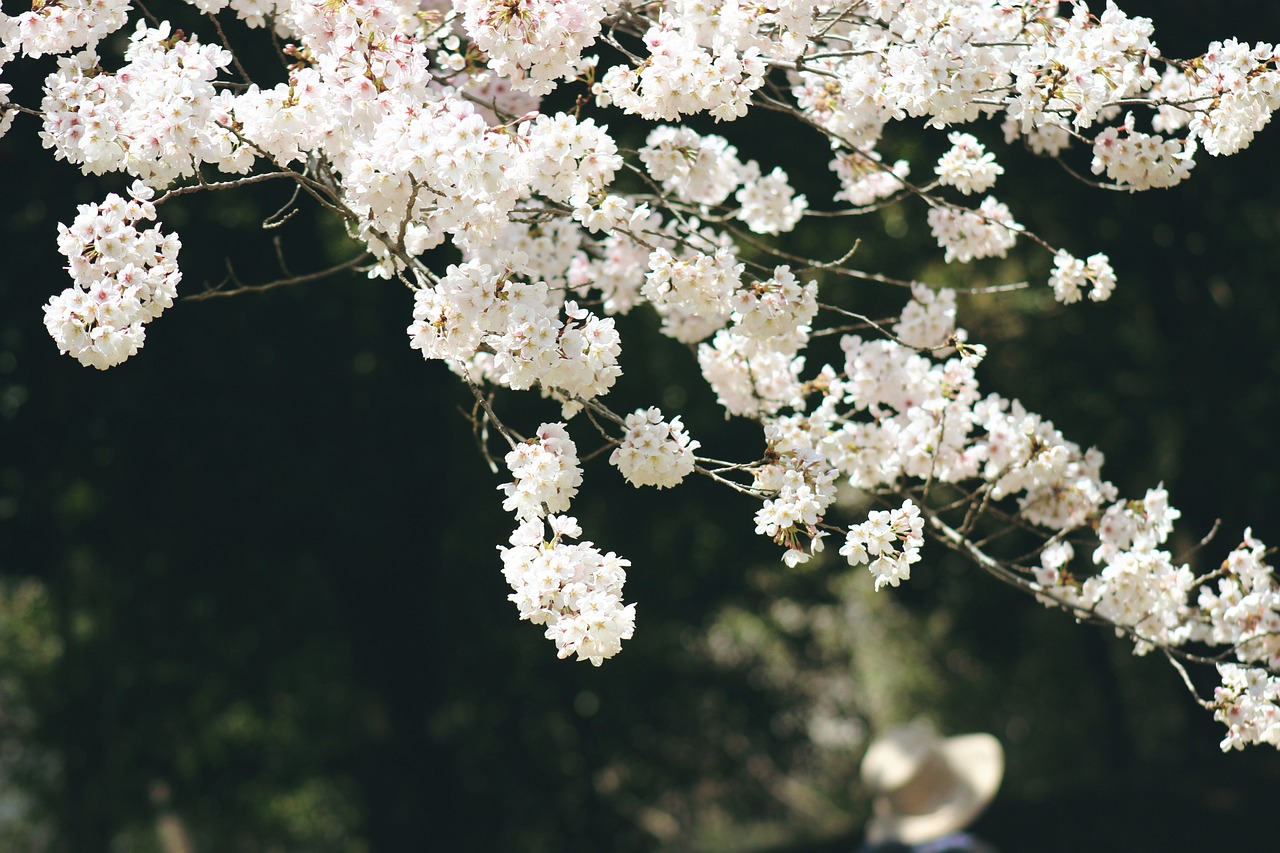
Shinjuku Gyoen National Garden A Quiet Reset with spring cherry blossom in Shinjuku
For many travellers, the Shinjuku Gyoen National Garden cherry blossom garden Tokyo Shinjuku moment is the emotional turning point of the day. One traveller told me they felt genuinely awestruck by the quiet beauty of Shinjuku Gyoen amid the urban chaos—like the city stepped back and gave them space to breathe.
This is the kind of contrast Shinjuku does best. You can be surrounded by Tokyo city momentum one minute, then find reflective water, elegant paths, and a soft hush the next. If you’ve visited Tokyo before, you may still be surprised by how quickly the garden settles your nervous system.
What to notice inside Shinjuku Gyoen
Shinjuku Gyoen is a beautifully curated blend of traditional Japanese garden ideas, a landscape garden feel, and formal French-inspired geometry. Slow down and uncover the design details: clipped lines giving way to naturalistic lawns, bridges placed for symmetry, and seasonal colour that changes the mood of each corner.
In spring, a single cherry blossom canopy can make the whole garden feel like a private sanctuary. In autumn, the light turns honeyed and the paths become a quieter kind of theatre—perfect for travellers who love cultural insight, but also want calm between big-city adventures.
Best time to visit Shinjuku and gentle practicalities
The best time to visit Shinjuku for this stop is spring (March–May) or autumn (September–November), when the air is comfortable and the colours do the storytelling for you. Aim for morning for softer light and calmer paths, especially if you’ll be out later for a Tokyo night.
- Tickets: entry is typically about 500 yen—excellent value, even for high-end travellers who want a crafted reset.
- Comfort: bring water, allow time for benches and photo stops, and don’t be afraid to do a shorter loop if you’re jet-lagged.
- Care: keep picnic areas tidy and voices low; small etiquette choices build trust with the atmosphere.
When you leave, you’ll still be in the centre of the city of Tokyo—but you’ll feel like you’ve been somewhere much further away.
Tokyo Metropolitan Government Building free observation decks city view West Shinjuku
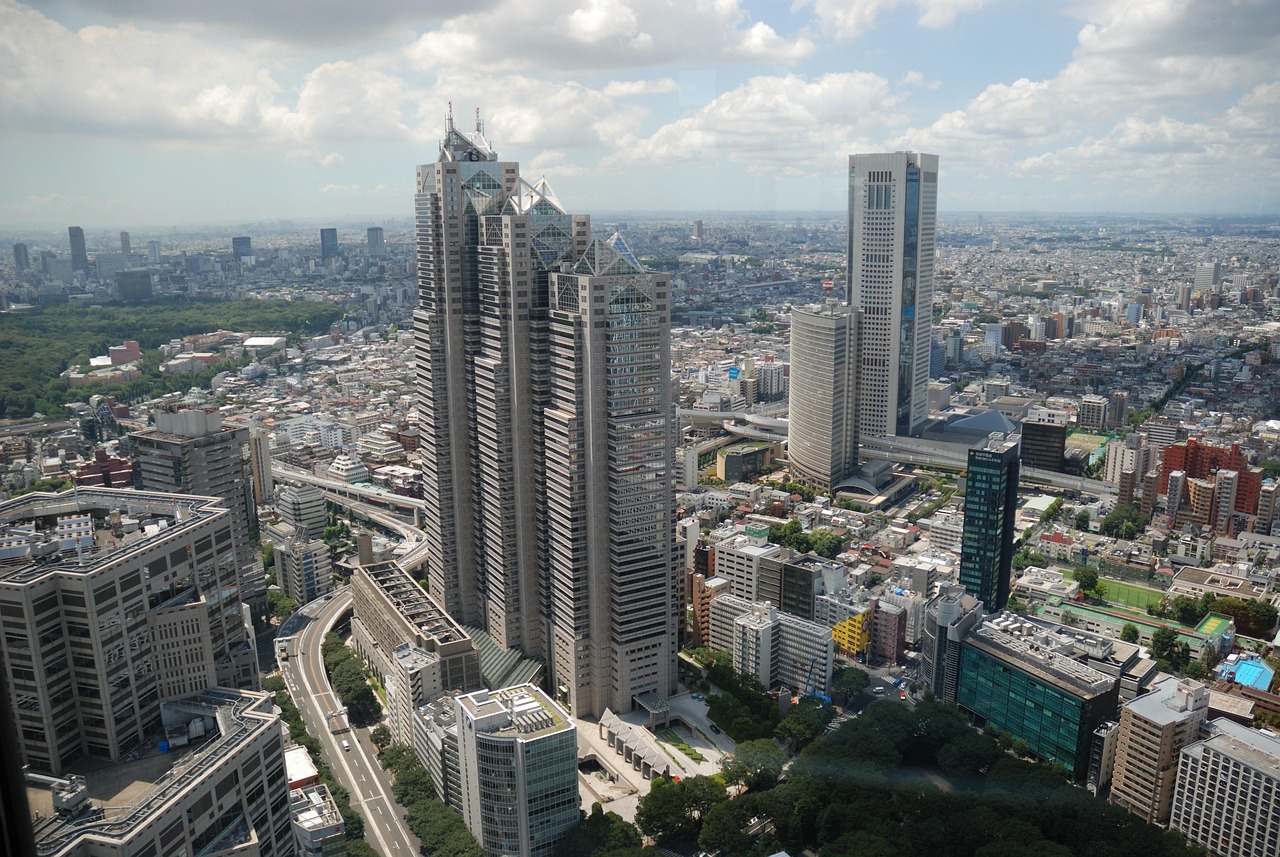
Free City View Adventures in West Shinjuku from the Tokyo Metropolitan Government Building
For a high-reward, low-stress adventure, build your afternoon around the Tokyo Metropolitan Government Building free observation decks city view West Shinjuku plan. The observation decks are free of charge, and they deliver the kind of perspective that makes a first-time trip to Tokyo click into place.
A visitor once described catching a panoramic sunset here and feeling their confidence rise with every shade of light—because suddenly the city wasn’t intimidating; it was legible. From above, you can see the logic of neighbourhoods, the rivers of traffic, and the way Shinjuku city threads into the wider metropolis.
How to get there and what to expect in West Shinjuku
It’s an easy, straightforward walk from Shinjuku Station into West Shinjuku, especially from the west side of Shinjuku where the streets open up. Inside, expect airport-style security and a queue that builds around golden hour. Go a little earlier than you think—then linger as the light shifts and the tokyo skyline turns into a constellation.
Photo prompts for western Tokyo and views of Tokyo
For adventure seekers, this is where you can create a mini “photo mission” without needing a paid ticket or a rooftop bar reservation. Frame layered streets, the long sprawl into western Tokyo, and—on a clear day—spot Mt Fuji as a distant anchor.
- Composition: look for contrast—glass towers, tiny side streets, and railway lines fanning out from Shinjuku.
- Etiquette: be mindful with tripods and keep flow moving; everyone is there for the same shared wonder.
- After: take a micro-walk around nearby parks and architecture so you can “see the city” at street level again.
This stop is quietly brilliant for both luxury travellers and Tokyo on a budget: big impact, beautifully accessible, and surprisingly calm for such great views over the city.
Kabukicho nightlife Shinjuku things to do in Shinjuku at night
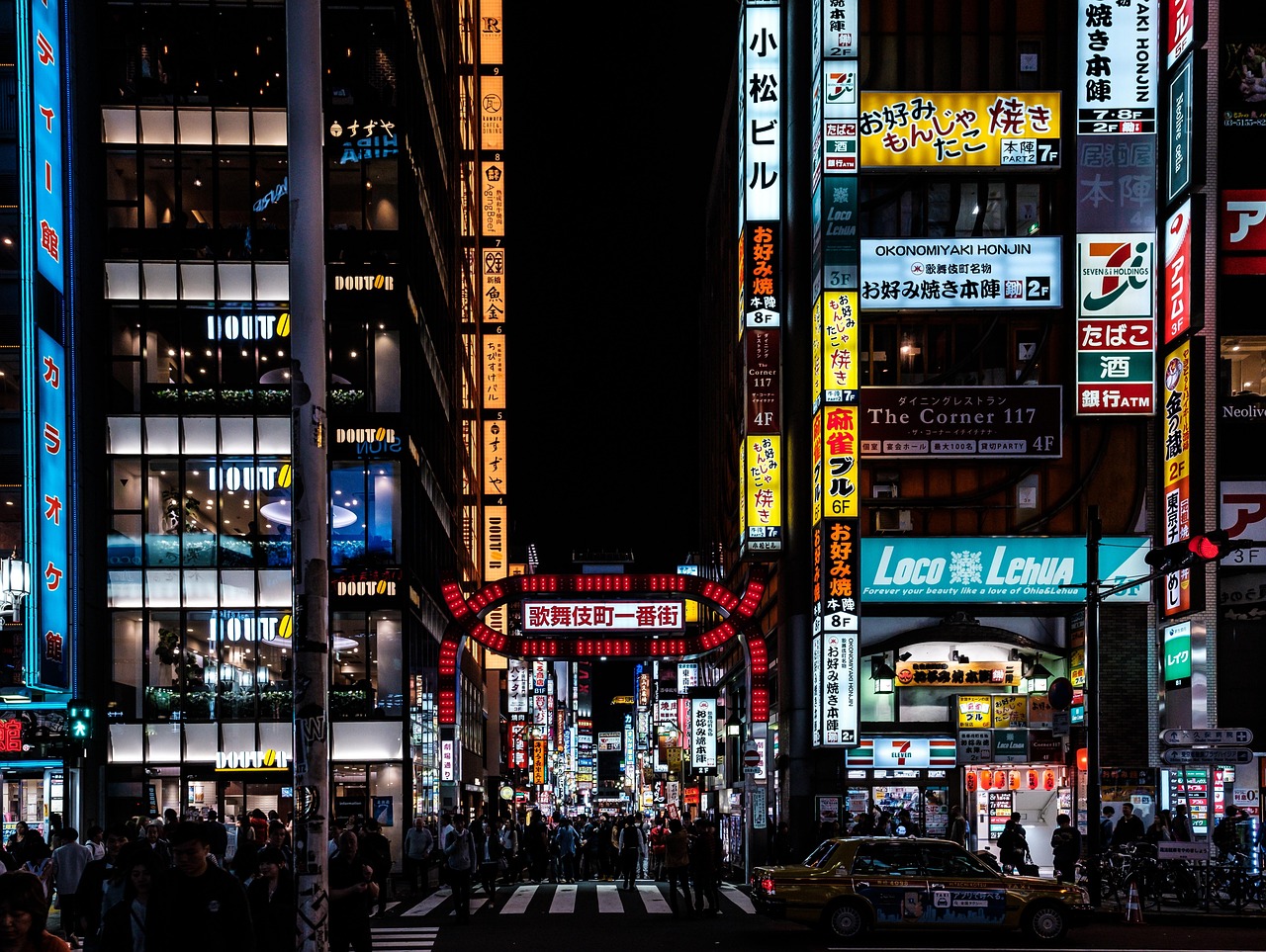
Kabukicho Nightlife Neon and the Robot Restaurant Legend in Shinjuku
If your evening search history reads Kabukicho nightlife Shinjuku things to do in Shinjuku at night, you’re in the right place—and it helps to arrive with warm, realistic expectations. Kabukicho is Tokyo’s most famous light district and a well-known red light district; it’s loud, bright, and fascinating, and you can explore it deeply without pushing past your comfort line.
One solo adventurer told me they hesitated at first, then found confidence by sticking to well-lit main lanes and choosing safe late-night eats. That’s the right energy here: curious, aware, and supported by good planning.
Street-smarts that support your Kabukicho night
Kabukicho is generally safe, but crowded streets call for usual urban care. Keep belongings close, especially around busy crossings, and be wary of aggressive touts trying to steer you into venues you didn’t choose. If you’re travelling together with friends, decide on a simple meet-up point near Shinjuku Station in case the group gets split.
If you want a small cultural counterpoint, consider passing by Hanazono Shrine (a serene shrine tucked close to the buzz). That quiet threshold can feel like stepping from a futuristic city of neon into something timeless.
Robot Restaurant legacy and a night designed for trust
The immersive Robot Restaurant show is a legend of Shinjuku—part performance art, part sensory overload, and a memory many travellers still smile about. A group of friends once described it as the highlight of their visit, pure cultural fun through contrast and spectacle. Today, it’s widely known as a closed icon, but successor-style productions in a similar spirit appear from time to time; if you find one that fits your taste, pre-book tickets so your evening stays seamless.
Between arcades, theatres, and street performances, kabukicho can feel like you’ve stepped into a scene set in Tokyo—an atmosphere some compare (gently) to Lost in Translation. Keep it grounded: plan your “escape hatch” for food and calm, whether that’s a bowl of ramen, a quiet kissaten café, or a quick ride back to your hotel in Tokyo.
Golden Gai Omoide Yokocho local bars ramen Shinjuku nightlife
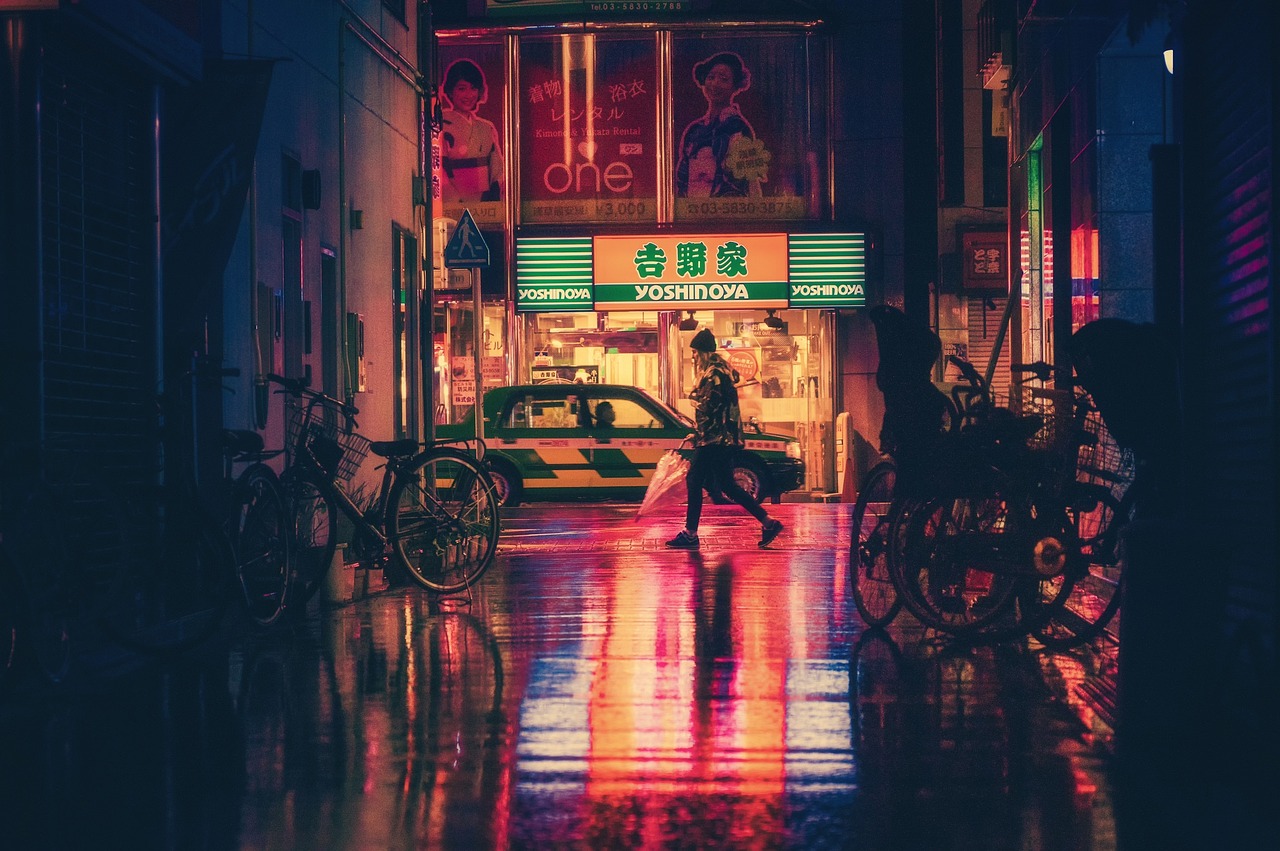
Golden Gai and Omoide Yokocho Local Nights in Tiny Alleys in Shinjuku
For many cultural enthusiasts, the phrase Golden Gai Omoide Yokocho local bars ramen Shinjuku is shorthand for the most human kind of Tokyo nightlife: tiny rooms, shared stories, and the sense that the city is welcoming you in—one door at a time. A backpacker once shared a memorable night navigating Golden Gai’s labyrinthine bars, meeting locals and other adventurers over sake and stories. It wasn’t about how many places they visited Tokyo-wise; it was about one great conversation that lingered.
Golden Gai weeknight rhythm and house rules
Golden Gai is built for intimacy: some bars hold fewer than ten guests, and each has its own personality. Go on weeknights for a more local rhythm, carry cash (cards are often not accepted), and keep your voice low. Photography can feel intrusive in such small spaces, so ask first and follow the bartender’s guidance—this is a trust neighbourhood.
- Cover charges: normal in many bars; think of it as supporting the space and the live music or curation.
- Order gently: one drink at a time is often appreciated, especially when the bar is full.
- Connection: a simple “konbanwa” and a smile goes further than any itinerary.
Omoide Yokocho post-war charm next to Shinjuku Station
Then there’s Omoide Yokocho, the narrow alleyway cluster near the west exit of Shinjuku Station where lantern light, yakitori smoke, and post-war charm create an instant film-set feeling. It’s next to Shinjuku Station, which makes it ideal for a late evening—you can explore, eat, and be back on a platform without stress.
A simple route I love is seamless and reassuring: start in Omoide Yokocho for food (yakitori and a quick ramen stop work perfectly), then end in Golden Gai for one final drink and a small, sparkling cultural exchange.
Shopping in Shinjuku hotels in Shinjuku luxury hotels Shinjuku hotel
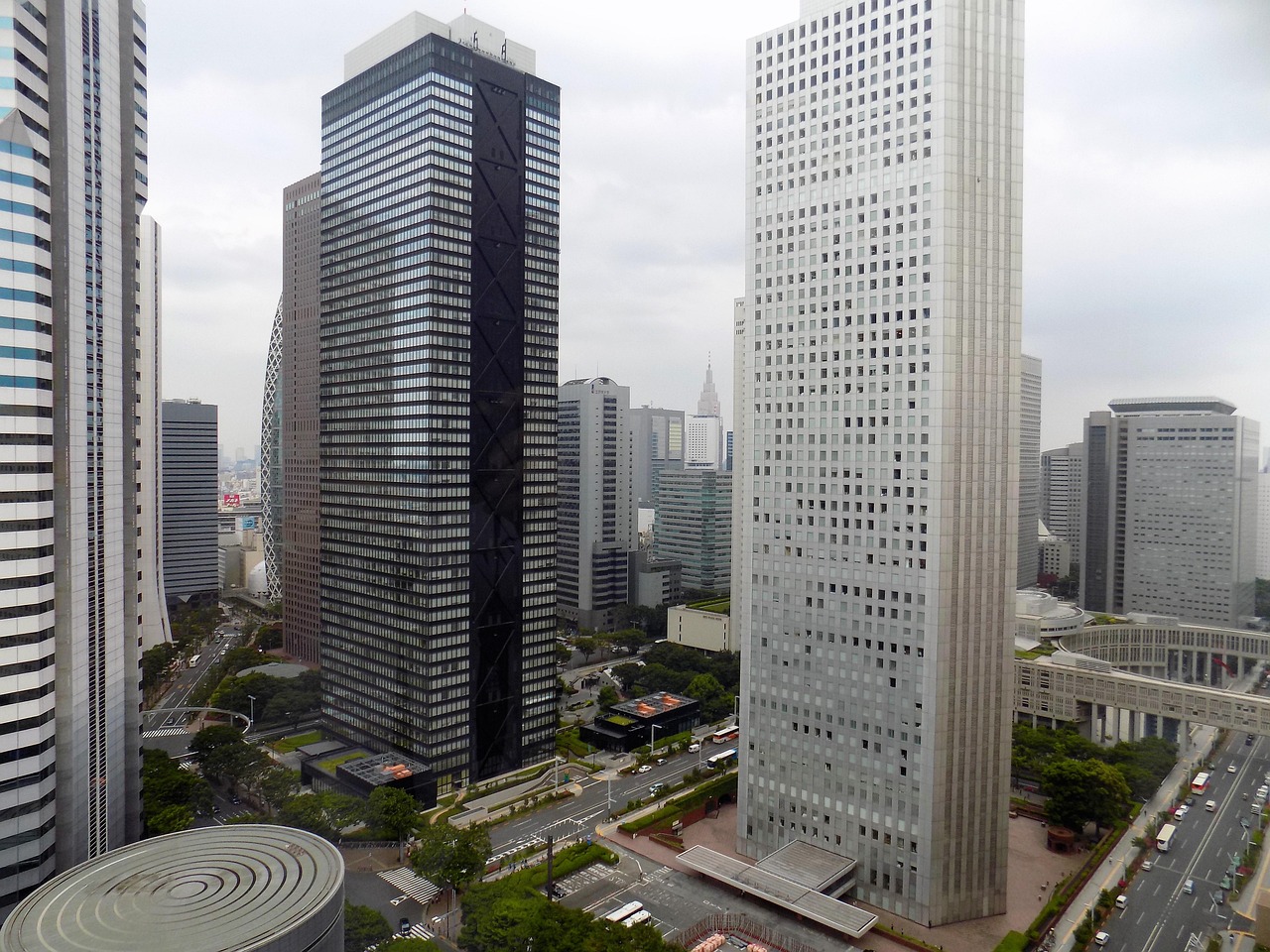
Shopping in Shinjuku and Hotels in Shinjuku That Fit Your Style
If you’re planning shopping in Shinjuku hotels in Shinjuku luxury hotels Shinjuku hotel time into your trip, you’re in one of Tokyo’s easiest areas to create a polished, high-energy day. Shinjuku is built for shopping and nightlife, and it also makes a smart base for adventure seekers who want late transport options and quick access around Shinjuku.
Think of it as a choose-your-own design brief: a flagship department store for curated gifts, a pop-culture floor for playful surprises, and a calm café to regroup before dinner. Done well, it feels crafted—not chaotic.
Shopping in Shinjuku with Takashimaya and department store anchors
Start with reliable anchors like Takashimaya, where the experience itself is part of the culture: immaculate food halls, beautifully wrapped purchases, and floors that move from luxury fashion to household design. Around Shinjuku you’ll also find huge electronics stores in Shinjuku, boutique beauty counters, and seasonal pop-ups that make gift hunting feel like a treasure search.
If you want to stay oriented, use Shinjuku Station as your central pin, and treat each shopping zone as a short, purposeful loop. That way you can explore without carrying bags for hours—and you can dip back for lockers if needed.
Hotels in Shinjuku and a hotel in Tokyo decision framework
For staying in Shinjuku, the key question is: do you want calm towers or neon edges? The west side of Shinjuku is generally quieter and convenient for skyline strolls; the east side of Shinjuku sits closer to Kabukicho, which can be thrilling if you want to step straight into the evening scene. Shinjuku Sanchome is a lovely middle ground for dining and boutiques.
Here’s a short, personality-led shortlist of hotels in Shinjuku—each offering a different kind of confidence:
- Park Hyatt Tokyo: skyline romance and classic, quiet luxury—ideal if you want a refined retreat after the city’s sensory richness.
- Groove Shinjuku: design-forward and modern, suited to travellers who like their hotel to feel like part of the creative story.
- Hotel Gracery Shinjuku: a playful Kabukicho-adjacent option with an unmistakable edge—great if you want convenience and character.
Whichever shinjuku hotel you choose, small logistics keep your base seamless: confirm late check-in, keep a little cash for smaller bars, and remember that Tokyo transport runs brilliantly—yet it’s still wise to check last trains if you plan to stay out late. If you’re browsing inspiration for a broader Tokyo accommodation plan, you can explore our Trip gallery and imagine how Shinjuku might fit into a longer journey.
And one more gentle reassurance: you don’t have to overplan. The best things are often found when you leave space for a detour you didn’t expect.
Shinjuku Tokyo reflection cultural travel guide Japan
In the days after Shinjuku, what often stays with you isn’t the list of things to see, but the feeling of moving between worlds with ease. There’s a particular hush that returns in memory: the way Shinjuku Gyoen held quiet under blossoms, as if the city had softened its voice just for you. Then, later, the glow of a tokyo night and the sense that the streets which once felt intimidating had become familiar.
People remember small moments with surprising clarity. A shared laugh over sake in a bar so tiny you had to turn sideways to pass. The warmth of a bartender’s welcome, offered with careful manners and an unspoken trust. A pause at a crossing in Kabukicho where the neon felt like theatre rather than threat, because you’d learned your own rhythm and kept to it.
And there’s the contrast you carry home without judgement: Shinjuku gyoen is one kind of beauty; Kabukicho is another. One is framed by lawns and water, the other by bright signs and late dinners; both can belong to the same traveller’s story, if you explore with care for yourself and for the local life around you.
When you next think of Japan, you may not picture a perfect itinerary at all. You may simply remember the way the city looked when you finally stopped trying to master it—and allowed it to unfold, one crafted moment at a time. Shinjuku city keeps changing, yet its spirit remains, waiting quietly for the version of you who returns to notice something new.
F.A.Qs: Shinjuku Tokyo Japan travel guide
What is Shinjuku famous for?
Shinjuku is famous for its sheer variety: the intensity of Shinjuku Station, the calm of Shinjuku Gyoen, skyline viewpoints in West Shinjuku, and nightlife districts like Kabukicho. It’s also known for shopping—from major department store flagships such as Takashimaya to late-night food and entertainment. For many travellers, Shinjuku is where modern Tokyo feels most vivid and most accessible in the same day.
Is it safe to walk around Shinjuku?
Yes, Shinjuku is generally safe to walk around, including in the evening, as long as you use normal big-city awareness. Keep an eye on your belongings in crowded areas, stick to well-lit streets, and avoid following aggressive touts into venues you didn’t choose. With these simple precautions, most visitors feel comfortable exploring, dining late, and using Shinjuku Station to travel back easily.
Is Shinjuku a red district?
Parts of Shinjuku include a red-light area, particularly Kabukicho, which is widely known as Tokyo’s most famous light district. That said, Shinjuku is far bigger than Kabukicho alone, with business towers in the west, parks and gardens, major shopping streets, and residential pockets. Many travellers visit Kabukicho for the neon atmosphere, theatres, and late-night food while staying mindful and sticking to main lanes.
Is Shinjuku in Tokyo expensive?
Shinjuku can be as expensive or as affordable as you design it. You’ll find luxury hotels and high-end dining, but also plenty of value: free views from the Tokyo Metropolitan Government Building, reasonably priced ramen, and department store food halls where you can sample excellent quality without booking fine dining. Transport is efficient, so you can also stay in Shinjuku and explore other areas without spending heavily on taxis.