Post Contents
- Shinjuku Gyoen National Garden Tokyo Japan guide overview and urban oasis
- Plan your Shinjuku Gyoen stroll access Shinjuku Station Sendagaya gate with confidence
- Explore three garden worlds in one designed walk Shinjuku Gyoen garden design Japanese English landscape French formal
- Seasonal Shinjuku Gyoen scenes from sakura to autumn Shinjuku Gyoen seasonal cherry blossom autumn leaves November
- Uncover the botanical greenhouse indoor calm Shinjuku Gyoen greenhouse botanical garden tropical subtropical
- Tea houses at 新宿御苑 for crafted cultural insight Shinjuku Gyoen tea house tea ceremony matcha Goryotei
- What stayed with me after Shinjuku Gyoen reflections Tokyo garden quiet moments
- F.A.Qs: Shinjuku Gyoen Japan
Shinjuku Gyoen National Garden Tokyo Japan guide overview and urban oasis
Shinjuku Gyoen National Garden as Tokyo’s urban oasis
This Shinjuku Gyoen National Garden Tokyo Japan guide overview is for travellers who love culture but also want that restorative breath between bold Tokyo days. If your adventures take you from neon streets to hidden ramen counters, Shinjuku Gyoen offers a tranquil reset that feels surprisingly expansive for such a central attraction.
The story begins in the Edo era, when the land was tied to an influential feudal lord. Later it became connected to the imperial family, evolving into an imperial garden with a more formal purpose and refined design language. When it opened to the public in 1906 during the Meiji period, it signalled a new kind of green space for modern Japan—one that still carries continuity through a post-war rebuild and the presence of the Showa Emperor in the garden’s wider history.
An expansive oasis in the centre of Tokyo
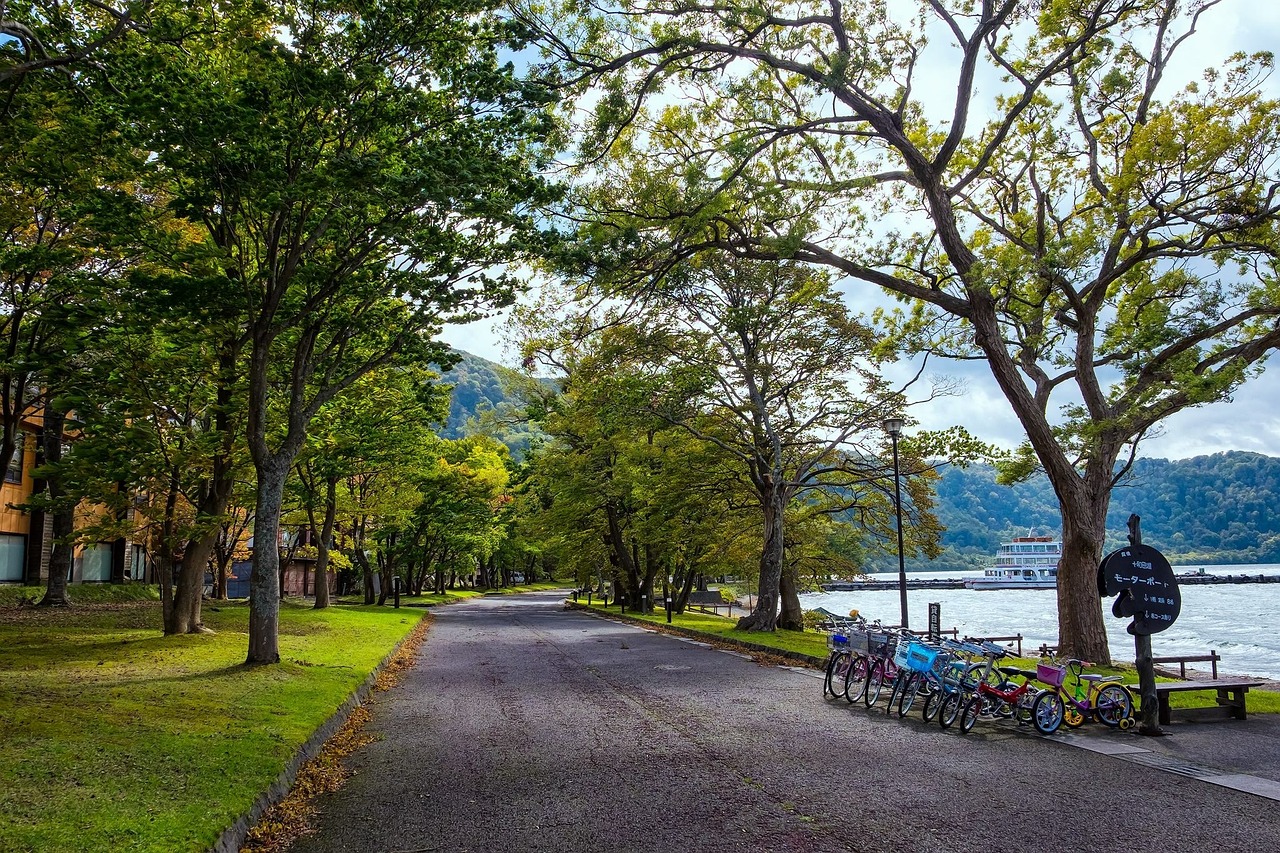
What surprises first-time visitors is scale. Broad lawns, gentle ponds, and long walking paths create a sense of distance from the surrounding cityscape, as if Tokyo’s pace has been softened at the edges. It’s an oasis you can feel in your shoulders: you arrive alert and curious, and you leave more grounded, with trust in your own travel rhythm.
A design story told through three garden styles
Shinjuku Gyoen isn’t just “pretty”—it’s a living design lesson. In one visit you can explore three distinct worlds: a Japanese garden, an English-style landscape garden, and a French-influenced formal garden. For cultural enthusiasts, that contrast becomes insight; for adventure seekers, it’s a choose-your-own route where every turn reveals new scenery.


Plan your Shinjuku Gyoen stroll access Shinjuku Station Sendagaya gate with confidence

Plan your Shinjuku Gyoen stroll with confidence
If you’re searching for “Shinjuku Gyoen stroll access Shinjuku Station Sendagaya gate”, here’s the reassuring truth: getting in is seamless once you choose the right approach for your day. The park sits right in Tokyo’s centre, so you can create an easy morning visit before galleries, shopping, or an afternoon tasting menu.
Choosing the best gate for your day in Tokyo
Start with how you’ll arrive. Shinjuku-gyoemmae Station (Tokyo Metro Marunouchi Line) is the most direct for many travellers; Shinjuku Station also works well with a short walk if you’re already in the neighbourhood. If you’re coming from the stadium side or you’ve been cycling nearby, Sendagaya Station is handy for the Sendagaya edge of the grounds.
- Shinjuku gate: best when you’re staying around Shinjuku or arriving via Shinjuku Station.
- Sendagaya gate: ideal if you’re approaching from Sendagaya or timing your visit after nearby museums.
- Okido gate: a calm-feeling entry for those coming via Shinjuku-gyoemmae; it often flows well at opening.
You’ll see “Okido gate” referred to as okido gate on maps and signage; it’s worth saving in your pins to reduce decision fatigue.
Practical essentials and quiet-culture courtesies
Aim for opening time at 9:00 AM if you want soft light and fewer people—especially if you’re chasing personal photos under sakura or you simply prefer spacious paths. The entry fee is around ¥500 for adults, free for children under 15 and seniors over 65, which feels like extraordinary value for the experience.
Shinjuku Gyoen’s rules are part of what makes it feel so cared for: no picnic setups, no loud noise, no pets, and no smoking. Think of it as a shared agreement to support calm. You’ll also find resting areas and refreshment stalls for small resets without needing to leave the grounds.
For high-end travellers building a broader base, consider accommodation within walking distance—there’s real joy in being able to arrive early without rushing. If you prefer a wider Tokyo spread, connections from Tokyo Station, Ginza, and Akihabara are straightforward. If you want the simplest early start, choose accommodation near shinjuku gyoen for that effortless first hour.
For a wider sense of how this stop fits into a crafted itinerary, you can browse our Trip gallery for design-led journeys across Japan.
Explore three garden worlds in one designed walk Shinjuku Gyoen garden design Japanese English landscape French formal
Explore three garden worlds in one designed walk
For “Shinjuku Gyoen garden design Japanese English landscape French formal”, think of the visit as a calm loop rather than a checklist. You can create a route that moves from open lawns to shaded paths, then into geometry and back to water—so you explore with confidence and without backtracking.
A Japanese-style pavilion and bridge view at Shinjuku Gyoen
Begin in the Japanese-style section where composition is everything: water and stone, controlled sightlines, and the slow reveal of scenery. Look for a pavilion moment—an invitation to pause rather than push onwards. From a well-placed bridge, the view frames like a living painting, and even seasoned Tokyo travellers often fall silent for a few beats.
Terrace symmetry and French landscaping inside Tokyo
Next, drift towards the European-inspired areas. The English landscape garden brings a gentle sweep of greenery that feels made for breathing space and long-lens photography—one continuous “room” of nature rather than a series of scenes. Then the formal garden arrives with French landscaping: avenues, symmetry, and a terrace-style pause that feels unexpectedly continental in the middle of Japan’s capital.
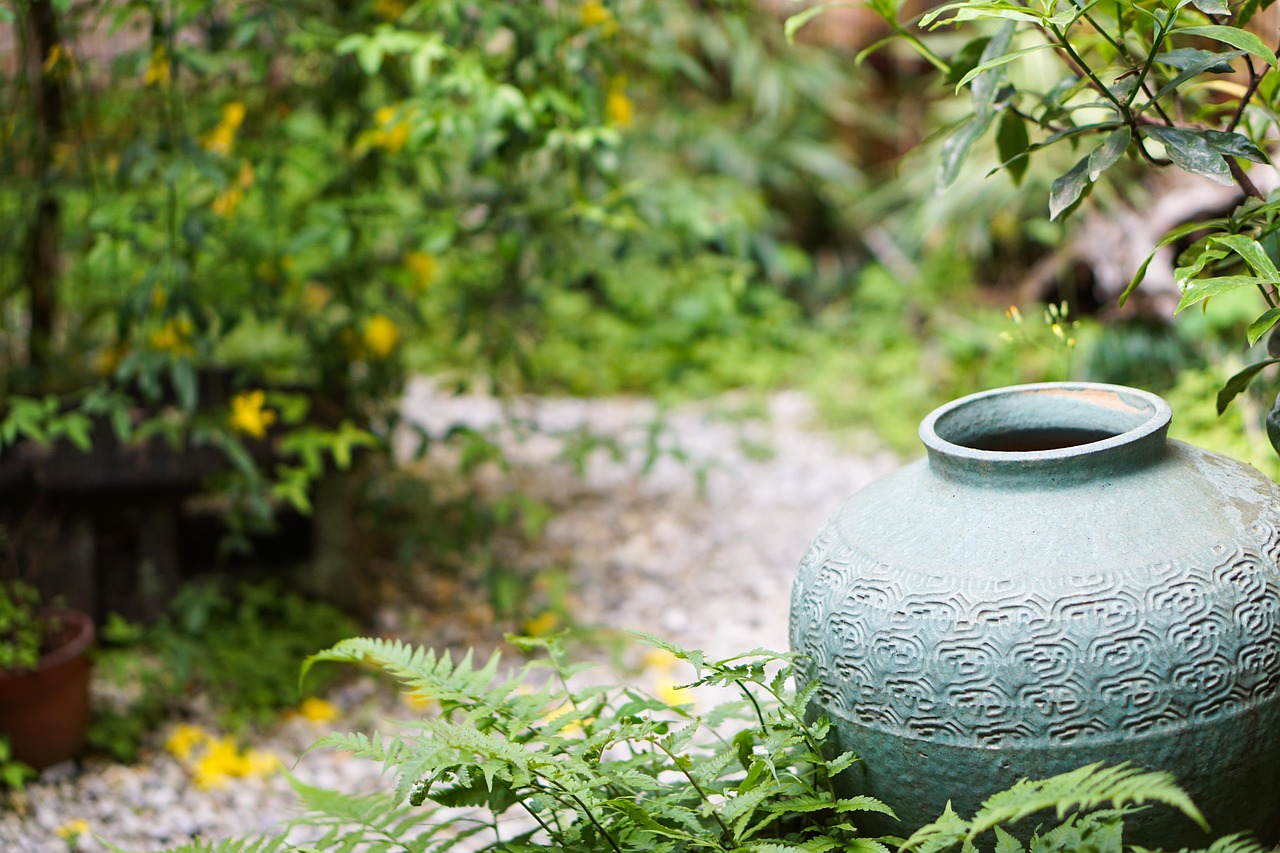
If you’re the kind of adventure seeker who loves small discoveries, slow down for the quiet details. The Taiwan pavilion is a rewarding stop, and subtle garden features—lanterns, edging, waterwork—become more visible when you let the design speak rather than rushing to the next photo.
Seasonal Shinjuku Gyoen scenes from sakura to autumn Shinjuku Gyoen seasonal cherry blossom autumn leaves November
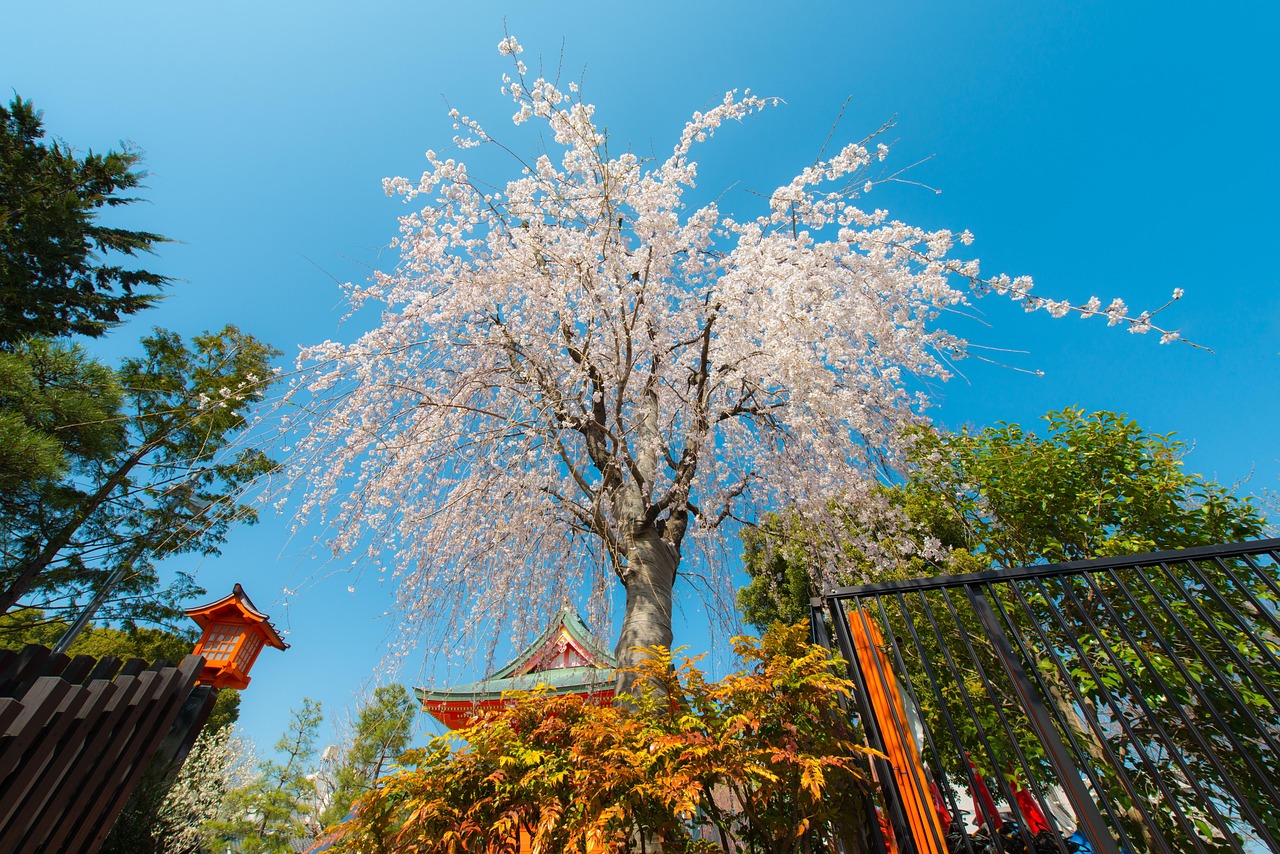
Seasonal Shinjuku Gyoen scenes from sakura to autumn
Searches for “Shinjuku Gyoen seasonal cherry blossom autumn leaves November” make sense—this is one of Tokyo’s most photogenic nature stages. The key is to imagine your timing as part of the experience: light, temperature, and crowd rhythm all shape how the place feels.
Late March to early April for cherry blossoms in spring
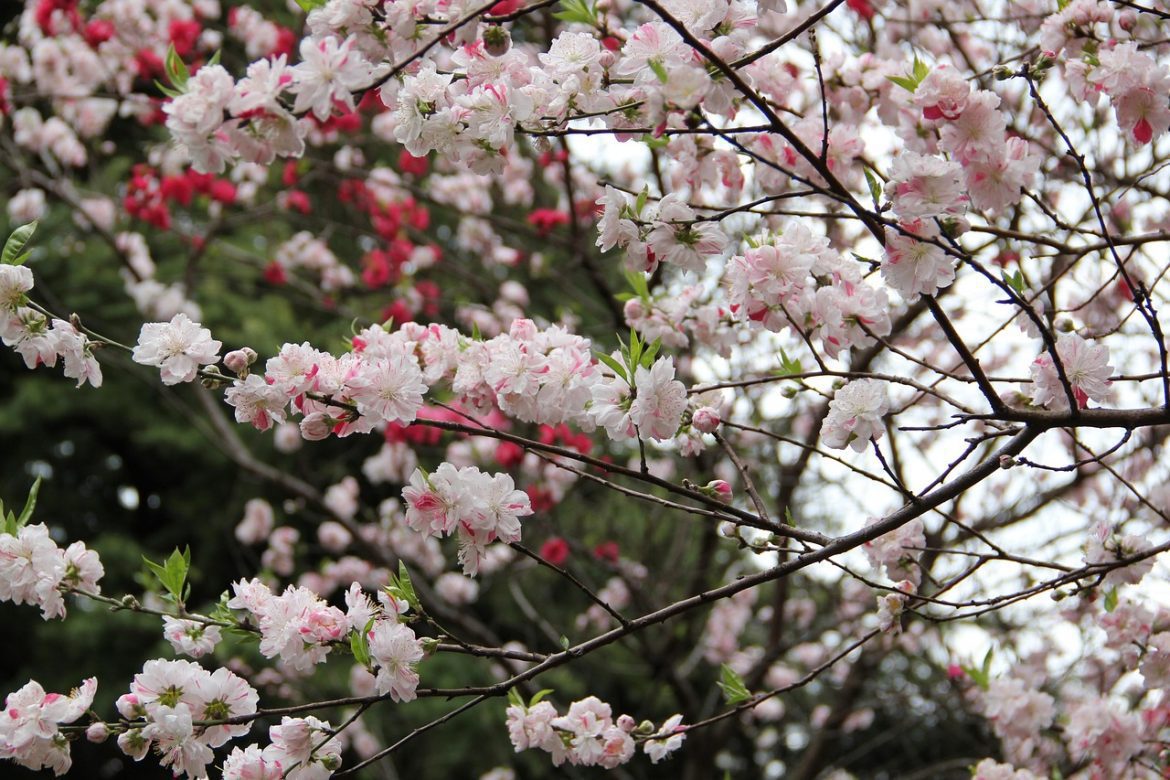
For many, the dream is late March to early April, when the first bloom turns pathways into soft, floating colour. This is cherry blossoms in spring at their most iconic, yet it can still feel intimate if you arrive early and move with care. Respectful hanami etiquette matters here: keep voices low, follow signs, and allow space for others to enjoy the view without jostling for it.
Adventure seekers often tell me the same story: they took an early-morning stroll beneath cherry trees, captured their best photos before the crowds, and felt like they’d discovered a private Tokyo—one that only exists for an hour or two.
Autumn leaves, reflections, and a quieter kind of magic
In November, autumn leaves bring a deeper palette—reds and golds that feel cinematic. One visitor described the moment that stayed with them: seeing the colours reflect on the pond at golden hour, as if the air itself had slowed. That kind of calm is its own adventure, especially after days of fast-paced city exploring.
Beyond the headlines, seasonal flowers make the visit year-round. Watch for plum in cooler months and the occasional rose when conditions align; and if your dates are lucky, the chrysanthemum exhibition offers a crafted cultural insight that feels distinctly local without turning your day into a rush.
Uncover the botanical greenhouse indoor calm Shinjuku Gyoen greenhouse botanical garden tropical subtropical
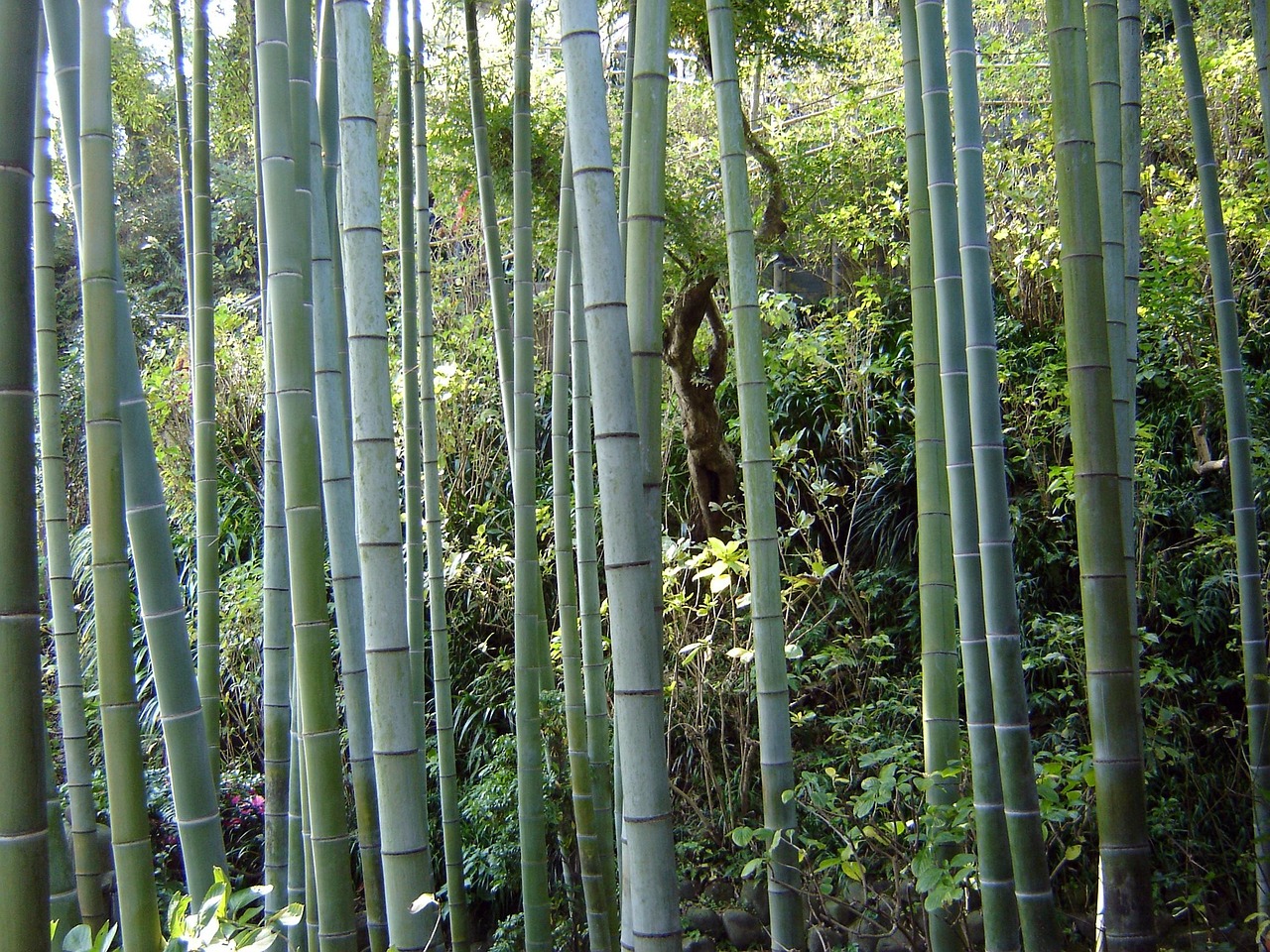
Uncover the botanical greenhouse and indoor jungle calm
For “Shinjuku Gyoen greenhouse botanical garden tropical subtropical”, picture an indoor micro-adventure: warm air, layered leaves, and the hush that comes when people naturally lower their voices. This greenhouse works like a reset button—especially welcome if Tokyo weather turns sharp, wet, or intensely hot.
Tropical and subtropical zones with an orchid moment
Move slowly through the tropical and subtropical zones and let your senses lead. The light changes across glossy foliage; condensation beads on glass; patterned leaves look almost designed. Many visitors pause longest at the orchid displays—an “orchid moment” that feels delicate, precise, and quietly expert in its care.
How long to spend and when it feels most seamless
Allow 20–40 minutes depending on your pace and photography. It often feels least busy earlier in the day or when larger groups are drawn to the open areas. When you step back outside, the contrast is the point: you go from indoor closeness to open lawns and sky, and suddenly the wider botanical garden story of Shinjuku Gyoen becomes clearer—variety, not spectacle, is the design.
If you’re travelling together, it’s also a reassuring place to regroup. A quiet circuit through the greenhouse can support anyone feeling overstimulated, without sacrificing the sense of discovery.
Tea houses at 新宿御苑 for crafted cultural insight Shinjuku Gyoen tea house tea ceremony matcha Goryotei
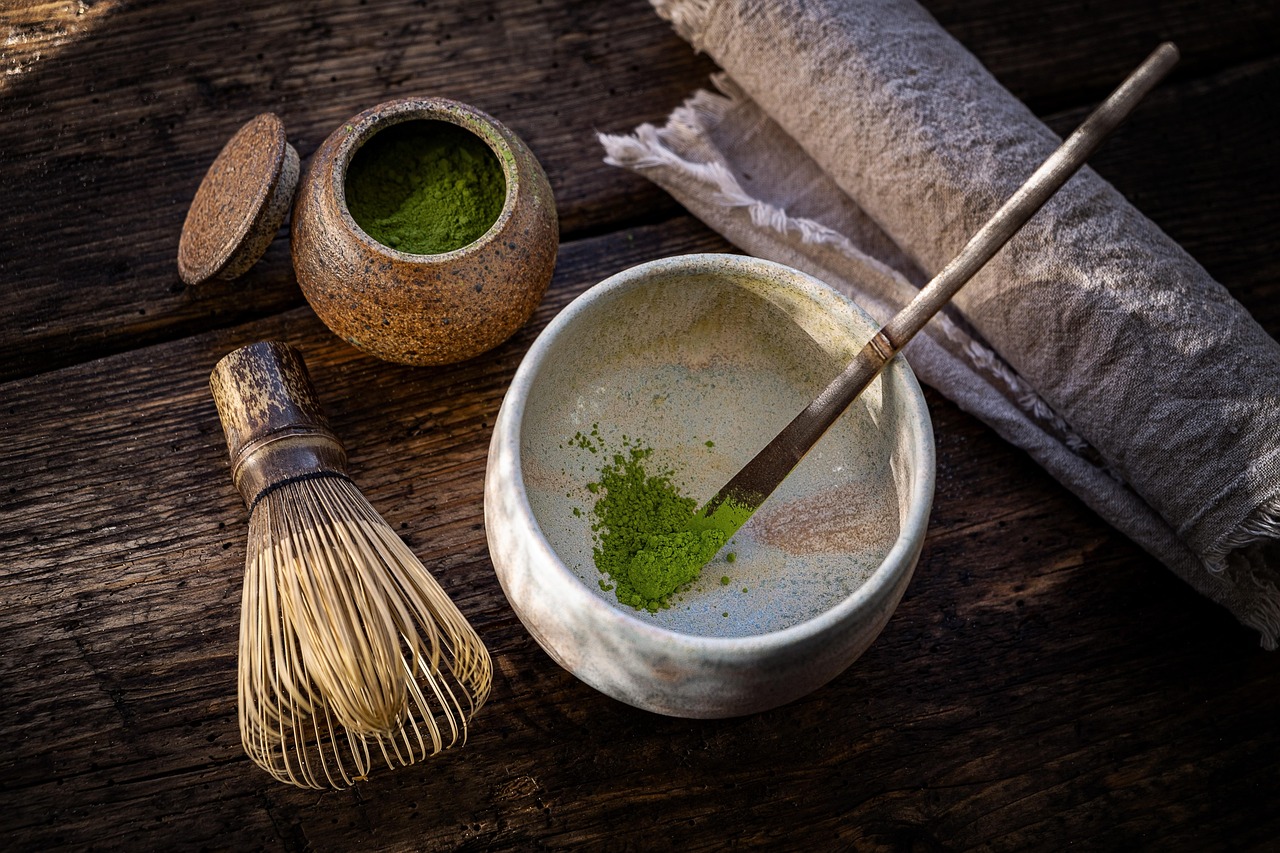
Tea houses at 新宿御苑 for crafted cultural insight
If you’re looking up “Shinjuku Gyoen tea house tea ceremony matcha Goryotei”, you’re already leaning towards the most quietly memorable part of the visit. A tea house stop here is a gentle cultural adventure—crafted, unhurried, and full of small gestures that offer real insight.
Goryotei and approaching with calm confidence
Within the grounds you’ll find historic tea houses, including Goryotei. Approach with quiet confidence: keep your voice low, observe how others enter and move, and let the space set the pace. You don’t need to “know everything” to belong here; respect and attention are the only tickets that matter.
What to notice in a tea ceremony from matcha to design
During a tea ceremony, notice how the environment designs calm. The way matcha is prepared, the angle of a bow, the timing of each movement—these details are not performance, they’re care made visible. First-timers often feel supported simply because nothing is rushed; you’re allowed to arrive as you are, and the ritual guides you into presence.
Many travellers share a personal favourite rhythm: an early-morning stroll under sakura, then a tea moment that feels deeper than sightseeing. For couples or friends, it’s also a surprisingly powerful “together” experience—shared silence, slow steps, and a sense of trust that settles in without needing words.
What stayed with me after Shinjuku Gyoen reflections Tokyo garden quiet moments
For “Shinjuku Gyoen reflections Tokyo garden quiet moments”, I always return to the feeling that Tokyo becomes more three-dimensional after time here. Not smaller, not slower—just more balanced. The city’s energy makes more sense when you’ve held its quiet counterpart in your hands for an hour.
What stays with me is rarely the big view. It’s the soft crunch of footsteps on gravel, the brief stillness by water, the way a breeze moves through trees and makes conversation feel optional rather than required. In a place known for precision, the gentleness feels like its own form of expertise.
I think of the colour of leaves on a clear day, and the almost private feeling of walking without needing to navigate anyone else’s urgency. You can carry that calm back out to the crossings and the crowds—proof that adventure isn’t only acceleration, it’s also attention.
And if you ever return in another season, you may find the same paths offering a different mood entirely—like a familiar story told in a new voice, waiting for you to notice what has changed.
F.A.Qs: Shinjuku Gyoen Japan
F.A.Qs Shinjuku Gyoen Japan in central Tokyo
What is Shinjuku Gyoen known for?
Shinjuku Gyoen is known for its spacious, peaceful grounds in central Tokyo and its blend of styles—Japanese, English, and French-inspired areas—plus standout seasonal viewing like sakura and autumn colour. The greenhouse and tea houses add cultural depth beyond a simple walk.
Is Shinjuku Gyoen worth visiting?
Yes—especially if you want a calm, beautifully designed pause between high-energy neighbourhoods. It’s an easy way to experience nature, photography, and local culture (including tea) without leaving the city, and it suits both first-timers and repeat visitors to Tokyo.
How much time is needed at Shinjuku Gyoen National Garden?
Plan for 1.5–3 hours depending on your pace. A shorter visit can cover a designed loop and a tea stop, while a longer visit gives you time for the greenhouse, slow photography, and unhurried breaks on benches or near the water.
Do you have to pay to enter Shinjuku Gyoen?
Yes, there’s an entry fee (around ¥500 for adults). Children under 15 typically enter free, and seniors over 65 are usually free as well. Prices and details can change slightly, so it’s wise to confirm on the day if you’re planning tightly.