Post Contents
- Tokyo itinerary for first-time visitors – things to do in Tokyo you can’t miss in tokyo
- Stay in Tokyo with seamless confidence: best hotels, airport transfers, and Tokyo Metro tips
- Shrines and gardens in Tokyo: Meiji Shrine serenity, Yoyogi Park, Imperial Palace, and Shinjuku green space
- Iconic Tokyo city views: Tokyo Tower, Tokyo Skytree, and immersive art experiences
- Explore Tokyo in Omotesando, Aoyama, and Ginza: sushi, shopping, and a river cruise around tokyo
- What stays with you after Tokyo Japan sightseeing: a personal reflection on a trip to Japan
- F.A.Qs: Tokyo guide answers for planning your stay
Tokyo itinerary for first-time visitors – things to do in Tokyo you can’t miss in tokyo
This tokyo travel guide is built around the question many travellers ask on a first arrival: which experiences matter most, and how do you fit them in without turning every day into a sprint. If you plan to visit tokyo, you’ll enjoy it more when you follow the city’s natural rhythm—quiet mornings, high-energy afternoons, and slower evenings. This guide focuses on the top things that create distinct, vivid memories rather than a blur of checkboxes.
For most high-end travellers, days in Tokyo feels generous at five to seven nights. That window gives you time to see in Tokyo the headline sights and still pause for crafted details—excellent coffee, impeccable service, and a quiet lane that becomes “your” part of Tokyo. If you have weeks in Tokyo, shift from highlights to neighbourhood devotion: one day for galleries and architecture, one for gardens, one for japanese food explorations, and time to wander without an agenda on your trip to tokyo.
A generous Tokyo itinerary for a first trip to Tokyo: pacing, neighbourhoods, and contrast
A well-composed itinerary for a first trip to Tokyo is less about collecting landmarks and more about balancing contrast: sacred calm and neon energy, old rituals and contemporary design. Tokyo offers neighbourhood-led planning—Ginza for evening polish, Shibuya for fashion pulse, Shinjuku for skyline scale, and quieter pockets where you can simply breathe. The best places aren’t always the loudest; sometimes the must-see places are the ones you reach early, when the streets feel like they are still stretching awake.
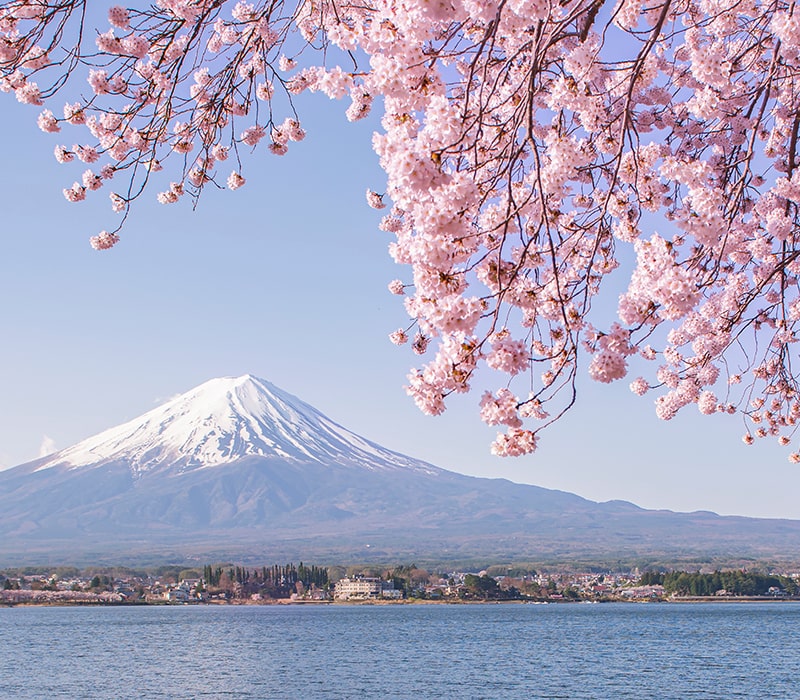
Season matters, too. Spring brings sakura and a gentle softness to parks and gardens, while autumn foliage turns simple walks into living art. If your schedule is flexible, aim for late March to early April or mid-November—then build in a little weather resilience with travel insurance for peace of mind, especially if you’re pre-paying special experiences. For planning, note a few places to see each day, then leave time for the unexpected—often the most rewarding things to see in tokyo happen between your planned stops.
How Tokyo tours and private guides elevate your Tokyo Japan sightseeing
When you’re choosing Tokyo tours, the goal is not to be “led” but supported—so you can explore tokyo with confidence and context. Private guides, drivers, or themed walks (architecture, food, contemporary art) can sharpen what you notice: a shrine approach that suddenly makes sense, a backstreet snack that becomes a highlight, or an attraction timed to soft morning light. If you’re browsing platforms like get your guide, look for small group sizes, clear pacing, transparent cancellation, and reviews that mention thoughtful problem-solving rather than speed.
Our expert lens is simple: pick a few must-see attractions, then leave breathing room to uncover local details that create personal meaning. Imagine a city day that includes one iconic moment, one quiet moment, and one indulgent moment—then repeat. That’s how Tokyo becomes effortless rather than overwhelming, and why many travellers call it one of the best places to return to again and again.
- Plan in neighbourhoods: cluster Shibuya with Harajuku and Omotesando; pair Ginza with an evening river cruise.
- Build in “white space”: one unplanned hour a day for discovery, shopping, or a café.
- Invest in one private experience: a guide, driver, or dining counter where the city opens up.
- Start early: the same attraction feels entirely different before peak crowds.
If you’d like inspiration for a wider Japan itinerary, you can browse our Trip gallery and imagine how Tokyo might pair with Kyoto, Hakone, or the art islands—together, at your own pace.


Stay in Tokyo with seamless confidence: best hotels, airport transfers, and Tokyo Metro tips
Where to stay and move around the city with ease
If you’re mapping out how to stay in Tokyo, the right base is the quiet luxury that makes the rest of the city feel seamless. This chapter is your practical anchor—covering where to choose a hotel in tokyo, how to arrive from Narita, and the simple systems that let you get around tokyo with calm, everyday confidence.
Tokyo can look complex on a map, yet it’s remarkably supportive once you understand the logic: neighbourhood hubs, clear signage, and a transport system that respects your time. The trick is choosing a base that matches your travel style—whether you want central tokyo convenience or a more characterful address.
Where to stay in Tokyo: Ginza polish, Shibuya buzz, and Shinjuku access
For first-time visitors, central Tokyo can be wonderfully efficient: quick connections, polished dining, and easy access to major sights. Ginza is poised and refined—ideal if you love designer shopping and being close to top restaurants. Shibuya is energetic and creative, perfect if you want to step straight into the city’s fashion and nightlife hum. Shinjuku offers big-city scale, with skyline drama and transport links that simplify day-to-day movement.
If you want a luxury anchor to picture the mood, Park Hyatt Tokyo remains an emblem of elevated calm—an address that suits travellers who value quiet service and a sense of retreat after a dazzling day. Whichever area you choose, prioritise a hotel with an experienced concierge team; in Tokyo, that support can be the difference between “fully booked” and “we’ve taken care of it”. For a first visit to tokyo, this kind of support is particularly valuable when you’re adjusting to the time zone and learning the city’s pace.
One reassurance: you can’t truly choose “wrong”. Tokyo is stitched together by fast, frequent trains, so your days will flow as long as your base is near a station and fits your preferred evening atmosphere.
Arrivals are simpler than they look. From Narita, the Narita Express is a comfortable option that glides you into Tokyo Station without fuss—ideal if you’re carrying luggage and want a low-stress start. For most itineraries, aim to arrive in daylight, check in, and take a gentle local walk to reset your body clock.
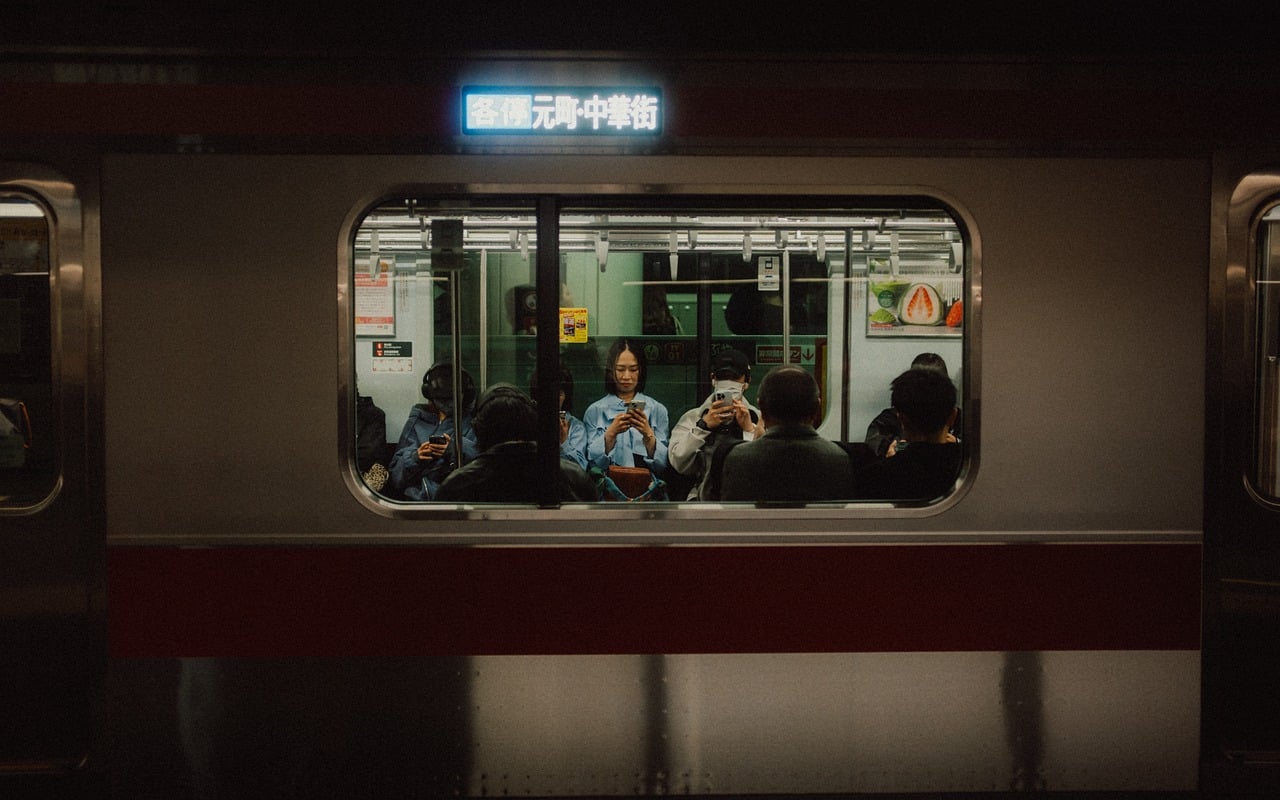
For daily movement, the Tokyo Metro is the easiest way to travel around the city. Set up a Suica card (or consider suica or pasmo—either works well) and you’ll tap in and out with minimal thought. Etiquette is simple: keep voices low, stand to one side on escalators as locals do, and avoid blocking doors when trains arrive. If you ever miss a train, don’t worry—another will follow in minutes, and station staff are unfailingly helpful.
Two stations deserve a moment of confidence-building. Shinjuku Station is vast, but signage is consistent: follow the line colour and platform number, then use landmarks like “East Exit” or “South Exit” to orient yourself. At Shibuya Station, give yourself an extra ten minutes the first time; it’s busy, but clearly labelled once you slow down and read. If you feel rushed, step aside, breathe, and re-check your route—Tokyo supports calm decision-making.
- Dining booking: reserve high-end counters weeks ahead, especially in Ginza; your concierge can often help with timing and confirmation.
- Dietary care: share allergies clearly and early; many restaurants can accommodate with advance notice.
- Connectivity: a pocket Wi‑Fi or Japanese SIM makes maps and translation effortless.
- Evening transitions: plan a quiet taxi or short walk after late dining—low-noise, low-stress.
Shrines and gardens in Tokyo: Meiji Shrine serenity, Yoyogi Park, Imperial Palace, and Shinjuku green space
Quiet shrines and garden paths that slow the city down
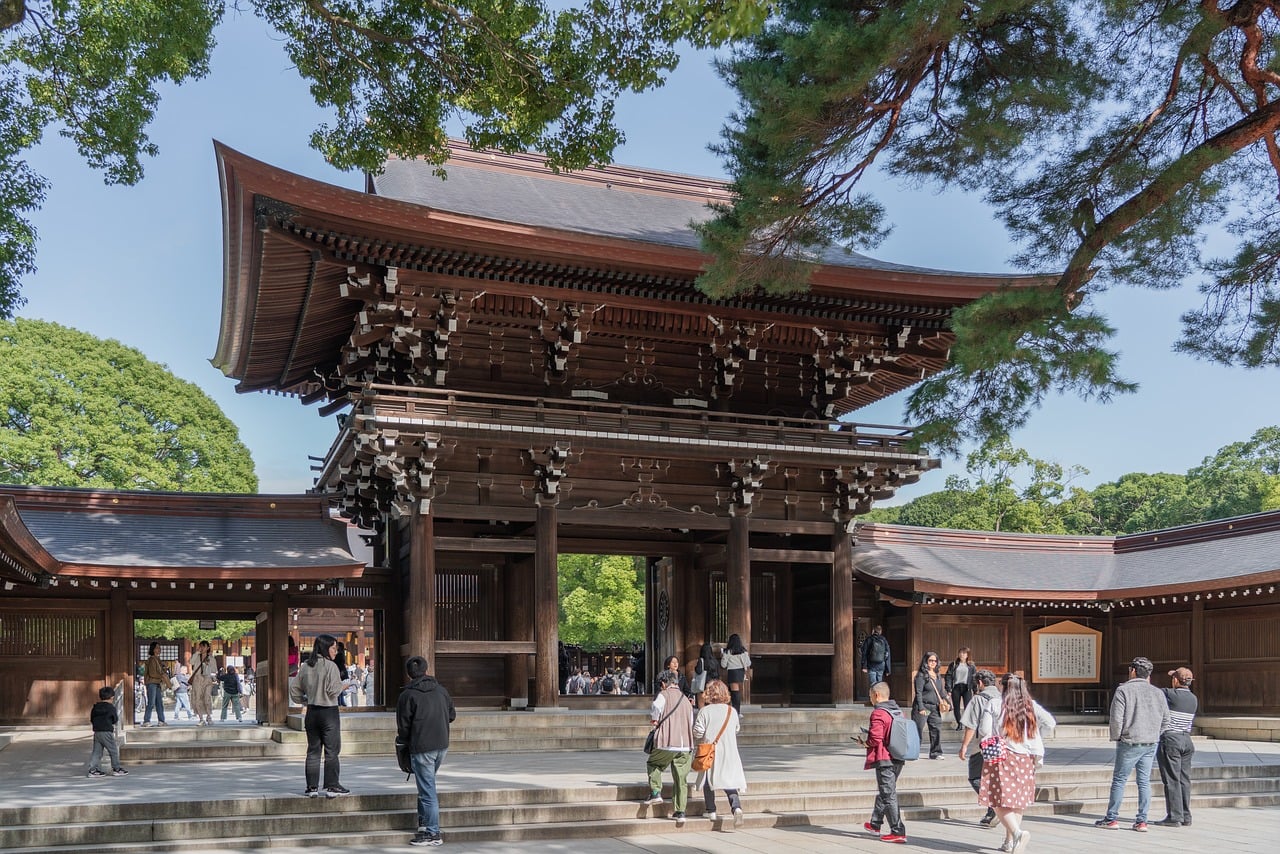
For many travellers, the most moving Tokyo moments arrive quietly. If you’re drawn to a shrine, tree-lined paths, and refined gardens, you’re already sensing the city’s softer side: spaces where Tokyo lowers its voice. These sacred and green corners are not just places to photograph—they are places to feel, and to recover your pace between busier districts.
After long flights, this is the Tokyo that steadies you. The air feels different beneath tall trees. Footsteps become softer. And the city’s intensity transforms into something intimate, almost protective.
Meiji at dawn: a shrine walk, then Yoyogi Park calm
An early morning visit to Meiji Shrine is one of the most restorative things to do in Tokyo. You enter through a forested approach that seems to swallow the city sound, and suddenly Tokyo feels far away. The calm is crafted by timing: go early, walk slowly, and allow the hush to do its work—especially if you’re craving a gentler start after a late arrival.
From there, it’s natural to extend the quiet into Yoyogi and Yoyogi Park. It’s an unhurried nature interlude that feels especially kind on a tokyo trip when your body clock is adjusting. If you want to add a small ritual, pick up a warm drink, find a bench, and watch local life move past—joggers, families, and quiet conversations.
Imperial Palace gardens and Shinjuku Gyoen National Garden: seasonal elegance
The Imperial Palace gardens are Tokyo’s gentle reset button. Traditional architecture meets seasonal blooms, and the experience invites a “slow luxury” mindset—less rushing, more noticing. In spring, cherry blossoms frame pathways with a soft, celebratory glow; in autumn, foliage brings a deeper, amber elegance. It’s an ideal counterbalance if your days include busy districts like Shibuya or Shinjuku.
For a contrasting garden experience, add Shinjuku Gyoen. The Shinjuku Gyoen National Garden blends formal landscapes with wide lawns and greenhouse beauty, offering a different rhythm from the palace grounds. Check opening times before you go, and arrive near opening for the most serene atmosphere—when the garden feels almost private.
A respectful-culture mini-guide (shared as local insight, not a test): bow politely when greeted, keep voices quiet in sacred spaces, and remove shoes when entering traditional areas where it’s requested. These small gestures build trust, and Tokyo often responds with warmth in return.
Iconic Tokyo city views: Tokyo Tower, Tokyo Skytree, and immersive art experiences
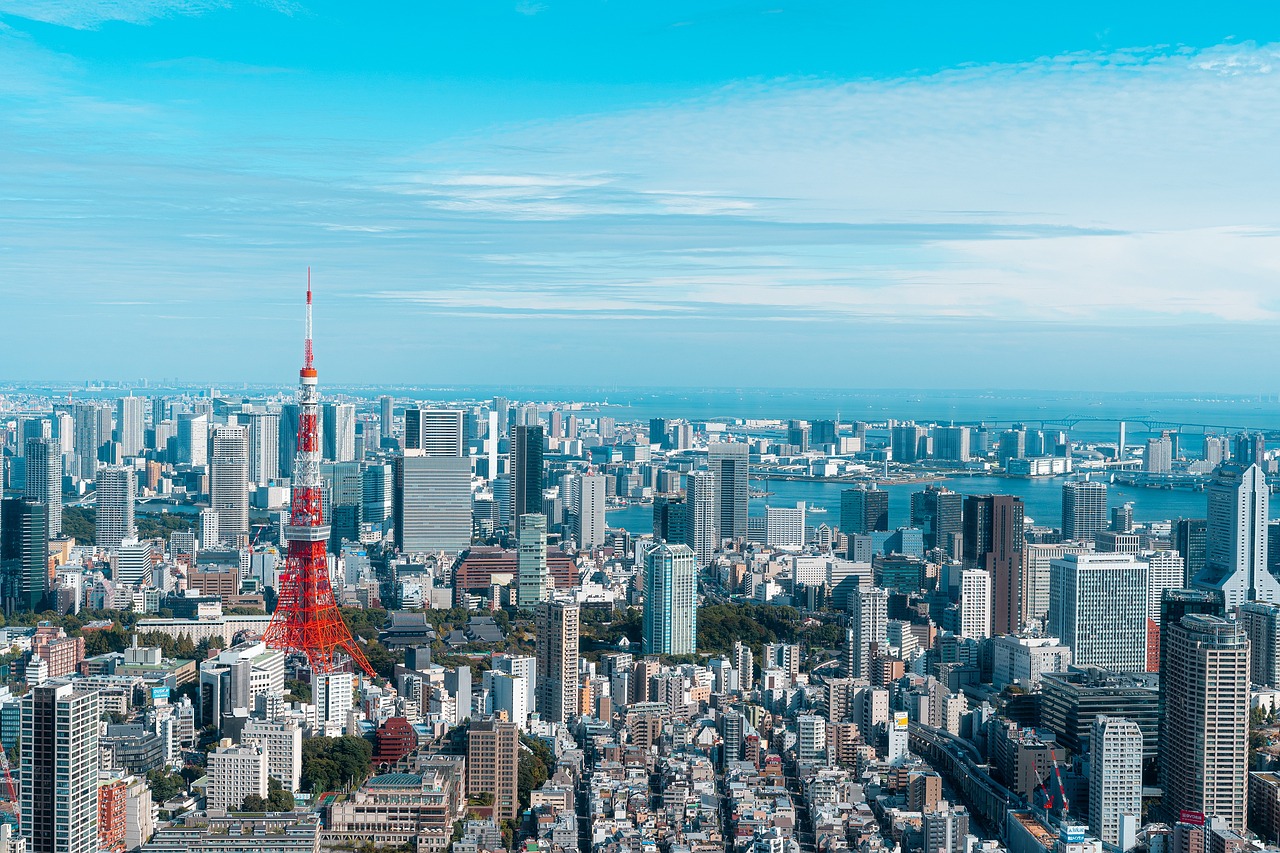
Skyline moments and modern creativity, timed for calmer crowds
When your search includes towers, digital art, and skyline decks, you’re describing Tokyo at its most cinematic. In tokyo city, the skyline becomes a glittering map beneath your feet, and immersive exhibitions shift your sense of scale. The best approach is to plan one major viewpoint per day, then let the rest of the day breathe.
Tokyo is dazzling at night, but it’s also a city that rewards gentle transitions—especially if you’re travelling as a couple or with family. Aim for an early dinner, a viewpoint at golden hour, then a smooth return to your neighbourhood base.
Tower vs Skytree: timing, tickets cost, and the best view
Tokyo Tower remains an iconic Tokyo attraction for a reason: it’s classic, photogenic, and perfectly placed for a golden-hour visit. Choose your observation level based on your mood—lower decks for a shorter, easy stop, or higher levels if you want to linger and watch the lights bloom. For many travellers, the best view comes from arriving just before sunset and staying as the city shifts into evening.
For a different perspective, Tokyo Skytree offers a higher, more panoramic sweep—especially on clear days when visibility stretches far. Check the tickets cost in advance, and consider a weekday slot if you prefer more space. If your schedule allows, doing both viewpoints can be wonderfully complementary; if you must choose, pick the tower for atmosphere and the taller deck for scale.
Immersive art and free observation decks: Tokyo Metropolitan alternatives
For an art-forward modern stop, the Borderless digital museum is a sensory dream—immersive rooms of light and movement that feel both playful and profound. Reserve timed entry in advance, pick an earlier slot if you prefer more space, and treat the visit like a gallery afternoon rather than a race. It’s one of those unique things that helps explain why Tokyo feels endlessly inventive.
For a value-friendly alternative to paid viewpoints, the tokyo metropolitan Government Building offers dramatic city views—particularly on clear evenings. It’s a lovely option if you want a spontaneous skyline moment without reservations, and it pairs well with a casual dinner in nearby streets.
Safety and comfort are part of luxury, too. Tokyo’s public safety is excellent, yet in crowded areas it’s wise to keep belongings secure and move with calm awareness. At night, choose well-lit routes, keep conversations low on late trains, and give yourself a gentle buffer between dinner and your hotel.
- Timing: aim for sunset, then stay for the night glow.
- Weather check: choose clear days for big skylines; keep museums as a rainy-day backup.
- Book ahead: reserve timed entry early to avoid sold-out slots.
Explore Tokyo in Omotesando, Aoyama, and Ginza: sushi, shopping, and a river cruise around tokyo
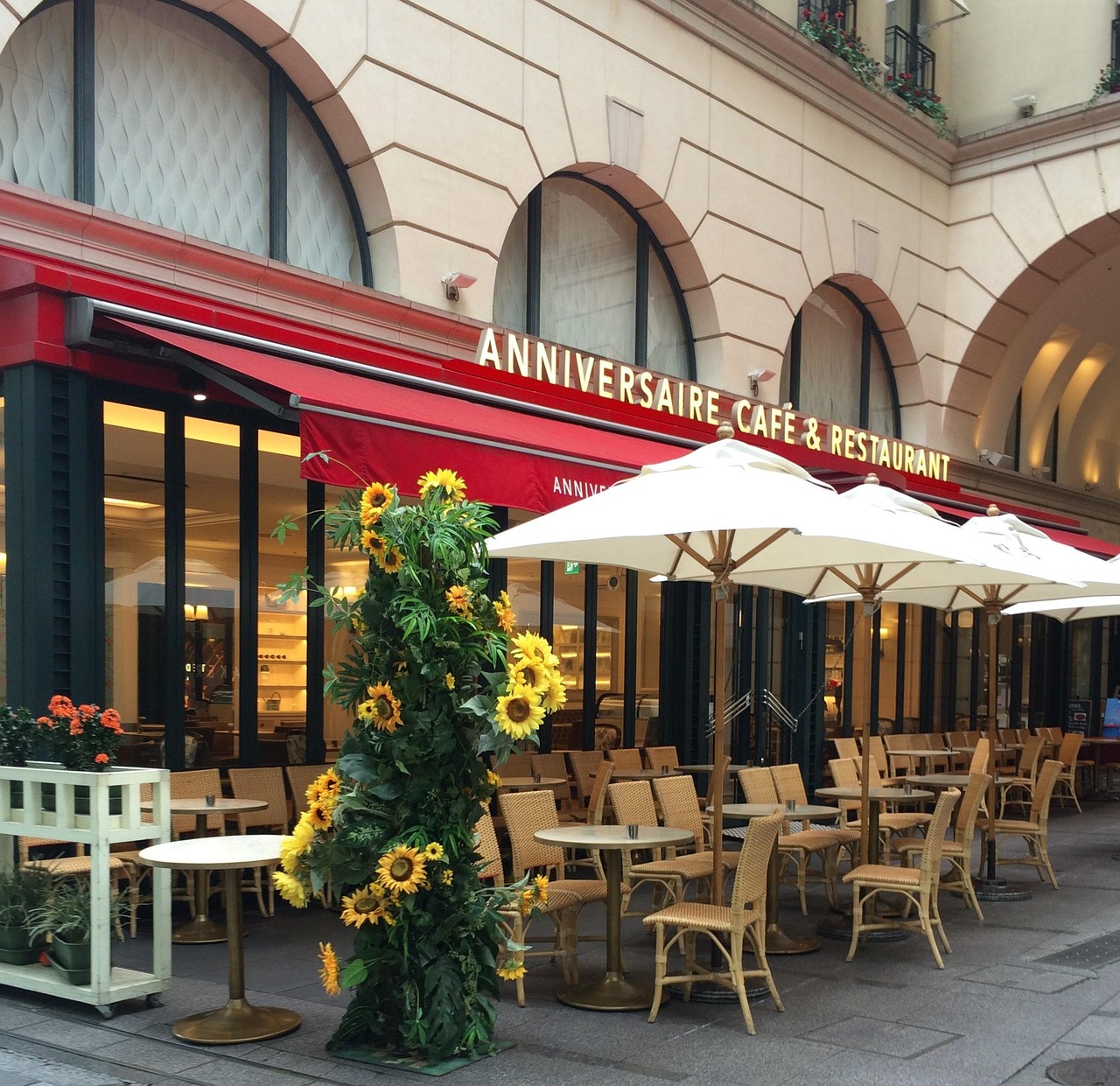
Design-led neighbourhoods, polished dining, and a softer evening on the water
To explore Tokyo well, many high-end travellers weave together Omotesando, Aoyama, Shibuya, and Ginza—then finish with a Sumida River evening. This is where Tokyo’s modern luxury feels distinctly Japanese: precise, personal, and quietly warm, from packaging that looks like art to staff who remember small preferences.
It’s also an easy way to build contrast into your itinerary: design and shopping by day, dining and lights by night, and a calmer end note on the water.
Omotesando and Aoyama design, then the scramble near Shibuya
Omotesando and Aoyama are a masterclass in contemporary design—architecture, boutiques, and galleries that make an afternoon feel curated. Many travellers feel genuine wonder here, especially when they discover how modern luxury is crafted with traditional workmanship: textiles, leather goods, stationery, ceramics, and objects made to last. If you’re purchasing special pieces, ask about appointment shopping, personal styling support, and travel-safe packaging; Tokyo does these refinements exceptionally well.
Then, for contrast, slip towards Shibuya. Stand at Shibuya Crossing once and let the sheer choreography of the city land. Nearby, a quick Harajuku detour offers playful texture: takeshita street for colour and youth culture, plus a quieter shopping street nearby if you want something more relaxed.
Ginza sushi, tiny bars, and a Sumida River cruise
In Ginza, dining becomes an evening ritual. A private sushi session—sometimes a curated masterclass at a Michelin-starred counter—can be one of the most personal experiences in Tokyo, and for many travellers it ranks among the best food memories of the trip. This is why booking matters—reserve weeks in advance, and confirm any dietary needs with precision and care.
After dinner, soften the city further with an evening Sumida River cruise. The logistics are easy with planning: arrive a little early, keep your tickets ready, and dress for the breeze. Many couples describe it as a highlight of their japan trip—the cityscape glittering under the stars, Tokyo’s landmarks illuminated like a private show. Pair it with a discreet cocktail lounge or refined yakitori stop, and the night feels perfectly finished.
For extra variety around tokyo, add a few focused stops that match your interests. From Asakusa Station, it’s simple to reach Asakusa early for a temple visit among ancient temples and lantern-lit streets. If you collect watches, cameras, games, or retro electronics, an hour in Akihabara can be delightfully specific. And if you’re craving pure wonder, consider a day trip to Tokyo DisneySea—a beautifully designed world that surprises even seasoned travellers.
- Reservations: Ginza counters and intimate tiny bars fill quickly—secure prime times early.
- Neighbourhood flow: combine Omotesando and Aoyama by day, then Ginza by night.
- Quiet comfort: after Shibuya energy, plan a calm café or gallery to reset.
What stays with you after Tokyo Japan sightseeing: a personal reflection on a trip to Japan
Tokyo Japan sightseeing stays with you in unexpected ways. Long after you’ve left, you may remember how the city taught you to move with confidence—without hardening your edges. Tokyo can feel immense, yet oddly intimate: a place where precision creates freedom, and where you’re gently held by systems that work and by the quiet trust you build in yourself.
The moments that linger are rarely the ones you tried hardest to capture. It’s the hush beneath trees at Meiji, the soft gleam of skyline light against evening glass, and the warmth of a counter seat where a chef’s focus becomes a kind of conversation. It’s the gentle drift of the river, the calm between stations, and the sense that the city is vast enough to let you be anonymous—and caring enough to make you feel safe.
You might also carry home Tokyo’s small encounters: a perfectly timed train, a bow that feels sincere, a crafted detail in a shop that reminds you beauty can be practical. These are not items to tick off; they’re the parts of travel that reshape your relationship with attention. In iconic tokyo, you learn that the richest luxury is not speed, but presence.
And perhaps that is why the thought returns, quietly, at ordinary times: what you would uncover if you came back to Japan one day—curious, calm, and ready to create a new chapter among new places in tokyo.
F.A.Qs: Tokyo guide answers for planning your stay
What are the top 5 tourist attractions in Tokyo?
Five standout tourist attractions in Tokyo are Meiji Jingu (the forested shrine), the Imperial Palace gardens, Tokyo Tower, Tokyo Skytree, and teamlab borderless. Together they give you sacred calm, seasonal beauty, iconic skyline moments, and a modern art immersion—an ideal mix for a first visit without feeling rushed.
Is $2000 enough for 1 week in Japan?
$2000 can be enough for a week in Japan if you’re careful with best hotels choices, transport, and dining, but it’s tight for a high-end style—especially in Tokyo. Luxury stays, premium experiences, and top dining can raise costs quickly. If you want comfort with ease, budget higher or mix splurges with simpler meals and free viewpoints.
What should we not miss in Tokyo?
Don’t miss an early shrine walk in the Meiji area, a garden reset at the Imperial Palace, skyline time at a tower viewpoint or the Skytree, and at least one special meal in Ginza such as a sushi counter. Add a neighbourhood stroll through Omotesando and Aoyama for design and shopping, and an evening river moment if you can—these are the best places to feel Tokyo’s range.
What is the most visited place in Tokyo?
The most visited place varies by how it’s measured, but districts like Shibuya are among the busiest, with Shibuya Crossing drawing enormous daily footfall. For cultural landmarks, temple and shrine areas also attract huge numbers across the year. Visiting early helps you experience these places with more calm and space.