Post Contents
- Vietnam travel guide to create a seamless luxury itinerary for luxury travellers and best places to visit
- Hanoi luxury guide places to visit in Vietnam Ninh Binh day trip for a graceful start
- Ha Long Bay private luxury cruise gourmet dining Vietnam and the best places to visit
- Sapa Vietnam luxury resorts spa trek Ha Giang for mountains and rice fields in style
- Hoi An Hue Da Nang Ho Chi Minh City Saigon luxury travel guide for a crafted cultural arc
- Leaving Vietnam with what stays with you and the best places to visit reflections
- F.A.Qs: best tourist places in Vietnam
Vietnam travel guide to create a seamless luxury itinerary for luxury travellers and best places to visit
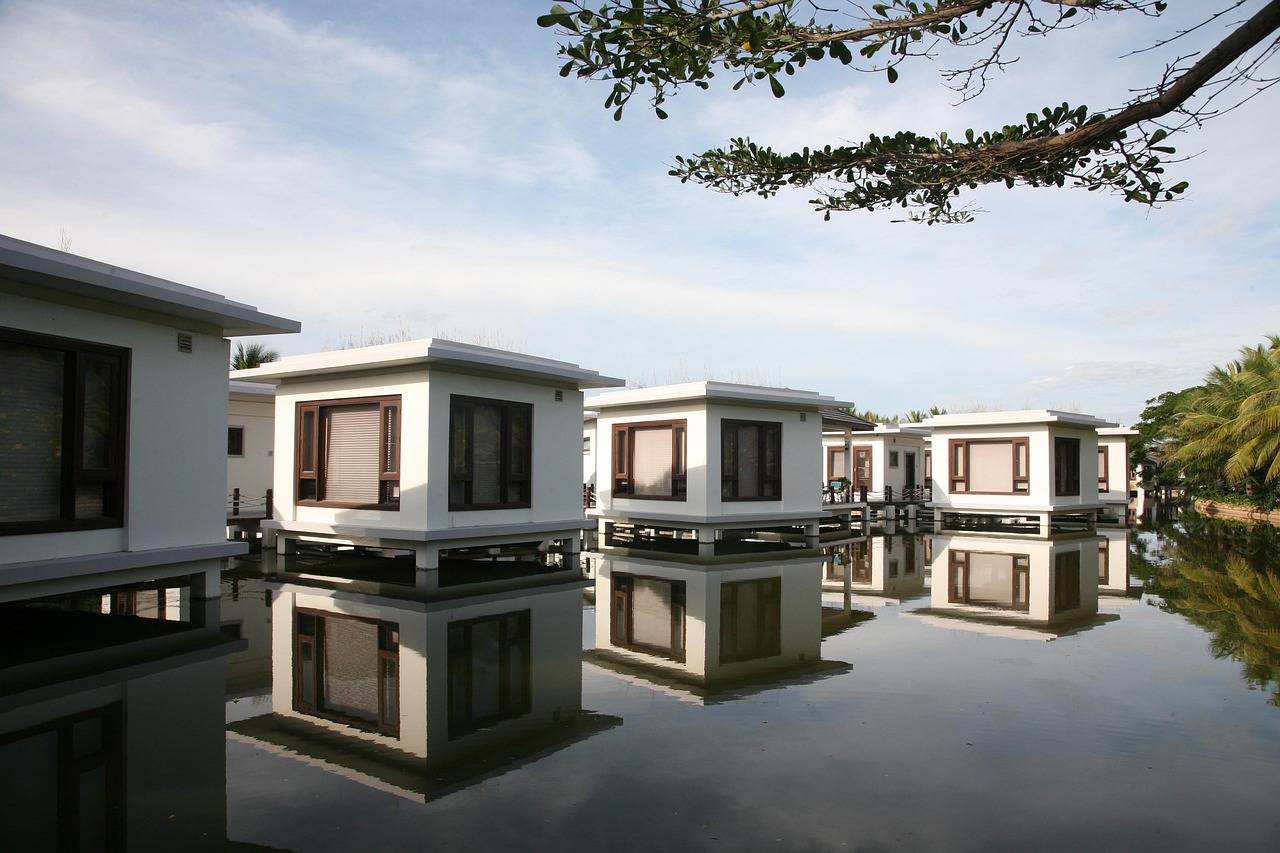
Vietnam travel guide to create a seamless luxury itinerary with refined stays and private experiences
This chapter is a Vietnam travel guide itinerary for luxury travellers who want the ‘best tourist places in Vietnam’ without the rush. The difference is rarely the headline sights—it’s the privacy of your transfers, the consistency of service, and the confidence of knowing someone is quietly supporting every moving part. When you place comfort first, you uncover a softer kind of adventure: longer lunches, better light for photography, and the freedom to linger where you feel most alive.
To keep your route elegant, think in arcs rather than boxes. Northern Vietnam offers cool-season clarity and culture; central Vietnam layers history and coastal calm; the south brings energy, design, and river life. With the right pacing, you can explore cities in Vietnam while still feeling rested.
15 days to explore Vietnam with a crafted flow
Here’s a 15 days sample flow you can adapt with an expert planner—designed around comfort, not ticking off attractions in Vietnam. It’s intentionally balanced: a strong cultural start, a signature bay moment, mountain air, then a crafted cultural arc down the coast to Saigon.
- Days 1–3: Hanoi for galleries, food, and gentle acclimatisation.
- Day 4: Ninh Binh day trip for limestone scenery and quiet countryside.
- Days 5–6: Ha Long Bay on a small-ship or private cruise.
- Days 7–9: Sapa for mountains and rice, spa time, and guided cultural visits.
- Days 10–12: Hoi An / Da Nang / Hue for heritage, tailored dining, and coastal ease.
- Days 13–15: Ho Chi Minh City with an optional Mekong Delta day tour, or a final beach reset.
If you’d like visual inspiration before you commit, explore our Trip gallery and imagine which moments you’d like to build around—culinary, wellness, design, or quiet time on the water.
When to visit in Vietnam and how to move with confidence
Seasonality matters, especially if you’re investing in premium rooms and experiences. In the north (Hanoi, Sapa, Ha Long Bay), October to April is often the most comfortable: cooler air, clearer skies, calmer seas. Central Vietnam (Hoi An, Da Nang, Hue) can be beautiful in spring and early summer; the south (Ho Chi Minh City) stays warm, with wetter months typically bringing short, intense showers rather than day-long rain.
Travel in Vietnam is easiest when you reduce friction. A private car keeps your pace unhurried; premium rail can be surprisingly atmospheric when booked well; and time-saving options—like a helicopter transfer from Hanoi in the right circumstances—create space for late breakfasts and unhurried check-ins. This is the real luxury: a seamless day that feels designed around you, with care on the ground should weather shift or plans change.
Throughout this guide, I’ll keep a ‘crafted experiences’ promise: boutique stays, trusted local guides, and personal add-ons (chef’s table dining, spa rituals, photography, and yacht time) chosen for taste and trust, not flash.


Hanoi luxury guide places to visit in Vietnam Ninh Binh day trip for a graceful start
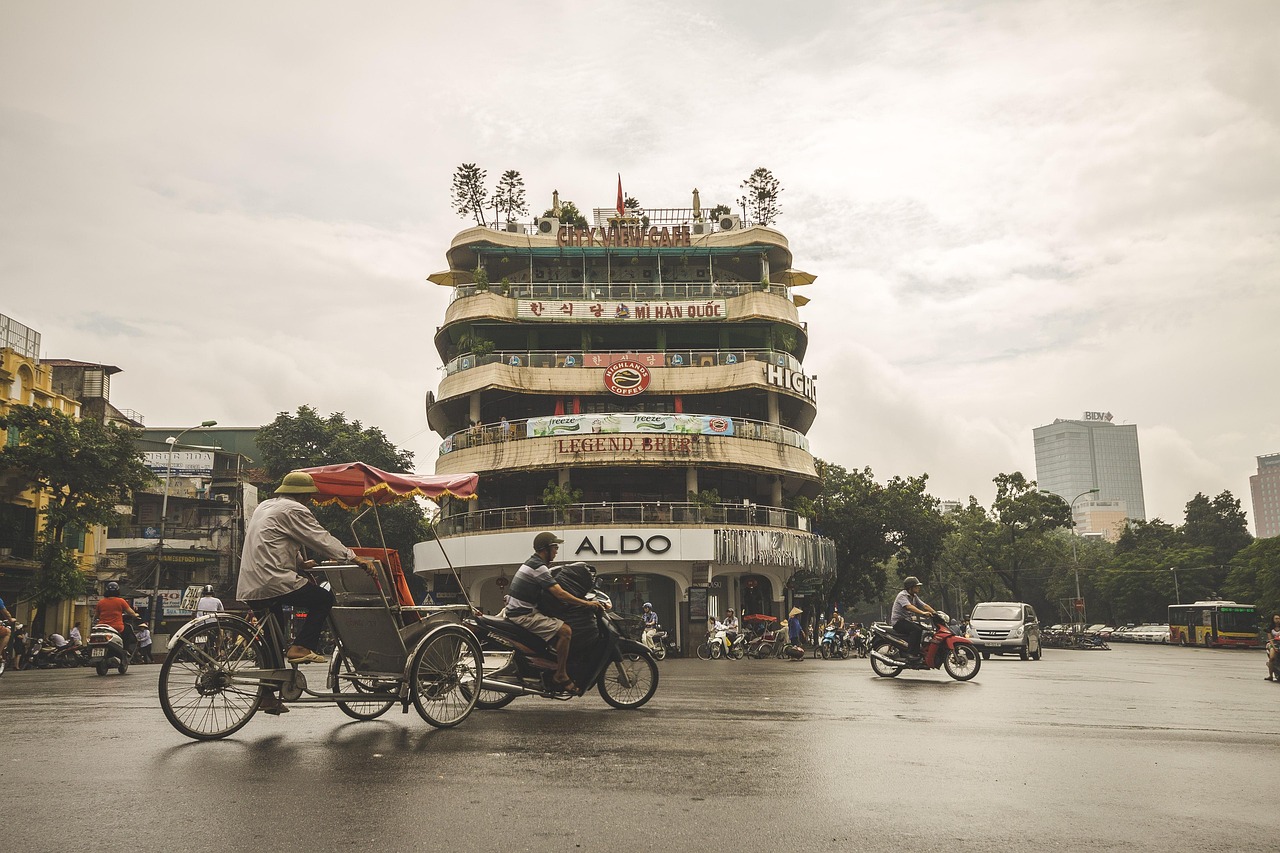
Hanoi and Ninh Binh as the first places to visit in Vietnam for luxury-led days
If you’re searching for a Hanoi luxury guide places to visit in Vietnam Ninh Binh day trip, begin with permission to go slow. Hanoi is a city of Vietnam that rewards wandering: the sensory weave of incense, silk, and street-side steam—yet with refined corners that feel quietly elevated. When your concierge handles reservations and timing, you can simply arrive, look up, and let the city reveal itself.
Hanoi slow mornings in the Old Quarter and a local café ritual
Start in the Old Quarter with a private walk that keeps you a step ahead of the crowds. For a quick glimpse of Train Street, choose a safe viewpoint and follow local guidance—this is one of those moments best approached with respect and care. Then settle into a local café for egg coffee; it’s a grounding ritual and a gentle insight into daily life that feels more personal than any checklist.
For a seamless base, boutique hotels with strong concierge support make all the difference—especially in the major cities where traffic and timing can surprise you. Ask for curated introductions: contemporary galleries, quiet courtyards, and restaurants and cafes that suit a luxury palate without losing authenticity.
Ninh Binh day trip to uncover limestone landscapes
Ninh Binh is the kind of day trip that recalibrates your senses. In a few hours from Hanoi, you’re in open countryside with karst ridges and water channels that feel cinematic. With a private driver or guided day tour, you can time your boat ride for early morning—when the light is soft, the air is cooler, and the tourist area feels far less busy.
For a luxury traveller, the most satisfying version includes space for quiet: a shaded lunch, a short cycle on flat paths, and a flexible return that doesn’t force you into peak-hour traffic. This is one of the places to visit in Vietnam where ‘simple’ becomes genuinely restorative when it’s well supported.
Practical travel tips: depart before breakfast crowds, keep a light layer for breezier stretches on the water, and ask your guide to adjust the route away from bottlenecks. The goal is to discover calm, not chase it.
Ha Long Bay private luxury cruise gourmet dining Vietnam and the best places to visit
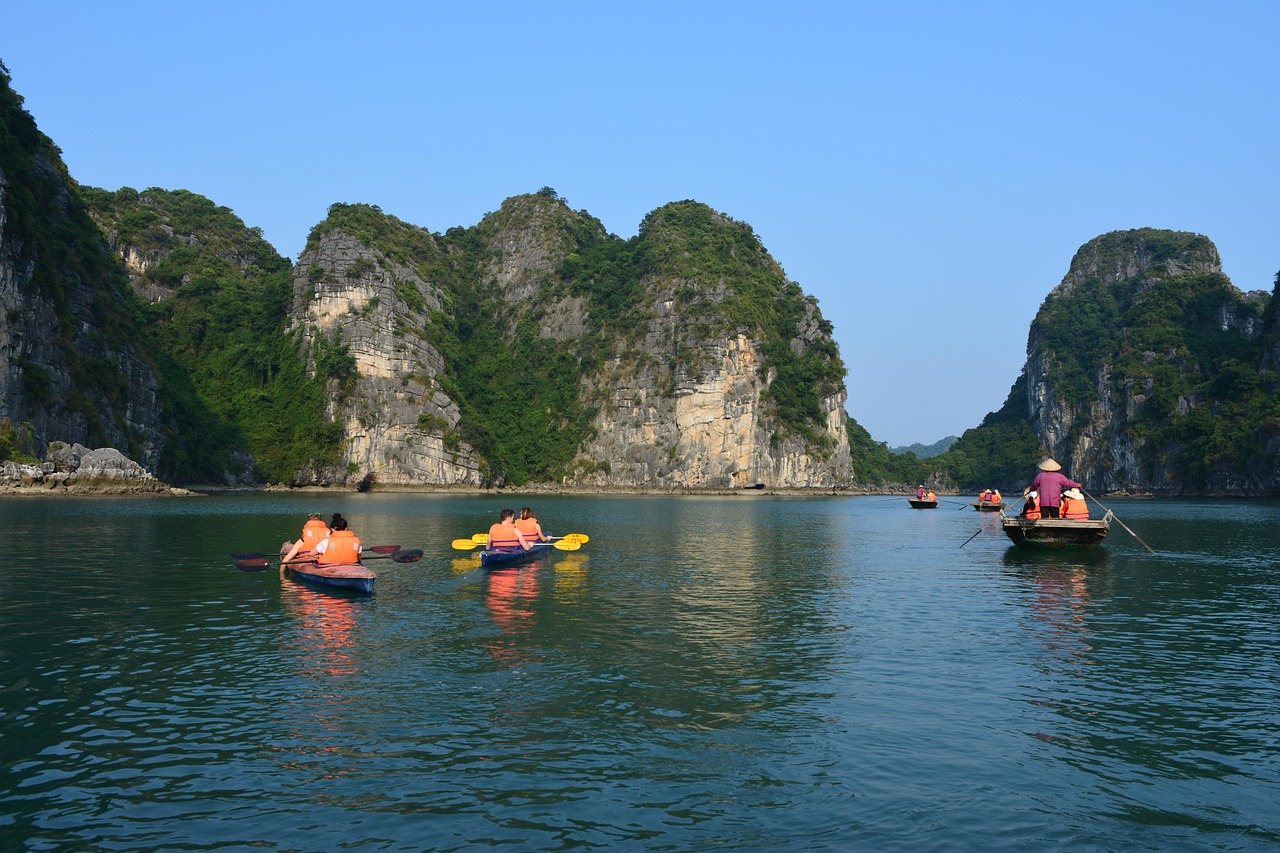
Ha Long Bay to discover limestone beauty on a private cruise with gourmet dining
For many high-end travellers, the phrase Ha Long Bay private luxury cruise gourmet dining Vietnam is the headline dream—and with good reason. The first sight of the bay’s limestone towers feels like stepping into a painting, especially when you arrive to a suite, a welcome drink, and a crew that already understands your preferences. Done well, it’s definitely one of the best places to visit: not for the crowds, but for the sense of scale and stillness you can access on the right vessel.
Best time to visit Ha Long Bay and what it changes
The best time to visit Ha Long Bay is typically October to April, when seas are calmer and temperatures are kinder for deck dinners and morning excursions. This window also tends to deliver clearer skies—ideal if you’re travelling with a photographer or simply want that crisp horizon at sunrise. Outside of these months, you can still have a beautiful trip, but it helps to plan with confidence around humidity, potential haze, and occasional weather shifts.
One luxury traveller once described their sunset cruise as unforgettable not because of a grand event, but because the boat drifted past floating fishing villages in near-silence. With only a small group on board, they felt immersed in local life—watching daily rhythms from a respectful distance, wrapped in tranquillity. That’s the moment you’re designing for: intimate, unhurried, and quietly profound.
Pricing, inclusions, and trusted logistics from Hanoi
Luxury cruise pricing commonly ranges from $300 to $1000 per night, depending on season, suite style, and what’s included (private balcony, premium beverages, spa services, transfers). ‘Value’ at this level looks like consistency: an excellent mattress, polished timing between activities, and staff who anticipate rather than react.
- Signature experiences: kayaking in a quiet cove, sunrise Tai Chi on deck, and curated shore visits that avoid the busiest windows.
- Transfers: a private car from Hanoi keeps the day smooth; for certain schedules, a helicopter option can save time and protect your energy.
- What to pack: light layers for deck evenings, comfortable shoes for short climbs, and something elegant for dinner if you enjoy dressing for the occasion.
When choosing a boat, look beyond the photos. Ask about guest-to-staff ratios, how they handle dietary requests, and whether the onboard rhythm feels calm rather than over-programmed. The aim is a seamless experience that lets you simply sit back, discover the bay’s changing light, and feel held by good service.
Sapa Vietnam luxury resorts spa trek Ha Giang for mountains and rice fields in style
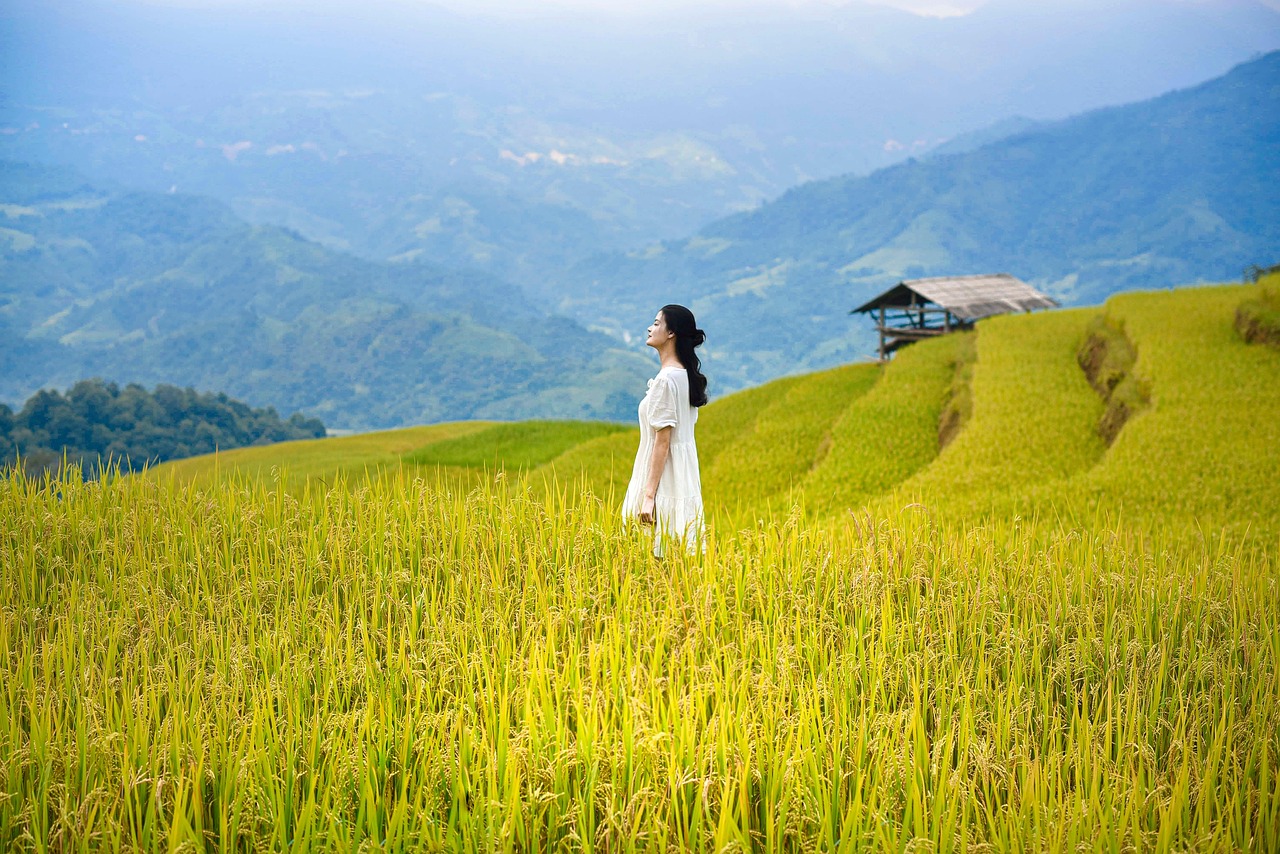
Sapa and Ha Giang to explore mountains and rice fields in style with spa-led comfort
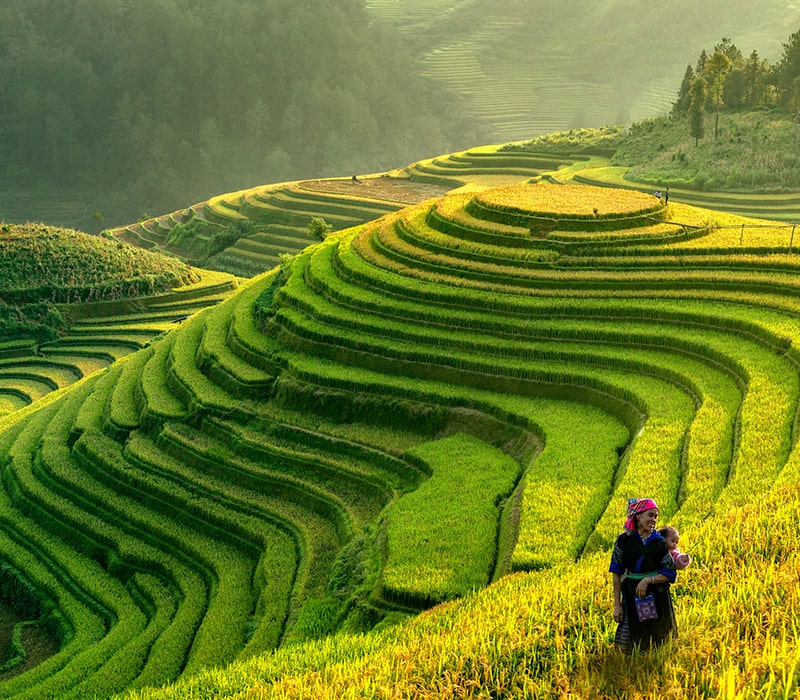
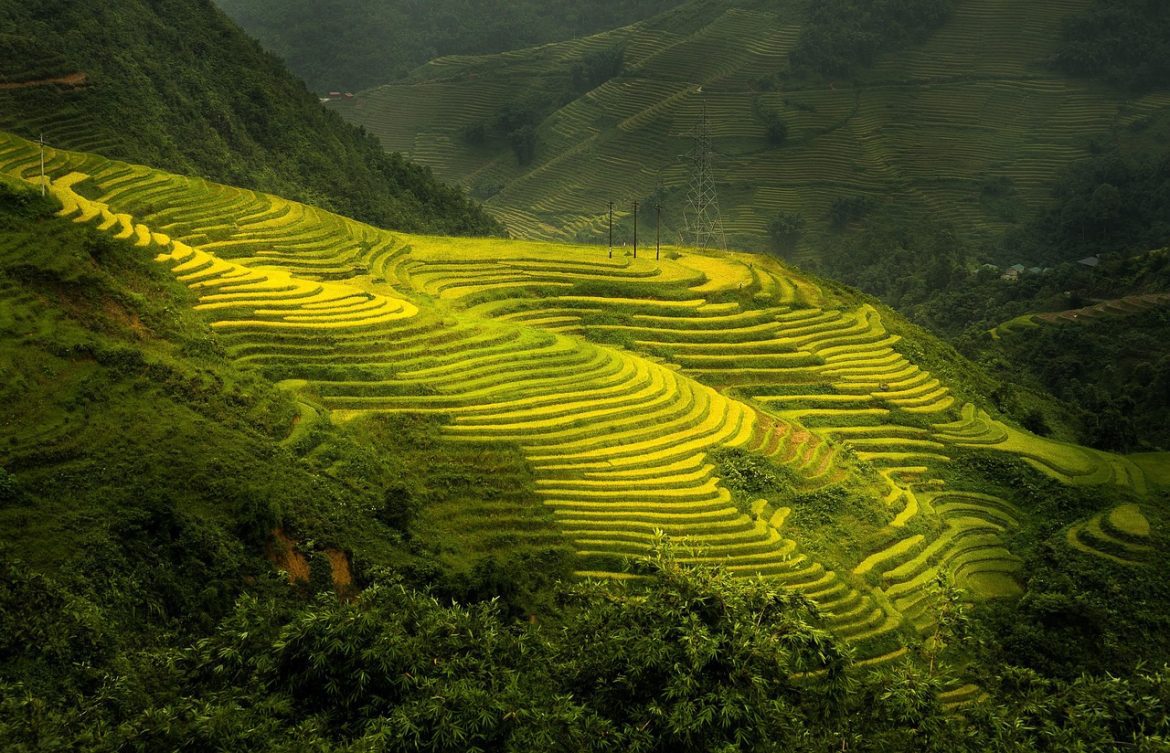
If you’re looking up Sapa Vietnam luxury resorts spa trek Ha Giang, you’re likely craving altitude, perspective, and a sense of space. Sapa is one of the best places to visit for panoramic viewpoints and terraced rice fields, especially when paired with a top-tier resort where recovery is treated as part of the design. Think warm tea on arrival, a view that makes you pause, and spa rituals that feel crafted for tired legs after a trek.
Sapa with certified local guides and spa time designed for recovery
Mountain weather can surprise you—even in summer—so pack a light waterproof layer and something warm for evenings. For comfort and safety, hire certified local guides who know the routes, the conditions, and the etiquette of visiting minority communities. The best guides don’t just lead; they translate the landscape into story, with care and respect.
An adventurer once recounted trekking Sapa’s highlands with a guide who introduced them to traditional hill tribes and, with permission, invited them into a family home. The moment was simple—shared tea, shy smiles, a glimpse of daily craft—but it became one of the best experiences of their trip because it was handled with trust. Luxury, here, is not distance; it’s the confidence that you’re welcome.
Book spa treatments in advance during peak periods so you can step off the trail and straight into restoration. A well-timed massage turns effort into ease, and keeps the next day feeling bright.
Ha Giang scenic loops, motorbike choices, and cinematic quiet
Ha Giang is the wilder counterpart—less polished, more cinematic, and unforgettable when approached thoughtfully. You can explore the loop by car with a private driver for comfort, or ride pillion on a motorbike with a professional for a closer-to-the-wind feeling. If you’re not an experienced rider, avoid self-driving; the roads demand focus, and your safety should never be the trade-off for adventure.
Plan viewpoints for early light, keep your schedule unhurried, and choose accommodation that prioritises warmth and quiet. This is mountains and rice at their most dramatic, but the real reward is the hush between stops—the feeling that the valley is holding its breath.
Hoi An Hue Da Nang Ho Chi Minh City Saigon luxury travel guide for a crafted cultural arc
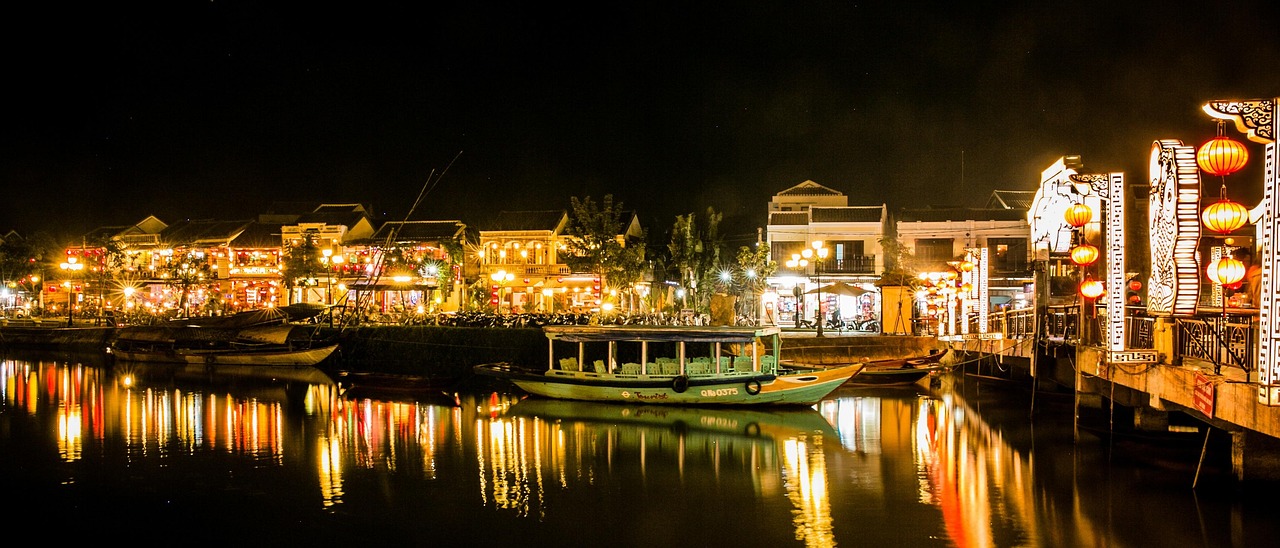
Hoi An, Hue, Da Nang and Saigon for a crafted cultural arc with heritage and coastal ease
Consider this your Hoi An Hue Da Nang Ho Chi Minh City Saigon luxury travel guide—an arc that moves from lantern evenings to imperial history and contemporary design. Central Vietnam is where many travellers feel the deepest emotional connection: the light is softer, the pace more walkable, and the blend of history and culture feels tangible. With the right pacing, you can explore without feeling you’re constantly packing up your life.
Hoi An Ancient Town is at its most enchanting at dusk, when the river reflects a single lantern glow and the streets feel gently theatrical. Stay in heritage boutique hotels so you can step out early, return for a swim during the hottest hours, and wander again as the air cools. It’s one of those places to visit in Vietnam where luxury is simply proximity—being close enough to move with your own rhythm.
A couple once reminisced about dining in a hidden gem in Hoi An where the chef prepared an exclusive menu inspired by centuries-old recipes. It wasn’t performative; it felt personal—like being welcomed into a story. If you love food, ask your hotel to arrange a similar chef-led evening, with thoughtful pacing and a table set slightly apart.
Da Nang, Hue and the south with beach resets and must-see choices
Da Nang is a coastal city with a beautiful coastline, best enjoyed with a tailored balance of relaxed mornings and a few well-chosen highlights. See Dragon Bridge at night—it breathes fire on scheduled evenings—and then retreat to a quieter setting: a beach club cabana or a calm cocktail bar. For a panoramic day, take the cable car to Ba Na Hills (often shortened locally to Ba Na) for high-altitude views and a fresh change of temperature.
Hue, the former capital of Vietnam, invites a different mood. Visit the ancient citadel with a knowledgeable guide, and take time at an imperial tomb where the landscaping is as meaningful as the architecture. When you include temples in your route, dress modestly, keep shoulders covered, and ask permission before photographing locals—small gestures that communicate respect. Nearby cultural threads include Cham heritage, which adds depth to how you understand the region’s layered past.
Further south, Ho Chi Minh City—still affectionately called Saigon—brings a vibrant contrast. Base yourself in District 1 for design hotels, galleries, and rooftop bars with skyline views. If you want context, choose a well-curated visit to the Cu Chi tunnels with a guide who prioritises clarity over theatrics, or take a Mekong Delta day tour that includes a quieter river stretch and a good lunch.
To round out the trip, some travellers add a final pause: a beach stay on Phu Quoc (via a boat to the island), a desert-meets-sea moment in Mui Ne, or a cooler escape to Da Lat (Dalat) for gardens and coffee culture. If you love evening atmosphere, a well-managed night market can be delightful—just go with a guide or driver who helps you dip in and out with ease.
One must-see shortlist for this arc: Hoi An at dusk, Ba Na Hills views, Hue’s citadel, and a Saigon rooftop moment—then choose one extra based on your personality: river, coast, or highland.
And for those with a wider time horizon, Vietnam also rewards detours. Phong Nha is known for dramatic karst landscapes and Son Doong, the world’s largest cave—an option for travellers who want something genuinely rare, planned with expert logistics and careful timing. Several sites across the country hold UNESCO recognition, offering a reassuring thread of preservation alongside lived Vietnamese culture.
Leaving Vietnam with what stays with you and the best places to visit reflections
This chapter is for the part of the journey you can’t photograph. When you leave Vietnam, what stays with you is often not the list of the best places, but the way the days felt: warm light on a quiet street, the steady kindness of a stranger, the comfort of being looked after well enough to relax your shoulders.
Luxury, at its most meaningful, is trust and care. It’s the sense that someone has thought ahead—so you can notice small, human details you might otherwise miss: the hush before dawn on the water, the scent of herbs as a meal arrives, the mountain air that makes you breathe a little deeper. These are the moments that turn travel into a travel experience, not a schedule.
Perhaps it’s a calm horizon in Ha Long Bay, or the soft rhythm of footsteps in the hills near Sapa. Perhaps it’s the feeling of closeness in a shared meal, or the quiet confidence that comes from travelling at your own pace. Vietnam’s gift is often this gentle shift in perspective—towards presence, towards patience, towards what you actually enjoy.
And when you imagine returning, it doesn’t have to be to ‘do more’. It can be to uncover a different season, a slower route, or a single place you simply want to know better—curious, unhurried, and open to what you haven’t met yet.
F.A.Qs: best tourist places in Vietnam
Which part of Vietnam is best for tourists?
It depends on your travel style. The north (Hanoi, Sapa, Ha Long Bay) suits travellers who love cooler air, layered culture, and scenic drama. Central Vietnam (Hoi An, Hue, Da Nang) is ideal for heritage, dining, and an easy coastal rhythm. The south (Ho Chi Minh City and the Mekong Delta) is energetic and modern, with great design hotels and vibrant food. Many luxury travellers choose a north-to-south route for variety with seamless support.
Where is the best tourist spot in Vietnam?
For a single standout, Ha Long Bay is often considered the best tourist spot—especially on a private or small-ship luxury cruise where you can enjoy calm coves, attentive service, and beautiful light. That said, Hoi An at dusk can be equally memorable for atmosphere and dining, while Sapa offers a different kind of highlight: mountain views, terraced landscapes, and restorative resort stays. The “best” is the place that matches your pace and priorities.
Is $1000 enough for 2 weeks in Vietnam?
$1000 can cover a two-week trip in Vietnam for budget travellers, but it’s unlikely to be enough for a comfortable mid-range experience once you add domestic flights, guided touring, and quality hotels. For luxury travel—private transfers, high-end stays, and experiences like Ha Long Bay cruises—$1000 would typically cover only a small portion of the trip. If you’re aiming for a seamless journey, plan a higher budget and prioritise what matters most to you.
Is $50,000 enough for a Vietnam trip?
Yes—$50,000 is more than enough for an exceptional Vietnam trip, including top-tier hotels, private guides, business-class flights (depending on origin), and signature experiences such as a premium Ha Long Bay cruise, curated dining, and spa-led resort stays in Sapa. With that budget, you can also add upgrades like helicopter transfers, extended stays, and thoughtful extras that increase comfort and privacy. The key is designing the route so it feels relaxed, not overpacked.