Post Contents
- Imperial Palace Kyoto Japan: Arriving at Kyōto Gosho for Palace Grounds, History, and First Impressions
- Imperial Household Agency Reservations: How the Guided Tour Process Works and What to Expect
- Seasonal Garden Views: Cherry Blossoms, Autumn Light, and a Serene Garden Pace
- A Full-Day Kyoto Route: Temple and Shrine Highlights from the Palace to Nijo Castle
- Near Kyoto Add-On Days: Sento, Shugakuin Imperial Villa, and Katsura for Deeper Imperial Craft
- What Stayed With Me After Kyoto Imperial Palace: Reflection, Quiet Learning, and Travel Meaning
- F.A.Qs: Kyoto Imperial Palace Japan (Tickets, Access, and History)
Imperial Palace Kyoto Japan: Arriving at Kyōto Gosho for Palace Grounds, History, and First Impressions
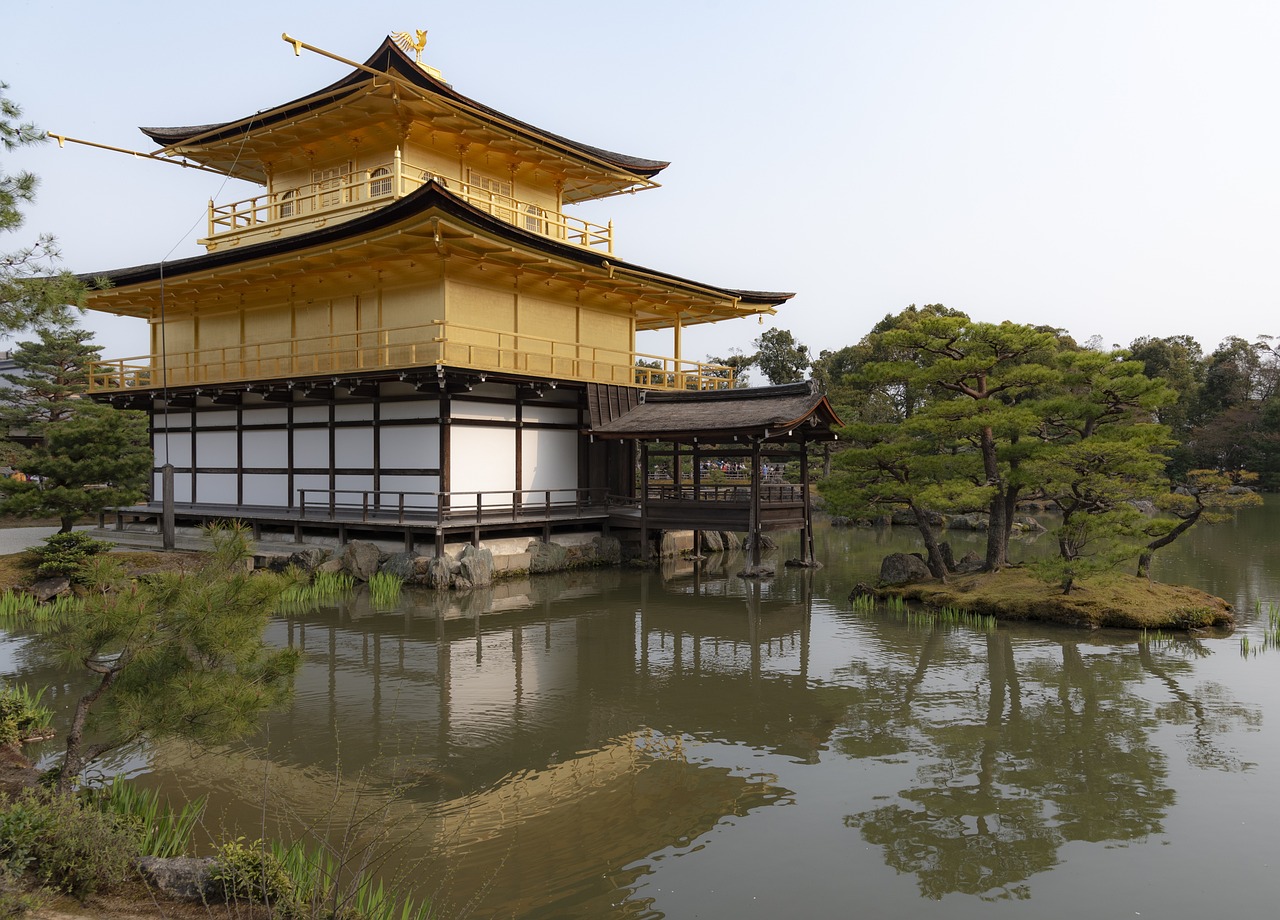
Your first look at Kyōto Gosho: gates, courtyards, and the quiet scale of the former imperial residence
Think of Imperial Palace Kyoto Japan as the most graceful way to enter the city’s imperial story: central, expansive, and quietly protected. Set within Kyoto Gyoen, it feels open to the public while still carrying an unmistakable sense of guardianship. You’re in the center of the city, yet the space seems to breathe differently—wider skies, softened sound, and an immediate invitation to notice detail rather than rush for highlights.
A little context helps the beauty land. For centuries, the imperial family lived here, with the emperor shaping ceremonies, aesthetics, and the rhythms of court life. When the capital shifted in 1868, Kyoto’s imperial heart didn’t vanish; it became a living memory you can still walk through. If you’ve visited the Tokyo Imperial Palace, you’ll notice Kyoto feels more intimate and traditional Japanese in mood—less about modern administration, more about historic sites and the human scale of courtyards and gates.
Signature approaches and restrained design: architectural features that reward a slower pace
As you explore historical layers, let your pace match the patience behind the work. The main approaches lead you through measured alignments: gravel paths underfoot, long walls, and gatework designed to guide the eye without shouting for attention. Look for architectural features that reward a second glance—joinery, rooflines, and restrained ornament—where beauty is built through proportion and restraint rather than display.
One morning, a couple travelling with us stepped inside just after opening and felt a surprising tranquility settle in. They described it as a personal connection rather than a “tourist moment”—the sort of quiet where you can imagine a court procession passing, yet still feel fully yourself in the present. That steadiness is part of what makes this attraction so enduring.


Imperial Household Agency Reservations: How the Guided Tour Process Works and What to Expect
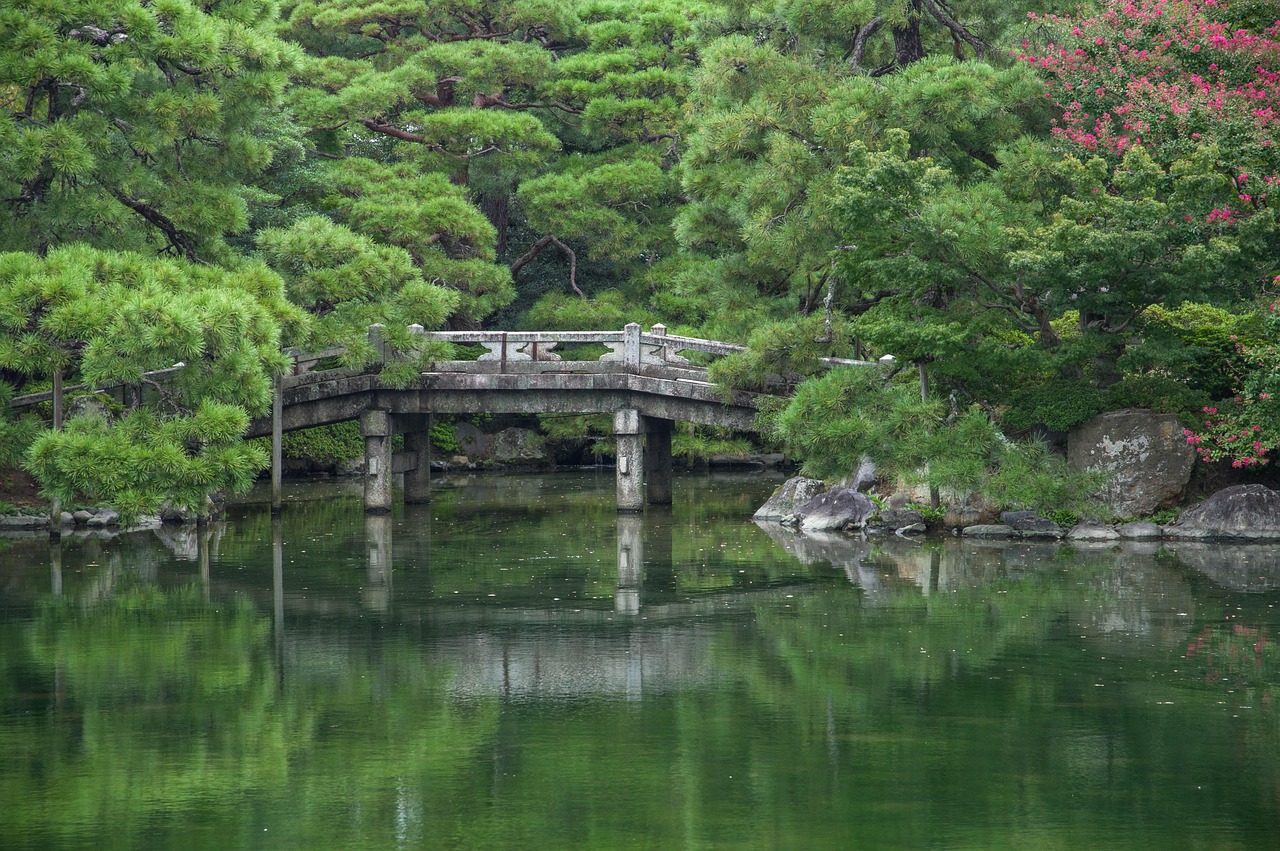
Practical entry logistics: where to line up, how check-in flows, and why it feels calm on the day
If you’re searching for an Imperial Household Agency reservation, it helps to treat it like a small piece of travel design rather than admin. The Imperial Household Agency manages access and, because slots are limited, dates can fill quickly—so it’s wise to confirm current rules and opening windows on the official website before your visit to Kyoto. The good news is that the structure of the process creates a more seamless, low-stress feeling on the day.
A calm visit guide for check-in and the tour of the imperial palace
On a guided tour day, you’ll typically arrive early, queue neatly, and complete check-in with ID verification. The pace is measured, and that’s the gift: your attention can move from logistics to insight. One adventurer in our circle still talks about the moment a local guide explained ancient customs—how space, direction, and silence shaped protocol—and suddenly the buildings and gardens felt like a lived culture, not a museum display. It’s a tour of the imperial palace that stays with you precisely because it doesn’t rush.
Look out for tours in English when you book, and don’t hesitate to choose the option that best supports your confidence. Even for adventure seekers, reassurance matters: comfortable shoes, water, and a light layer for shade or breeze can make the experience feel effortless.
- Booking tip: reserve ahead via the official website; popular days go quickly.
- Entry note: entry is free but requires prior reservation, and you’ll need ID for verification.
- Timing: arrive 20–30 minutes early to settle in without pressure.
Kyoto Station to the gates: transport planning that keeps your morning stress-free
From Kyoto Station, the simplest approach is a short bus ride or taxi to the palace area, then a clear walk to the entrance point. Public transport is efficient and well-marked, and signage is usually easy to follow. Build in a small buffer so you can arrive calmly, find the correct queue, and begin the day with trust in your plan rather than a last-minute sprint.
If you’re weaving this into a higher-end itinerary, consider pairing the morning visit with a driver transfer later in the day—small touches like that can create a quieter, more luxurious rhythm while still keeping you close to local life.
Seasonal Garden Views: Cherry Blossoms, Autumn Light, and a Serene Garden Pace
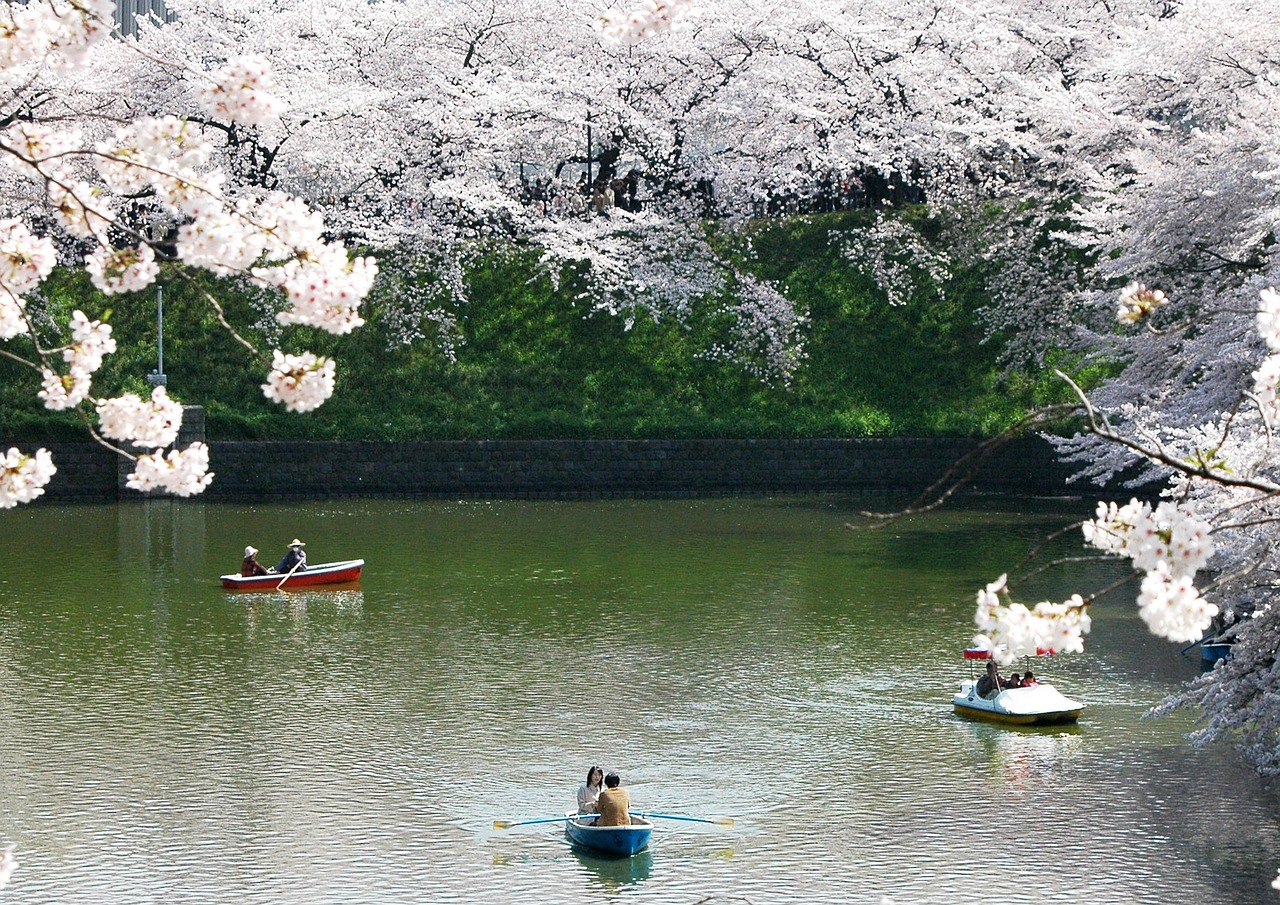
Seasonal beauty in Kyoto: soft spring mornings and crisp autumn colour around the gardens
For Kyoto Imperial Palace timing and photography, two windows deliver both comfort and unforgettable light: mid-March to April, and mid-November. Spring is famous for cherry trees and soft morning glow; autumn brings crisp air and deeper tones that read beautifully in photographs. If you can, aim for early opening hours—crowds thin, shadows are gentle, and the atmosphere feels especially contemplative.
Garden views in sensory detail and a touch of zen
The garden rhythm is subtle. You’ll notice the soft crunch of gravel paths, raked textures that suggest order without rigidity, and long pauses between focal points. Even if you’re usually drawn to higher-adrenaline experiences, there’s a quiet zen here that feels like a reset—your breathing slows, your gaze widens, and the simplest composition becomes meaningful.
A “slow sprint” loop for purposeful exploration without turning it into a checklist
Adventure seekers often do best with a “slow sprint” loop: short, intentional walks between viewpoints, with deliberate stops to absorb detail. Create a simple circuit—gate, courtyard, garden edge, another approach—then return to a favourite angle for a second look. It’s a way to explore historical Kyoto with energy, without reducing the experience to a list.
Etiquette is part of the beauty. Speak softly, respect barriers, and follow any signs for restricted areas where photos are not permitted. That shared care keeps the atmosphere intact for everyone.
A Full-Day Kyoto Route: Temple and Shrine Highlights from the Palace to Nijo Castle
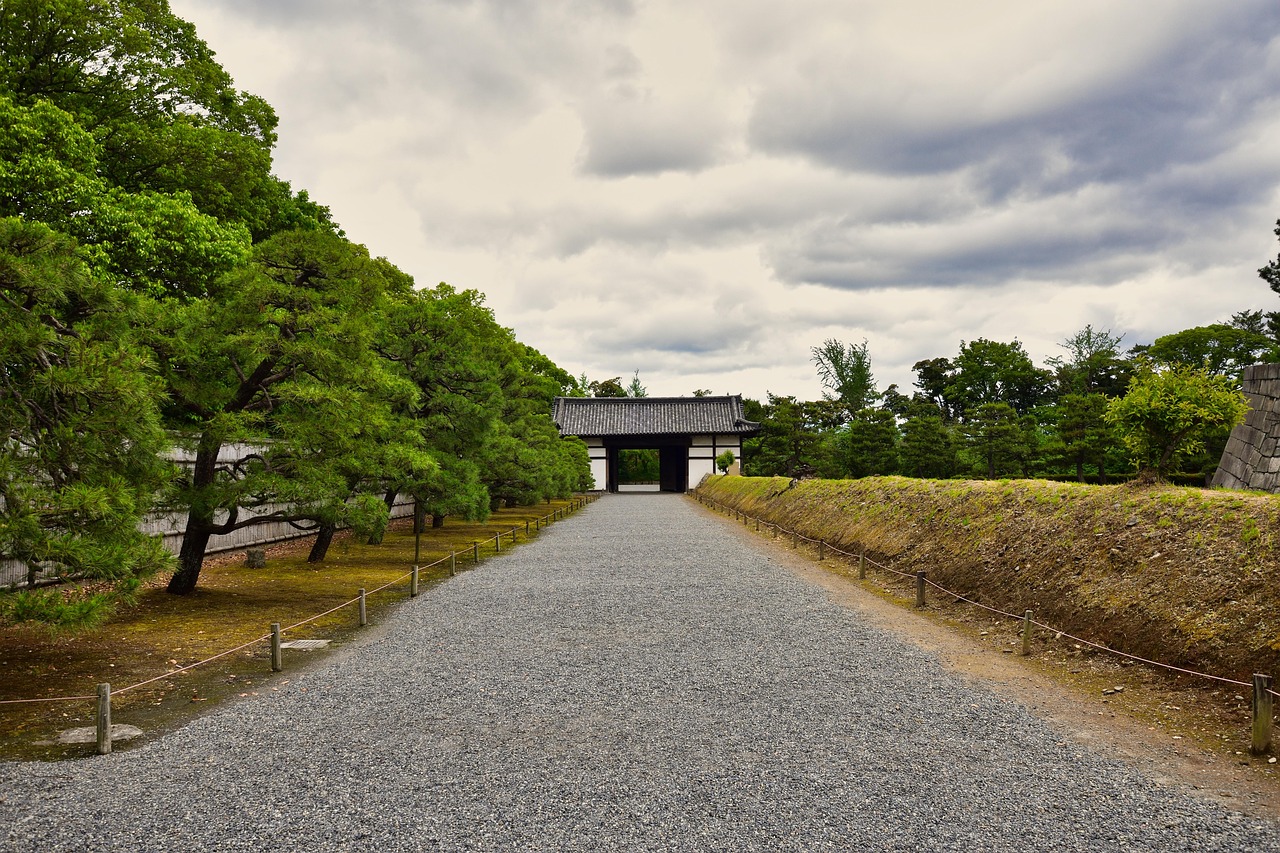
A balanced itinerary: calm courtyards first, then castles, streets, and evening atmosphere
For a full-day route that’s culturally deep but still energising, begin with calm and let the city gradually turn up the volume. Starting early gives you space and clarity, and then you can move into stories of power and artistry without feeling overloaded. This itinerary works beautifully all within Kyoto because it alternates quiet courtyards with lively streets—balanced, memorable, and easy to pace.
Nijo Castle: power, interiors, and the samurai residence era
Your next stop is Nijo Castle, a UNESCO world heritage site that reveals a different kind of authority. Here the narrative shifts to defensive planning and interiors where status was communicated through materials and scale. Don’t miss the Ninomaru Palace—recognised as a national treasure—where carvings, painted screens, and carefully staged transitions show how politics and aesthetics were inseparable.
Heian Shrine, Kiyomizu temple, and an old-city evening without the rush
From there, choose a shrine for colour and proportion: heian is ideal for its grand approach and sense of ceremony. Later, visit Kiyomizu-dera for dramatic viewpoints; the main hall and its wooden stage are the classic scene that feels unmistakably kyoto-style. As evening arrives, wander the lantern-lit lanes of the old quarters with low voices and respectful viewing culture.
- Midday reset: stop at Nishiki Market for a sensory break and a taste of local Kyoto.
- Crafted insight: consider a tea ceremony if you want ritual, design, and hospitality woven together.
- Optional classic: if time allows another temple moment, Kinkaku-ji can add a striking contrast of light and reflection.
If you’d like to see how these experiences can be shaped into a designer-led journey, browse our Trip gallery for inspiration and pacing ideas.
Near Kyoto Add-On Days: Sento, Shugakuin Imperial Villa, and Katsura for Deeper Imperial Craft
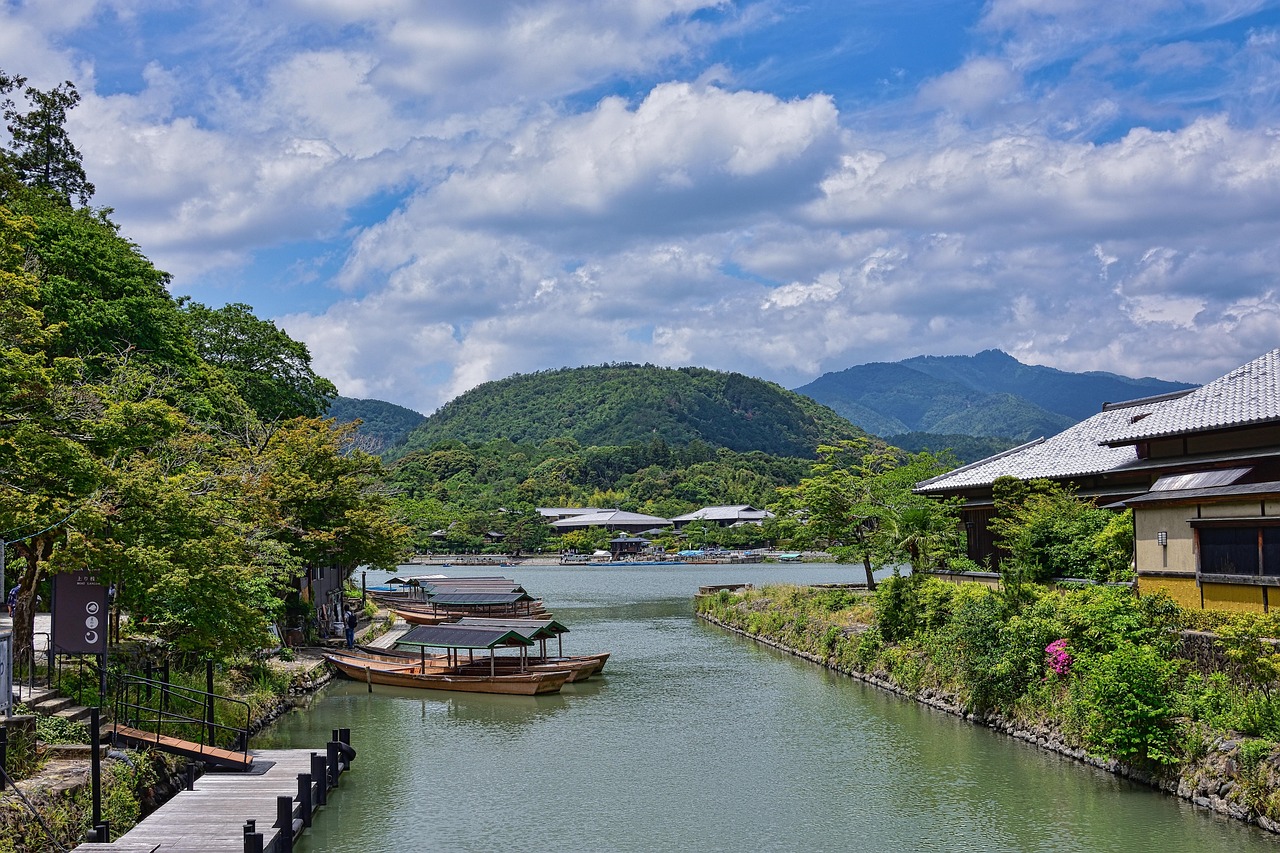
Add-on days reward early starts: quieter gardens, wider landscapes, and more personal pacing
If your diary allows, this is where the “expert add-on” becomes truly rewarding. These imperial sites near Kyoto deepen your sense of continuity and refinement, and they often feel more spacious in pacing—ideal if you enjoy early starts and well-planned connections. Consider it visiting the imperial circuit beyond the main grounds, where each stop reveals a different expression of tradition and detail.
Sento Imperial Palace: a quieter counterpoint to the main complex
This garden-focused visit offers a gentler perspective—less formal intensity, more ease—while still carrying the same understated dignity. If you value confidence and comfort, planning transport in advance helps the day feel seamless, especially when you’re fitting multiple stops into one day.
Katsura proportion and the value of a private tour (plus an easy Osaka evening)
Katsura is the standout for many design-minded travellers: proportion, garden planning, and the way paths reveal scenes one by one. When available, a private tour can add the kind of insight that makes the whole visit click—why a turn happens here, why a view is framed there, and how traditional Japanese design turns landscape into a lived language. If you’re tempted by contrast, you can even hop towards Osaka for an evening shift in energy; the change of pace can be invigorating after a day of quiet detail.
- Start early: morning light and cooler air make walking routes more comfortable.
- Pack light: water, a thin layer, and easy shoes are enough for long garden days.
- Plan recovery: build in rest so the elegance doesn’t become fatigue.
For recovery and atmosphere, a ryokan night can be transformative. A good ryokan supports you on every level: it slows the pace, keeps logistics simple, and gives your feet and mind a place to land. If you’re new to bath etiquette, the staff will usually guide you with care—rinse first, keep towels out of the water, and embrace the calm as part of the cultural experience.
What Stayed With Me After Kyoto Imperial Palace: Reflection, Quiet Learning, and Travel Meaning
Kyoto Imperial Palace didn’t stay with me as a list of facts, but as a feeling of space—of learning how to move through history with lighter footsteps. Days later, I could still hear the softened sound of gravel and recall how the air changed near the walls, as if the city’s edges fell away. It’s rare to find a place that encourages attention without demanding it, and rarer still for that attention to feel like a kindness you offer yourself.
I think back to a rare public opening day when the grounds felt almost empty, and the grandeur arrived without theatre. There was no need to push forward for a view; it all unfolded at human pace. In that quiet, dignity felt less like power and more like stewardship—an invitation to treat cultural spaces with trust and gentle care.
And perhaps that’s the gift: you leave not just informed, but steadier. You carry a calmer confidence into the next temple or shrine, and you find yourself noticing what you once might have rushed past—the line of a roof, the pause between trees, the way silence can be composed. I can easily imagine returning in another season, not to tick anything off, but to see what new insight arrives when you’re ready to listen.
F.A.Qs: Kyoto Imperial Palace Japan (Tickets, Access, and History)
Is the Kyoto palace complex worth going to?
Yes—especially if you enjoy heritage with space to breathe. The gardens, thoughtful design, and calm atmosphere offer a deeper sense of Kyoto than a quick photo stop, and seasonal colour can be extraordinary.
Can tourists enter the palace grounds?
Tourists can enter, but access is managed through reservations and designated entry rules. Some areas are visited via organised tours, and you’ll typically need identification for check-in on the day.
What changed for Kyoto’s imperial residence after 1868?
When the capital moved, the official imperial residence shifted, but the Kyoto site remained an important historic site. Today it preserves court heritage through protected grounds and carefully managed public access.
Is the Kyoto Imperial Palace free to enter?
Entry is generally free, but it commonly requires a prior reservation and adherence to specific visiting procedures. Always confirm current requirements before you go, as access rules can change by season or schedule.