Post Contents
- Kyoto Japan things to do in Kyoto city for a first visit: a luxury pace, smart travel tips, and the best time to visit Kyoto
- Top things to see in Kyoto: iconic temple and shrine highlights (Kinkaku-ji, Fushimi Inari, Kiyomizu-dera)
- Kinkaku-ji temple at opening time: calm reflections, clean light, and fewer crowds
- Fushimi Inari shrine: torii gates, forest paths, and a flexible Mount Inari climb
- Kiyomizu-dera temple viewpoints: steep lanes, seasonal colour, and easy arrival timing
- A temple in Kyoto wildcard: a quieter temple visit for design insight and deeper context
- Arashiyama bamboo grove: nature-focused fun things and a temple garden pairing
- Gion evenings: tea ceremonies, geisha culture, and traditional Kyoto things to do
- Where to stay in Kyoto: dining, Nishiki Market, Kyoto Station, and day trip ideas (including Tokyo)
- Where to stay in Kyoto by lifestyle, places in Kyoto, and your daily route
- Kyoto Station and the JR Kyoto Station area: smooth arrivals and quick views of Kyoto
- Kaiseki dining and Michelin choices with real warmth
- Nishiki Market as a refined daytime stop between a shrine and a temple
- Taking a day trip, plus a smooth train connection to Tokyo
- After Kyoto: reflections that call you back to Kyoto (feelings, not checklists)
- F.A.Qs: Kyoto Japan things to do
Kyoto Japan things to do in Kyoto city for a first visit: a luxury pace, smart travel tips, and the best time to visit Kyoto
For a thing to do in Kyoto experience with a luxury pace, the real upgrade isn’t cramming in more—it’s choosing fewer moments and giving each one room to breathe. On a first visit, this destination feels most generous when you design space for stillness: a temple at opening time, a long lunch, a mid-afternoon reset, and a slow evening walk that lets the lanes reveal themselves. This travel guide is built around calm logistics and simple travel tips that keep the day effortless while still delivering depth.
Things to Do in Kyoto for a First Visit with a luxury pace
When travellers ask me the best thing to do in Kyoto, I frame it through a high-end lens: optimise for atmosphere, not miles. The best things and the top things here are often early-morning and dusk experiences—times when popular Kyoto becomes quietly humane again. If you’re planning a trip to Kyoto with limited days, an expert plan protects your energy and your sense of discovery, so you never feel rushed from shrine to temple, or miss the small details that make the city extraordinary.
Days in Kyoto: a simple Kyoto itinerary rhythm for a first time in Kyoto
The pacing that tends to feel most seamless is almost ritual-like: start early, pause mid-day, then return for an evening scene. For many travellers, days in kyoto land nicely at three to five—enough time for a landmark temple, a quieter shrine, gardens, food, and one thoughtful excursion without sacrificing comfort. If you want deeper immersion, you can happily spend 5 days in the city with a slower, more design-led approach that prioritises quality over quantity.
Here’s a gentle kyoto itinerary rhythm you can trust for a first time in kyoto: a sunrise temple, a curated lunch, a hotel reset, and dusk in Gion. You’ll find that a single well-chosen attraction in kyoto can carry more emotional weight than four rushed stops. The goal is a kyoto trip that feels crafted around you—your energy, your curiosity, and your preferred level of guidance for each temple courtyard and shrine approach.
- Early: a temple opening or shrine approach before day-trippers arrive.
- Midday: lunch, a gallery or café, then a short rest to keep evenings elegant.
- Late afternoon: one focused area (Higashiyama or Arashiyama), not three districts.
- Dusk: lantern-lit lanes and a calm dinner—let the city come to you.
When to visit Kyoto for atmosphere, crowd levels, and photography
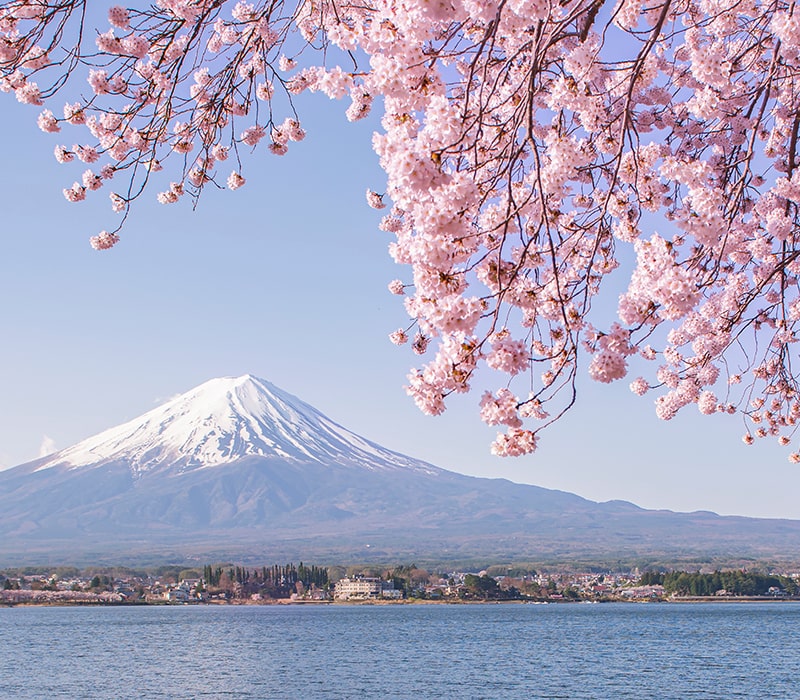
The best time to visit kyoto depends on the mood you want to design. Cherry blossom season (March to May) has a soft, celebratory shimmer, while October to November brings lacquered autumn colour that makes even a simple temple wall feel like art. If you’re choosing one time to visit for photography and romance, aim for late November’s foliage or early April’s petals, then book well ahead for the most refined stays and the calmest temple mornings.
To keep your trip feeling intimate, avoid weekend midday peaks when you can. With trusted planning, you can still see classics without feeling trapped in crowds—especially if you begin with a headline temple or shrine at opening time and then shift to calmer neighbourhoods for lunch and a reset.
To orient quickly: think of kyoto attractions as a set of elegant “zones”. Higashiyama holds many of the city’s most iconic temple walks and traditional lanes. Arashiyama is nature-meets-zen. Downtown offers dining and shopping, while Northern Kyoto is quieter and greener, with gardens that feel like a private exhale. Around Kyoto, you can also add gentle half-days—Uji for tea culture, or Nara for a balanced temple and shrine pairing—without losing your base. For a first visit, we often include a brief stop near the kyoto imperial palace area for perspective, then move on before the day loses its softness.
Wherever you go, carry the simple courtesies that show care: speak softly inside a temple hall, follow shoe rules, and treat every shrine as a living place of worship. The city responds beautifully to travellers who move with respect and confidence—and it makes every visit in kyoto feel more meaningful.


Top things to see in Kyoto: iconic temple and shrine highlights (Kinkaku-ji, Fushimi Inari, Kiyomizu-dera)
This chapter is built for travellers searching for Kyoto Japan things to do, but with a luxury lens: the point isn’t to “collect” sites, it’s to meet them at their most alive. Kyoto’s temple and shrine culture is not a backdrop; it’s the city’s heartbeat. If your schedule allows only a handful of stops, these are the things to see that tend to stay with you—and they set the tone for everything else you do here.
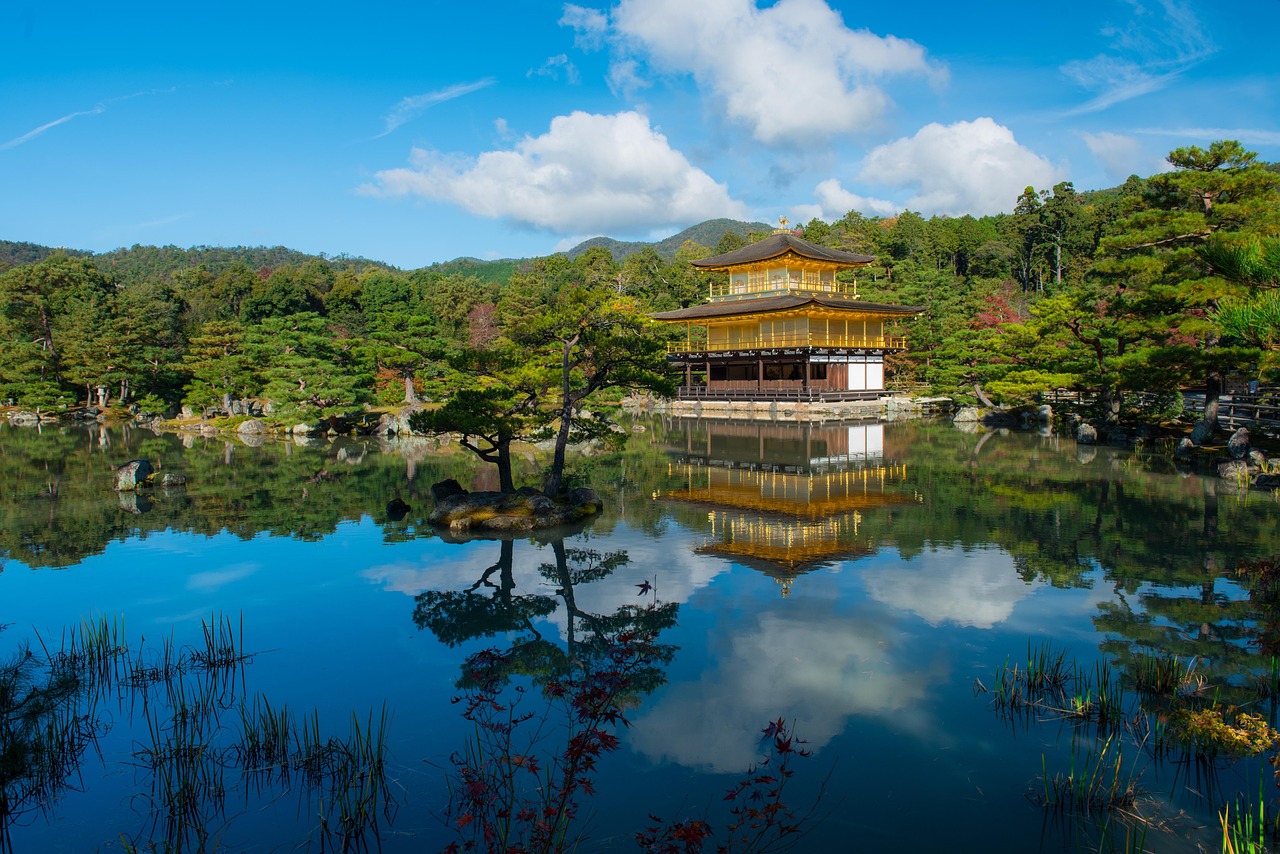
Top Things to See temples and shrines in Kyoto with Kinkaku-ji glowing
Kinkaku-ji temple at opening time: calm reflections, clean light, and fewer crowds
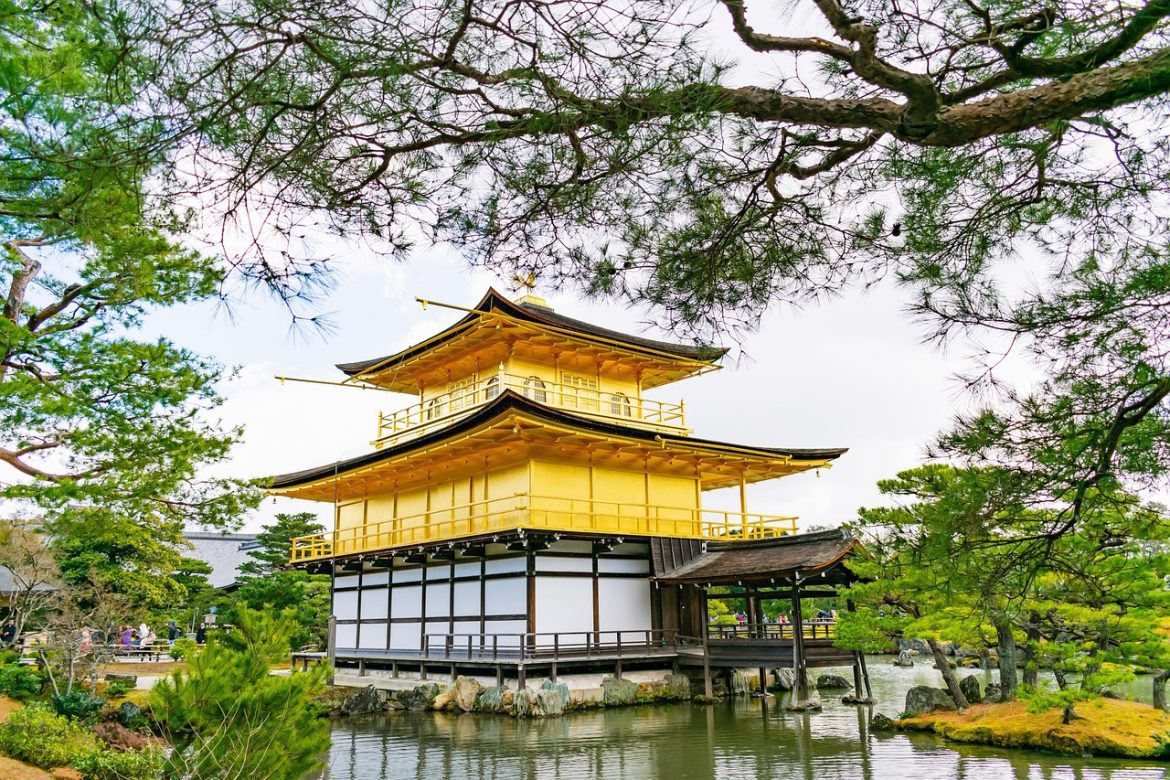
Kinkaku-ji is one of those places where timing is everything. Arrive right at opening for calm water, clean light, and fewer voices, and you’ll understand why this temple is on every kyoto bucket list. One traveller told me they felt unexpectedly emotional seeing the Golden Pavilion reflected on a perfectly still pond—an instant of serene escape, as if the city politely stepped back and let them breathe.
Give yourself permission to linger. Rather than racing for the “next” landmark, walk slowly through the garden loop, noticing how the temple reveals itself in composed angles—almost like a gallery. It’s one of the most unique moments you can have here, precisely because it teaches you to slow down and look more carefully.
Fushimi Inari shrine: torii gates, forest paths, and a flexible Mount Inari climb
At fushimi inari, the experience is movement: thousands of torii gates forming a rhythmic corridor as you climb. This shrine can be busy, but it doesn’t have to feel chaotic. Go early morning or later afternoon, and once you’ve passed the first intense section, the route often opens into quieter stretches where the gates feel more meditative than monumental.
Photo etiquette matters here. Keep to one side so others can pass, avoid blocking the narrowest points, and treat the shrine spaces with the same respect you would offer a temple hall—quiet voices, no performance. If you want an unhurried climb, plan a mid-route pause for tea or simply to listen to the forest, then continue when it feels right rather than when the crowd pushes you.
Kiyomizu-dera temple viewpoints: steep lanes, seasonal colour, and easy arrival timing
Kiyomizu-dera is dramatic in every season, and the best viewpoints reward patience. In spring you’ll find soft colour framed by architecture; in autumn, the hillside glows. Wear shoes you trust on uneven stone, as this temple complex has slopes and steps that can be slippery after rain, and consider arriving near opening to enjoy the famous stage with more breathing room.
Inside any temple area, it helps to move with quiet confidence: follow signage, remove shoes when requested, and keep conversations gentle. These small behaviours aren’t restrictive—they’re the local language of respect that lets the city open to you, whether you’re entering a shrine gate or a temple courtyard.
A temple in Kyoto wildcard: a quieter temple visit for design insight and deeper context
To balance well-known kyoto, add one quieter garden visit with a guide—especially if you value design, moss, and composition. A privately guided temple garden experience can turn what looks simple into something profound: you’ll learn how stones are placed, why raked gravel holds meaning, and how seasonal pruning shapes the view. This is where expert context transforms your time in Kyoto from sightseeing into understanding, and it often becomes one of your most unique things.
Logistics can stay easy. Many temple entry fees are moderate (often a few hundred yen), while private guiding and curated access naturally sit higher. If you’re choosing between buses and comfort, a private car service can make these top kyoto moments feel seamless—particularly when you’re moving between a temple, a shrine, and a restaurant reservation you don’t want to risk.
Arashiyama bamboo grove: nature-focused fun things and a temple garden pairing
If you’re searching for arashiyama bamboo forest walks and thing to do in kyoto ideas beyond the classics, it’s worth knowing the bamboo is not just a photo stop—it’s an atmosphere. The grove has a sound and a softness, a kind of green hush that feels designed for reflective walking. For many high-end travellers, it becomes the moment the journey turns from impressive to personal, especially when you pair it with a nearby temple and keep the timing early.
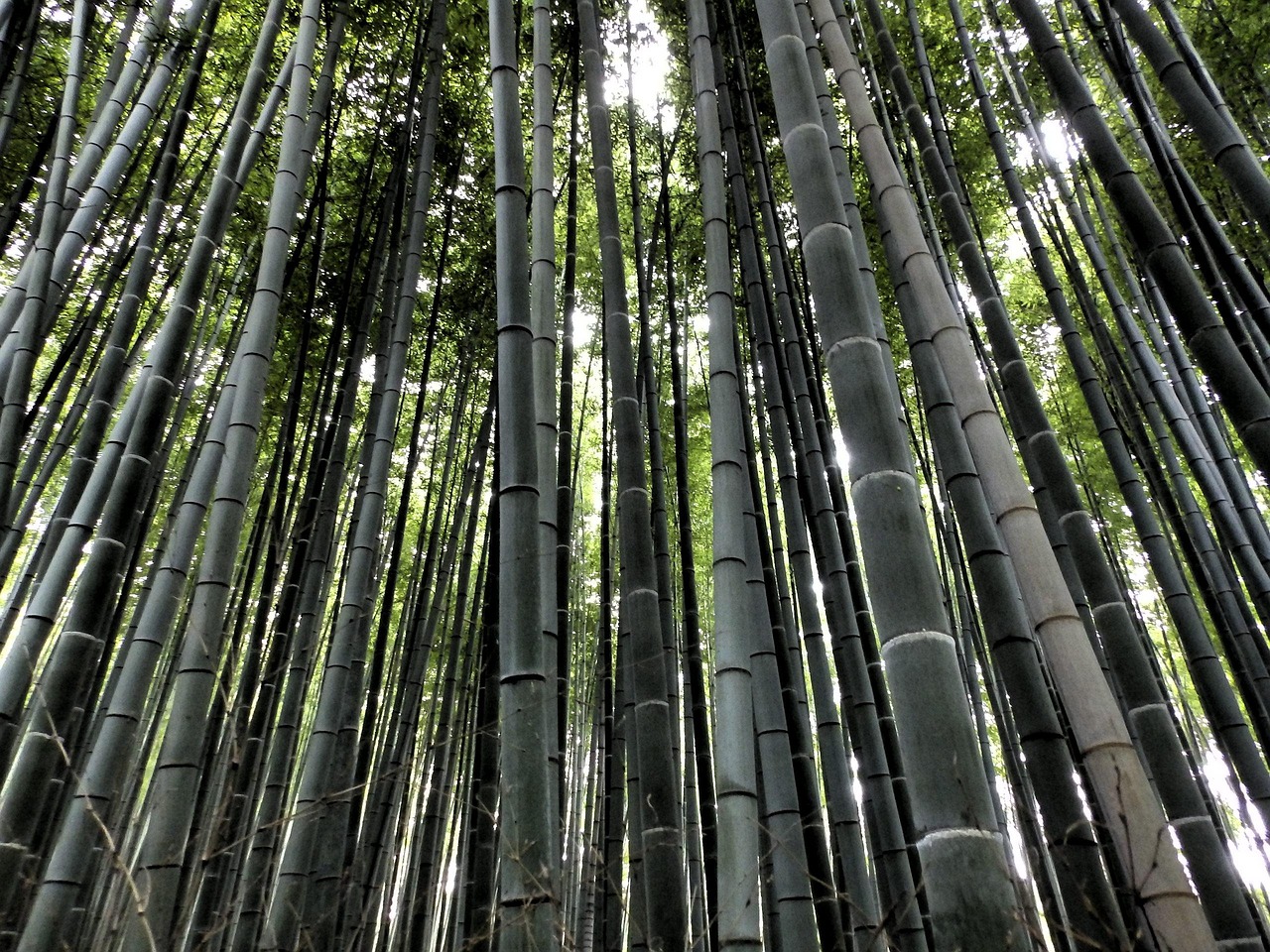
Arashiyama Bamboo Forest and nature-focused fun things with a quiet morning walk
Arashiyama bamboo for reflective quiet, better light, and calmer paths
For the most elegant experience, go early—before the pathways become a funnel. Walk slowly, keep to the side, and let others pass without friction; small courtesies preserve the calm for everyone. The arashiyama bamboo light changes quickly, and the best images are often made when you pause rather than chase angles.
Even if it’s your only nature stop, the bamboo walk can feel like a reset. It’s not about ticking off a list; it’s about how quickly your shoulders drop when the green closes around you, and how naturally you slow down before your next temple visit.
Pair bamboo with a serene temple garden nearby for traditional Kyoto calm
To keep the day nature-meets-zen, pair the grove with a nearby temple garden. This combination is one of the most reliable ways to experience traditional kyoto craft: first the vertical drama of bamboo, then the composed horizontals of raked gravel, moss, and stone. A gentle route like this feels luxurious because it’s not strenuous—it’s intentional.
Rather than over-planning, choose one temple garden and give it time. Sit, watch, and notice what you didn’t see at first glance: the way a roofline frames a tree, or how water sound softens footsteps. These are the unique things to see that don’t shout for attention, and they often become the interesting things you remember most.
If you want optional additions without kitsch, keep them discreet: riverside views, a café with a quiet terrace, and a short wander that avoids peak choke points. Arashiyama can be busy, but with smart timing it still offers genuinely restorative moments before you return to a city-centre shrine or dinner reservation.
- Best flow: bamboo first, then a temple garden, then a riverside pause.
- Photography tip: try sunrise or late afternoon for softer, more flattering light.
- Comfort: bring water and wear shoes suited to gravel and uneven paths.
To reach Arashiyama smoothly, consider the day’s starting point. From central areas you can take public transport, but a private transfer makes the experience feel seamless—especially if you’re connecting Arashiyama to lunch or returning for an evening plan in Gion. The luxury here is not speed; it’s a day designed without friction, with your next temple stop already paced correctly.
Gion evenings: tea ceremonies, geisha culture, and traditional Kyoto things to do
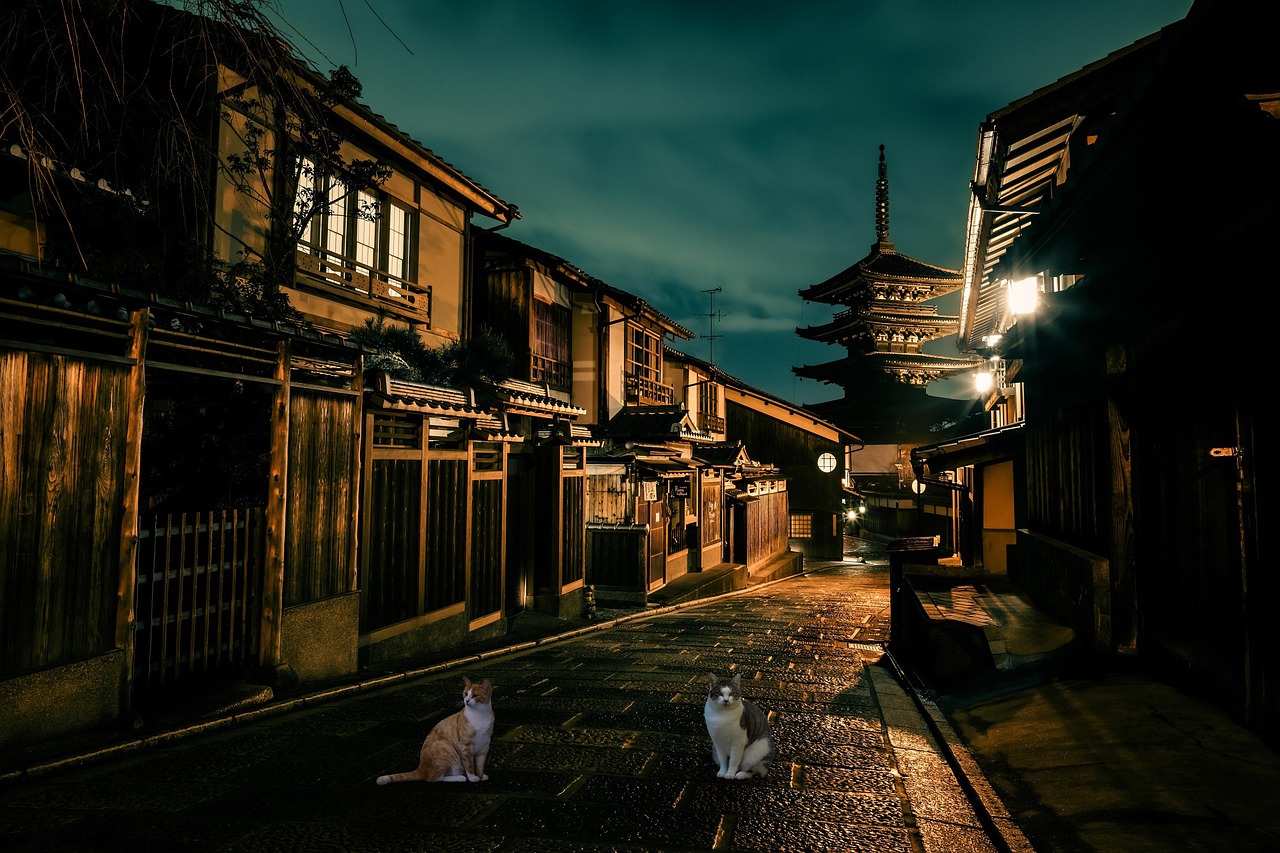
This chapter focuses on evenings because nights are where Kyoto becomes quietly cinematic. Gion is not a theme; it’s a living district shaped by artistry, manners, and time. If you walk it well—slowly and discreetly—you’ll feel the city’s confidence and grace, and you’ll understand why a calm shrine visit earlier in the day pairs perfectly with an elegant night out.
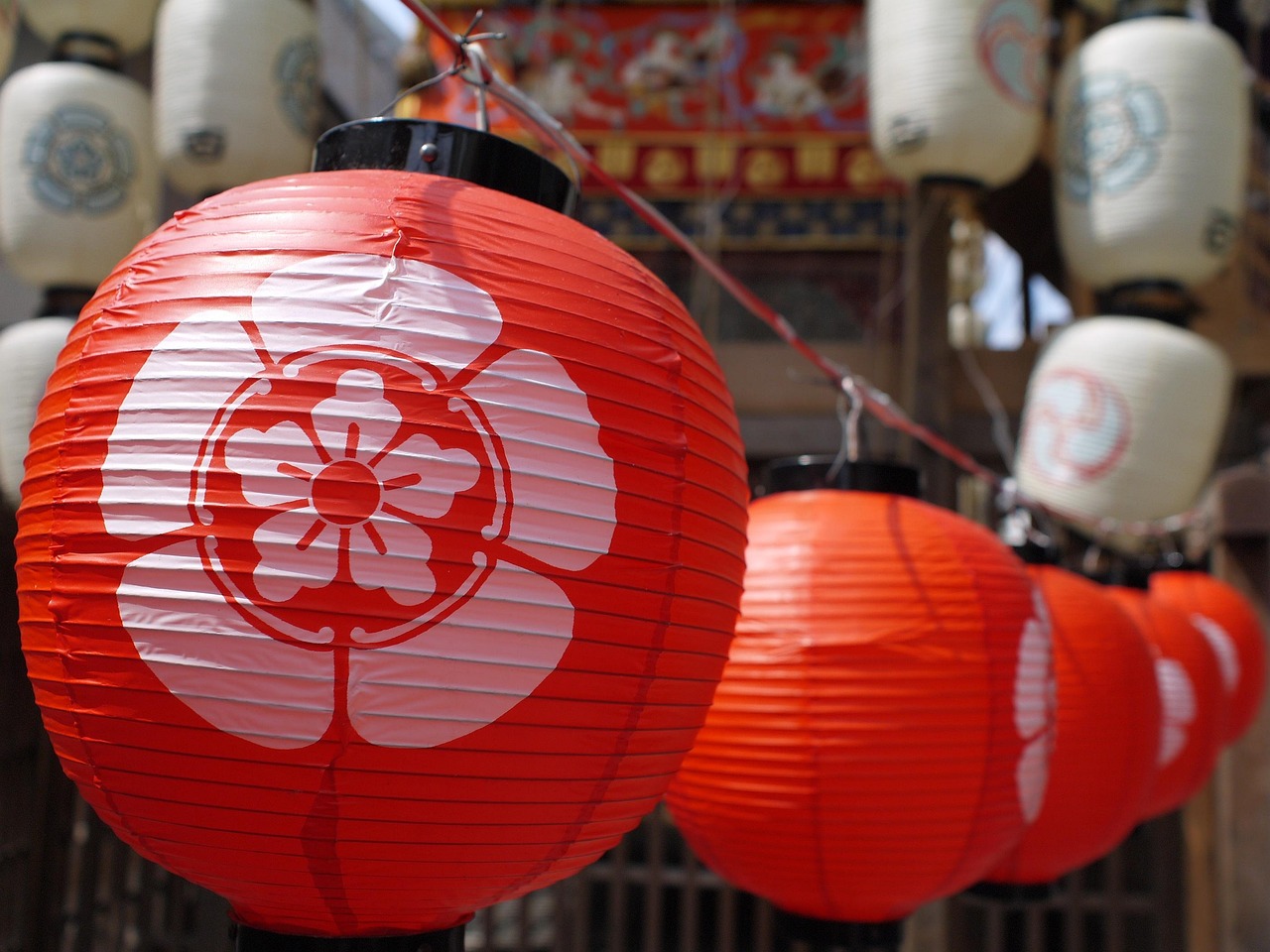
Gion Kyoto evenings with tea ceremonies and lantern-lit streets
Gion at dusk: respectful geisha encounters, quiet lanes, and photo etiquette
Arrive in gion just before dusk, when the light softens and the district feels more like itself. The goal is not to chase a sighting; it’s to be present. A couple once shared that they had a rare, brief conversation with a geisha while waiting quietly near a small lane—nothing intrusive, just a moment of human warmth and a little insight into a centuries-old art form. It became their most memorable story, precisely because it was respectful and unforced.
Discretion matters. Avoid blocking paths, keep voices low, and treat any sighting as a privilege rather than a performance. Many streets now have strict rules around photography; honour them. If you want a deeper understanding, book a cultural evening through a trusted host rather than relying on chance—and consider pairing it with a calm temple morning so the day feels balanced.
Private tea ceremonies in a machiya townhouse for a quiet luxury night
For high-end travellers, the most meaningful tea ceremonies tend to be small, hosted in a traditional machiya, and guided in clear English without losing authenticity. One visitor described their ceremony with a local host as unforgettable—the thoughtful rituals, the precise movements, the quiet ambience that made time feel slower and kinder. This is the sort of crafted cultural access that replaces uncertainty with confidence, especially for guests who want tea ceremonies in kyoto without crowds.
In a well-run ceremony, you’ll learn not just what to do, but why: how the room is prepared, how the bowl is turned, how silence is part of the welcome. It’s a gentle lesson in attention. In the context of japan travel, it’s also a reminder that luxury can be quiet—and that the same mindset carries into every temple and shrine you enter.
Practical etiquette is simple and reassuring: arrive on time, wear socks in case shoes are removed, and keep your phone away unless your host invites photos. The care you show in a machiya carries into every temple hall and shrine precinct you’ll visit, and locals notice.
Between dinner and any performance, add a soft palate cleanser: an evening stroll along the kamo river. It’s intimate and unforced—just moving water, low conversation, and the city’s reflection. If you’ve planned a geisha or theatre-style evening, reservations are essential; your concierge or cultural host can secure seats that match your preferences, and advance planning nearly always leads to a more personal experience in gion.
Where to stay in Kyoto: dining, Nishiki Market, Kyoto Station, and day trip ideas (including Tokyo)
This section is for travellers thinking about comfort, food, and positioning, because where you base yourself shapes the entire experience. Where you stay determines whether mornings feel calm or chaotic, and whether evenings feel effortless. Design your base well and the city meets you halfway—from your first shrine gate to your final temple garden—while opening up the best experiences in kyoto with minimal stress.
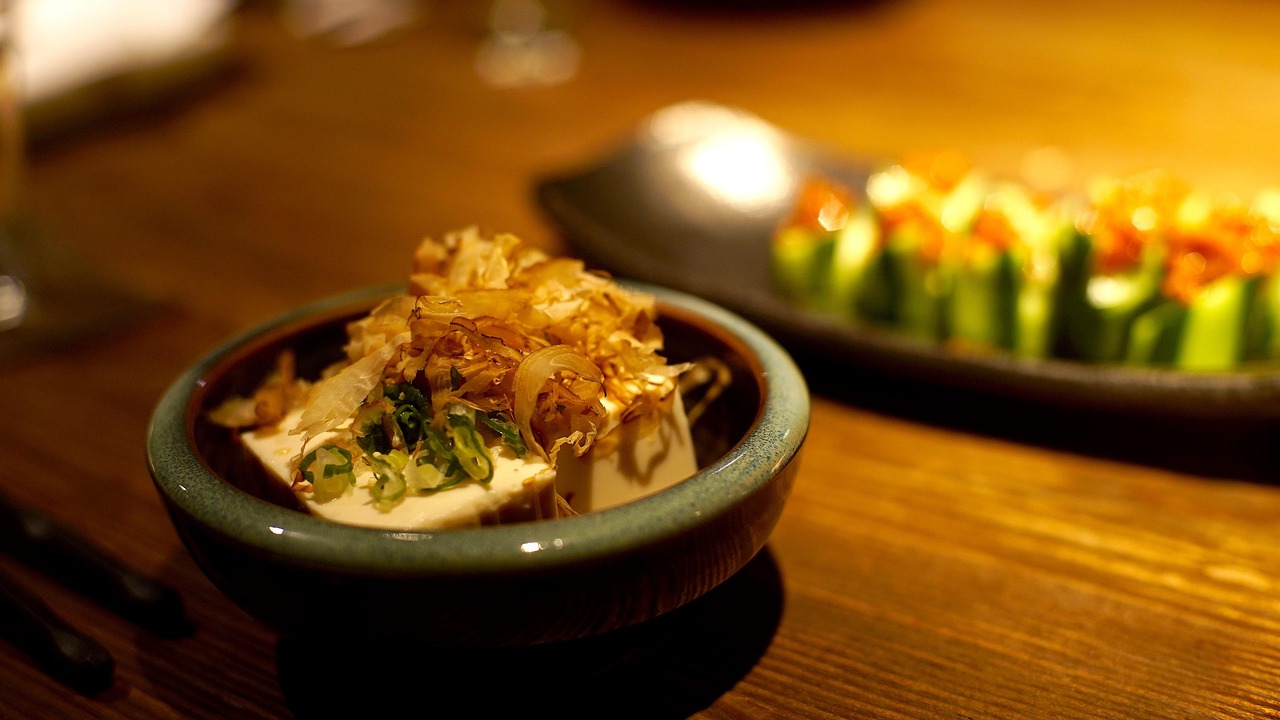
Stay in Kyoto with crafted kaiseki dining and refined market tastings
Where to stay in Kyoto by lifestyle, places in Kyoto, and your daily route
To stay in kyoto well, match the neighbourhood to the way you travel. If you love quiet mornings and easy temple walks, choose Higashiyama. If you prefer elegant shopping and dining with straightforward taxi access, choose a central base. If you want convenience for rail connections, stay near the station area—it’s practical, and you can still build beauty into your days with the right pacing and a few well-timed shrine visits.
Accommodation style matters too. A luxury ryokan offers ritual and care; a design-led hotel brings contemporary ease; a machiya stay offers intimacy and a sense of classic Kyoto at your own tempo. For an ultra-specific option some travellers love, consider a well-sited boutique base such as kaya kyoto nijo castle if it suits your design taste and route planning.
Kyoto Station and the JR Kyoto Station area: smooth arrivals and quick views of Kyoto
The jr kyoto station complex is undeniably modern, but it can still serve a beautiful trip from kyoto if you use it as a gateway, not a destination. From here, your walk from kyoto Station routes can take you towards riverside paths, or a short taxi can place you at a temple entrance before the day warms up. For quick views of kyoto, the nidec kyoto tower viewpoint can be a brief, satisfying stop—especially on arrival or departure when you want a sense of scale.
If you enjoy culture beyond temples in japan, and you have a rainy hour to fill, the kyoto international manga museum can be an unexpectedly good addition—light, local, and easy to slot between lunch and a shrine visit without draining your energy.
Kaiseki dining and Michelin choices with real warmth
Kaiseki is Kyoto’s haute cuisine at its most precise: seasonal, multi-course, and quietly theatrical. Choosing between Michelin-starred dining and a small counter comes down to what you want to feel. Michelin can offer polish and consistency; intimate restaurants often offer conversation, subtle flexibility, and a sense of being genuinely hosted.
A luxury traveller once told me their highlight was a tiny, exclusive kaiseki counter where the chef’s craftsmanship felt almost like a performance of care—warm hospitality, immaculate timing, and dishes that tasted like the landscape. It’s the kind of evening that makes you understand why people love kyoto long after they’ve left, and it pairs beautifully with a calm temple morning the next day.
Book early, especially in peak foliage and blossom periods. In top seasons, the most sought-after counters may require concierge support and planning weeks (sometimes months) ahead.
Nishiki Market as a refined daytime stop between a shrine and a temple
Nishiki market can be a delight if you treat it as a tasting corridor, not a crowded marathon. Go earlier in the day, sample a few excellent bites, and then step away before the lanes compress. Think of it as a textured interlude between a temple morning and an afternoon rest—an experience that adds flavour without stealing your calm.
- What to taste: seasonal pickles, delicate sweets, and small plates you can share together.
- How to avoid crowds: arrive near opening, then leave before midday.
- How to balance: pair Nishiki with one nearby shrine or temple, not three.
Taking a day trip, plus a smooth train connection to Tokyo
If you’re considering taking a day trip, keep it singular and satisfying. A day trip to Uji offers tea heritage and a calmer pace; Nara is next to kyoto and pairs well for a grand temple and a notable shrine; Osaka brings contemporary design and dining if you want contrast. South of kyoto, you’ll also find smaller stops that can work as half-days when time in kyoto is short, without sacrificing comfort.
For onward travel, a trip from kyoto to tokyo by train is straightforward and comfortable. Taking the train from kyoto lets you arrive in Tokyo without the friction of airports, and it’s often the most seamless way to connect two very different moods of Japan. If tokyo is your next chapter, build in a gentle arrival plan—hotel check-in, a short walk, and dinner close by—so you don’t lose the calm you’ve cultivated, even if it’s your first long rail hop of your time in japan.
If your route includes places in kyoto and places in japan that are far from kyoto, you can still protect your energy by limiting transfers and letting your hotel or travel designer coordinate luggage forwarding. It’s a small investment that keeps your japan trip feeling elegant from door to door—simple japan travel tips that make a measurable difference, and a detail we often include in a modern japan travel guide approach. For inspiration on curated routes and pacing, you can browse our Trip gallery and imagine how you’d like your own trip to japan to feel—and why you may want to visit kyoto again on a future itinerary.
After Kyoto: reflections that call you back to Kyoto (feelings, not checklists)
In a Kyoto travel guide sense, what stays isn’t a checklist. It’s the way morning light sits on a temple roof, and how a shrine path can make you walk a little more softly without being asked. I remember the hush near water, the faint sound of footsteps on stone, and the particular kind of calm that arrives when you stop trying to do everything.
There’s a moment many travellers recognise: you’re in kyoto, and you realise the city has been teaching you a different rhythm. Not faster, not slower—simply more deliberate. You start to notice small gestures: the careful way a gate is tended, the quiet pride in a garden, the respect that lives in the space between words, and the way a temple visit can feel like meditation rather than sightseeing.
Gion at dusk lingers too, not as spectacle, but as atmosphere—lantern light, silhouettes moving with purpose, a sense of artistry carried into ordinary streets. And then there’s the memory of tea: the warmth of the bowl, the measured pace of the host, the feeling that attention itself can be restorative. These are not souvenirs you pack; they’re impressions that settle into you.
What reassures me, looking back, is how gently the city opens when you travel with trust and a little local support. A temple visit becomes less about getting it right and more about being present. A shrine becomes less intimidating and more like a quiet invitation. Together, those small shifts create confidence that follows you beyond the trip—even after you’ve visited japan and returned home.
Kyoto is creative in a way that doesn’t demand applause. It asks you to look again, to listen, to design your days with care. Long after you’ve left, you may find yourself thinking back to kyoto in moments of everyday noise—remembering that calm can be chosen, and that beauty can be simple.
And perhaps that is the lasting gift: not the feeling of having completed Kyoto, but of having met it. A single season, a single street, a single cup of tea—small enough to hold in memory, and quietly enough to call you back.
F.A.Qs: Kyoto Japan things to do
What is Kyoto best known for as the capital of Japan?
Kyoto is best known for its temple and shrine heritage, refined traditional arts, and atmospheric neighbourhoods such as gion. As the capital of japan for more than a millennium, it holds an extraordinary concentration of cultural landmarks, gardens, and seasonal beauty, especially in spring blossoms and autumn foliage.
What should I not miss in Kyoto on a first trip?
Don’t miss an early visit to Kinkaku-ji, a walk through the torii gates at fushimi inari, and time in a major temple area such as kiyomizu-dera. For a more personal, high-end feel, add a private tea ceremony and an evening stroll in gion with respectful pacing—and include at least one quieter shrine stop to balance the famous sites.
Is 2 days enough for Kyoto?
Two days can work if you keep the plan focused: one day for Higashiyama and a headline temple, and one day for either Arashiyama or fushimi inari plus a calmer garden stop. It won’t cover everything, but it can still feel meaningful if you start early, rest midday, and avoid over-committing to long transfers between each shrine and temple.
Is $10,000 enough for a week in Japan?
Yes, $10,000 can be enough for a week in Japan for a couple, depending on hotel category, dining choices, and how many private services you include. Luxury stays, kaiseki, and private cars raise costs quickly, while mixing in excellent mid-range hotels, trains, and a few key splurges can keep the overall spend comfortable—especially if you plan one standout day trip from kyoto instead of many.