Post Contents
- Famous landmarks in Japan: luxury itinerary design for high-end travellers, with a smooth landmark-by-landmark flow
- Iconic sights in Japan: Tokyo landmarks for skyline views, Tokyo Tower, Tokyo Skytree, Shibuya Crossing, and Asakusa’s Senso-ji
- Kyoto landmark guide: torii-gate walks, tea ceremony, and shrine ritual in the old capital
- Mount Fuji landmark sunrise: luxury hike planning and pagoda-framed views
- Hiroshima landmark guide: remembrance sites, reflective pacing, and an island shrine day
- After Japan reflections: what landmark travel teaches you about pace and meaning
- F.A.Qs: Famous landmarks in Japan
Famous landmarks in Japan: luxury itinerary design for high-end travellers, with a smooth landmark-by-landmark flow
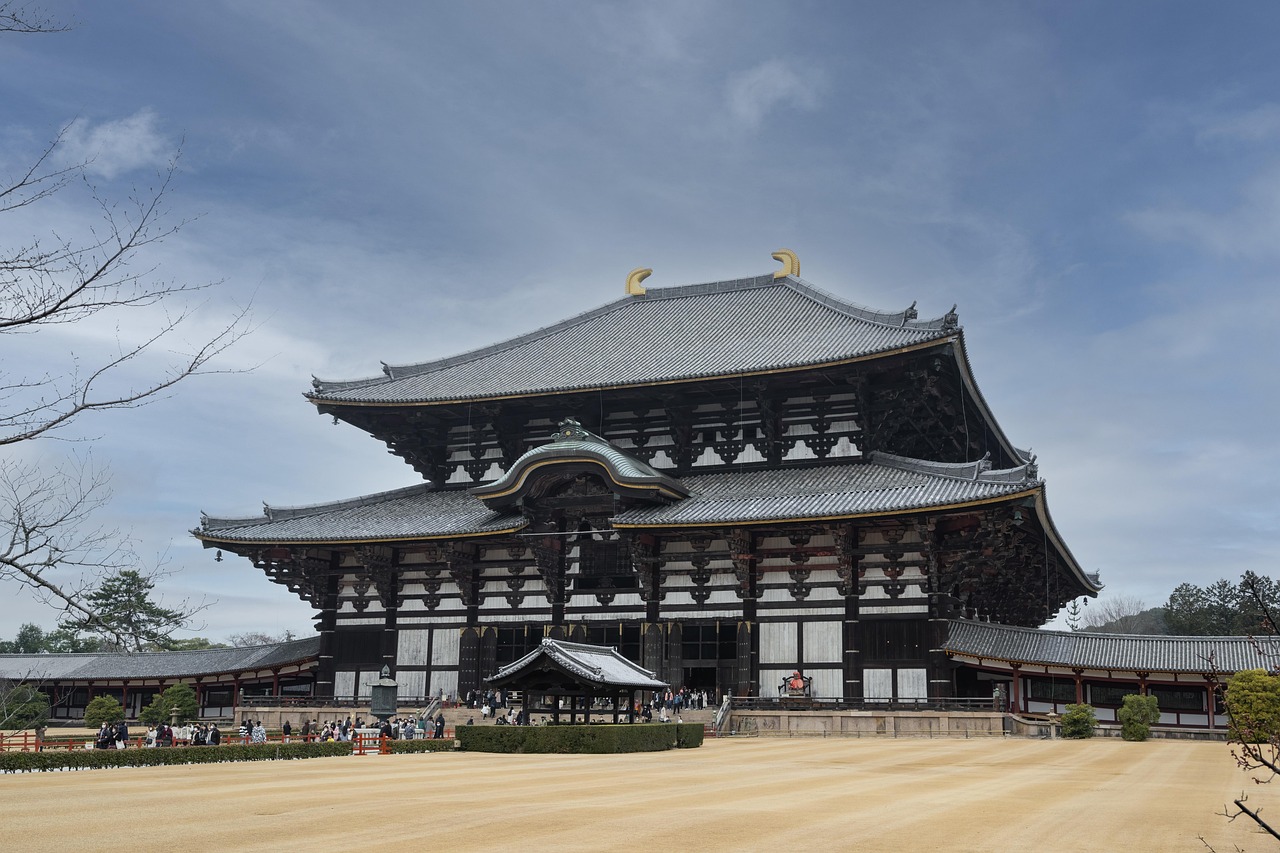
Famous landmarks in Japan overview: designing a calm, high-comfort route anchored by Tōdai-ji
For famous landmarks in Japan itinerary design for high-end travellers, the most reassuring approach is a route where each landmark day feels clear, not crammed. Think in gentle arcs—city energy first, then cultural depth, then nature, then remembrance—so your emotions and pace have room to settle. With this kind of flow, temples and shrines feel meaningful rather than rushed photo stops, and the whole journey feels intentionally curated.
A classic debut sequence is tokyo and osaka through Kyoto and on to Hiroshima, using rail to keep transitions smooth and beautifully predictable. If you’d like to browse a few curated trip styles before you design, our Trip gallery can help you imagine the mood that suits you best—quiet, design-led, food-forward, or deeply cultural.
Tokyo to Kyoto to Hiroshima route: minimal hotel changes, optional Osaka add-ons, and high-end pacing
Start with Tokyo for modern contrast, then glide by shinkansen to Kyoto for cultural depth, before continuing to Hiroshima for a more reflective chapter. If you’re adding Osaka, consider basing in one design-led hotel and taking a day to explore Osaka Castle and the Umeda Sky Building—two modern landmarks that sit naturally alongside historic icons. This approach keeps check-ins minimal while still giving you distinct “chapters” across the trip.
High-end planning is less about doing more, and more about doing it with trust and care. Aim for two landmark anchors per day, then design downtime—gardens, riverside walks, or a slow lunch—so the experience stays spacious and your favourite moments have time to land. A well-paced itinerary also protects your evenings for great dining, private bar seating, and unhurried sleep.
Best seasons for Japan travel: cherry blossom timing, autumn colour, and crowd-quiet months
The best time to visit in japan is spring (March–May) for cherry trees and cherry blossom trees, or autumn (September–November) for crisp air and vivid foliage. If you can, avoid Golden Week; the same japan landmarks feel far more intimate when you’re not moving in a tide of people. Shoulder seasons can also suit travellers who prefer slower mornings, easier restaurant bookings, and a calmer rhythm at popular sites.
To keep everything seamless, reserve premium rail seats early, book a local expert for your most meaningful temple mornings, and keep one “blank” afternoon every few days for outdoor calm and recovery. That’s when a trip starts to feel crafted around you, rather than the other way round—especially when transfers, luggage, and dining are handled with quiet precision.
- Entry fees: Tokyo’s main observation tower around ¥1,200; the Inari shrine walk in Kyoto is free; Hiroshima Peace Museum about ¥200.
- Etiquette: bow when greeting, remove shoes indoors, and keep voices low at any shrine.
- Ease: use luggage-forwarding between cities so you arrive unburdened and calm.
If you want a carefully curated shortlist beyond the headline trio, add these major landmarks with intention: Nara Park and Tōdai-ji (a buddhist temple famed as the world’s largest wooden building and often described as the largest wooden structure, home to an awe-inspiring Great buddha), a national-treasure castle day in Hyōgo, Osaka Castle, and the Umeda Sky Building for a clean-lined city view. The goal is a balanced mix—heritage, design, and nature—rather than an exhausting checklist.


Iconic sights in Japan: Tokyo landmarks for skyline views, Tokyo Tower, Tokyo Skytree, Shibuya Crossing, and Asakusa’s Senso-ji
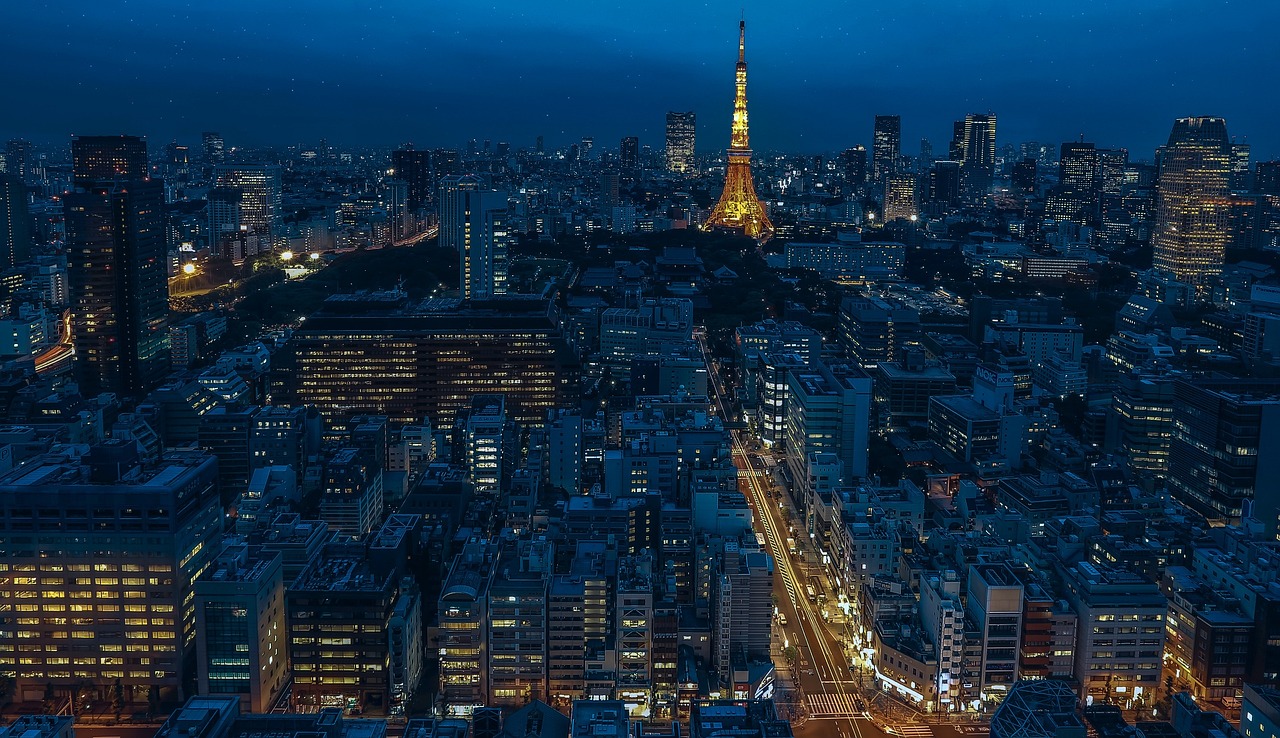
Tokyo at dusk: skyline viewpoints, shrine quiet, and city streets glowing below
For a Tokyo landmark day, the secret is contrast—pairing skyline spectacle with sacred calm so the city feels human. Tokyo can be thrillingly bold, but with the right design it also becomes gentle, supportive, and surprisingly restorative for travellers who value comfort. Choose one or two standout stops, then let the spaces between them—gardens, cafés, neighbourhood walks—do their quiet work.
Tokyo Tower viewpoints: tallest observation decks and panoramic views of the city
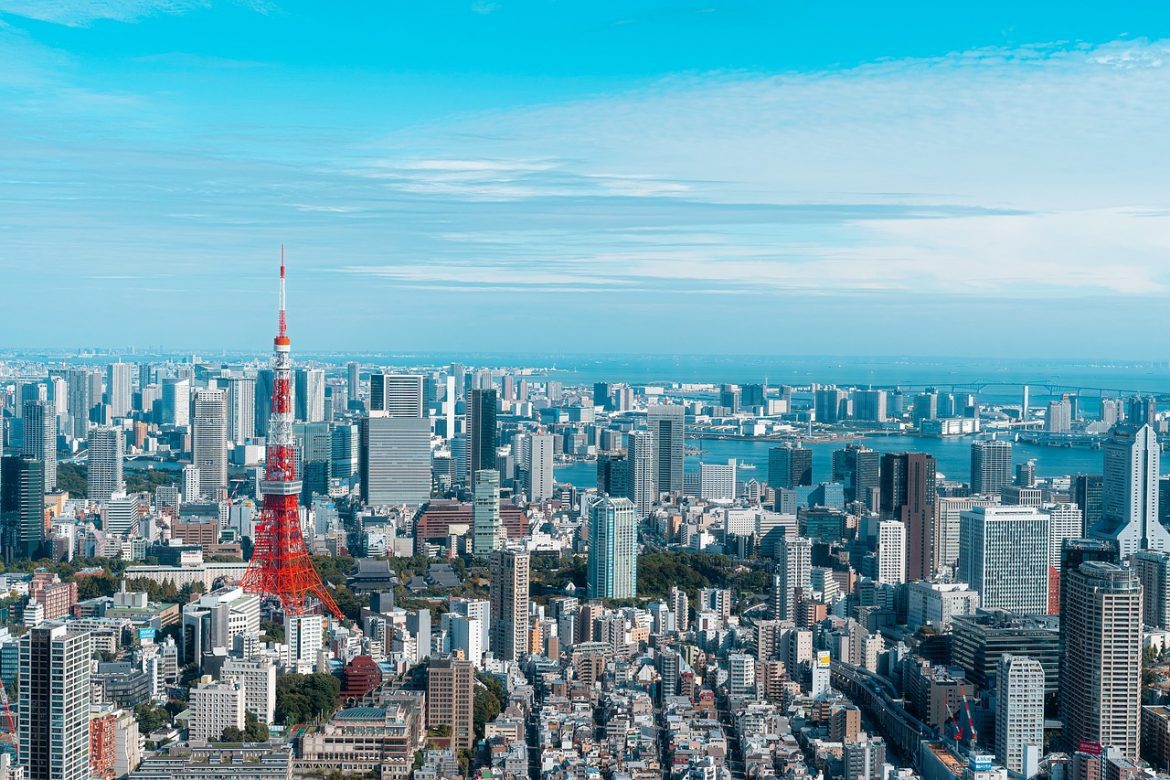
Tokyo Tower is a beloved tower in japan inspired by the eiffel tower, and it was originally built in 1958 as a broadcast tower and city symbol. It’s open to the public for a classic, cinematic perspective—time your visit for golden hour to enjoy panoramic views and panoramic views of the city as modern Tokyo begins to glow. For couples or families, it’s also an easy win: clear logistics, memorable photos, and a satisfying sense of place.
If you want the tallest perspective, schedule the Skytree on a separate morning—especially on a clear day when visibility stretches for miles. If you have extra time, a quick harbour-side detour to Yokohama’s tallest seaside tower adds a different waterfront angle. A well-designed views of the city day often ends best with a chef-led counter dinner or a private bar table by the glass, so you can decompress in comfort after the ascent.
Shinto calm at Meiji Shrine, Asakusa temple streets, then Shibuya neon nights
For a shinto pause, slip into Meiji Shrine—associated with emperor meiji and his wife—and let the forested approach soften your pace. A local guide can offer insight into the simplest rituals (hands, water, a small bow), so you feel confident without overthinking it. This is one of those moments where the “luxury” is simply feeling unhurried and at ease.
Then balance traditions and modern in Asakusa, where lantern-lit pathways and small shops make a lovely, unforced introduction to temple atmosphere. As night falls, head to shibuya to see the world’s busiest pedestrian crossing: the moment the neon, video screens, and giant video screens ignite, the city becomes a living stage—before you retreat to a refined lounge for a quieter reset.
- first-time Tokyo tip: keep your sacred sites early, and your city lights later—your energy will thank you.
- Shopping: choose one thoughtful neighbourhood for crafted design objects rather than scattering stops across the city.
- Support: a private driver at night can make the return feel effortless and safe.
You don’t have to choose one version of Tokyo. You can hold both—quiet ritual and bold design—in the same day, and the destination feels more personal as a result. That layered contrast is what makes this city such a compelling landmark stop on a longer route.
Kyoto landmark guide: torii-gate walks, tea ceremony, and shrine ritual in the old capital
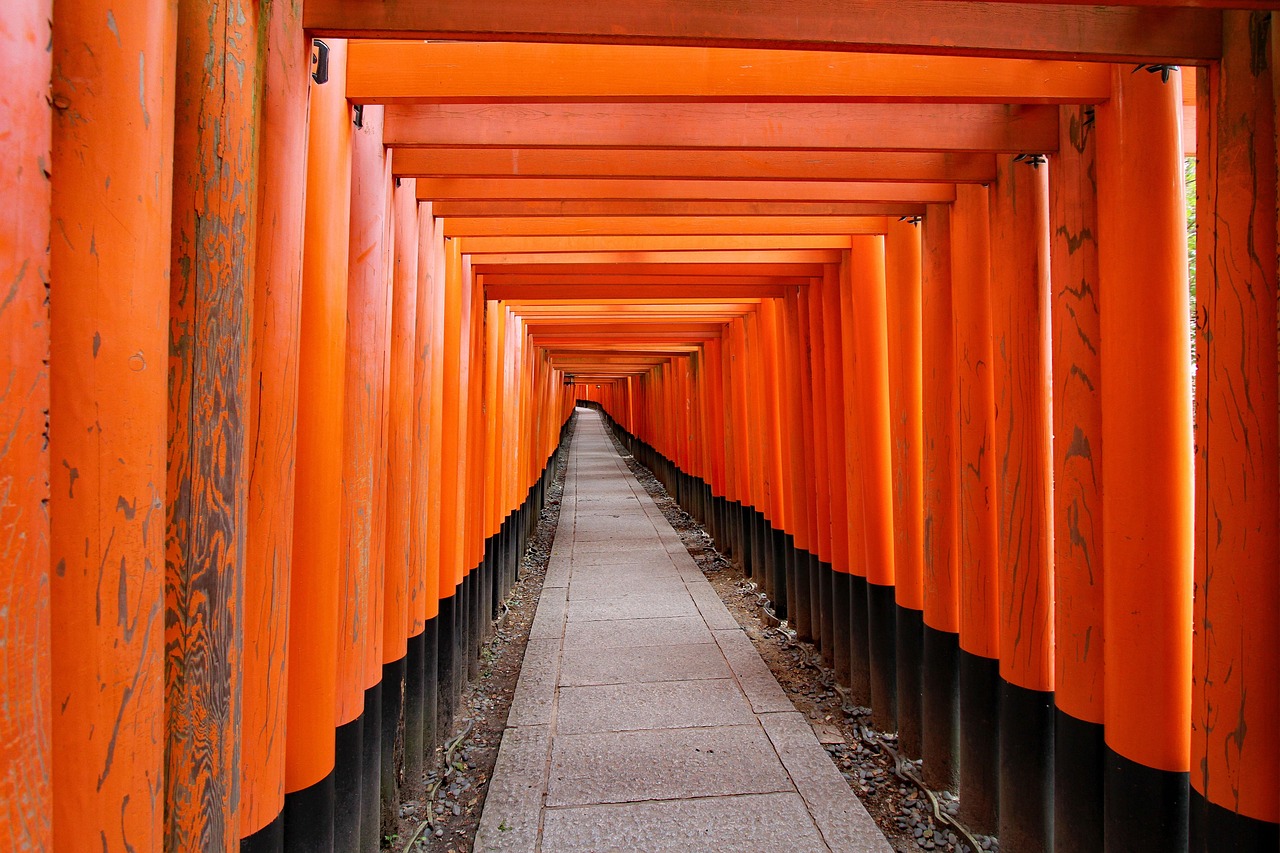
Kyoto landmark moments: shrines, art, and local ritual with a dawn torii walk
For “Kyoto landmark guide torii gates tea ceremony”, the luxury is time—arriving early, moving quietly, and letting Kyoto reveal itself in layers. In Kyoto, a landmark doesn’t need spectacle; it needs attention, care, and space to breathe. Plan for one high-impact morning, one gentle afternoon, and a calm evening meal close to your hotel.
Dawn Inari shrine walk: torii gates at Fushimi Inari Taisha
This Inari shrine is dedicated to inari, and walking beneath thousands of torii is one of Japan’s most famous experiences for a reason. Go early for a quieter loop, when the light is softer and the wooden torii gates feel less like a crowd scene and more like a personal corridor of colour. For many travellers, the feeling is surprisingly meditative: step, gate, breath, repeat.
As you climb, you’ll notice the hush deepen—your footsteps, the forest scent, the rhythm of gates passing by. It’s a simple design choice that changes everything: an earlier start becomes a calmer mind, and the ritual feels natural rather than performed. If you prefer a gentler pace, turn back at a midpoint viewpoint and treat the experience as a tranquil walk rather than a summit mission.
Tea ceremony in Kyoto: Kiyomizu-dera Temple, Arashiyama Bamboo Grove, and a gold pavilion
One afternoon, a guest of ours visited a Kyoto teahouse where a local tea master guided a traditional tea ceremony. The gestures were small but precise—how to turn the bowl, how to receive it with gratitude—and the seasonal sweet made the moment feel crafted for that exact day, not staged for an audience. It’s the kind of cultural experience that lands best when you’ve left enough space around it.
From there, add Kyoto’s classics without rushing: kiyomizu-dera temple for hillside perspectives, then the arashiyama bamboo grove for a sensory stroll that feels almost meditative. If you’d like one more visual contrast, include a single pavilion covered in gold—one refined stop that complements, rather than competes with, the rest.
To round out Kyoto’s visual vocabulary, include a single pagoda moment nearby—one elegant silhouette, not five competing photo stops. The goal is not to “collect” sacred sites, but to understand why they matter and how they fit into the story of the city.
- Stay well: choose a boutique ryokan or design-led hotel so returning “home” each night feels restful.
- Seamless move: forward luggage to your next city and travel with only a day bag.
- Respect: keep shrine and temple voices low; quiet is part of the beauty.
Kyoto offers iconic japan in its most distilled form—yet it still feels local when you move gently, listen well, and let the details lead. This is often the point in a trip where travellers feel the deepest cultural “shift”.
Mount Fuji landmark sunrise: luxury hike planning and pagoda-framed views
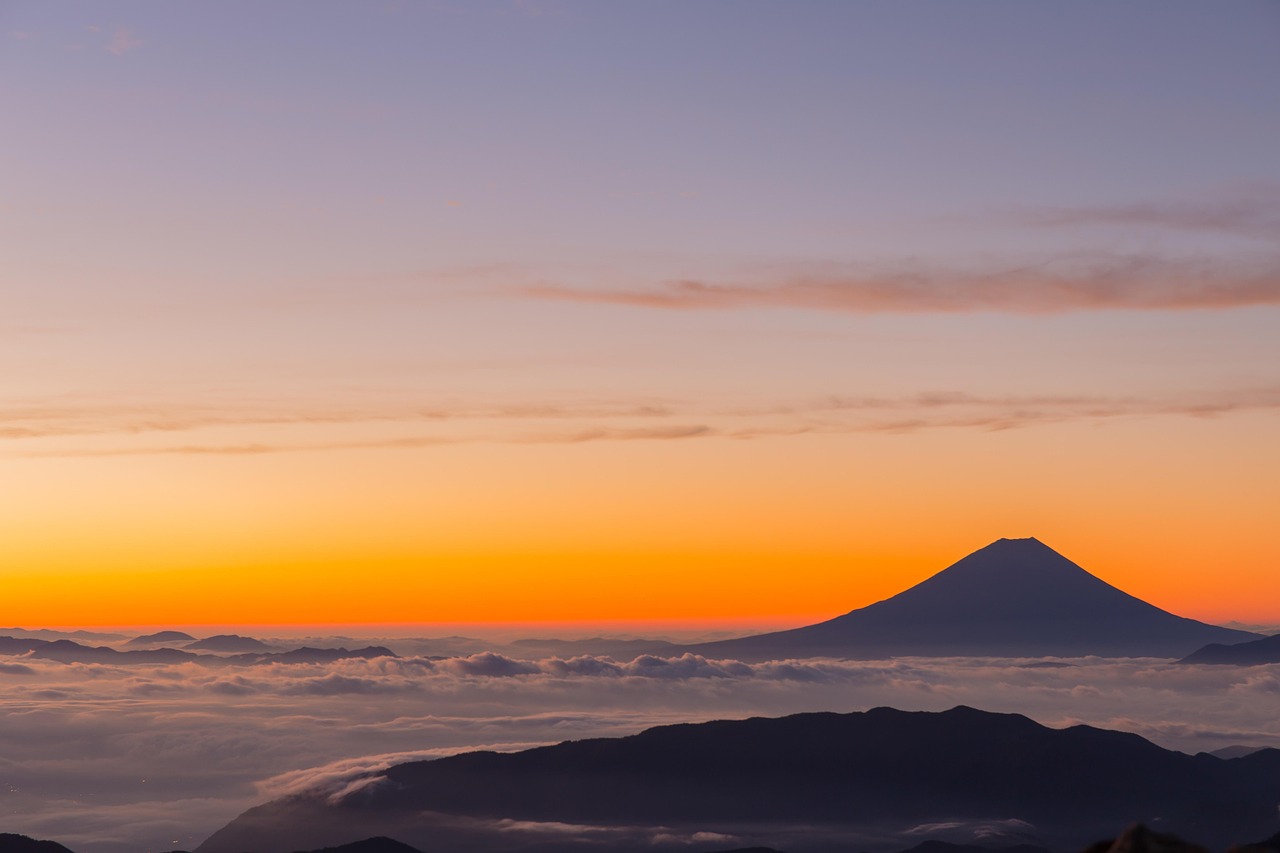
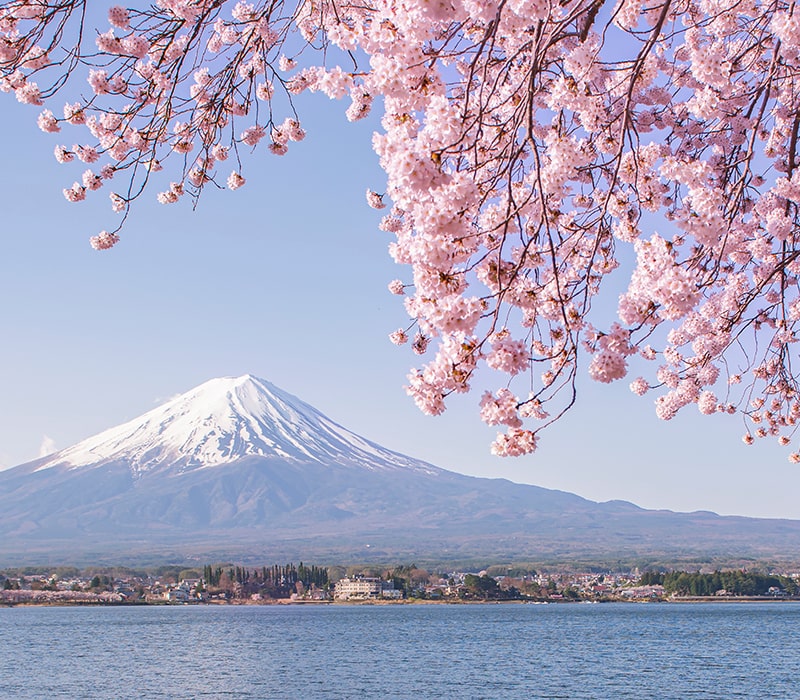
Mount Fuji landmark sunrise and a classic pagoda view across the mountain
For “Mount Fuji landmark sunrise hike luxury guide pagoda”, imagine beginning in darkness and walking steadily towards dawn. This landmark is less about conquering and more about presence—moving with expert support, listening to your body, and letting the mountain set the pace. When designed well, the day feels calm, safe, and deeply memorable.
Mount Fuji sunrise hike: season, safety, and calm expert support
A traveller once described reaching the crater rim just as the sky turned pale gold. Standing there, they felt a spiritual connection—quiet, steady, and surprisingly emotional—watching light spill across the clouds from mount fuji, japan’s highest mountain and a revered peak in japan.
If you’re planning to climb, the main season is summer in japan, when routes are most accessible. Dress in layers, take altitude seriously, and consider a private driver for the pre-dawn start so you avoid early-morning transit stress and arrive with confidence rather than fatigue. For many high-end travellers, the best “upgrade” here is simply reducing uncertainty: timing, weather checks, and clear pacing.
Pagoda viewpoint at Arakura Sengen Shrine: classic Fuji framing
For the classic viewpoint, pair the mountain with the hillside steps and viewpoint, where an iconic pagoda frames Fuji in a postcard angle that still feels intimate at first light. The best photographs are often the ones you take after you’ve stood quietly for a few minutes and actually looked.
Design a luxury Fuji day around natural beauty rather than speed: a lakeside café, unhurried viewpoints, and onsen time to recover. Instead of racing back to Tokyo, give yourself a slow afternoon—your body settles, and your memories deepen.
- Comfort: bring a lightweight down layer and gloves even in summer; summit conditions change fast.
- Culture: show quiet respect at the shrine; the atmosphere is part of the experience.
- Care: keep drones minimal and always follow local signage.
Mount Fuji is japan’s most famous silhouette, yet it’s the shifting weather—mist, clarity, wind—that makes each trip to Japan feel uniquely yours. Even without a summit climb, a well-planned viewing day can be one of the most satisfying landmark experiences on your route.
Hiroshima landmark guide: remembrance sites, reflective pacing, and an island shrine day
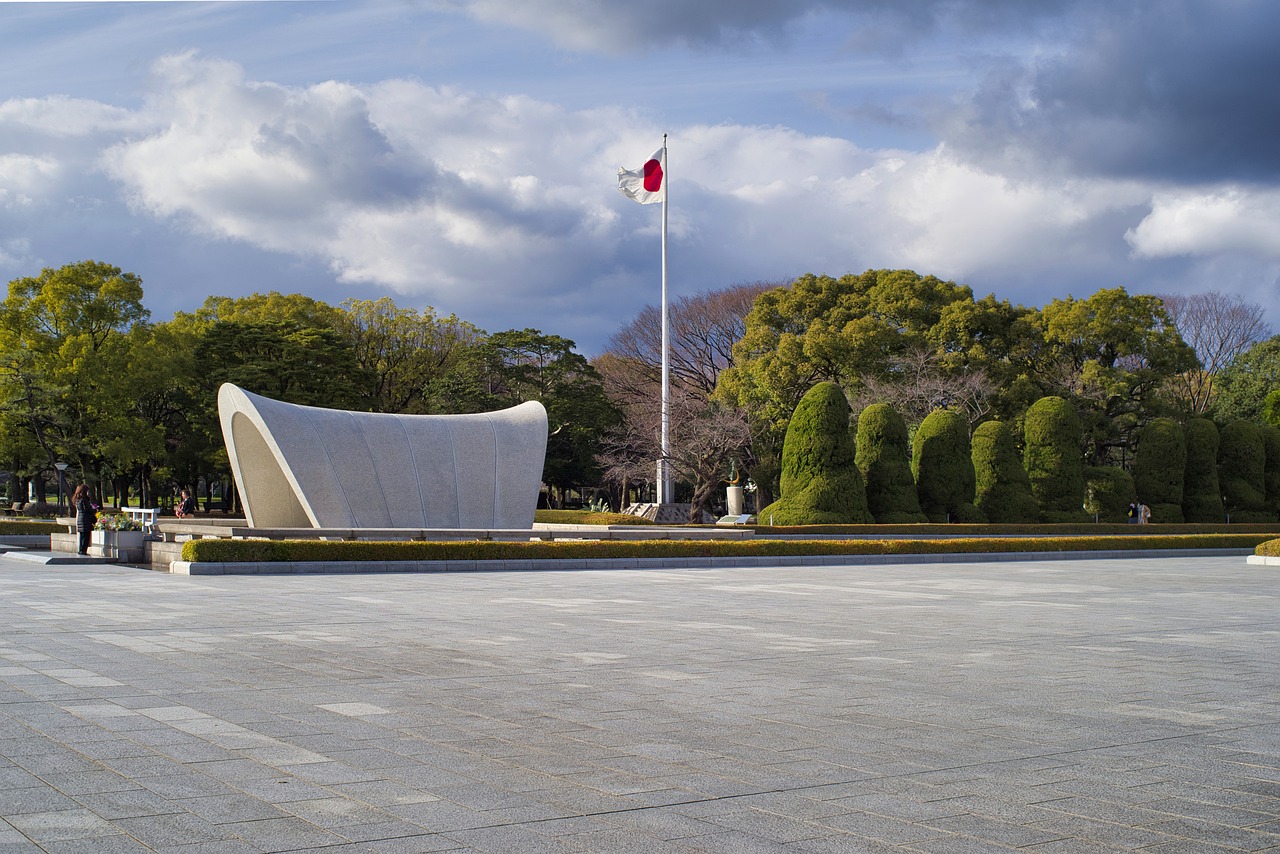
Hiroshima remembrance and a restorative sea-air shrine day nearby
For “Hiroshima landmark guide remembrance and island shrine”, the most important design element is gentleness. Hiroshima asks for your attention and your time, and it gives back something quieter—perspective, empathy, and a deepened sense of what it means to travel with care. Plan fewer stops, build in silence, and let the experience unfold at its own pace.
Hiroshima Peace Memorial Park: museum pacing, riverside reflection, and the Atomic Bomb Dome
A family once told us they spent a reflective day in the park and museum district, moving slowly and speaking softly. The emotional impact surprised them—especially when they stood before the hiroshima peace memorial (the Atomic Bomb Dome), allowing the silence to do some of the talking. This is one place where a private guide can be helpful, not to “add” more information, but to help you process it with clarity.
Include the museum, but pace it thoughtfully: plan a pause afterwards, perhaps by the river, so you can absorb rather than push on. This is one landmark where “more” is not better; a quieter schedule is the most respectful choice. A gentle dinner reservation later can also help you close the day with care.
Itsukushima Shrine: floating torii gate at high tide
Afterwards, a restorative counterpoint awaits on miyajima island, a unesco world heritage site known for a torii gate that seems to float at high tide. The revered Itsukushima Shrine—often described as itsukushima shrine on miyajima—sits at the water’s edge, where the sea air gently resets the nervous system.
For a high-end transition, coordinate ferry timing or a private transfer, then settle into a seasonal kaiseki lunch before a slow walk along the shoreline. It’s a day that holds both truth and beauty, without forcing either to compete.
- Seamless planning: travel light and keep tickets organised so the ferry feels effortless.
- Quiet confidence: Japan is designed with strong earthquake awareness; most hotels provide clear guidance—read it once, then let it go.
- Time: build in space for reflection; it’s part of the experience.
Hiroshima can be the most unforgettable landmark of all—not for spectacle, but for the way it changes the tone of the journey, gently and permanently. Many travellers find this chapter brings a deeper sense of meaning to everything that follows.
After Japan reflections: what landmark travel teaches you about pace and meaning
For “after Japan reflections on landmark travel and cultural insight”, what lingers is rarely the grandest view—though those stay with you too. It’s the smaller moments: the way your shoulders drop in a quiet shrine, the warmth of a local greeting, the feeling of being supported by a journey that was designed with care. When the pacing is right, even busy cities feel calm.
Long after you’ve left, you may remember Tokyo’s bright night as much as Kyoto’s early hush, and how easily both can belong in the same heart. A landmark can be vast and intimate at once, if you give it time and trust rather than rushing for proof. That combination—precision and softness—is often what travellers describe as the “Japan effect”.
Mount Fuji might return to you as changing light rather than a single photograph: a calm outline against a sky that refused to stay still. And Hiroshima may remain as a gentle insistence on kindness—an insight you carry home, not as heaviness, but as clarity.
Perhaps that is the gift of Japan: it doesn’t simply show you places, it quietly changes the way you notice them—until, one day, you find yourself wondering what else you might uncover when you return.
F.A.Qs: Famous landmarks in Japan
What are Japan’s most famous landmarks?
Some of the best-known landmarks include Tokyo’s classic observation tower, Meiji Shrine, an Inari shrine walk in Kyoto, Mount Fuji, the Atomic Bomb Dome at Hiroshima, and the sea-gate shrine on the island nearby. Many travellers also add Nara’s parkland with Tōdai-ji and himeji castle—often called the white heron castle and nicknamed the white heron—for a fuller sense of Japan’s history and design.
What are the 8 wonders of Japan?
There isn’t one official, universally agreed list of “8 wonders of Japan”, but travellers often use the phrase to describe a personal set of standout icons across Tokyo, Kyoto, Fuji, and beyond. A common luxury-friendly approach is to choose a balanced mix of city skylines, a shrine experience, a historic castle, a mountain or nature day, and at least one place of reflection in Hiroshima.
What are the top 3 sights in Japan?
If you want a simple trio, many people choose one Tokyo viewpoint, an Inari shrine walk in Kyoto for its torii gate pathway, and a day of remembrance in Hiroshima. This combination gives you a strong sense of modern life, spiritual tradition, and history—without needing to rush. With careful timing, each can still feel calm and personal.
What are the big 7 landmarks?
A popular “big 7” style shortlist is a Tokyo skyline viewpoint, Meiji Shrine, an Asakusa temple visit, the Kyoto Inari shrine walk, Mount Fuji, the Atomic Bomb Dome in Hiroshima, and the sea-gate shrine on the nearby island. Depending on your pace, you could swap one Tokyo or Kyoto stop for the White Heron Castle or Tōdai-ji to include a major historic structure as well.