Post Contents
- Kyoto Station Japan architecture, station building and luxury arrival as an attraction
- Inside Kyoto Station guide to Karasuma side, Hachijo side and luggage
- Kyoto Station dining, JR Kyoto Isetan department store and Porta shopping
- Kyoto Station Sky Garden top floor of the station and panoramic views
- Kyoto Station Shinkansen lines and train lines for Osaka and Kansai
- What Stayed With Me After Kyoto Station Japan personal reflections on modern Kyoto travel
- F.A.Qs: Kyoto Station Japan essentials for high-end travel
Kyoto Station Japan architecture, station building and luxury arrival as an attraction
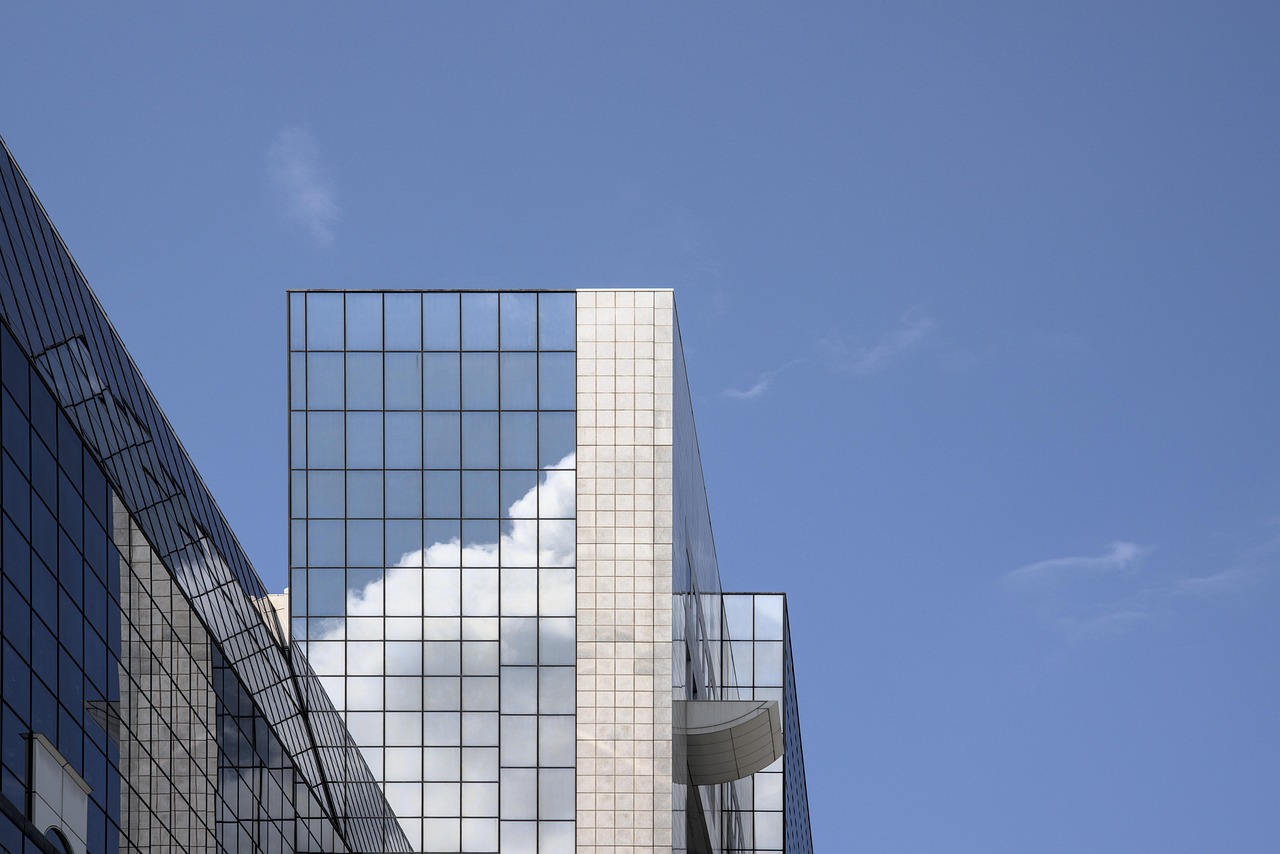
Kyoto Station as a Modern Landmark in Kyoto City
Kyoto Station Japan architecture and a station building designed for a luxury arrival can feel like an attraction in its own right, even if you only meant to pass through. Many travellers remember that first glimpse of the striking façade—futuristic, yet oddly fitting—before Kyoto’s quieter streets begin to unfold.
The story behind the design adds insight. Architect Hara Hiroshi imagined a railway station that could hold a modern city’s movement while still feeling human, with generous sightlines and a sense of welcome rather than haste. The scale is grand, yet the spaces invite you to pause, discover details, and explore rather than rush.
I still remember stepping into the vast terminal hall and feeling an immediate, reassuring clarity. The signage, the open lines of view, and the steady rhythm of arrivals create calm confidence, even during busy hours. It’s a kind of silent support—Kyoto meeting you halfway.
Practically, this station in Kyoto matters because it shapes the start of most Kyoto travel days. As the city’s primary rail gateway, it’s where station and transportation choices become effortless: trains, taxi ranks, and transfers all radiate from one place, helping you create an elegant first chapter in Kyoto City.


Inside Kyoto Station guide to Karasuma side, Hachijo side and luggage
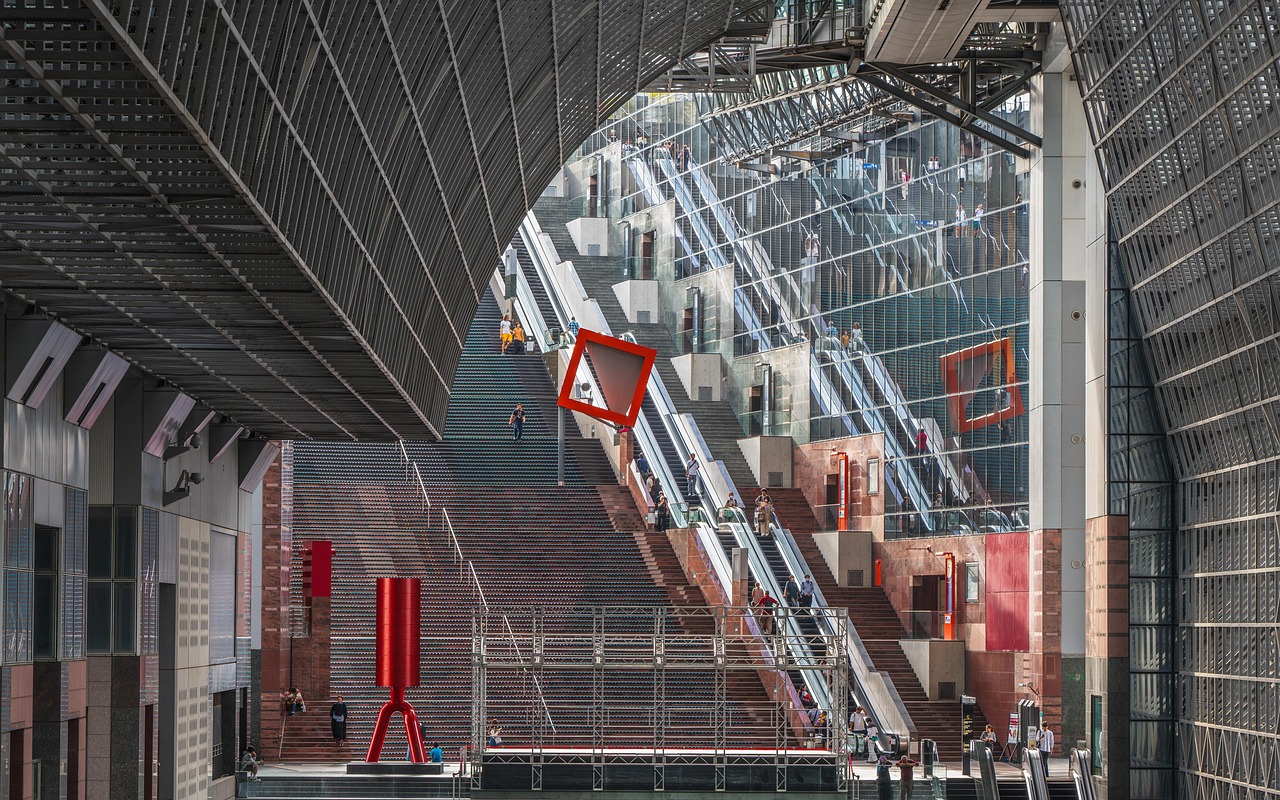
Inside Kyoto Station Navigating Karasuma Side and Hachijo Side
If you want an inside Kyoto Station guide, start by orienting yourself around the central gate area and the north and south sides. This step-by-step guide is simple: think of the Karasuma side as the city-facing front, and the Hachijo side as the sleeker, rail-focused back where many premium connections feel quicker.
Karasuma side for easy access to buses and the city
The Karasuma side is typically where you’ll emerge for downtown Kyoto and key onward transport. The bus terminal on the Karasuma side serves many routes, and the main bus terminal is located just outside the front of the station, often described as a large bus terminal in local directions. If you’re heading towards cultural districts or want a straightforward city bus departure, this is your natural exit.
Hachijo side for Shinkansen areas and hotel pick-ups
The Hachijo side is often the calmer choice for arrivals and departures by high-speed rail, and it’s where many hotel pick-up points and private transfers gather. For travellers with appointments, luggage, or a car waiting, being located on the Hachijo side can feel like an immediate upgrade in flow. You’ll also find several services located on the hachijo approach that reduce walking and decision fatigue.
For high-end ease, Kyoto Station has excellent station facilities: coin lockers, a staffed baggage counter, lifts, and clear wayfinding that supports travellers carrying luggage. When you need a quiet corner to reset, look slightly away from the main streams of foot traffic; even a two-minute detour can feel restorative. You’ll also find wi-fi and multilingual staff, which quietly reinforces trust when you’ve just arrived.
Before you head out, make time for the tourist information center and the international information center; both are especially helpful for passes, current closures, and local advice. The information center on the second floor is a practical favourite, and the second floor desks can save you from unnecessary queues later in the day.
- Best exit choice: Karasuma side for city access; Hachijo side for rail-forward connections and pick-ups.
- When to arrive: early morning or late afternoon for smoother movement and gentler light.
- Etiquette that keeps things graceful: queue patiently, keep voices low, and use designated smoking areas.
Kyoto Station dining, JR Kyoto Isetan department store and Porta shopping
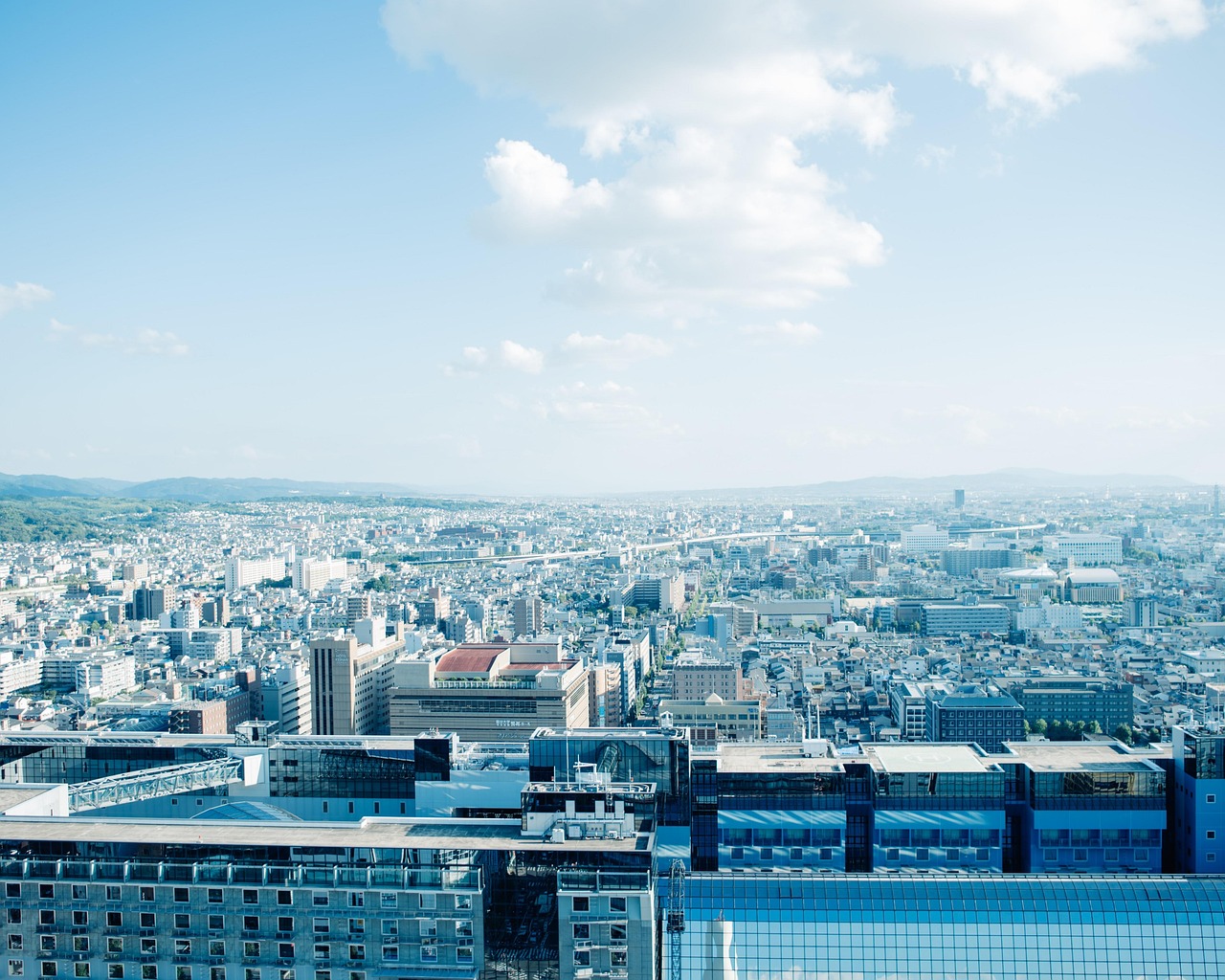
Crafted Kyoto Flavours and Designer Shopping at Kyoto Station
Kyoto Station dining and JR Kyoto Isetan department store browsing can be the most enjoyable way to slow your pace after travel, especially if you arrive before check-in. For luxury travellers, a crafted first ritual might be a kaiseki meal within Kyoto Station’s restaurants—seasonal pacing, beautiful ceramics, and service that never feels rushed.
One high-end traveller once told me their kaiseki lunch here “set the whole mood” for Kyoto—an elegant beginning that made even a simple transfer feel designed. That’s the quiet power of the station: it can help you create a sense of occasion, even between train times.
For shopping and dining with a polished, reliable feel, head to JR Kyoto Isetan. The Isetan department store experience is immaculate for designer accessories, refined beauty, and beautifully wrapped gifts, and the JR Kyoto Isetan department store concierge-style support can make decisions effortless. If you enjoy curated food halls, you’ll also uncover exceptional local sweets for the journey ahead.
Down below, Porta shopping is a comfortable, climate-controlled option for essentials and souvenirs. Think of the Porta underground shopping mall as the station’s discreet style layer: clean lines, good signage, and a single, well-organised shopping mall atmosphere that suits last-minute needs without stress.
For a more casual contrast, Kyoto ramen Koji is characterful and satisfying—ideal if you want something quick that still feels local. That balance between refined and relaxed is part of why Kyoto Station works so well for premium itineraries.
Kyoto Station Sky Garden top floor of the station and panoramic views
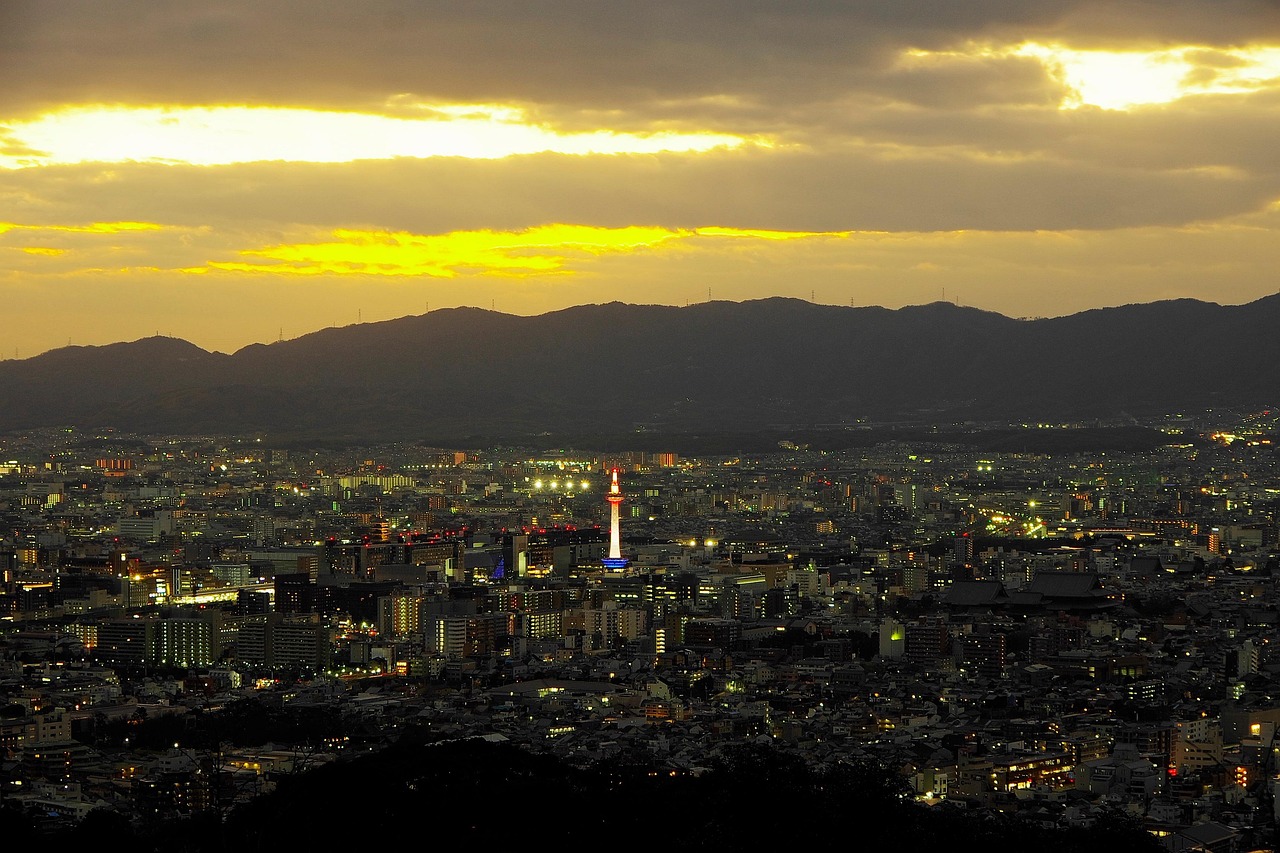
Sky Garden Serenity Above Kyoto Station
Kyoto Station Sky Garden time is one of the easiest ways to reclaim serenity after a journey, and it’s surprisingly memorable. From the top floor of the station, you can step onto the skyway and feel the pace change—less transaction, more perspective.
Skyway pauses and 45 meters above the central bustle
Here, you’re 45 meters above the central flows of the terminal, and that small distance is enough to soften the sound of the city. The design encourages a gentle circuit: walk, stop, look out, and let your thoughts catch up with you. It’s a calm, elevated pause that supports high-end travel rhythms—arrive, exhale, then head out together with renewed confidence.
Photography timing with Kyoto Tower sightlines
If you love photography, aim for early morning or late afternoon for softer light and fewer crowds. You’ll often catch Kyoto Tower in clean lines, with the surrounding ridgelines framing the city in a way that feels quietly theatrical. Bring care to how you move—Kyoto’s calm is contagious when you let it be.
A traveller once described sitting here at sunset as “watching the city lights flicker on beneath the mountains”. That moment—serene, sophisticated, personal—can become the memory you return to long after you’ve visited a temple or two.
Kyoto Station Shinkansen lines and train lines for Osaka and Kansai
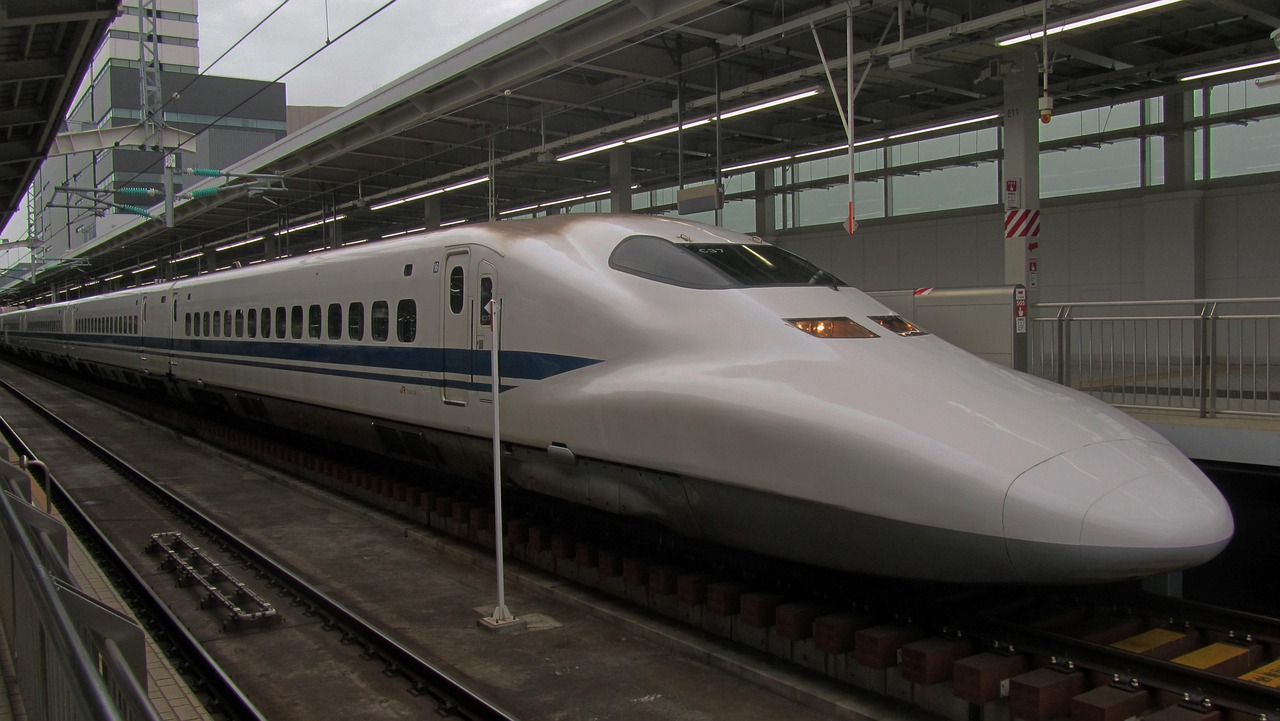
Shinkansen and Train Lines for Seamless Kyoto to Osaka and Kansai
Kyoto Station Shinkansen lines are where premium travel days become genuinely seamless, particularly if you’re connecting onwards to Osaka or further across Japan’s main corridor. The Shinkansen experience here is well-organised: follow the signs to the Shinkansen platforms, check your car number, and you’ll find the flow is designed to keep you moving with quiet confidence.
The Tokaido Shinkansen is the headline route, and it makes Kyoto to Osaka feel almost effortless on a bullet train day. If you’re planning a wider journey, you can browse inspiration in our Trip gallery and then map the smoothest connections from this one point.
JR lines, railway options and Kintetsu Kyoto Station
Beyond high-speed rail, JR lines cover an impressive range of local and regional routes from JR Kyoto Station, including the Sagano Line for Arashiyama-side explorations. For other directions, Kintetsu Kyoto Station is a key alternative, and Kintetsu railway services can be ideal depending on where your hotel or next city sits on the map. This mix of railway options is one reason Kyoto Station functions as a true transportation hub.
Getting around Kyoto by subway, Shijo Station and buses
For getting around Kyoto, the Kyoto subway connections are straightforward, with the Karasuma subway line providing a clean north–south spine. Shijo Station is a convenient downtown Kyoto anchor for shopping and dining when you want to move from modern convenience into neighbourhood charm. And if you’re heading to sightseeing areas within walking distance, there are also plenty of spots within walking distance of the station, including the reflective grounds around Toji and the beautifully resonant Toji Temple.
For airport and long-distance reassurance, Kyoto Station offers clear pathways to Kansai International Airport connections via rail, plus highway bus options for those who prefer fewer transfers. There are even overnight highway buses for certain routes, though most high-end travellers prefer the comfort and predictability of rail. You’ll also see JR West operations referenced on signage and services, which can help when you’re confirming timetables and counters.
- Best crowd strategy: travel just outside commuter peaks for more space on platforms and concourses.
- Premium comfort tip: keep a small day bag accessible so tickets, essentials and layers stay organised.
- Pass idea: consider buying a Kyoto travel pass at the station for simple, unlimited city transport on busy sightseeing days.
What Stayed With Me After Kyoto Station Japan personal reflections on modern Kyoto travel
Kyoto Station Japan stays with you in a way that isn’t quite about the trains. It’s the feeling of modern Kyoto existing alongside quieter lanes, incense-drift mornings, and days shaped by UNESCO World Heritage memories—an understated reminder that Kyoto’s identity is wider than a single era or mood.
What lingers for me is the quiet confidence of moving through a vast space with grace: queueing patiently, speaking softly, and noticing how the station seems to support you back. Even small details—light on steel, a pause on an escalator, the hush that arrives when you stop hurrying—can change the emotional texture of a journey.
I think too of transitions done well. A frequent visitor once mentioned the seamless shuttle connections from Kyoto Station to luxury ryokans, and how that short passage can feel like slipping from city design into stillness without friction. It’s a kind of care that you don’t always see, but you feel it.
Perhaps that’s why I don’t only remember where I went next. I remember how the station held everything together at the beginning—then gently let me go, leaving me curious about what I might notice next time I pass through.
F.A.Qs: Kyoto Station Japan essentials for high-end travel
F.A.Qs: Kyoto Station Japan essentials for high-end travel
What is Kyoto Station famous for?
Kyoto Station is famous for its bold contemporary architecture, its vast central atrium, and its excellent shopping and dining—from refined restaurants to the Sky Garden and skyway views. It’s also a major Shinkansen gateway, so many travellers associate it with smooth arrivals, easy transfers, and a surprisingly calming sense of scale for such a busy terminal.
What is the main station in Kyoto?
Kyoto Station is the main train station in the city, serving intercity rail, local services, and rapid links. It connects Shinkansen routes with JR services, the subway, and buses, making it the most convenient base for arrivals, departures, and day trips—especially if you want a straightforward, well-signposted starting point.
What is the famous train station in Japan?
Japan has several famous stations, and Kyoto Station is among the most recognised for design and atmosphere. Elsewhere, major names like Tokyo Station are iconic for history, while Kyoto is remembered for its modern form, generous public spaces, and the way it frames the city’s blend of contemporary life and tradition.
Is Kyoto Station area a good place to stay?
Yes, the Kyoto Station area can be an excellent place to stay for convenience and comfort, particularly if you value quick transfers, easy dining, and reliable transport. While it’s not the most traditional neighbourhood, it suits travellers who want to explore widely by rail or bus and return to a well-serviced, polished base.