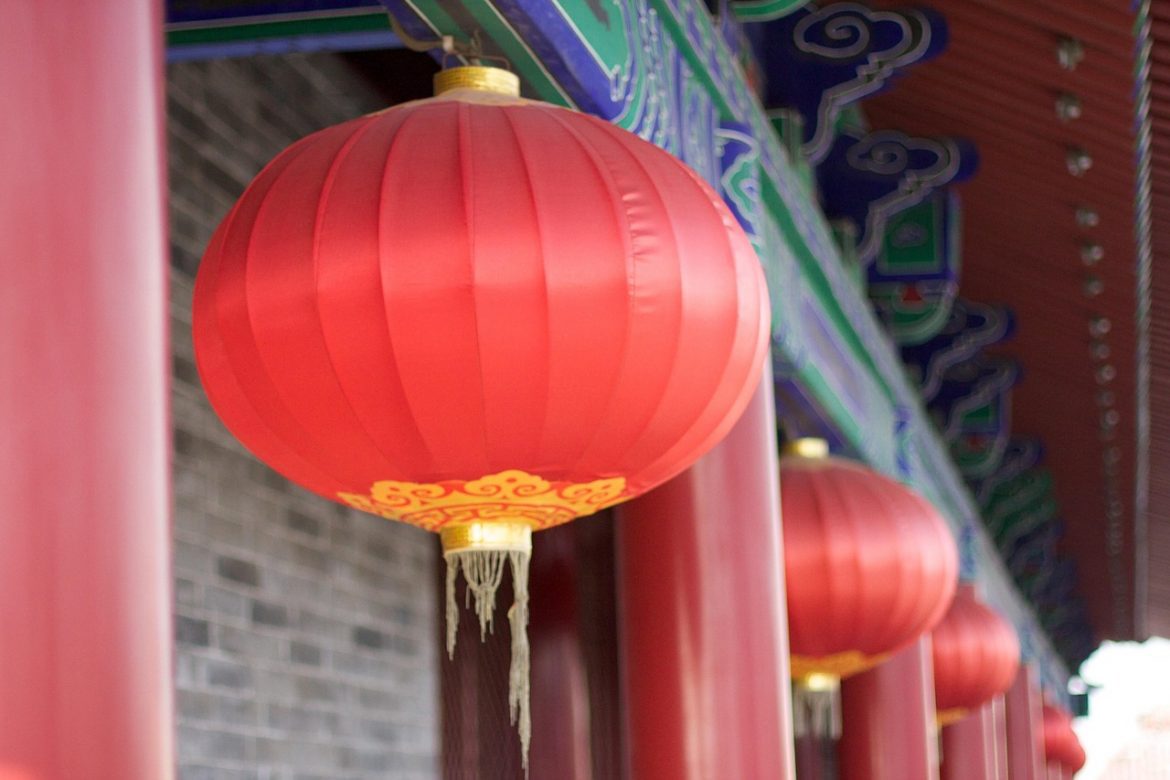
Post Contents
- First Impressions of Xi’an in China – must-see attractions across Shaanxi Province
- Terracotta Army day trip – the Qin story, Qin Shi Huang mausoleum and tomb
- Cycle the Ancient City Wall at sunset – a Ming dynasty ride above the streets
- Muslim Quarter night markets – street food lanes and the Great Mosque
- Wild Goose Pagoda and Shaanxi History Museum – Tang dynasties, Buddhist heritage, and the Silk Road
- Evening culture – Shaanxi opera and a Tang Dynasty show
- F.A.Qs: Xi’an in China
- What does this journey leave with you after you go
First Impressions of Xi’an in China – must-see attractions across Shaanxi Province
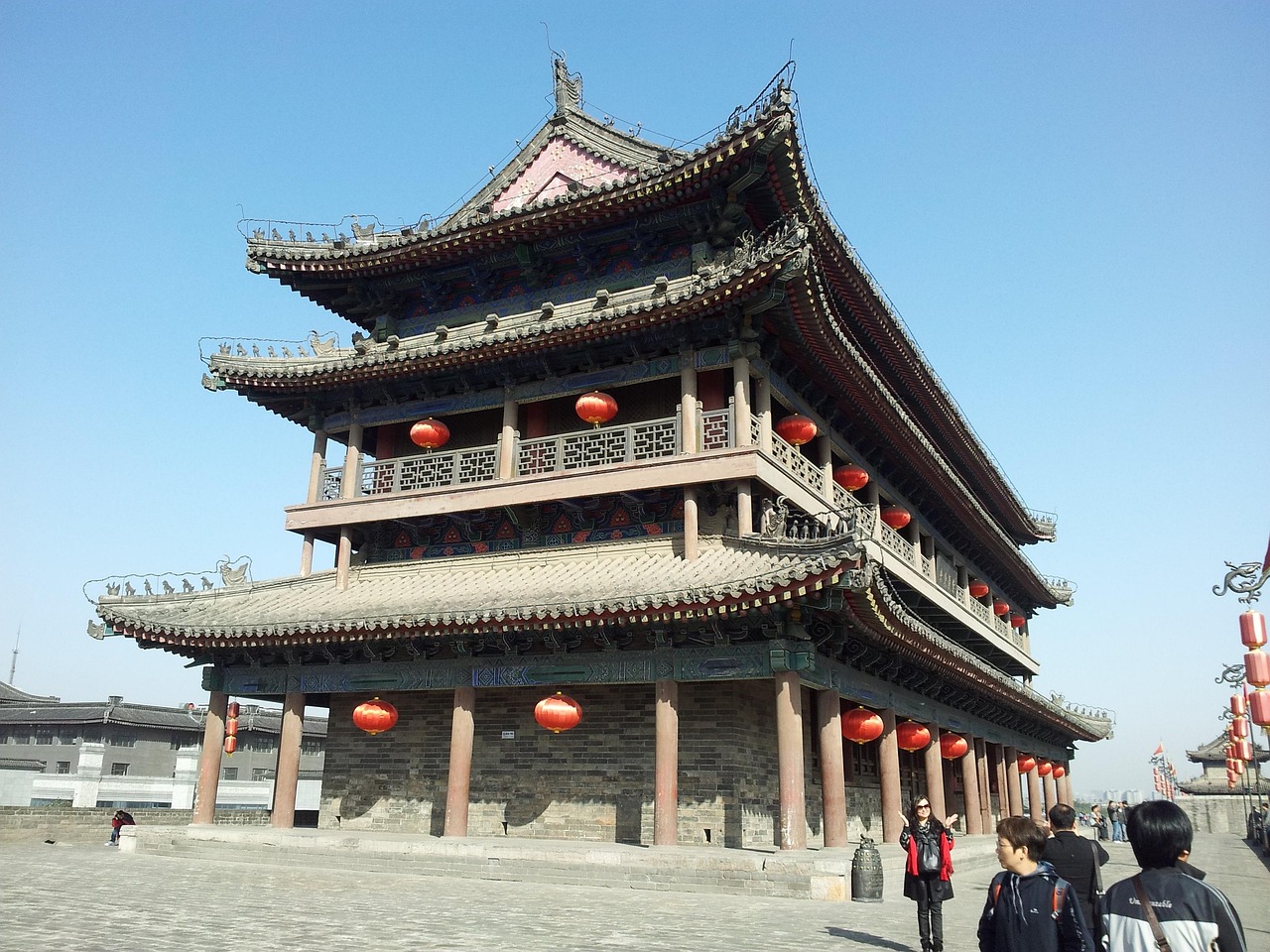
First impressions of Xi’an in China and key attractions in Shaanxi Province
Xi’an is a city that feels instantly walkable in spirit, even though it carries centuries of scale and story. If you’re planning to visit Xi’an in China, expect a destination in northern China shaped by each dynasty that ruled here, and by the trade and ideas that travelled the Silk Road when this was China’s ancient capital. Among the cities in Shaanxi Province, this one stands out for how naturally history sits alongside everyday life.
To keep your days effortless, build a simple “designer map” before you step out: the old city within the walls, the lanes around the Muslim Quarter, and the pagoda-and-museum district to the south. For many travellers, the best time to visit xi’an is spring or autumn for comfortable walking, but the city works year-round if you pace yourself. Think of it less as rushing through sights and more as curating attractions in Xi’an into a rhythm that suits you.
Neighbourhood orientation: historic centre, city wall loop, and day-trip routes
Start with the historic centre as your anchor for classic tourist attractions and easy evening wandering. The city wall loops around this heart, and the Bell Tower area helps you get your bearings quickly; it’s also one of the most photogenic places to begin on night one. To the south, temples and museums deepen your insight into ancient Chinese culture, while the east side is your launch point for the terracotta warriors day trip.
- Old city: Bell Tower views, shopping streets, and easy access to the main gates.
- City wall: go at sunrise or sunset for softer light and fewer tour groups.
- Muslim Quarter: best after dusk for peak atmosphere; go early if you prefer calmer lanes.
- Pagoda district: morning quiet at the pagoda, then museum time before lunch, crowds build.
Friendly local support, plus transport tips to get to Xi’an smoothly
Many solo travellers mention the gentle support they receive here—someone pointing out the right queue, or quietly helping you pay at a stall. A few Mandarin greetings (nǐ hǎo, xièxiè) can unlock warmer interactions and extra confidence in busy markets. If you’re deciding how to get to Xi’an, fly into Xi’an Xianyang International Airport (with Xianyang as the nearby district name) or arrive by high-speed rail at Xi’an North Railway Station; connections are also easy from hubs like Hong Kong.
For a seamless pace, keep mornings for big sites and evenings for atmosphere. Distances are manageable: the central area is walkable, the pagoda-and-museum zone is a quick taxi/metro ride, and day trips start early. Aim for two major experiences a day, then make room for a tea stop, a slow photo walk, or simply leaning on a stone and watching modern life move around an ancient city.
If you’d like visual inspiration before you plan your route, browse our Trip gallery for crafted ideas that balance comfort with adventure.


Terracotta Army day trip – the Qin story, Qin Shi Huang mausoleum and tomb
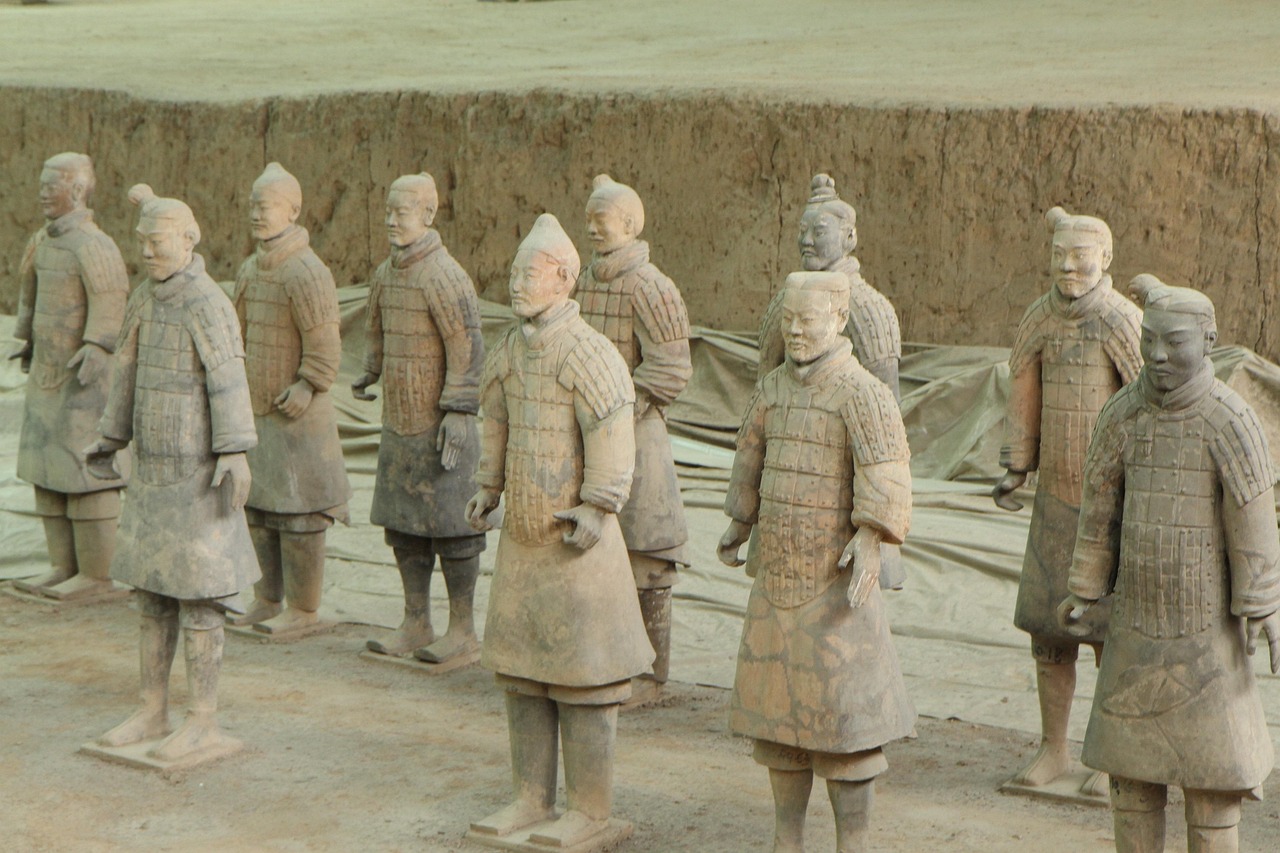
Day trip to the terracotta warriors and the Qin Shi Huang mausoleum site
When people talk about this day trip, they’re often trying to put an emotion into words. Many travellers recall the moment they first see the Terracotta Army: a hush, then a genuine sense of scale that photographs can’t prepare you for. Imagine standing above a pit where thousands of life-sized figures hold their ground, each face slightly different, each posture quietly confident.
This extraordinary relic landscape is associated with the Qin state and its first emperor, Emperor Qin Shi Huang, whose reign launched the Qin dynasty. The site was discovered in 1974 and forms part of a wider funerary complex that includes the imperial mausoleum and tomb. Today, it’s recognised as a World Heritage Site, with conservation teams treating these cultural relics with visible care.
Qin dynasty legacy: what to notice in the terracotta warriors up close
The Qin dynasty was short, but its ambition reshaped China. As you move through the pits, look closely at the armour plates, the hair knots, and the expression lines around the eyes—details that make the terracotta warriors feel startlingly personal. If you enjoy craftsmanship, pause at the restoration areas to see how fragments are stabilised and reassembled, then labelled for long-term protection.
Keep your behaviour respectful: avoid flash photography where requested, keep your voice low in crowded corridors, and follow the flow of barriers. A small act of care—standing back to give someone else their moment—often makes the room feel calmer and the experience more intimate.
Easy logistics to the foot of Lishan Mountain and timing by season
Transport is easy to arrange to suit your comfort level: a private car, an organised tour, or a public bus. The complex sits near the foot of Lishan Mountain, so the air can feel fresher than in the centre. Going early helps you enjoy Pit 1 before the mid-morning swell, then move through the galleries with more space.
Plan costs and timing with a light touch: the terracotta army ticket is around 120 RMB, and buying online can save time at the entrance. Bring water and wear comfortable shoes—there’s moderate walking, and the best moments come when you can stroll slowly rather than rush. If you’re visiting during June to August, build in shade breaks; in December to February, carry a warm layer for the open-air stretches between halls.
Cycle the Ancient City Wall at sunset – a Ming dynasty ride above the streets

Cycling the ancient city wall at sunset, built in the Ming dynasty
For an adventure seeker, a bike loop here is the kind of attraction that feels both playful and profound. The city wall dates to the Ming dynasty, built in the 14th century, and it’s remarkably complete—an ancient city wall that invites you to move through history with your own momentum. Up top, the sky opens, and the modern skyline sits beside tiled rooftops like a reminder that time can be layered rather than linear.
One traveller told me they rode at dusk and it felt “peaceful yet exhilarating”—wheels humming over stone, the light turning warm, and the city shifting from day to night below. Take it as a gentle circuit rather than a race: a steady pace, a pause for photographs, and a slow exhale as sunset colours settle.
City wall cycling tips: gates, rentals, and a relaxed route
You can enter through several gates; choose one close to your hotel so the outing stays simple. Bike rentals are available on top, and staff will guide you through the basics even if you don’t share much language. If the weather turns, don’t force it—walking a short section can still be deeply rewarding, and the ramps and steps make comfortable shoes essential.
- Short loop: ride one scenic stretch, then return the same way for an unhurried hour.
- Longer ride: aim for a half circuit so you keep energy for dinner and night markets.
- Hydration reset: pause near a watchtower for a local drink, then resume at a steady pace.
Bell Tower and Drum Tower landmarks for an easy before-and-after plan
To connect your ride to nearby icons, use the bell tower and drum tower area as your natural landmark. The Bell Tower is especially striking at night, and the Drum Tower points you towards the Muslim Quarter when you’re ready for food and atmosphere. This kind of designed route makes exploring feel crafted: movement, meaning, then a soft landing into the evening.
Muslim Quarter night markets – street food lanes and the Great Mosque
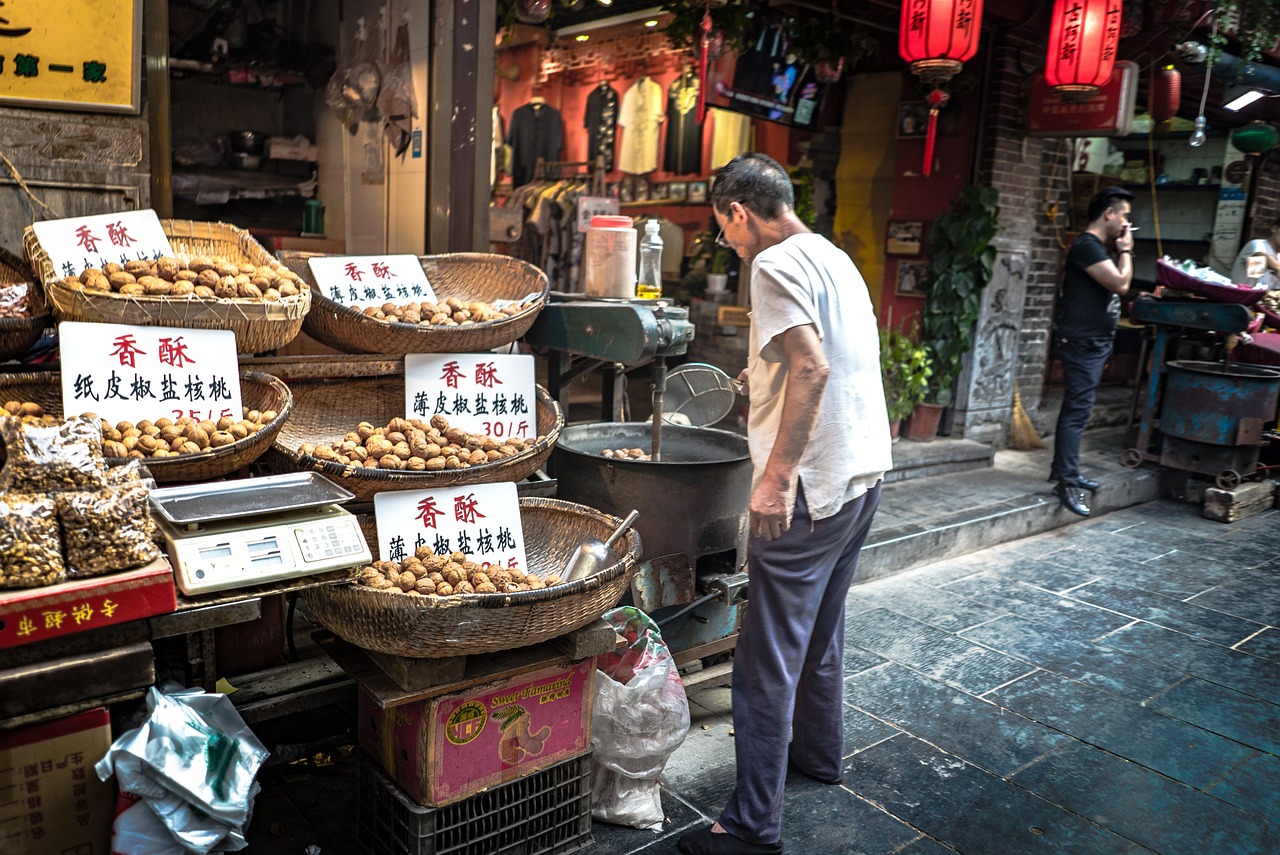
Muslim Quarter night markets and courtyards near the Great Mosque
By evening, these lanes become a sensory celebration: lantern glow, crackling grills, and spice drifting through the air. This is where Shaanxi hospitality comes to life, and where cultural enthusiasts can experience the living traditions of a historic Muslim community. It’s lively, so a little reassurance helps: keep belongings secure, stay aware at intersections, and you’ll find the crowds are more energising than intimidating.
A food lover once described it as a “sensory explosion”, where each corner offered a surprise—something sweet, something smoky, something unfamiliar but instantly comforting. The best approach is to take small bites of curiosity: order one item, share if you’re with friends, then discover your favourite stall by following what smells irresistible.
Street food favourites: roujiamo, biangbiang noodles, and rich lamb broth
Start with roujiamo (a crisp bun stuffed with savoury meat), then try biangbiang noodles—wide, satisfying ribbons that feel like the edible version of a warm embrace. If you want something soothing, look for rich lamb broth, especially welcome after a long day on foot. When ordering, a kind smile and a simple “zhège” (this one) is often enough; vendors are used to travellers and usually meet you with care.
Great Mosque visit: etiquette, courtyards, and quiet moments
The Great Mosque of Xi’an—often shortened to the great mosque—is both historic and active, founded in 742. It’s a serene counterpoint to the market lanes, with courtyards that invite slower steps and quieter voices, blending traditional Chinese architecture with Islamic design. Dress modestly, speak softly, and follow on-site guidance in prayer areas; small gestures of respect create a more personal connection to this mosque.
For ease, arrive just before peak dinner time if you want space to browse, then let the night build gradually. If a lane feels too busy, step sideways into a calmer courtyard or a parallel street—you’ll still be close to the energy, just at a pace that feels right.
Wild Goose Pagoda and Shaanxi History Museum – Tang dynasties, Buddhist heritage, and the Silk Road
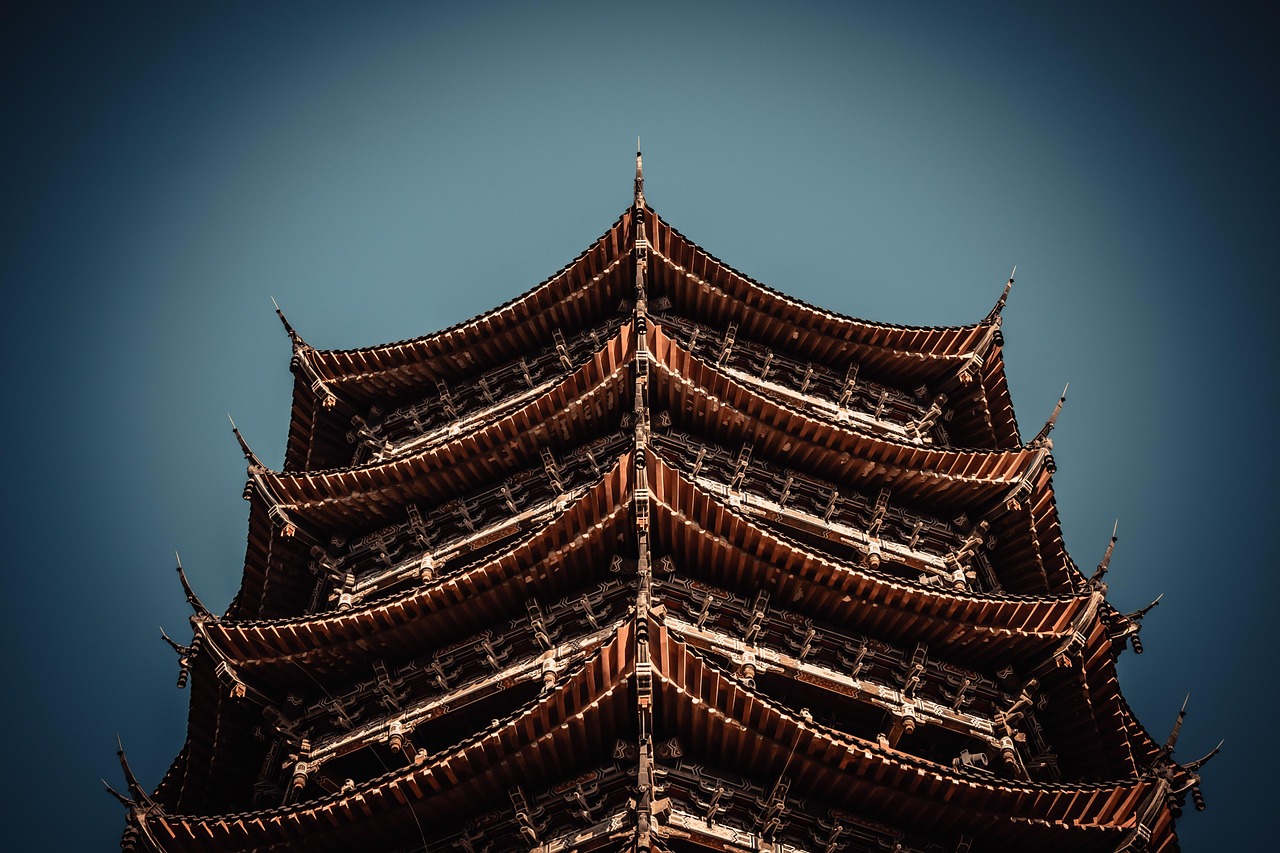
Wild Goose Pagoda and the Shaanxi History Museum, with insight into the Tang dynasty
For a calmer, more reflective day, this pairing adds real depth to your journey. The Big Wild Goose Pagoda—also known as the Giant Wild Goose Pagoda—is a beloved Buddhist landmark associated with the Tang dynasty, when this region was an ancient capital and a vibrant crossroads of the Silk Road. It’s an easy morning visit when the light is gentle, and the grounds feel spacious.
Move with a temple rhythm: slower steps, quieter voices, and a moment of stillness, even if other visitors are around you. This isn’t about perfect solitude; it’s about creating a small pocket of calm inside a shared experience.
Wild Goose Pagoda: meaning, Tang dynasty stories, and a Buddhist atmosphere
At the wild goose pagoda, you’re not just looking at bricks and symmetry—you’re stepping into a story of learning, translation, and spiritual exchange. It’s easy to see why travellers carry the feeling of incense and stone long after they leave. If you only have energy for one pagoda experience, choose the big one for the clearest insight into the Tang-era imagination.
Shaanxi History Museum highlights: from Han dynasty collections to the Qing dynasties
The Shaanxi History Museum is where the timeline becomes tangible, anchoring your understanding of Chinese history through pottery, metalwork, textiles, and court objects. Look for artefacts that carry you from the Han dynasty through later eras, including the Qing period and wider Qing dynasty collections. Exhibits also connect to the Silk Routes’ starting point, showing how objects, ideas, and aesthetics travelled together across continents.
- Go early: quieter galleries make it easier to read labels and linger.
- Choose a theme —trade, faith, or daily life—one thread that makes the visit feel personal.
- Energy check: after 2 hours, take a tea break to keep the day seamless.
If you want extra layers, add the small Wild Goose Pagoda for a gentler, less-crowded stop, or seek out a nearby former Confucian temple heritage site if time and curiosity allow. These quieter visits often become the moments you trust most in memory.
Evening culture – Shaanxi opera and a Tang Dynasty show
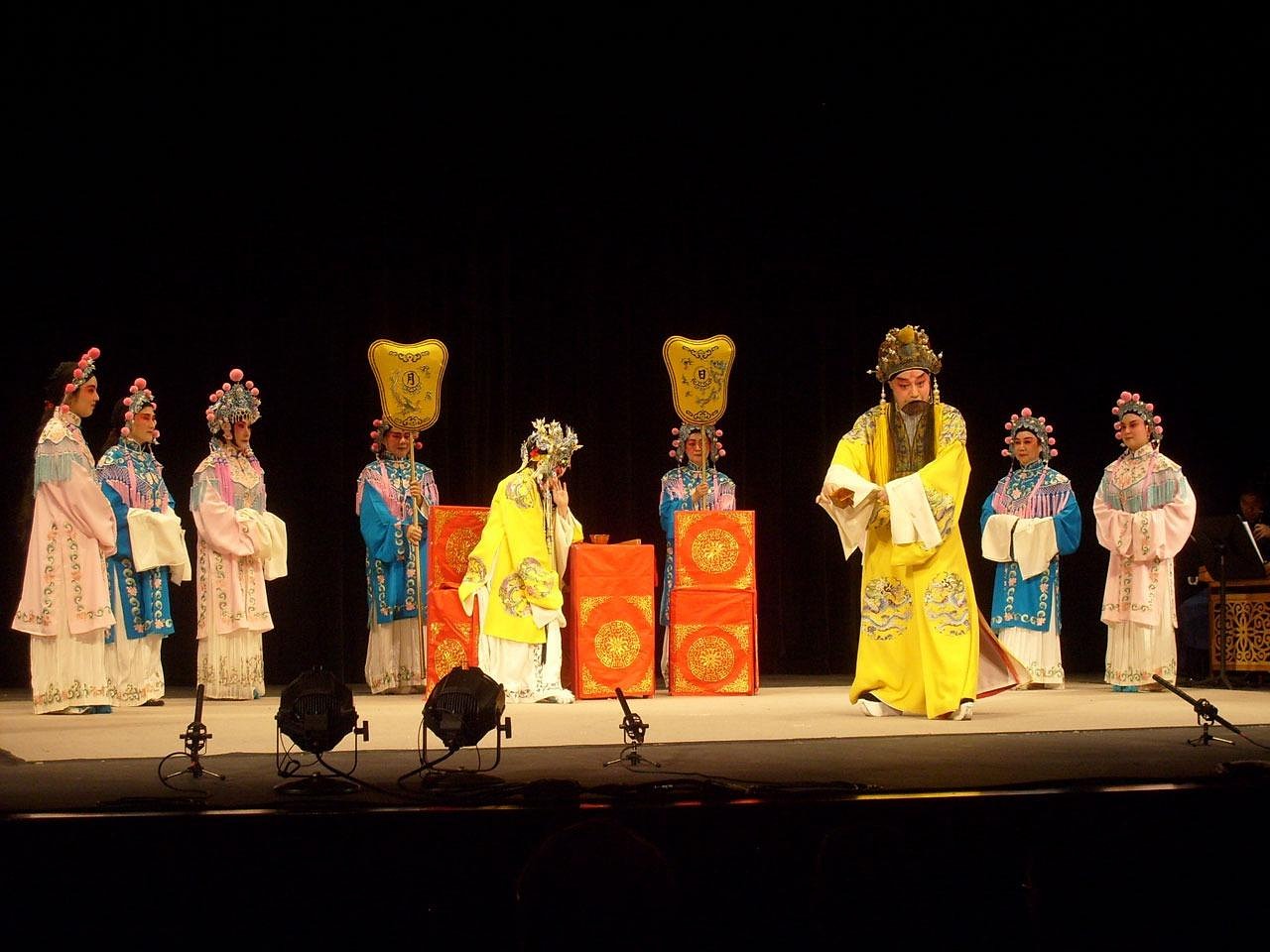
Evening culture with Shaanxi opera and a Tang Dynasty show
When you’re ready to trade daylight for drama, an evening performance offers an inspiring choice. Shaanxi opera and dance productions turn history into emotion: colour, percussion, storytelling, and the sense that a dynasty is not just dates but a lived experience. Many visitors describe how a Tang-era programme makes the past feel vividly present, as if the court steps closer for a single evening.
To design the night so it feels seamless, think in three parts: dinner nearby, the show, then an easy return. “Good seats” usually means central views rather than the front row—enough distance to take in full choreography, facial expressions, and the sweep of instruments.
Evening planning: tickets, dinner, and a stress-free return
Book tickets in advance if you’re travelling in peak seasons (spring and autumn), and confirm the venue location in your map app. A local SIM and WeChat can help with navigation and communication, and your hotel can also write down the venue name in Chinese for added confidence.
If you’re travelling solo, keep your return simple: choose a reputable taxi or app ride, carry your hotel card, and stay on well-lit streets. Travellers often note how locals step in with practical warmth—pointing to the right entrance, helping you find your seat, or checking you’re headed the right way.
Tang dynasty style: costume, music, and storytelling details to notice
Whether you choose opera or dance, you’ll notice echoes of the Tang dynasties in the styling: bold colour contrasts, flowing sleeves, and storytelling that once entertained a cosmopolitan court. Consider creating a small cultural ritual for yourself—one melody to remember, one colour to sketch in your journal, one line of poetry to carry home. It’s a gentle way to let the night become part of you, not just part of the itinerary.
F.A.Qs: Xi’an in China
What is Xian famous for?
Xian (Xi’an) is famous as China’s ancient capital and for the famous terracotta warriors linked to Qin Shi Huang and the wider Qin funerary complex. It’s also well known for the city wall, the Bell Tower area, and the lively Muslim Quarter night markets, where local flavours and everyday culture are part of the experience.
What does Xi’an mean in China?
The name Xi’an is often explained as meaning “Western Peace”. Beyond the literal meaning, the city’s identity is tied to centuries of dynasty change in Shaanxi Province and its role on the Silk Road as a historic centre of governance, learning, and exchange.
What language is spoken in Xi’an?
Mandarin Chinese is the main language spoken here, with a local Shaanxi accent that you may notice in conversation. In hotels and larger attraction areas, some staff speak English, but learning a few basic Mandarin greetings can help you connect more warmly and navigate markets with confidence.
Is Xi’an really worth visiting?
Yes—this province’s capital is one of the most rewarding stops for travellers who love culture and story. From the Qin-era mausoleum complex to cycling the wall at sunset, you’ll find experiences that feel iconic yet personal, with enough comfort and local support to make exploring smooth.
What does this journey leave with you after you go
Long after you’ve closed your suitcase, this trip tends to return in quiet fragments. You might remember the feel of stone underfoot on the city wall, or the way incense drifted near a Buddhist site as morning light softened the edges of the day. Perhaps it’s the market voices that linger, not loud in memory, but softened—like a familiar song heard from another room.
What often changes is something internal: a steadier confidence in meeting unfamiliar places, and a gentler trust in your own pace. Xi’an is one of those rare destinations that offers history and adventure together without demanding you rush, letting you decide how close to stand, how long to linger, and how deeply to look.
There’s also the human thread—small kindnesses that made you feel safe and welcome. A passer-by guiding you through a crowded lane, a vendor smiling as you try a new flavour, a staff member patiently pointing to the right gate. These are the moments that stay when the photos fade, and they give the city its warmth.
In the end, it’s not just a checklist of things to do in Xi’an or a greatest-hits guide to attractions in Xi’an; it’s a place that leaves you listening differently—to stories, to people, and to your own curiosity. After walking alongside layers of Shaanxi history, you may find yourself quietly wondering what other pasts are waiting to be met with the same care.