Post Contents
- Why Nijo Castle Matters in Kyoto for Shogun History and UNESCO World Heritage Site Shogun Tokugawa Ieyasu
- Explore Ninomaru Palace and the Ninomaru-goten Palace Nijo-jo Castle Kyoto Edo Period with Palace Craft
- Gardens in Kyoto That Slow Time at Nijo Castle Gardens Kyoto Ninomaru Garden Tea House Matcha
- Honmaru Palace, Defences and the Castle in Kyoto Story with Honmaru Palace Nijo Castle Kyoto Moat Karamon Gate
- Cherry Blossoms, Autumn Festivals and Night Illuminations at Nijo Castle Kyoto Cherry Blossoms Illumination Autumn Foliage Festival
- Plan a Seamless Visit from Kyoto Station to Nijojo mae with Tozai Line to Nijojo-mae Station Tickets and Closed Days
- What Stayed With Me After Nijo Castle Kyoto Reflection Nightingale Floors Personal Insight
- F.A.Qs: Nijo Castle Kyoto Japan
Why Nijo Castle Matters in Kyoto for Shogun History and UNESCO World Heritage Site Shogun Tokugawa Ieyasu
Why Nijo Castle Matters in Kyoto for Shogun History and UNESCO World Heritage Site Shogun Tokugawa Ieyasu
Nijo Castle Kyoto world heritage site shogun Tokugawa Ieyasu is more than a searchable phrase—it’s the reason this place lands so strongly, even for seasoned Kyoto travel. Recognised as a UNESCO world heritage site in 1994, the castle became a global reference point for Japan’s feudal craft, power and wealth, and the design language that supported it. You feel it before you read a single sign: measured space, strong lines, and a hush that asks you to slow down.
The castle was built in 1603 as the Kyoto residence of Tokugawa Ieyasu, the first Tokugawa shogun. This was a residence and office in the most political city in Japan, and—crucially—the office of the shogun when Kyoto needed reminding where authority sat. Later, Nijo Castle was used across the Tokugawa era and eventually donated to the city, which is part of why it feels so carefully looked after today.
Nijo-jo Castle orientation for curious adventurers
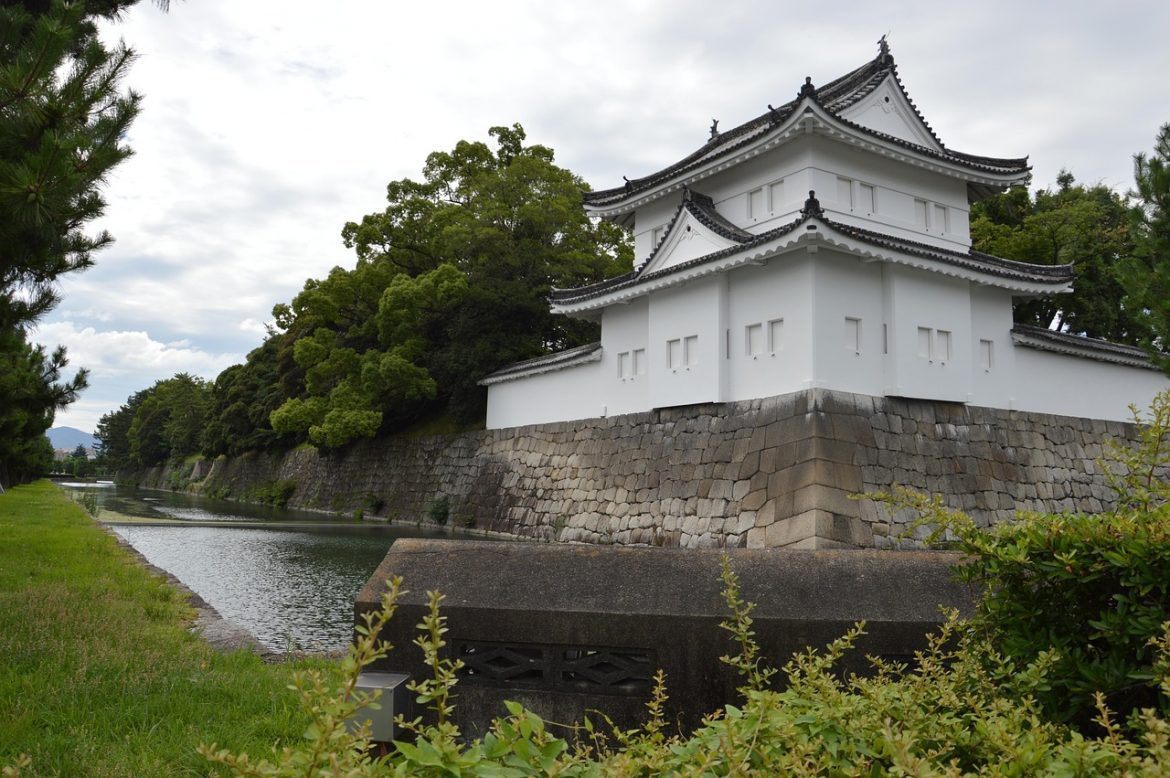
Think of the castle complex as a set of purposeful thresholds. You approach the karamon gate, then notice the stone walls and the moat, each element shaping how you move and what you can see. The castle grounds unfold in layers: a main circle of defence that guides first impressions, then a secondary circle of defense that deepens the sense of controlled access and quiet theatre.
Warlords, the shogunate, and the fall of the shogunate
If you enjoy big-history stakes, this castle in Kyoto connects the ambitions of warlords to the long Tokugawa shogunate—and, later, to the fall of the shogunate and the Meiji Restoration. It’s one thing to read about shifting regimes; it’s another to stand in the same geometry that once staged them. Many visitors to Nijo Castle describe a first feeling of quiet awe—before they even cross the first threshold—because the place holds authority without needing to announce it.


Explore Ninomaru Palace and the Ninomaru-goten Palace Nijo-jo Castle Kyoto Edo Period with Palace Craft
Explore Ninomaru Palace and the Ninomaru-goten Palace Nijo-jo Castle Kyoto Edo Period with Palace Craft
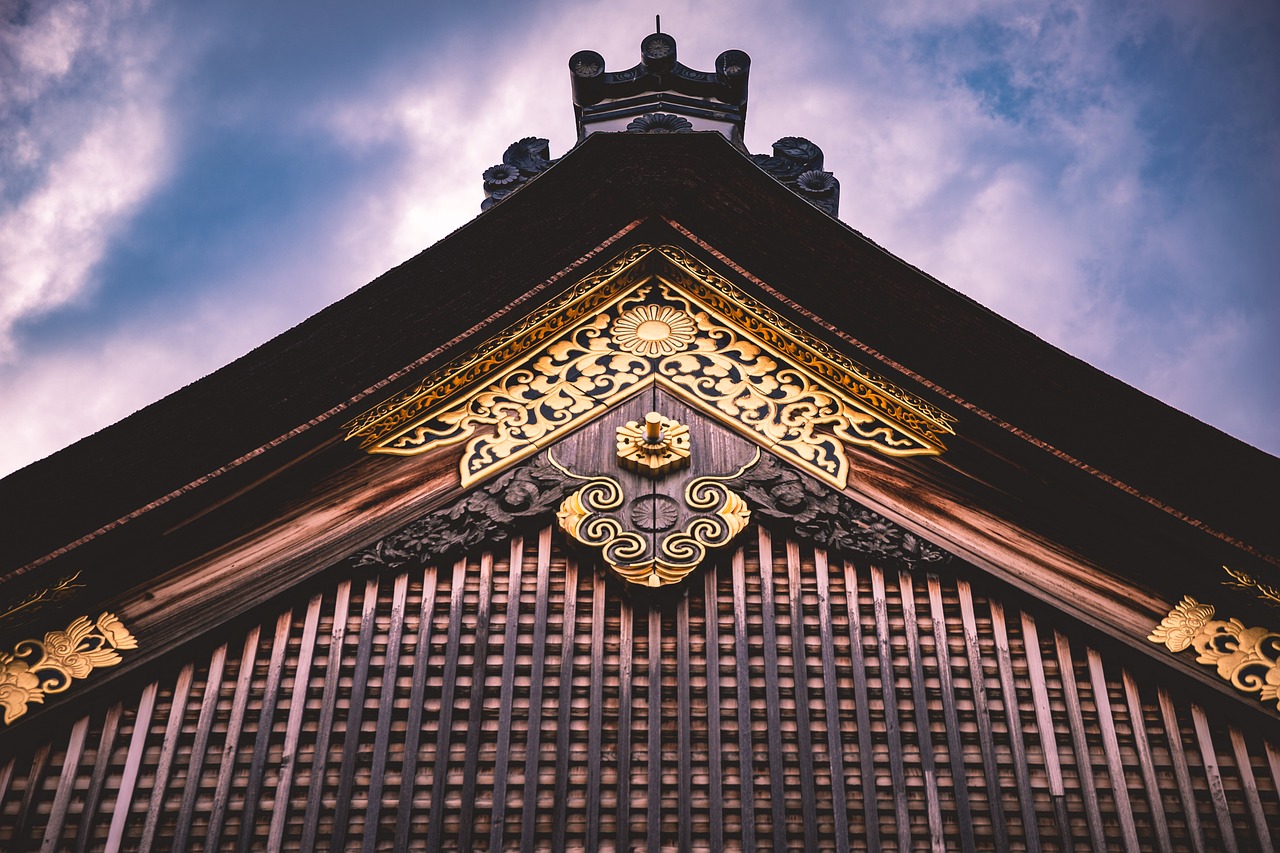
Ninomaru Palace Ninomaru-goten Palace Nijo-jo Castle Kyoto Edo period is the heart of the visitor experience, and it’s beautifully preserved in a way that feels intimate rather than museum-stiff. The architecture reads as crafted authority: elegant, controlled, and designed to guide behaviour. As you step in, you’ll sense how the palace held meetings and ceremony, with space doing as much “speaking” as any official.
The famous “nightingale floors” moment
There’s a moment almost everyone remembers: the soft chirp underfoot as you move along the corridor. Those nightingale floors were a practical security idea—sound as an early warning—and today they create a personal connection to history through your senses. You’re not just looking; you’re listening, and the castle answers.
Paintings, tatami, and the quiet grandeur of palace rooms
Inside, the palace rooms open as adjoining rooms, arranged for procession and protocol. You’ll pass tatami mats, notice the ceiling details, and realise how the proportions make everything feel calm yet unmistakably grand. A traveller once told me they were genuinely stunned by the intricate paintings—centuries of discipline and imagination held in colour and line.
Look for painted sliding doors and fusuma that frame seasonal motifs and symbolic animals, alongside decorative panels and fine carving that catches light at different angles. It’s the kind of artistry that rewards a slower pace, especially if you enjoy uncovering details others miss.
Practical care makes the visit smoother. There is no photography in certain palace interiors, and the rules are clearly signposted—please follow them with trust. As a gentle etiquette cue: remove hats, speak softly, and keep your steps considered; it supports everyone’s experience and protects these fragile surfaces.
Gardens in Kyoto That Slow Time at Nijo Castle Gardens Kyoto Ninomaru Garden Tea House Matcha
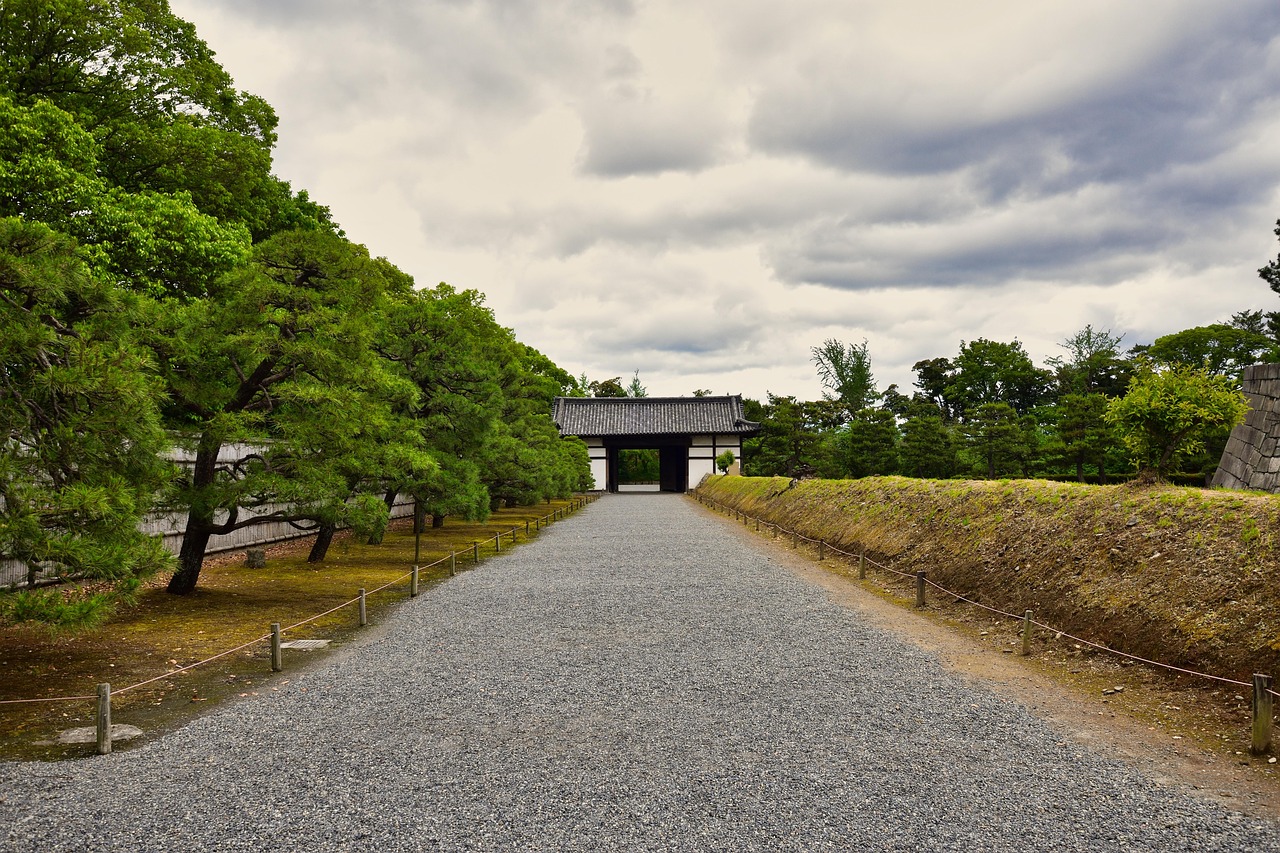
Gardens in Kyoto That Slow Time at Nijo Castle Gardens Kyoto Ninomaru Garden Tea House Matcha
Nijo Castle gardens Kyoto ninomaru garden tea house matcha is where the day exhales. After the palace, stepping outside feels like opening a screen door into fresh air and colour. The traditional Japanese landscape garden here is built on gentle contrasts—tranquil ponds, tree-lined paths, and viewpoints that appear just as you think you’ve seen it all.
A seamless first-timer route from palace to open air
For a seamless flow, exit the palace and follow the natural pull towards the Ninomaru Garden first. You’ll get the classic “palace-to-pond” perspective that helps you understand how architecture and nature were designed to work together. It’s an easy route for first-time visitors, and it creates a rhythm that supports both photography and quiet observation.
Seasonal colour, plum orchard, and tea-house calm
One adventurer I met described their most peaceful Kyoto moment here: sitting in a tea house, sipping matcha while autumn foliage glowed beyond the eaves. In spring, cherry blossoms and plum become the headline, and there’s a plum orchard atmosphere that feels both festive and intimate—soft petals against dark timber and stone.
Autumn light changes hour by hour, making the garden feel newly created each time you turn a corner. Build extra time for viewpoints, small exhibitions, and restorative pauses; slow travel isn’t laziness here, it’s how you let the place speak.
Honmaru Palace, Defences and the Castle in Kyoto Story with Honmaru Palace Nijo Castle Kyoto Moat Karamon Gate
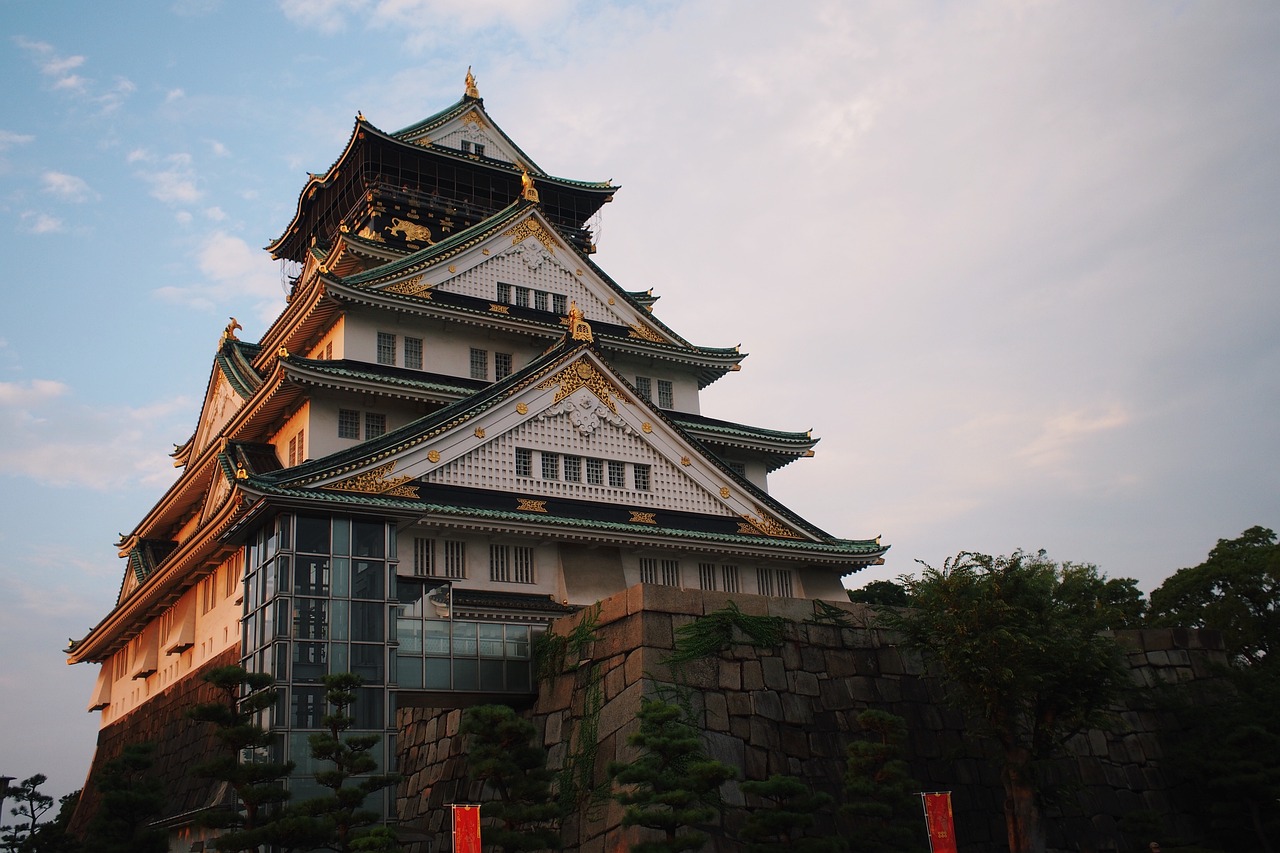
Honmaru Palace, Defences and the Castle in Kyoto Story with Honmaru Palace Nijo Castle Kyoto Moat Karamon Gate
Honmaru Palace Nijo Castle Kyoto moat karamon gate castle in Kyoto brings the site’s strategic logic into focus. In plain language, honmaru and ninomaru are layered power: the outer spaces manage ceremony, while the inner stronghold was designed for control and security. The Honmaru Palace area can be closed to the public at times, so treat it as a bonus rather than a guarantee and you’ll keep your day relaxed.
Defensive features that make sense on the ground
Even if you’re here for culture, adventure seekers appreciate how defence becomes physical: angles, height, and visibility. Walk slowly and look back—sightlines explain why this castle is one of Kyoto’s most strategic places, and why leaders chose it as a statement as much as a shelter. The calm you feel now was once carefully engineered.
1626, Iemitsu, and a political stage
History sharpens when you attach it to moments: in 1626, the shogun Iemitsu (Tokugawa Iemitsu) used this setting as Kyoto’s political stage, a reminder of who could arrive in splendour and who had to receive. That context helps you read the rooms and gardens as more than beauty—they’re also a language of authority.
To design your own route, choose one of two approaches:
- Fast loop: prioritise Ninomaru Palace, the main garden viewpoints, and a brief walk along key walls before moving on.
- Deeper exploration: add quieter corners, exhibitions, and extra time to sit, sketch, or simply watch the light shift.
If you’re doing a wider Kansai circuit, it’s worth comparing this measured elegance with Osaka, where the scale and storytelling feel bolder and more overtly militarised. Together, they offer insight into how different places project power.
Cherry Blossoms, Autumn Festivals and Night Illuminations at Nijo Castle Kyoto Cherry Blossoms Illumination Autumn Foliage Festival
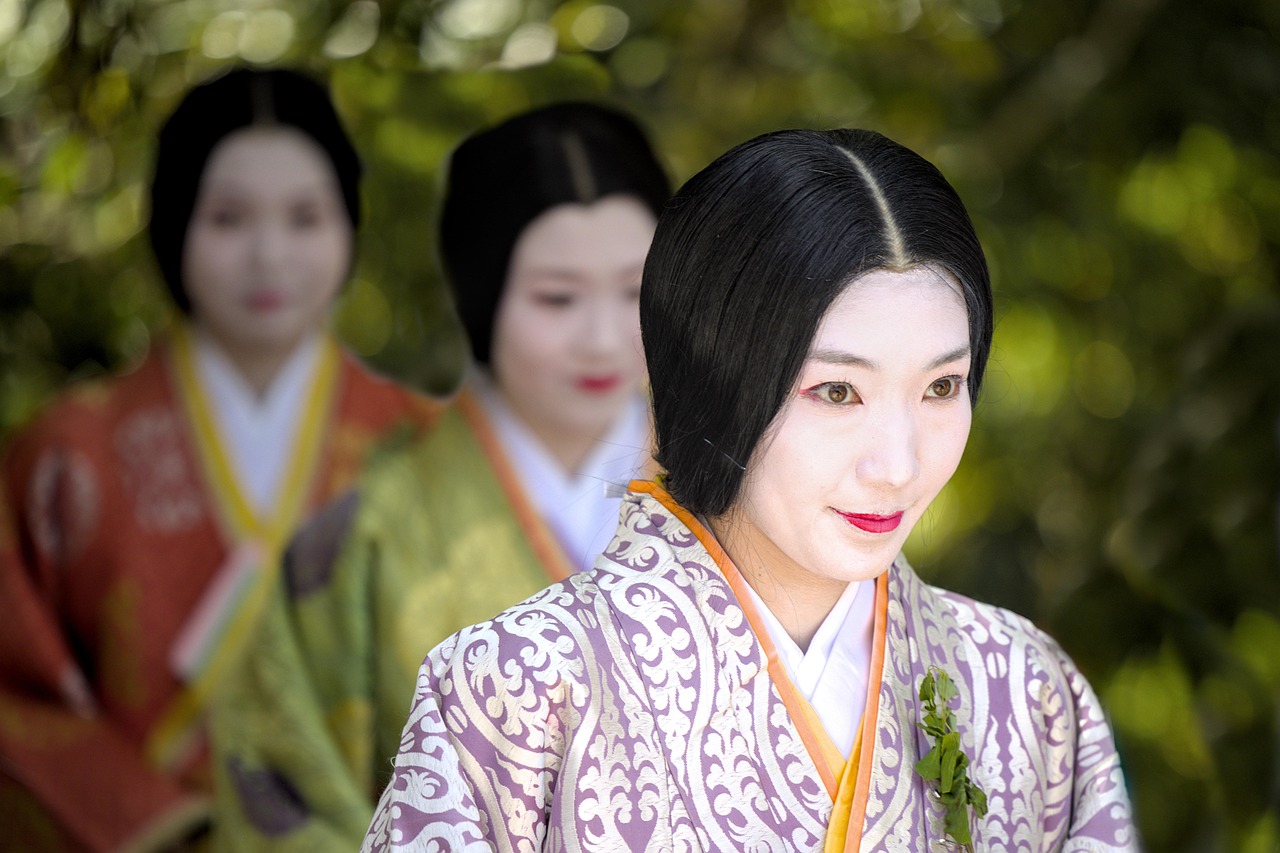
Cherry Blossoms, Autumn Festivals and Night Illuminations at Nijo Castle Kyoto Cherry Blossoms Illumination Autumn Foliage Festival
Nijo Castle Kyoto cherry blossoms illumination autumn foliage festival is the seasonal layer that can transform a refined daytime visit into something almost cinematic. In spring, the annual cherry blossom illumination highlights silhouettes and reflections; in autumn, foliage festivals deepen the reds and golds against dark rooflines. If you enjoy atmosphere as much as facts, these evenings let you imagine the castle as both theatre and sanctuary.
How to beat the crowds with calm confidence
To beat the crowds, aim for weekday entry and arrive early; weekends can feel compressed, especially in peak seasons. On a national holiday, expect longer ticket lines and slower movement through popular viewpoints—build more time than you think you need, and you’ll keep the experience spacious. Managed security and clear lighting make evening events feel safe, but your comfort matters too: wear shoes that support steady walking and keep a gentle pace.
One of the warm surprises at Nijo Castle is how often a local guide adds depth with small folklore and “hidden” castle stories. Travellers frequently mention the care in these conversations—less performance, more human sharing—and it builds trust in what you’re hearing. Lantern-lit paths set against quiet garden shadows create sensory contrasts that make the whole place feel newly alive.
Plan a Seamless Visit from Kyoto Station to Nijojo mae with Tozai Line to Nijojo-mae Station Tickets and Closed Days
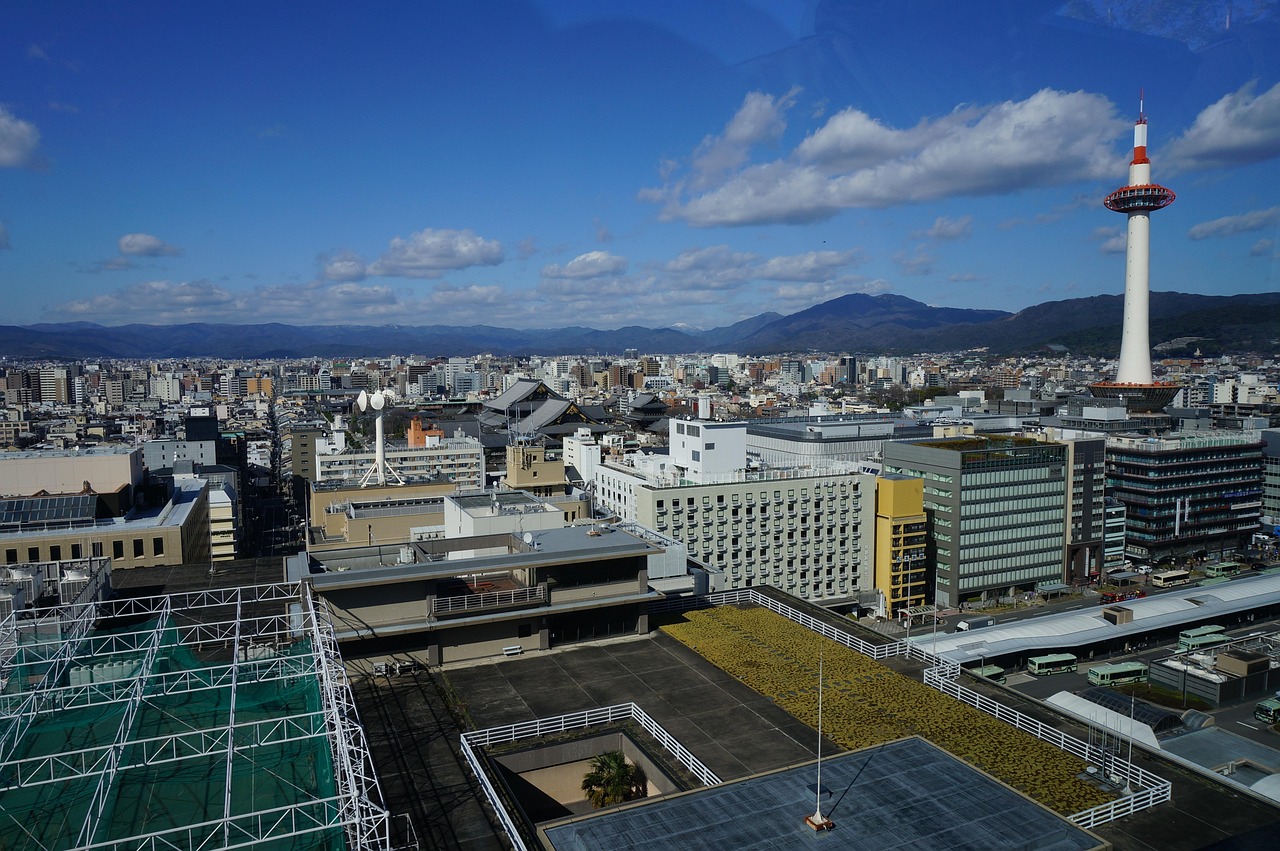
Plan a Seamless Visit from Kyoto Station to Nijojo mae with Tozai Line to Nijojo-mae Station Tickets and Closed Days
Kyoto Station to Nijo Castle Tozai Line to Nijojo-mae Station Karasuma-Oike Station tickets are straightforward once you see the map. From Kyoto Station, connect into the subway network and take the line to nijojo-mae station on the Tozai Line; the walk from the station to the entrance is short and simple. If you’re transferring, Karasuma-Oike Station is a common pivot point, and you can take the Karasuma subway line to link routes smoothly.
Tickets, value, and English audio guides
Entry is modest—around 1,000 yen—with discounted rates for children and seniors, which makes this world-class cultural site feel remarkably good value. If you want expert-level context without committing to a scheduled tour, consider the english audio guides; they help you read symbols and room sequences that might otherwise blur together. For convenience, some travellers use Klook for tickets or tours, especially during peak illumination seasons.
Closed days, etiquette, and where to stay nearby
Plan around closed days so your schedule stays stress-free. The key seasonal closure is December 26 to January 3, and there can be additional routine closures or maintenance days—check the official calendar close to your date for confidence. Inside, respect quiet zones, follow “no photography” signs, and move carefully on historic surfaces; it’s simple care that protects the experience for everyone.
To make the day feel more personal, consider:
- A ryokan stay for deeper cultural immersion and a gentler morning rhythm.
- A hotel near the castle for early entry and an unhurried start.
- An add-on walk towards the Kyoto Imperial Palace area, where the imperial residence atmosphere offers a complementary sense of Japan’s layered leadership.
If you’d like to browse higher-end itineraries that weave Kyoto into a wider journey, you can explore our Trip gallery and create a route that feels truly yours.
What Stayed With Me After Nijo Castle Kyoto Reflection Nightingale Floors Personal Insight
Nijo Castle Kyoto reflection nightingale floors personal insight is difficult to explain until you’ve felt it yourself. Long after leaving Kyoto, I still remember the sound underfoot and the particular hush of the palace—how it asked for quieter breathing, slower steps, and a softer voice. It wasn’t reverence demanded; it was reverence invited.
What stayed with me most was the way power and beauty can share the same space without contradiction. The crafted authority of the rooms sits beside living gardens that keep changing, season after season, and that contrast gently shifts how you understand place. You stop thinking of history as distant, and start recognising it as something shaped by hands, materials, and choices.
There is also a human thread that lingers: local stories exchanged without hurry, shared silence in a corridor, and the steady care you can feel when a site is well protected. It leaves you with calm confidence—not just that you’ve seen something important, but that you’ve been held by it for a while.
And sometimes, on an ordinary day back home, you can almost hear that small chirp again—like Kyoto waiting patiently for another season to show you a different version of yourself.
F.A.Qs: Nijo Castle Kyoto Japan
F.A.Qs: Nijo Castle Kyoto Japan
What is Nijo Castle famous for?
Nijo Castle is famous for the Ninomaru Palace and its exquisite interiors, including masterful wall art and beautifully preserved architecture, as well as the distinctive floors designed to sound when walked upon. It’s also celebrated for its gardens and for representing shogun authority in Kyoto.
Is it worth it to see Nijo Castle?
Yes—especially if you enjoy culture with atmosphere. The palace spaces feel intimate yet powerful, and the gardens offer a restorative pause that balances a busier Kyoto itinerary. Even for travellers short on time, the sense of craftsmanship and history is immediate and memorable.
Is Nijo Castle free entry?
No. Entry is paid, with tickets typically costing around 1,000 yen, and discounted rates are often available for children and seniors. Some special exhibitions or evening illuminations may require an additional ticket, so it’s worth checking current options before you visit.
Did the shogun live in Nijo Castle?
It was built as the Kyoto residence of Tokugawa Ieyasu and served as a base for shogunal presence in the city, combining administrative purpose with formal accommodation. While the shogun’s movements varied, Nijo Castle clearly functioned as a key symbol and setting of shogunal authority in Kyoto.