Post Contents
- Design Your Kyoto City Stay for a First Visit – a calm, curated travel guide
- Top Things to See in Kyoto – temples and shrine highlights for a classic itinerary
- Gion: unique things to see, geisha streets, and fun things to do after dark
- Arashiyama bamboo forest: best things to do early in the morning for quieter photos
- Nishiki Market: tea ceremonies in Kyoto, seasonal flavours, and crafted food finds
- Stay in Kyoto: luxury ryokan travel tips, Kyoto Station connections, and a day trip from Kyoto
- After Kyoto: things to do in Kyoto Japan reflections, and what you carry home
Design Your Kyoto City Stay for a First Visit – a calm, curated travel guide
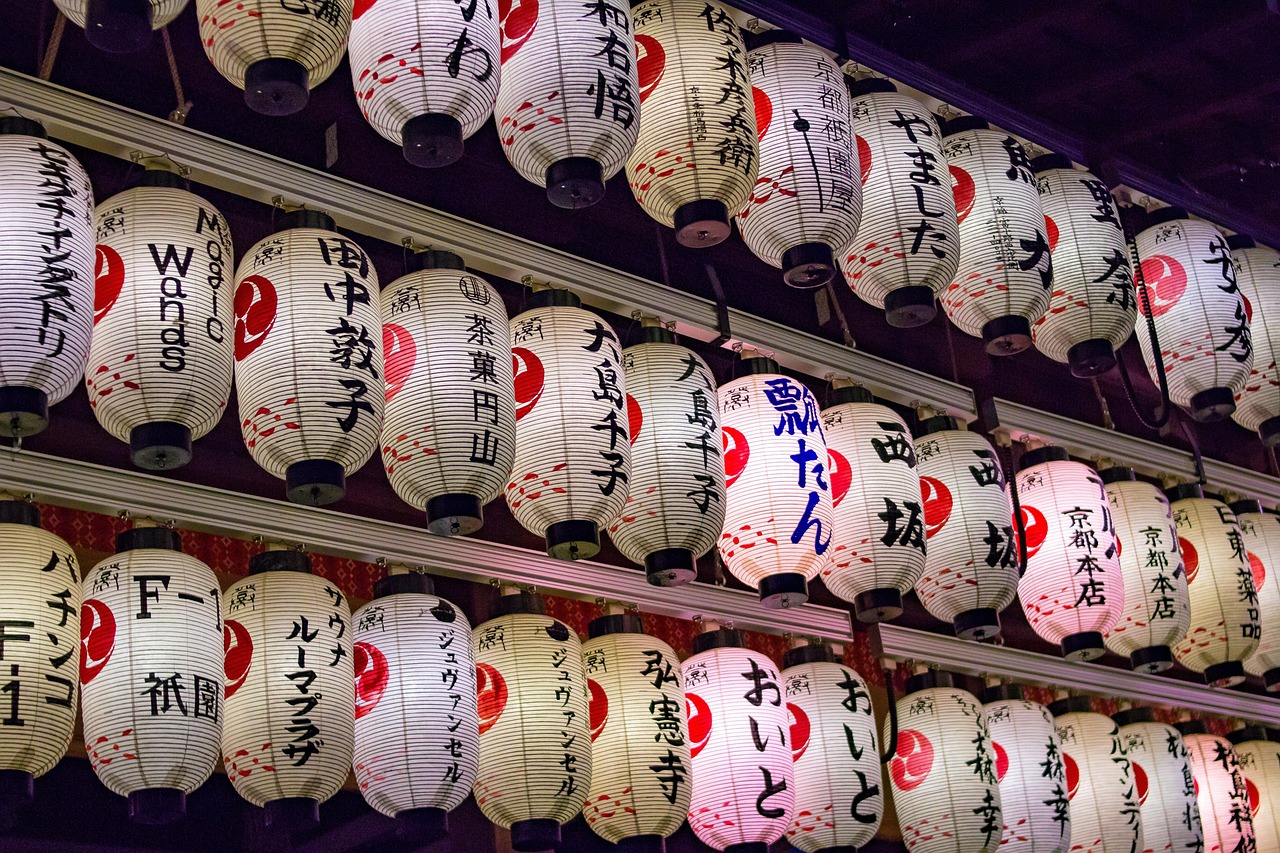
Design a calm first stay in Kyoto city: lantern-lit streets, considered pacing, and a gentle travel guide
For a first-timer, a thing to do in Kyoto list works best when it reads like a design brief, not a checklist. Popular Kyoto carries a quiet authority that contrasts with Tokyo’s tempo, and it rewards travellers who leave space between moments—especially when you’re in Kyoto for a first visit. Even if you’ve visited Japan before, Kyoto can feel like stepping into a slower frequency, where a temple garden, a shrine approach, and the texture of a wooden doorway become the real headline in this Kyoto travel guide.
What makes the city of Kyoto special is not only the number of temple precincts, but the way daily life and sacred space sit side by side. One lane can hold a small shrine gate, a family-run sweet shop, and a doorway into a temple courtyard, all within minutes. For a smoother trip to Kyoto, plan your days by neighbourhood so you can notice the details without rushing from one attraction in Kyoto to the next—and so your shortlist of Kyoto attractions feels doable.
Best time to visit Kyoto: time to visit guidance for light, crowds, and mood
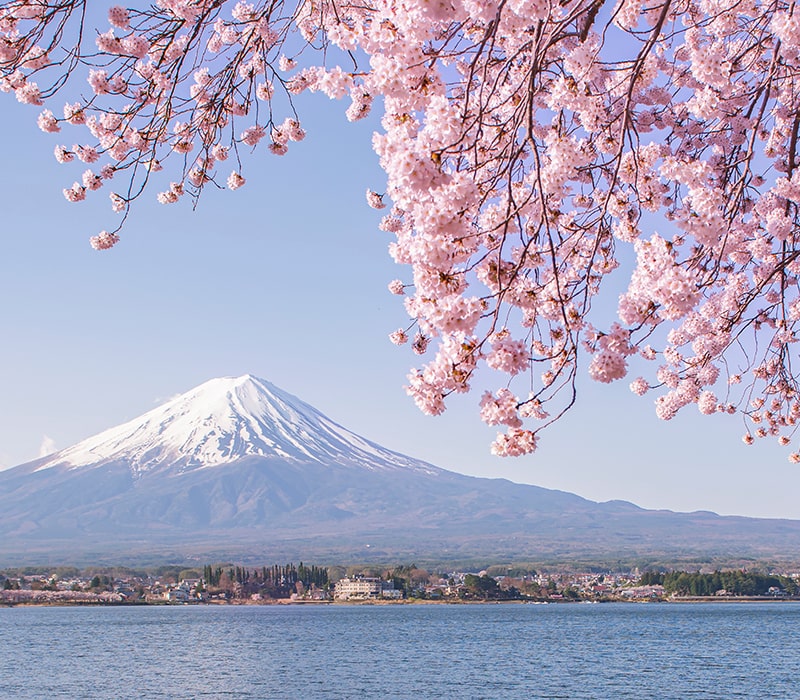
The best time to visit Kyoto is often spring and autumn, but the right time to visit depends on what you want to experience. Cherry blossom season (roughly March to May) can be exquisitely romantic, yet the well-known Kyoto temple lanes and shrine approaches will be busier and hotel availability tighter. Autumn (October to November) brings luminous foliage and crisp evenings—ideal for temple walks, shrine lanterns, and relaxed kaiseki dinners.
During peak weeks, design your day around early starts and thoughtful breaks. A dawn shrine visit, a late lunch, then a temple garden in the late afternoon can feel effortless and unhurried. If your time in Japan is limited, this pacing is one of the best things you can do to protect your energy and still see more.
Kyoto Station arrival: a calm first afternoon, hotel check-in, and orientation
Arriving by Shinkansen into Kyoto Station is wonderfully straightforward, and JR Kyoto Station is your anchor point for taxis, local buses, and onward trains for a day trip or a longer trip from Kyoto. As you step out, take a quick bearing with Nidec Kyoto Tower, then let your hotel handle luggage so the first afternoon stays light. This is the moment to lean into support: a concierge can confirm dinner, reserve tea ceremonies, and time your first temple visit so you arrive as crowds thin.
For a luxury pace, treat day one as a soft landing rather than a sprint. If your hotel is central, a short taxi ride to a nearby temple or shrine is perfect—just enough to feel Kyoto’s hush without overcommitting. And if you’d like visual inspiration for your wider japan travel arc, browse our Trip gallery when you’re ready to map out places in Japan beyond this region.
How many days is ideal? For many travellers, days in Kyoto feels best at a gentle 3–5, with 5 days in the city offering the most ease and flexibility. That window gives you time for a temple morning, a shrine hike, an artful meal, and an evening walk—without losing yourself to logistics or transit. It’s one of the best things about a Kyoto trip: you can wander, rest, and still feel cared for as you collect experiences in Kyoto.
To keep your Kyoto bucket list realistic, choose your best things by neighbourhood rather than chasing every map pin. You’ll explore around kyoto more deeply when you stop trying to cover everything and start choosing what fits your interests—gardens, tea, design, food, or craft—so you actually enjoy your time in Kyoto. Local etiquette helps everything feel harmonious: speak softly in a temple, move thoughtfully through a shrine, and remove shoes when asked in ryokan or some restaurants.
- First afternoon, designed: check in, take a short rest, then choose one nearby temple or shrine so your first steps feel calm and intentional.
- Evening rhythm: an early dinner, then a quiet stroll—lantern light is part of Kyoto’s poetry, especially if you’re in Kyoto during a busy season.
- Practical ease: keep cash for small purchases and let taxis handle transitions so the day stays smooth.


Top Things to See in Kyoto – temples and shrine highlights for a classic itinerary
Top Things to See in Kyoto: iconic temple grounds, serene shrine paths, and timeless details
If you’re building a shortlist of the one of the top things to do on a first itinerary, you’ll quickly realise the real luxury is choosing fewer sites and seeing them well. Kyoto’s temple culture is layered: there are famous temples in japan that feel cinematic, and there are smaller temple precincts where the atmosphere is intimate and local. When you visit kyoto with care, each temple stop becomes less about “ticking off” and more about noticing what changes—light on gravel, incense drifting from a shrine, the sound of water at a purification basin.
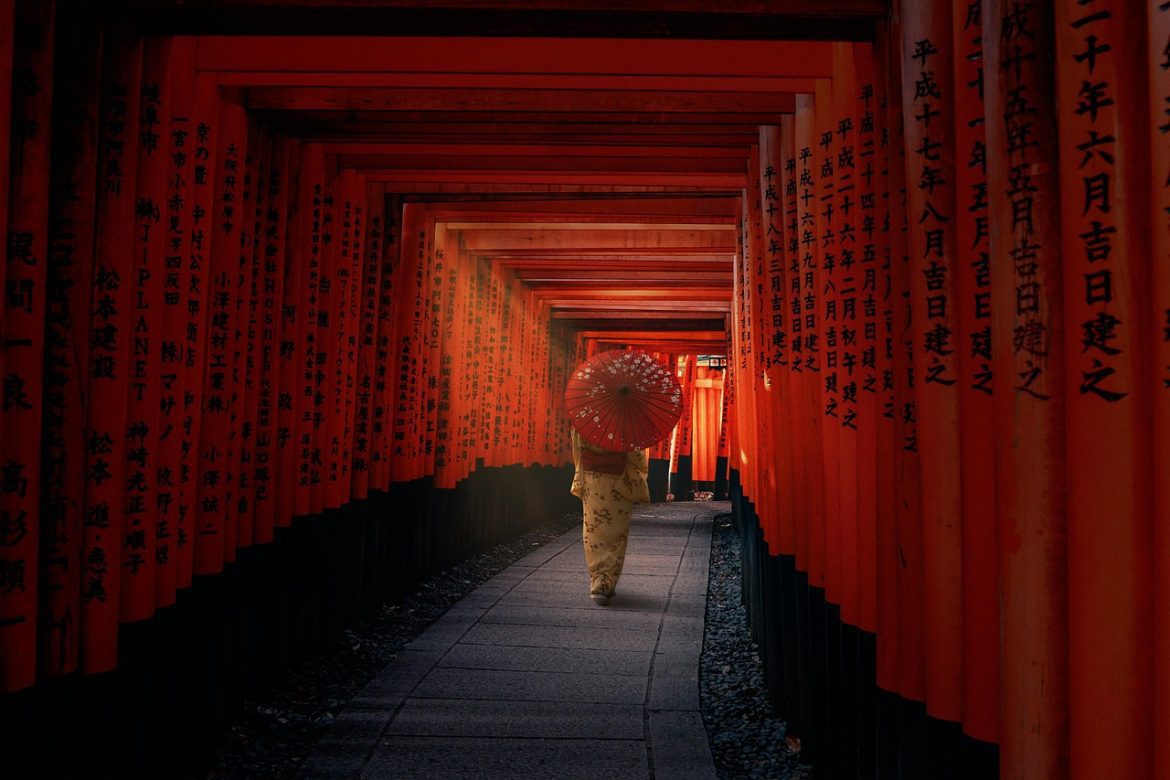
Fushimi Inari shrine: torii gates, forest paths, and a quiet pilgrimage
Fushimi Inari is one of the best things to experience because it doesn’t ask for a ticket—entry is free—and it offers a sense of pilgrimage at your own pace. The famed torii gates begin almost immediately, creating a red corridor that feels both celebratory and quietly serious. For a first time in Kyoto, it’s a powerful way to understand how a shrine can be both an everyday place and a spiritual landmark.
To explore the path up Mount Inari, begin early in the morning or later in the day when tour groups thin. You do not need to complete the entire loop for it to feel meaningful: even a steady 60–90 minutes can deliver beautiful pauses and views of Kyoto. Along the way you’ll pass smaller shrine points and fox imagery—wear comfortable shoes, bring water, and keep your voice low.
For high-end travellers, the key is to design the experience around calm. A taxi to the base, a steady walk, then a restorative lunch back in town keeps it seamless, before heading to a temple garden elsewhere. If you’re looking for the best things without the busiest energy, let your hotel advise on timing for this shrine and other temple sites.
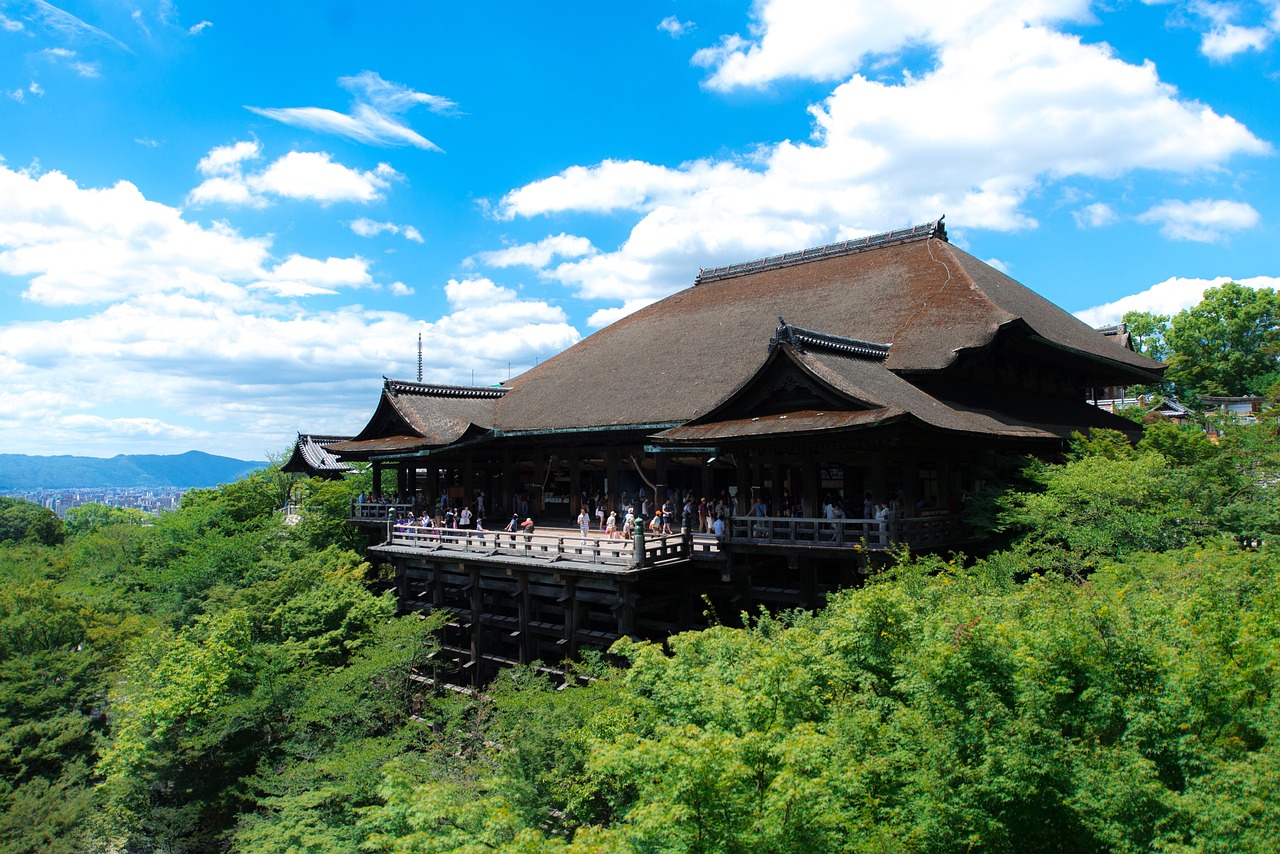
Kiyomizu-dera: a temple in Kyoto for iconic panoramas and old-town streets
Kiyomizu-dera is a temple in Kyoto that offers one of the city’s most recognisable perspectives, especially in spring and autumn. Arrive early in the morning for softer light and a gentler approach; later afternoons can be lovely too, when day-trippers begin to drift away. It’s one of the best temple viewpoints, and it’s one of the best reminders that crowds don’t have to spoil beauty if you slow down and choose your moments.
Respectful photography matters here. In any temple, avoid blocking pathways and don’t treat sacred areas like a stage; in a shrine, be mindful around the offering box and cleansing basin. If you want a meaningful souvenir, consider collecting a goshuin (temple or shrine stamp) in a dedicated book—slow travel made tangible.
A small etiquette guide helps you move with confidence. At a shrine, you’ll often cleanse hands and mouth (lightly) at the water basin, then make an offering and bow. At a temple, you may find incense, quiet halls, and signs requesting no photos—trust those boundaries as part of the experience.
- At a shrine: pause at the gate, walk to the side of the central path if others are using it, and keep your tone soft.
- At a temple: look for posted rules, and remember that prayer halls are not performance spaces.
- Goshuin: treat it as a sacred record, not a stamp collection to rush through.
For a softer counterpoint, the Kyoto Imperial Palace area offers wide paths, open sky, and a calmer sense of scale. Pair it with nearby gardens and a tea stop so the day feels balanced between temple detail and spacious ease. It’s a refined way to discover a quieter facet of the capital of japan’s old heart in this Kyoto city break.
To keep your visit in kyoto personal, mix the headline sites with lesser-known temple precincts. Your concierge can suggest a small temple close to your dinner reservation, or a shrine that locals favour at dusk. This curated approach brings that “one of the most unique” feeling without chasing novelty for its own sake.
Gion: unique things to see, geisha streets, and fun things to do after dark
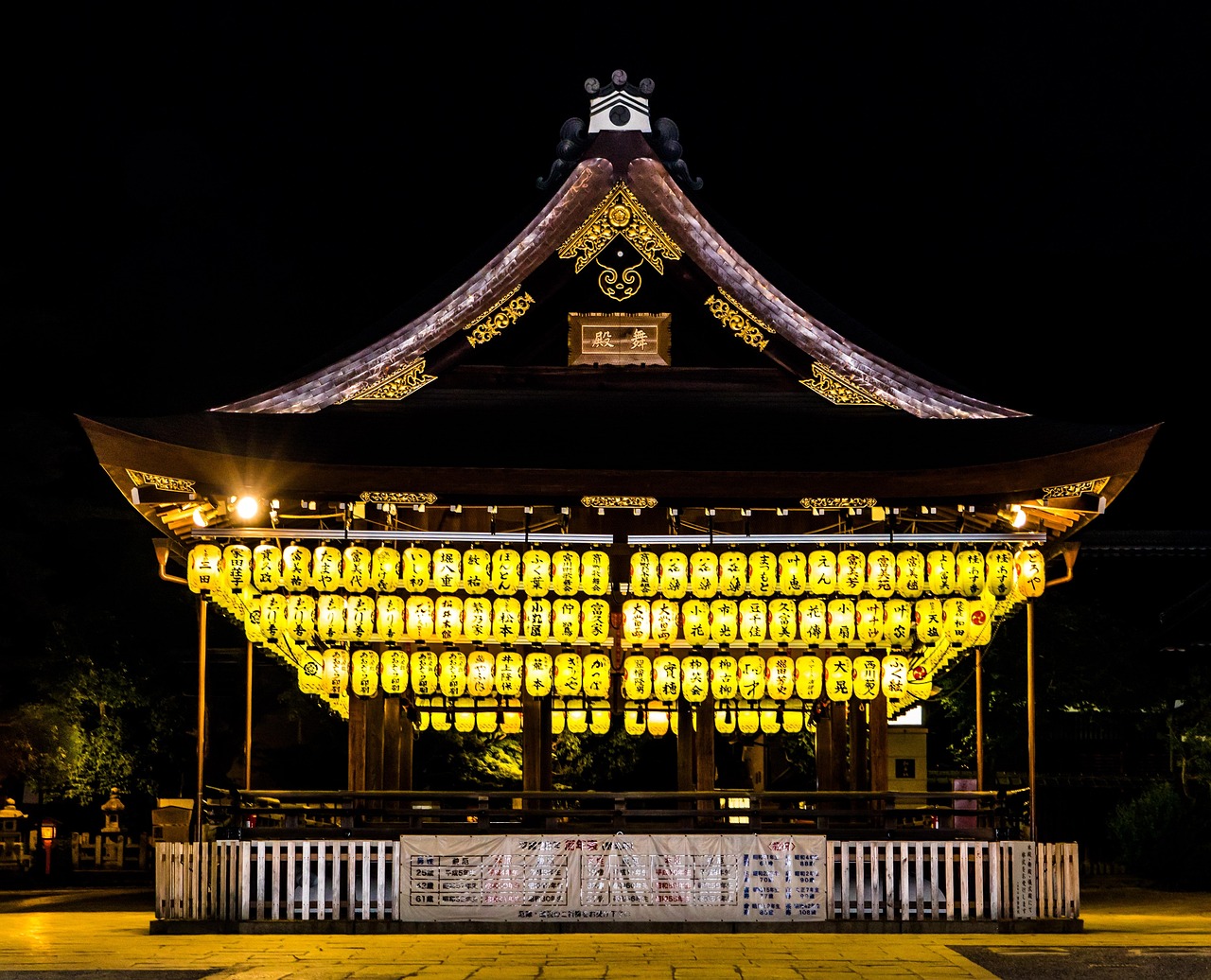
Gion at night: traditional Kyoto details, lantern-lit lanes, and a calm evening walk
A refined evening plan begins in Gion, but with the right mindset. Gion is not a theme set; it’s a living neighbourhood where traditional kyoto architecture still holds its line. The joy is in walking slowly past machiya townhouses, noticing the grain of wooden lattice, and letting the district reveal itself rather than trying to capture it.
Start in early evening when the light begins to soften and the pace naturally slows. The atmosphere shifts quietly: a lantern flickers, footsteps become gentler, and even a small shrine corner can feel cinematic. In Gion, the best things are often the smallest—an impeccable sweet, a hand-painted sign, a doorway that hints at a tea room beyond.
Gion at dusk: respectful viewing, quiet lanes, and local etiquette
One traveller told us about an evening in Gion that still feels unreal. They were walking without expectation when they saw a geisha glide across a lantern-lit street, head slightly bowed, moving with calm purpose. It was a once-in-a-lifetime cultural encounter precisely because they weren’t chasing it—just giving the neighbourhood enough space to be itself.
That story carries a gentle lesson: your presence matters. Keep a respectful distance, never block a path, and avoid photographing people in a way that feels intrusive. Trust that the most meaningful moments arrive when you travel with care and remember you’re in Kyoto, not on a set.
Along the Kamo River: twilight calm, then a modern contrast nearby
For a seamless route, drift along the Kamo River first for twilight calm, then ease back into the lanes of Gion for discreet bar stops and confectionery shops. This balance—open sky then intimate alleys—helps the district feel restorative rather than busy. If you’re travelling together with mixed interests, it’s also the right night to add one modern stop without breaking the spell.
The Kyoto International Manga Museum offers a creative contrast to temple and shrine days. It’s a reminder that Kyoto is not only heritage; it’s a living design culture where illustration, publishing, and contemporary storytelling belong. After a museum visit, a short taxi ride brings you back into Gion’s quieter streets for a final walk.
Practical note: you can often walk from Kyoto central hotels into Gion if you enjoy an unhurried approach, particularly in good weather. A taxi is worth it when you want to arrive composed for dinner, or if you’re wearing formal shoes. In narrow lanes, step aside for residents, keep voices low, and treat every temple gate and shrine corner as someone else’s daily landscape—not just your photograph.
Arashiyama bamboo forest: best things to do early in the morning for quieter photos
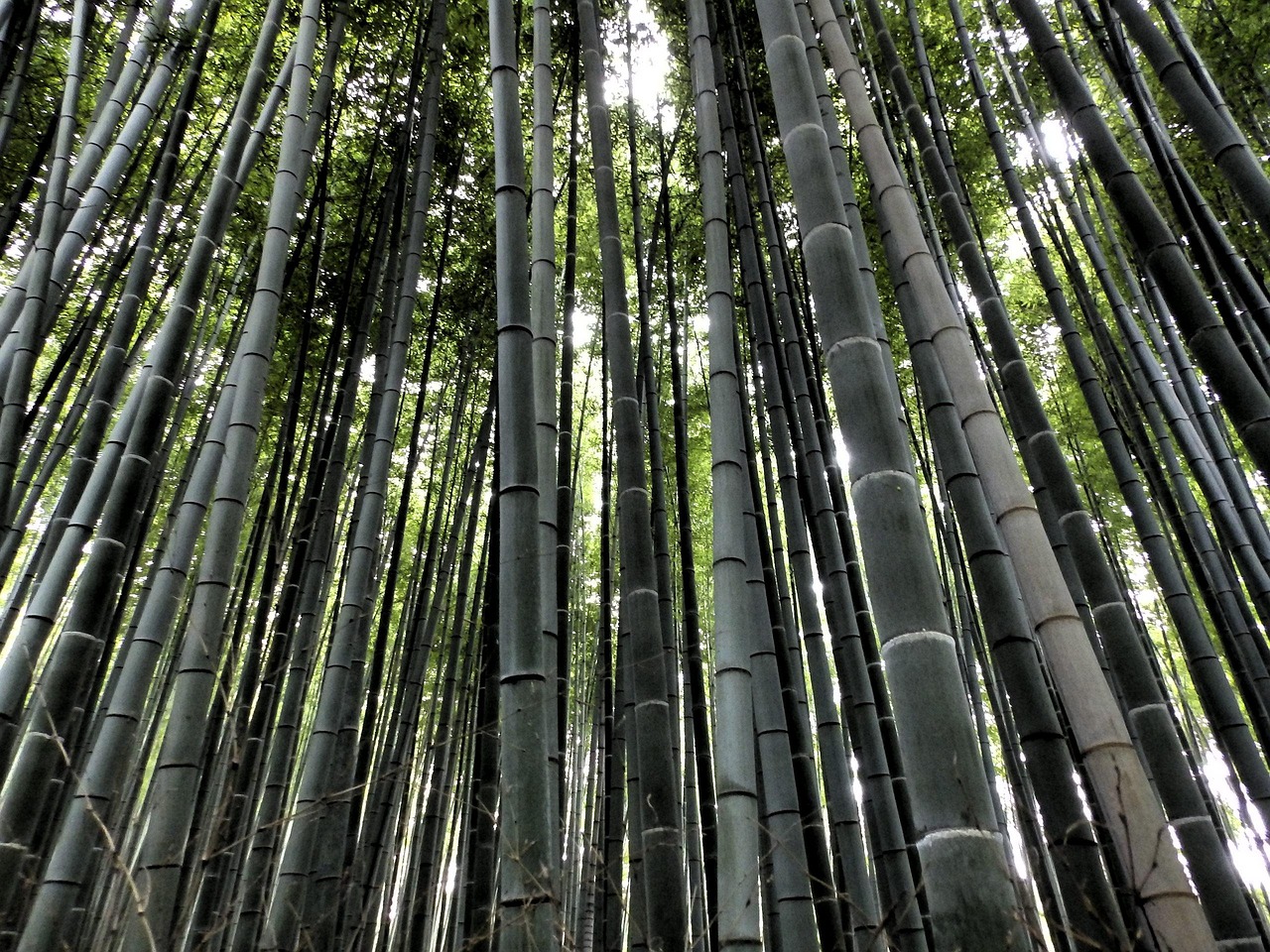
Arashiyama Bamboo Forest: early-morning light, quiet paths, and a serene start to the day
For travellers searching the arashiyama bamboo forest for calm and beautiful light, the guidance is simple: go before the city fully wakes. The arashiyama bamboo paths can become crowded later, but at dawn they feel almost private—sound dampened, air cool, and light filtering through green like water. It’s one of the most unique atmospheres in the city, and a rare chance to start the day with clarity.
Think of this as a morning of spaciousness, then a day of gentle discovery. When you explore slowly, you notice how the bamboo moves with wind, and how a nearby temple garden can feel like an extension of the forest’s calm. This is Kyoto city at its most quietly persuasive.
Arashiyama bamboo forest sunrise story: a reset before the day begins
A traveller once described walking through the arashiyama bamboo forest just after sunrise. The path was nearly empty, the light was soft, and the hush felt otherworldly—less like sightseeing and more like arriving back to yourself. They told us it changed their relationship with mornings on the rest of their japan trip, choosing earlier starts not for efficiency, but for peace.
If you want that same feeling, plan to arrive early in the morning and stay present. Let the first 15 minutes be phone-free, then take a few photographs and put the camera away again. Kyoto’s best things don’t ask to be documented constantly; they ask to be felt.
Make it a gentle day trip within Kyoto: river strolls and a temple pause
Arashiyama works beautifully as a half-day escape that still feels like part of the city, and it can count as a relaxed day trip even if you’re staying central. Begin with bamboo, then take a riverside stroll, and add a nearby temple visit for contrast—stone, moss, and shaded corridors after the bright green. If you’d like to create a fuller day, include a small gallery or craft space and a long, leisurely lunch before heading back to Kyoto.
Photo tips for the grove: a wide lens helps convey height, but a normal lens captures quieter detail. Frame respectfully by waiting for clear gaps rather than pushing past others, and avoid setting up tripods in narrow passages. The goal is not performative perfection; it’s a grounded memory that matches how it felt to stand there.
Accessibility and pacing matter, especially for high-end travellers who value comfort. Wear supportive shoes, plan a café stop, and keep taxi details handy for a seamless return to your hotel. With thoughtful breaks, even a day with bamboo, a temple, and a shrine stop can feel effortless.
Nishiki Market: tea ceremonies in Kyoto, seasonal flavours, and crafted food finds
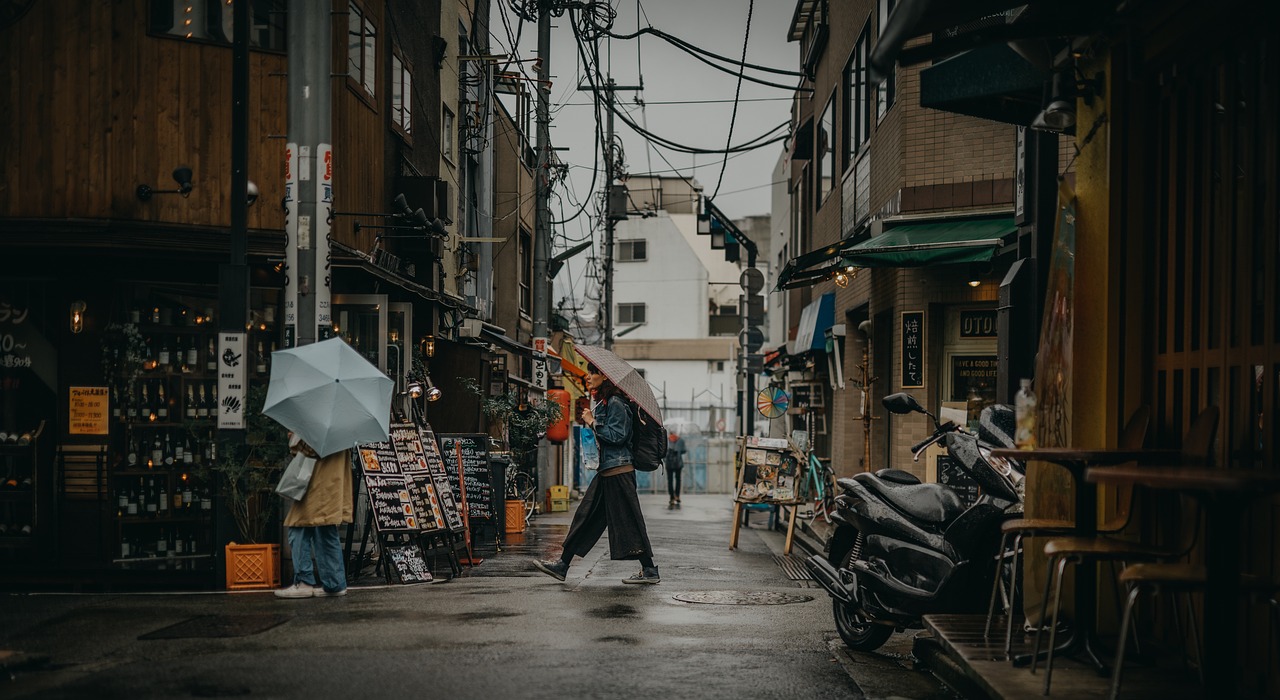
Nishiki Market: local flavours, thoughtful tastings, and an easy pairing with tea ceremonies in Kyoto
A Nishiki Market morning is about flavour, but also about craftsmanship. This market is a sensory corridor where you can sample thoughtfully and buy ingredients that make beautiful gifts—yuzu, spice blends, pickles, sweets, and impeccably packed snacks. The market can be busy, so go earlier, move gently, and treat it as a place to browse rather than a place to block.
For high-end travellers, the most rewarding approach is to sample responsibly: share bites, step aside before eating, and keep an eye out for cash-only counters. Many small vendors still prefer cash, and having yen on hand keeps everything smooth. It’s a simple detail that protects the seamless feel of the day—and it’s a very practical japan travel tips habit.
Tea ceremonies in Kyoto: expert guidance, calm etiquette, and mindful pacing
Private tea ceremonies are among the most personal experiences in Kyoto because they teach you how to notice. In most settings you’ll sit on tatami (sometimes with leg supports available), you’ll be guided through the rhythm, and you’ll learn small gestures that carry big meaning. A good host creates a safe, reassuring space where you can ask questions and participate with confidence.
One couple shared an unforgettable moment in a private setting led by a 5th generation tea master. They described how the ceremony shifted their attention—from “what’s next” to “what’s here”—and how the aesthetics felt purposeful rather than decorative. It’s one of the best things about these tea ceremonies in Kyoto: they offer an insight into mindfulness that stays with you long after the cup is empty.
Kaiseki dining: a crafted story of the season after market browsing
To deepen the day, pair tea with kaiseki dining, where each course is a crafted expression of seasonality. Choose an intimate, chef-led counter where you can watch the precision, or a quiet room where service is discreet and personal. The right meal feels like an unfolding narrative, not a transaction.
If you have dietary needs, share them early and clearly. Kyoto’s best kitchens will accommodate thoughtfully when given time, and your hotel can provide support with translation so the experience remains seamless.
To keep your kyoto itinerary truly personal, add a “create and uncover” element after the market. Consider a small artisan studio visit—textiles, incense, or ceramics—where you can speak with makers and understand process. Kyoto’s temple and shrine culture is complemented by this craft culture, and together they reveal a city built on care.
- Market pacing: arrive earlier, browse first, then choose two or three tastings.
- Money tip: carry cash for small purchases and vintage-style stalls.
- Meaningful pairing: tea, then a crafted dinner, then a short shrine or temple walk back to your hotel.
Stay in Kyoto: luxury ryokan travel tips, Kyoto Station connections, and a day trip from Kyoto
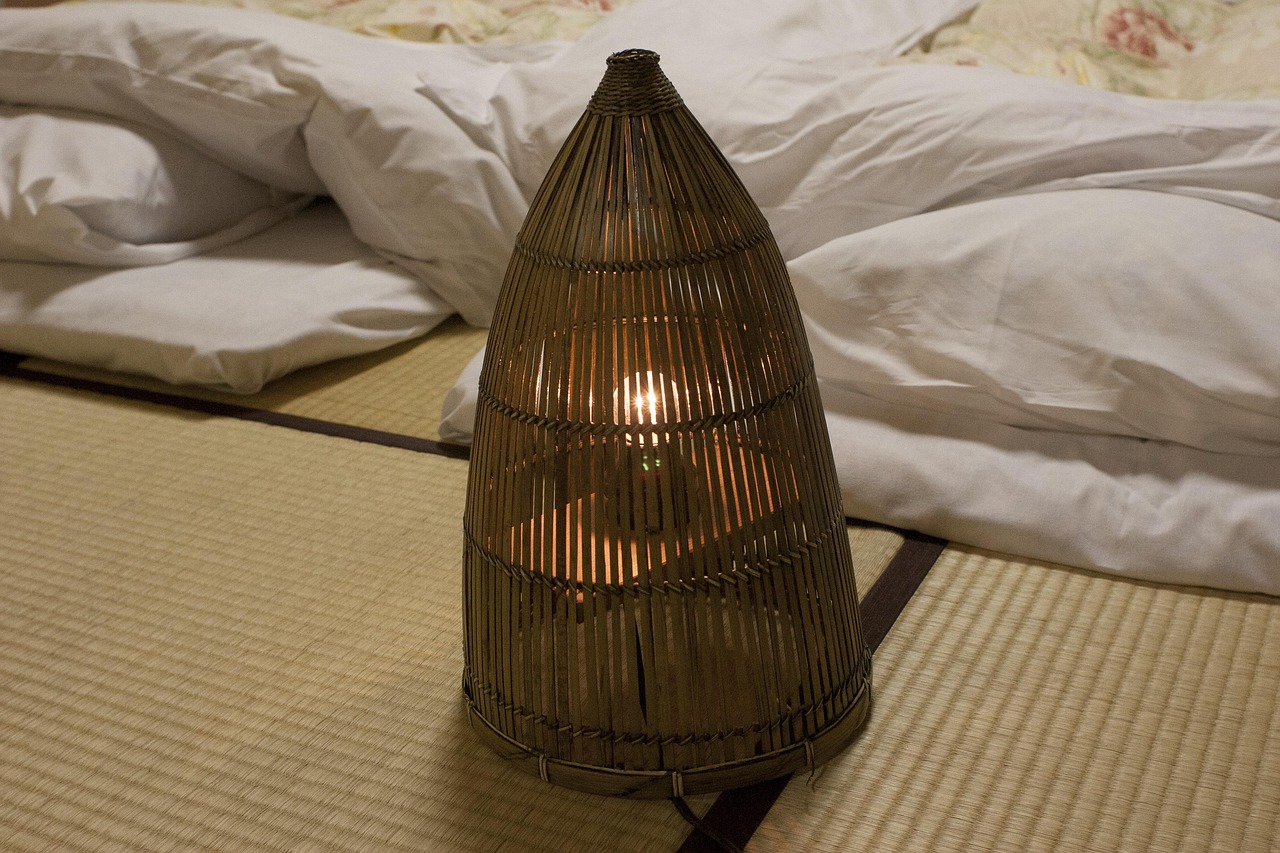
Stay in Kyoto well: luxury ryokan comfort, smart transport from Kyoto Station, and easy day trips
If your search is “stay in Kyoto” with a luxury lens, the heart of the answer is comfort with cultural depth. To stay in kyoto well, choose a ryokan that pairs impeccable service with a sense of place—kaiseki dining, restorative baths, and staff who remember how you take your tea. This is where Kyoto hospitality becomes personal, and where you can return from a temple day feeling restored.
When you’re choosing, ask about room style, bedding preferences, and whether you can reserve a private bath time. Some properties offer an on-site bath; others guide you to nearby facilities, depending on location. Either way, the right ryokan becomes a sanctuary between shrine mornings and temple afternoons.
Booking guidance for ryokan and tea ceremonies: timing, seasonality, and calm planning
Book early, especially in spring and autumn. This matters for ryokan availability, but also for private tea ceremonies, premium dining times, and guides who can add expert context without overwhelming your day. When you enquire, share dietary needs, mobility considerations, and whether you’d like a quieter room—small details that build trust and keep your stay seamless.
If you’re drawn to design-forward hotels rather than ryokan, consider properties near Nijo Castle; searching kaya kyoto nijo castle can be a useful starting point. For some travellers, Kaya Kyoto Nijo Castle-style stays provide modern calm while keeping temple and shrine sites within easy reach.
Getting around with confidence: Kyoto Station routes, taxis vs buses, and simple planning
Kyoto’s transport is straightforward once you commit to a simple strategy. Taxis are ideal for ease and comfort, especially between dinner, a temple, and your hotel. Local buses provide excellent coverage, and a prepaid bus card makes hopping on and off feel effortless.
As a rough comparison, taxis cost more but save time and reduce decision fatigue, while buses cost less but require a little patience in peak hours. Many high-end travellers use taxis for mornings and evenings, then buses for one planned corridor in the middle of the day. Your concierge can help you design this so it feels seamless, particularly if you’re starting near Kyoto Station.
- Best for ease: taxis for temple-hopping and dinner reservations.
- Best for coverage: buses for a single neighbourhood loop, with a prepaid card.
- Best for peace of mind: ask your hotel to write destinations in Japanese for drivers.
For a luxury lens on taking a day trip, consider Nara for heritage and parkland, or Uji south of kyoto for tea culture. A day trip should feel like a breath, not a marathon; leave space for one temple or shrine, a long lunch, and a slow return—this is the most comfortable way to plan a day trip from kyoto. If you’re extending the journey, a trip from kyoto to Tokyo by Shinkansen is beautifully easy, and the train from Kyoto arrives with impressive punctuality.
That Tokyo contrast can be refreshing after Kyoto’s quiet focus. Plan one or two nights in Tokyo for galleries, shopping, or a modern hotel experience, then notice how your senses recalibrate after Kyoto’s temple rhythm. Many travellers say they love kyoto for how it teaches them to see, then enjoy Tokyo for how it energises them.
Finally, a few reassuring travel notes to keep the whole trip to japan smooth. Kyoto is very safe, but the city asks for courtesy: speak softly in a temple, move thoughtfully in a shrine, and keep cash for small purchases. Wear walking shoes you trust, and let your hotel provide support when plans change—this is what makes the difference between a good thing to do in Kyoto plan and a truly seamless journey, and it’s one of the best things you can gift yourself.
After Kyoto: things to do in Kyoto Japan reflections, and what you carry home
The phrase things to do in Kyoto Japan almost feels too practical for what actually happens when you leave. What stays with you is rarely a list; it’s the hush at the edge of a shrine path, and the way a temple garden seemed to organise your thoughts without saying a word. Long after you’ve returned to Tokyo, or flown home, you may still recall how your footsteps sounded on stone, and how quickly you learned to lower your voice.
Kyoto lingers in small disciplines that become unexpectedly comforting. You might find yourself pausing before entering a room, as if there were an invisible threshold like a shrine gate. You may remember the calm choreography of tea, the care with which a bowl was turned, and how that attention made everything else feel quieter—one of the most interesting things about a well-paced visit.
People often expect Kyoto to be “completed”, but the city resists that idea. Kyoto is complete without you trying to collect it, and it offers itself most generously when you travel slowly enough to trust your own pace. The temple moments are not trophies; they’re touchstones, and they often matter more than any single attraction.
Later, when you think back, it may be lantern light in Gion that returns first, or bamboo after sunrise, or a small temple courtyard where you stood for longer than you planned. Those memories have a way of reshaping how you notice light, sound, and space in ordinary life. And perhaps that is the quiet gift of Kyoto: it doesn’t ask you to do more—only to see more deeply, guided by a thoughtful japan travel guide, and to wonder what you might notice when you find your way back to kyoto.