Post Contents
- Why this Tokyo museum makes the sword feel alive in Japan
- Planning a trip to Japan with this museum as your anchor in Tokyo
- Inside the collection of Japanese sword masterpieces at the museum in Tokyo
- NBTHK insight how certificates and hozon shape trust in a Japanese sword museum
- Swordsmithing workshop and live demonstrations in Tokyo at a Japanese sword museum
- The museum shop and collecting responsibly with support in Tokyo Japan
- What stayed with me after the museum in Japan
- F.A.Qs: Japanese Sword Museum Tokyo
Why this Tokyo museum makes the sword feel alive in Japan
Why this Tokyo museum makes the sword feel alive
For cultural enthusiasts chasing a meaningful adventure, the Japanese sword museum Tokyo sword and katana cultural adventure Japan experience lands with quiet power. This museum doesn’t ask you to be an expert; it invites you to explore with confidence, guided by calm spaces and the kind of care that makes first-timers feel welcome.
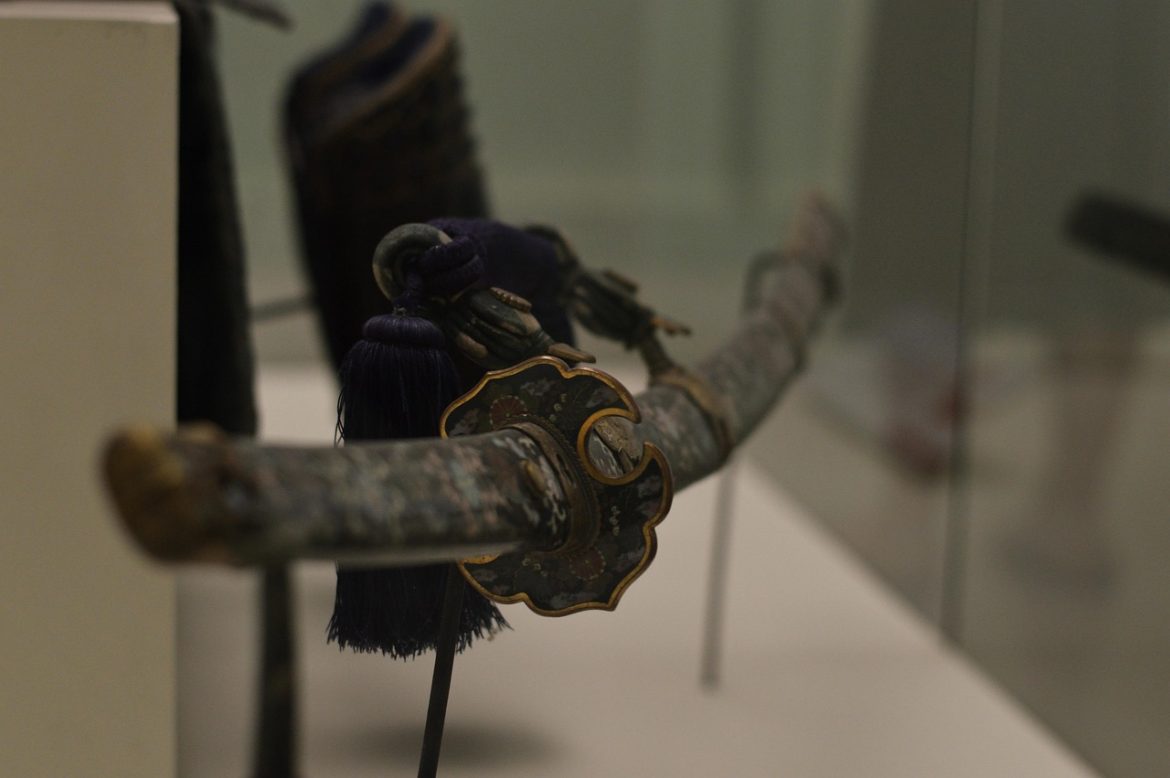
Imagine stepping close enough to uncover the craftsmanship that lives inside a Japanese sword—geometry, polish, and tiny decisions made by hand over centuries. The katana reads as both art and weapon, and the best surprise is how much detail reveals itself when you slow down and look from one angle, then another.
Katana detail you can only see up close
Visitors often share genuine awe at the hamon patterns and immaculate preservation, especially when a blade catches the light and the surface seems to breathe. There’s a dramatic samurai legacy behind these objects, yet the galleries feel serene—an almost meditative contrast that makes the history feel more human than theatrical.
A museum pace that feels reassuring
What comes next in this guide is designed to support you: interactive multimedia that explains without lecturing, seasonal changes that keep the experience fresh, and live demonstrations that reveal the discipline behind the craft. And when you’re ready to reset your senses, a garden walk outside returns you to a quieter rhythm—together, it’s a day that feels crafted rather than rushed.


Planning a trip to Japan with this museum as your anchor in Tokyo
Planning a trip to Japan with this museum as your anchor
If you’re planning a trip to Japan Japanese sword museum Tokyo location access admission subway style, it helps to treat the museum as a calm anchor point in your Tokyo days. The location works beautifully when paired with nearby wandering—think a gentle loop that also brings you near Ueno for galleries and parks, or a later stroll towards the Sumida riverside for open air and softer light.
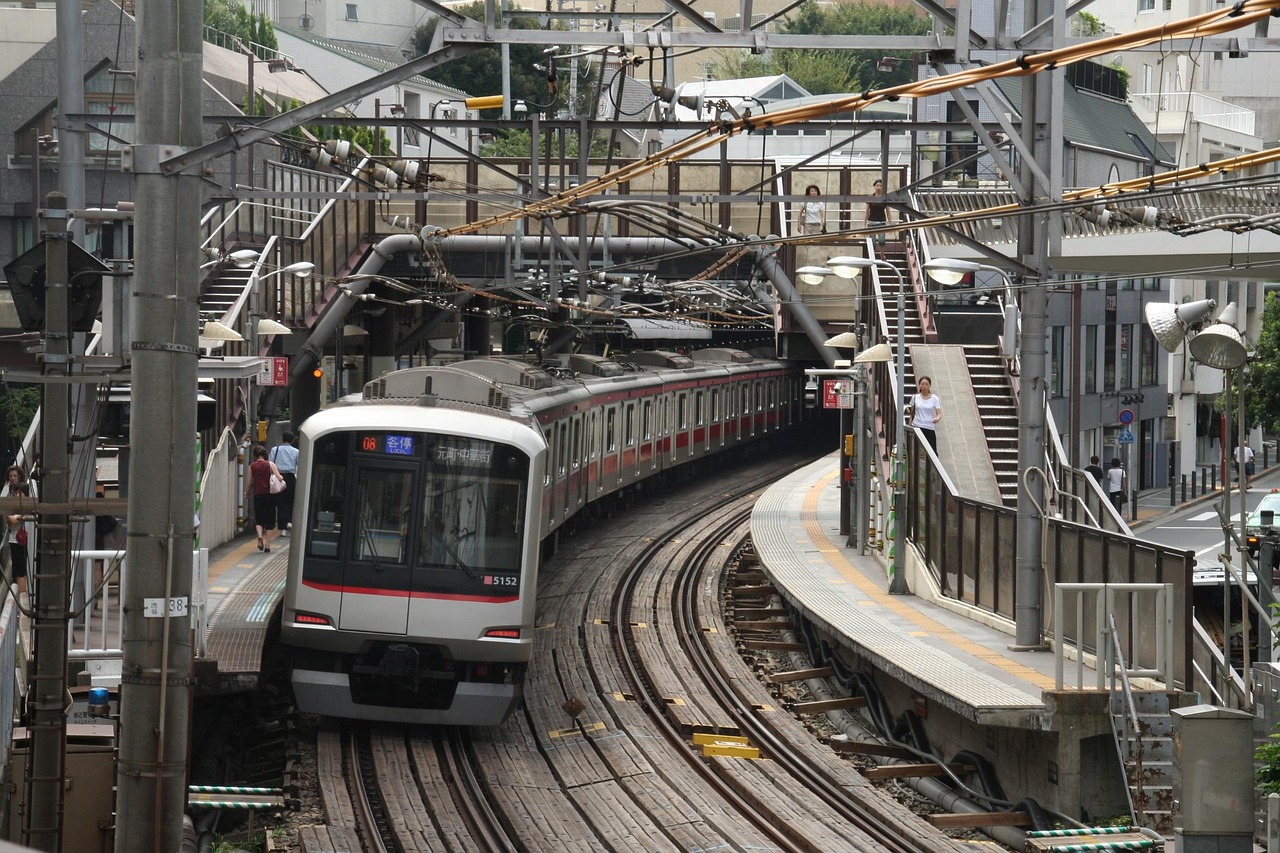
Access is straightforward: take the JR Sobu Line to Ochanomizu Station, then enjoy a short, well-signposted walk that lets the city’s pace settle. Depending on where you’re staying, a subway connection can be equally seamless; the Oedo Line is a handy alternative link that can reduce transfers.
Hours, closures, and the calm confidence check
Typical hours are 10:00–17:00, and it’s closed on Mondays. For reassurance, check the online calendar before you go—when the museum is open, you can design your timing around demonstrations and arrive feeling prepared rather than hurried.
Admission and a half-day rhythm that feels designed
Admission is modest (often under 1000 yen), with discounts for students and seniors. Buying a ticket on arrival is usually smooth, and staff are used to first-time questions—lean on their expert support if you’re unsure where to begin.
- Best time to go: Weekdays for quieter rooms and more personal viewing time.
- How long to allow: Two hours minimum; half a day if you want workshop time and a slow walk afterwards.
- Design your day: Museum first, then a local lunch, then a riverside reset—simple, elegant, and unforced.
If you want to create a broader Japan itinerary with art, craft, and a little adrenaline, browse our Trip gallery for inspiration that keeps culture at the heart of the travel.
Inside the collection of Japanese sword masterpieces at the museum in Tokyo
Inside the collection of Japanese sword masterpieces
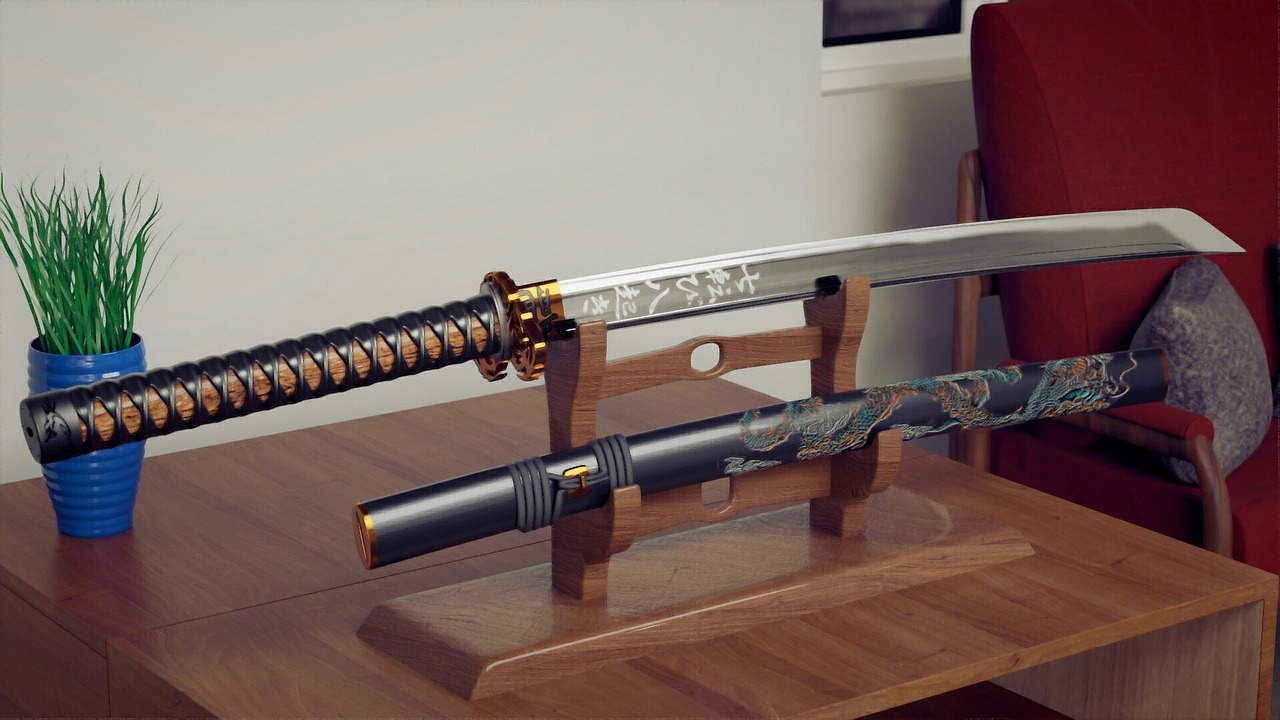
The Japanese sword museum collection Tokyo katana tachi exhibition Japan experience is centred on a remarkable collection of 300+ blades and related artifact pieces. Each sword is presented with lighting that lets you uncover fine transitions in steel, and the fittings are positioned so you can see the relationship between blade, handle, and overall balance at a glance.
Start with what your eye can notice immediately: the curve, the proportion, and the clean lines of the edge. With time, you’ll begin to see subtler signals—the polish, the geometry at the tip, and how a mount complements the blade’s character. Even one careful viewing can build real confidence.
How to look respectfully when a sword is sharp
Even behind glass, it helps to remember a sword is sharp in more than reputation. Keep your distance, avoid pointing, and let other viewers step in and out without pressure. If you’re unsure where to stand, staff guidance is warm and clear—and the atmosphere supports learning together.
Osafune lineages and attribution language made gentle
You may see references to Osafune schools and maker lineages, often alongside terms that signal certainty. For example, labels may distinguish an antique japanese sword katana signed from an antique japanese sword katana attributed, inviting you to notice how scholarship is presented. You might also encounter an antique japanese sword tachi attributed or even a sword tachi attributed to den—a phrase that softly suggests “in the tradition of”, without forcing a single definitive claim.
Rotating seasonal programming keeps the experience fresh, and the interactive multimedia areas add context without turning the visit into a lecture. If available, look for english support in signage or audio so you can move through the story with ease.
The museum’s modern history also matters: after World War II, the upheaval of occupation forces reshaped how arms and art were handled, and 1948 marked a turning point for systematic safeguarding. That commitment to preservation is why these objects can still be studied and admired worldwide, with standards that protect both scholarship and beauty.
NBTHK insight how certificates and hozon shape trust in a Japanese sword museum

NBTHK insight how certificates and hozon shape trust
When you’re exploring a collection for the first time, NBTHK certificate hozon token kanteisho certificate Japanese sword Tokyo terminology can sound intimidating. The good news is that the NBTHK—Nihon Bijutsu Token Hozon Kyokai—is essentially an organization devoted to preservation, scholarship, and careful authentication, giving visitors a grounded framework for trust.
A certificate is not about hype; it’s about clarity. You’ll often see “hozon”, which signals a level of recognised importance and conservation value, and an NBTHK hozon certificate can help you understand why a blade is discussed with particular respect.
How to read a certificate without feeling overwhelmed
Even a quick scan can teach you a lot: maker or school, era, measurements, and most importantly the wording of attribution. That single line often explains whether an opinion is firm, cautiously framed, or rooted in tradition. Museums use this to support conservation decisions and interpretation, so the story stays consistent and responsible.
What to ask staff about token terms and kanteisho certificate wording
- Ask which fields matter most for beginners, and what “attributed” implies in practice.
- Ask if the paperwork is a kanteisho certificate, and what body issued it.
- Ask how hozon relates to care standards and long-term study.
One traveller told us they felt lost in the specialist token vocabulary at first—until a staff member patiently explained the terms with gentle reassurance. That small moment of human support shifted everything: the museum stopped feeling like a test, and started feeling like an open door into craft and history.
Swordsmithing workshop and live demonstrations in Tokyo at a Japanese sword museum
Swordsmithing workshop and live demonstrations in Tokyo
For many adventure seekers, Tokyo sword smithing workshop Japanese sword museum katana demonstration moments are the emotional centre of the visit. The Sword Smithing Workshop reveals a process built on repetition and restraint—tools laid out with purpose, steps refined through years of practice, and a pace that feels both ancient and precise.
You may witness elements of tempering, finishing, or careful adjustments that change how light travels across the blade. One traveller described the unforgettable instant of watching a master swordsmith tempering a blade: there was no showmanship, just disciplined attention—and it created a deeper respect for what “crafted” truly means.
Etiquette that protects focus and supports everyone
Local norms here are simple: quiet respect, minimal movement, and letting others see without jostling. Stand where you’re directed, silence your phone, and allow the atmosphere to hold you. It’s a surprisingly powerful way to learn together, because the room stays calm enough for genuine insight.
Photography rules and a seamless plan
Photography is restricted in exhibition halls, with designated areas that vary—ask staff rather than guessing, and trust their guidance. To keep your day seamless, check the museum calendar online in advance for scheduled demonstrations and special events so you can arrive with confidence and settle into the experience.
The museum shop and collecting responsibly with support in Tokyo Japan
The museum shop and collecting responsibly with support
Approach the samurai museum shop sword maintenance kit full exportation support Tokyo Japan angle as cultural learning, not a rush to buy. A well-curated museum shop can help you understand materials, forms, and care traditions—whether you’re picking up books, small crafts, or study-friendly items that deepen your appreciation of the Japanese sword.
You may see practical tools like a sword maintenance kit, along with educational examples of decorative sword mountings. Sometimes you’ll spot terminology you’ve seen in displays: a shirasaya case (a plain wooden case for storage), or references to koshirae mounting and a koshirae case used for more formal presentation.
Responsible buying and provenance questions that build trust
If you’re considering any purchase beyond books or replicas, keep it respectful and responsible. Ask about provenance and what “sword was sold” documentation might include in a legal context, and when full exportation support is required. This isn’t legal advice—just a reminder that care and compliance protect collectors and heritage alike.
Warm staff support and a calm pairing walk
- Ask for context: Staff often share expert guidance that makes objects feel personal, not mysterious.
- Learn the forms: Understanding shirasaya versus koshirae helps you read what you’re seeing.
- Extend the mood: If you route through the area, a walk from Ryogoku Station can be a gentle, local way to keep the day grounded.
Families often mention how hands-on explanations sparked their children’s curiosity—proof that support and warmth can turn a niche interest into a shared memory.
What stayed with me after the museum in Japan
The feeling that lingered wasn’t loud. It was the intimacy of standing before a Japanese sword and sensing the hours held inside the steel—human attention made visible, then quietly protected for generations.
Outside, the garden offered a soft counterpoint: leaves shifting, footsteps slowed, and a kind of calm that made the samurai story feel less like legend and more like lived experience. That contrast stayed with me—the peaceful space beside the weight of history—without needing any dramatisation to make it real.
If you’re travelling through Japan with an adventurous spirit, trust your pace here. Let curiosity lead, allow moments to land, and carry that quiet confidence into whatever you explore next—food, neighbourhoods, craft, or a single overlooked street.
Long after you leave Tokyo, you may find your attention has subtly changed: you notice the discipline in small things, the beauty in restraint, and the care behind objects that once seemed distant. And somewhere ahead, another doorway into craft is waiting—patiently, like a question you’ll enjoy living with.
F.A.Qs: Japanese Sword Museum Tokyo
Is the Japanese Sword Museum worth it?
Yes, especially if you value craft and cultural context. The museum’s Japanese sword collection is beautifully presented, and the workshop elements can make the katana story feel immediate. Give yourself at least two hours so you can slow down, ask questions, and let the details reveal themselves.
Is the Japanese Sword Museum free?
It’s typically not free. Admission is usually modest (often under 1000 yen), and discounts may be available for students and seniors. Prices can change, so it’s wise to confirm on the official site before your visit.
What is the Samurai Sword museum in Tokyo?
People often mean a museum focused on the Japanese sword tradition—blades, fittings, and the culture that shaped their use and artistry. In Tokyo, the Japanese Sword Museum is a leading option, presenting swords as heritage objects rather than simple weaponry.
Can you still see samurai swords in Tokyo?
Yes. You can see authentic samurai-era swords in Tokyo in museum settings where preservation and interpretation are taken seriously. Displays may rotate, and photography rules are often strict, but the up-close viewing can be extraordinary if you take your time.