Post Contents
- Kamakura and Kanagawa A Temple Town Built for Wonder for a cultural adventure
- Getting to Hasedera Temple in Kamakura without stress via Enoden and Hase Station
- Hasedera Temple Kannon statue and eleven-headed Kannon-do Hall encounter
- Hasedera Temple hydrangea path and scenic view above Kamakura coastline
- Hasedera Temple Benten-kutsu cave and Jizo statues hidden corners in Kamakura
- Hasedera Temple shakyo and rinzo Buddhist scriptures for calm in Kamakura
- Day trip to Kamakura near Hasedera with Great Buddha and Tsurugaoka Hachimangu Shrine
- Hasedera Temple entrance fee and Kamakura visitor guide for passes etiquette
- What Stayed With Me After Hasedera in Kamakura reflection on Kannon
- F.A.Qs: Hasedera Temple Japan essentials
Kamakura and Kanagawa A Temple Town Built for Wonder for a cultural adventure
Kamakura and Kanagawa A Temple Town Built for Wonder for a cultural adventure
For travellers searching “Kamakura temple in Kanagawa Japan cultural adventure”, the first surprise is how quickly Kamakura resets your senses. Less than an hour from Tokyo, this coastal pocket offers surfy shorelines, wooded hills, and temple paths that feel crafted for wandering. You can explore at street level, then climb into calm without leaving town—an ideal rhythm for adventure seekers who also want insight.
Kamakura offers a layered day: salty air by the beach, a short train ride, then stone steps that ask you to slow down. You’ll notice how everyday life and sacred space overlap—school kids pass torii gates, locals stop to bow, and incense drifts across busy lanes. It feels lived-in rather than staged, which is exactly why the spiritual atmosphere lands so deeply.
Kamakura offers more than a temple in Kamakura moment
Hasedera Temple in Kamakura is often the “first temple” people remember here, because it gives you a full, cinematic range in one place: a monumental Kannon statue, gardens with a scenic coastline glimpse, and hidden corners that reward curiosity. Even if you’ve visited a temple in Nara or Kyoto before, Hase-dera in Kamakura has its own coastal softness—like the town is always exhaling.
There’s also a local heartbeat. People bring small offerings—coins, flowers, tiny folded notes—and you may hear stories about community festivals where families return year after year. That sense of continuity is reassuring: you’re not just seeing history; you’re walking alongside it, together, for a brief moment.
Temple and shrine etiquette in Kanagawa without the anxiety
Kamakura’s sacred landscape mixes Buddhist temple spaces and Shinto shrine traditions. As you explore, the simplest approach is respectful attention: bow lightly at entrances, keep voices low, and follow posted signs for photography. When you give a donation, use both hands; it’s a small gesture that signals care and awareness.


Getting to Hasedera Temple in Kamakura without stress via Enoden and Hase Station
Getting to Hasedera Temple in Kamakura without stress via Enoden and Hase Station
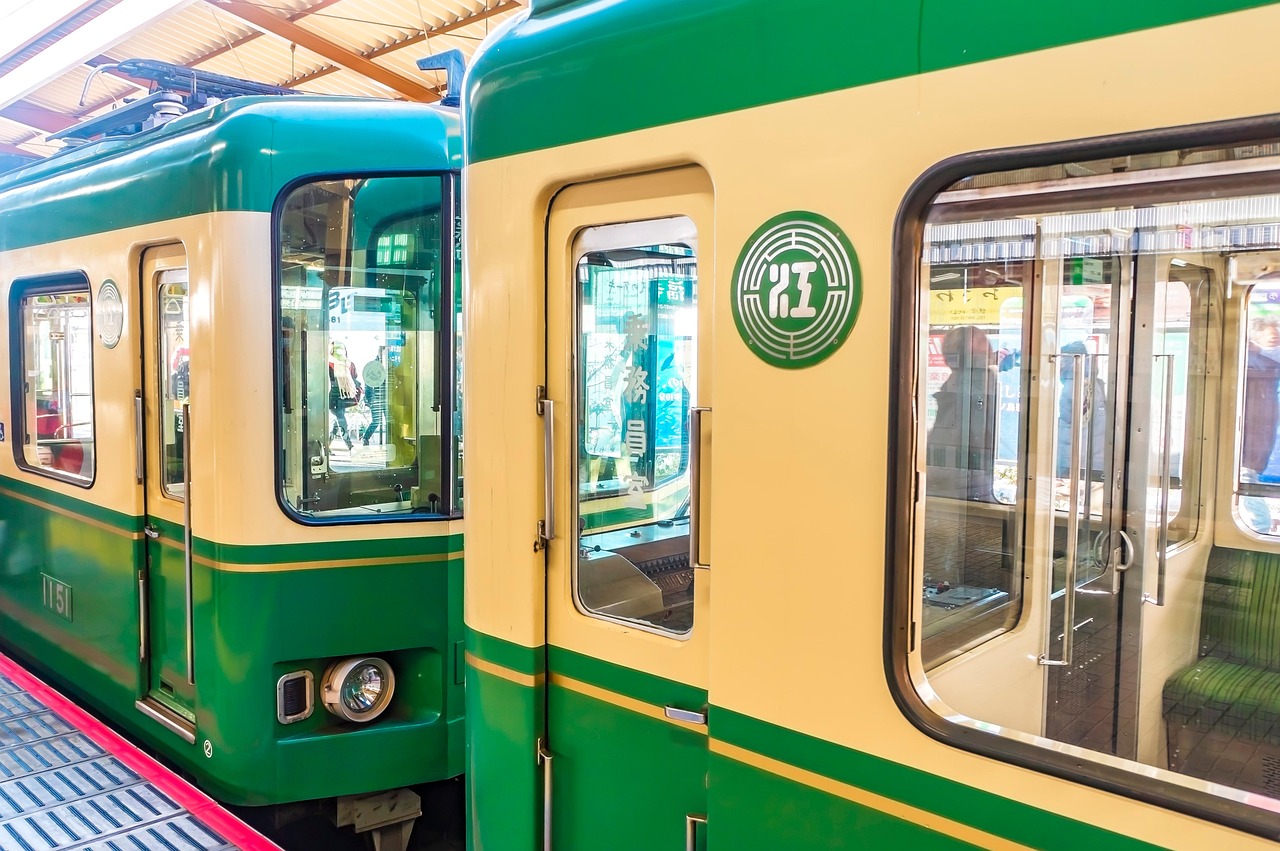
If you’re googling “How to get to Hasedera Temple Kamakura Enoden Hase Station”, you’ll be glad to know the route is straightforward—and easy to make seamless with a little timing. From Tokyo, take the JR Yokosuka Line to Kamakura, then at Kamakura Station you transfer to the Enoden line for a short, scenic ride. Get off at Hase Station, then follow signs through the neighbourhood until the approach begins to rise.
The final walk is part of the experience: the streets narrow, the air turns greener, and the climb signals you’re leaving the everyday behind. As you reach the gate, pause for a breath—arriving with intention is half the journey in a temple town like Kamakura.
Time to visit Hasedera for calmer paths and better light
The best time to visit Hasedera is early morning or late afternoon, especially if you want a quieter encounter with Kannon and less queueing on stairs. Weekends in Kamakura fill quickly, and June brings hydrangea crowds that can change the pace. If you’re designing a day trip from Tokyo, aim to arrive at opening or in the last couple of hours for gentler light and a more personal feel.
- Early morning: misty, tranquil, ideal for thoughtful photos and unhurried steps.
- Late afternoon: softer shadows in the gardens and fewer tour groups.
- June: plan extra time for the hydrangea path and expect managed entry.
Entrance fee, access, and why comfortable shoes are non-negotiable
The entrance fee is modest and the ticketing flow is reassuringly simple; look for official noticeboards in case seasonal conditions affect pricing. Many travellers report around 400 yen as a typical baseline, and it remains an accessible cultural experience for Kamakura travel. Do note the stairs from the lower approach can feel steep and uneven, so wear comfortable shoes and pace yourself with confidence.
For those driving, parking is available, but spaces can be limited in peak seasons—arrive early and keep a flexible mindset. The goal is to support your energy for the temple itself, rather than spending it in a car park scramble.
Hasedera Temple Kannon statue and eleven-headed Kannon-do Hall encounter
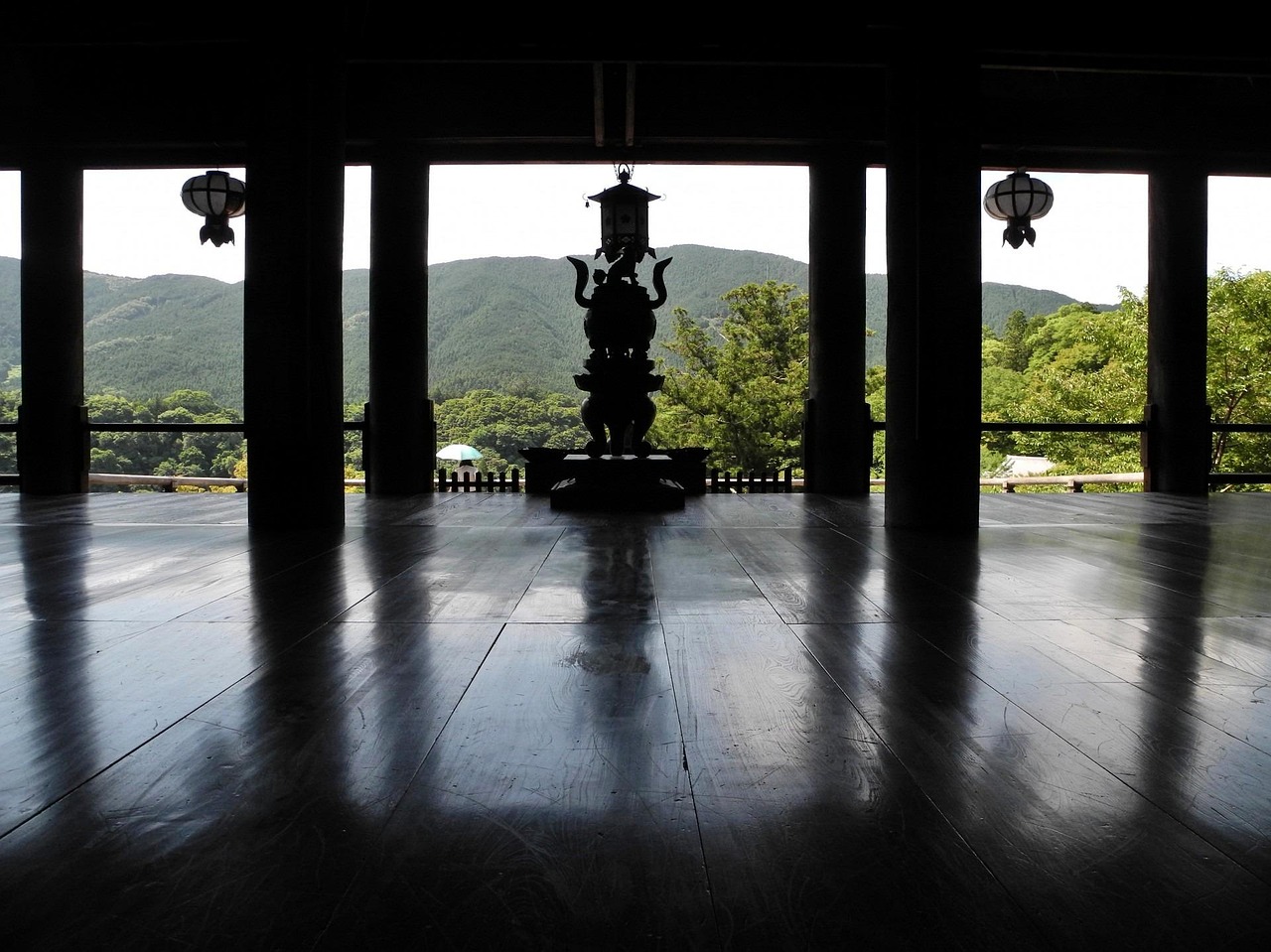
Hasedera Temple and the Eleven-Headed Kannon A Quiet Giant in the Kannon-do Hall
Travellers searching “Hasedera Temple Kannon statue eleven-headed Kannon-do Hall” are usually hoping for more than a quick photo, and this is a place that meets you halfway. Inside the Kannon-do Hall, the scale is immediate—quietly overwhelming—and the atmosphere encourages you to uncover your own response. This is not a checklist stop; it’s a heartfelt encounter.
The eleven-headed Kannon is famous for its eleven heads, symbolising compassionate awareness in all directions. According to legend, the icon’s story carries both mystery and reassurance, which seems to match the way many people feel standing here—small, steady, and strangely held.
Kannon, a largest wooden presence that feels gently human
The statue is one of the largest wooden icons most visitors will ever see, rising meters tall with calm authority. It is a massive wooden statue, carved with a delicacy that feels almost impossible at this scale—one of the largest wooden works you’ll encounter in Japan, and deeply moving in person. It’s also regarded as an important cultural property, which helps explain the reverence in the room.
One adventurer I met described sitting in stillness near the Kannon statue, letting the travel noise settle. They didn’t “do” much—no dramatic ritual—just a few minutes of breathing, and the insight landed like a quiet reset. In a fast itinerary, moments like this are a different kind of achievement.
Temple etiquette and the small museum for deeper insight
In sacred areas, photography may be restricted, and the kindest approach is to assume silence and follow signage. Bow lightly when you enter, and if you offer a donation, do it with both hands; it’s a simple, respectful rhythm. If you spot a small museum or a Kannon museum-style display, step in for context on Buddhist statues, artefacts, and the wider tradition of statues in Japan.
Hasedera Temple hydrangea path and scenic view above Kamakura coastline
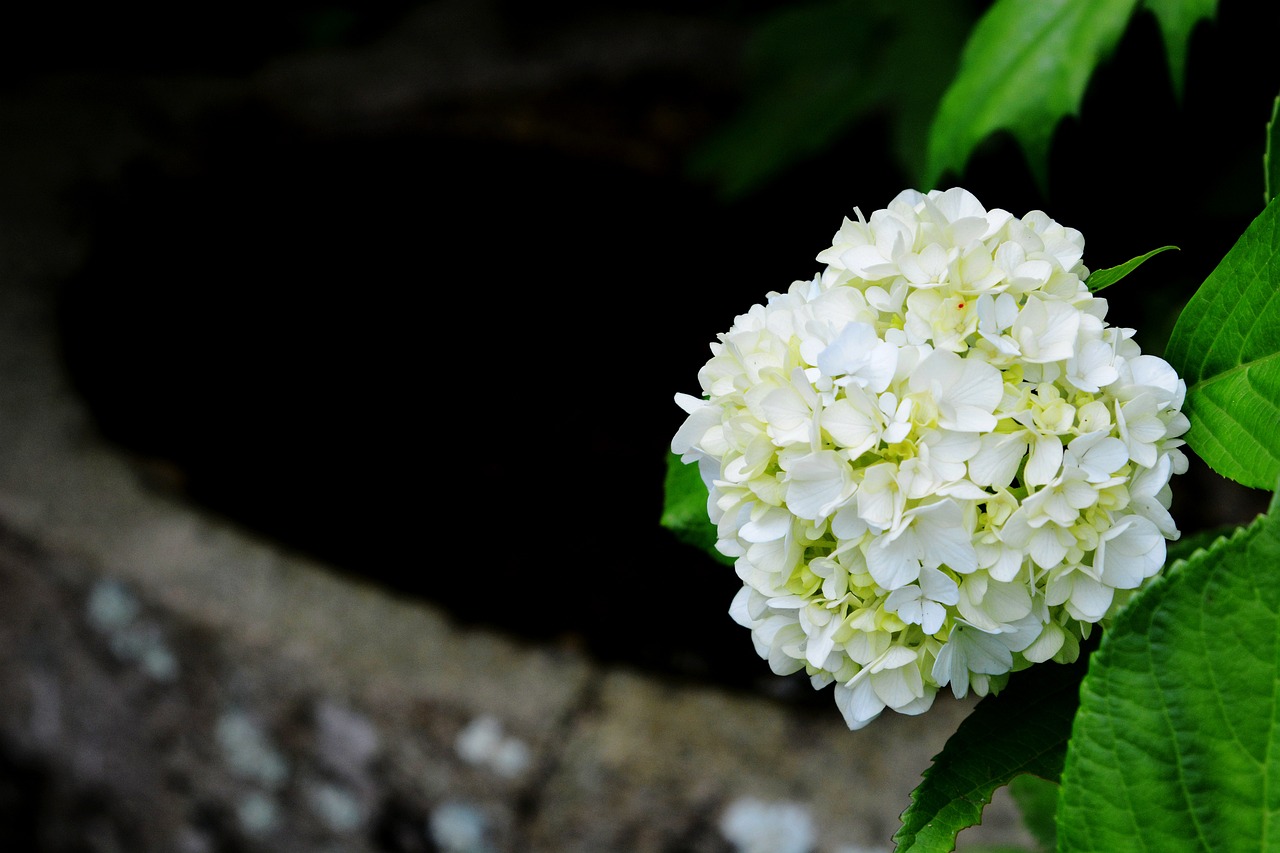
Scenic Gardens and June Hydrangea Season Above the Coast at Hasedera Temple
For anyone searching “Hasedera Temple hydrangea path scenic view Kamakura”, the hilltop gardens deliver exactly what you’re hoping for—then add a few surprises. From above, Kamakura feels like a watercolour: tiled roofs, coastal haze, and the sea stretching out beyond trees and pagodas. The garden design is traditional Japanese in its restraint, but never sterile; it invites you to explore slowly.
You’ll pass ponds, small shrines tucked into greenery, and viewing points that frame the coastline like a carefully composed print. It’s scenic without being loud—more a soft exhale than a postcard shout.
Hydrangea season in June without losing your calm
In June, hydrangea flowers transform the slopes into a vivid, living tapestry. The hydrangea path can become busy, so bring patience, keep voices low, and practise photo manners: don’t block the steps, and let others have their moment. If you’re travelling together, take turns—one person photographs while the other simply notices the light.
- Crowd strategy: arrive early, or go later when day-trippers thin out.
- Quiet respect: avoid phone calls and keep movement flowing on narrow sections.
- Best shots: look for blooms framing a pagoda or a glimpse of sea beyond leaves.
Mist, pond corners, and the camphor tree as a landmark
A traveller once told me their favourite visit to Hasedera Temple in Kamakura happened in early morning mist. The steps felt like a small pilgrimage, each landing revealing another layer of garden. Look for a tranquil pond that mirrors passing cloud, pockets of a Japanese rock garden, and—if you encounter it—a camphor tree that feels like a grounding presence amid the climb.
Outside June, Kamakura stays rewarding: fresh green in spring, autumn tones around maples, and winter clarity that sharpens the coastline views. Different seasons create different moods, and each can feel personal in its own way.
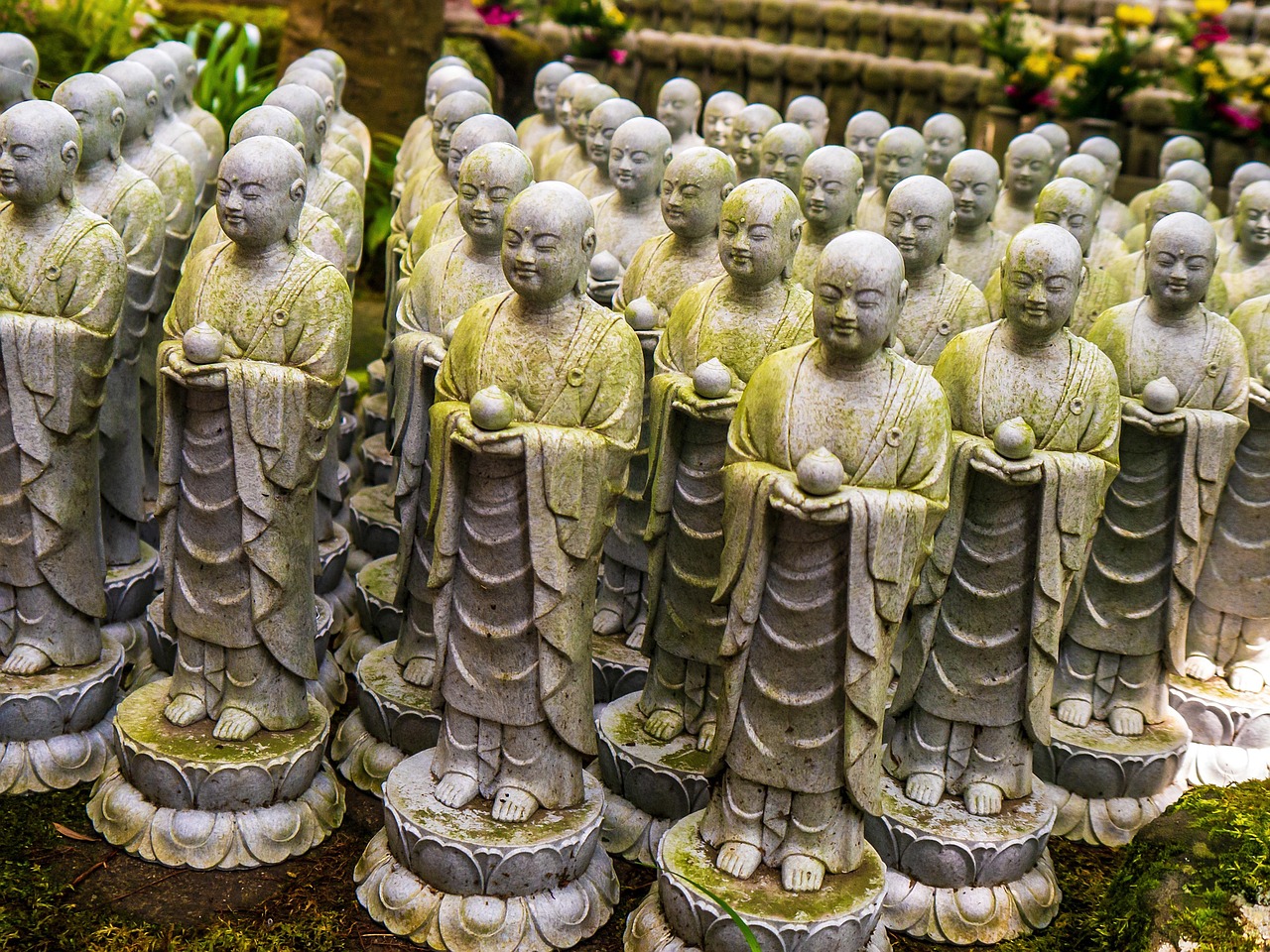
Benten Kutsu Caves Jizo Statues and Hidden Corners at Hasedera Temple
If “Hasedera Temple Benten-kutsu cave Jizo statues Kamakura” is on your list, prepare for an atmospheric shift. The benten-kutsu route is dim and close, with uneven surfaces and small statues appearing from shadow. It feels like the temple is letting you discover a quieter layer beneath the gardens—a brief adventure that rewards steady steps and a calm mind.
Move slowly, let your eyes adjust, and treat the space as more than a novelty. The air is cooler, the sound is softer, and the sense of time changes in a way many travellers find unexpectedly reassuring.
Benzaiten as a deity you may encounter, simply explained
Within the cave, you may see references to Benzaiten, a deity associated with water, music, and learning. You don’t need to overthink it; just notice how Japanese spiritual life often blends Buddhist and shrine influences in a way that feels natural rather than doctrinal. In Kamakura, these traditions sit side by side like neighbours, not rivals.
Jizo statues, family offerings, and a temple bell soundscape
On the grounds, jizo statues often appear with small offerings—flowers, bibs, or toys—left with tenderness and care. Jizo is understood as a protector, especially connected to children and travellers, which makes these corners feel intimate and local rather than touristic. If you pass the jizo-do hall, linger for a moment; it’s one of the gentlest spaces in the complex.
Bring sure-footed shoes and a little patience for low light. When the temple bell sounds in the distance, it can reshape the mood instantly—like a signal to soften your pace and trust the quiet.
Hasedera Temple shakyo and rinzo Buddhist scriptures for calm in Kamakura
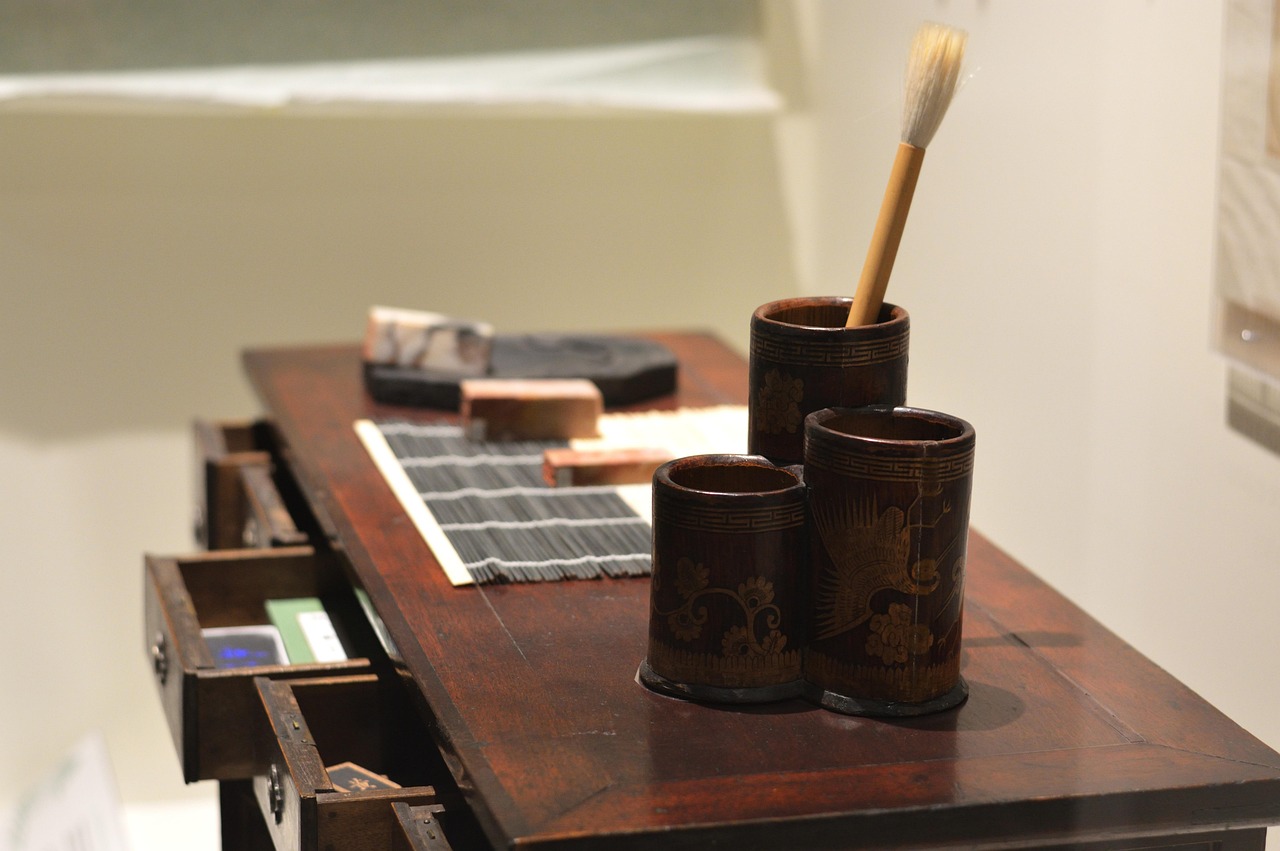
Hands On Spiritual Culture Shakyo Rinzo and Shoin Hall Calm at Hasedera Temple
Anyone searching “Hasedera Temple shakyo rinzo Buddhist scriptures Kamakura” is usually craving something more immersive than sightseeing. Shakyo—sutra copying—offers a mindful activity that slows the day down in the best way. Ask at the appropriate desk on-site; fees and timings vary, but the experience is designed to support beginners with gentle structure.
Even if you only try a short session, it can be surprisingly powerful. The point isn’t perfection; it’s presence, and the confidence that comes from doing one thing carefully.
Shakyo as a crafted, respectful experience for travellers
Shakyo is best approached like a quiet practice rather than a tourist workshop. Wash your hands if facilities are provided, follow instructions, and keep your phone tucked away. If you’re travelling with companions, you can do this together—even if one person writes and the other simply sits nearby, the calm is shared.
- What to bring: nothing special—just time, patience, and a willingness to be quiet.
- What it costs: usually a small contribution; check the temple’s current guidance on the day.
- How to show respect: follow the room’s rhythm and avoid interrupting others.
Rinzo, the rotary bookshelf, and the shoin hall pause
You may also encounter a rinzo, a rotary bookshelf linked to Buddhist scriptures. If accessible, observe how people approach it with intention; it’s a beautiful example of devotion expressed through movement. Nearby, spaces such as the shoin hall (where open to visitors) can feel like a sanctuary within the sanctuary—an invitation to listen to your breath and let the temple set the pace.
Local visitors sometimes share festival stories here—memories of lanterns, music, and returning rituals that cross generations. It’s a reminder that Kamakura is not just a destination; it’s a living community with deep roots and open doors.
Day trip to Kamakura near Hasedera with Great Buddha and Tsurugaoka Hachimangu Shrine
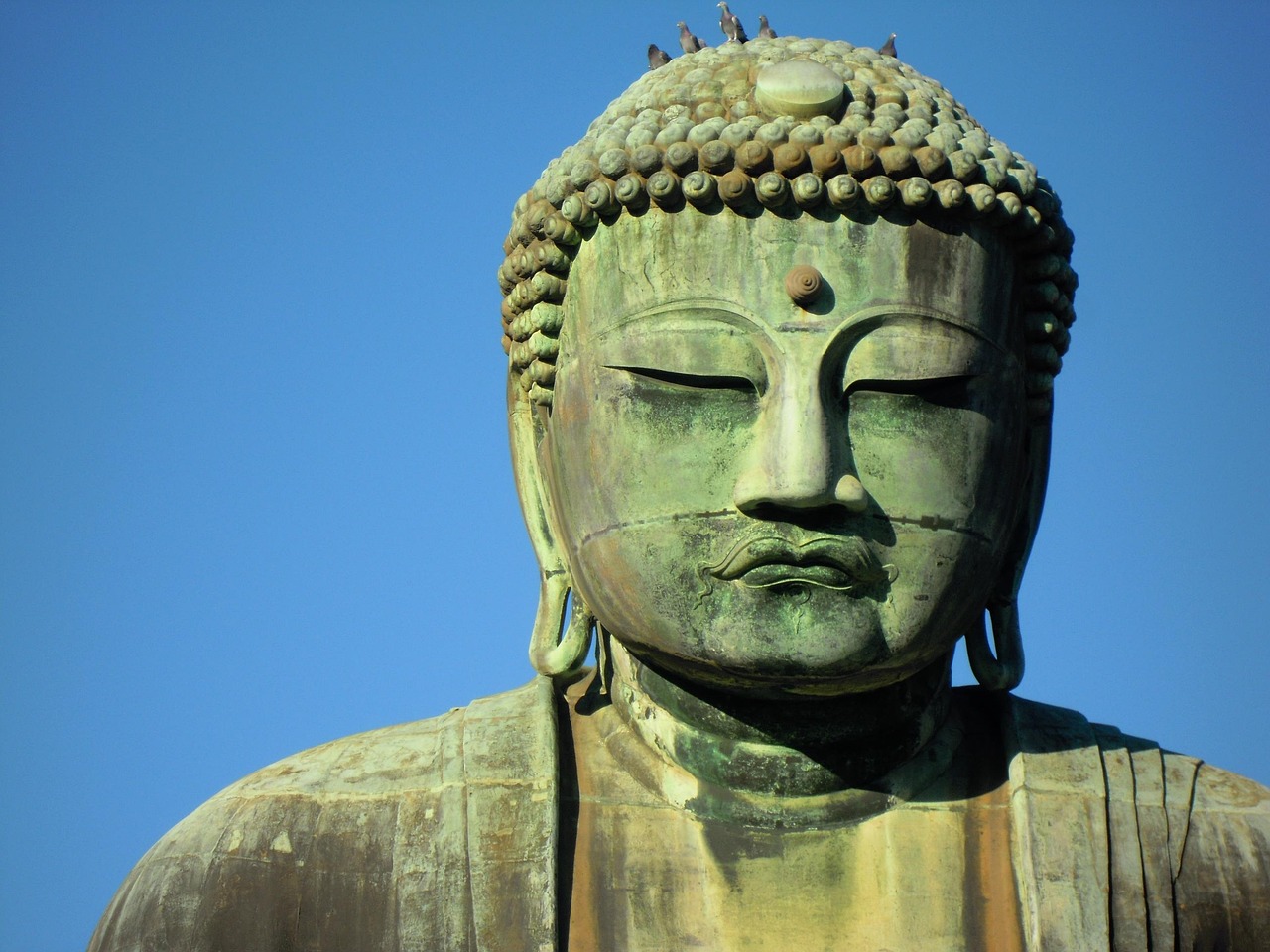
Design a Day Trip to Kamakura Near Hasedera with Great Buddha and shrine contrast
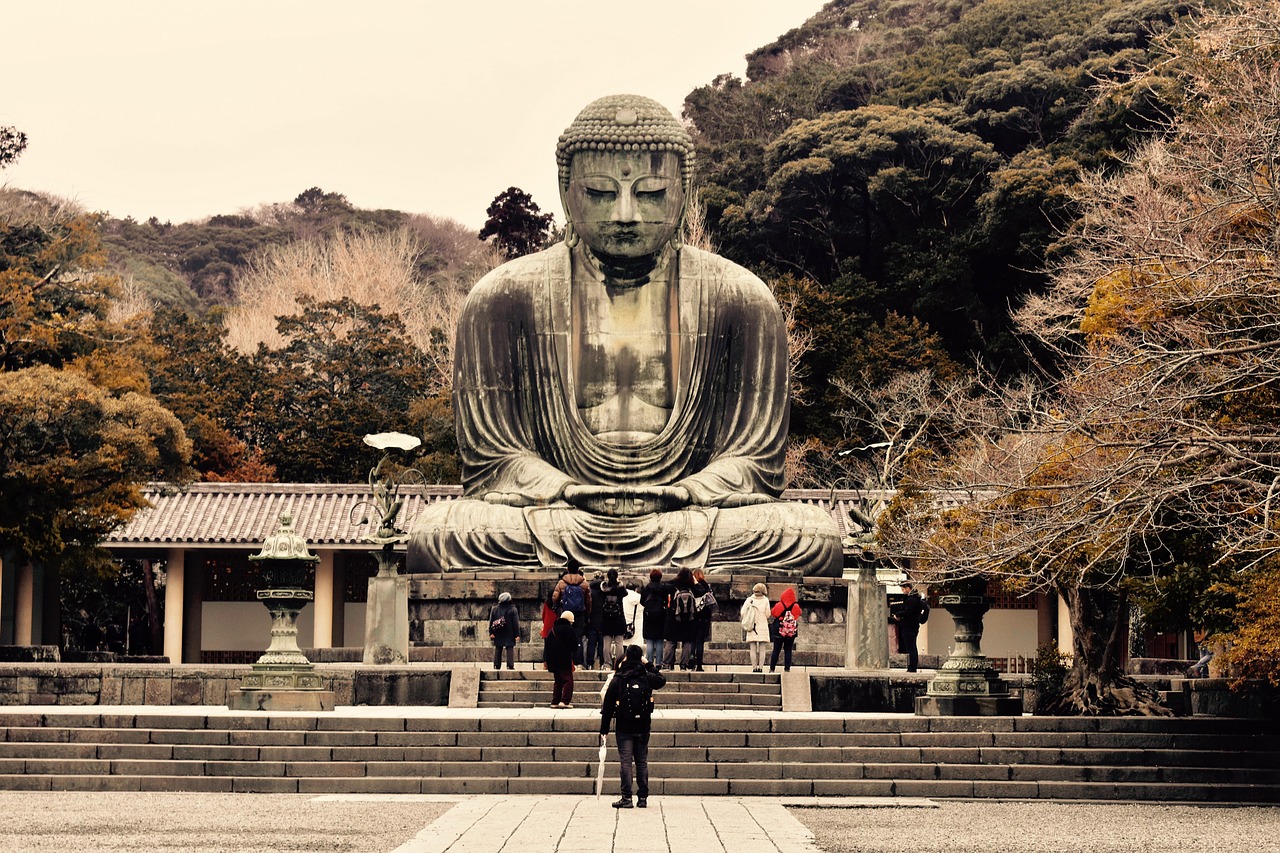
If you’re planning a “Day trip to Kamakura near Hasedera Great Buddha Tsurugaoka Hachimangu Shrine”, the smartest luxury is pacing. Start with a visit to Hasedera in the morning, when the gardens and Kannon hall feel most spacious. Then walk or ride to the Great Buddha of Kamakura nearby, before finishing at Tsurugaoka Hachimangu Shrine for a shrine contrast that rounds out your cultural insight.
This route lets you design variety without friction: temple hush, iconic buddha presence, then shrine architecture and open courtyards. You’ll feel the shift in energy, and that contrast is part of what makes Kamakura so rewarding.
Near Hasedera transitions that keep the day seamless
Walking times around Hase are manageable, and the area is set up for explorers who prefer to stay on foot. If you need to reset, use the Enoden again and return to central Kamakura for street life and snacks. The aim is to explore with care, not rush from landmark to landmark.
For a breather, Komachi street offers food-and-craft stops—tea, sweet treats, and small souvenirs—without pulling you out of the cultural mood. If you’re craving a different kind of scenic energy, add Enoshima for sea views and an end-of-day glow.
Create a choose-your-own-adventure pace
Try this simple framework and adapt it with confidence:
- Slow: Hasedera Temple and gardens only, plus a long lunch and beach walk.
- Classic: Hasedera, the great buddha, then Tsurugaoka Hachimangu Shrine.
- Bold: Add Enoshima and stay for sunset—adventure can be quiet and expansive.
If you want inspiration for a more crafted Travel Japan itinerary beyond Kamakura, browse our Trip gallery and imagine how these temple moments could connect to the rest of your journey.
Hasedera Temple entrance fee and Kamakura visitor guide for passes etiquette
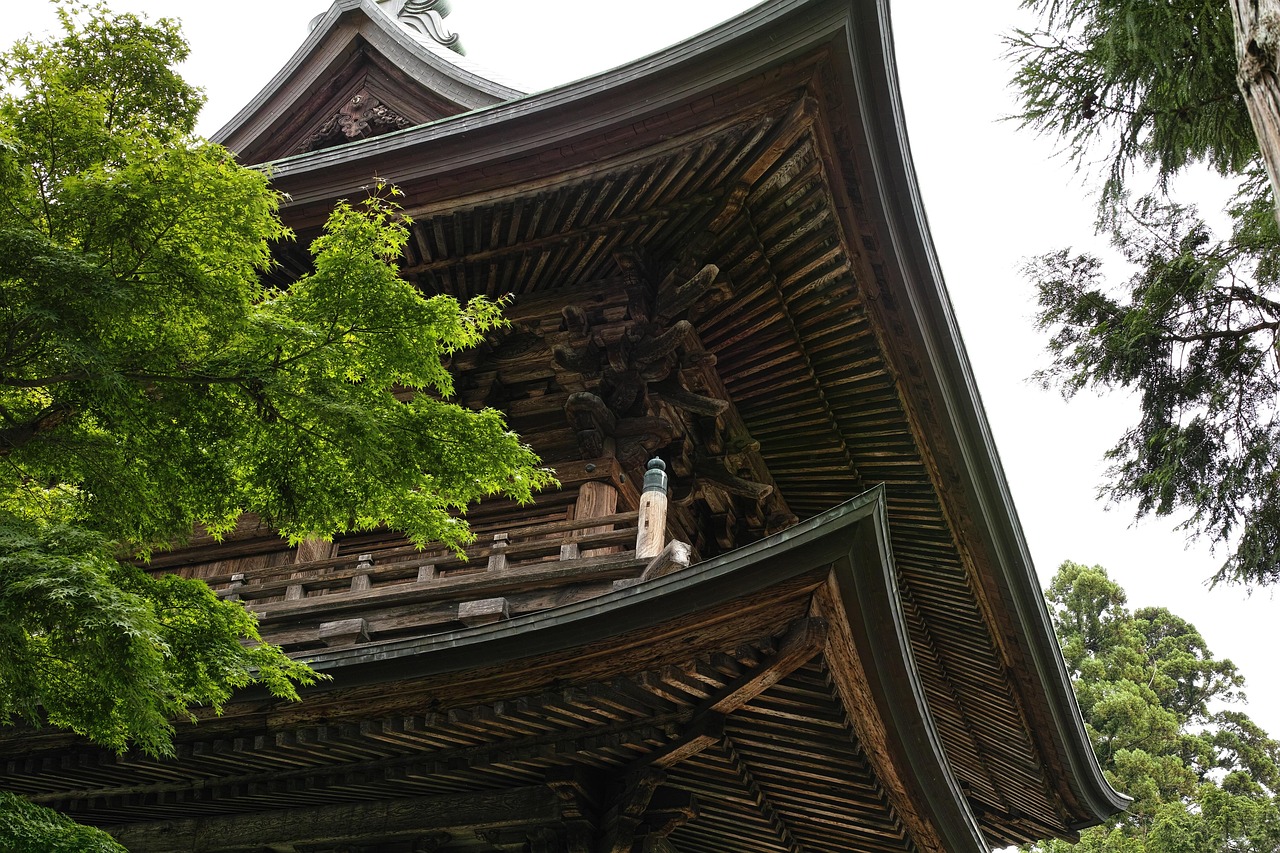
Visitor Guide Fees Passes Etiquette and a Seamless Plan for Hasedera Temple in Kamakura
For travellers searching “Hasedera Temple entrance fee entry fee Kamakura visitor guide”, here’s the reassuring truth: the logistics are simple, and a little preparation makes the experience feel spacious. Confirm opening hours on the day, and remember that entrance fee and entry fee are used interchangeably in travel notes. In peak hydrangea season, an extra ticket sometimes appears for crowd management—often noted as a 200 yen add-on—so keep a small buffer of cash.
To keep Kamakura travel seamless, consider a local tourist pass that covers key lines and reduces decision fatigue at ticket machines. It’s a small upgrade that supports more wandering, less admin.
Comfort and safety for temple steps and June crowds
Even high-end travel benefits from practical comfort. Bring water, sun protection in summer, and a light rain layer in shoulder seasons; Kamakura weather can shift quickly near the coast. Foot care matters on uneven paths and crowded stairways—especially when you’re navigating slowly behind others.
- Hydration: sip often, particularly during humid June afternoons.
- Layers: coastal wind can cool the gardens even on bright days.
- Footing: tread carefully on stone steps after rain.
Etiquette mini-guide for temple and shrine spaces
Remove shoes when required, and follow the flow of each room. Keep your voice low, avoid flash, and accept blessings or omamori with both hands. These gestures aren’t about performance; they’re about care—showing you understand this is an active place of worship, not a museum set.
Above all, trust your pace. A well-planned temple visit can feel calm even when Kamakura is busy, and that calm is part of what you’re here to discover.
What Stayed With Me After Hasedera in Kamakura reflection on Kannon
For anyone searching “Hasedera Temple Kamakura reflection Kannon”, the answer isn’t only in what you see—it’s in what lingers after you leave. I remember stepping out as the light changed, the air turning slightly cooler, and realising the Kannon presence had become a quiet inner compass. Not dramatic, not loud—just steady, like something in you has been gently re-aligned.
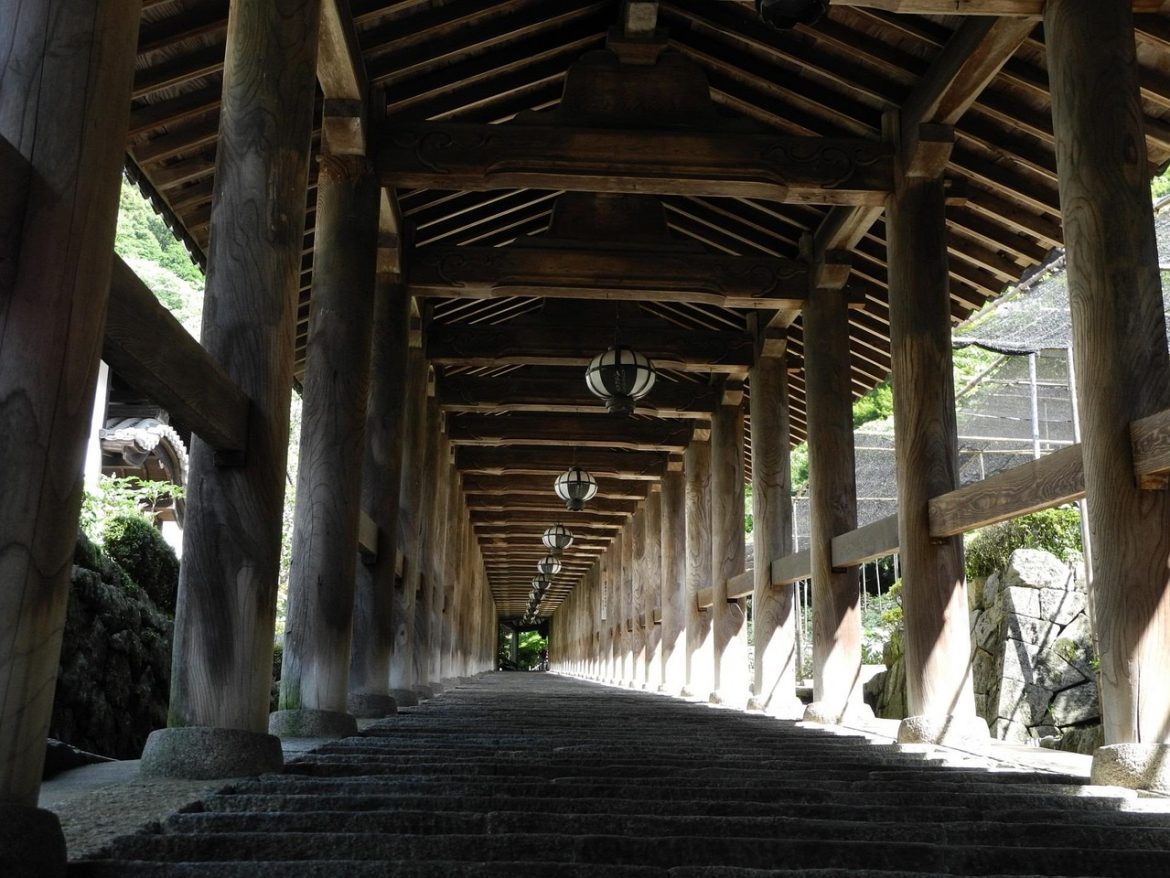
In my mind, the lantern-lined steps became a symbol of effort and grace. A first-time visitor once told me they climbed those steep stairs with their heart thumping, then felt a surprising sense of accomplishment at the top—like history had moved from a story into the body. That’s the kind of connection Kamakura gives you: you don’t merely understand it; you feel it.
Later, I thought about the local offerings I’d seen—small coins placed with both hands, a flower left quietly beside a figure, a family pausing in silence. In travel, courage is often imagined as speed and distance, but here it looked more like patience. Mercy, too, felt practical: letting others pass on a narrow path, lowering your voice, waiting your turn without resentment.
When a place can teach you that, it stays with you long after the gate. And once you’ve carried that calm through the streets of Kamakura, you begin to suspect Japan will always have another layer—softly uncovered, never fully finished.
F.A.Qs: Hasedera Temple Japan essentials
What is the Hasedera Temple famous for?
Hasedera Temple is famous for its towering eleven-headed Kannon, an exceptionally revered wooden statue that many visitors experience as the emotional centre of the temple. It’s also known for panoramic coastal views from its hillside gardens, the June hydrangea season, and atmospheric spaces like the Benten-kutsu cave with devotional figures and offerings.
Are there two Hasedera temples in Japan?
Yes. There is Hasedera Temple in Kamakura (Kanagawa), and there is also a Hasedera Temple in Nara, often called Hasedera Temple in Nara. They share a devotion to Kannon, but they are different sites with distinct settings and histories, so it’s worth checking which one your itinerary refers to.
How old is the Hasedera Temple?
Hasedera in Kamakura is an ancient Buddhist temple with origins that stretch back many centuries, and its traditions have been maintained through generations of local worship and care. Because buildings and treasures can be rebuilt or restored over time, the best way to confirm specific dates during your visit is to read the on-site information boards.
How long does hasedera take?
Most travellers spend around 60–120 minutes at Hasedera, depending on how slowly you move through the Kannon hall, gardens, and cave areas. In June, allow extra time for queues on the hydrangea path. If you add a calm pause—like sitting quietly near the hall—you may happily stay longer.