Post Contents
- Kyoto for First-Time Visitors Itinerary Best Things and Top Things to See
- Temples and Shrines in Kyoto Best Things to Do in Kyoto Japan with Fushimi Inari and Kinkaku ji
- Gion Kyoto Tea Ceremonies and Geisha Traditional Kyoto Experiences
- Arashiyama Bamboo Grove Kyoto Attractions Early Morning Bamboo Forest Walks
- Kyoto Kaiseki Dining Nishiki Market Best Places to Eat Luxury
- What Stayed With Me After Kyoto Things to Do in Kyoto Japan Reflection
- F.A.Qs: Top things to do in Kyoto Japan
Kyoto for First-Time Visitors Itinerary Best Things and Top Things to See
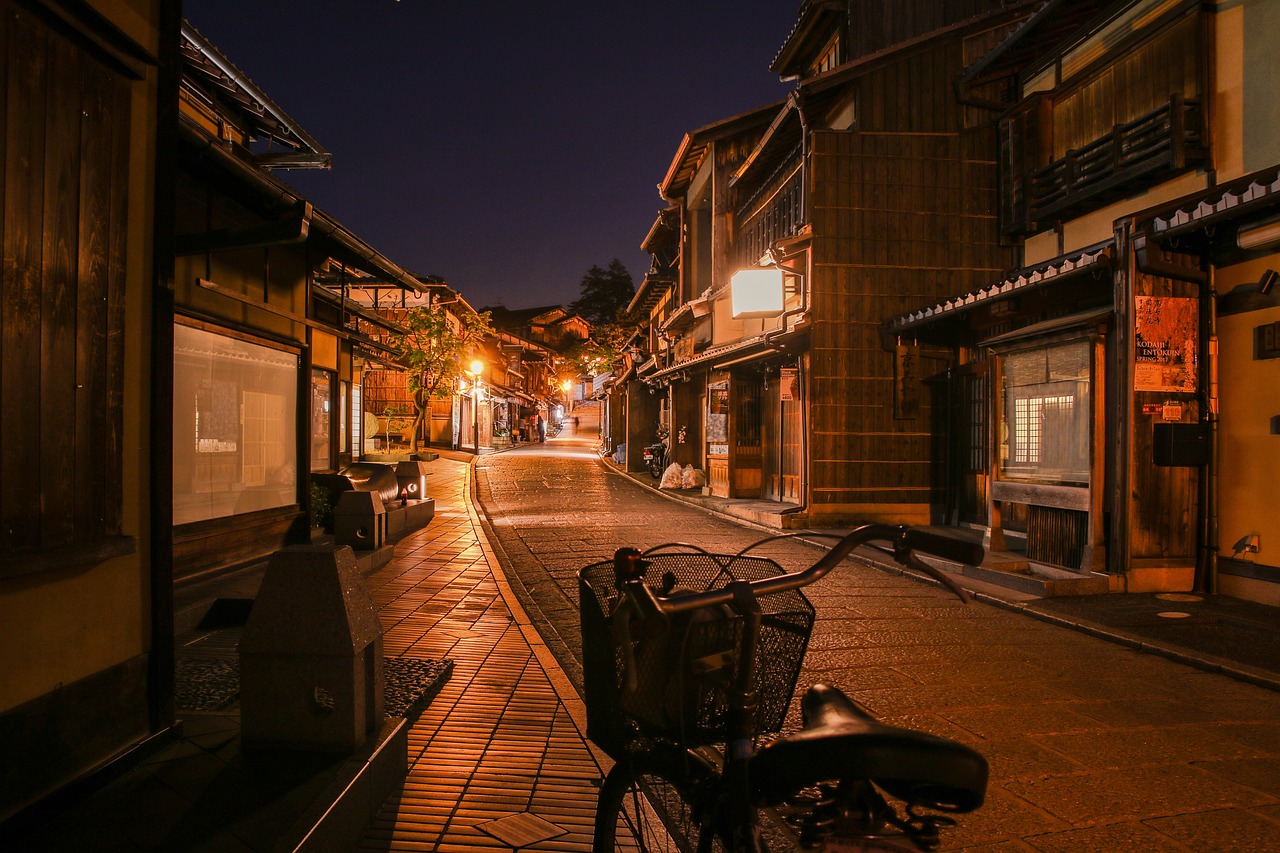
Kyoto for First-Time Visitors How to Design a Seamless Stay in the lantern-lit streets
If you’re looking for a Kyoto for first-time visitors itinerary best things top things to see, the city can feel both generous and overwhelming—in the best way. Kyoto is a Kyoto bucket list destination because it layers temple calm, shrine symbolism, cuisine, and design into a single, walkable world. Yet the real luxury is learning how to explore with trust in your pace, so your trip to Kyoto feels seamless rather than stuffed.
For design-minded travellers, one of the most unique pleasures here is noticing the craft that holds everything together: a temple roofline framed like architecture, an incense trail that changes a corridor’s mood, or a hand-thrown bowl that makes tea taste warmer. These are the unique things to see that don’t need a queue—only attention.
Planning a Kyoto itinerary rhythm for days in Kyoto
Kyoto is at its most graceful when you plan around the city’s natural cadence. An early start gives you quiet at a shrine or temple, midday invites a pause (a garden bench, a long lunch), and evenings are for lantern-lit wandering in Gion or a crafted dinner that becomes the centrepiece of the day.
A reliable rhythm for a first time in Kyoto looks like this: one early anchor (a temple or shrine), one slower cultural interlude (tea, shopping, or a museum), and one evening moment (a stroll, a performance, or kaiseki). It’s one of the best things you can do for yourself in popular Kyoto—because you’ll feel present rather than pushed.
- Early: arrive before tour groups at a temple, shrine, or bamboo grove for stillness and photos without disruption.
- Midday: return to central Kyoto for a rest, a refined café, or a light gallery stop.
- Late afternoon: visit one “big” site with softer light and fewer crowds.
- Evening: design a slow route through Gion, then finish with dinner you’ve reserved in advance.
Best time to visit Kyoto and time to visit guidance
When people ask the best time to visit, what they usually mean is: “When will it feel easiest?” For Kyoto, the best time to visit Kyoto is typically spring (March to May) and autumn (October to November). In cherry blossom season, the city feels almost luminous, while autumn brings crisp air and gardens edged with fire-coloured leaves.
As a simple time to visit rule: choose spring for gentler light and romantic walks, choose autumn for calm weather and vivid colour. If you’re travelling to Japan for the first visit to Japan, these seasons also make day trips and logistics feel smoother, which builds confidence quickly.
Arriving via JR Kyoto Station and getting around with comfort
Most arrivals funnel through Kyoto Station, and it’s worth treating it as a hub rather than a hurdle. From jr kyoto station, you can connect efficiently to the city and beyond, including the JR Sagano Line for Arashiyama bamboo experiences. Local buses are excellent value for short hops to temples and shrines, while taxis can feel worth it for door-to-door ease—especially if you’re dressed for dinner or moving between a temple visit and a timed reservation.
For a high-end trip to Japan, comfort often comes from reducing friction. A taxi for the final kilometre, a private guide for your first day, or a pre-planned route can be the support that keeps everything feeling personal and calm.
Where to stay in Kyoto by vibe plus a modern wildcard
Where you stay in Kyoto shapes the tone of the entire journey. Gion suits travellers who want traditional Kyoto at their doorstep—quiet lanes, refined service, and evenings that feel cinematic. Central Kyoto offers convenience, especially if you want quick access to multiple temple and shrine districts without long transit times. Arashiyama is ideal if you want mornings in nature and nights that feel hushed, almost retreat-like.
And when you need a softer reset from temples in Kyoto, consider a wildcard visit in Kyoto that still speaks to craft and culture: the Kyoto International Manga Museum. It’s a gentle, modern counterpoint—an easy hour that gives your mind a break while keeping you connected to Japanese creativity.
One last reassurance for japan travel: Kyoto is exceptionally safe. Still, keep valuables secure in busy areas, especially around well-known Kyoto sights. If you’re visiting Kyoto for the first time, a vetted local host or private guide can quietly handle etiquette, pacing, and transport—so you can simply explore, discover, and enjoy.
For visual inspiration as you begin to design your own journey, you can browse our Trip gallery.


Temples and Shrines in Kyoto Best Things to Do in Kyoto Japan with Fushimi Inari and Kinkaku ji
Temples and Shrines in Kyoto Iconic Beauty with Quiet Etiquette at Kinkaku ji
When you’re searching for the best things to do in Kyoto Japan temples and shrines Fushimi Inari Kinkaku-ji, it helps to remember a simple truth: a temple and a shrine are living sacred places, not staged sets. The most beautiful visits come from small acts of care—stepping aside, lowering your voice, and letting the atmosphere lead. This is one of the best things about Kyoto city: the city asks you to slow down, and it gives you depth in return.
Many temples and shrines also have practical etiquette that makes everything feel calmer for everyone. Remove shoes where indicated, avoid eating while walking through a temple precinct, and treat prayer spaces with quiet respect. If you’re in Kyoto and you follow these cues, you’ll feel immediately more at ease.
Fushimi Inari shrine and the torii gates experience
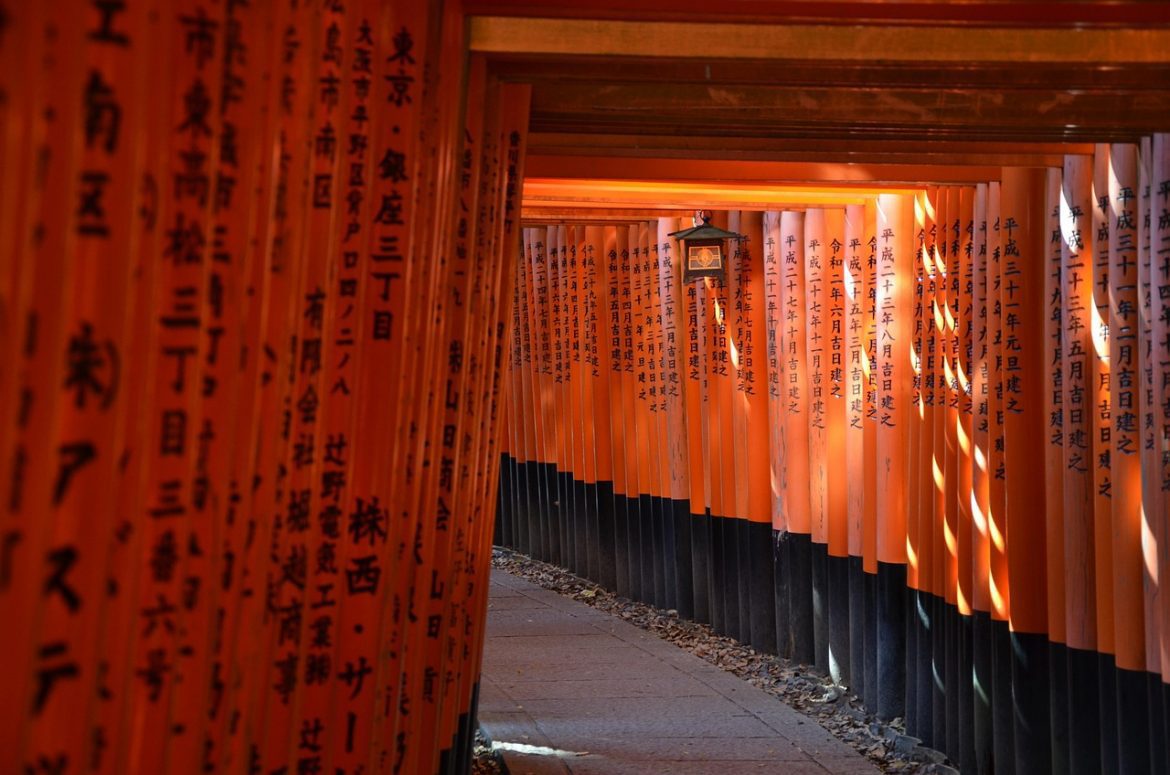
Fushimi Inari is often described as a “must”, but it’s more accurate to say it’s a shrine journey. At Fushimi Inari Taisha shrine, the torii gates rise in rhythmic rows, and each step feels like you’re passing through a corridor of intention. Start early if you want space, or arrive late afternoon if you want warmth in the light.
A traveller once described their Fushimi Inari walk at sunset as surreal—torii gates glowing as the mountain turned amber, with the shrine path quieting as if the day were exhaling. They said it felt almost spiritual, not because of any single view, but because the repetition of gates gave their mind somewhere gentle to rest.
To explore with ease, choose your route with honesty. The lower shrine area is energetic and iconic; continuing upward brings quieter pockets where the mountain feels more present. If time in Kyoto is limited, go as far as feels right, then turn back without guilt—this is one of those experiences in Kyoto where the mood matters more than the mileage.
Kinkaku ji temple highlights and timing for calm
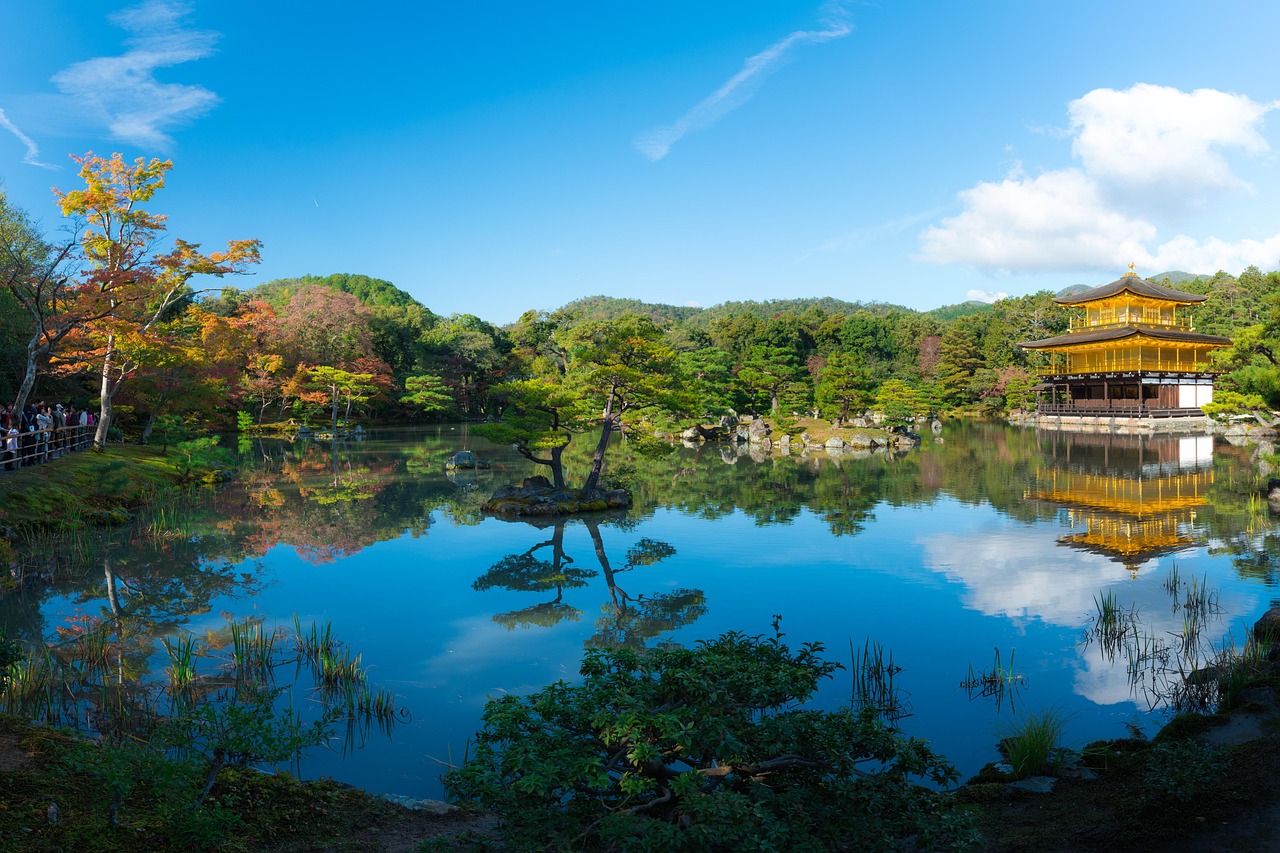
Kinkaku-ji temple—often called the Golden Pavilion—has a kind of composed brilliance that photographs never quite capture. The temple’s gold leaf surfaces reflect on the pond, and the surrounding garden design makes the scene feel carefully framed, like a living painting.
For calmer photos, arrive close to opening or later in the day. Move slowly along the set path, allowing space for others, and pause at the viewpoints where the pavilion’s reflection is cleanest. Even when it’s busy, you can keep the temple experience serene by focusing on details: ripples on water, stone placement, and the way the temple sits in the landscape rather than on top of it.
One contemplative temple and a stately contrast at Kyoto Imperial Palace
To balance the icons, add a temple stop that feels inward. A favourite for contemplative quiet is Ryoan-ji temple, where the rock garden invites you to sit rather than “do”. It’s a temple experience that’s less about spectacle and more about attention—perfect for high-end travellers who want insight as well as beauty.
Then shift to a different kind of power: the Kyoto Imperial Palace grounds. Here, the design language changes—wide gravel paths, trees arranged like guardians, and an almost stately restraint. Kyoto was once the capital of Japan, and you can feel that legacy not as drama, but as order.
Several sites are protected as a UNESCO world heritage site (and within the broader unesco world heritage network), which is a reminder that visiting is a privilege. Visit Kyoto responsibly by keeping to marked routes, avoiding flash where requested, and treating every temple and shrine as someone’s ongoing place of devotion—not merely an attraction in Kyoto.
From here, the city’s atmosphere shifts naturally towards evening—perfect timing to uncover Gion’s softer glow.
Gion Kyoto Tea Ceremonies and Geisha Traditional Kyoto Experiences
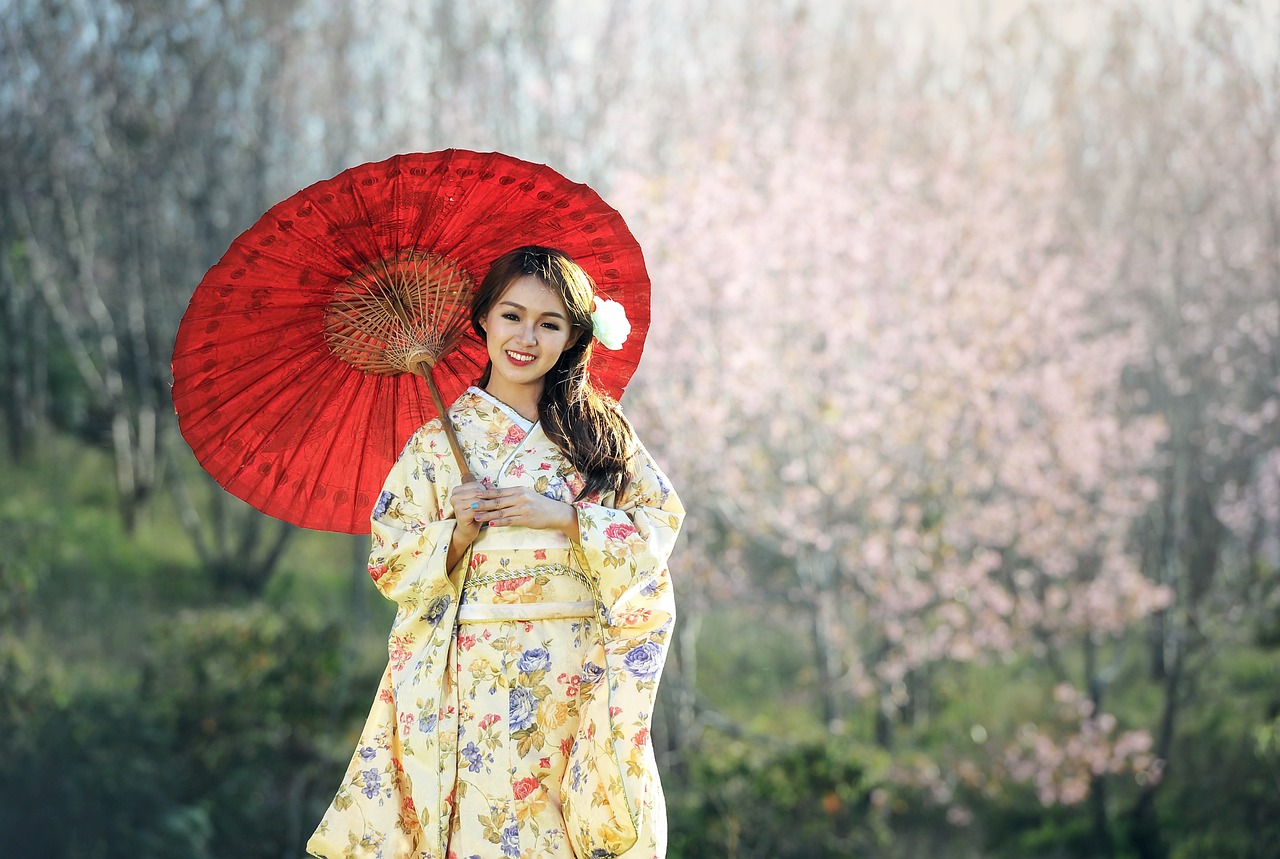
Gion After Dark Tea Ceremonies Geisha Culture and Traditional Kyoto streets
For travellers planning Gion Kyoto tea ceremonies geisha traditional Kyoto experiences, evenings in Gion can feel like stepping into a quieter register of the city. Think soft lantern light, careful footsteps, and a kind of composed hospitality that reassures you without performing for you. Gion isn’t a theme; it’s a neighbourhood where tradition continues in private, dignified ways.
This is also where luxury becomes subtle. A perfectly timed reservation, a local host who guides you with confidence, and a route that avoids the busiest lanes can make your night feel effortless—crafted, rather than crowded.
Tea ceremonies in a historic teahouse and how to book
Tea ceremonies are one of the most unique cultural moments you can create in Kyoto, particularly when hosted in a historic teahouse. The movements are precise, yet never cold; they’re designed to communicate care. You’ll see how each gesture has purpose—how the bowl is turned, how the tools are placed, and how silence is used like punctuation.
For what to wear: aim for understated elegance. Covered shoulders, neat layers, and minimal fragrance are ideal. For high-end travellers, booking private or very small-group tea ceremonies is worth it, because you’ll hear the philosophy, not just the steps. Reserve ahead, and confirm whether photos are allowed—many spaces prefer you to stay present.
An intimate Gion tea memory and geisha etiquette
One visitor reminisced about an intimate tea ceremony in Gion where the tea master explained not only the “how”, but the “why”. They described holding the warm bowl in both hands and feeling, unexpectedly, that the ritual was less about performance and more about attention—an insight that stayed with them long after they left the teahouse.
If you’re hoping to glimpse geisha or maiko, the most important etiquette is simple: do not chase, block, or photograph aggressively. Appreciate from a respectful distance, and let the neighbourhood breathe. If you want a more structured experience, look for a cultural performance arranged through a reputable venue or hotel concierge. A vetted local guide can support you here—helping you navigate rules with ease, so the experience remains personal and dignified.
- Do: keep to the side of the lane, speak quietly, and allow working locals to pass.
- Don’t: grab quick photos of geisha in transit or treat private alleys like a studio.
- Consider: a pre-arranged performance for context, comfort, and trust.
Design-led evening add-ons in Gion
For a designer’s eye, Gion also offers curated craft shopping—textiles with depth of colour, ceramics that make everyday meals feel ceremonial, and incense that recalls a temple corridor. Choose one or two beautiful pieces rather than overbuying; restraint is part of the aesthetic here.
To design a graceful route back to central Kyoto, walk slowly towards quieter streets, then take a taxi when your feet ask for it. After all, one of the best things about a high-end Kyoto night is ending it before it becomes tiring—so tomorrow still feels fresh.
Arashiyama Bamboo Grove Kyoto Attractions Early Morning Bamboo Forest Walks
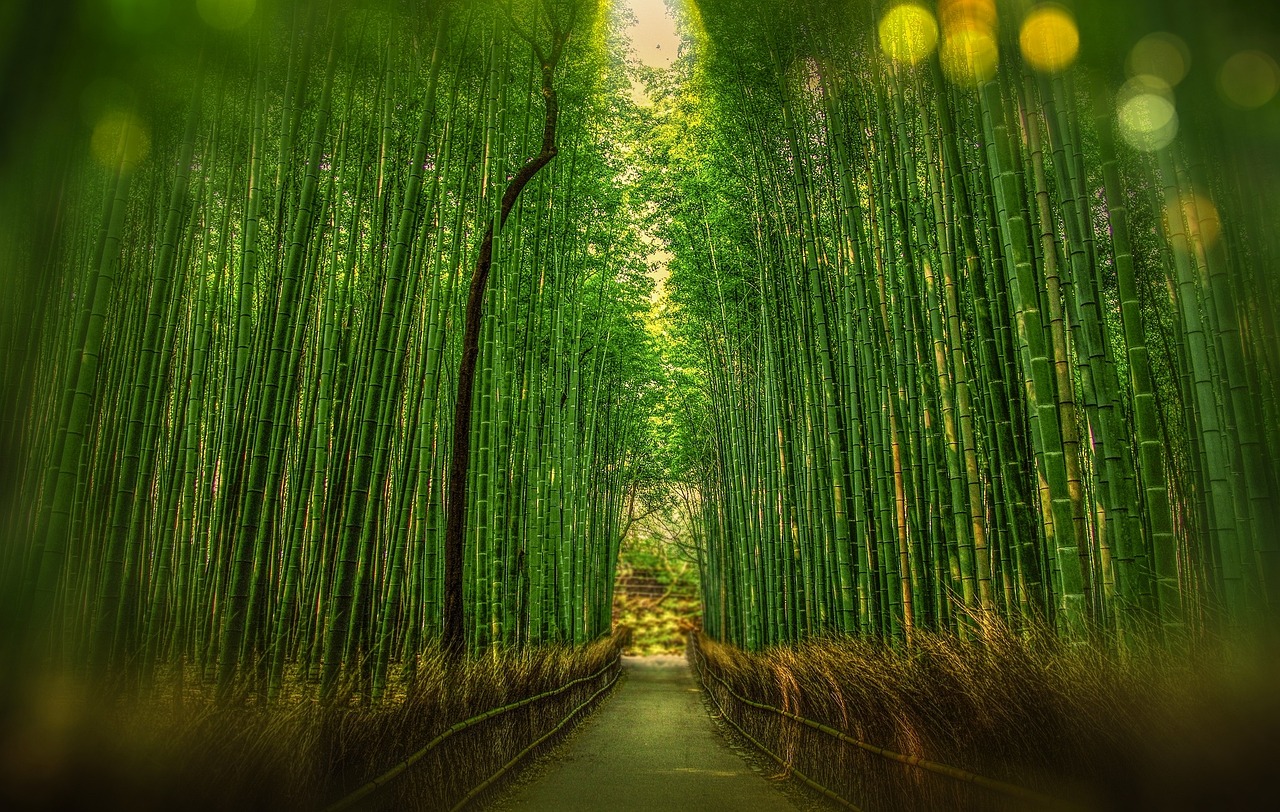
Arashiyama Bamboo Grove and Nature Escapes Early in the Morning in Kyoto
If your saved notes include Arashiyama bamboo grove bamboo forest Kyoto attractions early morning, you’re already thinking like an expert. The bamboo grove is most affecting when it’s quiet enough to hear the wind, and early in the morning is when Arashiyama bamboo feels less like a headline and more like a place. In that hush, the bamboo forest becomes meditative—an experience that’s as much about tempo as scenery.
This is one of those moments that can shift your whole trip to Kyoto. You’re not just seeing something beautiful; you’re letting it recalibrate you.
Arashiyama bamboo grove strategy for a quieter bamboo grove
A high-end traveller once shared that waking up before dawn to walk through the almost empty Arashiyama Bamboo Grove created a deeply meditative and unforgettable moment. There was no rush to photograph; instead, they noticed how the path narrowed and widened, how the light changed by the minute, and how even their own footsteps felt softer.
To recreate that feeling, arrive as early as you comfortably can and keep your route simple. Walk slowly through the main bamboo grove, then step aside into quieter lanes rather than forcing the “perfect” spot. If you want an even gentler pace, plan a short stop at a nearby temple afterwards—nature first, then stillness with structure.
How to reach Arashiyama with minimal friction
From Kyoto Station, the JR Sagano Line is the most straightforward way to reach Arashiyama. Aim for an early train so you arrive before the busiest window, then take a short taxi if you want door-to-door ease. If you’re staying in Kyoto in Gion or central Kyoto, a taxi in the pre-dawn hours can feel especially seamless—quiet roads, quick arrival, and no mental load.
If you’re travelling to Japan with family or you simply value comfort, consider pre-arranging a car for the morning. That kind of support can turn an early start into something you actually enjoy.
Around Kyoto nature day plus a gentle viewpoint moment
Once you’ve had your bamboo grove walk, build the rest of the day like a slow exhale. Stroll by the river, pause for coffee, and take a garden break where the landscaping feels like a quiet conversation between stone, water, and moss. Kyoto city offers views over the city from a handful of gentle vantage points—choose one that suits your energy rather than chasing every angle.
If you’re taking a day trip mindset from Arashiyama, keep it light: one additional stop, not four. A private driver or guide adds ease if you’re mixing a temple visit with shopping or lunch, because transitions are where stress tends to creep in.
Trip from Kyoto ideas and a calm day trip to Nara
If you want a trip from Kyoto beyond Arashiyama, a day trip from Kyoto to Nara is a beautiful contrast. The day trip to Nara pairs open parkland with landmark temple and shrine sites, and it can feel luxuriously unrushed if you go early and keep your plan simple. Think: one major temple, one shrine, and a long lunch before returning.
The key is to design it as a single, spacious arc—so your return to Kyoto still feels like coming home, not collapsing at the end of a marathon.
Kyoto Kaiseki Dining Nishiki Market Best Places to Eat Luxury
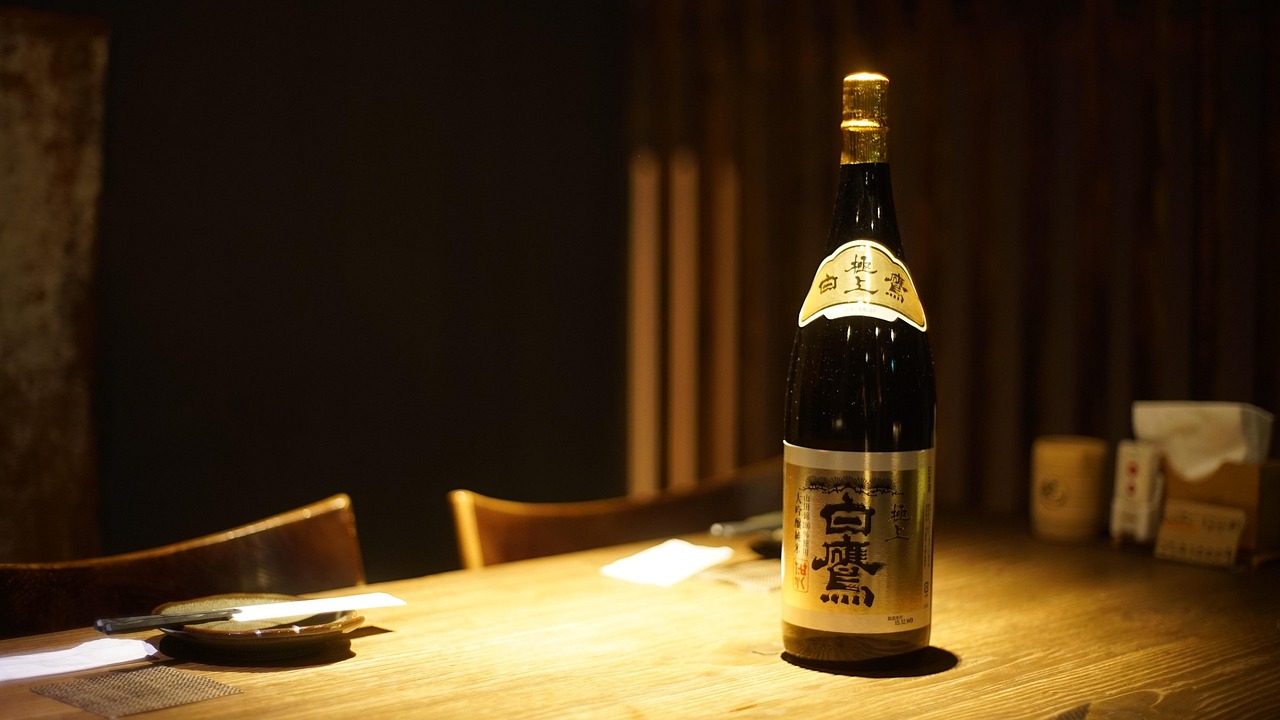
Crafted Kyoto Cuisine Nishiki Market and Private Kaiseki Dining experiences
For travellers researching Kyoto kaiseki dining Nishiki Market best places to eat luxury, Kyoto is quietly one of the best places in Japan to understand seasonality. Here, food is crafted in more ways than one: ingredients chosen at their brief peak, ceramics selected to echo colour and temperature, and pacing designed to make you feel cared for rather than hurried.
In between temples and shrines, meals become the moments that stitch the day together. The right lunch can reset your energy; the right dinner can become a memory you carry for years.
Private kaiseki dining with reservations, costs, and dress codes
A private kaiseki experience is one of the best things you can book in the city of Kyoto if you value artistry and hospitality. Reservations are often essential, especially for renowned chefs or discreet counters with few seats. Costs vary widely, but high-end menus are an investment—plan for it the way you’d plan for a special performance.
One traveller recalled their exclusive kaiseki dinner as the highlight of their Kyoto trip: each course felt personalised, the presentation was intimate rather than showy, and the staff seemed to anticipate needs before they were voiced. They described it as “care made visible”, which is exactly the point of great kaiseki.
- Reserve early: the best counters book out, especially in spring and autumn.
- Confirm dress codes: smart, understated clothing is usually perfect.
- Share preferences: allergies and dislikes can often be accommodated with notice.
- Arrive on time: pacing matters in kaiseki, and lateness disrupts the flow.
Nishiki Market as a refined places to eat loop
Nishiki Market is often described as Kyoto’s kitchen, but you can approach it with a luxury mindset: curated tasting rather than chaotic snacking. Visit in Kyoto slightly earlier in the day to avoid peak crowds, and move slowly—sampling a few excellent bites rather than trying everything.
What to taste depends on season, but you’ll often find exceptional pickles, tofu-based specialities, and sweets that travel well. Nishiki Market is also a smart place for gifts: beautifully packaged tea, artisanal spice blends, or small kitchen tools that feel like design objects.
Pairings and designing a food and temple day
For high-end travellers, pairings elevate the experience. Consider a sake flight with dinner, a tea pairing that matches the courses, or a refined sweet that follows a shrine visit like a gentle reward. If you’re looking for the best things to do without feeling rushed, design a “food and temples” day with generous buffers: one temple in the morning, a long lunch, then a quieter shrine in late afternoon.
It’s one of the best ways to keep your appetite—and your attention—fully alive.
Practical reassurance for dietary needs and changing plans
Dietary needs are manageable in Kyoto when you communicate early and clearly. Share allergies at booking, and avoid last-minute changes where possible. If plans shift, ask your hotel concierge or guide for support with rebooking—many restaurants have strict cancellation policies, but calm, respectful communication goes a long way.
When the logistics are handled thoughtfully, you can focus on the pleasure: a meal that feels crafted, local, and quietly extraordinary.
What Stayed With Me After Kyoto Things to Do in Kyoto Japan Reflection
Long after you’ve left, what stays isn’t only the headline thing to do in Kyoto—it’s the smaller, softer impressions that return when life becomes loud. Incense lingering on a sleeve. The sound of your footsteps on stone as you pass a temple wall. The brief hush in a shrine courtyard where even your thoughts seem to slow.
I think often of the bamboo grove at dawn, when the path was almost empty and the bamboo forest seemed to move with the air rather than with the crowd. I remember a tea bowl warmed between both hands, and how the tea master’s quiet explanation made the ritual feel human, not distant. I remember Fushimi Inari in late light, the torii gates turning the climb into a kind of walking meditation. And I remember a kaiseki meal where each course arrived with such care that it felt like being looked after, not simply served.
Luxury, in Kyoto, is time—time to look properly, to listen, to be unhurried. It’s trusting your preferences, even when the internet insists there are only “top Kyoto” routes. Kyoto is complete without doing everything, because the city rewards the traveller who notices rather than races. If you move through temples and shrines with respect for the people who keep them alive, the experience feels deeper than any list.
Some places you tick off; Kyoto is one you quietly carry. And when you need beauty and stillness again, you may find yourself wondering what else the city has been patiently keeping for you.
F.A.Qs: Top things to do in Kyoto Japan
F.A.Qs: Top things to do in Kyoto Japan for first-time visitors
What should I not miss in Kyoto?
Don’t miss a signature shrine walk at Fushimi Inari, at least one contemplative temple, and an evening in Gion that includes tea ceremonies or a refined cultural performance. For nature, the Arashiyama Bamboo Grove early in the morning can be quietly unforgettable. If you prefer a luxury pace, choose fewer sites and build in pauses so each place lands properly.
What are the top three things to do in Kyoto?
A strong top three is: visit Fushimi Inari for its torii gates, see a landmark temple such as Kinkaku-ji, and spend an evening in Gion with tea ceremonies and respectful geisha culture context. These experiences balance sacred design, iconic beauty, and living tradition, especially for a first visit when you want the city’s essence without rushing.
What is Kyoto, Japan best known for?
Kyoto is best known for its temples and shrines, traditional Kyoto neighbourhoods like Gion, and refined arts such as tea, ceramics, and seasonal cuisine. It’s also known for garden design and the sense of history that comes from being Japan’s former imperial heart. For many travellers, the appeal is how beauty and etiquette shape daily life.
What is a must try in Kyoto?
A must try is a carefully chosen kaiseki meal, ideally reserved in advance so you can enjoy the full pacing and craft. If you love markets, Nishiki Market is a wonderful daytime loop for tasting and gifts. For a cultural experience, tea ceremonies offer insight into Kyoto’s philosophy of attention, hospitality, and calm.