Post Contents
- Tokyo guide to Shibuya Tokyo Japan for adventure seekers around Shibuya
- Shibuya Station access to Shibuya Tokyo travel guide for Shibuya Station confidence
- Things to do in Shibuya Shibuya scramble crossing Shibuya Sky with Shibuya scramble
- Shibuya Tokyo nightlife shopping in Shibuya Nonbei Yokocho and shopping in Shibuya
- Near Shibuya Harajuku Meiji Shrine Yoyogi Park teamLab Planets Tokyo near Shibuya
- Visit Shibuya Tokyo Japan personal reflections after Shibuya City Japan
- F.A.Qs: Shibuya City Japan and Tokyo basics
Tokyo guide to Shibuya Tokyo Japan for adventure seekers around Shibuya
Tokyo guide to Shibuya for first-time energy in Shibuya City Japan
If you’ve been searching for a guide to Shibuya Tokyo Japan for adventure seekers, begin with one reassuring truth: Shibuya is one of Tokyo’s defining districts for youth culture and creative risk-taking, but you don’t have to match its speed to belong. Tokyo’s energy can be designed around your comfort—fast when you want the thrill, slow when you want the detail. Think of Shibuya as a living gallery where signage, sound, and style constantly update.
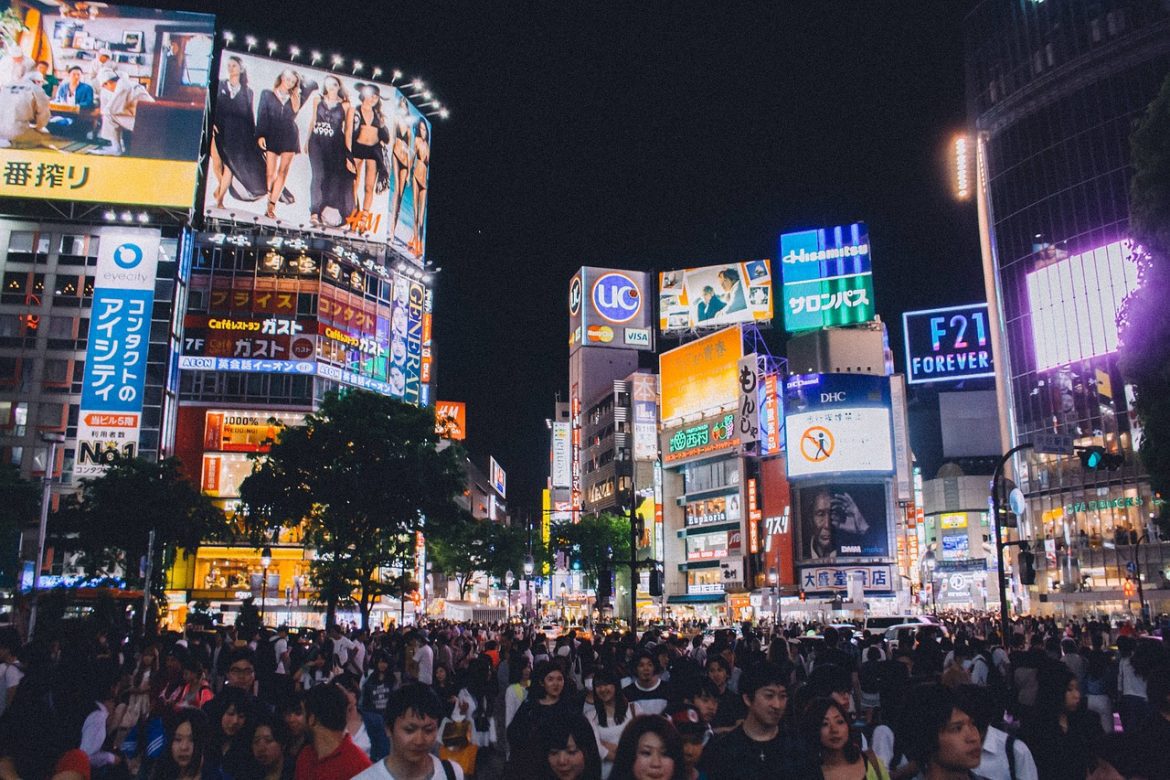
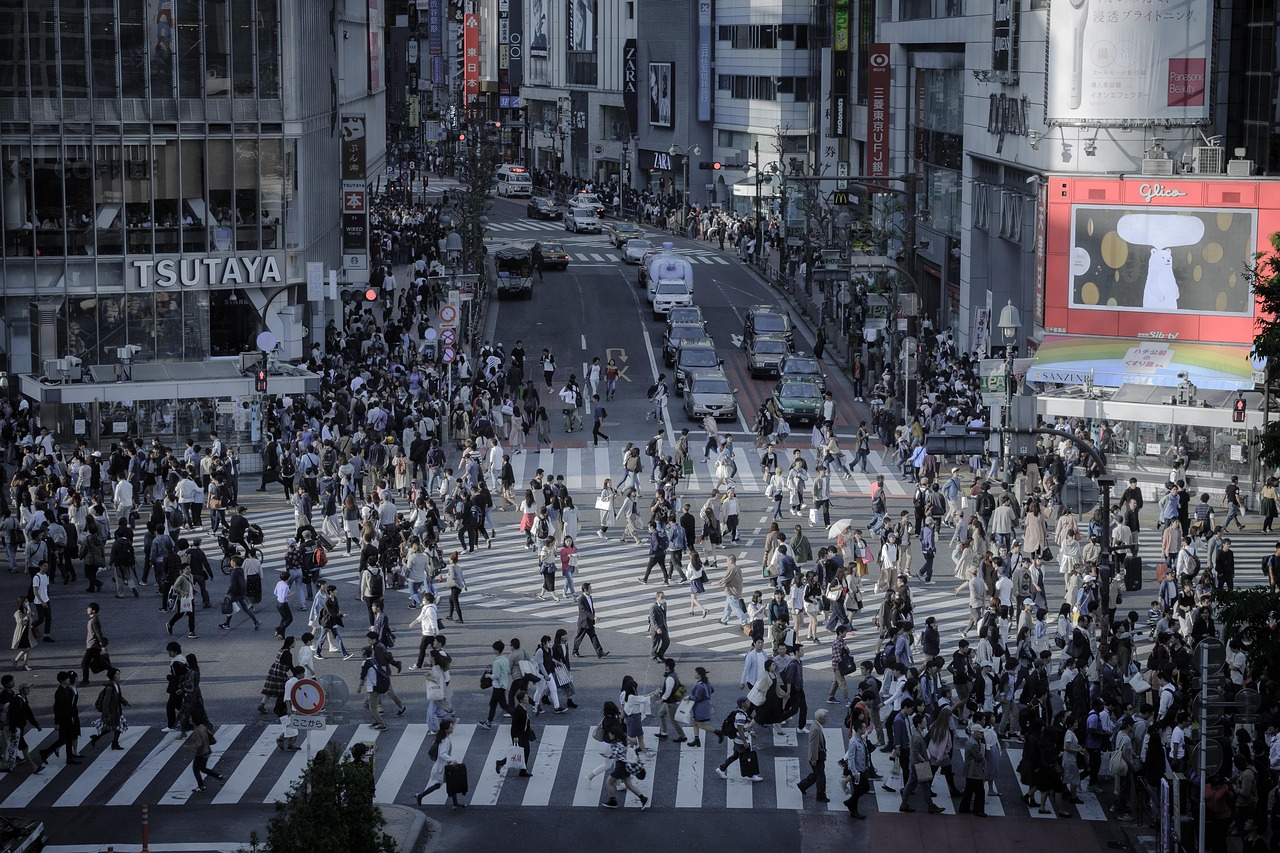
Imagine your first time in Shibuya Crossing: you pause at the curb, the light flips, and suddenly the world moves in every direction. Travellers often tell me the first step feels overwhelming yet exhilarating—like Tokyo has temporarily turned into choreography. Notice the layers: the jingle of a nearby shop, the ripple of footsteps, the glow of screens, and how the flow stays oddly polite even at the busiest moments.
Around Shibuya and the streets of Shibuya near the station
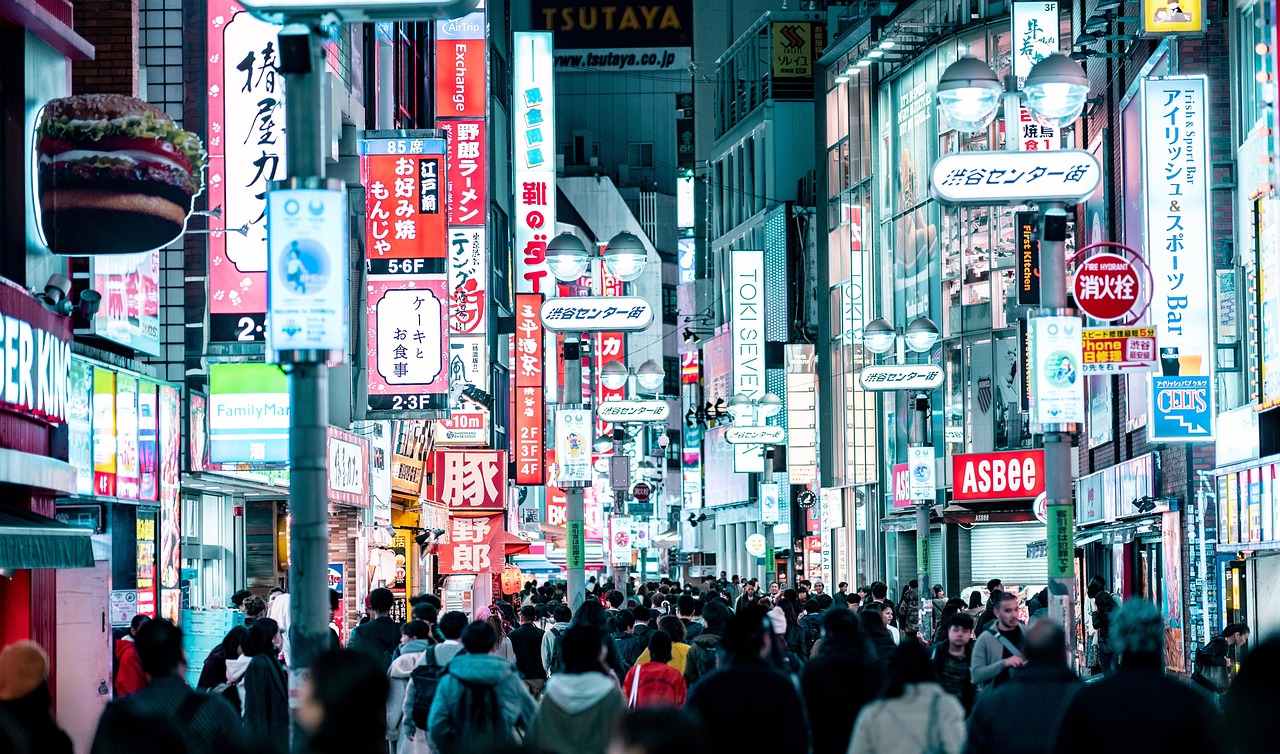
To stay grounded, build a simple mental model of the streets of Shibuya. Start with the area around Shibuya Station as your centre, then picture spokes leading to shopping and dining pockets, plus calmer edges that offer a breather. You’ll find the iconic scramble close to the Hachiko side, while sleek complexes and quieter lanes sit just a few minutes away—perfect for creating your own pace in Tokyo.
For a high-end approach, plan your time in Shibuya like a crafted scene change: neon first, then a calm corridor, then back to the crowd. Your Shibuya itinerary can be as bold or as gentle as you choose, and if you’d like ideas for the wider journey, you can browse our Trip gallery for inspiration to explore Japan together with trust and care.
Top things to do in Shibuya with calm escapes near Shibuya
For first-time visitors to Japan, the top things are wonderfully clear: the Shibuya scramble crossing, the Shibuya Sky observation deck, Harajuku, Meiji Shrine, and a modern attraction like teamLab Planets TOKYO. Even if you only have a half-day in central Shibuya, you can still create a full arc—from street-level buzz to quiet reflection.
Set expectations for walking: you’ll do more on foot than you think, so comfortable shoes matter. Late afternoon into evening is especially popular because Tokyo lights up, dining options multiply, and Shibuya’s nightlife begins to hum—yet it’s still easy to step away and recover your calm within minutes.


Shibuya Station access to Shibuya Tokyo travel guide for Shibuya Station confidence
Shibuya Station made simple access to Shibuya in Tokyo
This Shibuya Station access to Shibuya Tokyo travel guide starts with a mindset: Shibuya Station is one of Tokyo’s busiest transport hubs, so confidence comes from choosing one or two anchors rather than trying to understand everything at once. Treat it like a well-run airport terminal—clear signage, multiple levels, and lots of people who already know where they’re going.
Access to Shibuya is seamless from across Tokyo. JR Shibuya Station connects to the Yamanote line (often written as the Yamanote Line), and you’ve also got Tokyo Metro connections, including the Fukutoshin line, plus private railways such as Tokyu services and the Keio Inokashira line. If you like to explore with flexibility, this connectivity means Shibuya can be your base for day trips to Shinjuku or even Ginza, then back again for evening energy.
Step-by-step arrival from Narita and outside Shibuya Station
If you’re arriving from Narita, the Narita Express is a comfortable way to begin your Tokyo travel day with a sense of ease. When you emerge outside Shibuya Station at peak time, it can feel like stepping into a moving river of people—bright screens, tightly timed crossings, and that unmistakable Tokyo rhythm. The simplest support is to stop for ten seconds, step aside near a wall, and confirm your next move before rejoining the flow.
If you’re worried about getting jostled, avoid the sharpest rush windows and aim for late morning or early afternoon for your first navigation practice. Your first goal isn’t to see everything—it’s to learn the station’s logic, like you would in any major train station.
Meeting points, exits, and payment routines that build trust
For orientation, pin a few landmarks around Shibuya Station: the Hachiko Exit, Shibuya scramble square, and Shibuya Mark City as reliable “north stars”. Mentioning “Hachiko” to a local is often enough to get a gentle point in the right direction, and Shibuya scramble square gives you an instant visual of where the iconic crossing sits.
Make payment simple with a prepaid IC card such as Suica or Pasmo: tap-in, tap-out, and keep a small balance so you’re never rushed at the gate. If you miss a train, your back-up plan is simply the next one—Tokyo runs on frequency, not fear. For those choosing a hotel in Tokyo nearby, the Shibuya Excel Hotel Tokyu is a comfortable reference point, and it can make late-night returns feel pleasantly straightforward.
- Quick confidence cues: choose one exit to remember (Hachiko Exit), one building to spot (Shibuya Mark City), and one open plaza to regroup (Shibuya scramble square).
- Comfort basics: wear cushioned shoes, keep your voice low on platforms, and let faster walkers pass—Tokyo rewards calm awareness.
- Costs to expect: many local meals and small-bar bites land around 500–1500 yen, depending on what you order.
Things to do in Shibuya Shibuya scramble crossing Shibuya Sky with Shibuya scramble
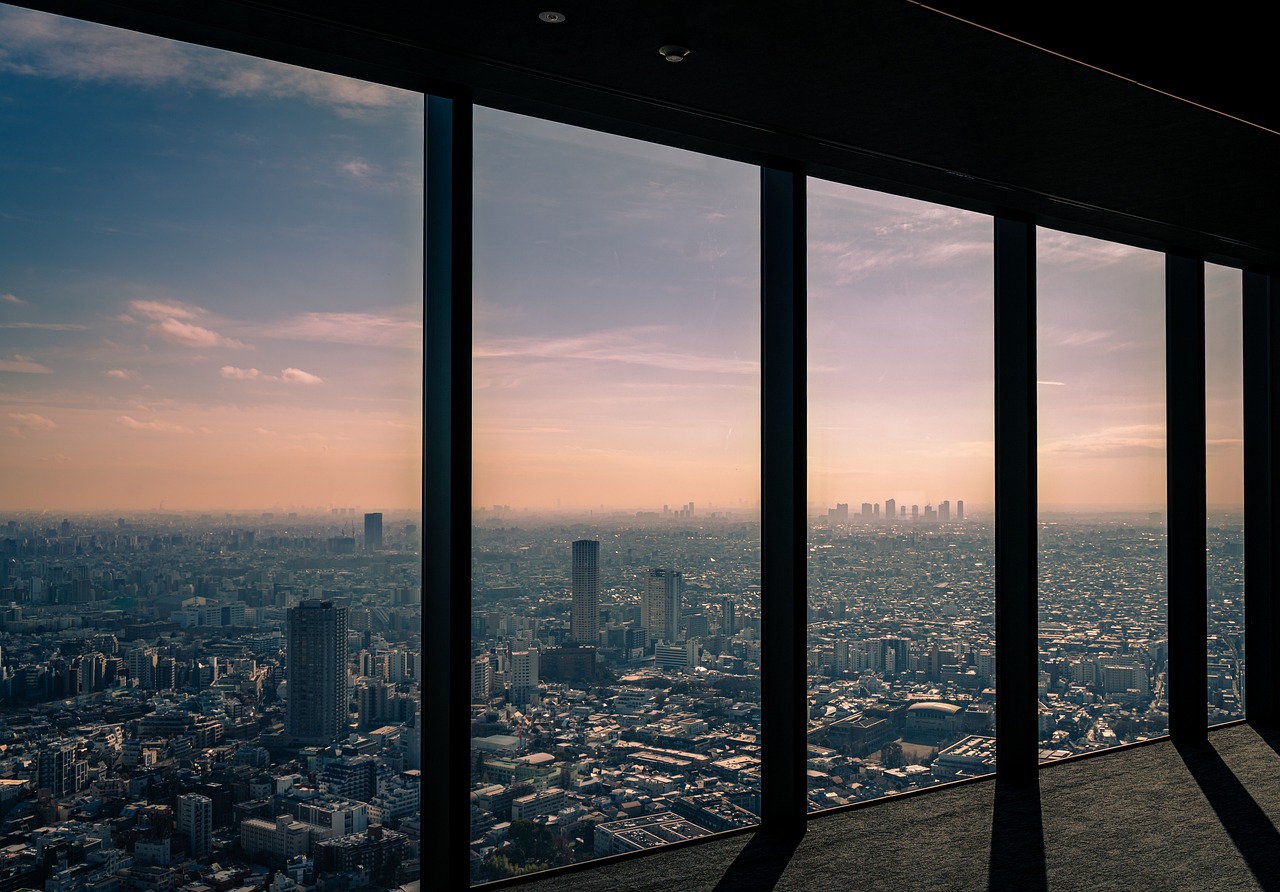
Things to do in Shibuya with Shibuya Scramble and Shibuya Sky
If your list literally reads things to do in Shibuya Shibuya scramble crossing Shibuya Sky, you’re in exactly the right place. The Shibuya Crossing is often cited among the world’s busiest intersections, and the Shibuya scramble turns waiting at a red light into theatre. When the signal changes, the pedestrian surge comes from all directions—yet the magic is how smoothly it works when everyone stays aware.
To enjoy it safely, keep your bag close, stay steady, and resist the temptation to stop in the centre for a photo. Cross once just to feel it, then cross again for a more observational pass—this is one of those Tokyo moments where your second attempt becomes your best.
Shibuya Crossing photos and the iconic Shibuya Crossing perspective
For photography and video, late afternoon into evening gives you reflections, bright signage, and the warm glow that makes Tokyo feel cinematic. For a respectful shot, stand to the side rather than blocking the flow; the goal is to capture the movement without becoming an obstacle. If you want a classic vantage point, the Shibuya Excel Hotel Tokyu has long been known for views over the iconic Shibuya Crossing—ideal if you prefer a composed scene over street-level pressure.
One gentle tip: take a short clip instead of multiple takes. The crossing is an everyday commute for locals, so a little care goes a long way in keeping your memory personal rather than performative.
Hachiko, Akita loyalty, and Shibuya Sky
Before the rush, ground yourself with the story of Hachiko—the Akita dog who waited faithfully for his owner. It’s a surprisingly quiet point of insight in such a loud part of Tokyo, and it lends the area a human scale. From there, elevate your view at Shibuya Sky; the Shibuya Sky observation deck changes your sense of distance, turning Tokyo into an intricate map of neighbourhoods and possibility.
Micro-itinerary: give yourself 60–90 minutes to cross, people-watch, and then rise above the city for a calmer breathe-in moment. When you return to street level, the noise feels different—less like chaos, more like texture you can choose to explore.
Shibuya Tokyo nightlife shopping in Shibuya Nonbei Yokocho and shopping in Shibuya
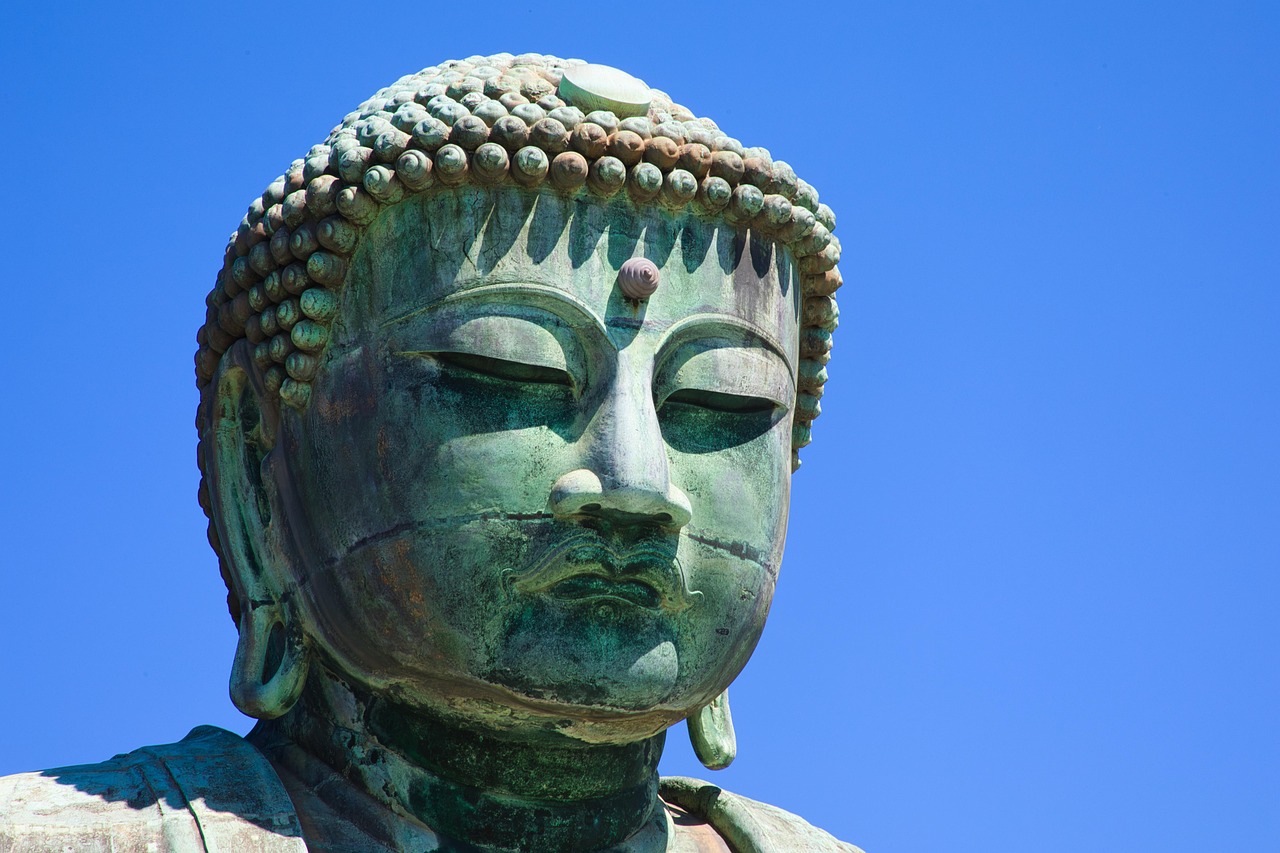
Shibuya Tokyo after dark uncover backstreets and style
This chapter is for anyone searching shibuya tokyo nightlife shopping in shibuya Nonbei Yokocho—because after dark, Tokyo becomes more intimate. Shibuya tokyo evenings are built on contrast: bright main streets, then narrow lanes where the noise drops and conversations begin. If Shibuya is one, it’s the district that proves you can feel anonymous in a crowd and still be warmly welcomed in a doorway.
Nonbei Yokocho and tiny lanes with local trust
Nonbei Yokocho is an alley of tiny bars that rewards quiet confidence. Enter politely, keep your voice low, be cash-ready, and avoid arriving in big groups. One visitor once told me they ended up chatting with locals shoulder-to-shoulder, using simple Japanese and shared laughter; it was the kind of authentic conversation that deepened cultural understanding far more than any guidebook list.
If you’re unsure how to order, point gently, ask for a recommendation, and accept the rhythm of the place. In Tokyo, warmth often arrives through small courtesies rather than big gestures.
Center Gai, gai side streets, and youth fashion and culture
From the main drag, explore Center Gai and a few gai side-streets where youth fashion and culture shows up in real time. You’ll spot Harajuku-inspired styling without leaving Shibuya’s core—oversized silhouettes, playful accessories, and that confident “I made this my own” energy. Adventure seekers often come away inspired to create their own look for the night, even if it’s just a bolder colour or a new pair of trainers.
For shopping in Shibuya with intention, choose your mood. Shibuya 109 is iconic, and the Shibuya 109 building still feels like a style laboratory. For a more design-forward experience, Shibuya Parco (Parco) offers curated floors and a sleeker pace, while a boutique hunt in side streets can uncover pieces that feel uniquely Tokyo.
To weave modern builds into your evening, pass through Miyashita Park for skate-street energy, then drift towards Shibuya Stream for a calmer riverside edge. Shibuya Hikarie (Hikarie) is another polished stop with department store elegance and galleries that soften the night with art and design. You’ll find shops and restaurants throughout, so you can balance street snacks with a more refined sit-down dinner.
Nightlife boundaries matter, especially for first-timers. You may notice a love hotel street or two—treat it as part of the city’s adult geography, not a spectacle. Stay respectful, keep your group small, and if anything feels off, step back to a brighter avenue or head towards Shibuya Fukuras where the atmosphere is more open and easy.
- Department stores and shopping versus independents: a department store offers predictable quality; a boutique can give you a story to wear home.
- Simple bar etiquette: one drink per person is common; keep phones quiet; ask before filming.
- Late-night comfort: if you’re staying near Shibuya Station, plan your last train timing—or choose accommodation that makes walking back feel safe and seamless.
Near Shibuya Harajuku Meiji Shrine Yoyogi Park teamLab Planets Tokyo near Shibuya
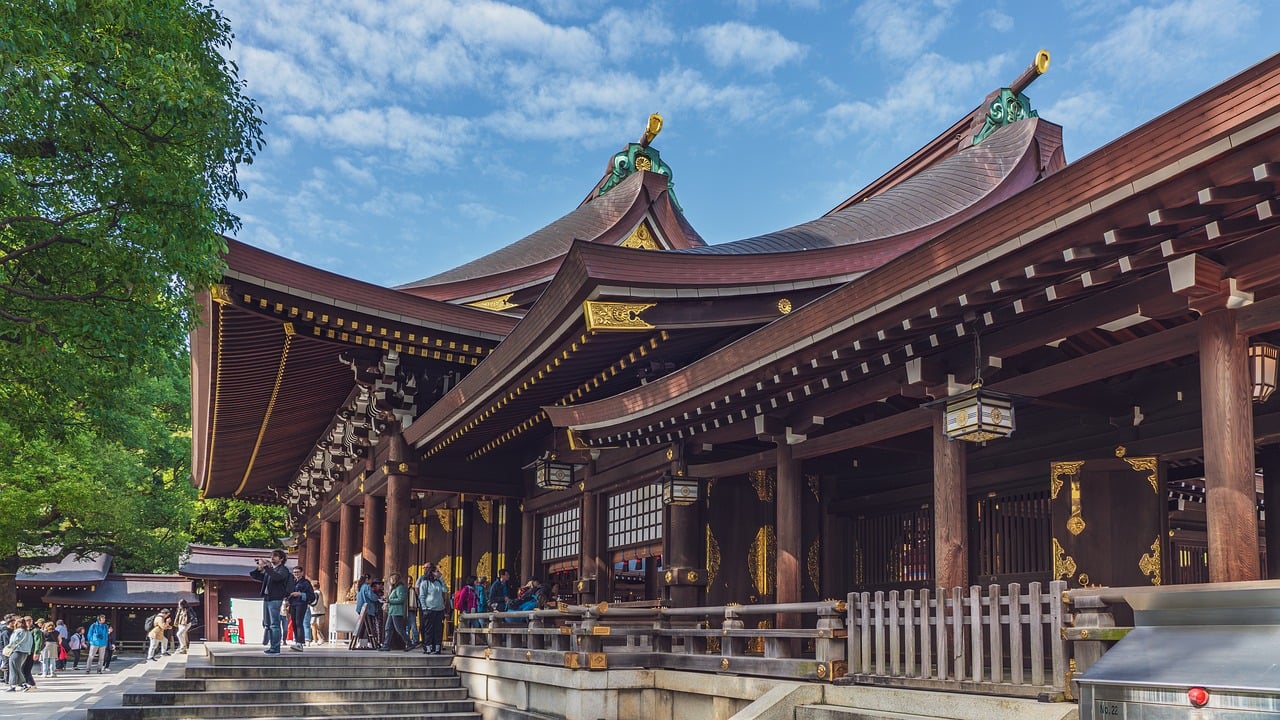
Near Shibuya Harajuku and Meiji Shrine calm escapes
If you’re planning near Shibuya Harajuku Meiji Shrine Yoyogi Park teamLab Planets Tokyo, you’re designing the most satisfying contrast in Tokyo: street culture, spiritual quiet, and digital wonder in one arc. Near Shibuya, the city’s creativity doesn’t just sit in galleries—it walks past you in outfits, gestures, and the way people use public space with subtle respect.
Harajuku street culture and the confidence to explore
Walk towards Harajuku for street culture and self-expression, and give yourself permission to play. Choose a “day mood” like you’d choose a soundtrack—minimal, colourful, elegant, daring—and carry that confidence through Tokyo. Even if you never buy a thing, you’ll gain insight into how style here is less about labels and more about identity.
When you return around Shibuya Station later, you’ll notice how different each block feels. Tokyo is made of micro-worlds, stitched together by trains and your own curiosity.
Meiji Shrine, Yoyogi Park, and a gentle ritual with care
Meiji Shrine is a serene shrine oasis, and the shift is immediate: gravel underfoot, tall trees, and a hush that makes the city feel far away. Keep Shinto etiquette simple—bow lightly, cleanse hands at the water pavilion if you wish, and take quiet steps. A traveller once described participating in a small ritual there as unexpectedly personal, like reconnecting with something steady beneath Tokyo’s speed.
For an early-morning contrast, try a light jog or stroll through Yoyogi Park. Adventure seekers often love this moment: peaceful Tokyo before the crowds, morning air, and the sense that the city is yours for a few minutes. Then, when you head back to Shibuya, the buzz feels earned rather than imposed.
To add culture-meets-innovation, teamLab Planets TOKYO is an immersive attraction that blends interactive art and technology. Book ahead, wear clothes you can move in, and consider shorts if you prefer comfort in the water sections. People often leave with a quiet afterglow—like Tokyo just taught them a new way to pay attention.
If you have time for micro-detours, the Toguri Museum of Art is a quieter pocket for close-looking and calm conversation. From there, connections to Shinjuku for skyline drama or Ginza for polished luxury make for a wider Tokyo day—yet Shibuya still feels like your creative anchor.
Visit Shibuya Tokyo Japan personal reflections after Shibuya City Japan
If you visit Shibuya Tokyo Japan personal reflections often arrive unexpectedly, it’s because the district doesn’t just give you places—it gives you a new relationship with movement. Leaving the scramble, you may notice Tokyo in your body: the way you time your steps, the way your eyes read a crowd, the way your attention softens and sharpens on cue. Shibuya is one of Tokyo’s lessons in modern life, delivered with remarkable grace.
What stays with you isn’t a checklist. It’s the first step off the curb, when the city opens and you realise you’re part of the pattern. It’s a look exchanged in a tiny bar—nothing dramatic, just a brief local kindness that makes you feel looked after without fuss. It’s the hush at the shrine, where your thoughts become audible again.
Later, you might remember an early morning in Yoyogi Park, when the air felt clean and the pathways were almost empty, and Tokyo seemed to be exhaling. And then, without warning, you’ll remember the lights: not just bright, but oddly reassuring, as if the city is saying you’re allowed to be both curious and careful here.
Hold space for your own story. Next time, it might be another alley, another conversation, another crafted detour—one you didn’t plan, but somehow trusted yourself to take. Japan rewards return visits in this quiet way, and Shibuya will still be there, ready to be discovered again.
F.A.Qs: Shibuya City Japan and Tokyo basics
What is Shibuya, Japan famous for?
Shibuya is famous for the Shibuya Crossing (the iconic scramble), trend-setting youth culture, and nightlife that ranges from bright avenues to tiny lanes like Nonbei Yokocho. It’s also known for fashion landmarks such as Shibuya 109 and for being a hub where transport, shopping, and street life intersect in a very “modern Tokyo” way.
Is Shibuya a city or part of Tokyo?
Shibuya is a special ward of Tokyo, often referred to as Shibuya City. It’s part of the Tokyo metropolis, with its own neighbourhoods and local administration, but it functions as one of the most recognisable districts within greater Tokyo—especially around Shibuya Station and the surrounding shopping and entertainment areas.
What is the difference between Tokyo and Shibuya?
Tokyo is the vast capital metropolis made up of many districts and cities, while Shibuya is one specific area within Tokyo known for fashion, crossings, and nightlife. Think of Tokyo as the whole canvas and Shibuya as one of its boldest brushstrokes—high-energy, youthful, and intensely walkable, with easy rail links to places like Shinjuku and Ginza.
Is Shibuya a good neighborhood in Tokyo?
Yes—Shibuya is a great neighbourhood in Tokyo for travellers who want energy, convenience, and memorable street culture. It’s very well connected, lively late into the evening, and full of shopping and dining choices. As with any busy urban area, it’s wise to stay aware at night, keep valuables secure, and choose accommodation that suits your pace.