Post Contents
- What to Do in Kyoto Japan: First-Visit Travel Guide, Best Time to Visit Kyoto & Kyoto Station Arrival Tips
- Best Things to See in Kyoto City: Top Temples from the Golden Pavilion to Kiyomizu-dera
- Fushimi Inari Shrine: Torii Gates, Dawn Routes, and Unique Things to See in Kyoto
- Gion in Kyoto: Tea Ceremonies in Kyoto, Geisha Etiquette, and Machiya Evenings
- Nishiki Market, Arashiyama Bamboo Forest, and Where to Stay in Kyoto (Luxury Ryokan)
- Kyoto Travel Guide Reflections: After Your Kyoto Trip and Coming Back to Kyoto
- F.A.Qs: What to do in Kyoto Japan (First-Visit Planning)
What to Do in Kyoto Japan: First-Visit Travel Guide, Best Time to Visit Kyoto & Kyoto Station Arrival Tips
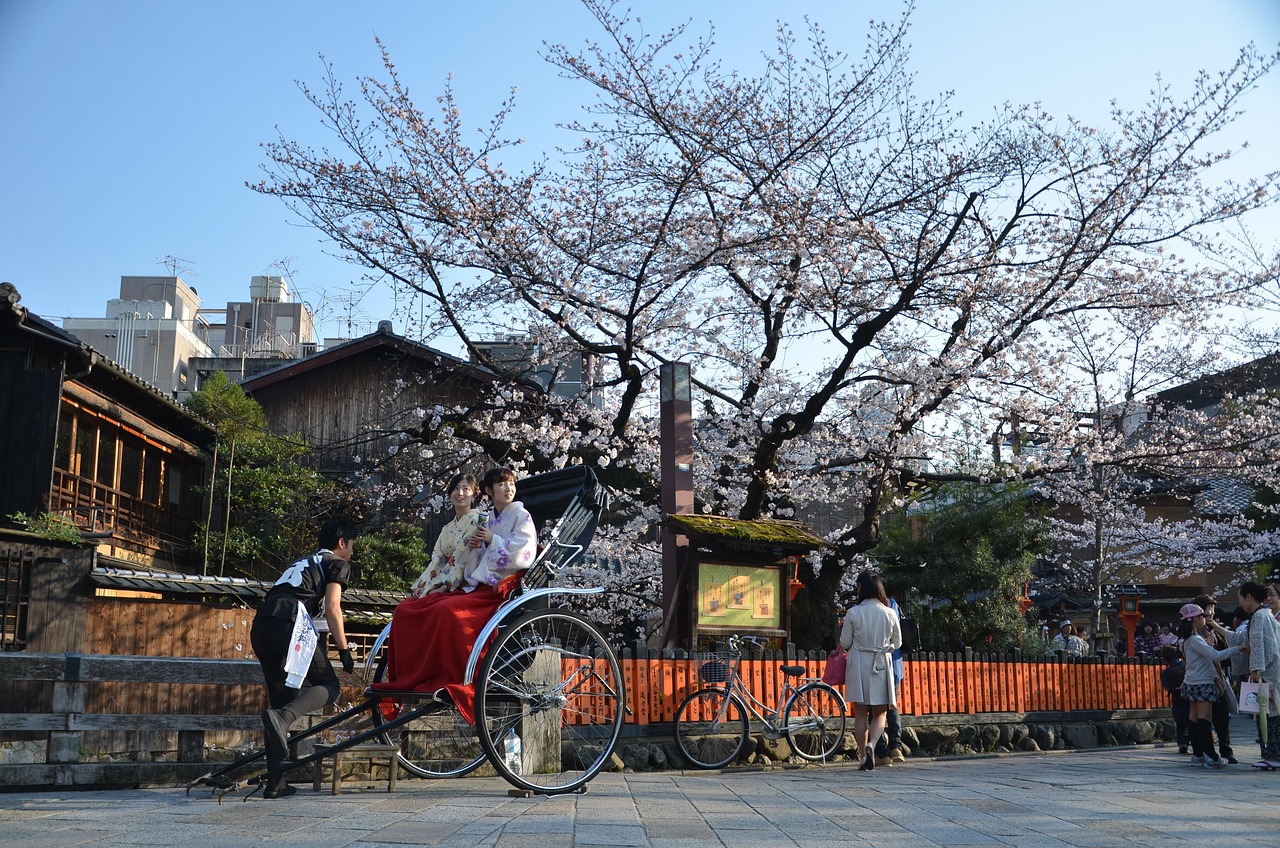
Things to Do in Kyoto on a First Visit and the Best Time to Visit with calm evening light in Kyoto city
If you’re searching for what to do in Kyoto Japan on a first visit, begin by giving this destination the time and gentleness it deserves. Many japan travel itineraries follow the classic Tokyo-to-Kyoto rhythm: Tokyo energises, while the city of Kyoto restores. The secret—especially for high-end travellers—is to design the handover so you arrive feeling open, not already running on fumes.
In practical terms, that means building a little space into your time in japan. If you’ve been in Tokyo for several days, choose a mid-morning train so you can enjoy breakfast without rushing, and arrive in Kyoto with daylight to orient yourself. Kyoto rewards a calm entry: the first hour shapes your whole relationship with the place.
We keep your focus on the best things that actually suit a first time in Kyoto: a handful of meaningful anchors rather than every attraction in kyoto. For inspiration as you imagine your route through places in japan, browse our Trip gallery and see how a crafted pace changes the feel of a trip to japan.
Best time to visit Kyoto: time to visit, seasonal mood, and a calm crowd strategy
The best time to visit kyoto depends on what you want to feel and how much breathing room you value. Spring brings cherry blossom season (roughly March to May), when the light is tender and neighbourhood walks feel especially cinematic—if you avoid the mid-day pinch points. Autumn (October to November) offers vivid foliage and crisp evenings that suit long, unhurried walks between temple gardens and quiet lanes.
For a luxury rhythm, plan your Kyoto days around softer hours: early mornings for a major temple or shrine, late afternoons for neighbourhood wandering, and evenings for a single cultural highlight. This approach helps you experience popular kyoto with less friction while still enjoying the well-known kyoto icons.
- Start early: arrive at headline temple and shrine sites soon after opening for calmer paths and better light.
- Pause mid-day: retreat to a café, museum, or your ryokan lounge when the tourist flow peaks.
- Go back out at dusk: Kyoto becomes gentler when day-trippers leave and lanterns come on.
One small language shift also helps: rather than trying to “do everything”, choose one signature thing to do in kyoto each day, and let the rest be discovery—especially when you’re in Kyoto for the first time.
A signature Kyoto itinerary for 4 days: days in Kyoto with neighbourhood anchors
For most travellers, days in kyoto feel best when you have a few neighbourhood “anchors” so you always know where you are. Here’s a calm, signature kyoto itinerary for 4 days that balances major temple moments with breathing space and a few handpicked places in kyoto.
Day 1: Arrive, settle, take a gentle orientation walk, and an early night to reset your body clock after Tokyo.
Day 2: Northern Kyoto—Golden Pavilion timing plus a second, quieter temple in kyoto to round out the morning.
Day 3: Eastern Kyoto—Kiyomizu-dera, historic lanes, and the Philosopher’s Path in the right light.
Day 4: South and west—Fushimi Inari at dawn, then Arashiyama Bamboo Forest early or late depending on the season.
This isn’t a checklist; it’s a framework you can adjust with an expert guide who understands your pace and your time in kyoto. High-end travel isn’t about squeezing in more—it’s about creating more space for personal moments on your trip to kyoto.
Arrivals are simple when you plan them. Most travellers enter via jr kyoto station, a modern hub that can feel busy, but it’s easy to make it seamless. Use luggage-forwarding support from Tokyo (or your previous hotel) so you step off the train with only a day bag. If you want an immediate sense of place, take a short pause at Nidec Kyoto Tower for an overhead view before you head to your accommodation.
If you’re transferring from Osaka, or planning a train from kyoto onwards later in your japan trip, treat Kyoto Station like an airport lounge: arrive early, know your platform, and keep your day calm. That calm is a form of care you give yourself, and it changes everything that follows.
In the evenings, build a quiet ritual that belongs only to you. A slow walk along the kamo river at dusk—listening to bikes pass, watching families pause on the bank—can be the most grounding thing to do in kyoto after a day of temple visits. It’s traditional kyoto with modern ease, and it gently invites reflection.


Best Things to See in Kyoto City: Top Temples from the Golden Pavilion to Kiyomizu-dera
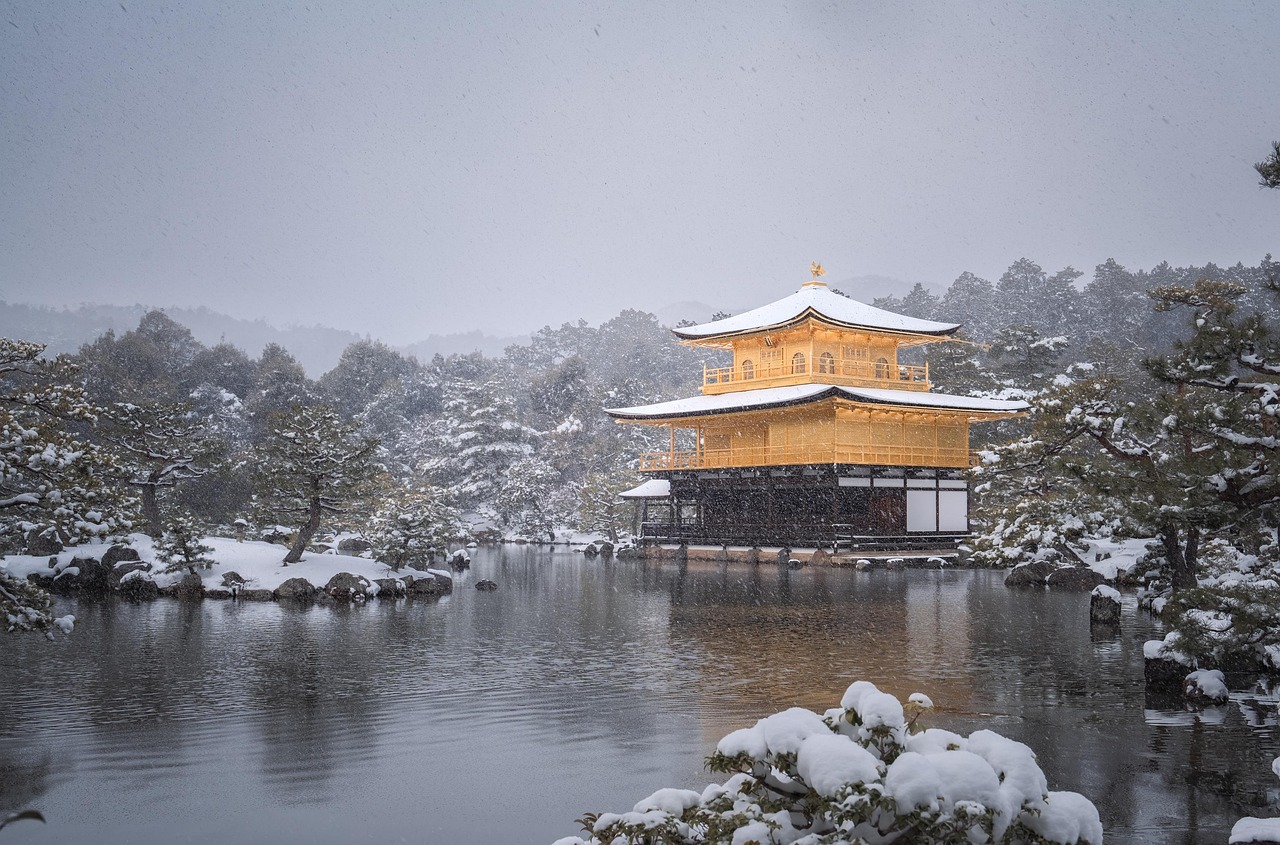
Temples and Things to See in Kyoto City from Golden Pavilion to Kiyomizu-dera in soft morning light
When travellers ask for the best things to see in Kyoto city, they’re often really asking how to feel the spirit of the former capital of japan without being carried along by the crowd. Kyoto’s temple culture is deeply layered: architecture, gardens, incense, ceremony, seasonal light, and a quiet code of behaviour that’s both reassuring and precise.
In Kyoto, each temple has its own atmosphere—some feel expansive and public, others intimate and almost whispered. The aim is to explore with confidence and trust: knowing where to stand, when to move, and when to simply stop. There are many kyoto attractions, but the deepest ones are often about how you look and how you listen.
Golden Pavilion temple timing: calm gardens, softer crowds, and luminous light
The Golden Pavilion—Kinkaku-ji—remains one of the top things people dream of in Kyoto. It is also, predictably, busy. The most elegant strategy is to arrive early, ideally close to opening, when the air is cooler and the path feels less compressed. In softer light, the gold leaf catches the day in a way that feels more like a painting than a photo opportunity.
Let the gardens slow you down. Rather than walking straight to the “main” view and leaving, notice the small design decisions: the curve of the pond edge, the placement of stones, the way a branch frames the pavilion. If you’re travelling with a private guide, ask for insight into the symbolism and historical context—this is where a temple visit becomes more than scenery.
As a gentle pairing, choose one additional temple nearby or on your route back into central Kyoto. For a classic complement, consider a temple known for its rock garden. For a lesser-known counterpart, select a smaller temple with a moss garden where silence is part of the experience. One classic, one quieter stop keeps the day crafted rather than crowded.
Kiyomizu-dera planning: respectful lanes, light timing, and views of Kyoto
Kiyomizu-dera is another temple that can feel like a magnet—beautiful, historic, and busy. Planning is everything. Aim for early morning or late afternoon to avoid the densest tourist movement and to enjoy warm, angled light. For views of kyoto, the temple terrace is the classic moment; the secret is to step to the side, let others pass, and wait for a quieter pocket rather than forcing the photo.
Below and around the temple are old lanes lined with small shops and local homes. Walk with a softened pace: keep your voice low, avoid blocking doorways, and treat the street as a living neighbourhood, not a stage set. If you’re wearing kimono for photographs, choose an ethical provider and keep your session respectful—your presence should add grace, not pressure.
Kyoto is full of temple corridors that lead to unexpected stillness. If you want your day to feel personal, include one small, lesser-visited temple in the same area and let it be your pause point—somewhere you can sit and absorb the atmosphere rather than keep moving.
The Philosopher’s Path offers a different kind of temple day: quieter, linear, and contemplative. During cherry blossom season it becomes famous, but it is still possible to experience it gently if you begin early and keep your route simple. Take a few considered images, then put your phone away and let the path work on you.
Etiquette in temples in japan is simple, and it’s part of the beauty. Remove shoes where indicated, speak softly, and treat queues as a shared choreography. Photography rules vary by temple; many inner spaces are no-photo, and that boundary matters. An expert local guide can support you with these details, so you feel relaxed rather than uncertain.
Among all the temple precincts you’ll see here, Kyoto’s stand out for their relationship with everyday life. You might pass a school group bowing at a gate, or a gardener trimming a tree with patient care. These are small scenes, but they are often what stays with you long after you visit kyoto and return home.
Fushimi Inari Shrine: Torii Gates, Dawn Routes, and Unique Things to See in Kyoto
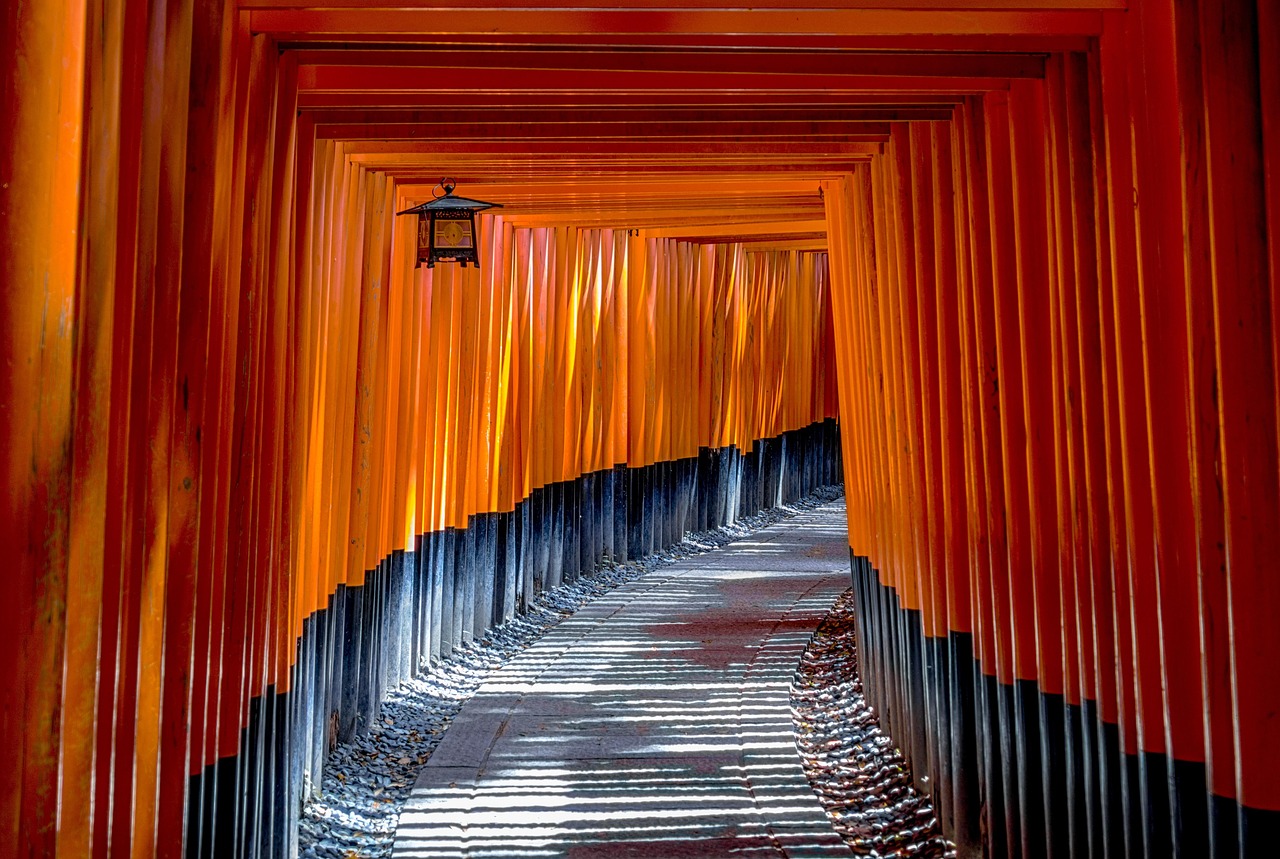
Shrines and Torii Gates at Fushimi Inari and Other Unique Things to See at dawn
If you’re looking up Fushimi Inari Shrine and its torii gates, you’re already on the right track: this shrine walk is a signature experience, and it deserves a thoughtful plan. The key is not just arriving early, but arriving with the right mindset—quiet, observant, and open to small thresholds.
Unlike a single “stop”, this is a pilgrimage-like path. The shrine sits south of kyoto, and it pairs beautifully with a calm lunch and one additional cultural moment, without turning the day into a marathon. For many travellers, it becomes the most memorable of the unique things to see on their Kyoto trip.
Fushimi Inari dawn route: shrine pacing for different fitness levels
The best strategy for Fushimi Inari is simple: arrive at dawn. The first light brings a softness to the vermilion and makes the torii gates feel almost luminous. Early arrival also reduces the pressure of navigating against the flow of tour groups and the peak tourist hours.
Route options can be tailored. If you want a gentle experience, walk through the initial gates, pause at the first cluster of sub-shrine altars, and return before the main wave arrives. If you’re fitter—or just curious—continue higher for a quieter loop where the soundscape changes: fewer voices, more birdsong, and the faint rhythm of footsteps on stone.
- Short route: lower torii gates, a few side shrine spaces, and back for breakfast.
- Medium route: reach a viewpoint, then descend via a quieter path.
- Long route: complete the full circuit with rests, water, and steady pacing.
Whichever you choose, keep it unhurried. This shrine is not about speed; it’s about attention—one of the best ways to feel Kyoto rather than just photograph it.
How to notice the details most visitors miss at this shrine
This is one of the most unique shrine walks in Japan because it teaches you to see differently. Look at the textures of worn stone, the names on torii pillars, the small fox statues with their bright bibs, and the offerings placed with care. Notice how the path keeps opening into tiny, intimate shrine spaces—like rooms without walls.
Photography is welcome in many areas, but respect matters. Don’t stop in narrow tunnels where others can’t pass, and avoid posed shoots that turn a sacred space into a set. If you travel with a local guide, you can uncover quieter trails and learn what certain symbols mean, while also keeping your navigation safe on less-busy routes.
To keep the day elegant, pair the shrine with a calm lunch—perhaps something seasonal and light—then add a short cultural stop nearby. The goal is a day that feels spacious, not overfilled, and it should still leave room for other experiences in kyoto.
For shrine lovers wanting something intimate, add one neighbourhood shrine closer to your hotel later in the day, plus one garden for a softer landing. Kyoto offers many shrines, and the quieter ones often feel the most personal.
Gion in Kyoto: Tea Ceremonies in Kyoto, Geisha Etiquette, and Machiya Evenings
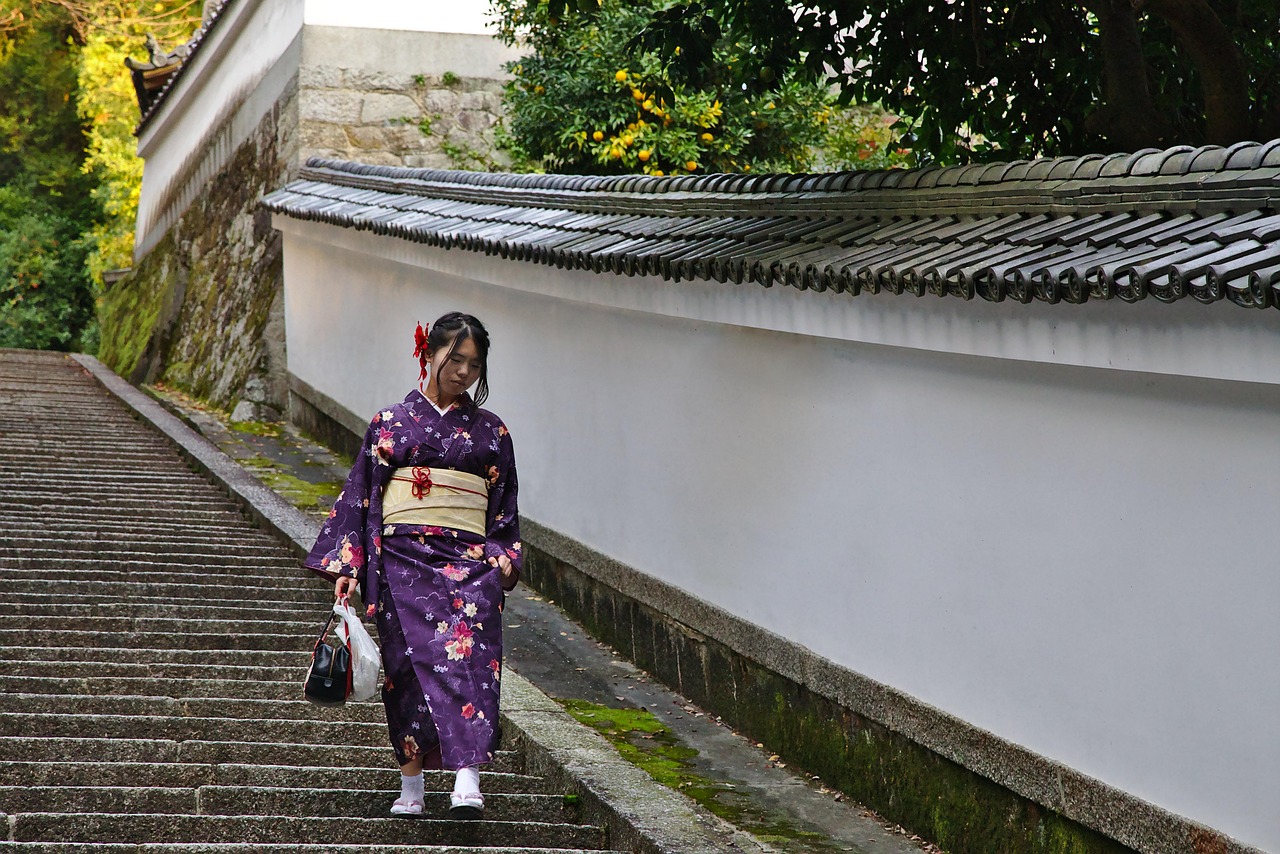
Gion Evenings and Tea Ceremonies in Kyoto for Cultural Confidence in lantern light
For many travellers, the phrase Gion and tea ceremonies in kyoto captures the dream: a refined evening that feels close to Kyoto’s cultural heart, yet handled with sensitivity. Gion can be enchanting, but it’s also a lived neighbourhood. The most memorable evenings are those designed with respect—quiet glamour without intrusion.
This is where high-end travel can offer something rare: the support of expert hosts and guides who open doors gently, explain etiquette clearly, and keep the mood calm. It’s not about exclusivity for its own sake; it’s about trust and care.
Gion after dark: respectful geisha awareness and calm walking routes
Begin with expectations. You may glimpse a geisha (or maiko) moving between appointments, but the most respectful posture is to let that moment pass without pursuit. Choose crowd-aware routes along lantern-lit lanes, avoid blocking alleys, and keep voices low. When you treat Gion as a neighbourhood rather than a spectacle, the area offers its true beauty.
One high-end traveller once told us their private nighttime guided tour of Gion changed their understanding completely. Their guide led them through quiet backstreets, sharing stories of architecture and tradition, and pointed out hidden teahouses not open to the public. There was no forced access—just a once-in-a-lifetime cultural encounter created through relationships, discretion, and genuine respect.
That kind of experience doesn’t feel like a “tourist activity”. It feels like being gently looked after by someone who understands the rules of the place—and wants you to feel comfortable inside them.
Private tea ceremony in a machiya townhouse: tea ceremonies in Kyoto for confidence
A private tea ceremony in a traditional machiya townhouse is a top-tier thing to do in kyoto because it gives you cultural confidence. In a small room, with seasonal sweets and carefully prepared matcha, you learn the rhythm: how to sit, when to bow, how to hold the bowl, and how to appreciate what’s been crafted for you.
When you book, request English-language support if you want deeper insight. Ask for a seasonal theme—spring sweets, autumn motifs—and let the host guide you. The ceremony is quiet, but it’s not stiff. A good host reassures you through each step, so your attention can rest on the details rather than the fear of “getting it wrong”.
Tea ceremonies are best reserved well in advance, especially if you want a private setting and a particular style. Dress simply, avoid strong perfume, and arrive a few minutes early so you can settle. In Kyoto, the calm you bring becomes part of the room—especially with tea ceremonies in kyoto hosted in intimate spaces.
For a contemporary counterpoint—especially on a rainy afternoon—consider the Kyoto International Manga Museum. It’s modern, creative, and surprisingly soothing: a reminder that Kyoto’s culture is not frozen in time. Balancing old and new helps your kyoto trip feel more human, and more yours.
Nishiki Market, Arashiyama Bamboo Forest, and Where to Stay in Kyoto (Luxury Ryokan)
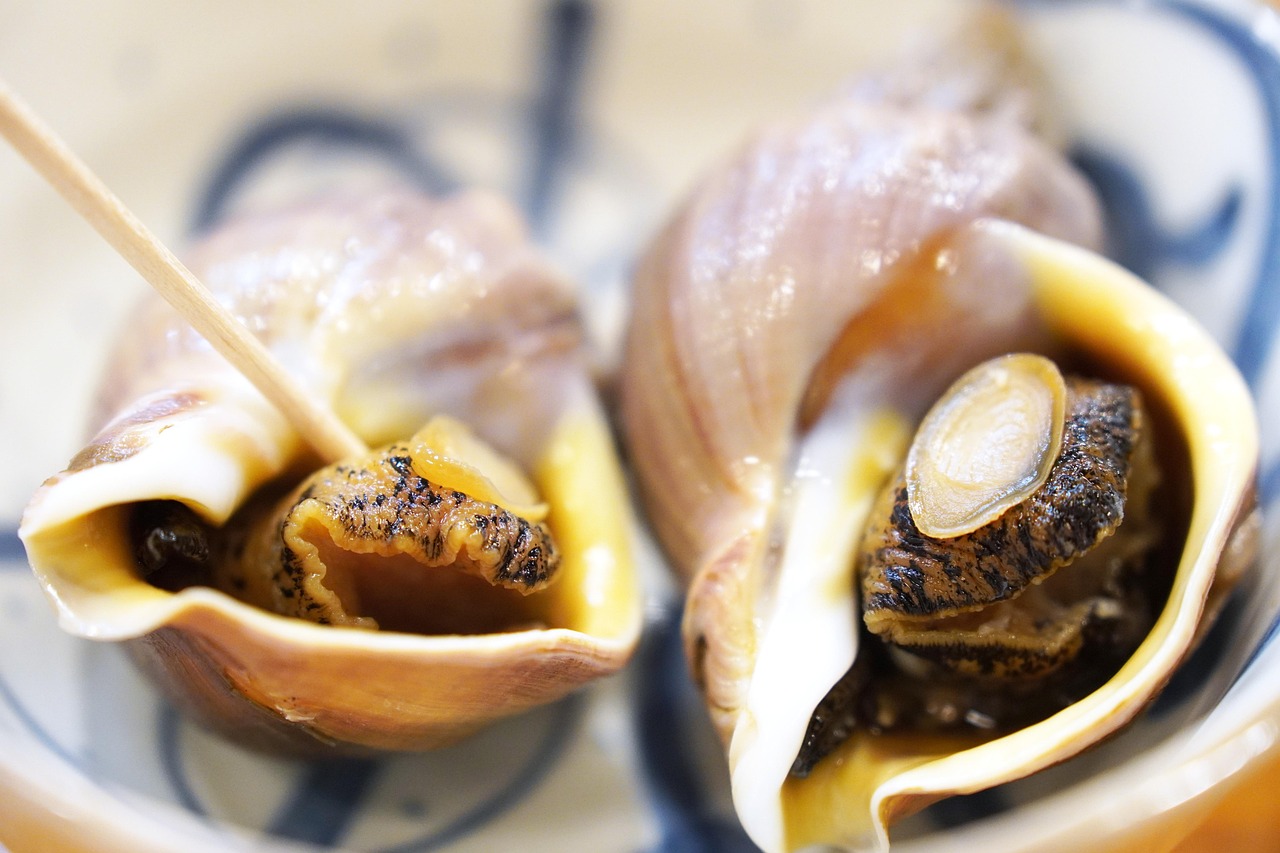
Fun things around Kyoto, including Nishiki Market, Arashiyama, and where to stay in Kyoto
Travellers searching Nishiki Market, Arashiyama bamboo forest, and where to stay in Kyoto are often building the most pleasurable part of the journey: flavour, texture, and comfort. Kyoto is extraordinary for temple and shrine walks, but the city also shines in everyday artistry—markets, craft, gardens, and meals that feel like theatre made gentle.
This chapter is about fun things done well: curated tastings rather than grazing in a rush, nature in the quiet hours, and accommodation that feels like a sanctuary. Think of it as the “soft luxury” layer of your trip to kyoto, especially if you want a few highlights beyond the classic temple circuit.
Nishiki Market: a curated tasting journey in the heart of Kyoto
Nishiki Market is sometimes called Kyoto’s kitchen, but it’s more accurate to think of it as a gallery of edible craft. The key is to explore it as a curated tasting journey rather than trying everything. Go mid-morning, after breakfast but before lunch, so you can sample without feeling pressured.
For high-end travellers, exclusive gourmet tastings are the most satisfying approach—small portions, seasonal focus, and a guide who can explain what you’re eating. Look for pickles, yuba, roasted tea, artisanal sweets, and anything tied to the season. These are not just snacks; they’re part of Kyoto’s culinary heritage.
To avoid feeling overwhelmed, set a simple structure: choose one savoury bite, one sweet, one drink, and one “take-away” gift. It turns a busy market into something calm and designed, and it’s a smart addition when planning what to do in Kyoto beyond temples.
Arashiyama Bamboo Forest: early cycling or a quiet walk from Kyoto
Arashiyama Bamboo Forest can be crowded, which is why timing matters more here than almost anywhere. The most serene plan is to go early—so early that you can hear your own footsteps and the soft rustle of bamboo overhead. One visitor shared how cycling through the grove in the morning, before the crowds arrived, created a deep connection with nature; the sound of bamboo moving in the breeze felt like a private concert.
That is the feeling you’re aiming for: not “more”, but more intimate. If you’d rather not cycle, you can walk from kyoto rail links into Arashiyama with the same approach—steady, quiet, unhurried. Pair it with a gentle café stop and a garden visit, and you’ll leave Arashiyama feeling restored rather than drained.
For those who love craft and heritage, you can add a small temple nearby that’s known for its garden. It’s a perfect example of how Kyoto’s temple world and its natural landscapes interlace, creating some of the most satisfying places to see on a relaxed itinerary.
Where you choose to stay in kyoto shapes your entire experience. A luxury ryokan is not just a bed; it’s an atmosphere—service that anticipates you, baths that reset your nervous system, and meals that teach you about place. Look for three things: location (quiet but connected), bathing (private or serene shared spaces), and service (warm, not formal).
A couple once described their ryokan evening as the moment Kyoto truly arrived. Their Kaiseki dining was crafted by a master chef using locally sourced ingredients—each course placed with intention, each flavour tied to the season. It wasn’t loud or theatrical; it was intimate, an edible form of local insight. You don’t just eat dinner in a ryokan—you participate in a story.
To balance the ryokan calm with spacious heritage, visit the Kyoto Imperial Palace and its gardens. The imperial palace grounds offer room to breathe—broad paths, open sky, and a sense of scale that’s soothing after dense lanes. Later, consider Nijo Castle for a different kind of history: bold, architectural, and surprisingly cinematic.
If you love a modern-traditional blend, base yourself near Nijo Castle at a design-led stay like KAYA Kyoto Nijo Castle. It’s a thoughtful counterpoint to ryokan nights: clean lines, contemporary comfort, and easy access to key kyoto attractions without feeling like you’re staying in the middle of the busiest lanes.
Logistics make luxury feel effortless. Buy a prepaid IC card such as Suica or ICOCA for buses and trains. The Kyoto Sightseeing Pass can be cost-effective if you plan multiple rides in one day, and it reduces the need to think about fares. For a simple confidence boost, consider a direct route like “walk from Kyoto Station to Nishiki Market area” via central streets—straightforward, safe, and a lovely way to see the city’s everyday texture.
- IC card: fastest way to move through gates and board buses without fuss.
- Kyoto Sightseeing Pass: helpful on heavy transit days, less useful when you’re mostly walking.
- Private guide: invaluable when you want deeper meaning, better timing, and smoother navigation.
For a day trip, Osaka is the natural choice: it’s next to kyoto in travel time, and you can be there quickly for dining, design, and a change of energy. A day trip from kyoto to Osaka works best when you keep it focused—one district, one meal, one highlight—then return to Kyoto for a quiet evening. If you’re planning a trip from kyoto to elsewhere, choose destinations that don’t feel far from kyoto so you keep the restorative rhythm intact.
Kyoto can hold both stillness and delight. When your days are designed with care, the city offers a rare balance: beauty you can photograph, and beauty you can feel—some of the top things travellers remember most are the quiet moments between the big stops.
Kyoto Travel Guide Reflections: After Your Kyoto Trip and Coming Back to Kyoto
If you came to Kyoto with a list, you may leave with something quieter. In the days after, it isn’t always the grand temple gate you remember first, or the famous shrine approach. It’s the wooden doorway with a curtain half-drawn, the faint trace of incense on your coat, and the hush between lanterns as the evening settles.
Traditional kyoto lingers in the spaces between plans: a small bow exchanged without words, the sound of water in a garden basin, the way a temple path curves so you never see the whole scene at once. Even the city’s modern ease—clean trains, helpful staff, the calm choreography of crowds—becomes part of the memory, because it supported you without demanding attention.
We often think of luxury as addition: more access, more stops, more spectacle. Yet Kyoto tends to offer the opposite lesson. The most meaningful experiences in kyoto are frequently the ones that feel pared back and personal—moments shaped by trust, by expert guidance that knows when to speak and when to fall silent, and by a sense of being gently cared for as you move through unfamiliar customs.
Perhaps that’s why the journey continues after you return home. You might find yourself setting a cup down more carefully, noticing the season in the angle of the light, or pausing before entering a room as if it were a threshold. Kyoto doesn’t ask you to be perfect; it simply invites attention.
And when memory brings you back to kyoto—maybe in spring, maybe under autumn leaves—it isn’t with urgency. It’s with gratitude for having travelled together in spirit, and a quiet curiosity about what another season might reveal in these top kyoto moments.
This short kyoto travel guide is designed to help you choose what matters, whether you’re linking Kyoto with Tokyo or combining it with Osaka. If you want a broader japan travel guide approach, keep your pace gentle and your transfers simple; that’s often the most luxurious decision you can make when you’re in Kyoto.
F.A.Qs: What to do in Kyoto Japan (First-Visit Planning)
What should you not miss in Kyoto on a first visit?
Don’t miss a dawn walk at Fushimi Inari Shrine through the torii gates, time in a major temple such as Kinkaku-ji (the Golden Pavilion), and an unhurried visit to Kiyomizu-dera. Add one quieter temple garden to slow the pace, and reserve a private machiya tea ceremony for cultural confidence. For a sensory contrast, include Nishiki Market tastings and an evening stroll in Gion handled with respect.
What is Kyoto Japan best known for as a tourist?
Kyoto is best known for its temple and shrine heritage, refined seasonal culture, and neighbourhoods where tradition remains visible in daily life. Many travellers come for iconic temple sites like the Golden Pavilion and Kiyomizu-dera, and for spiritual walks such as Fushimi Inari. Kyoto is also celebrated for tea culture, Kaiseki dining, craft, and the atmospheric lanes of Gion—especially when approached with calm tourist etiquette.
Is 3 days in Kyoto too much time for top things?
Three days in Kyoto isn’t too much if you plan with gentle structure and avoid over-scheduling. Kyoto rewards slower travel: one main temple or shrine focus each morning, a restful pause mid-day, and one evening highlight such as Gion or a tea ceremony. With a calm pace, three days allows you to see key areas without feeling that you’re rushing from one temple to the next.
Is 2 days enough for Kyoto on a short trip?
Two days can be enough for Kyoto if you prioritise a few signature highlights and accept that you’re sampling rather than completing. Choose one northern temple day (such as Kinkaku-ji plus a quieter garden) and one eastern or southern day (Kiyomizu-dera or Fushimi Inari at dawn). Add a short Gion evening walk, keep transfers simple from Kyoto Station, and you’ll cover several of the best things without feeling rushed.