Post Contents
- Vietnam travel guide north to south itinerary places to visit in Vietnam with confidence
- Hanoi Old Quarter private food tour Vietnamese haute cuisine in the capital of Vietnam
- Ha Long Bay luxury cruise Lan Ha Bay Cat Ba Island UNESCO limestone wonders
- Ninh Binh day trip cave limestone rice fields northern Vietnam scenery
- Sapa Ha Giang motorbike routes northern Vietnam things to do in Vietnam highlands
- Central Vietnam Hoi An Da Nang beach Hue places to visit in Vietnam with style
- Ho Chi Minh City Saigon Mekong Delta floating market Cu Chi tunnels in southern Vietnam
- After Vietnam what stays with you
- F.A.Qs: Vietnam sights and planning
Vietnam travel guide north to south itinerary places to visit in Vietnam with confidence

Vietnam travel guide to design a north to south journey across Vietnam
This Vietnam travel guide north to south itinerary places to visit in Vietnam approach is less about ticking boxes, and more about creating a rhythm that suits you. Vietnam rewards travellers who explore with patience: a few unhurried mornings, a late-afternoon massage, and dinners that become small ceremonies. For a first trip to Vietnam, a classic route begins in northern Vietnam and finishes in southern Vietnam, but it stays flexible enough to add a beach pause or a quiet countryside day.
If you have 10–14 days in Vietnam, you can keep the pace elegant: Hanoi, a Ha Long Bay cruise, then central Vietnam for Hoi An and Hue, finishing in Saigon. If you prefer a slower Vietnam trip, stretch to a full two weeks and add Ninh Binh or the highlands, or simply build in more space for late starts and longer meals. This is where luxury feels real—time, not just thread count.
Best time to visit Vietnam and best time to go for comfort
The best time to visit Vietnam for pleasant weather and minimal rainfall is typically October to April, and it’s also the best time to go if you want effortless sightseeing days. Vietnam’s microclimates do vary, though: northern Vietnam can feel crisp in winter evenings, while the south of Vietnam stays warmer year-round. Central Vietnam may see different rain patterns, so a well-designed route keeps options open—museum mornings, spa afternoons, and waterfront dinners if the weather turns.
For high-end travellers, this seasonal awareness is a kind of care: it protects your energy and helps each place to visit feel as though it’s meeting you at its best. It also influences what to pack—light layers for Hanoi, modest temple pieces, and something breezy for beach time.
Practical travel tips for a seamless Vietnam itinerary
High comfort in Vietnam comes from small decisions made early. A Vietnam visa can be straightforward, but requirements depend on passport and timing—double-check well ahead so you’re travelling with confidence. When you travel in Vietnam, private transfers between cities remove stress and keep your day feeling curated, while luxury train services can be a beautiful way to watch the landscape drift by in quiet comfort.
To set expectations: some top places to visit are popular for a reason, and you’ll see other tourist groups. The difference is in how you explore—early starts, a car on standby, and a reputable guide who knows when to pause and when to move on. If you’d like inspiration beyond the classic arc, you might also consider Phong Nha in central Vietnam for world-class cave scenery inside a national park, but only if it supports your pace.
- Plan a north to south flow: Hanoi → Ha Long Bay → Hoi An/Da Nang → Hue → Ho Chi Minh City.
- Add buffers: 1 quieter day after any flight or long drive.
- Protect beach time: keep at least two slower afternoons for the pool, the beach, or a spa.
- Choose trust: book a vetted driver and one excellent local guide for cultural insight.
- Keep it personal: build around what you love—design, food, history, nature, or all four.
If you’d like to start imagining your route visually, here’s the Trip gallery for places to travel in Vietnam with a more crafted, high-end lens.
Begin in the capital for a sense of place, then let the journey unfold with quiet assurance.


Hanoi Old Quarter private food tour Vietnamese haute cuisine in the capital of Vietnam
Hanoi the capital of Vietnam and a favourite place to begin
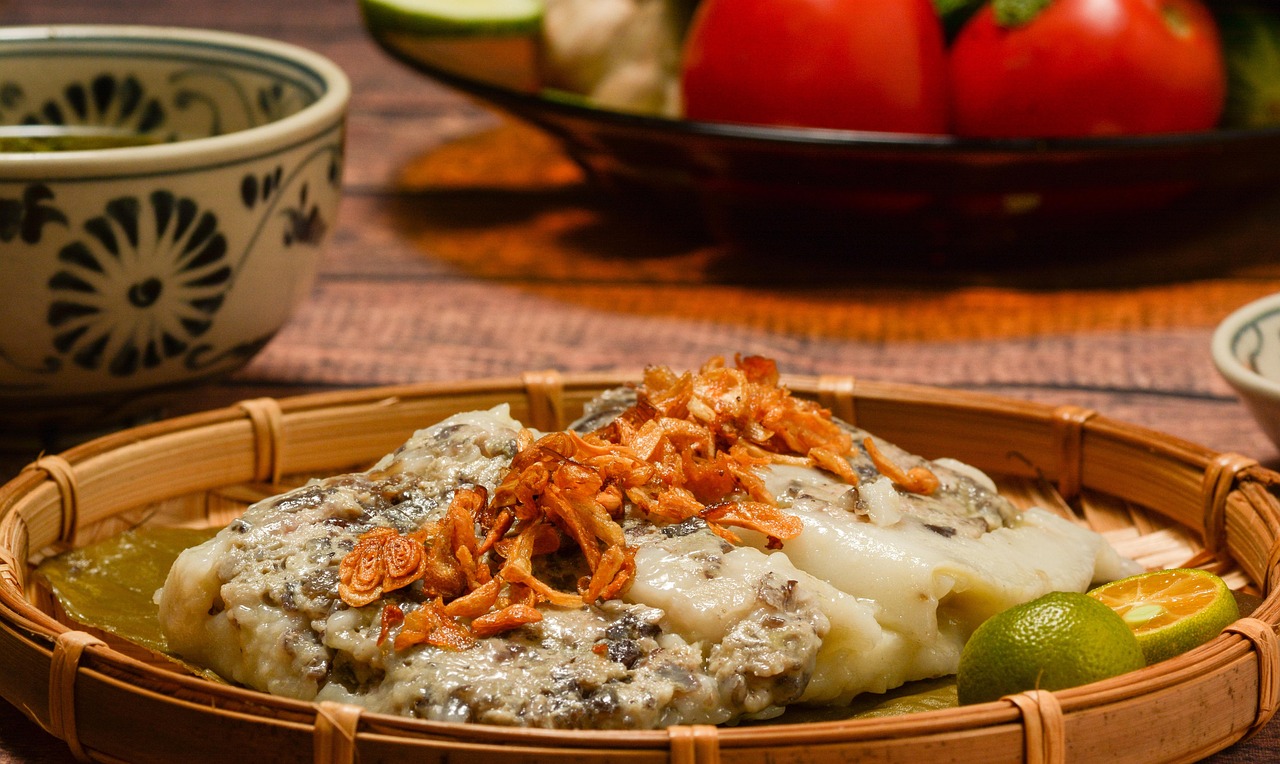
Hanoi Old Quarter private food tour Vietnamese haute cuisine experiences are one of the most satisfying ways to begin Vietnam with warmth and confidence. Hanoi is the capital of Vietnam and, for many, a favourite place to start because it balances elegance with intimacy: shaded boulevards, thoughtful galleries, and a lakeside pace around Hoan Kiem that feels immediately grounding. If you’re deciding where to go in Vietnam first, Hanoi makes the transition gentle—especially after a long-haul flight.
In the city’s calmer neighbourhoods, you can uncover boutique design shops, contemporary art spaces, and cafés where the coffee ritual is quietly ceremonial. Then, when you’re ready, Hanoi opens into a more vivid chapter—one that still can be crafted around comfort.
Hanoi evenings with the Old Quarter reimagined
The Old Quarter is iconic, and it can be intense if you arrive without support. A private walk turns it into something more refined: less about dodging traffic, more about understanding what you’re tasting and why. Think of it as street food translated into curated bites, with pauses for conversation, seating when you want it, and a guide who chooses lanes that feel atmospheric rather than chaotic.
For high-end travellers, a “place to eat” in Hanoi might mean a chef’s counter where herbs are treated like perfume, or a discreet dining room with tasting menus that reinterpret Vietnamese classics. You can still sample the city’s beloved flavours—just with pacing, hygiene standards, and comfort you can trust. If you want to visit Hanoi with a culinary focus, book early: the best tables and the best guides fill quickly during peak season.
A personal cooking class for insight and connection
A solo traveller once described their private cooking class in Hanoi as the moment Vietnam stopped being “a destination” and became personal. Hosted by a renowned chef, it began with a quiet market visit—more observation than performance—then moved into a calm kitchen where technique was taught with care. They spoke about learning balance: sweetness against lime, the lift of fresh herbs, the confidence of a well-made broth.
What stayed with them wasn’t just the food, but the local hospitality: the chef’s warmth, the patient explanations, and the gentle encouragement to taste, adjust, and create. It’s an expert-led experience that feels intimate without feeling intrusive—one of those things to do in Vietnam that deepens rather than distracts.
Design notes make a real difference here. Choose a hotel base with quick access to both quieter streets and the Old Quarter, and use a car on standby between tastings so you can arrive fresh, not hurried. A good guide also supports cultural nuance—especially at temples—so modest dress becomes a simple, respectful habit rather than an anxious question.
From Hanoi’s lakeside calm, the journey continues towards water and limestone horizons.
Ha Long Bay luxury cruise Lan Ha Bay Cat Ba Island UNESCO limestone wonders
Ha Long Bay luxury cruises and Long Bay limestone wonders
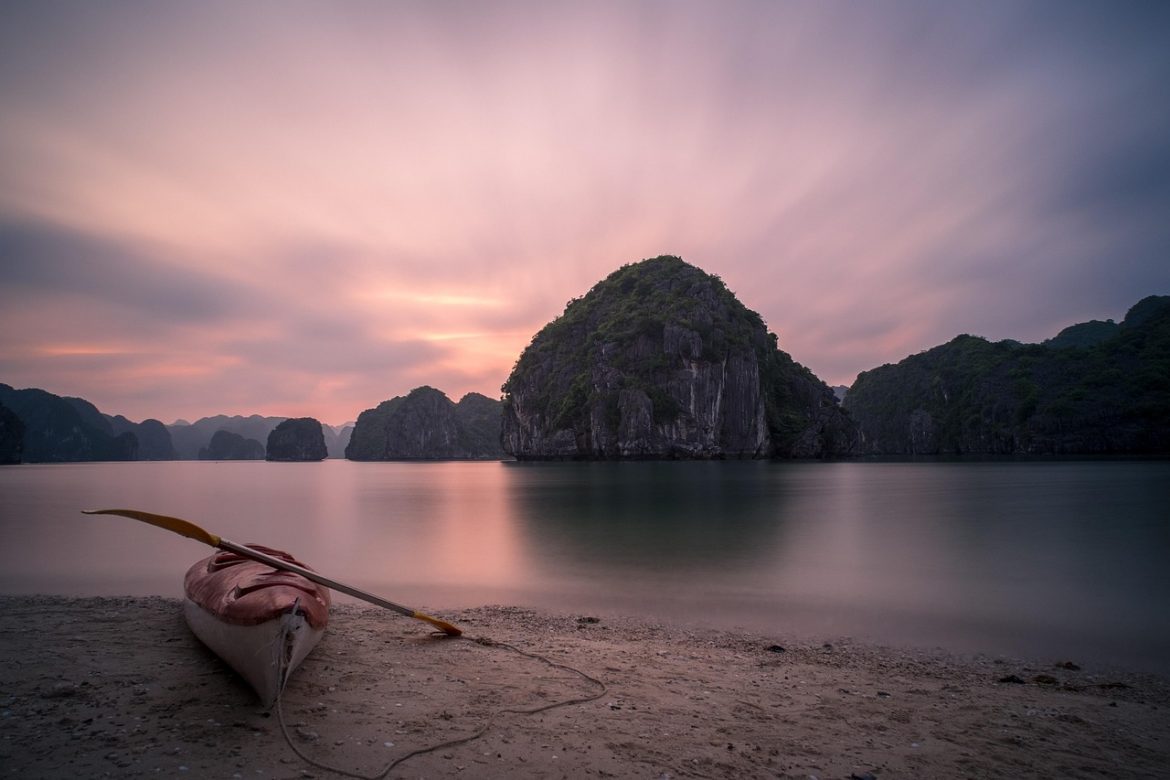
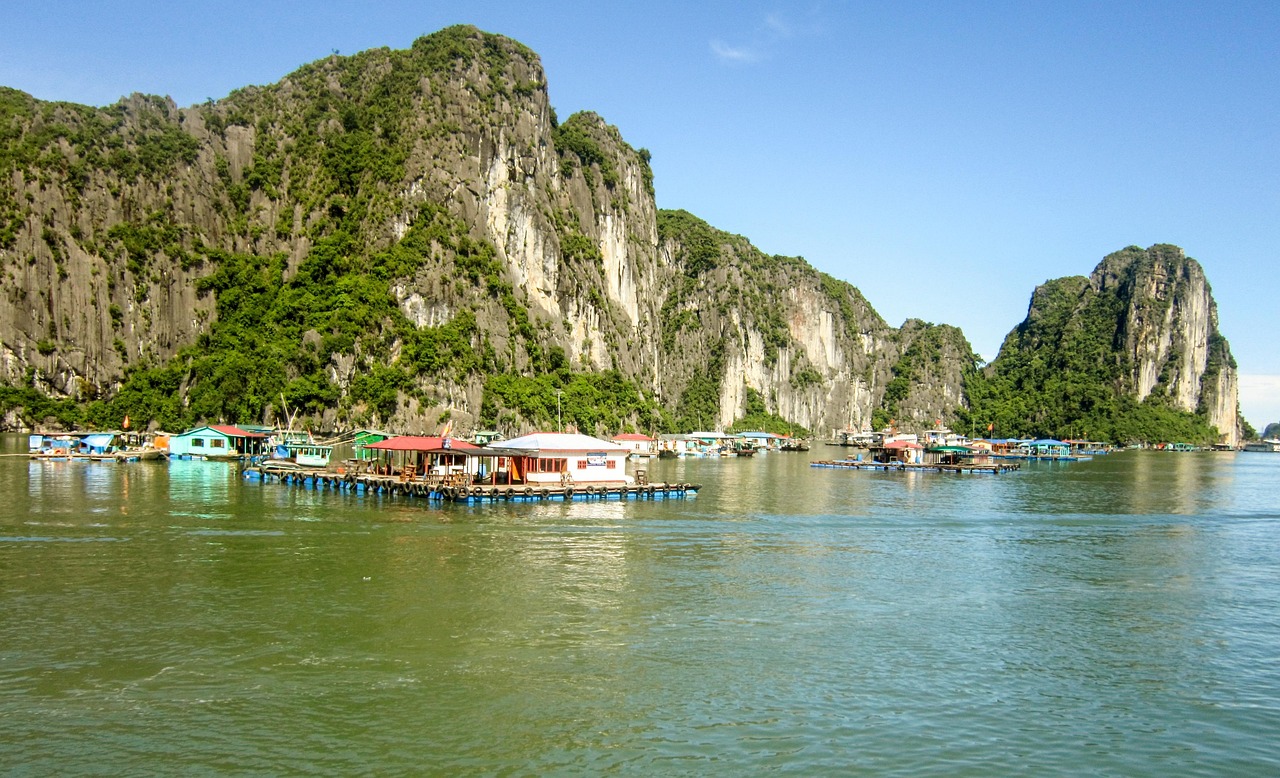
Ha Long Bay luxury cruise Lan Ha Bay Cat Ba Island UNESCO limestone landscapes are, quite simply, among the most cinematic Vietnam sights you can explore with ease. This UNESCO seascape is defined by limestone karsts rising from calm coves, and by that long bay feeling—horizons that seem to soften the mind. While Ha Long Bay is the iconic name, Lan Ha Bay can feel quieter and more intimate, yet still close enough to the classic silhouettes.
From Hanoi, the most seamless option is a private transfer to the marina. Arriving unflustered changes everything: you board with confidence, settle into your cabin, and let the water do its slow work.
Ha Long Bay sunrise on a luxury junk boat
A traveller once shared an overnight luxury junk boat cruise that felt like stepping into a private world. The service was personal without being formal: favourite tea remembered, jackets offered at dusk, and the quiet sense that someone was always present to support without hovering. In the early morning, they woke to still water and pale light, watching sunrise spread across the limestone forms in near silence.
They described it as the rare kind of beauty that doesn’t ask you to “do” anything—just to notice. It’s why an overnight Ha Long Bay cruise is often one of the best places to go for travellers who value atmosphere as much as itinerary.
Choosing a 5-star cruise with trust
Ha Long Bay cruise prices vary widely, so it helps to know what “5-star” should include. Look for spacious cabins with real soundproofing, excellent dining with Vietnamese ingredients treated thoughtfully, and a clear safety record. Ask how many guests are on board, how excursions are paced, and whether kayaking feels crowded or calm. The best operators design routes that minimise tourist pressure and maximise serenity.
- Cabins: private balcony if possible, and a bathroom you’ll genuinely enjoy.
- Dining: set menus that respect dietary needs without fuss.
- Excursions: small-group or private options, with realistic timing.
- Safety: life jackets available, clear briefings, professional crew.
Experiences can be as active or as gentle as you choose: kayaking into sheltered areas, viewpoints over floating villages, and a stop near Cat Ba Island for a different texture of nature. If you’re debating day trip versus overnight, a day trip suits travellers short on time who still want a taste of the long bay scenery. Overnight is for anyone who wants to experience the water’s quiet moods—sunset, starlight, and morning calm—without rushing.
Back on land, there’s another northern escape that pairs beautifully with Hanoi and Ha Long Bay.
Ninh Binh day trip cave limestone rice fields northern Vietnam scenery
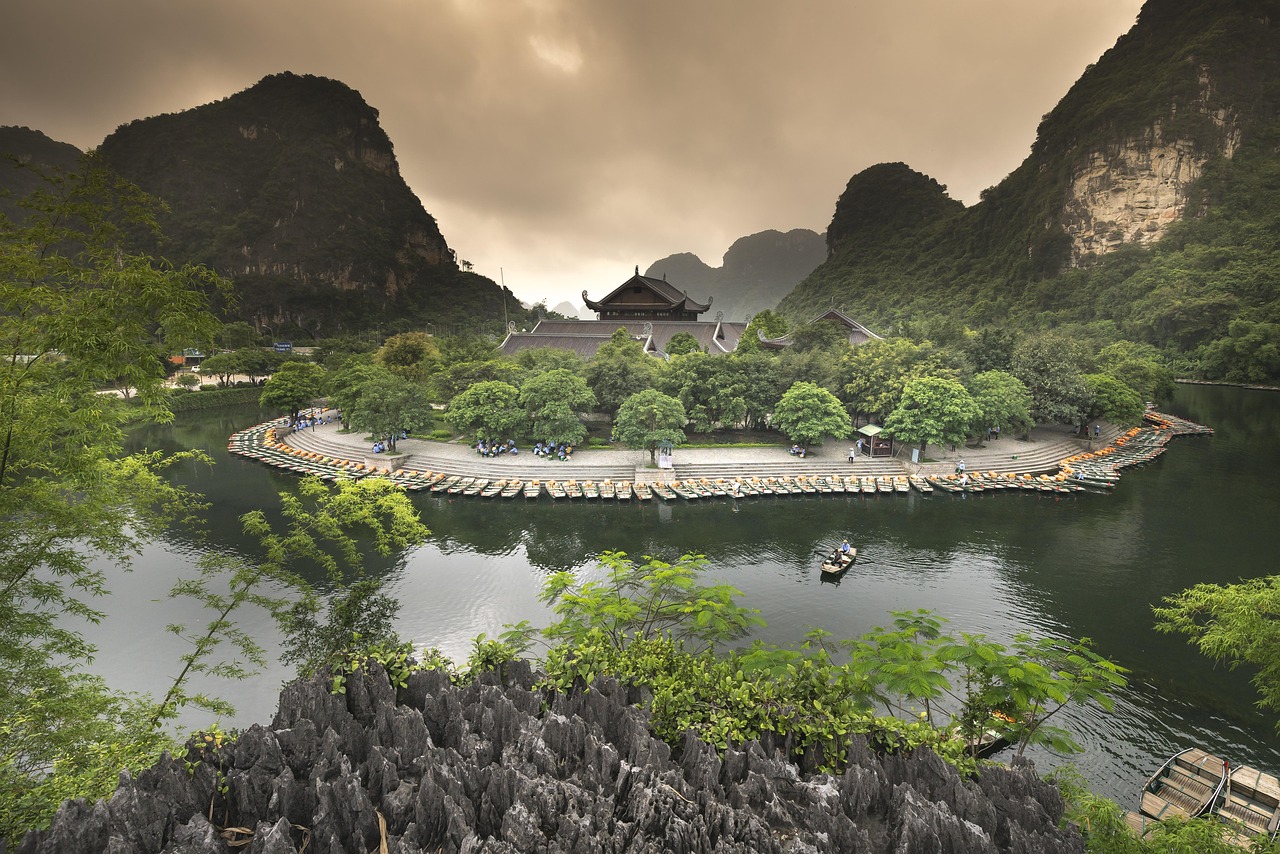
Ninh Binh day trip caves and northern Vietnam scenery
Ninh Binh day trip cave limestone rice fields northern Vietnam scenery is the sort of soft-adventure that feels restorative rather than demanding. Just a few hours from Hanoi, Ninh Binh offers river rides beneath cliffs, temple silhouettes, and those luminous rice fields that seem to glow in the right light. It’s one of the best places to go when you want to breathe out after city days, without adding another hotel check-in.
For high-end travellers, the luxury is in how you time it. An early departure from Hanoi means you arrive before the busiest tourist waves, so the river feels calmer and the cave passages feel more like quiet theatre than a queue.
Cave routes and beautiful views without the rush
Ninh Binh’s boat routes glide through cave tunnels and open water, with limestone walls rising close enough to touch. Choose a route that balances the cave experience with open-air stretches, and plan a viewpoint for later when the light softens. With an expert driver and a guide who knows the area, you can uncover beautiful views while avoiding the most congested hours.
When the day is designed well, it doesn’t feel like a checklist. It feels like a single, coherent story: a quiet boat, a short walk, a pause for tea, and the gentle return to Hanoi before the evening.
Luxury logistics for a relaxed day trip
Keep your Ninh Binh day trip comfortable with a private driver, an early start, and a crafted lunch stop that highlights regional Vietnamese dishes without feeling performative. This is where you can ask your guide for insight into local ingredients and rural rhythms, then simply enjoy the meal together, unhurried. If you’re pairing Ninh Binh with Hanoi and Ha Long Bay, it creates a balanced arc: city sophistication, seascape stillness, then countryside calm.
Photography matters here, but presence matters more. Put the camera down for a few minutes and listen: oars, birds, distant village life. Vietnam has a way of rewarding attention.
For those who want altitude and drama next, the highlands offer a different kind of wonder.
Sapa Ha Giang motorbike routes northern Vietnam things to do in Vietnam highlands
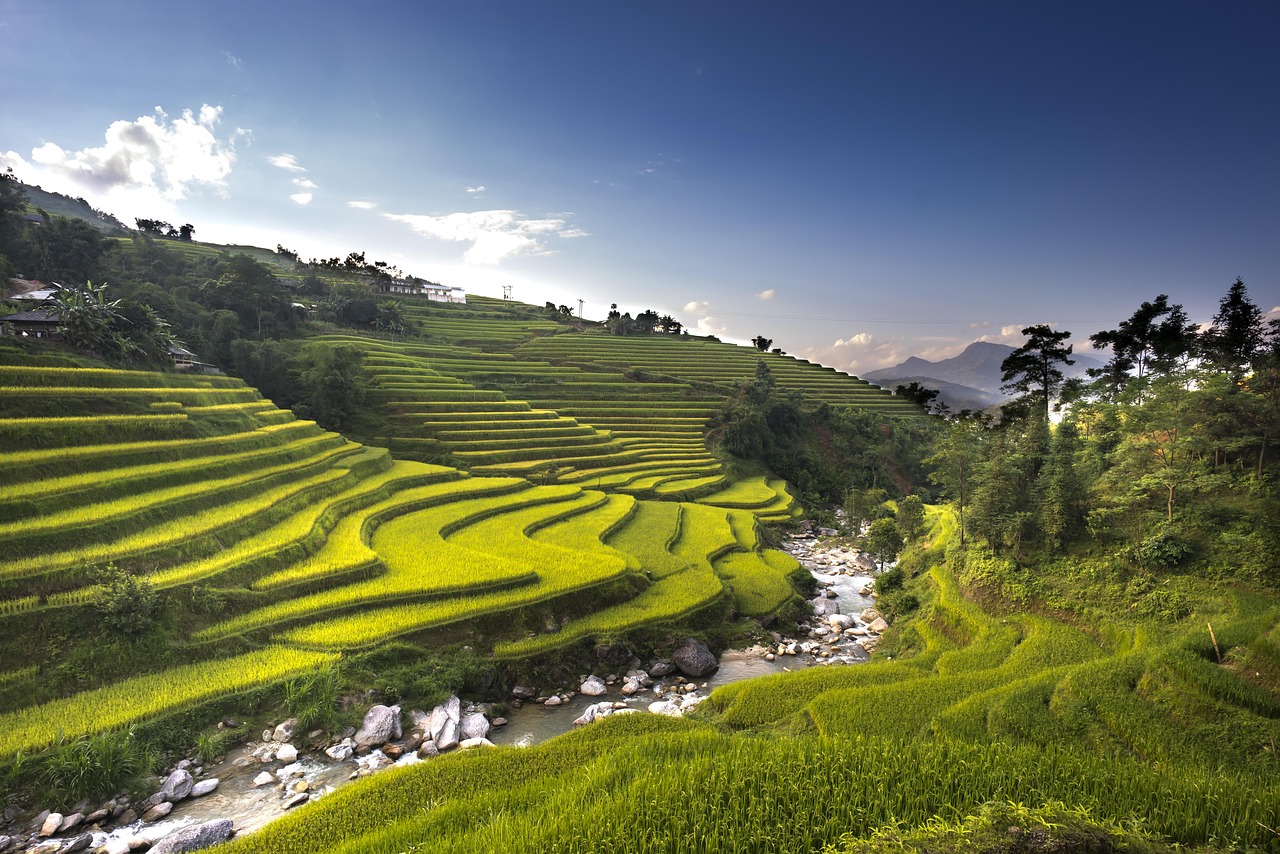
Sapa and Ha Giang places to go in Vietnam for highlands
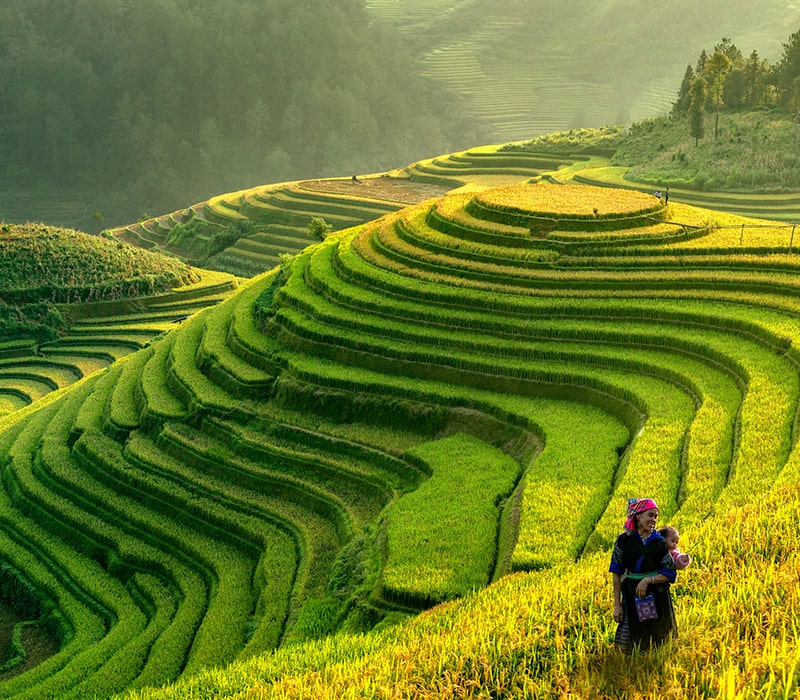
Sapa Ha Giang motorbike routes northern Vietnam things to do in Vietnam is the highlands chapter many travellers dream about, and it can be done with genuine comfort if it’s designed thoughtfully. Sapa is often the softer entry point: misty mornings, terraced hills, and boutique stays that make the altitude feel like a wellness reset. Ha Giang is more dramatic—famous for looping roads and vast landscapes—an “incredible places to go” feeling where the horizon seems to expand.
These regions can be cooler, so pack layers and plan for rest. Luxury here is not about rushing the loop; it’s about creating a pace that keeps you energised and safe.
Motorbike planning with support and care
If you’re drawn to the romance of a motorbike route, choose the style that fits your confidence. Some travellers ride themselves, others hire a skilled driver, and many high-end itineraries include a support vehicle for bags and flexibility. This approach offers trust: if rain arrives, if a road feels busy, or if you simply want to stop for tea, you can do so without strain.
Timing matters too. Avoid peak holiday periods when roads can feel more tourist heavy, and travel with a reputable guide who understands safety, local conditions, and where the scenery is at its most open.
Rice fields, village walks and what local should mean
In Sapa, walks can pass terraced rice fields and small villages, and the best experiences are respectful and unforced. “Local” should never mean intrusive. A good guide helps you understand customs, encourages modest dress where appropriate, and ensures your visit supports communities through ethical touring—fair payments, small groups, and genuine consent around photos.
Comfort-forward stays make a difference in the highlands: boutique lodges with fireplaces, spa treatments, and menus that feel nourishing after a day outside. Book early in peak season, especially if you want the most intimate properties. With expert planning, you can explore the mountains while protecting your time, energy and confidence.
After the highlands, central Vietnam brings romance, heritage, and a softer coastal pause.
Central Vietnam Hoi An Da Nang beach Hue places to visit in Vietnam with style

Central Vietnam Hoi An Da Nang beach and Hue heritage
Central Vietnam Hoi An Da Nang beach Hue places to visit in Vietnam is the portion of the route where many high-end travellers feel the journey exhale. Hoi An Ancient Town is a place in Vietnam made for gentle evenings: lantern-lit streets, well-preserved architecture, and a sense that design and history are in constant conversation. It’s romantic without trying too hard, and it suits couples, solo travellers, and friends travelling together.
Hoi An can be popular, but it’s also easy to design around: early mornings for quiet lanes, late afternoons for the river, and long dinners when the town turns soft and golden.
Hoi An tailoring for a personal, crafted souvenir
A couple once shared their experience of bespoke garments tailored in Hoi An, and it sounded less like shopping and more like collaboration. They chose fabrics in a calm studio, discussed silhouettes over tea, and returned for an intimate fitting where adjustments were made with patience and pride. The final pieces felt both local and luxurious—wearable memories, stitched with care.
If you want to do this well, timing is everything. Allow at least 48–72 hours for fittings, and avoid scheduling it the day before a flight. Bring photos for inspiration, but stay open to the tailor’s insight—Vietnamese craftsmanship is at its best when it’s a dialogue.
Da Nang beach time and Hue heritage with calm guidance
Da Nang offers a modern base with easy beach access, ideal when you want resort comforts between cultural days. Choose a property that matches your style of rest—quiet pools, excellent spas, and a stretch of beach that doesn’t feel crowded. If you’re searching for the best beach feel, think about what matters more: walkable cafés, privacy, or a beautifully serviced shoreline.
Hue then shifts the tone towards heritage. Imperial sites, river calm, and a more contemplative pace give contrast to Hoi An’s glow. With a thoughtful guide, the history feels human rather than hurried, and respectful behaviour at sacred spaces becomes second nature.
- Transfers: private car keeps luggage, timing and comfort seamless.
- Rail: consider a first-class segment for scenery and ease.
- Downtime: protect two beach afternoons so culture never becomes a sprint.
From central Vietnam, the route turns south—towards contemporary energy, layered stories, and river life.
Ho Chi Minh City Saigon Mekong Delta floating market Cu Chi tunnels in southern Vietnam

Ho Chi Minh City Saigon style and the Mekong Delta
Ho Chi Minh City Saigon Mekong Delta floating market Cu Chi tunnels experiences bring you into south Vietnam with a sense of momentum. Ho Chi Minh City is a city in Vietnam where sleek rooftops and French-era facades sit beside family-run cafés and design studios. Locals still say Saigon with affection, and you’ll feel that layered identity in the street life, the art, and the ambition.
It’s also a place where planning matters. With a vetted driver and reputable experiences, you can explore confidently—knowing you can retreat to calm whenever you choose.
Cu Chi tunnels and Vietnam War context with respect
Visiting the Cu Chi tunnels can be emotionally complex, and the Vietnam War story deserves a steady, respectful approach. Choose an expert guide who provides context without sensationalism, keeps the tone grounded, and offers space for reflection. A well-paced visit is often more meaningful than a long one, especially in the heat.
In Ho Chi Minh City afterwards, you may want something gentle: a quiet museum, a long lunch, or a restorative spa treatment. That contrast is part of travelling with care—letting history land without forcing yourself to push on.
Visit the Mekong for a private, indulgent river day
To visit the Mekong is to step into a softer tempo. In the Mekong Delta, “luxury” is defined by space, pacing and privacy: a private sampan-style boat, an unhurried route, and time to simply watch river life. Aim for a floating market at first light, when the air is cooler and the atmosphere feels authentic rather than staged for tourist crowds.
Between stops, you can taste tropical fruit, learn about local crafts, and enjoy the quiet pleasure of moving through water landscapes that feel entirely different from the city. It’s a natural pairing with Ho Chi Minh City because it gives balance—urban energy, then river calm.
For an add-on finale, Phu Quoc offers beautiful beaches and a softened landing. Choose a quieter stretch of beach with excellent service, and let the last days be about ease: long breakfasts, sunset swims, and dinners where the only schedule is the tide. In peak season, book resorts early to secure the room category and privacy you actually want.
Back in Saigon, dining can be superb—refined Vietnamese menus, excellent wine lists, and cocktail bars that feel genuinely world-class. Keep it seamless with vetted drivers at night, and you’ll enjoy the city’s sparkle with complete confidence.
And then, almost without noticing, the journey begins to settle into memory.
After Vietnam what stays with you
What stays with you after Vietnam is rarely just the headline sights. It’s the small sounds you didn’t expect to love: the soft clink of ice in a glass on a warm evening, or the hush that arrives just before sunrise on water. It’s the way light changes—silver in the north, honeyed in Hoi An, bright and quick in the south—and how you begin to notice it, as if your attention has been quietly re-tuned.
You may remember limestone stillness as something felt in the body, not only seen. You may recall lantern warmth as a kind of reassurance, a glow that made even a busy lane feel gentle. And you may feel grateful for the comfort of being guided with trust: the calm confidence of a driver waiting, the quiet competence of a hotel team, the thoughtful presence of a guide who knew when to share insight and when to let silence do the work.
There is something in Vietnam that invites togetherness, whether you travelled solo or side by side. Shared meals become personal rituals, and small kindnesses from strangers can feel surprisingly intimate—an offered umbrella, a patient explanation, a smile that says you’re welcome here. Long after you’ve unpacked, those moments can linger as a steady kind of courage, a reminder that you can arrive somewhere unfamiliar and still feel held by care.
Perhaps that’s the real souvenir: a softer way of moving through the world, more curious, more attentive, less in a hurry. And when you think of returning, it won’t be to repeat what you’ve done, but to uncover one more detail you missed the first time—something small and perfect, waiting in plain sight.
F.A.Qs: Vietnam sights and planning
Is $1000 enough for 2 weeks in Vietnam?
$1000 can work for two weeks if you travel simply, use basic hotels, eat casual meals, and take public transport. For a high-end style with private transfers, standout dining, and premium rooms, it won’t feel comfortable. Vietnam can be excellent value, but luxury is defined by space, pacing, and trusted service—those elements raise costs quickly, especially in peak season.
What should I not miss in Vietnam?
Don’t miss Hanoi for culture and food, Ha Long Bay for limestone seascapes, and Hoi An for heritage and design-led romance. If you have time, add Hue for imperial history and the Mekong Delta for a slower river world. The best experiences are often early mornings, private guiding, and one or two crafted moments—like a cooking class or an overnight cruise.
Is $50,000 enough for a Vietnam trip?
Yes—$50,000 is more than enough for a luxurious Vietnam trip for most travellers, even with five-star hotels, private guides, business-class regional flights, and premium experiences. With that budget you can prioritise privacy: exclusive cruises, top suites, bespoke dining, and seamless logistics. The key is designing a route that protects time and avoids backtracking, so the journey feels calm and personal.
What is the most visited place in Vietnam?
Ho Chi Minh City and Hanoi are among the most visited, alongside Ha Long Bay as a signature natural icon. Popular places can still feel special if you plan well—choose early entry times, stay in well-positioned hotels, and use reputable guides. Comfort and crowd-avoidance are often more important than adding more stops.