Post Contents
- Tsutenkaku Tower Shinsekai Osaka Japan travel guide and around Tsutenkaku insight
- History of Tsutenkaku Tower Osaka Japan 1912 1956 and the original tower story
- Tsutenkaku Tower observation deck sunset views of Osaka city and panoramic calm
- Inside Tsutenkaku Billiken statue good fortune Osaka Japan and tower slider details
- Shinsekai Osaka kushikatsu Janjan Yokocho Tsutenkaku Hondori shopping street nights
- Shinsekai and Tsutenkaku Osaka Japan reflection that stays with you
- F.A.Qs: Tsutenkaku Tower Osaka Japan
Tsutenkaku Tower Shinsekai Osaka Japan travel guide and around Tsutenkaku insight
Tsutenkaku Tower and Shinsekai Travel Guide in Osaka
This Tsutenkaku Tower Shinsekai Osaka Japan travel guide is for adventurous, culture-led travellers who want real Osaka street life, not a museum-glass version of it. Think of this attraction as a doorway into a neighbourhood that feels proudly lived-in—where neon hums, laughter spills from doorways, and the city’s history is written on signboards. If you like to explore with intention, Shinsekai offers that rare blend of grit and charm that can’t be designed on purpose, yet somehow feels perfectly crafted.
To orient yourself, picture Tsutenkaku Tower sitting between Tennoji and Naniwa, with lanes fanning out like a small theatre set where every stall has a storyline. Around Tsutenkaku, the street level is intimate: lanterns at eye height, skewers sizzling, and shopfronts that invite you to step closer. It’s an easy place to move together as a couple or small group, pausing whenever something catches your curiosity.
Shinsekai and Tsutenkaku tower location between Tennoji and Naniwa
Shinsekai isn’t vast, which is part of its appeal for high-end travellers seeking authenticity without logistical stress. You can create a simple arc: arrive, take the tower, then drift into the shopping street and quieter lanes for your first local insight. If you’re also planning wider Osaka travel, this area connects smoothly to the rest of the city without demanding a full-day commitment.
Osaka access by Dobutsuen-mae Station, Ebisucho Station and Shin-Imamiya Station
Getting there is refreshingly straightforward. Use the Osaka Metro for a seamless arrival, or link in via the loop line if you’re staying near major hubs like Osaka Station. For many visitors, the calm reassurance is simply knowing you won’t be stranded or forced into complicated transfers.
- Dobutsuen-mae Station (Osaka Metro): a classic, direct approach on foot into Shinsekai.
- Ebisucho Station (Osaka Metro Sakaisuji): another easy option that drops you near the action.
- Shin-Imamiya Station (station on the JR Osaka Loop Line): a simple connection if you’re looping the city.
Weekends can be busy, especially in the late afternoon, but the area is generally safe—just keep a gentle awareness of crowds and set your own pace. If you’d like a curated peek at what else could be paired with Osaka, the Trip gallery can help you imagine how Shinsekai fits into a broader Kansai story.
Now, let’s uncover what the tower has meant to Osaka across generations—because the view becomes richer once you know what you’re standing on.


History of Tsutenkaku Tower Osaka Japan 1912 1956 and the original tower story
From 1912 to 1956 The Story Behind Tsutenkaku
The history of Tsutenkaku Tower Osaka Japan 1912 1956 reads like a city learning how to reinvent itself with confidence. The original tower was part of a bold entertainment dream: the tower built in 1912 rose beside an amusement park vision that promised modern wonder. For travellers who love context, it’s moving to realise that this wasn’t just a structure—it was a statement of possibility.
In global imagination, the early design nodded to Europe—like the Eiffel Tower in its vertical bravura, and paired with an entrance concept inspired by the Arc de Triomphe. Yet it never stayed “imported”. Osaka has a talent for taking an idea, remixing it with humour and practicality, and making it unmistakably its own.
Osaka memory lane with the original Tsutenkaku and Luna Park
The original Tsutenkaku and the original tower was built in 1912 alongside the dream of Luna Park, a name that still flickers in local storytelling. One evening, a shopkeeper in Shinsekai noticed my curiosity and began sharing soft, unforced memories—how elders spoke of Tsutenkaku and Luna Park with a mix of pride and wistfulness. It wasn’t a lecture; it was a human moment of trust, the sort that makes a place feel less like a stop and more like a conversation.
Current tower built again in 1956 as resilient Osaka energy
After the early era faded, the tower was built again in 1956—this current tower becoming a symbol recognised across Japan for resilient urban energy. Standing at 108 meters tall, it doesn’t compete with the scale of Tokyo Tower, but it doesn’t need to. Tsutenkaku’s power is proximity: it belongs to the streets beneath it, to the everyday rhythm of Osaka, and to the retro signage that turns Shinsekai into a living museum of “then and now”.
With that story in mind, the ride up feels like more than sightseeing. You’re not only chasing views—you’re stepping into a skyline shaped by reinvention.
Tsutenkaku Tower observation deck sunset views of Osaka city and panoramic calm
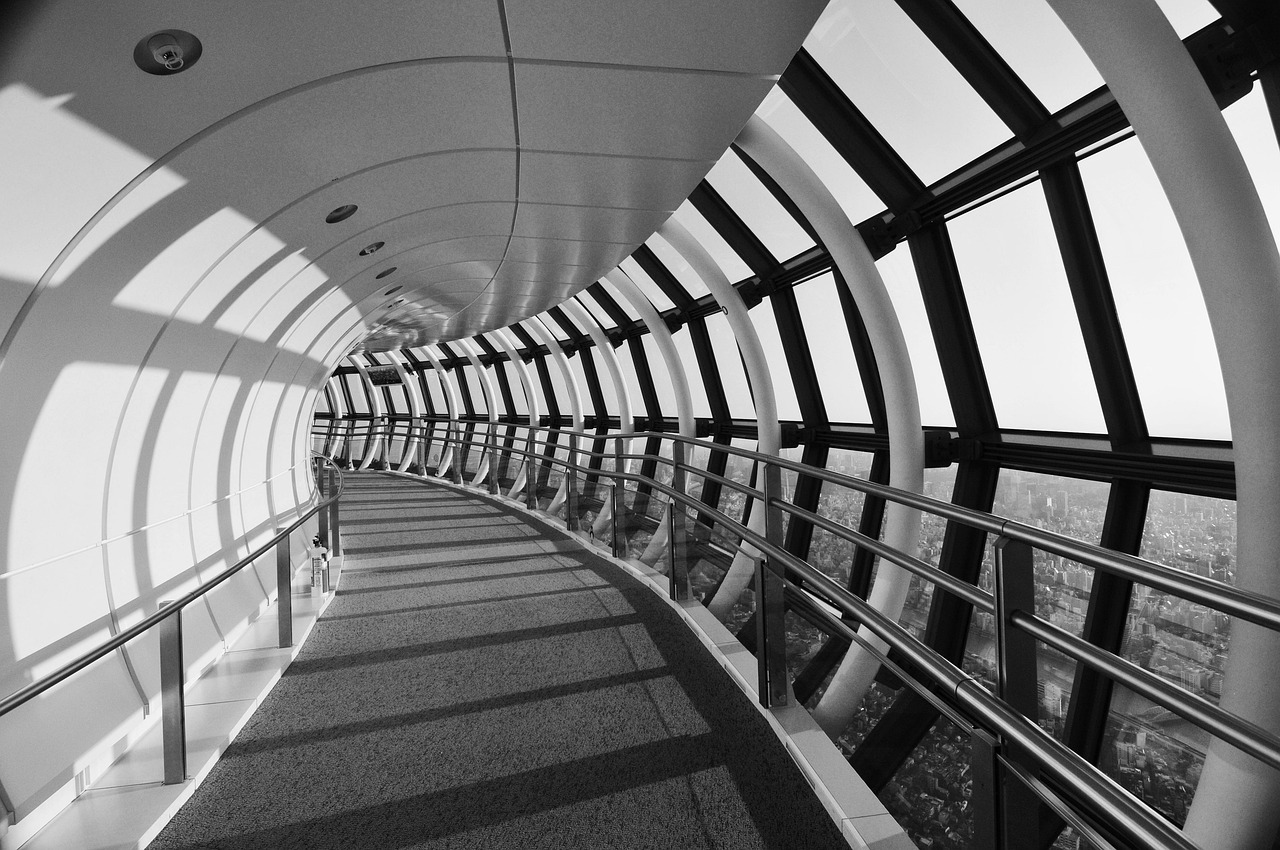
Sunset at the Observation Deck for a Panoramic View
For Tsutenkaku Tower observation deck sunset views of Osaka city, plan for late afternoon and give yourself time to stay as the lights come on. You’ll get two moods in one visit: the warm, honeyed fade of sunset, then the quiet drama of Osaka turning luminous. Many travellers describe a small thrill as the lift doors open—an observatory hush that makes even busy people fall silent for a moment.
Observation deck flow, buying tickets and a seamless visit
Buying tickets is usually quick and affordable (often around 800 yen for standard access), and the route is simple enough that it feels seamless even if you arrive without much planning. Staff are used to first-timers and the atmosphere is supportive rather than rushed—particularly helpful if you’re travelling with family, or simply prefer calm logistics.
- Arrive 60–90 minutes before sunset to settle in without stress.
- Keep your camera ready for reflections as daylight changes to neon.
- If queues swell, take it as permission to slow down—Osaka rewards unhurried attention.
View of Osaka landmarks including Osaka Castle and Osaka Station bearings
On clear evenings, the panoramic view stretches across Osaka in a way that helps you design the rest of your trip. Look out for Osaka Castle in the distance, and use transport anchors like Osaka Station to mentally map where you’ll head next. If you’ve visited the Kuchu Teien Observatory (or plan to), you’ll notice the contrast: that experience feels sleek and lofty, while Tsutenkaku feels closer to the city’s pulse.
If you’re craving a controlled burst of adrenaline, ask about the tower slider option (availability can vary). Done well, it’s a quick, well-managed thrill—an adventure detail that still feels safe, with clear guidance and care around the entry point.
Once you’re back at street level, the tower continues inside—through playful details that make Osaka’s character feel personal.
Inside Tsutenkaku Billiken statue good fortune Osaka Japan and tower slider details
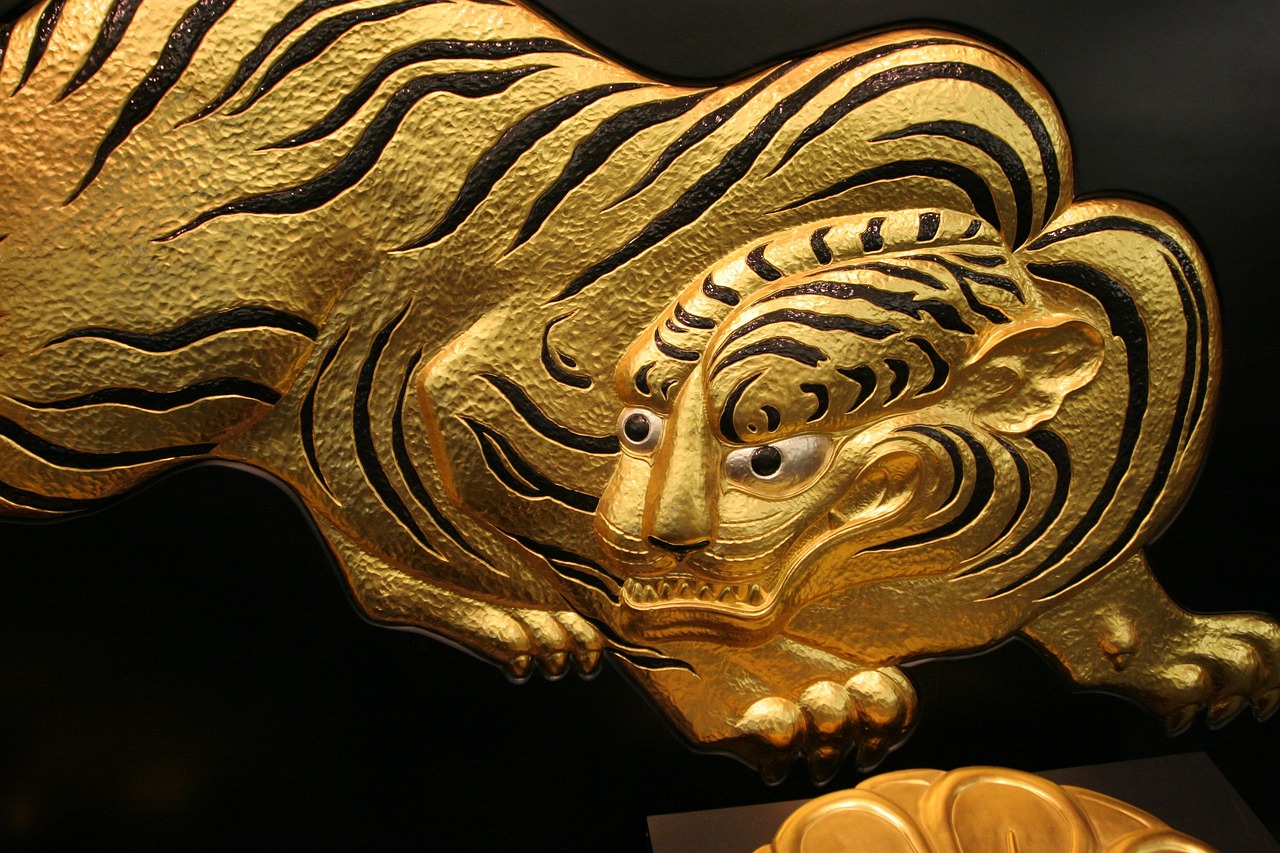
Inside Tsutenkaku Billiken Luck and Tower Slider Thrills
Inside Tsutenkaku Billiken statue good fortune Osaka Japan becomes less about “must-see” and more about noticing small surprises. The interior experience is compact and easy to navigate, which helps you stay present even during busy periods. If you like attractions and experiences that reward curiosity, give yourself permission to slow down and actually look—this is where the tower’s personality reveals itself.
Inside Tsutenkaku on the 2nd floor and 3rd floor
On the 2nd floor, you’ll typically find displays and photo spots that add texture to the visit, plus little nods to the area’s retro spirit. The 3rd floor continues the theme with more visual cues that connect the tower to Shinsekai’s playful street culture. It’s not about grand galleries; it’s about collecting small insights that make the skyline feel earned rather than consumed.
Billiken tradition with care and local trust
Then you meet Billiken—often described as a god of good fortune in popular culture, but here it feels like a friendly local mascot. The tradition is simple: rub the feet gently, make a quiet wish, and let it be a personal ritual rather than a performance. In Osaka’s warm humour, it’s perfectly normal to see strangers smiling at one another in line, sharing the moment without needing words.
For comfort, keep an eye on lift queues and move with calm confidence. If the tower slider area is operating, staff manage spacing carefully; if it’s crowded, it’s fine to skip—your experience is still complete. The real luxury here is choice: you can create your own pace, supported by clear signage and a relaxed atmosphere.
Back outside, Shinsekai gathers you up again—this time through food, neon, and the kind of night that lingers.
Shinsekai Osaka kushikatsu Janjan Yokocho Tsutenkaku Hondori shopping street nights
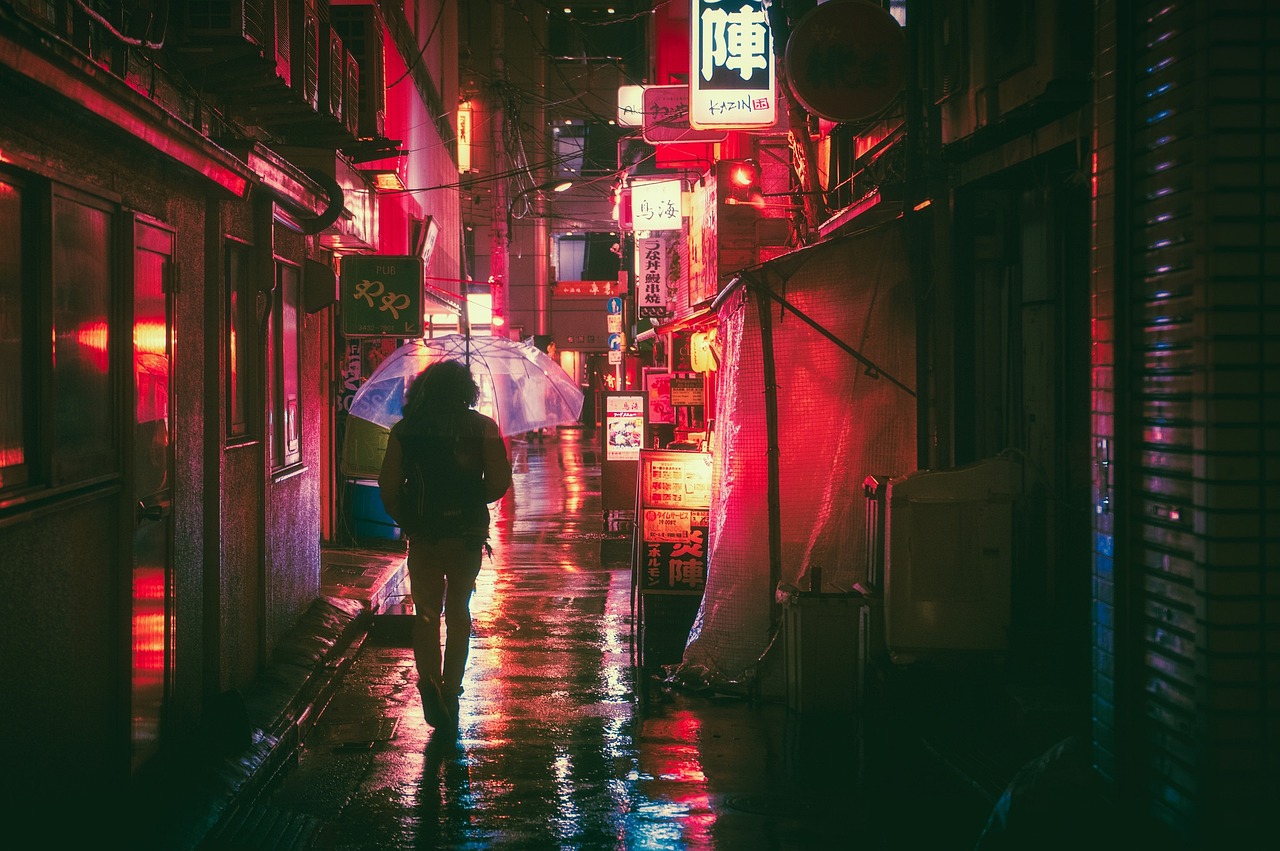
Shinsekai Street Food Janjan Yokocho and Local Nights
Shinsekai Osaka kushikatsu Janjan Yokocho Tsutenkaku Hondori shopping street is where the day turns delicious. After the tower, the neighbourhood feels brighter and louder—in the best way—like Osaka letting its hair down. Neon signage, retro façades, and bursts of laughter create a nightscape that’s easy to explore, even if you’re arriving slightly tired from a packed itinerary.
Many travellers recall the nostalgic ambiance of Shinsekai as vividly as any landmark: sitting shoulder-to-shoulder, tasting kushikatsu, and watching the street scenes roll by like theatre. If you’re new to Osaka’s, start with a classic kushikatsu set and let your appetite lead. This is traditional Japanese comfort food—crisp, hot, and deeply satisfying after an evening of walking.
Janjan Yokocho and quieter local lanes
Janjan Yokocho is the lane people talk about for good reason: it’s narrow, lively, and full of atmosphere. But for an insider experience, wander one or two streets away to uncover less touristy eateries where chefs focus on the craft rather than the crowd. A local once pointed me to a tiny counter spot with no English menu—then stayed long enough to recommend what to order, smiling as if it mattered that I had a good night.
Nearby attractions and Osaka Metro Sakaisuji routes via Sakaisuji and Midosuji
Navigation is simple once you spot Sakaisuji, a practical corridor served by the Osaka Metro Sakaisuji line. For cross-city moves, the Midosuji line is your friend—clean, frequent, and easy to understand, even on a first visit. If you’re continuing your Osaka travel, nearby attractions include Tennoji Park and Tennoji Zoo for a gentle morning reset. And if your journey continues across Japan with bigger thrills in mind, Universal Studios Japan is one of the headline Osaka attractions worth pencilling in.
- With kushikatsu, follow house rules—often no double-dipping sauces, and keep things tidy.
- Try at least one seasonal vegetable skewer, not just meat.
- If a queue feels intense, choose a side street and trust the neighbourhood—good food is everywhere here.
When you’re ready to leave, you can loop back via a station on the Osaka Metro or walk towards Tennoji for a calmer feel. If you’re coming from afar, Kansai International Airport links neatly into the city, and a ride from JR Osaka Station makes this area surprisingly accessible for travellers staying in more polished districts.
Shinsekai and Tsutenkaku Osaka Japan reflection that stays with you
Shinsekai and Tsutenkaku becomes more than a checklist in the days after you leave Osaka. It lingers as a texture: the warmth of shared stools, the soft neon on wet pavement, the way a simple laugh can make a foreign city feel briefly like your own. You remember not only what you saw, but how you moved—steadier, more curious, more willing to let the night unfold without needing to control it.
There’s often one small moment that returns unexpectedly. A local recommendation offered with gentle pride. The lantern light catching someone’s sleeve as they step aside to let you pass. The quiet shift in your chest when you realise the centre of Osaka isn’t a single place on a map, but a feeling of being held by a city that welcomes attention.
And then there’s the skyline: that observatory pause at dusk, when the city below turns from detail into pattern, and you can almost hear your thoughts settle. If good fortune is anything lasting, perhaps it’s simply this—how you notice, how you choose care for yourself and others, and the trust you build by travelling with open eyes.
Osaka fades into memory the way lights fade at closing time: not suddenly, but gently—leaving you with the sense that, somewhere in Japan, another corner is waiting to be discovered when the time feels right.
F.A.Qs: Tsutenkaku Tower Osaka Japan
Is Tsutenkaku worth visiting?
Yes—Tsutenkaku is worth visiting if you want an Osaka attraction that blends panorama, history, and street-level culture. The tower itself is quick and affordable, and Shinsekai around it adds the real magic with food, retro character, and local energy. Sunset is especially rewarding for travellers who enjoy atmosphere as much as landmarks.
Why is Tsutenkaku famous?
Tsutenkaku is famous as a symbol of Osaka’s resilience and playful identity, rebuilt in 1956 after the area’s earlier era. It’s also known for its nostalgic Shinsekai setting and the Billiken figure associated with luck. Together, the tower and neighbourhood feel like a living snapshot of Osaka’s past and present.
What to do in Tsutenkaku?
Inside Tsutenkaku, visit the observation areas for city views, look for displays across the floors, and meet the Billiken statue—many people gently rub its feet as a local tradition. If operating, the tower slider adds a short burst of adrenaline. Afterwards, step straight into Shinsekai for food and night-time atmosphere.
How long to spend at Tsutenkaku?
Plan around 60–90 minutes for Tsutenkaku itself, depending on queues and how long you linger at the observation deck. If you’re timing sunset, allow extra buffer so you can enjoy both daylight and night views. Most travellers then spend another 1–3 hours exploring Shinsekai for dinner and wandering.