Post Contents
- Designing Your Osaka Travel Itinerary for High-End Comfort and a High-End Osaka Travel Guide Itinerary
- Osaka Castle Moments History Views and Modern Insight for Osaka Castle Panoramic Views Things to Do in Osaka
- Dotonbori and Namba Neon Nights Street Food and Warm Local Energy for Dotonbori Namba Things to Do in Osaka
- Shinsekai Retro Charm Tsutenkaku and the Tennoji Skyline for Shinsekai Tsutenkaku Tennoji Abeno Harukas Attraction Osaka
- Sumiyoshi Taisha Shrine and Sacred Stillness in the City for Sumiyoshi Taisha Shrine Osaka Spiritual Places to Visit Osaka
- A Crafted Kaiseki Evening Private Chefs and Elegant Places to Eat for Private Kaiseki Dinner Osaka
- Sushi Workshop with a Master Chef A Personal Cultural Connection for Sushi Making Workshop Osaka
- Luxury Shopping and Where to Stay in Osaka Shinsaibashi Umeda and Osaka Station for Stay in Osaka
- Day Trip Inspirations and Big Attractions Kyoto Nara Himeji and Universal Studios for Day Trip from Osaka
- What Stays With You After Osaka Osaka Travel Reflections
- F.A.Qs: Things to do in Osaka Japan
Designing Your Osaka Travel Itinerary for High-End Comfort and a High-End Osaka Travel Guide Itinerary

Designing Your Osaka Travel Itinerary for High-End Comfort with skyline views in Osaka, Japan
If you’re searching for a things to do in Osaka itinerary high-end Osaka travel guide, the most luxurious approach is to plan by neighbourhood “anchors” rather than racing between attractions. The city of Osaka rewards travellers who move with intention—slow mornings, well-timed transfers, and evenings designed around the mood you want to feel.
For first-timers, here’s a reassuring list of places that define famous Osaka: Osaka Castle and surrounding parks; Dotonbori and Namba canal walks; Shinsekai’s retro lanes; Sumiyoshi Taisha shrine; Shinsaibashi boutiques; and Umeda’s skyline polish. Consider this a comprehensive guide framework you can create together with your concierge or local guide once your dates and priorities are clear.
Things to do in Osaka and days in Osaka with neighbourhood anchors
A simple 2–4 day structure keeps transfers minimal and comfort high. Aim for one “hero” experience in the morning, a refined pause (gallery, café, shopping), then an evening designed around dining.
- Day 1: Arrive, check in, Shinsaibashi stroll, Dotonbori lights in Namba.
- Day 2: Osaka Castle morning, museum pairing, cocktails around Umeda.
- Day 3: Sacred calm at a shrine, then a crafted kaiseki dinner.
- Day 4 (optional): A day trip or a theme park day, then a slow return.
The best time to visit is spring (March to May) or autumn (September to November). For high-end travellers, shoulder timing—early March, late May, or mid-November—often feels more exclusive, with fewer crowds and easier last-minute reservations.
Visit Osaka with seamless arrivals via Kansai International Airport
Most international arrivals route through Kansai International Airport. For seamless support, choose either an airport train into central Osaka (excellent signage, reliable timing) or a private transfer if you value door-to-door ease after a long flight. If your trip to Japan includes multiple cities across Japan, the Japan Rail Pass can be useful—though many travellers do better with point-to-point tickets depending on how much Kyoto, Tokyo, or Hiroshima you’re actually covering.
Within the areas of Osaka, an ICOCA card is the simplest local tool for metro rides, Osaka station connections, and flexible day trip planning. It reduces friction—tap in, tap out—so you can keep your attention on the experience. In crowded areas, keep valuables close, and stay softly aware rather than tense; transport hubs are very safe, and the city’s rhythm becomes intuitive quickly.
Two gentle “confidence checks” help: speak softly on trains, and be ready to remove shoes where indicated. If you’re travelling with fine pieces or carrying luxury shopping, consider travel insurance that covers valuables and activities. For a beautifully supported trip, book high-end dining weeks ahead and lean on an expert hotel team or guide; they can secure preferred seating, manage dietary notes, and design your nights so everything feels effortless. For inspiration on how Designer Journeys crafts experiences, browse the Trip gallery.


Osaka Castle Moments History Views and Modern Insight for Osaka Castle Panoramic Views Things to Do in Osaka
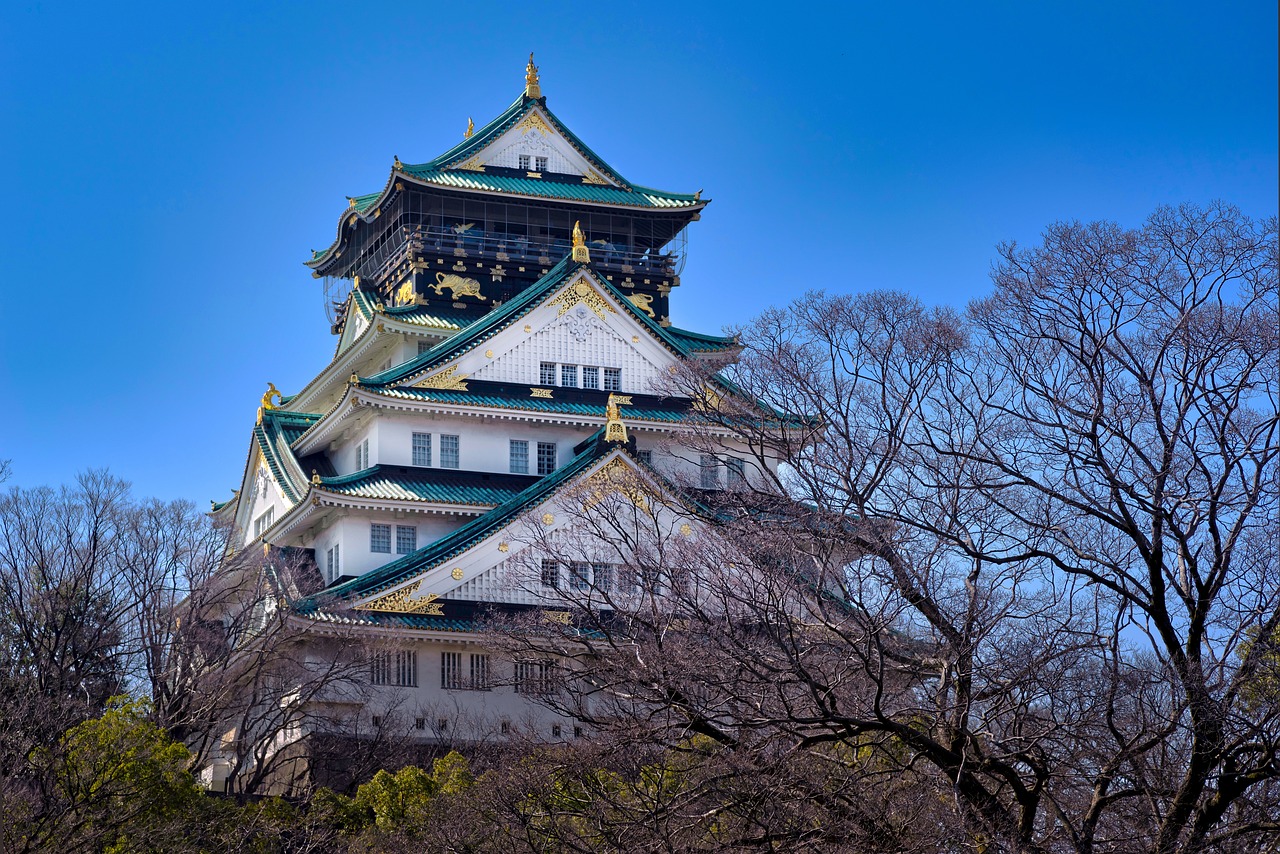
Osaka Castle Moments History Views and Modern Insight with morning light over the castle grounds
For travellers building a priority list around Osaka Castle panoramic views things to do in Osaka, this is the iconic castle moment—the one that instantly gives emotional context to the city. Arrive early to walk the paths surrounding the castle while the air still feels cool and the city hasn’t quite sped up.
One traveller told us that watching the sunset from the top floor transformed her understanding of Osaka: history held in one hand, modernity in the other, both fully alive. That blend is the “why” behind the visit—less a box to tick, more a perspective shift you carry into every neighbourhood afterwards.
Osaka castle photography and views from the top at the observation deck
Plan for golden hour if you can, but avoid feeling rushed by giving yourself time to wander the grounds first. From the upper levels and observation deck areas, the views from the top reveal a striking contrast: moats and stonework below, and a clean urban skyline beyond.
Photography tips that keep it calm: use a slightly wider lens for skyline depth, take a few frames, then put the phone away and simply notice. The most luxurious souvenir is often the feeling of stillness you create for yourself, even in a major attraction.
Osaka Museum of History pairing for a crafted narrative
If you want deeper insight, pair the castle with the Osaka Museum of History. It creates a more crafted arc—how Osaka grew, traded, adapted—and it makes the castle experience feel grounded rather than purely scenic.
Practical notes: tickets are straightforward on-site, and mornings are usually calmer. If you stay near Osaka station, it’s an easy transfer; if you’re arriving from Kyoto for the day, travel in early and treat the castle as your first anchor before the crowds arrive.
Dotonbori and Namba Neon Nights Street Food and Warm Local Energy for Dotonbori Namba Things to Do in Osaka
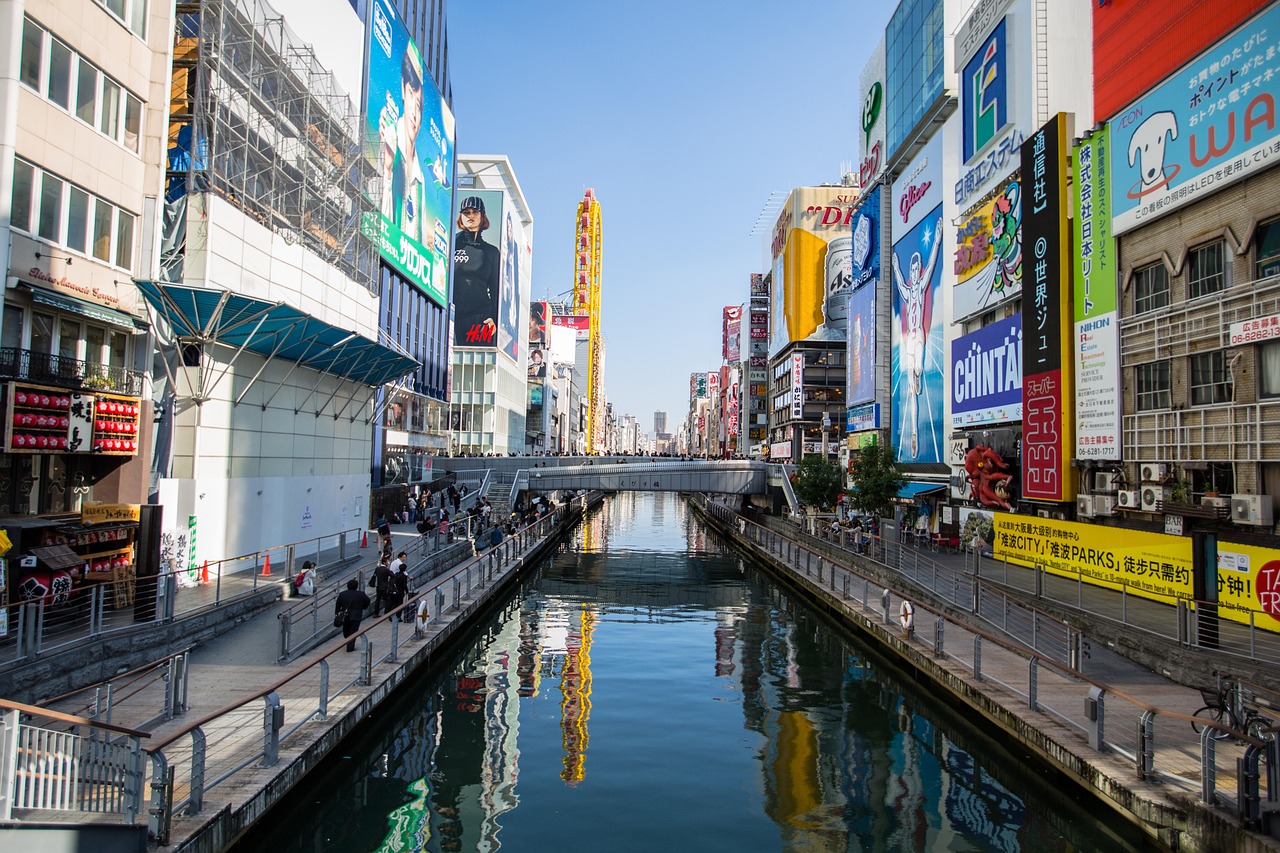
Dotonbori and Namba Neon Nights Street Food and Warm Local Energy along the canal
When people search Dotonbori Namba things to do in Osaka street food nightlife, they often picture a loud sprint through crowds. The more elegant way is to discover Dotonbori slowly—from early evening into the entertainment district’s late glow—letting the lights and aromas unfold at your pace.
Start with a canal-side stroll, then weave across the bridges and into the Namba lanes. You’ll see the Glico runner and, nearby, the famous Glico man sign framed by billboards and reflections—an iconic Osaka photo moment that still feels playful rather than polished.
Dotonbori canal stroll to the Glico man sign with a mini-map mindset
Imagine your route like a mini-map: canal → bridge for photos → side street snack → return to the water for perspective. This keeps you oriented and helps you stay calm in the bustle, especially if you’re travelling in the peak seasons.
- Photo stops: bridge views facing the signage, then a second shot from slightly downstream for reflections.
- Comfort moves: pop into a café for five minutes, then re-enter the streets refreshed.
- Timing: arrive before full darkness, then linger as the neon deepens.
Osaka street food with confidence in Namba and Dotonbori
A traveller once recounted the sensory delight of tasting takoyaki and okonomiyaki here—crispy edges, steam, sweet-savoury sauce—made even better by the warmth of vendors who gently guided her order. For street food confidence, look for busy stalls with fast turnover; it’s a simple quality indicator in Osaka street food culture.
For contrast, step into Hozen-ji Temple—a tucked-away pause where the energy softens and your shoulders drop. Afterwards, an arcade stop in Namba is modern fun without effort: playful, stylish downtime between places to eat, and a surprisingly good way to reset your senses before you head back to your hotel.
Shinsekai Retro Charm Tsutenkaku and the Tennoji Skyline for Shinsekai Tsutenkaku Tennoji Abeno Harukas Attraction Osaka
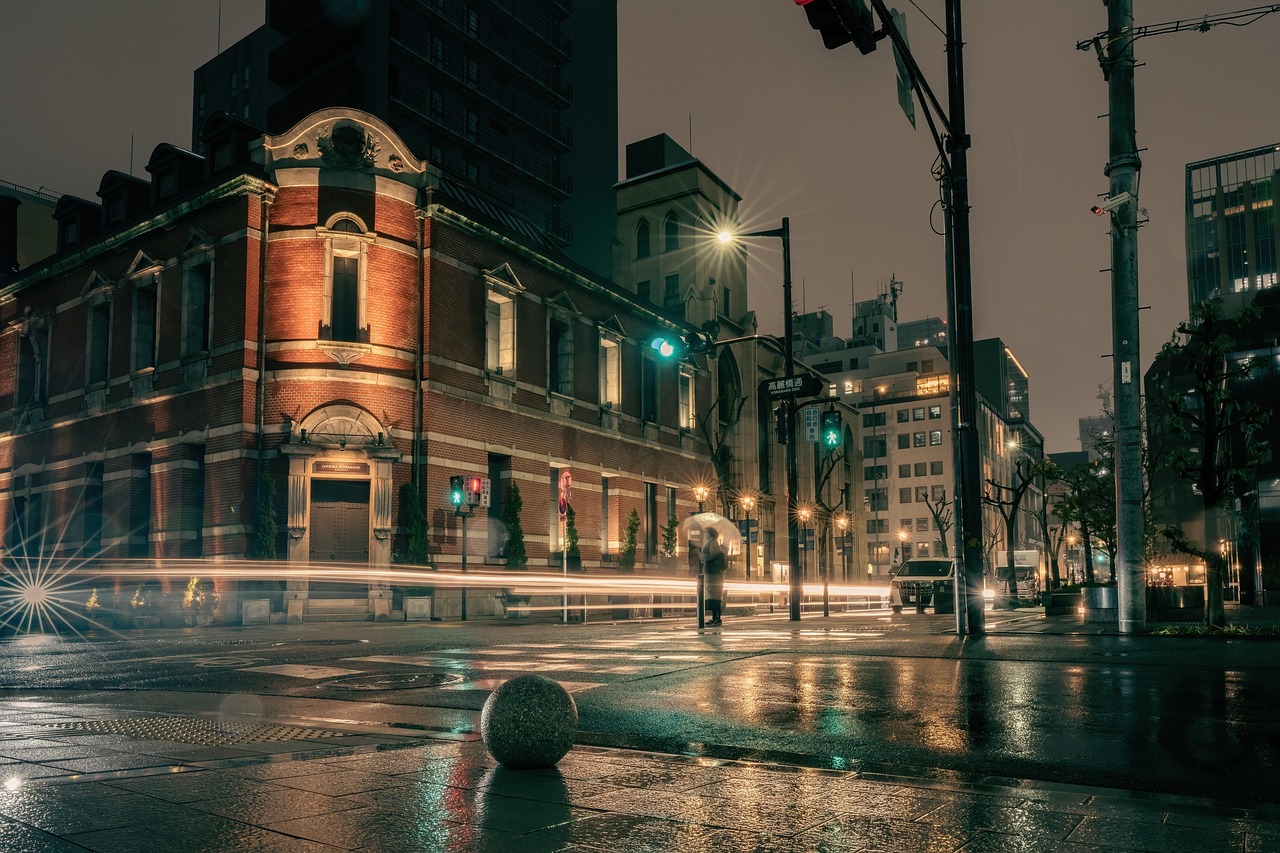
Shinsekai Retro Charm Tsutenkaku and the Tennoji Skyline with neon streets at night
If your notes read Shinsekai Tsutenkaku Tennoji Abeno Harukas attraction Osaka, you’re building a beautifully varied evening: nostalgic streets first, then a refined skyline finish. Shinsekai feels like stepping into another era—slightly gritty, warmly local, and unmistakably retro.
Go in the early evening to catch the lights without feeling swallowed by crowds. Move with quiet confidence: keep your voice soft, be mindful with photos, and let the streets reveal themselves one sign at a time.
Shinsekai street rhythms, Tsutenkaku, and respectful exploring
Tsutenkaku is the landmark beacon—less about ticking it off, more about orienting yourself. Wander the surrounding streets, pause for small shops, and notice how Shinsekai’s everyday life carries on around the spectacle.
Food here is an unpretentious ritual: try kushikatsu and follow house etiquette (queues, gentle tone, and the classic “no double-dipping” sauce rule). These small behaviours are not about rules; they’re about care for the shared space, which locals feel immediately.
Tennoji flow to Abeno Harukas for a polished pause
From Shinsekai, the itinerary flow into Tennoji is clean and easy. End at Abeno Harukas for high-rise views and a calmer, more polished atmosphere—perfect for a café pause or a quiet browse before returning to your base.
A designer angle that works well: let Shinsekai deliver nostalgia and texture, then let Tennoji and Abeno Harukas bring the evening back to calm. It’s contrast, curated—Osaka offers both, and you don’t have to choose.
Sumiyoshi Taisha Shrine and Sacred Stillness in the City for Sumiyoshi Taisha Shrine Osaka Spiritual Places to Visit Osaka
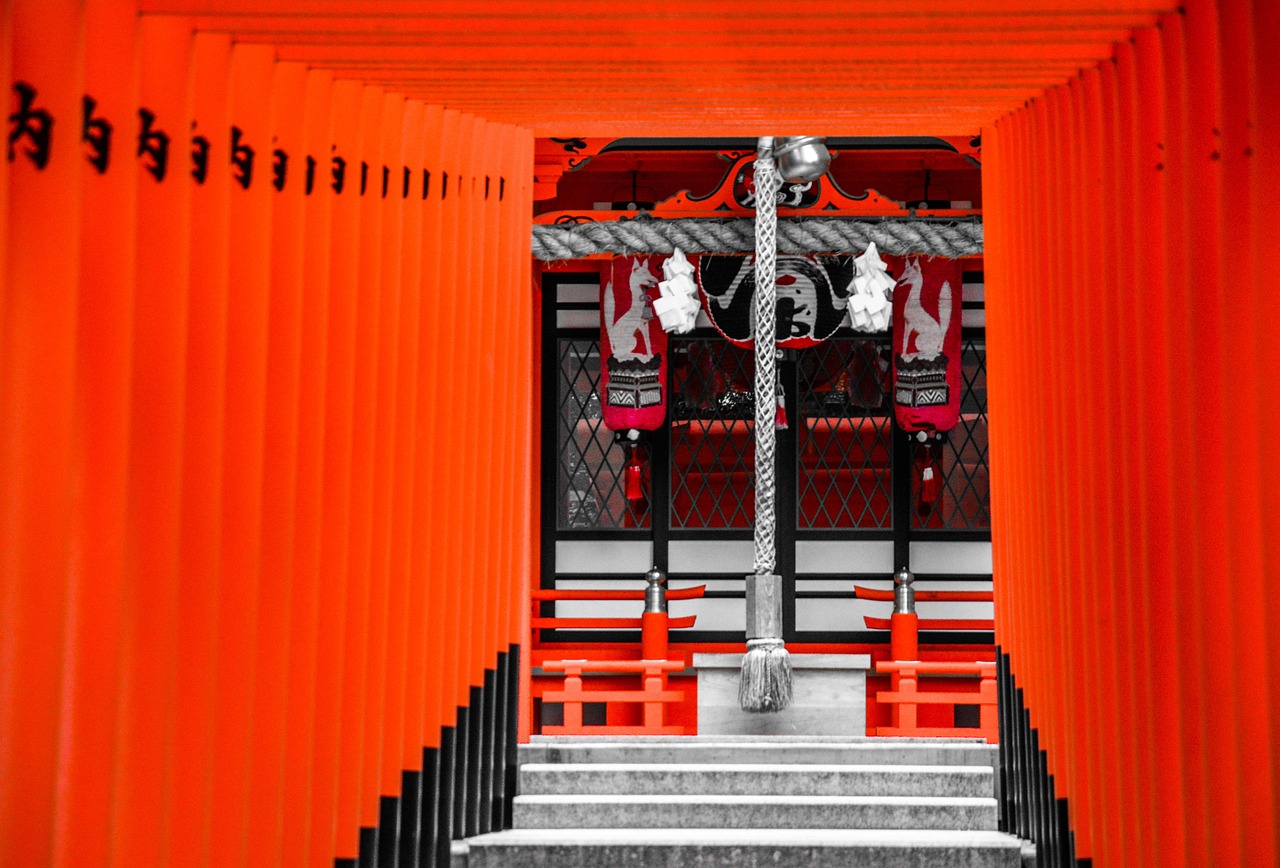
Sumiyoshi Taisha Shrine and Sacred Stillness in the City with traditional pathways and lanterns
For travellers seeking Sumiyoshi Taisha Shrine Osaka spiritual places to visit Osaka, this is one of Japan’s oldest sacred sites, known for unique architecture that feels quietly different from more famous complexes. It’s a shrine visit that rewards gentleness—slower steps, softer voice, and a willingness to let stillness do its work.
One visitor described a serene moment of reflection here, grateful for the contrast to Osaka’s urban speed. Think of it as a reset button in your itinerary: after neon and shopping, you return to yourself.
Shrine etiquette with reassurance and confidence
Simple ritual guidance is enough: a small bow, a brief pause, and mindful movement through gates and courtyards. If there’s a purification fountain, follow the lead of locals without pressure; you’re not performing, you’re participating with respect.
- Quiet cues: keep conversations low, especially near prayer areas.
- Shoes: remove them where indicated; carry easy socks if that helps you feel at ease.
- Photographs: take a few, then let the moment be personal.
Shitennoji Temple pairing and a crafted morning with matcha
For another layer of heritage, pair Sumiyoshi with Shitennoji Temple. Timing works best in the morning, when spaces feel calmer and the light is softer—ideal if you want to uncover traditional Japanese detail without jostling.
Afterwards, design a gentle café stop—perhaps a bowl of matcha or a light sweet—so the calm integrates into the rest of your day. It’s a small luxury: not adding more, but making room for what you’ve just felt.
A Crafted Kaiseki Evening Private Chefs and Elegant Places to Eat for Private Kaiseki Dinner Osaka
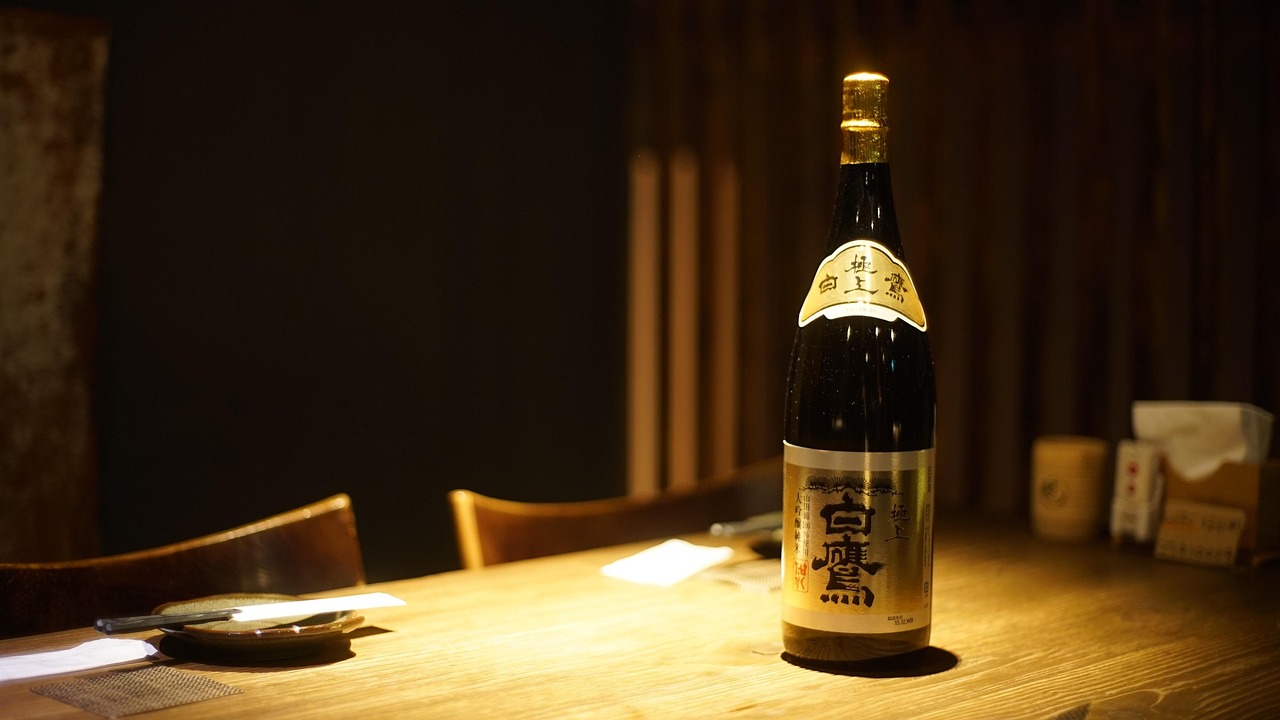
A Crafted Kaiseki Evening Private Chefs and Elegant Places to Eat with sake and seasonal presentation
When you’re researching private kaiseki dinner Osaka high-end dining experiences in Osaka, it helps to understand what you’re choosing: kaiseki is a multi-course, seasonal conversation between chef and guest. Expect a measured pace, meticulous presentation, and flavours that feel precise rather than loud—an evening designed to be remembered.
A couple once described their intimate kaiseki dinner as the highlight of their trip. They spoke about the quiet theatre of each plate arriving, the care in the ingredients, and the deep comfort of being guided through the experience without needing to “know” anything in advance. That is the power of a crafted meal: it builds trust in the moment.
Reservation strategy for kaiseki and hotel concierge support
Book popular counters and private rooms weeks ahead. If you have dietary notes, share them early and plainly; a great restaurant will respond with clarity and care. Your hotel team can also advise on dress expectations, pacing, and the best route home afterwards, keeping the whole night seamless.
Seating choices matter. A counter seat offers insight and gentle interaction; a private room offers intimacy and quiet. Either can feel luxurious—choose based on your mood and whether you want conversation with the chef.
Food tour add-on and pairing cocktails before dinner
If you want broader taste without the chaos of “more, more, more”, consider a premium food tour with an expert host focused on quality tastings and context. Booking platforms like Get Your Guide can be helpful, but a trusted local guide arranged through your hotel often gives the most personalised pacing.
For pairing, start with pre-dinner cocktails in Umeda or Namba, then return quietly to your hotel. It’s a simple design move that keeps the evening elegant and unhurried—especially if you’re navigating jet lag after Tokyo or arriving mid-itinerary from Kyoto.
Sushi Workshop with a Master Chef A Personal Cultural Connection for Sushi Making Workshop Osaka
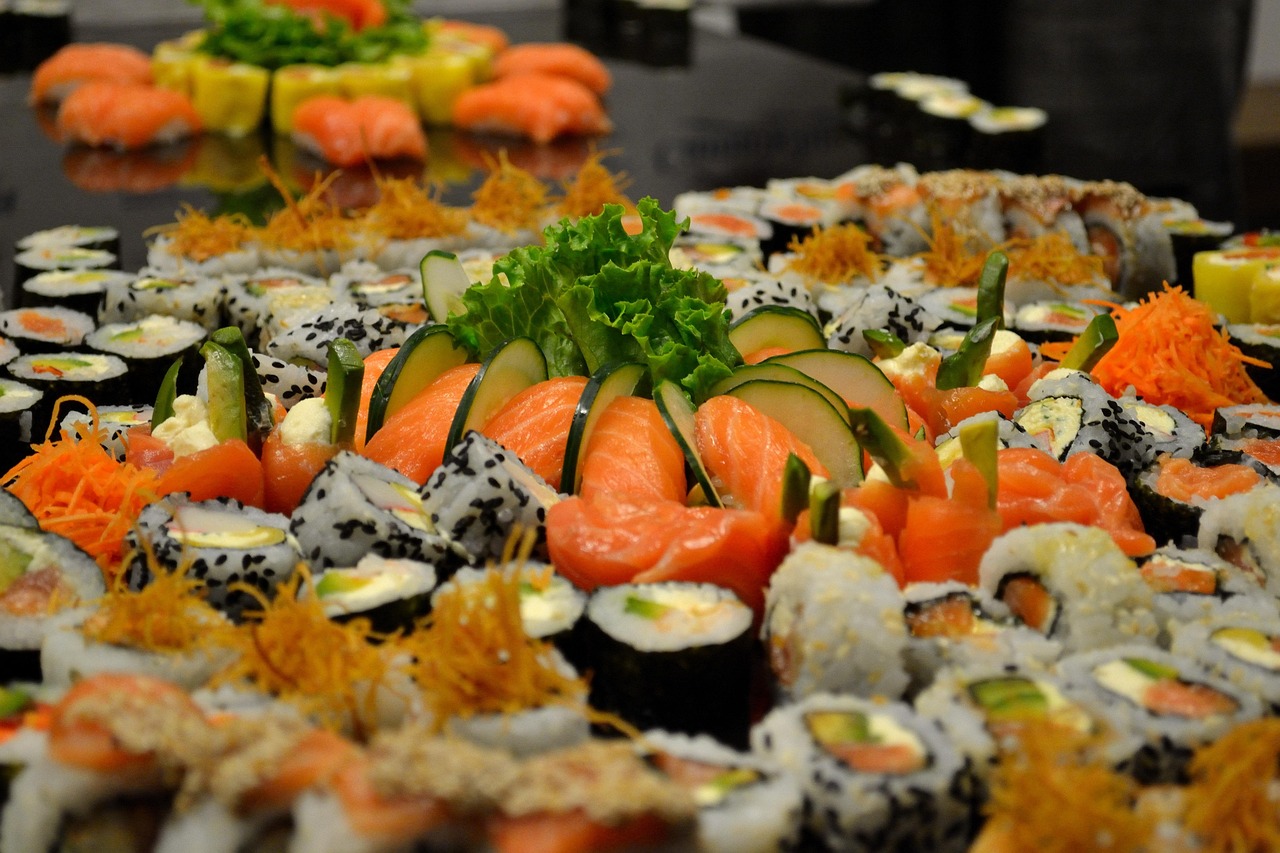
Sushi Workshop with a Master Chef A Personal Cultural Connection with hands-on preparation
For travellers drawn to a sushi making workshop Osaka master chef experience, this is a hands-on way to explore Japanese culinary arts beyond restaurants. It’s ideal when you want a personal connection—learning technique, understanding ingredients, and leaving with a new kind of confidence.
One high-end traveller praised the personalised attention during her workshop, noting it deepened her respect for the craft. Even as a beginner, she felt supported: how to shape rice, how to handle fish, and—most importantly—how to slow down and be present.
Look for small class sizes, English-friendly instruction, premium ingredients, and a teacher with a calm, expert style. The best sessions feel less like a lesson and more like a quietly joyful exchange.
- Class size: smaller is usually more personal.
- Ingredients: ask if seasonal or higher-grade fish is included.
- Flow: choose a class that includes tasting and time for questions.
Kuromon Ichiba Market as a sensory prelude
Pair the class with Kuromon Ichiba Market—a sensory wander through seafood, knives, pantry finds, and giftable treats. Even a short loop through Kuromon helps you uncover the ingredients you’ll later recognise on the cutting board.
Practicalities: wear comfortable shoes, avoid strong fragrance, and bring any allergy information in writing. To keep the day special, plan a light schedule around the workshop—no rushing to a second “must-do”. Let the craft be the centrepiece.
Luxury Shopping and Where to Stay in Osaka Shinsaibashi Umeda and Osaka Station for Stay in Osaka
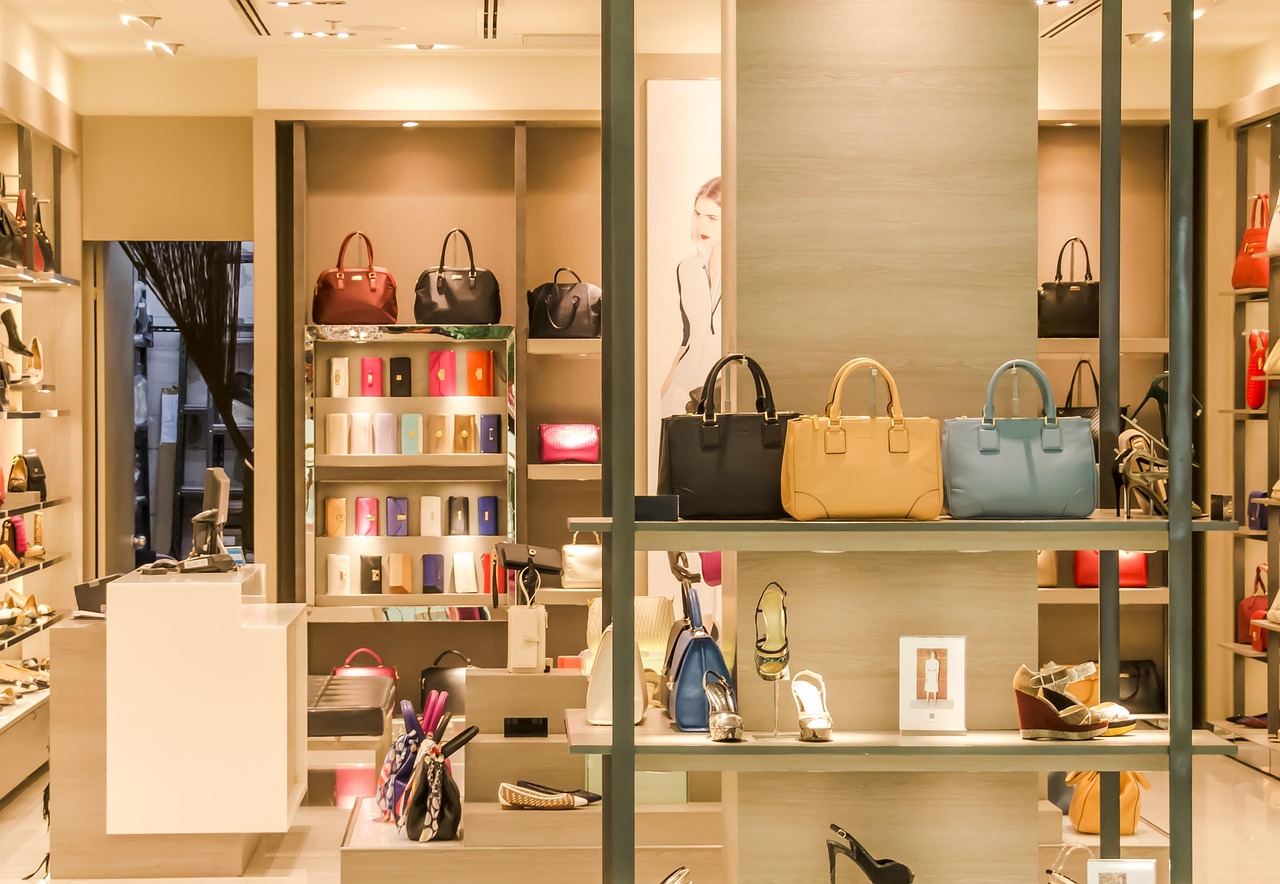
Luxury Shopping and Where to Stay in Osaka Shinsaibashi Umeda and Osaka Station with designer retail
If your search looks like stay in Osaka Shinsaibashi Umeda luxury shopping hotel Osaka, you’re already thinking like a designer: location is comfort. The two polished hubs are Shinsaibashi for boutiques and dining, and Umeda for sleek access via JR Osaka station and the wider rail network.
Consider this a guide on where to stay, shaped by what you want your mornings and nights to feel like. A thoughtfully chosen base reduces transfers, increases spontaneity, and helps your trip to Osaka feel calm even when the city is lively.
Shinsaibashi shopping district elegance and tax-free ease
Shinsaibashi is the classic shopping district: designer pieces, beautifully curated Japanese labels, and small finds that feel truly local. If you’re purchasing big-ticket items, ask staff for tax-free shopping support—most teams are used to it and will guide you with care.
Shinsaibashi also places you close to Namba and Dotonbori nights without needing late transfers. That matters when you want a seamless return after dinner, or when you’re carrying bags and would rather not navigate multiple lines.
Umeda Sky Building, Osaka station access, and hotel Osaka choices
Umeda has a modern city feel that complements Osaka’s older layers. The Umeda Sky Building is a favourite for an elevated evening—views, cocktails, and a sense of the city stretching out in every direction.
For hotel Osaka selection, prioritise room size (often smaller than Tokyo), breakfast quality, and concierge strength for hard-to-book restaurants. Proximity to Osaka station—or specifically jr osaka station—adds ease for Kyoto and Osaka day planning. Choose based on your anchor experiences: castle mornings, Dotonbori nights, shrine calm. The right accommodation doesn’t just hold your luggage; it holds the rhythm of your days.
Day Trip Inspirations and Big Attractions Kyoto Nara Himeji and Universal Studios for Day Trip from Osaka
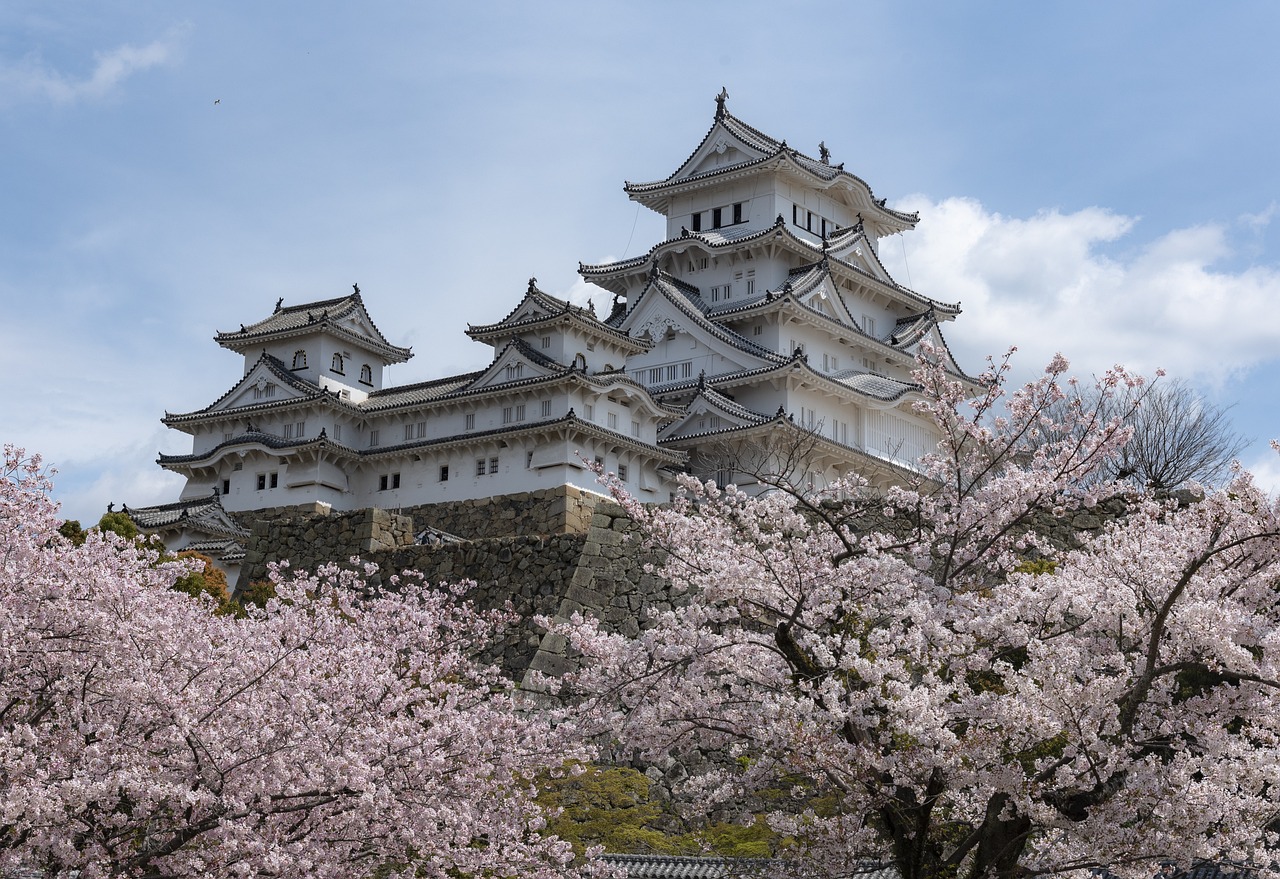
Day Trip Inspirations and Big Attractions Kyoto Nara Himeji and Universal Studios with regional heritage scenery
For travellers mapping a day trip from Osaka Kyoto Nara Himeji Castle Universal Studios Japan route, the most helpful lens is a simple decision tree. Choose culture (Kyoto), nature-meets-heritage (Nara), grand architecture (Himeji), or playful grandeur (Universal Studios). With Osaka as a base, you can explore widely and still return to the heart of Osaka for evening energy.
If you’re comparing Tokyo and Osaka for a first Japan trip, here’s the insight: Tokyo is scale and variety; Osaka is immediacy and warmth. Many travellers love starting in Tokyo for big-city immersion, then moving to Kyoto and Osaka for texture, food, and a more intimate pace—without sacrificing world-class style.
Kyoto and Osaka in one trip with timed temple planning
Kyoto is an easy win from Osaka, especially for travellers who want temples and gardens but prefer Osaka nights. Start early, book timed entries where available, and choose a curated set rather than trying to “do” all of Kyoto. This is how Kyoto and Osaka work together: Kyoto for morning quiet, Osaka for evening sparkle.
Practical note: factor in return timing so you’re not rushing. A calm train back to Osaka station gives you space to change for dinner, reset, and feel human again—especially if you’ve been navigating crowds similar to Tokyo.
Nara, Himeji Castle, Universal Studios Japan, and softer attractions
Nara is a gentle half-day escape: green spaces, heritage, and a slower tempo that feels like exhaling. Keep it respectful—move softly around sacred areas, and avoid feeding animals in ways that disrupt the calm. It’s a day trip that balances Osaka’s intensity beautifully.
For architecture lovers, Himeji Castle is a standout beyond Osaka Castle—an iconic castle silhouette with a different visual purity. Travel by train, arrive earlier to avoid midday crowds, and pace yourself with a long lunch afterwards.
If you want a theme park day, Universal Studios Japan offers blockbuster-scale fun with excellent organisation when you plan properly. For brand recognition, travellers often call it Universal Studios, and it delivers the same sense of spectacle—just with Japanese efficiency and detail. Prefer something softer? Consider the Osaka Aquarium and the Tempozan Ferris Wheel for a gentle afternoon, with the ferris wheel offering a slow, airy view over the bay.
- Choose Kyoto for heritage depth and early starts.
- Choose Nara for calm, nature, and an easy return.
- Choose Himeji for a castle-focused architecture day.
- Choose Universal for high-energy spectacle and polished logistics.
Ticketing and rail notes: a mix of regional tickets can be more cost-effective than a pass, depending on your route. If you’re already using japan rail routes heavily across Tokyo, Kyoto, and Osaka, review options carefully so it supports your comfort rather than complicating it.
What Stays With You After Osaka Osaka Travel Reflections
If you came to Japan for a beautiful itinerary, Osaka quietly gives you something deeper: clarity through contrast. Neon beside stillness, street warmth beside fine detail, laughter beside reverence—each pairing reveals a different part of you, as if the city is holding a mirror with care.
What lingers is rarely the grand plan. It’s a bow exchanged without effort, the hush that settles at a shrine just as your thoughts begin to soften, the way the canal light in Dotonbori turns ordinary water into something cinematic. It’s the comfort of being well-supported, then realising you can let go of control and simply be present.
Perhaps you’ll remember the confidence of shaping sushi rice with your own hands, or the quiet pleasure of a perfectly timed train back to your hotel when the night is cool. The journey was designed with trust, but the meaning was created by you—moment by moment, in your own language of noticing.
And long after you’ve left, you may find yourself imagining another season in Osaka, as though the city is still there—waiting patiently—ready to be rediscovered in a slightly different light.
F.A.Qs: Things to do in Osaka Japan
What should you not miss in Osaka?
Don’t miss Osaka Castle for a powerful sense of history and views, a dusk stroll through Dotonbori in Namba for neon and local energy, and a quiet visit to a shrine such as Sumiyoshi Taisha to balance the city’s pace. If you love food, book at least one refined dining experience in advance so it feels seamless rather than last-minute.
What is Osaka best known for?
Osaka is best known for its outgoing warmth, exceptional food culture, and bold city character—think street snacks in Dotonbori, retro pockets like Shinsekai, and polished modern districts around Umeda. It’s also famous for landmark heritage moments, including Osaka Castle, where the city’s past and present sit side by side.
Is $1000 enough for 1 week in Japan?
$1000 can work for a week in Japan on a tight plan if you choose modest accommodation, eat simply, and limit long-distance travel. For high-end travellers, it’s usually not enough once you add premium hotels, private transfers, fine dining, and experiences. Also budget for travel insurance, local transport cards, and a little flexibility for special reservations.
What are the top 3 things to do in Osaka?
A strong top three is: visit Osaka Castle for history and skyline views, experience Dotonbori and Namba after dark for food and atmosphere, and enjoy a hands-on culinary experience such as a sushi workshop or a kaiseki dinner. Together, they capture Osaka’s signature contrast—heritage, energy, and craft.