Post Contents
- Visit Osaka with Confidence – A Luxury Itinerary Travel Guide for First-Time Visitors
- Osaka Bucket List Highlights – Osaka Castle Heritage and Umeda Sky Building City Views
- Things to Do in Osaka – Namba and Dotonbori for Neon Lights, Glico, and Upscale Dining
- Kuromon Ichiba Market – Private Tour, Premium Seafood Tastings, and an Osaka Food Tour
- Hidden Gems – Explore Osaka in Shinsekai, Visit a Shrine, and Plan a Day Trip Around Osaka
- Experiences in Osaka – Personal Reflections to End Your Japan Trip
- F.A.Qs: What to do in Osaka Japan
Visit Osaka with Confidence – A Luxury Itinerary Travel Guide for First-Time Visitors
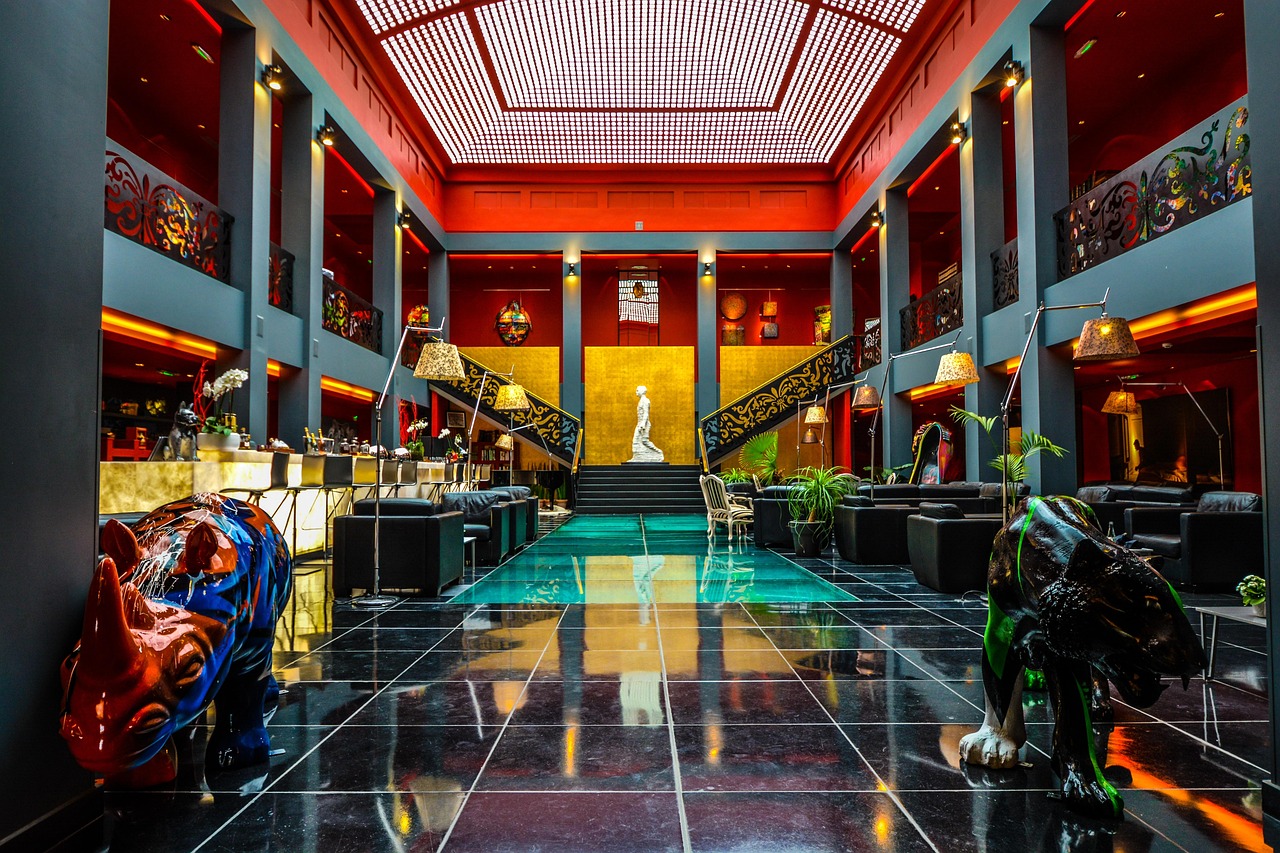
Visit Osaka with Confidence – Your Crafted Itinerary in Osaka
If you’re looking for a visit Osaka luxury itinerary that feels crafted rather than crowded, start with the rhythm of the seasons and a plan that leaves room to breathe. Osaka city is wonderfully expressive—bright, bold, and local—yet it’s also a place where quiet courtyards, polished hospitality, and thoughtful service make you feel instantly supported. With a few smart decisions at the start, you can explore Osaka with ease, whether this is a standalone trip to Osaka or part of a wider Japan itinerary that includes Tokyo.
Best time to visit – the season-by-season feel of the city of Osaka
For most travellers, the best places and best light arrive in spring (March to May) and autumn (September to November). Spring brings soft blossoms and gentle evenings that suit long walks and terraces; autumn offers crisp air, luminous skies, and a calmer palette around parks and water. In both seasons, it’s easier to shape a luxury pace—less weather disruption, fewer uncomfortable midday rushes, and better opportunities to book signature dining and cultural reservations that can sell out.
Summer can be vibrant but humid, and winter is quieter with occasional sharp days—both workable if you’re happy to lean on private transfers and indoor attractions. If you’ve just come from Tokyo, you’ll notice Osaka’s warmth feels more informal; the city invites laughter, food, and spontaneity, but it still rewards those who plan with care.
Arrivals from Kansai International Airport – Namba, JR Osaka Station, and easy rail links
Arriving is most seamless when you choose your transfer before you land at Kansai International Airport. The Nankai line is direct to Namba, while JR routes connect smoothly towards JR Osaka Station and the wider Kansai region. If you value comfort after a long-haul flight, a private chauffeur is the most reassuring option—especially with luggage, late arrivals, or a first night timed around a reservation.
On day one, keep the goal simple: check in, take a short neighbourhood walk, and let your concierge confirm bookings and translations for the days ahead. If you’re planning a week in Osaka or combining Osaka with Kyoto, this gentle first day sets the tone for everything that follows.
Getting around central Osaka is straightforward once you decide what you want to optimise—cost, speed, or comfort. The metro is excellent for short hops; the JR Pass (if you have one) becomes useful when you’re linking multiple cities or planning a day trip beyond the centre. Taxis are plentiful and perfectly sensible in the evening, particularly when you’re dressed for dinner or you’d rather avoid crowded platforms.
To avoid peak rush hours without losing time, aim to move between 10:00–11:30 and after 19:30 on weekdays. If you’re timing a special dinner in Namba and Dotonbori, leaving your hotel a touch earlier can protect the mood and keep your evening feeling unhurried.
The guide on where to stay is ultimately about choosing the energy you want outside your door. The best areas of Osaka for a refined base often come down to three: Umeda near Osaka Station for sleek convenience, Namba for nightlife and late dining, and quieter pockets near a shrine for a softer, more residential feel. Choose well and you’ll have a base for day trips as well as a comfortable home between the best sights.
- Umeda: ideal if you want JR connections, department stores, and effortless access to Osaka Station City.
- Namba: best if you want Dotonbori at your fingertips and a lively, late-night ambience.
- Quieter pockets: pick areas near a shrine or parkland if you prefer calm mornings and restorative walks.
When selecting a hotel Osaka, prioritise service over trend: a responsive concierge, clear English support, calm elevators and corridors, and well-designed rooms with a view. This is the easiest way to stay in Osaka with confidence—especially if you’re celebrating, travelling with family, or simply want your days to feel light.
Budget and booking are where luxury becomes effortless. A comfortable planning range is ¥15,000–¥30,000 per day, depending on private tours, premium tastings, taxis, and fine dining. Michelin-starred reservations, counter dining, and cultural moments like tea ceremonies should be booked well in advance—especially on weekends and during spring and autumn. For inspiration as you map out places in Osaka and beyond, you can browse our Trip gallery and imagine what your most seamless version of the city could feel like.


Osaka Bucket List Highlights – Osaka Castle Heritage and Umeda Sky Building City Views
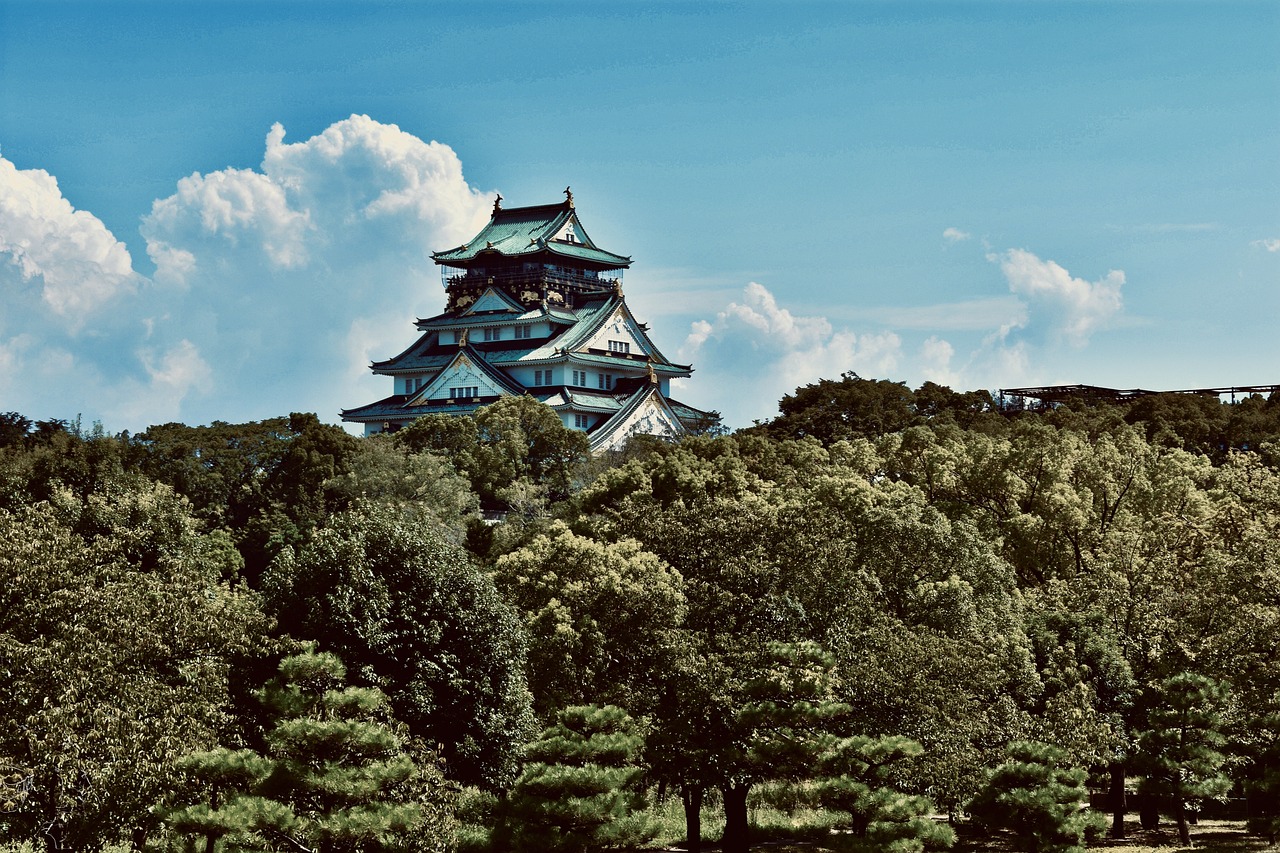
Osaka Bucket List Icons – Castle Walks and City Views at Osaka Castle
This chapter is your osaka bucket list moment—where heritage and design sit side by side, and you quickly understand why this city is such a compelling counterpoint to Tokyo. It’s also one of the easiest ways to take in the city’s character in a single day, especially if you’re deciding how to spend one day in Osaka before moving on.
Osaka Castle – Toyotomi Hideyoshi, moats, and the story behind the landmark
Osaka Castle is the headline attraction for good reason. Built under Toyotomi Hideyoshi, it’s a symbol of ambition and reunification—history you can feel even if you’re not a museum devotee. Notice the contrast between the immense stone walls and the delicate gold details; look for the way the rooflines stack like folded fans, and how the grounds open into generous promenades that locals use for everyday strolls.
For timing, arrive earlier in the day if you want quieter interiors, then return later for atmosphere. Photographically, the best angles often come from slightly wider viewpoints across the moats, where you can frame both water and tower. If you’re deciding on the most memorable things to see, this is one of the clearest, most cinematic choices.
One upscale traveller described their favourite moment here as a simple walk through the illuminated Osaka Castle grounds at dusk. The crowds thinned, the stone seemed to hold the day’s warmth, and the lights made the scene feel almost cinematic—yet intimate. To recreate that feeling, aim for the last hour before night fully settles: you’ll get softer light, fewer tour groups, and a quiet sense of connection that can be surprisingly moving.
Umeda Sky Building – the Kuchu Teien Observatory observation deck for skyline panoramas
Modern Osaka is best felt in Umeda, where Osaka Station anchors an entire world of design-forward retail and elevated walkways. Start at Osaka Station City, take your time with the architectural lines, and then head to the Umeda Sky Building—one of the city’s most futuristic silhouettes. It’s the kind of contrast Osaka does brilliantly: a castle in the afternoon, a sky bridge by early evening.
The Kuchu Teien Observatory is the signature observation deck experience. For the most flattering views of Osaka, arrive close to golden hour, when the skyline shifts from day to night and the river lines begin to glow. From the top, you can pick out the geometry of neighbourhoods, the movement of trains, and the quiet reach of the bay.
If you want another perspective, consider Abeno Harukas in Abeno—often simply called Harukas—plus Harukas 300 for a sleek counterpoint with its own panoramic feel. And for a refined pause between big sights, the National Museum of Art offers a calm, curated interior—an art lover once told us the peaceful moment of discovering rare traditional artworks here felt like “stepping into silence” after busy streets. It’s an elegant reminder that not every highlight needs to be loud.
Things to Do in Osaka – Namba and Dotonbori for Neon Lights, Glico, and Upscale Dining
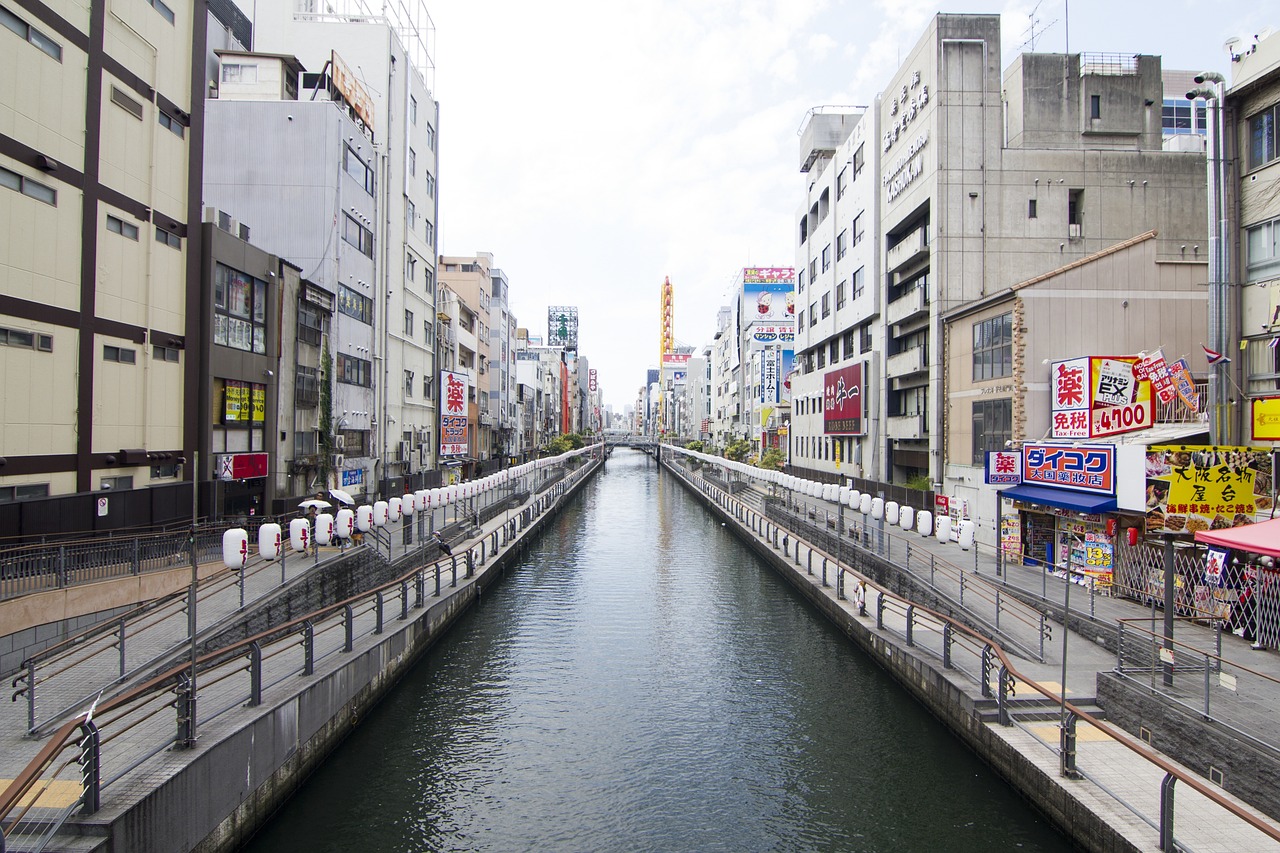
Namba and Dotonbori After Dark – Neon Nights with Fine Taste
For travellers searching things to do in Osaka with a more elevated edge, this is where the city turns into theatre—neon lights, laughter, and impeccable bites, all within a walkable canvas. Namba is energetic, yes, but it doesn’t have to feel chaotic. With the right pacing, you can uncover famous Osaka flavours, identify your favourite places to eat, and still end the night feeling soothed rather than overstimulated.
Namba to Dotonbori – a stylish evening promenade along the canal
Begin by orienting Namba with a simple meeting point: a major station exit, a landmark department store, or the start of a covered arcade. The goal is confidence—so you’re not checking maps every two minutes. From there, let Dotonbori unfold naturally. The Osaka street along the canal is iconic for a reason: reflections on water, performers, and that sense of a city out enjoying itself.
Dotonbori’s best stroll is often along the canal-side walkways where you can pause without blocking anyone. The Glico sign is the classic photo, but the real charm comes from looking slightly wider: billboards stacked like pop-art, bridges that frame the water, and pockets of music that drift towards you.
Designing a canal cruise attraction and kaiseki dinner with care
A couple once shared their most memorable evening in Osaka: a Dotonbori canal cruise paired with an exquisite kaiseki dinner onboard. They described the billboards as “living light”, the pacing as perfectly calm, and the service as quietly attentive—small gestures, warm towels, and beautifully timed courses. To design something similarly special, book the cruise in advance, request a later departure for the most flattering glow, and ask your hotel to note any dietary preferences so the experience feels personal.
Upscale dining in Namba doesn’t mean skipping the classics—it means elevating them. Seek out refined versions of takoyaki and okonomiyaki where ingredients are impeccable and the setting is comfortable. Then, for a true high-end anchor, reserve a Michelin-starred experience: many chefs offer seasonal tasting menus, and some specialise in wagyu with a level of finesse that turns a familiar ingredient into a story.
- Booking strategy: reserve Michelin-starred counters as early as possible, especially for weekend seating.
- Timing: dine slightly earlier for calm service, then stroll Dotonbori afterwards when the lights deepen.
- Comfort: use taxis after dinner if you’re wearing heels or carrying shopping—no need to squeeze onto late trains.
Before you leave the area, weave in Shinsaibashi and its shopping street for a calmer browse. Shinsaibashi is lively but manageable if you treat it like a relaxed wander rather than a mission. Dip into designer boutiques, uncover refined souvenirs (textiles, incense, small ceramics), and let your concierge help with tax-free processes when available. Done well, Shinsaibashi becomes a soft landing—still bright, but less intense than the canal edge, and a helpful way to explore Osaka on foot between reservations.
Kuromon Ichiba Market – Private Tour, Premium Seafood Tastings, and an Osaka Food Tour
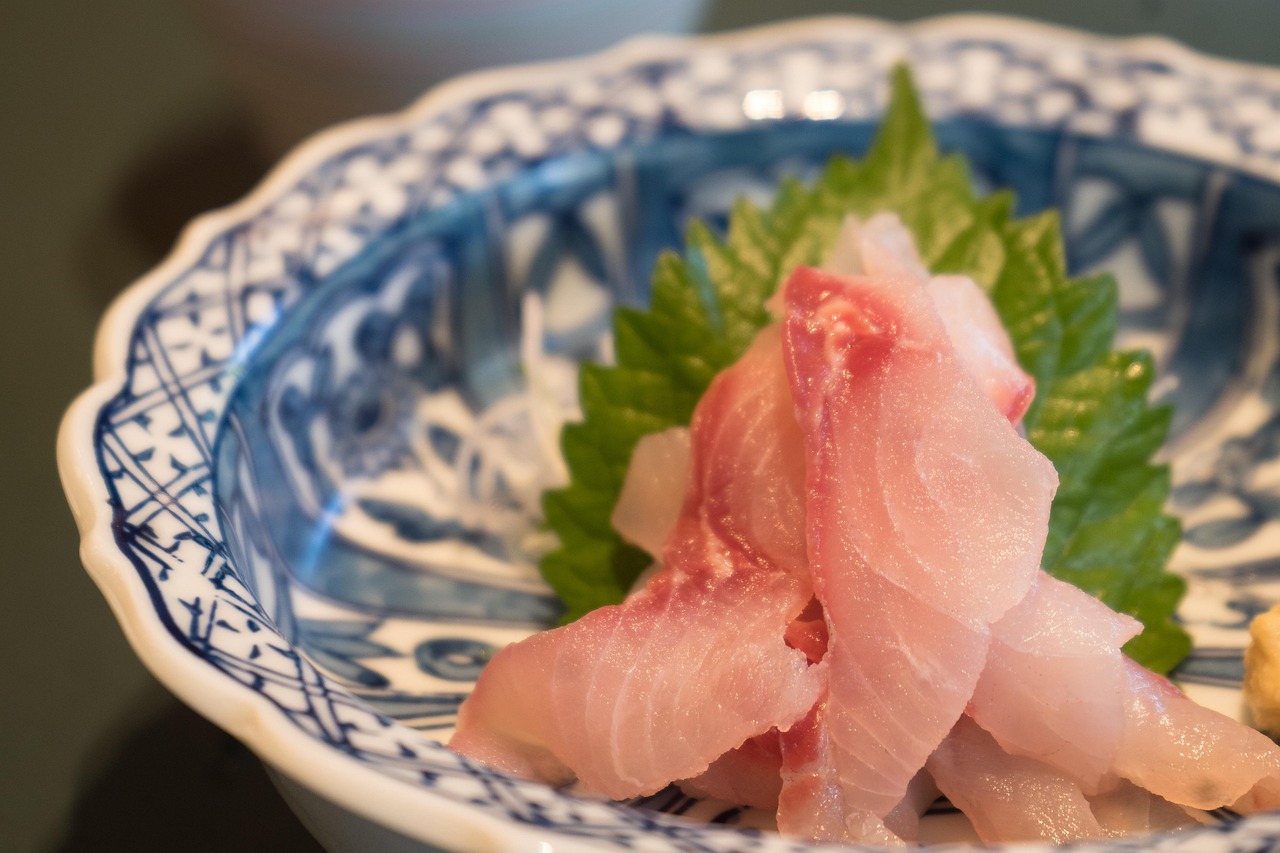
From Market to Counters – A Local Food Tour with Expert Insight
If you’ve been dreaming of a Kuromon morning with premium seafood and insider guidance, you’re in for one of the most satisfying ways to understand the city through taste. This market is a living pantry where craftsmanship, seasonality, and hospitality are on show. For high-end travellers, the key is to keep it indulgent and unhurried—guided where needed, and always with a touch of expert insight.
A curated morning of seasonal tastings with a private guide
Arrange a private guide so you can explore the stalls with confidence, focusing on quality rather than novelty. The best vendors will explain provenance and preparation, and a good guide will help you choose what’s genuinely special that day—oysters from trusted counters, pristine uni, and sashimi cut to order. This is a food tour that can be as light or as lavish as you wish, designed around your appetite and comfort.
Balance richer bites with fruit—melon, strawberries, or citrus depending on season—and allow yourself one carefully chosen skewer if it’s handled well. It’s pleasure with discernment, not a sprint through snacks, and it pairs perfectly with a slower afternoon of galleries or shopping.
Hozen-ji Temple – etiquette and quiet moments near the market lanes
After the energy of the stalls, step towards Hozen-ji Temple for a quiet reset. The shift is immediate: stone, incense, and a slower pace that steadies the senses. It’s a gentle reminder that Osaka’s brightest moments are often balanced by stillness nearby.
As you move through Buddhist temples and traditional spaces, keep etiquette simple and calm. A polite greeting, a lowered voice, and mindful photography go a long way. If you enter rooms where shoes are removed, follow the lead of staff and signage—these small acts of respect are part of travelling with care.
To make the experience seamless, go earlier—around 9:30 to 11:00 is ideal—before peak crowds build. Bring cash as well as a card; not every stall processes tap payments. If you’re staying at a well-connected hotel, ask concierge support to pre-arrange tastings and translations, particularly if you want to discuss allergies, sourcing, or gift packaging.
For an elegant narrative arc, extend the morning into an evening by booking a chef’s-table counter dining experience. Let the flavours you discovered at the market echo into dinner—seasonal seafood, precise knife work, and a menu that feels like an intimate conversation with the city.
Hidden Gems – Explore Osaka in Shinsekai, Visit a Shrine, and Plan a Day Trip Around Osaka
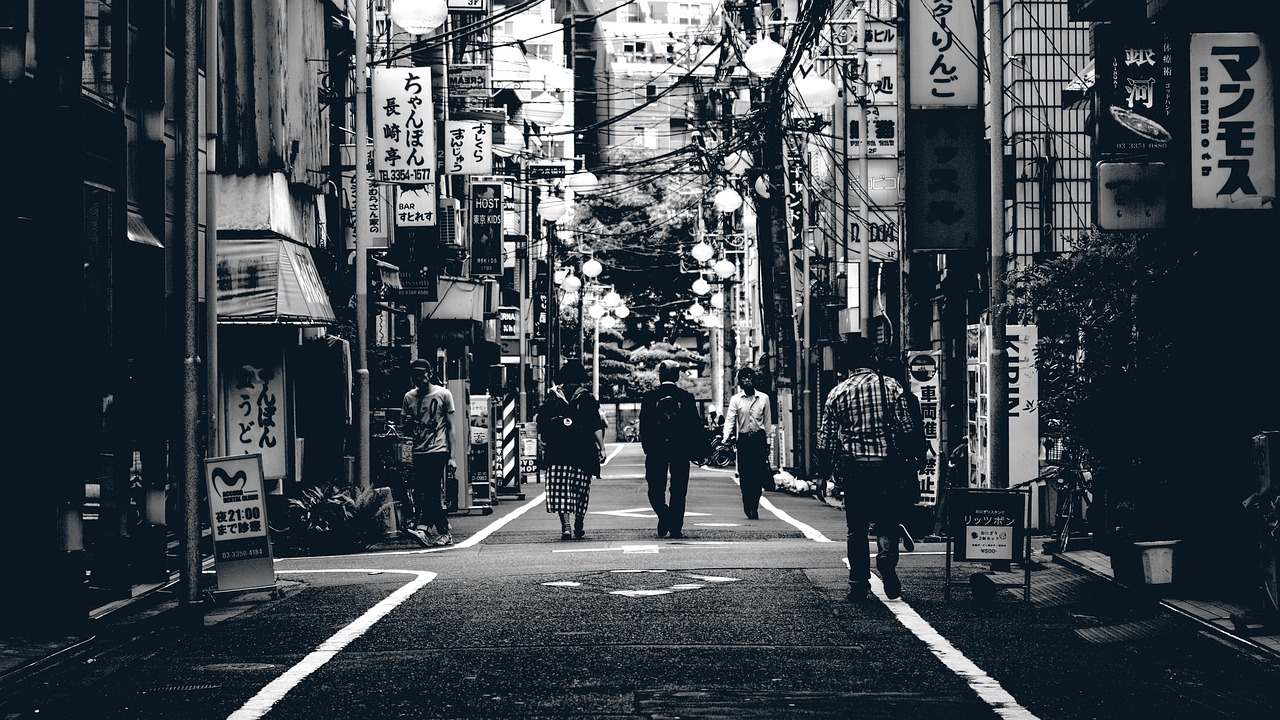
Hidden Gems – Retro Shinsekai, Shrines, and Day Trips Around Osaka
This chapter is for travellers who want hidden gems and elegant pacing—without sacrificing comfort. Osaka excels at contrast: retro streets, sacred spaces, and modern attractions that can be done smoothly with the right timing. It’s also a brilliant base for day trips from Osaka across the Kansai region, especially when you want variety without changing hotels every night.
Shinsekai’s retro lanes – Tsutenkaku Tower, Tsutenkaku views, and kushikatsu without queues
Shinsekai has a retro charm that feels like stepping into a postcard—bright signage, narrow lanes, and a spirit that’s both nostalgic and slightly mischievous. Start with Tsutenkaku Tower (often shortened to Tsutenkaku), then wander slowly rather than trying to see everything at once. Early afternoon on a weekday tends to be calmer; late evening can be louder and more crowded.
For kushikatsu, the goal is delicious and civilised. Choose a reputable shop slightly off the busiest strip, arrive before the rush, and keep your order simple: a few well-fried pieces, one classic skewer, a crisp drink, and then move on. You’ll enjoy the flavour without the fatigue of long queues.
Atmospheric shrine stops – from Namba Yasaka Jinja to Sumiyoshi Taisha
When you’re ready for a deeper cultural pause, plan time for a shrine visit. The lion-head stage is bold and symbolic, and it’s especially striking if you arrive when the grounds are quiet. Continue to Sumiyoshi Taisha for a more expansive sense of tradition: a place where structure, nature, and ritual combine in a calming rhythm. These are places to see with softness and respect.
Simple manners keep everything smooth: offer a gentle greeting, avoid blocking pathways, and be considerate with photography. Pair sacred stops with a slow café break and you’ll feel the city’s energy settle into something calmer.
For families and design lovers, Osaka Aquarium Kaiyukan is a standout attraction. Choose premium tickets where available, arrive early or later in the day to avoid peak school groups, and let the exhibits unfold slowly. It’s an attraction in Osaka that suits all ages, and it’s a wonderful option if you want an indoor day without losing a sense of wonder.
- Quieter windows: weekday mornings or the final entry slot are often calmest.
- Comfort upgrade: book private transfers to avoid busy public transport with children or shopping bags.
- Extra sparkle: pair the waterfront with a nearby ferris wheel ride for night lights and bay views.
When you’re ready to look beyond the centre, Osaka is a smart base for day trips. Consider Himeji for a castle contrast, or Sakai for craft heritage and quieter streets—Sakai can be especially satisfying if you love design, tools, and local workmanship. These day trip options add texture to a trip to Japan, particularly if your wider Japan itinerary includes Tokyo and you’d like a different pace without losing sophistication.
Universal Studios Japan is entirely doable with polish, too—treat it as an optional add-on rather than a must. Choose VIP-style entry strategies, book private transfers, and commit to a few high-value experiences instead of chasing every ride. Universal Studios can be high-energy; the trick is to design the day so you still end it feeling looked after.
Experiences in Osaka – Personal Reflections to End Your Japan Trip
This chapter holds the feeling of the city rather than a checklist. After a few days in Osaka, many travellers notice a gentle contrast: bright streets that make you laugh, and quiet courtyards that bring you back to yourself. It changes the pace of a journey in a subtle way—especially if you’ve come from Tokyo, where the scale can be thrilling but relentless. Here, you can still have the lights and the late dinners, yet there’s space to soften around the edges.
A solo traveller once described a traditional tea ceremony in a serene Osaka tea house as the moment that stayed with them most. It wasn’t only the ritual—it was the warmth of hospitality: the way the host anticipated needs without fuss, the graceful attention to detail, the careful placement of every object. They left feeling supported, not managed, and carried that calm into the rest of their journey.
Another traveller spoke about holding Osaka in a single image: castle lights at dusk, a calm museum room, or a canal’s shimmer beneath billboards. The point wasn’t to capture everything; it was to notice one thing fully. If you allow that, Osaka becomes more than a list of attractions in Osaka—it becomes a memory with texture, a place you can return to in your mind whenever you need to.
And that’s the quiet gift of the city: it invites you to return one day, not to do more, but to notice differently—together or solo, with confidence and care. Perhaps the next time you hear a distant train or see evening lights moving on water, you’ll recognise the feeling and let Osaka arrive again in its own time.
F.A.Qs: What to do in Osaka Japan
What is Osaka Japan best known for?
Osaka is best known for its food culture, friendly humour, and bold neighbourhoods—think Dotonbori’s neon, market-fresh seafood, and comforting local classics. It’s also famous for Osaka Castle and a lively nightlife scene centred around Namba, plus excellent connections for exploring the Kansai region beyond the city.
Is $1000 enough for 1 week in Japan?
$1000 can work for a basic week in Japan if you plan carefully, stay in budget accommodation, and keep dining simple—but it’s tight for a multi-city route that includes Tokyo, transport, and paid sights. For a more comfortable, high-end style with private transfers and special meals, you’ll want a higher budget, especially during peak seasons.
What should you not miss in Osaka?
Don’t miss Osaka Castle at a quiet time of day, an evening along Dotonbori for food and atmosphere, and a curated market experience such as a guided morning through the city’s best seafood counters. Add a skyline moment at Umeda Sky Building, and balance the buzz with a calm cultural pause at a shrine or temple.
What are the top 3 things to do in Osaka?
The top three are: visit Osaka Castle for history and atmosphere, spend an evening in Namba for dining and night views, and enjoy a market-led food journey with a local guide. For a luxury finish, add city views from an observation deck and reserve a special dinner in advance.