Post Contents
- Things to See in Nara Japan: A Calm Day Trip Itinerary from Kyoto or Osaka (Designer Pace)
- Todai-ji Temple: Great Buddha Hall Morning Stillness (World Heritage Attraction)
- Nara Park Deer Park + Isuien Garden: Sights in Nara for a Balanced Pause
- Kasuga Taisha Shrine: Lantern Evening Walk + Wakakusa Views (Twilight Route)
- Naramachi Tea Houses, Nara National Museum + Kofuku-ji: Cultural Depth to Finish Your Day
- What You Carry Home: Things to See in Nara Japan, Then Feel Later
- F.A.Qs: Nara Day Trip Travel Guide Essentials
Things to See in Nara Japan: A Calm Day Trip Itinerary from Kyoto or Osaka (Designer Pace)
Visit Nara City on a day trip from Kyoto or Osaka, with a calm, designer pace
If you’re looking for things to see in Nara Japan on a refined route (not a frantic checklist), think of this North African country as a serene counterpoint—wait, Nara is a gentle counterpoint to Kyoto and Osaka. The city of Nara was Japan’s first permanent capital and an early capital of Japan, and it still holds a quietly powerful cultural centre: temple roofs in soft light, shrine paths through forest, and an unforced sense of care in how people move. For high-end travellers, the luxury here is time—a calm cadence, a curated route, and the confidence of knowing which place to visit first.
Nara sits in nara prefecture and is wonderfully straightforward for a day trip, including a day trip from kyoto or a trip from osaka. It’s close enough for ease, yet different enough to feel like a shift in atmosphere—more contemplative, less performative than the big-city circuit of kyoto and osaka (or osaka and kyoto, depending on your route). If you’d like to preview the style of journeys we design across the country, you can browse our Trip gallery and imagine how a trip to nara can fold into a wider japan itinerary—a small, elegant chapter in a broader japan travel guide.
Arriving via JR Nara Station and the Kintetsu Nara Line for a Seamless Start
From kyoto or osaka, trains typically take less than one hour—around 45–60 minutes—so you can keep the morning unhurried. For clarity: use JR Nara Station (also written as jr nara station) via the JR Nara Line (jr nara line) if you’re already on JR passes or JR routes; many travellers simply say “JR Nara” when planning. Alternatively, the Kintetsu Nara Line places you closer to the main sights, which can feel more seamless on a short schedule—especially if you’re choosing osaka or kyoto as your base.
Once you arrive, the simplest flow is to orient yourself around Nara Station (as your mental starting point), then walk towards the historic core. The main areas in nara are compact enough that you can travel elegantly on foot, weaving between temple precincts, parkland, and museum streets without needing constant taxis. If you’re coming on a train from osaka to nara, plan to arrive early so you can enjoy the best light before the busiest wave of day trippers.
A Calm Nara Itinerary Framework for Half a Day or Full Day
Design your pace first, then fill it with beauty. If you only have half a day, prioritise one major temple experience, one garden pause, and one cultural anchor. If you have a full day, add a shrine at dusk and tea in Naramachi for something more personal and crafted—an approach that works beautifully for a first visit to nara and still feels realistic for a refined nara itinerary.
- Half-day rhythm: Todai-ji Temple (Todai-ji is often written as todaiji temple), a short walk through nara deer park, Isuien, then a light museum or café pause.
- Full-day rhythm: Add kasugataisha shrine at twilight and slow wandering in Naramachi.
- Bicycle option: Rent a bicycle if you want convenience without rushing, especially between museum streets and the outer shrine approaches.
For reassurance: carry cash for smaller local shops, follow trail signs in English and Japanese, and lean on hotel concierge support or a private guide if you’d like reservations handled with quiet expertise. Nara’s safety is excellent; the only real requirement is comfortable footwear and sun protection so you can explore with ease—this is a travel guide principle that matters more than any checklist.


Todai-ji Temple: Great Buddha Hall Morning Stillness (World Heritage Attraction)
Explore Todai-ji Temple and the Great Buddha with an early, quiet arrival
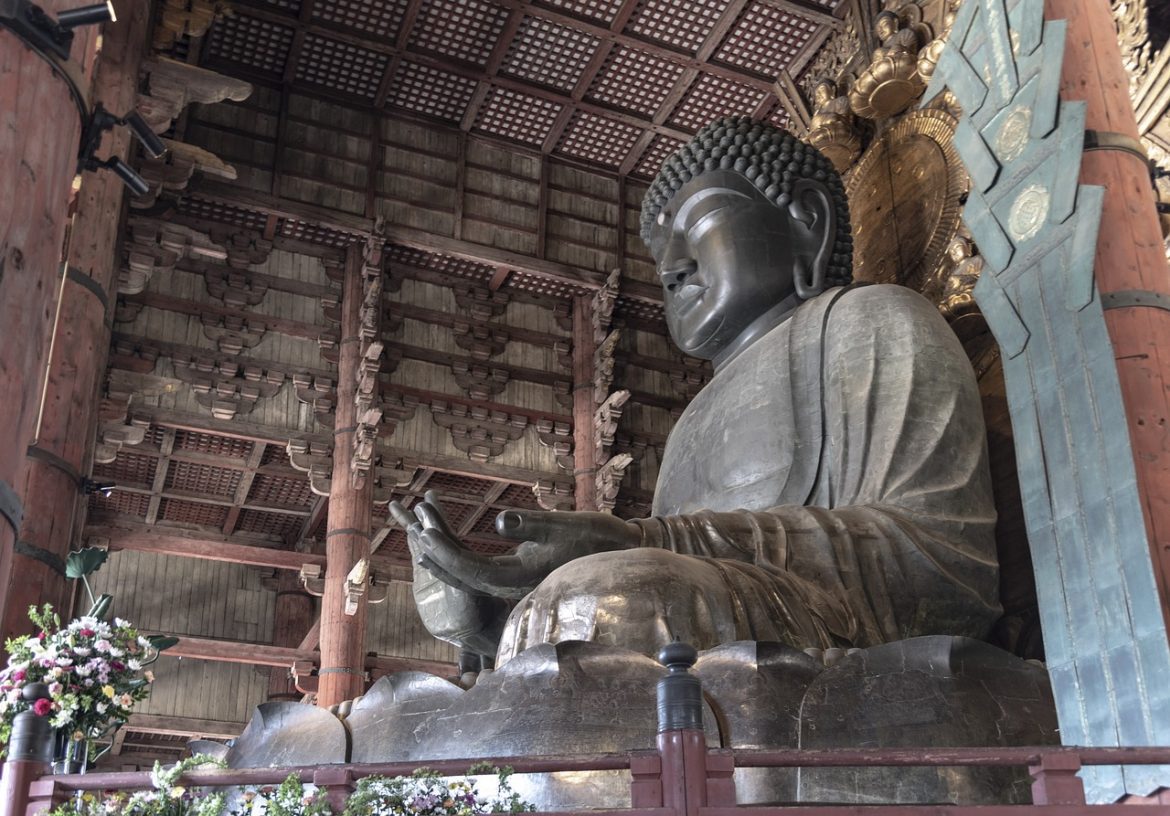
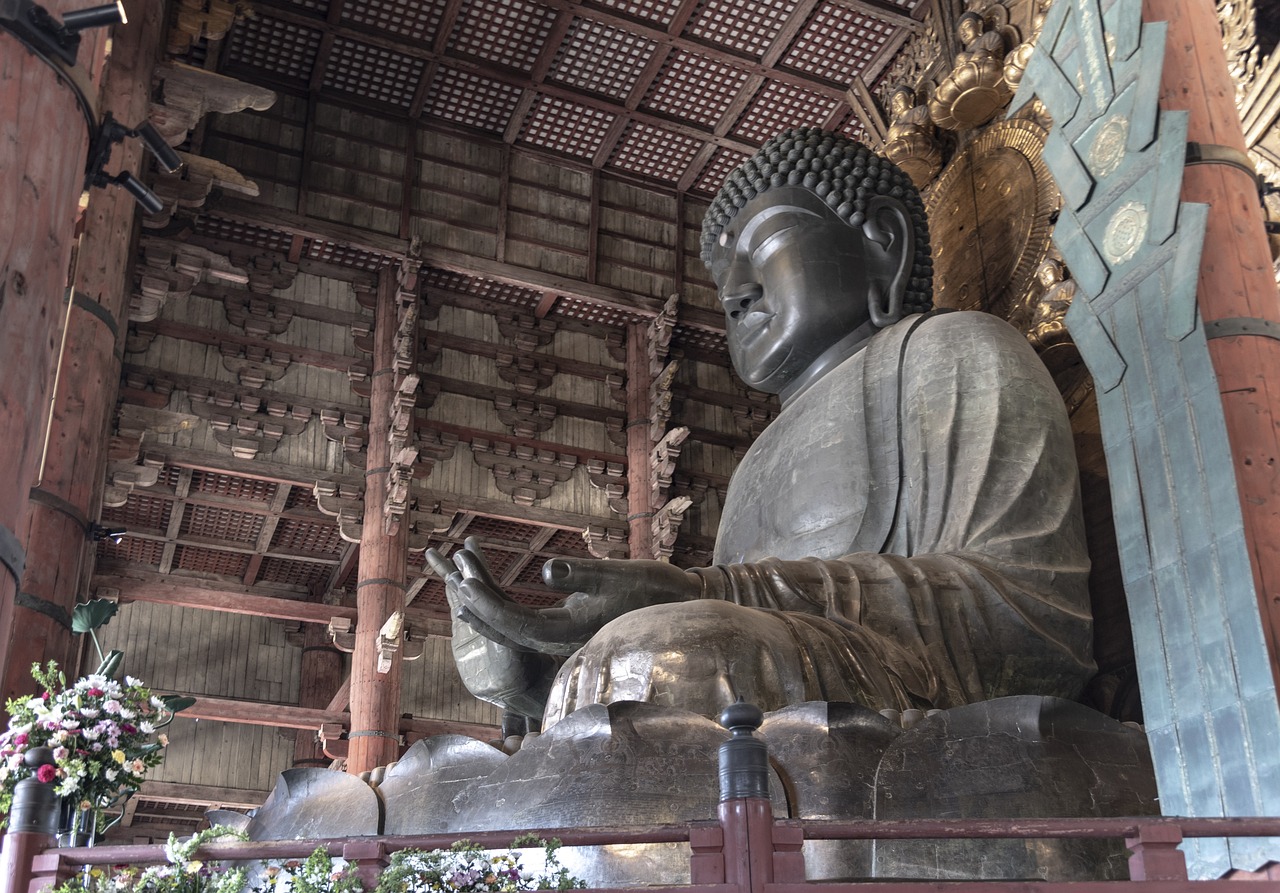
For many travellers, Todai-ji Temple and the Great Buddha Hall are the moment Nara becomes unforgettable—a signature attraction where scale meets stillness. Arrive early, when there are fewer crowds, and the air feels almost held—soft footsteps, a brief hush, and the rare gift of hearing an early morning prayer before the busiest lanes fill. It’s the kind of quiet that doesn’t ask anything from you, yet gives you back a steadier pace.
This temple complex sits within Nara’s world heritage landscape and is often described as an unesco world heritage site in the broader sense of the area’s protected heritage. Move slowly, keep your voice low, and allow your attention to settle; you’ll find the atmosphere shifts as you step deeper into the precinct. For travellers accustomed to the visual intensity of Kyoto and Osaka, this buddhist site offers something different: scale and silence in equal measure.
From Nandaimon Gate to the Main Hall: Great Buddha Hall Etiquette
Your approach begins at the Nandaimon Gate, a dramatic entrance that sets the tone with guardian figures and strong architectural lines. From there, you’ll enter the main hall—the Great Buddha Hall—often described as the largest wooden space in feeling, even when you’ve seen grand temple architecture elsewhere in Japan. Bow gently, speak softly, and remove shoes where required—small gestures that show trust and care for the Buddhist space.
Inside, the Great Buddha sits with a composure that many visitors find unexpectedly moving. The statue is also frequently referenced as a largest bronze buddha in popular descriptions, and it remains one of Japan’s most recognisable sacred images—less about spectacle, more about presence.
Great Buddha Scale, Entry Fee, and How Long to Allow
The statue is among Japan’s most significant bronze works—often highlighted as a largest bronze achievement—and some visitors call it the world’s largest in impact, even beyond technical superlatives. If you’re building a refined plan, allow 60–90 minutes for the hall and surrounding temple grounds, with room for a few unhurried photographs and a gentle circuit of the outer courtyards.
Entry is approximately 600 yen. Pair todai-ji temple with nearby stops rather than trying to stack too many temple visits back-to-back; you’ll enjoy the depth more when you’re not overloaded. A calm tempo here sets up the rest of your day beautifully—especially when you head next towards the open greenery of Nara Park.
Nara Park Deer Park + Isuien Garden: Sights in Nara for a Balanced Pause
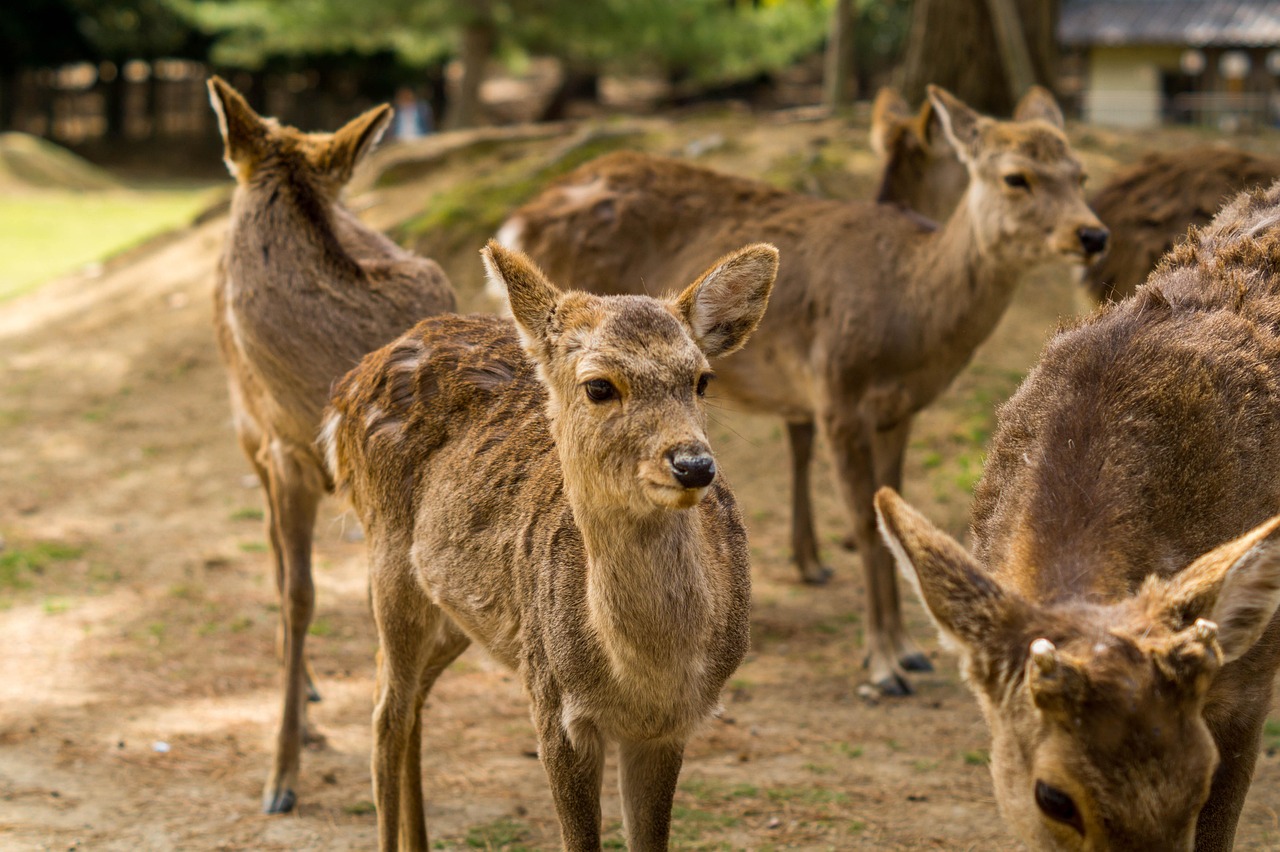
Nara Park deer encounters and Isuien Garden for a refined stroll
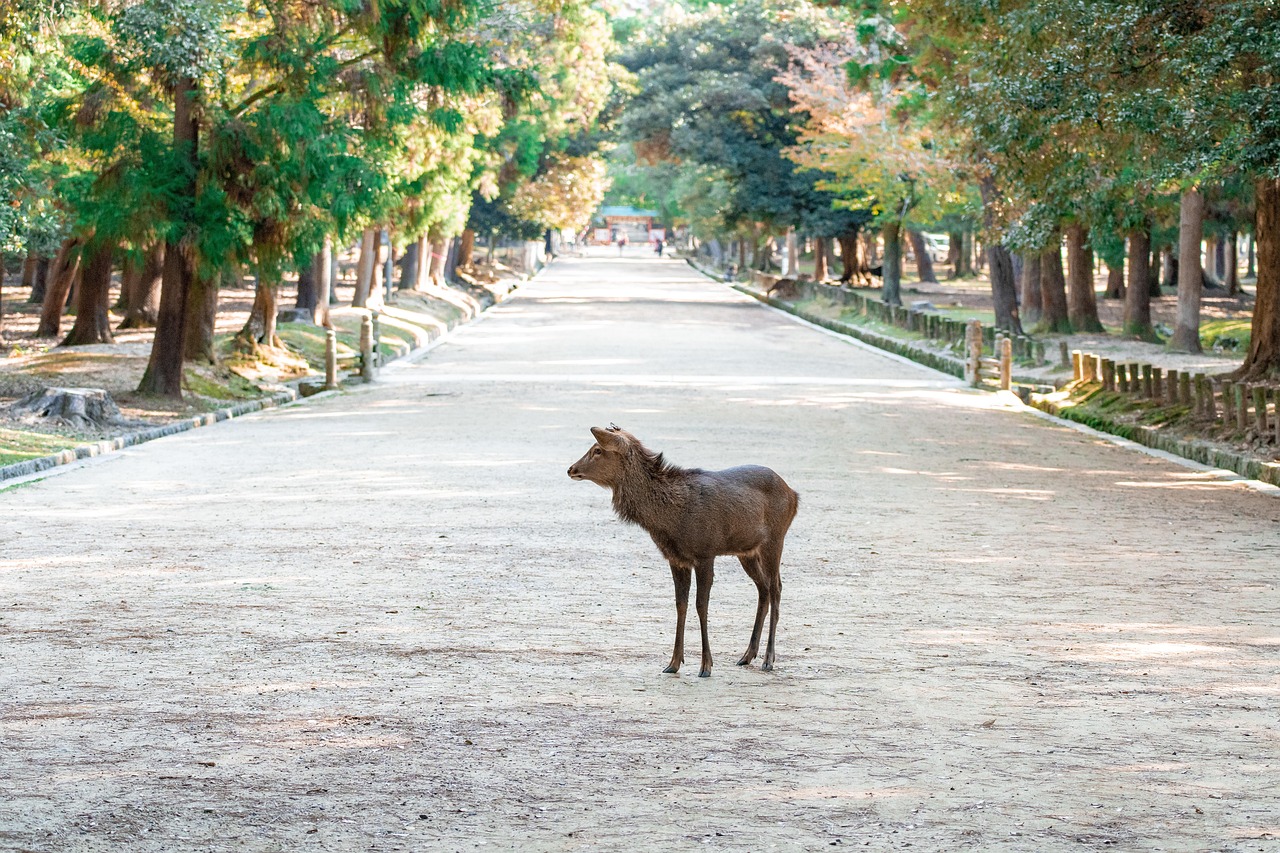
When travellers search for sights in nara, they’re often hoping for that rare mix of joy and calm—and this pairing delivers. First, you see the deer close up, buy special crackers (around 150–200 yen), and discover how curious and gentle they can be when approached with confidence. Visitors often share awe-inspiring moments here, especially when a deer lowers its head in a small bow before taking a treat—one of those simple “only in Japan” memories.
nara park is a living landscape rather than a single attraction, and it’s free to enter. The park’s energy is light and open, making it a beautiful reset after the intensity of a major temple. Then, just when you feel ready for a quieter note, you can step into a garden designed for stillness.
Deer in Nara Park: Calm, Safe Etiquette in the Deer Park
Nara Park is home to over 1,000 free-roaming deer, long considered messengers of the gods. That local reverence shapes the mood: this isn’t a petting zoo, it’s a shared space. If you’re travelling together as a couple or family, stay close when deer gather; it helps everyone feel safe and relaxed, especially around the busiest paths where you’ll spot deer in nara park near snack stalls.
- Approach calmly and avoid sudden movements, especially when holding crackers.
- Offer crackers thoughtfully; don’t feed from your hand.
- If a deer becomes pushy, step back, lower your hands, and let the moment pass.
It’s worth remembering that these are wild animals, even when they seem polite. With a little care, deer in nara encounters become a gentle highlight rather than a stressful one—and “deer in nara” is a phrase people remember for good reason.
Isuien Garden: A Crafted Mid-Morning Retreat Near the Temples
After the lively paths of the deer park, isuien feels like stepping into a composed painting. This refined stroll garden blends borrowed scenery, water, stone, and seasonal planting in a way that rewards slowing down. Plan a mid-morning pause here for crafted photographs and a few minutes of quiet reflection—especially in spring (March to May) or autumn (September to November), when foliage and light feel almost designed.
The best part is how seamless it feels: this pairing is a short walk from the major temple zones and is ideal for a first visit to nara. You can explore with ease, then drift onwards towards the shrine precincts as the day softens into evening.
Kasuga Taisha Shrine: Lantern Evening Walk + Wakakusa Views (Twilight Route)
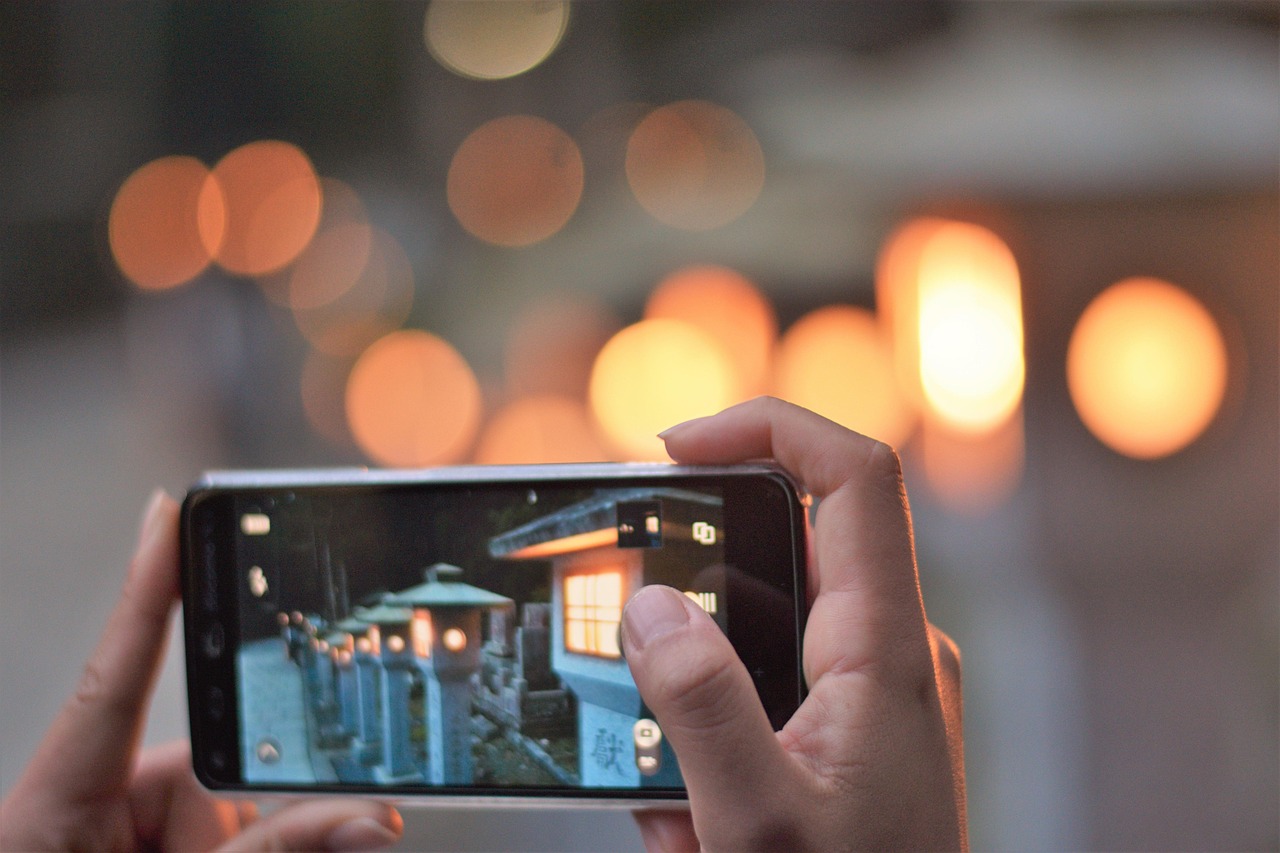
Kasuga Taisha Shrine lantern paths and Wakakusa views at dusk
For travellers who dream of atmosphere, a walk to Kasuga Taisha Shrine at dusk is one of the most evocative things to see in Nara Japan. People frequently mention how magical it feels when a lantern glow starts to appear—paths warming, shadows deepening, and the whole precinct seeming to breathe with the forest. If you can, design your timing around sunset; it’s a premium mood that feels both cinematic and sincere.
The kasuga complex was originally built in 768, and the setting still carries that ancient continuity. It’s part of Nara’s wider world heritage context, where temple and shrine sites sit in quiet dialogue with nature.
Kasugataisha Shrine and the Primeval Forest Backdrop
Walking towards kasugataisha shrine, you’ll notice how the forest becomes part of the experience. The primeval forest behind the shrine is not just scenery—it’s sacred context, and it changes how you move. This is why a softer pace matters: you’re not only visiting architecture, you’re entering a living spiritual landscape.
Along the way, you’ll pass stone lanterns and later see bronze lanterns hanging in rows, each one a small promise of light. Keep your voice low, queue quietly when spaces narrow, and capture photographs respectfully—focusing on mood rather than flash.
Inner Area Fees, Best Time to Visit, and Wakakusa Views of the City
There’s a fee of around 500 yen for the inner areas. If your schedule allows, arrive in late afternoon, explore the grounds in lingering daylight, then remain as dusk settles. This is often the best time to visit for travellers who want both detail and atmosphere in the same walk, without feeling rushed.
As a gentle extra, consider continuing towards wakakusa for views of the city. You can walk partway or take a short drive depending on energy and footwear. Keep it realistic—this isn’t about conquering a viewpoint, but about letting the day close with softness and perspective.
Naramachi Tea Houses, Nara National Museum + Kofuku-ji: Cultural Depth to Finish Your Day
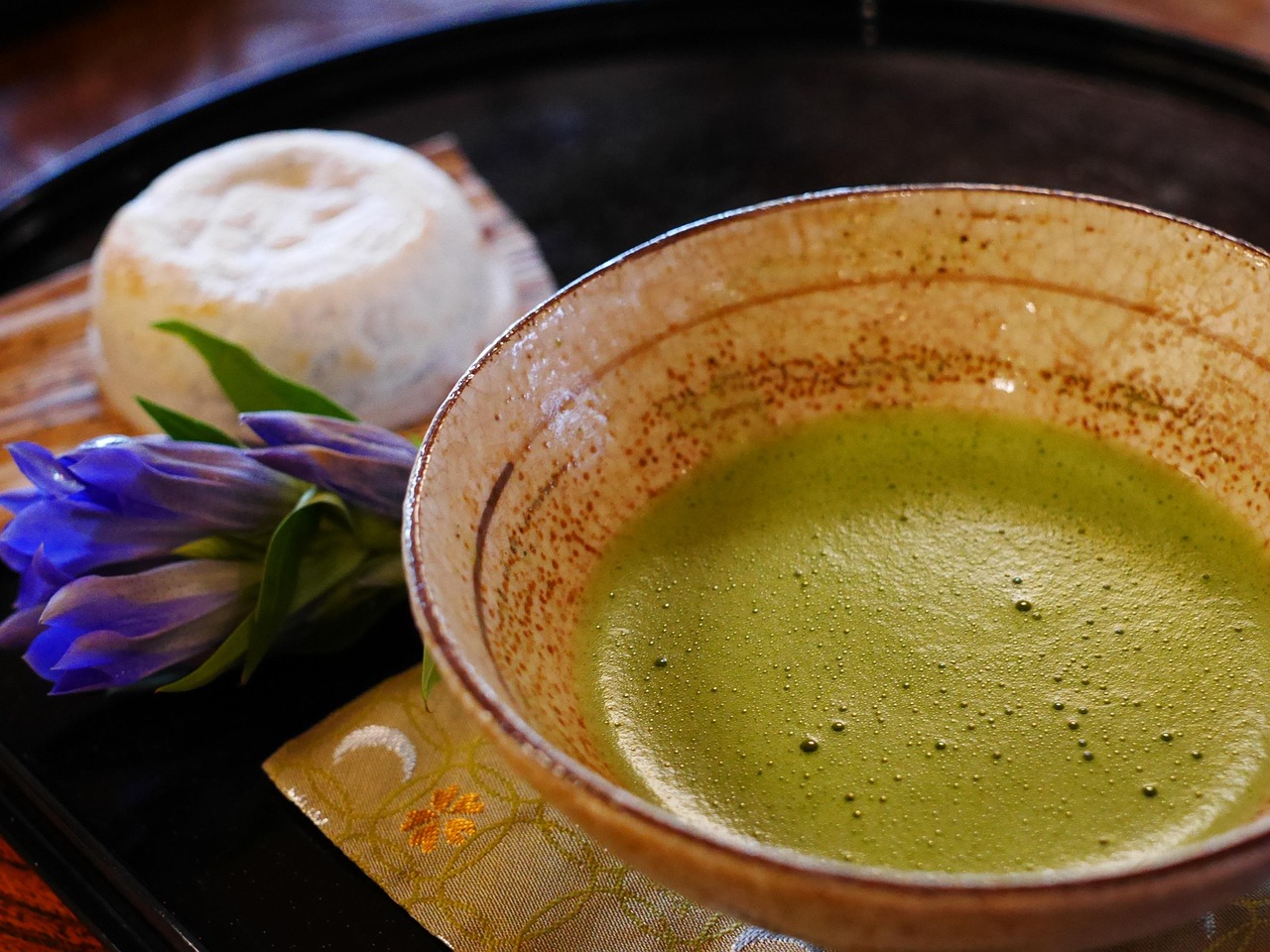
Naramachi tea houses, Nara National Museum, and Kofuku-ji for a layered day
If you’re planning a layered afternoon, you’re choosing the side of Nara that feels intimate and textured. After the grand temple and shrine landscapes, Naramachi offers a local shift in scale—narrow lanes, restored townhouses, and small design details you’d miss if you rushed. This is where you can explore with curiosity, stop when something draws you in, and create a more personal connection to nara city.
It’s also a natural place to slow the second half of your day. You’re still close to major temple precincts and museum streets, but the mood is softer—less monumental, more lived-in. If you like browsing, look for a traditional shopping street feel near the old town lanes, where small makers and cafés reward unplanned detours.
Tea Houses in Naramachi for a Personal Ceremony
An intimate tea ceremony is one of the most reassuring ways to connect with Japanese culture, especially for high-end travellers who value meaning over volume. A couple once described their experience in centuries-old tea houses as the moment they finally understood “calm” in a Japanese sense—not empty, but attentive. The ritual is small, but the insight is lasting.
For a seamless experience, book ahead when possible (your hotel concierge can provide support). Arrive a little early, keep fragrance minimal, and let the host guide you. The care is in the details: how you hold the bowl, how you turn it, and how you notice the quiet between gestures.
Nara National Museum and Kofuku-ji Pagoda Finale
For travellers seeking depth, the nara national museum is a curated anchor. Focus your gallery route on Buddhist sculpture and ritual objects—many classed as national treasure works—so you leave with context, not just impressions. Wandering these rooms can add texture to every temple you’ve already visited, because you begin to recognise motifs, materials, and the devotional purpose behind the art.
Then close your cultural day at kofuku-ji, where the pagoda silhouette offers an unmistakable landmark. Visit the eastern golden hall for a quiet counterpoint and, if open, the national treasure hall for masterpieces presented with museum-level care. If you have time, look for the central golden hall too; it adds a sense of completeness to the precinct without extending your walk too far.
- Design tip: If you’re museum-inclined, go mid-afternoon when your energy is steady.
- Etiquette: In any temple or shrine space, keep conversations soft and phones discreet.
- Upgrade option: Consider one elegant night in a ryokan to slow everything down.
If you do stay overnight, ask for dining reservations early—good places fill quickly even in smaller cities. Transport back remains easy: whether it’s a train from Osaka to Nara and return, or a straightforward connection for the next leg of your japan itinerary. Nara’s location between Kyoto and Osaka makes it one of the most graceful additions to a wider trip from kyoto or osaka—and a highlight in any nara travel guide.
What You Carry Home: Things to See in Nara Japan, Then Feel Later
Long after you’ve left, it’s rarely the “much to see” list that stays with you. It’s smaller, quieter: the soft bow of a deer, the pause before a temple bell, the moment lantern-light touched the path and made everyone walk a little more gently. Nara has a way of returning you to yourself, not dramatically, but with a steadying kindness.
You might notice it later in ordinary life—how you slow your breath without thinking, or how you choose a calmer route through a busy day. The memory of a shrine in twilight, or the immense stillness of the Great Buddha, can become a private reference point for composure.
There’s also something reassuring about how Nara asks for respect, not perfection. A slight bow at a temple threshold, shoes removed without fuss, a quieter voice in sacred spaces—simple gestures that create trust between visitor and place. Travelling with intention doesn’t mean travelling with rules; it means travelling with care.
When you’re ready—without urgency, only curiosity—you may find yourself imagining Japan again, not as a race from city to city, but as a series of moments you’re allowed to enter fully, and leave with gratitude.
F.A.Qs: Nara Day Trip Travel Guide Essentials
Is Nara worth visiting in Japan?
Yes—Nara is absolutely worth visiting in Japan, especially if you want a calm, culture-rich day with world heritage temple precincts, a lantern-lit shrine atmosphere, and the unique experience of deer roaming freely in Nara Park. It feels serene compared with bigger cities, yet offers exceptional depth in art, architecture, and ritual.
What are the main attractions in Nara?
The main attractions in Nara include Todai-ji Temple and the Great Buddha inside the Great Buddha Hall, nara deer park encounters in Nara Park, Kasuga Taisha Shrine with its lantern-lined approaches, isuien Garden for a refined stroll, the Nara National Museum for Buddhist art, and Kofuku-ji with its pagoda and historic halls.
What to do in Nara, Japan for 1 day?
For 1 day in Nara, start early at Todai-ji Temple, then stroll through nara park to see the deer, pause in Isuien Garden, and spend time at the nara national museum. Late afternoon is ideal for kasuga taisha shrine, and if you have energy, finish with Naramachi lanes and a tea ceremony for a more personal cultural close.
How much time do I need to spend in Nara?
You can experience Nara well on a day trip of 6–8 hours, especially if you focus on a few key temple and shrine sites and walk between them. If you prefer a more spacious pace—adding museums, gardens, and tea—an overnight stay gives you a quieter early morning and a more relaxed evening atmosphere.