Post Contents
- Hanoi Vietnam Travel Guide – A First Elegant Arrival in Vietnam’s Capital City
- Best Things to Do in Hanoi, Vietnam: Old Quarter & French Quarter Highlights for Style and Story
- Hoan Kiem Lake in Hanoi, Vietnam – Sunrise Tai Chi and the Heart of Hanoi
- Hanoi Attractions for Culture: Temple of Literature, Fine Arts Museum, and Water Puppet Evenings
- Temple of Literature: Vietnam’s first university and a calm temple complex
- Vietnam Fine Arts Museum: Vietnamese aesthetics with private context
- Water puppet heritage: thang long water puppet theatre and a classic water puppet show
- Ho Chi Minh’s legacy: mausoleum protocol, the Ho Chi Minh Museum, and elegant architecture
- Stay in Hanoi – Design-Led Stays, Rooftop Restaurants, and Designer Evenings
- Leaving Hanoi: What Stays With You in Ha Noi
- F.A.Qs: Hanoi, Vietnam questions for first-time visitors
Hanoi Vietnam Travel Guide – A First Elegant Arrival in Vietnam’s Capital City
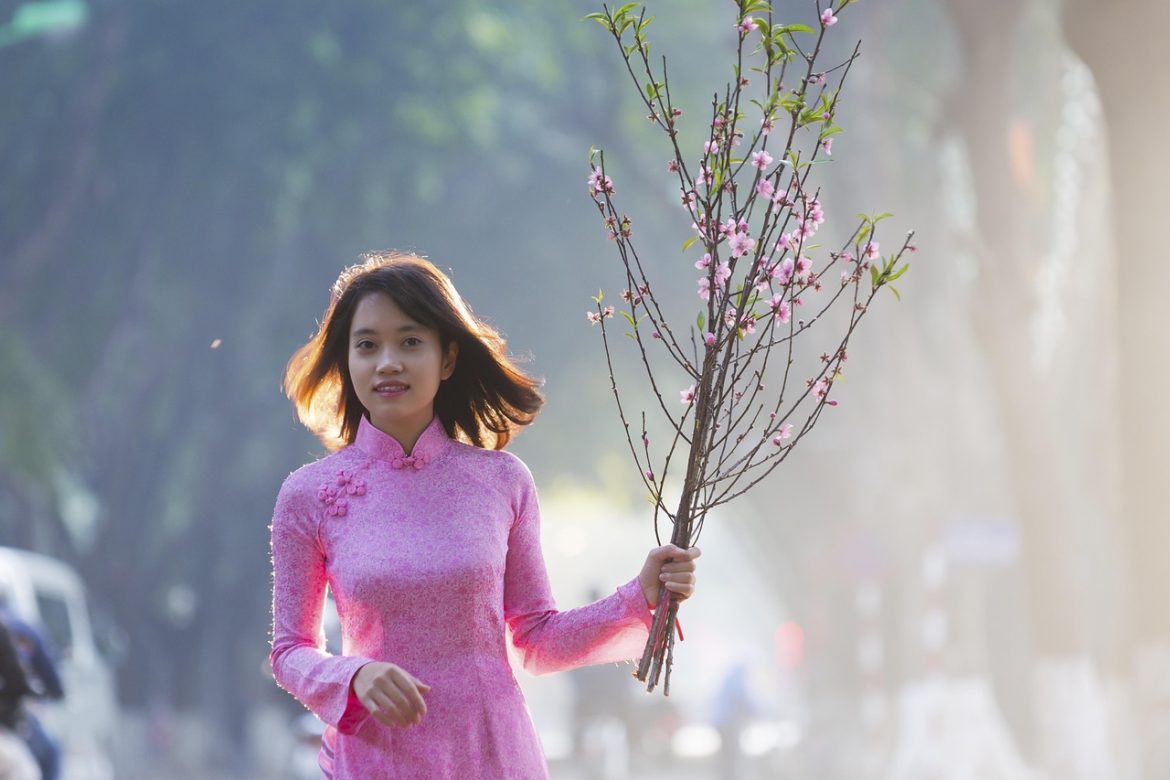
Hanoi at dawn: an elegant first arrival and the city’s refined early-morning rhythm
This Hanoi Vietnam travel guide for high-end travellers begins where the city feels most graceful: early morning. Hanoi is the capital city of Vietnam, with a refined rhythm—quiet pavements at dawn, café tables that invite you to linger, and evenings that glow softly along tree-lined boulevards. If you’re planning a trip to Hanoi and are looking for confidence rather than complication, this destination meets you with warmth, detail, and a sense of being gently supported from the start.
The first design choice is pace. Instead of trying to see everything at once, create a gentle arc: settle into your hotel, take one curated walk, then allow the streets to reveal themselves. That approach makes even famous Hanoi feel personal, and it keeps your first hours grounded and calm for your first visit to Hanoi.
Get to Hanoi smoothly: Noi Bai International Airport, Hanoi from the airport, and the airport to downtown transfer
Your arrival often begins at Noi Bai International Airport, the main international airport serving north Vietnam. To get to Hanoi without friction, pre-arrange a private car or a hotel chauffeured service so your airport to downtown transfer feels quiet and assured. Some premium providers can also arrange lounge assistance and fast-track support, which is especially welcome after a long-haul flight from elsewhere in Southeast Asia.
For a seamless handover, ask your hotel concierge to confirm the driver’s name, pickup point, and estimated travel time into downtown Hanoi. This small step builds trust straight away, and it helps you avoid overpaying when you’re tired. If you’re continuing on to Halong Bay later in your itinerary, the same team can coordinate vehicles that match your standards.
A gentle orientation: Old Quarter vs French Quarter, plus getting around with ease
Think of central Hanoi as a set of distinct moods. The Old Quarter is energetic and texture-rich—ideal for exploring on foot with a guide if you want to uncover workshops, small courtyards, and alleys of the old quarter. The French Quarter feels more spacious and architectural, with broad pavements and a slower tempo that suits late-afternoon drinks and elegant dining.
To design your first 24 hours, choose one anchor sight (Hoan Kiem Lake is ideal), one unhurried meal, and a single cultural stop. Hanoi is complete without ever rushing; the city rewards those who pause. For time around Hanoi later, consider a calm circuit to West Lake or a day trip from Hanoi to Ha Long Bay, but keep day one intentionally light so you travel with energy rather than fatigue.
Practical essentials for high-end travellers
- Currency: Carry some Vietnamese dong for small purchases; most high-end venues accept major credit cards.
- Security: Use hotel safes for valuables and remain vigilant in crowded markets while keeping your ease.
- Etiquette: Dress modestly for any temple visit, and remove shoes when required.
- Planning: Advance booking helps secure premium rooms, a guided tour, and sought-after dining reservations.
- Transport: For getting around Hanoi, rely on reputable drivers arranged by your hotel for short hops and evening returns.
This guide promises the best of Hanoi without the strain: you’ll explore the Old Quarter, circle Hoàn Kiếm Lake, and step into the city’s scholarly courtyards with calm presence. When you’re ready to imagine what your wider journey in Vietnam could become, browse our Trip gallery for beautifully crafted routes.


Best Things to Do in Hanoi, Vietnam: Old Quarter & French Quarter Highlights for Style and Story
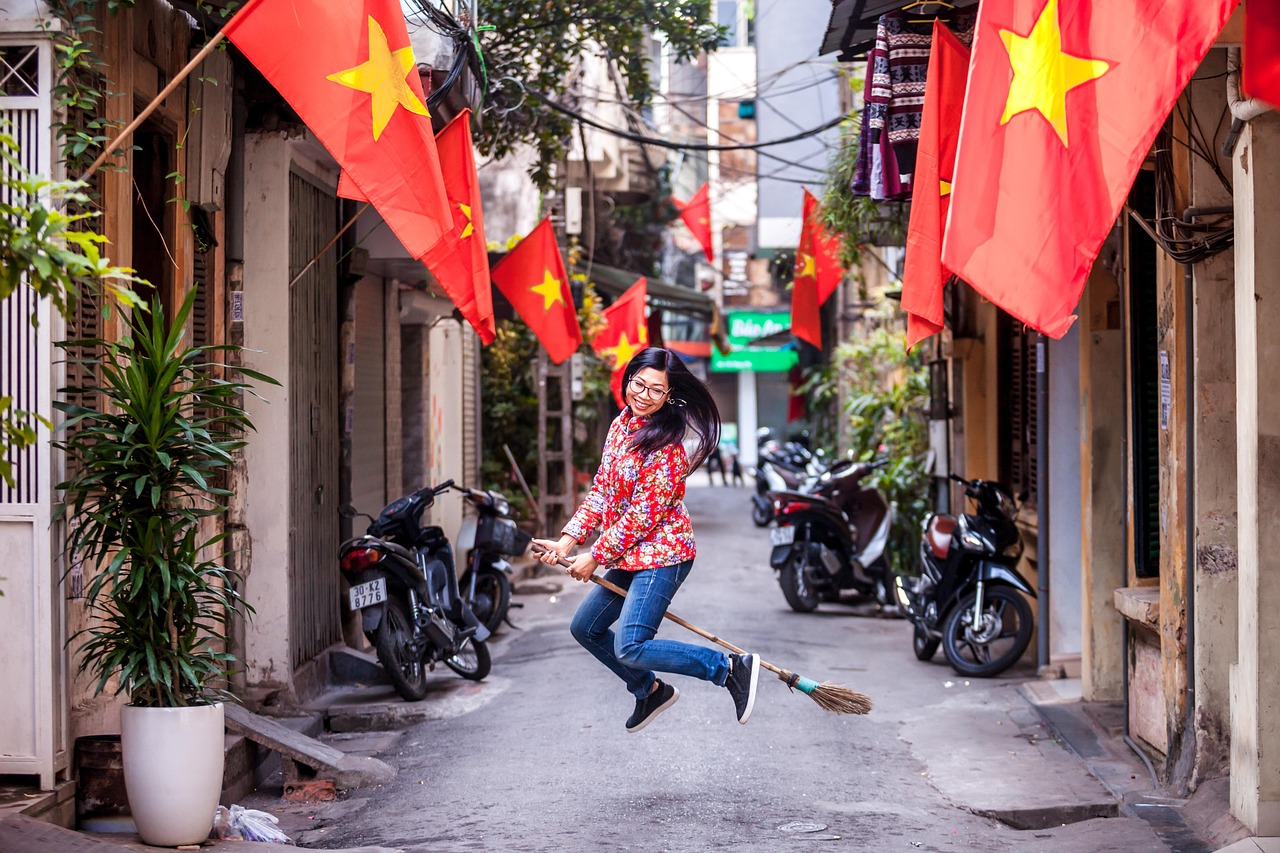
Best things to do in Hanoi: the Old Quarter and French Quarter with colonial façades and boutique-lined streets
For many visitors, the most memorable things to do in Hanoi begin with simply walking—slowly, with a stylist’s eye. Hanoi’s old quarter is a layered collage of weathered balconies, narrow shopfronts, and shaded lanes that you might otherwise pass by. In Hanoi, the charm is often in what you uncover between the obvious sights, especially when you let time lead the way.
Start in the Old Quarter mid-morning, once the city has fully woken. A local expert can help you find in Hanoi the ateliers and galleries that align with your taste, from silk and lacquer to contemporary Vietnamese design. If you’d like to try street food without compromising comfort, choose street food tours that are privately guided and tailored to your preferences.
Explore the Old Quarter: boutiques, courtyards, alleys of the old quarter, and Hang Gai silk
To explore the Old Quarter in a way that feels crafted rather than chaotic, focus on three themes: architecture, design, and personal interaction. Look up for shutters, wrought-iron details, and the soft patina of old stone. Then step inside hidden courtyards where the city’s quieter life continues behind the shop signs.
For shopping, ask your guide or concierge to map a route that includes shops in hanoi known for quality and provenance—silk scarves, lacquerware, modern ceramics, and tailored pieces. Hang Gai (often simply called Gai Street) is a smart place to begin if you appreciate textiles and refined gifts that feel lovingly made rather than mass-produced.
Private cyclo and iconic snapshots around Hoan Kiem Lake and Ngoc Son Temple
A private cyclo experience through the Old Quarter offers an intimate city view—close enough to notice details, yet calm enough to breathe. Pre-negotiate the route and pricing before you set off, and confirm whether stops for photos are included; that clarity creates a seamless ride and genuine local rapport. If you prefer discretion, have your hotel arrange it so you can simply show up and enjoy.
For a classic “iconic snapshot” loop, go around the old quarter towards the lake and cross the red bridge to Ngoc Son Temple. This simple walk is an attraction not because it’s grand, but because it’s cinematic: water, trees, and the gentle sense of Hanoi holding history close to the present. If you’re capturing photos, keep your camera low-key around worshippers, and pause rather than press forward.
A solo traveller once told us their favourite moment wasn’t a luxury purchase, but the warmth of vendors in the weekend night market. They described how artisans explained symbols and materials with care, turning handcrafted souvenirs into stories they still remember at home. It’s a reminder that in Vietnam, refinement often arrives through human connection.
Hanoi train street: how to visit with respect, safe timing, and local rules
Train Street can be compelling, but it needs a responsible approach. Visit with a reputable café or guide who understands safe timing and local boundaries, and be prepared for access rules to change. The goal is to experience the scene without disrupting daily life or putting anyone at risk.
If you choose to go, keep your visit short, stay alert, and avoid stepping into restricted areas. This is one of those famous Hanoi moments where confidence means knowing when to watch quietly rather than chase the perfect frame.
Hoan Kiem Lake in Hanoi, Vietnam – Sunrise Tai Chi and the Heart of Hanoi
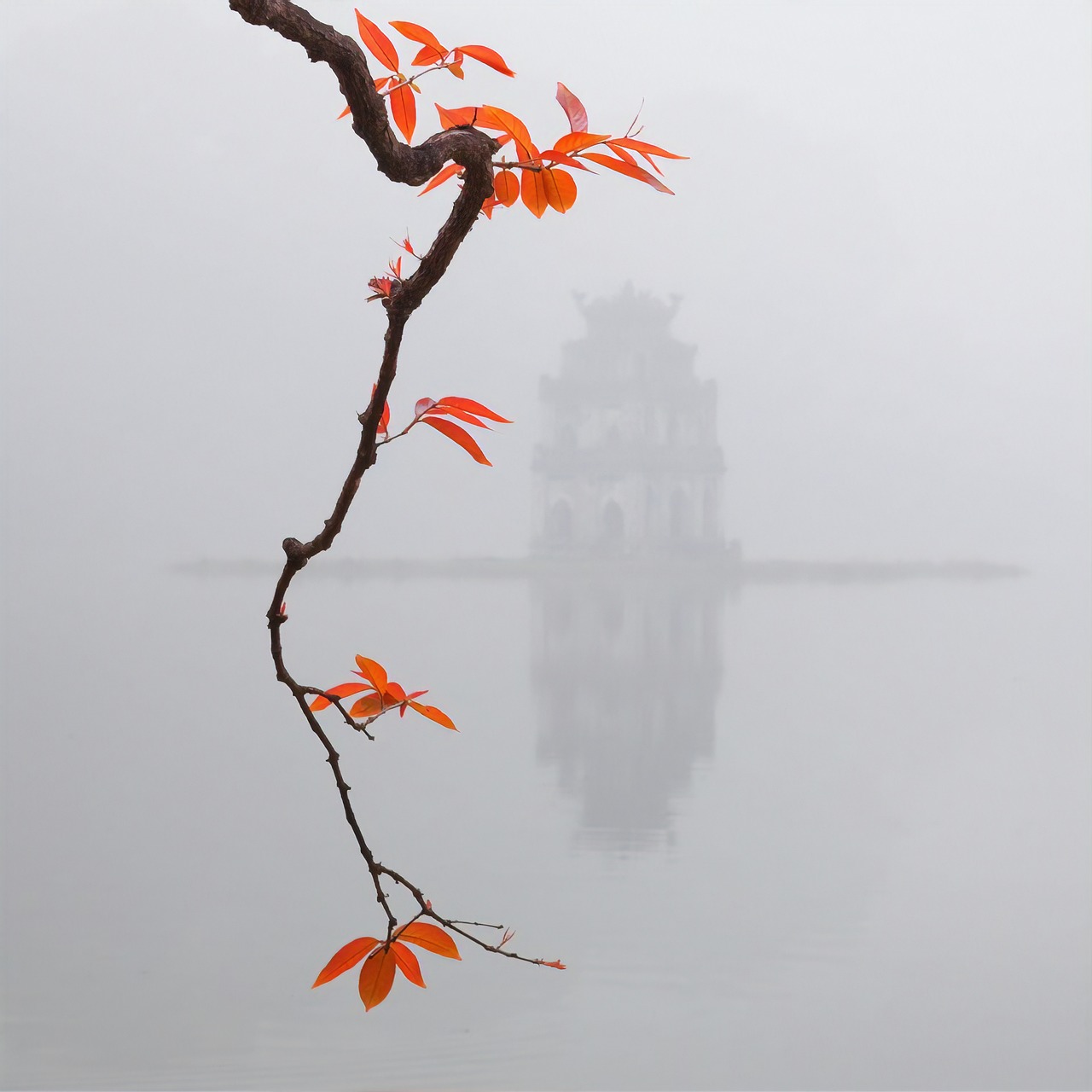
Hoan Kiem Lake at dawn: sunrise Tai Chi and calm waters in Hanoi, Vietnam
Hoan Kiem Lake at sunrise is one of the city’s most quietly moving rituals. Arrive early, when the air is cool and the pavements belong to walkers, elders stretching, and small groups moving in slow unison. It’s an easy way to visit hanoi with humility and attention, and it reveals the heart of hanoi before the traffic takes centre stage.
Stand back, watch the choreography, and you’ll see how Hanoi balances motion and stillness. The city can be intense by day; at dawn, it becomes gentle. If you’re travelling through Southeast Asia for the first time, this calm entry point is reassuring—and surprisingly intimate.
Hoàn Kiếm Lake etiquette: best viewing points and a classic spot to visit
Whether you write it as Hoan Kiem Lake or hoàn kiếm lake, the etiquette is the same: keep pathways clear, avoid interrupting exercise groups, and photograph with respect. The softest views are often from shaded sections where trees frame the water, or near the approach to the temple bridge when the promenade is still quiet. For many travellers, it’s the simplest spot to visit for an unforced connection with local life.
If you’d like to join in, follow the group’s lead without pushing yourself to perform. In this country, these moments are communal and unshowy. A calm presence is the most elegant way to blend in.
Vietnamese coffee with intent, including egg coffee in classic cafés
After sunrise, step into a café that matches your pace. Vietnamese coffee is rich, unapologetic, and often best enjoyed slowly—one small glass at a time, with conversation or a notebook. For something distinctly Hanoi, order egg coffee and treat it like dessert: warm, silky, and surprisingly comforting.
Choose a beautiful café with good ventilation, attentive service, and a view that lets you keep watching the morning unfold. This is where a trip to hanoi is complete in spirit: you’ve moved with locals, then given yourself permission to pause and savour the city.
Getting around the lake without overpaying
- Walkability: The lakeside loop is best on foot, especially at dawn.
- Discreet pickups: Arrange car pickups at a clear landmark to avoid confusion.
- Short rides: To get around in hanoi with comfort, confirm the price before you get in, or have your hotel call a trusted car.
One traveller shared how a sunrise walk around Hoàn Kiếm Lake became a soul-refreshing moment after busy city tours. They said the lake “reset everything”—the noise softened, their shoulders dropped, and Hanoi felt like a place that could hold them, not just impress them. That is the kind of personal memory you can’t schedule, yet you can gently make space for it.
Hanoi Attractions for Culture: Temple of Literature, Fine Arts Museum, and Water Puppet Evenings
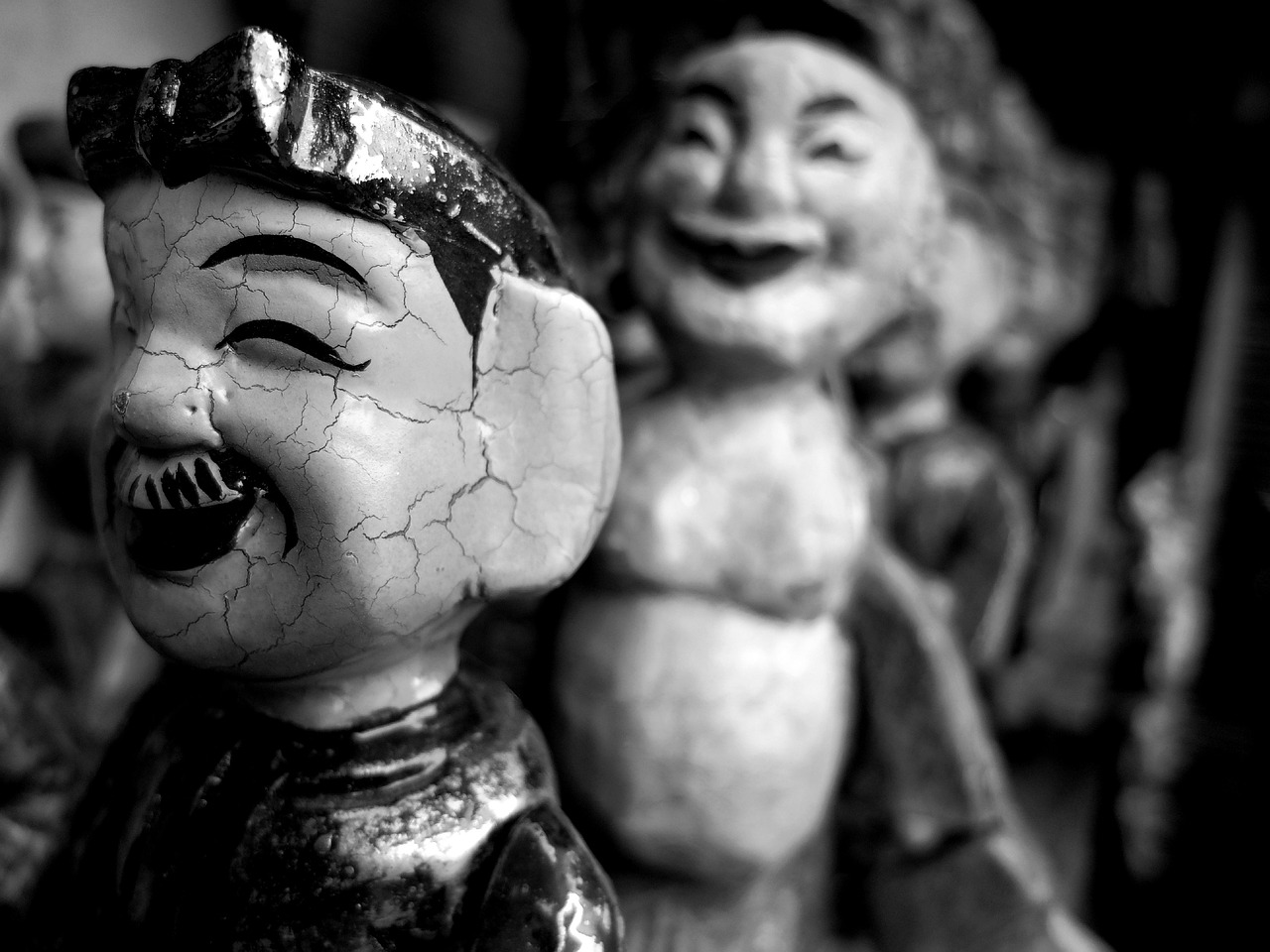
Hanoi attractions: refined cultural insight in courtyards and museum halls
Hanoi attractions like scholarly courtyards and museum halls are where the city’s intellectual and artistic lineage becomes tangible. For high-end travellers, these are best approached with expert interpretation and unhurried timing, so each gallery room and symbol has space to land. In Hanoi, cultural depth is not loud; it’s precise, layered, and often profoundly moving.
Build this day like a well-composed collection: one temple, one museum, and one evening performance. You’ll leave with insight that feels earned rather than skimmed, and your hanoi experience will feel quietly upgraded with context and care.
Temple of Literature: Vietnam’s first university and a calm temple complex
The Temple of Literature is Vietnam’s first university, and it still carries that scholarly calm. As you enter, notice the sequence of courtyards and gates—each one narrowing your attention and inviting a more thoughtful pace. Look for the stone stelae that honour graduates, and the careful symmetry that reflects Confucian ideals.
Dress modestly, speak softly, and treat the temple as a living place, not a backdrop. It is one of the best places to feel vietnam’s respect for learning, and it adds balance to the energy of the Old Quarter.
Vietnam Fine Arts Museum: Vietnamese aesthetics with private context
An art enthusiast once recounted their private tour of the Vietnam Fine Arts Museum as an enlightening shift in perspective. With an expert guide, modern identity, craft traditions, and historical change were no longer separate topics—they became a single, elegant thread. If you’re drawn to aesthetics, request a specialist-led experience so the work feels connected, not simply observed.
You’ll see how Vietnamese techniques, materials, and symbolism evolve across time, and why the city’s creative confidence matters. It’s a refined way to understand the country beyond headlines and surface impressions, while still keeping the day beautifully paced.
Water puppet heritage: thang long water puppet theatre and a classic water puppet show
For an evening cultural anchor, a water puppet show can sound simple on paper, yet in practice it’s deeply atmospheric—live music, humour, and folklore performed with remarkable skill. Ask your concierge to secure premium seats so sightlines and comfort are assured; it changes the experience more than you might expect.
An expatriate living in Hanoi once shared that a weekend performance paired with this theatre created a lasting connection to Vietnamese culture. The long water puppet tradition felt like a doorway into the city’s storytelling, and it stayed with them long after guests had left.
Ho Chi Minh’s legacy: mausoleum protocol, the Ho Chi Minh Museum, and elegant architecture
Ho Chi Minh’s history is present in Hanoi, and it’s best visited with nuance. If you choose to see the Ho Chi Minh Mausoleum, arrive early, dress respectfully, and be prepared for formal procedures. Nearby, the Ho Chi Minh Museum provides broader context, helping you understand the narratives that shaped the modern era without forcing you to rush.
To end on architectural elegance, stop briefly at the Hanoi Opera House for façade photography. Its refined lines and colonial-era context offer a visual counterpoint to temple courtyards, and it rounds out a day of culture with quiet sophistication.
Stay in Hanoi – Design-Led Stays, Rooftop Restaurants, and Designer Evenings
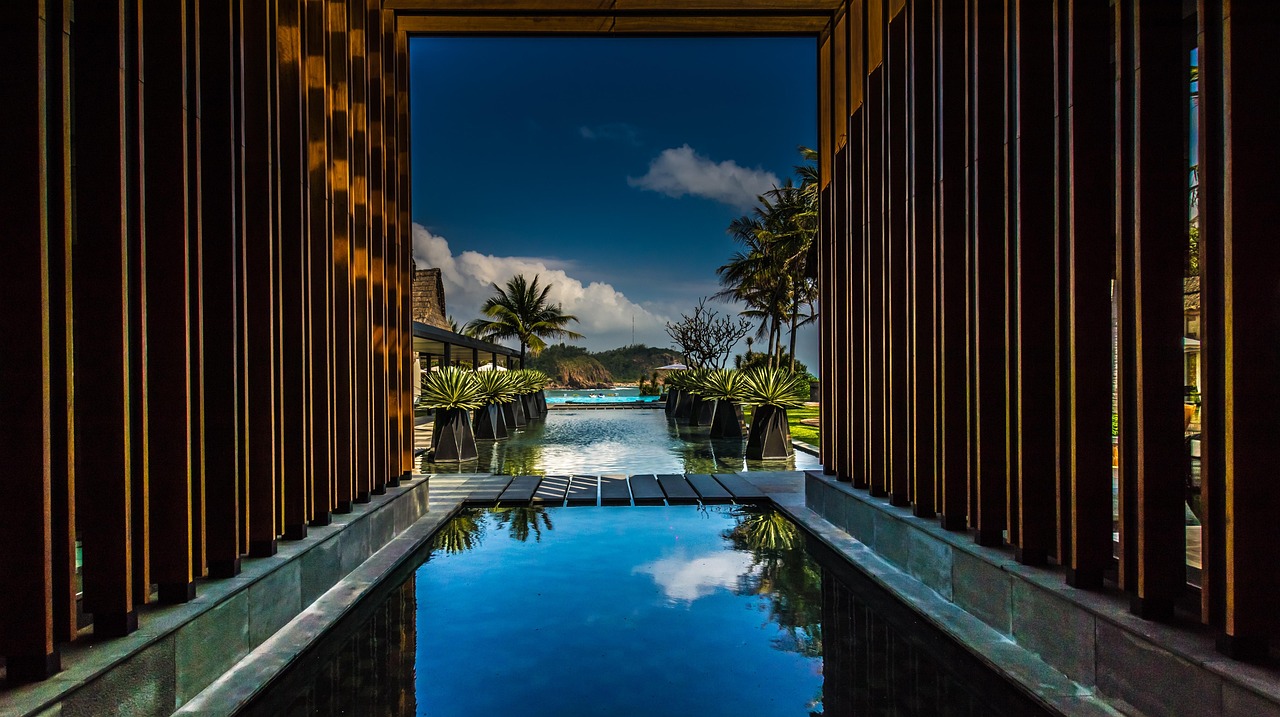
Where to stay in Hanoi with design-led comfort and rooftop dining views
Stay planning is the simplest way to turn a busy city into a soft landing. Hanoi has an impressive range of refined properties, and the difference is in the details: soundproofing that truly works, a spa that feels serene, and service that anticipates rather than interrupts. If you choose well, your hotel becomes part of the story—an elegant pause between the city’s vibrant chapters.
Where you base yourself also shapes your evenings. From the more architectural streets you can step into art-filled lounges and rooftop views; from the Old Quarter you can slip straight into lantern-lit lanes and return just as easily, with confidence in familiar routes. Good Hanoi travel is often just smart positioning.
Where to stay in Hanoi for design, artistry, and modern comfort near key sights
Look for a boutique hotel that blends Vietnamese artistry with contemporary calm: hand-crafted woodwork, lacquer details, curated ceramics, and textiles that feel local rather than themed. Ask about room placement (higher floors can be quieter), blackout curtains, and whether windows are double-glazed. For high-end travellers, these comforts matter as much as aesthetics.
When selecting a hanoi hotel, consider how you prefer to move through the city. If you want to walk to Hoan Kiem Lake at dawn, choose a location that makes early starts feel easy. If you prefer curated car transfers, an address with simpler vehicle access can make pickups smoother.
Hotel in Hanoi booking guidance: upgrades that matter and the best time to visit
A luxury room can sell out quickly during the best time to visit (often October to December and March to April), so book early if you want the most desirable suites. When you confirm, request the specific set-up you actually value: connecting rooms for family travel, a romantic arrangement for couples, or a quiet corner suite for uninterrupted rest.
Upgrades that deliver real value tend to be practical: lounge access, airport meet-and-greet, and spa inclusions. These services provide support that keeps your days feeling crafted rather than crowded, especially when you’re balancing culture, dining, and shopping.
Rooftop dining: Vietnamese food, food in Hanoi, and traditional Vietnamese flavours
For high-end Vietnamese food, rooftop restaurants are the city’s most glamorous vantage point. Reserve ahead—popular tables can disappear days in advance—and check dress codes if you’re heading somewhere especially polished. The reward is food in hanoi presented with care: fresh herbs, balanced sauces, and elegant plating that respects traditional vietnamese flavours.
A couple once described their romantic dinner on a rooftop overlooking the Old Quarter as “the perfect blend of historic ambience and modern luxury”. The sky dimmed, the streets glittered, and the meal felt like a private celebration above the city’s everyday life.
A designer evening flow that feels effortless
- Sunset: Cocktails with a view, then a short, well-timed transfer.
- Dinner: A tasting menu that highlights Vietnamese ingredients with contemporary finesse.
- After: A gentle stroll on well-lit routes, then back to your hotel with ease.
Finally, use concierge service as a creative tool. The best teams can arrange private guides, gallery appointments, and a crafted shopping day—silk, ceramics, and contemporary fashion—without you having to negotiate every detail. That’s where luxury becomes trust: you feel looked after, and you can simply enjoy the best things the city offers.
Leaving Hanoi: What Stays With You in Ha Noi
Ha Noi has a way of holding opposites—stillness and motion, old stone and new design—without needing to resolve them. In Hanoi, you can step from a temple courtyard into a street of tailors and cafés, and somehow the contrast feels natural. Vietnam is one of those places that doesn’t ask you to understand everything at once; it asks you to feel, to notice, to let the city’s rhythm meet your own.
Later, what returns is rarely the checklist. It’s the soft morning air by Hoàn Kiếm Lake, the distant hum of scooters that never quite becomes noise, and the sensation of being gently held by local life. You remember the careful hands that served your coffee, the calm assurance of a driver who knew exactly where to meet you, and the way an evening glow on colonial boulevards made the city feel intimate rather than immense.
There’s also a particular kind of confidence that follows you home—the quiet certainty that you can travel with curiosity and care, and still feel supported. The art lingers, as does scholarship, and the warmth of Vietnamese hospitality: a smile that didn’t ask for anything, a conversation that made space for you, a moment that felt personal. Even if you continue onwards to Hoi, part of you keeps the lake at dawn close, like a private talisman.
And perhaps that is why Hanoi remains in the mind: it changes your inner pace. Not dramatically, but subtly—like a breath you didn’t realise you needed. Somewhere ahead, another season waits, ready to be discovered again when you return to visit vietnam with wonder rather than urgency.
F.A.Qs: Hanoi, Vietnam questions for first-time visitors
Is Hanoi friendly to Americans?
Yes. Hanoi is generally friendly to Americans, especially in hotels, restaurants, and guided settings where service is warm and professional. Polite greetings, patience in busy areas, and respect at temples go a long way. Many locals are curious and welcoming, and you’ll often find thoughtful hospitality in the Old Quarter and along the colonial boulevards.
Is it safe to travel to Hanoi, Vietnam right now?
Hanoi is generally safe for travellers, including high-end visitors, when you take normal city precautions. Keep valuables in hotel safes, stay alert in crowded markets, and use reputable drivers or hotel-arranged transport. Road traffic can feel intense, so crossing with calm awareness is important. For up-to-date conditions, check official travel advice before departure.
What is Hanoi best known for?
Hanoi is best known for its Old Quarter energy, lakeside rituals at Hoan Kiem Lake, and a cultural scene shaped by temples, museums, and performance. Many travellers also come for Vietnamese food, from refined tasting menus to carefully chosen street experiences. The city’s blend of history, colonial architecture, and modern design is part of its distinctive charm.
What to avoid in Hanoi?
Avoid unlicensed or unclear transport arrangements, and don’t accept prices that haven’t been agreed in advance for cyclos or short rides. Be cautious with track-side café visits unless you’re with reputable guides, as safety and access rules can change. In temples, avoid revealing clothing and loud behaviour. In markets, keep bags secure and be mindful of crowds.