Post Contents
- Hiroshima Peace Memorial Park orientation for visitors in Japan and the park zone
- Atomic Bomb Dome Hiroshima Peace Memorial Japan UNESCO World Heritage Site and a symbol
- Peace Memorial Museum Hiroshima Peace Memorial Museum Japan exhibits and survivor insight
- Peace Park Hiroshima peace memorial monuments and cenotaph in the memorial park
- Shukkeien Garden nearby Hiroshima city Japan okonomiyaki after Peace Memorial Park
- What stayed with me after Hiroshima peace memorial reflection in Japan
- F.A.Qs: Hiroshima Peace Park Japan planning
Hiroshima Peace Memorial Park orientation for visitors in Japan and the park zone
Hiroshima Peace Memorial Park orientation for visitors in Japan with riverside paths and memorial sights
If you’re looking for a Hiroshima Peace Memorial Park guide for visitors Japan, begin by giving yourself a simple mental map. The memorial park sits between rivers, with broad pathways, bridges, and open lawns that soften the city’s pace. A clear centre line of sight draws many visitors from the Memorial Cenotaph towards the dome, creating a gentle, intentional flow through the peace memorial landscape.
Imagine arriving with confidence, knowing where you are in the zone: museum and monuments clustered near the central walkways, quieter pockets by the riverbanks, and benches that invite a pause. This is not a place to “tick off”; it’s a place to uncover meaning at your own speed, with trust in your own emotional compass.
Arriving from Hiroshima Station and the airport
Access is refreshingly seamless for first-time travellers. From Hiroshima Station, take a tram line towards Genbaku-Domu Mae (often the easiest stop for the dome) or Peace Memorial Park; a bus can also be convenient depending on your hotel. If you’re connecting via the airport, limousine buses run into the city, then you can hop onto a tram for the final stretch.
For high-end travellers, I like to design the morning with minimal friction: pre-load an IC card, wear comfortable shoes, and keep your schedule light. You’re not just moving across a city of Hiroshima map—you’re preparing to meet history with care.
Timing, seasons, and a half-day itinerary with emotional pacing
Spring (March to May) and autumn (September to November) are the easiest seasons for walking the park, with softer temperatures and calmer crowds. Arrive early if you want a quieter peace memorial moment; later afternoons can also feel calmer once group tours thin out. In summer, the heat can drain energy quickly, so plan extra water and shade breaks.
- Start: Dome viewpoint first, while the mind is fresh and the light is gentle.
- Middle: Peace Memorial Museum, then a slow walk across the main monuments.
- Finish: Riverside sit-down and a personal check-in before lunch.
A little history helps anchor what you’re seeing. In 1945, the atomic bomb changed the history of Hiroshima in an instant, and the park now exists to promote learning and remembrance rather than spectacle. You’ll notice signs asking you to observe quiet voices; do follow them, and be mindful that some areas have photography restrictions to support a respectful atmosphere.
If you’d like to daydream about how this fits into a wider journey through Japan, our Trip gallery can help you create a beautifully balanced itinerary around cultural depth and restorative comfort.


Atomic Bomb Dome Hiroshima Peace Memorial Japan UNESCO World Heritage Site and a symbol
Atomic Bomb Dome the memorial park symbol of resilience in Hiroshima Peace Memorial Park
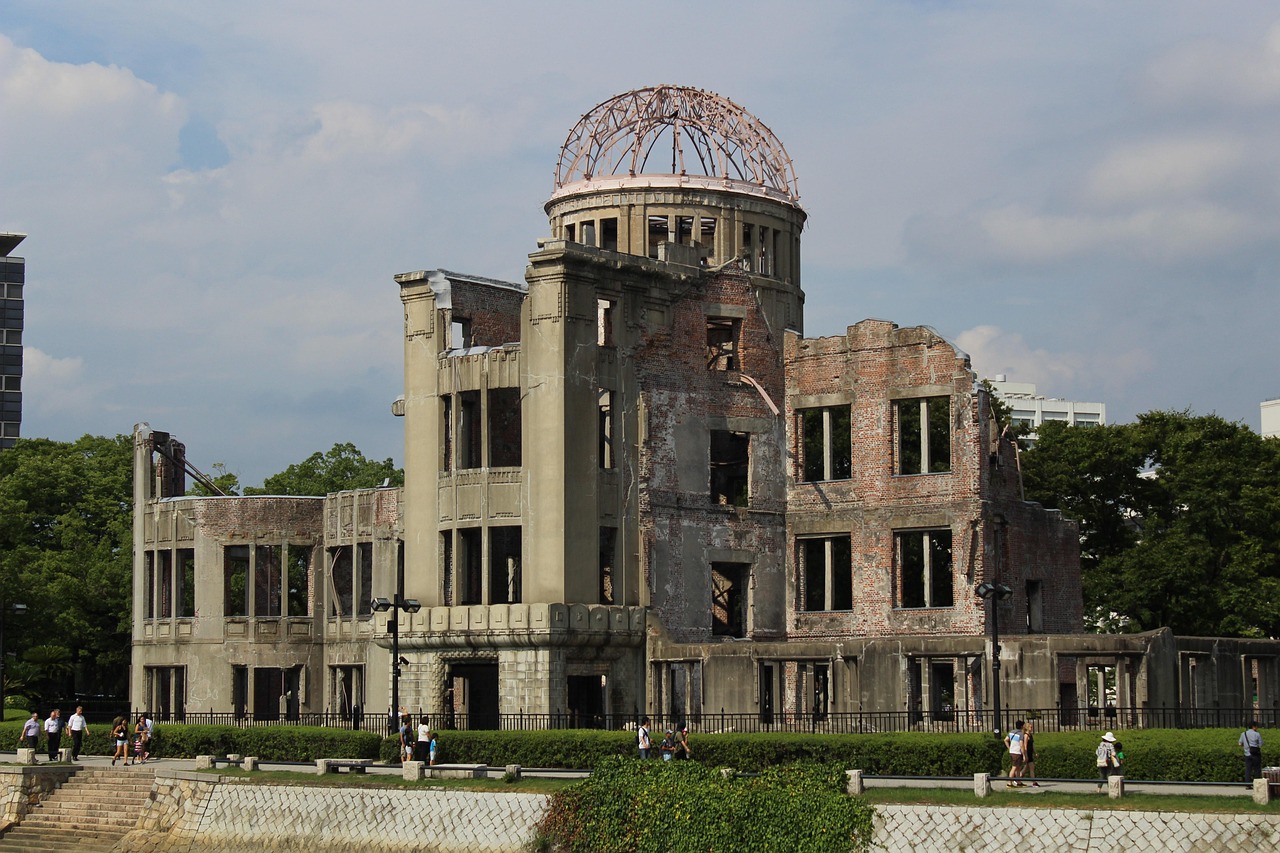
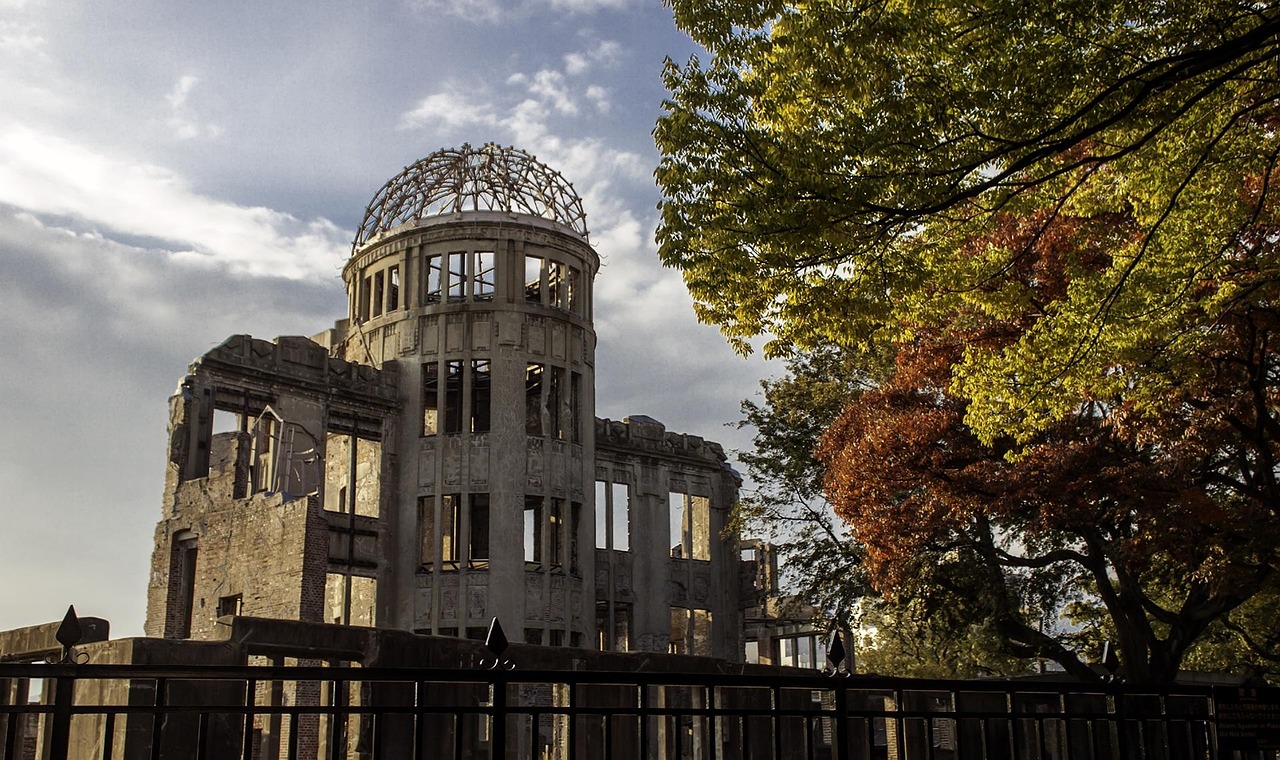
When you search Atomic Bomb Dome Hiroshima Peace Memorial Japan UNESCO World Heritage Site, you’ll find facts—but standing there is different. This unesco world heritage site was once the Prefectural Industrial Promotion Hall, and what remains is its exposed concrete frame, held in place as a symbol of resilience. In the memorial park setting, the dome becomes a quiet teacher: it doesn’t shout, it simply stands.
One of the most personal experiences travellers describe is the sudden hush that falls as they reach the riverside path opposite the ruin. You can hear the hum of bicycles and the nearby traffic, and then—almost without meaning to—you slow down. The contrast with the commercial heart of modern Hiroshima city makes the moment feel stark, and for many, unforgettable.
What happened here and why the dome is preserved
In the morning of 1945, the bomb was dropped over Hiroshima; the bomb exploded near the hypocenter, and the initial blast destroyed most of the surrounding district. This ruin sits close enough to connect you to the reality of the event, yet the way it’s presented avoids sensationalism. The dome is not a set piece—it’s an invitation to reflect on what a first atomic bomb era meant for human responsibility.
Many visitors pause here in silence, especially those who come to sightsee and then find themselves quietly changed. It’s normal to feel unsteady; take your time, and let the place support you rather than overwhelm you.
Viewing and photography with care
For photographs, morning light can soften the structure, while late afternoon can make the skeletal lines more dramatic. Step back and allow space for others to have their own moment; it’s a simple act of togetherness that fits the setting. If you want a more intimate view without crowd pressure, walk along the river and frame the dome with the water—an angle that feels contemplative rather than performative.
As you move on, keep the wider context in mind: Hiroshima and Nagasaki reshaped global conversations about nuclear weapons and the long-term threat they pose. The dome doesn’t argue; it endures, and that endurance is its power.
Peace Memorial Museum Hiroshima Peace Memorial Museum Japan exhibits and survivor insight
Peace Memorial Museum exhibitions that reshape your insight at Hiroshima Peace Memorial Park
A thoughtful Peace Memorial Museum Hiroshima Peace Memorial Museum Japan exhibits survivor testimonies plan starts with one truth: this is both an educational centre and an emotional one. The memorial museum (often searched as the peace memorial museum) leads you through an exhibition flow where artefacts, photographs, and testimony build understanding of the bombing and its aftermath. Visitors often say a single artifact stays permanent in the mind—small, ordinary, and therefore devastating in its honesty.
The displays are curated to educate, not to shock, but the subject matter is heavy. If you’re travelling as a couple or family, it can help to quietly agree in advance that anyone can step outside for air. That small agreement creates support, and it allows everyone to stay present without pressure.
Planning your visit and tickets
Check opening times on the day you go, as seasonal hours can shift. Tickets are modest (often around ¥200), and during peak periods a reservation or timed entry may be introduced to manage crowds; it’s worth checking in the morning. If you value calm, visit right after opening, when the rooms are less crowded and the atmosphere feels steadier.
Even for confident travellers, I recommend carrying water and a light layer. You may find yourself moving slowly, rereading panels, returning to a display, and letting meaning sink in rather than pushing onwards.
Understanding nuclear language without overwhelm
You’ll see terms like nuclear, nuclear bomb, and radiation explained through human stories rather than abstract science. The museum helps you connect cause and consequence: the immediate injuries, the long-term impact of radiation, and the way families lived with uncertainty for years. Many travellers mention the clarity of hearing one survivor voice in their head long after they leave, and that is part of the museum’s quiet strength.
The peace memorial message is intentionally international in scope. It’s not about blame; it’s about what we choose to learn, and how we choose to care for others in the present.
Peace Park Hiroshima peace memorial monuments and cenotaph in the memorial park
Peace Park walk to monuments and the cenotaph in Hiroshima Peace Memorial Park
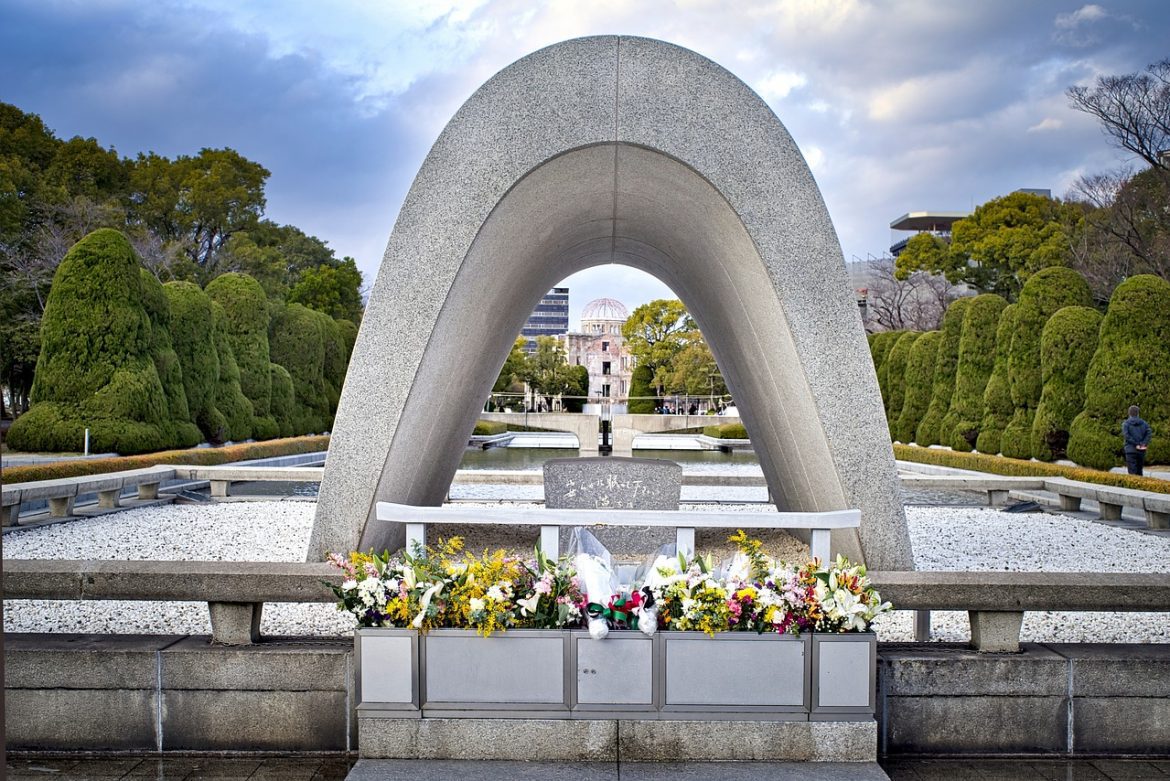
For a gentle Peace Park Hiroshima peace memorial monuments cenotaph Japan route, let your steps be unhurried. This is where the peace memorial park becomes a lived landscape rather than a list of sights: the Children’s Peace Monument, the Memorial Cenotaph, and the Cenotaph for the A-Bomb Victims each shape contemplation in different ways. The architecture guides you—lines, open space, and water—into quieter attention.
As you walk, notice how each monument is designed to symbolize both grief and a future-facing hope. Read what is written and what is left unsaid; you’ll see names, offerings, and messages that inscribe a collective promise to remember.
Quiet Japanese gestures and prayerful participation
Understanding a little japanese etiquette can make you feel more at ease. A small bow, a pause before stepping forward, or leaving folded paper cranes are gentle gestures that fit the setting. If you wish to offer a moment of prayer, keep it simple—no performance, just presence.
Travellers sometimes worry about “doing the right thing”. Trust that respectful quiet, reading signage, and moving thoughtfully are enough, and they allow others the same dignity.
Every august, the city holds the Peace Memorial Ceremony, and on august 6 the atmosphere can feel especially solemn and connected. If you attend, arrive early, follow steward guidance, and be prepared for crowds that still feel remarkably calm. Visitors often describe local encounters here—small acts of kindness, offered water, a shared silence—as a reminder that resilience is not abstract.
- Where to pause: benches near the river for quiet decompression.
- Hydration: vending machines are nearby, but carry a bottle to avoid breaking the mood.
- Personal check-in: before you leave the memorial park, ask yourself what you need next—food, shade, or simply a walk.
This is also where many adventure seekers notice the juxtaposition most: the lively streets beyond the trees, and the stillness within them. The contrast can be powerful, and it can deepen your insight into what peace culture looks like in everyday life.
Shukkeien Garden nearby Hiroshima city Japan okonomiyaki after Peace Memorial Park
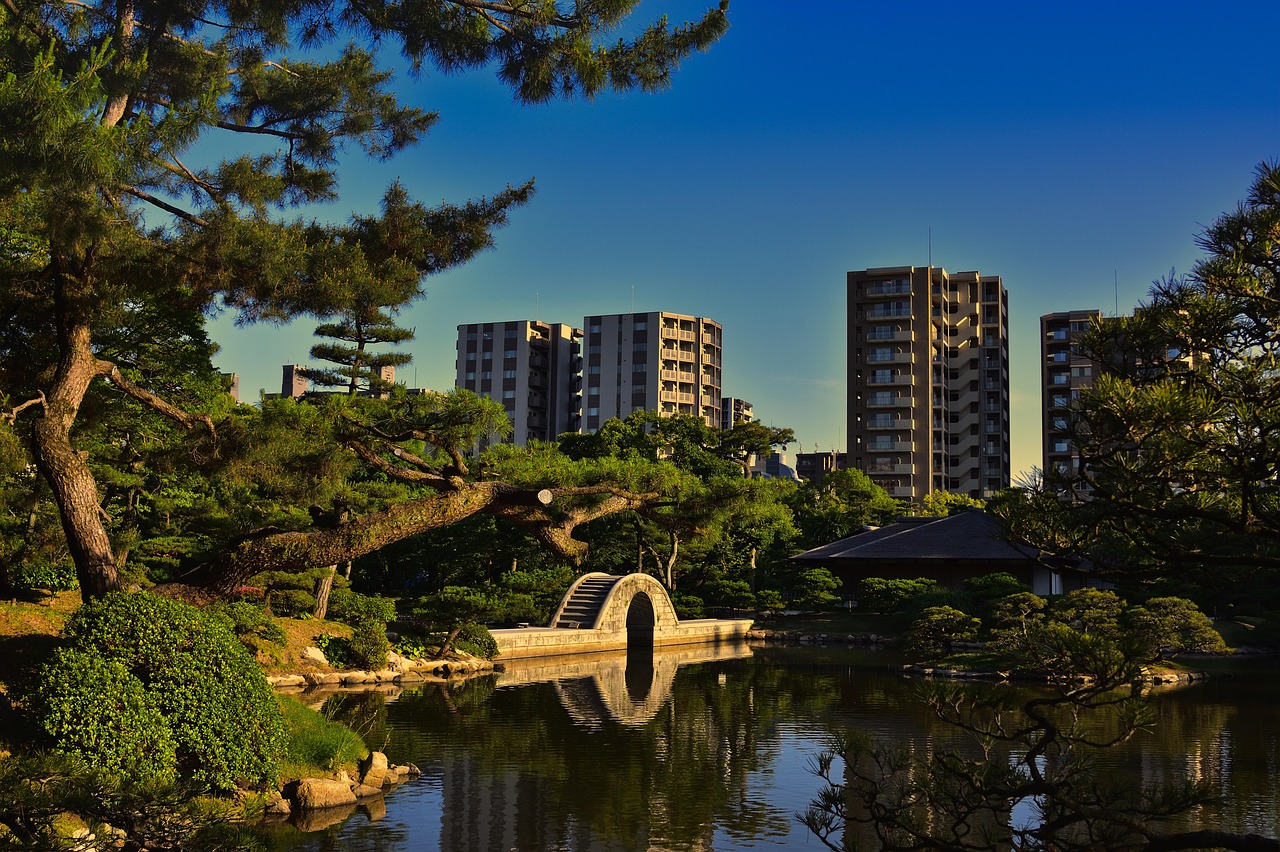
Nearby Shukkeien Garden and local Hiroshima City flavours after Hiroshima Peace Memorial Park
If you’re searching Shukkeien Garden nearby Hiroshima city Japan okonomiyaki after Peace Memorial Park, you’re already designing the kind of day I love: honest history followed by gentle restoration. Nearby, Shukkeien Garden offers a softer rhythm—ponds, bridges, and carefully composed views that let the mind settle. After the bombing narrative, this is where many travellers feel their soul breathe again, without needing to force cheerfulness.
Adventure seekers often find the transition surprisingly meaningful. You can explore ordinary streets, watch trams slide past, and see how resilience lives in daily routines—school uniforms, office workers, local cafés. Hiroshima peace isn’t just remembered; it’s lived, quietly, in how the city moves forward.
Okonomiyaki and a crafted, comforting meal plan
Hiroshima-style okonomiyaki is the perfect anchor meal: warming, filling, and unpretentious. Choose a counter-style restaurant where you can watch it cooked on the hotplate, and keep your etiquette simple—queue patiently, speak softly, and avoid overly celebratory tones straight after the memorials. A crafted plan might be a late lunch, then a slow coffee, so you can talk gently about what you’ve seen.
If you want to treat yourself in a high-end way, make it about comfort: a calm table, good tea, and time. Care for yourself is not separate from respect; it supports how you show up for the place.
Seamless micro-logistics back to the station
From the garden, you can walk or take a short tram or bus hop, depending on your energy. I like to create a loop that avoids backtracking: park to garden, then onwards towards shops or the river, and finally back to the station area. This keeps the day feeling seamless and prevents you from re-entering the heaviest spaces when you’re already full.
As evening comes, consider a riverside stroll and a little light shopping—something gentle that helps you rejoin the present. Hiroshima peace is also about allowing life to be lived, with gratitude and a steadier pace.
What stayed with me after Hiroshima peace memorial reflection in Japan
For days afterwards, I found myself returning to the quietest moments of the Hiroshima peace memorial experience, rather than the biggest sights. It was the sound of footsteps on the path, the way strangers made space for one another, and the feeling of standing near the dome without needing to speak. Hiroshima peace has a way of asking for less performance and more honesty, and that simplicity can be surprisingly hard to shake.
I kept thinking of the faces in testimony, the steadiness of the city, and the courage it takes to hold memory in public. The peace memorial spaces don’t offer neat answers; they offer a place to sit with grief and still choose empathy. Somewhere between the trees and the river, I realised that remembrance is not only about the past—it’s about how we treat people in front of us, and how we hold responsibility when history feels too large.
There’s a quieter kind of adventure in carrying that home. Not the adrenaline of motion, but the decision to travel with more care, to listen longer, and to stay curious even when the subject is difficult. If you let it, Japan gives you that gift softly: a reminder that resilience can be tender, and that peace is something we create in small, everyday choices—long after the journey fades into memory.
F.A.Qs: Hiroshima Peace Park Japan planning
Is Hiroshima Peace Park worth visiting?
Yes, Hiroshima Peace Park is worth visiting for its peace memorial spaces, the Atomic Bomb Dome, and the chance to understand the city’s resilience with calm perspective. Many travellers find it profoundly moving without feeling overwhelmed, especially when they pace the day gently and visit in spring or autumn.
How much time do you need at Hiroshima Peace Park?
Allow at least 2–4 hours for Hiroshima Peace Park, depending on whether you include the Peace Memorial Museum. A half-day gives you enough time to walk the monuments, pause by the river, and take breaks so the experience feels thoughtful rather than rushed.
What is the park of Peace in Hiroshima?
The park of Peace in Hiroshima is Hiroshima Peace Memorial Park, a memorial park created to honour atomic bomb victims and to promote remembrance and learning. It includes key monuments, the museum area, and viewpoints towards the preserved Dome, all designed for quiet reflection.
Can you visit where the bomb was dropped in Hiroshima?
You can visit locations connected to where the bomb was dropped, including areas near the hypocenter and the Atomic Bomb Dome, which sits close to the blast zone. The city marks significant points with signage so visitors can understand the geography respectfully while exploring on foot.