Post Contents
- Things to Do in Hiroshima Japan – A Calm 2 Days in Hiroshima (Chugoku) Itinerary
- Hiroshima Peace Memorial Park, Museum & Atomic Bomb Dome – history, reflection, and respect
- Miyajima Island day trip: Itsukushima Shrine, floating torii, and Seto Inland Sea
- Discover Hiroshima beyond the memorials: Hiroshima Castle, gardens, and best things
- Hiroshima food guide: okonomiyaki, ramen, oyster bars, and local nights
- Hiroshima travel reflection: Peace Memorial moments and island calm
- F.A.Qs: Things to Do in Hiroshima Japan (Best things + Miyajima day trip)
Things to Do in Hiroshima Japan – A Calm 2 Days in Hiroshima (Chugoku) Itinerary
A calm, design-led two-day itinerary in Hiroshima, shaped by water, walkable neighbourhoods, and quiet moments
If you’re mapping out things to do in Hiroshima and want a refined answer to things to do in Hiroshima Japan in 2 days in Hiroshima, this Chugoku itinerary is designed to feel seamless rather than stacked. Imagine the city as calm, walkable pockets stitched together by water, greenery, and a quietly confident energy—one of the best things about travelling here. Use it as a practical Hiroshima travel guide to plan your trip with intention, not urgency.
Think of these two days as a gentle arc—one day anchored by witness and history, one day lifted by sea air and shrine stillness. You’ll still cover iconic sights, but with the reassurance of a thoughtful rhythm that protects your time, comfort, and attention—especially if you’re choosing the most meaningful places to visit rather than chasing a long list of things.
Hiroshima Station arrivals and seamless transfers for a low-friction start
Arriving is straightforward, and that ease sets the tone for your stay. From Hiroshima Station, the city opens out quickly—whether you’re arriving on the Shinkansen from Osaka or connecting from Kyoto. If you’re landing via Hiroshima Airport, a pre-arranged private transfer is a quietly excellent upgrade, particularly after an international flight or a late landing.
A JR Pass can make real sense if your wider journey includes Tokyo, Osaka, and Kyoto. For a shorter route from Osaka or Kyoto, it’s worth doing a quick fare check—then choosing the option that supports a crafted, low-friction arrival. If you’re considering a day trip to Hiroshima, this same logic applies: simplify transport so you can spend your hours on the ground, not in queues.
- Private transfer: best for late arrivals, heavy luggage, or a hotel check-in you want to keep effortless.
- Shinkansen: the most confidence-building way to enter the city—fast, reliable, and comfortable.
- Hotel location: aim for central convenience near Hiroshima Peace Park for early mornings, or close to key shopping streets for an easy evening flow.
Getting around with trust: tram links, walkable pockets, and riverside calm
Hiroshima is friendly to explore, and you can design each day around short, satisfying hops. The tram network is dependable for city movement, taxis are plentiful for door-to-door comfort, and there are walkable stretches where the best moments arrive unexpectedly—especially along the riverside.
For “first wander” energy, take a slow loop near the water before dinner. Those early river views feel like an invitation: you’re not here to rush through a checklist, you’re here to settle into the city’s layers and leave space for surprise.
To keep Hiroshima and Miyajima in one calm experience, start early on the island day, then build in quiet time afterwards. That decompression space—tea, a short stroll, a book back at the hotel—often becomes one of the most personal parts of the journey. For more Japan inspiration you can browse our Trip gallery.
Etiquette is simple and signals care: wear comfortable shoes, keep respectful silence in memorial areas, and be ready for shoe removal when entering certain historic interiors. Small attentions create a supportive atmosphere—for you and for those around you.
Transition: With your flow designed, you can step into Hiroshima’s most important space with steadiness and trust.


Hiroshima Peace Memorial Park, Museum & Atomic Bomb Dome – history, reflection, and respect
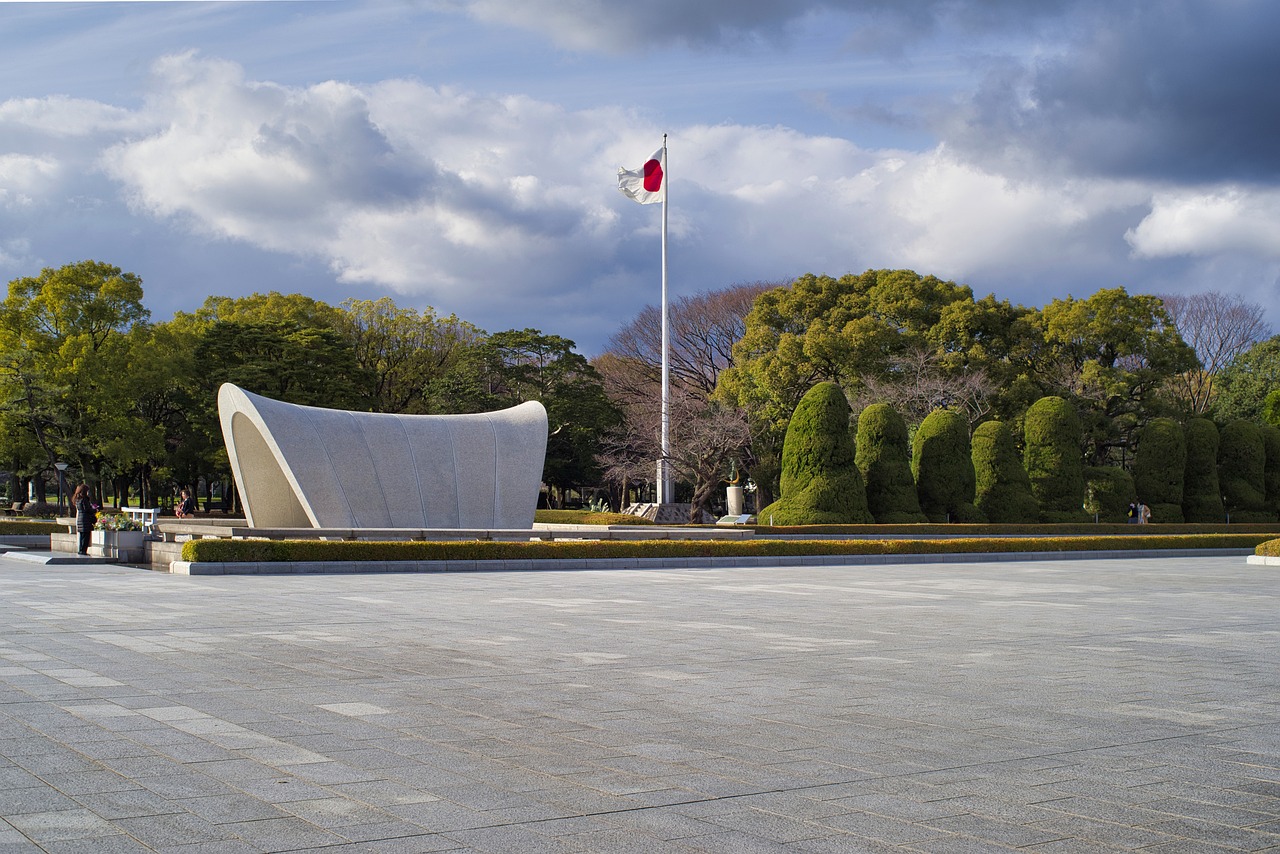
Quiet paths and powerful context in the city’s central memorial spaces
Many travellers describe Hiroshima Peace Memorial Park, the Hiroshima Peace Memorial Museum, and the Atomic Bomb Dome as more than a stop—more like an act of witness. If you’re sensitive to heavy history, it helps to plan your timing and give yourself emotional space; visiting the Hiroshima Peace Memorial can be profoundly moving, and you deserve to experience it with support rather than pressure. A guided walk can add context, but silence is also part of the experience.
The context matters: on August 6, 1945, an atomic bomb was dropped on the city. When we speak of the bombing here, we do so with restraint—because this is not a spectacle, but a human story held carefully in place. Give yourself permission to pause, sit, and breathe before moving on.
Hiroshima Peace Memorial Park: walking the memorial park from Cenotaph to Peace Flame
The memorial park is designed for quiet walking, with a sense of alignment that feels intentional and tender. Move slowly between the cenotaph, the children’s peace monument, and the peace flame, allowing the spaces between them to speak. Each monument offers a different lens—grief, remembrance, and an insistence on peace.
Local guides often share personal stories of the city’s recovery and growth, and those insights can change how you read the landscape. Rather than delivering facts alone, the best guiding feels human: names remembered, lives honoured, and resilience held up without simplifying the pain of the bombing. If you’re taking a private tour, ask your guide to include a short pause for stillness—no narration, just presence.
Hiroshima Peace Memorial Museum: timed entry, context, and the A-Bomb Dome
The museum is the central attraction for understanding what the atomic bomb did to individuals and families, including a-bomb victims. Book timed entry if possible, and arrive early so you can move at your own pace; it’s common to feel emotionally raw afterwards, even if you consider yourself well-prepared.
Plan a decompression stop—perhaps a quiet café or a slow riverside walk—before you continue. This is where the day’s design matters: the museum can be intense, and giving yourself time is a form of care.
From there, approach the a-bomb dome with the same gentleness. The Hiroshima Peace Memorial landmark known as the Atomic Bomb Dome—also called the Hiroshima Prefectural Industrial Promotion Hall—stands as a symbol of peace and a sober reminder of the bombing. Photos are appropriate, but aim for respectful distance, avoid playful posing, and consider river-route viewpoints that frame it quietly within the city.
Transition: After the weight of the peace park, the next day’s sea air can feel like a calm breath returning to the body.
Miyajima Island day trip: Itsukushima Shrine, floating torii, and Seto Inland Sea
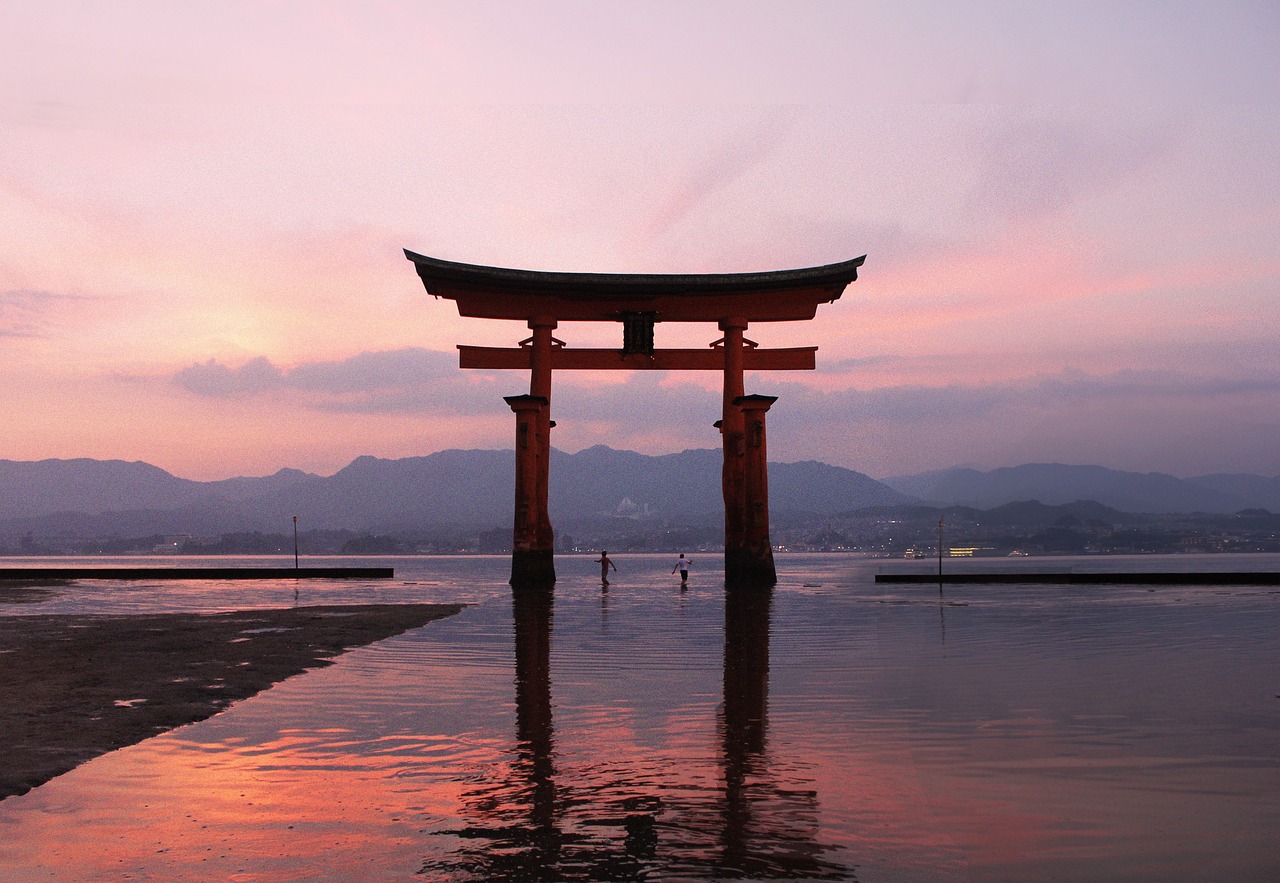
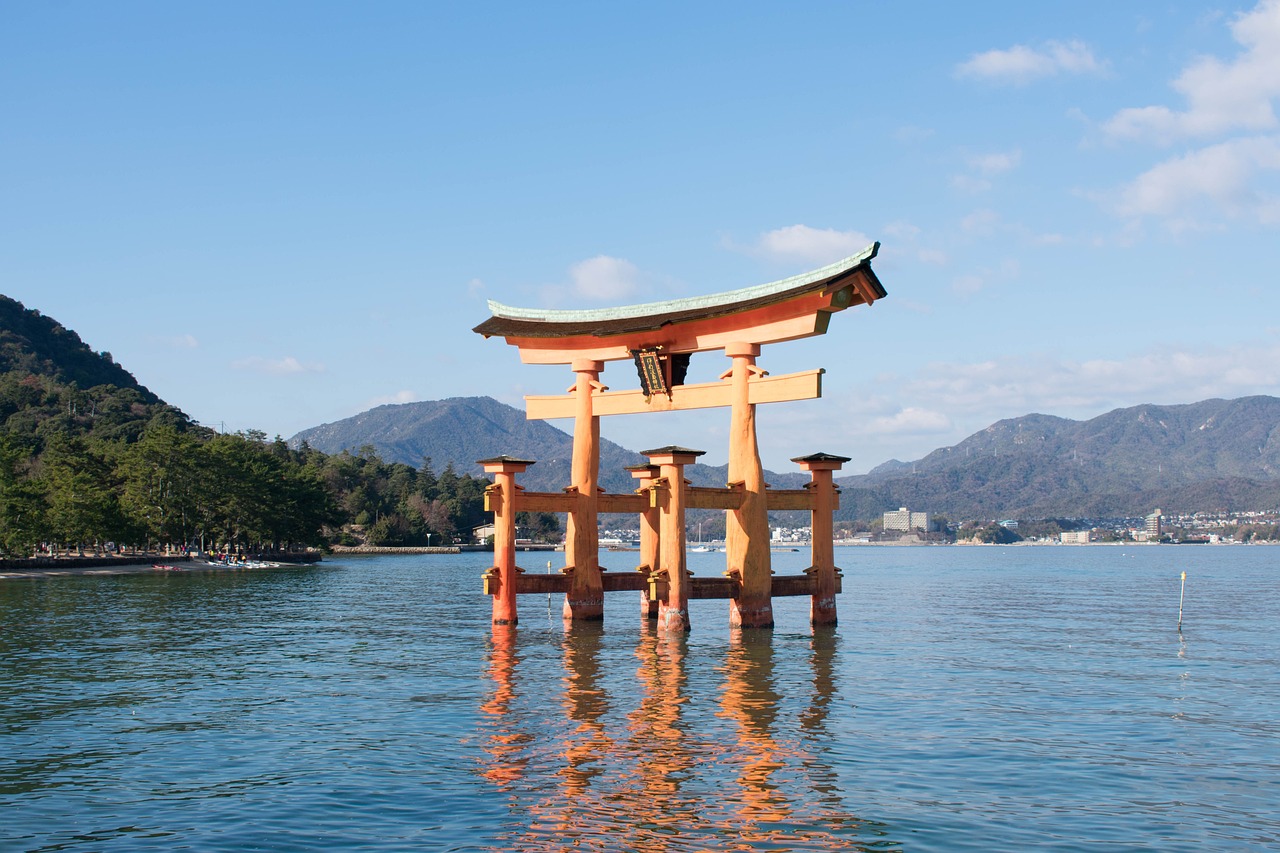
A graceful island pairing: shrine architecture and sea views across the seto inland sea
A miyajima island day trip is the most natural pairing with Hiroshima—beauty and stillness beside history and resolve. The journey is easy, but it’s worth designing well so you’re not navigating crowds at the exact moment you want calm; if you plan to visit Miyajima with ease, think early departures, lighter layers, and an unhurried return.
For many high-end travellers, Miyajima becomes the quiet heart of the trip—not because it’s empty, but because the atmosphere encourages you to soften your pace. If you can visit Hiroshima slowly, you’ll feel this contrast more clearly: the city’s grounded energy, then the island’s hush.
Ferry to Miyajima: schedules, ferry ride, and day trip pacing
From Hiroshima, you’ll connect to the ferry for the crossing—simple, scenic, and reassuringly routine. Depending on your route, JR coverage may apply, which can make a ferry to Miyajima feel delightfully seamless. If you’re doing a day trip to Miyajima from the city centre, aim to leave early to protect your morning light and avoid peak mid-day arrivals, and treat the ferry ride from Hiroshima as part of the experience rather than pure transport.
- Best departure window: early morning for quieter shrine grounds and gentler photographs.
- Return timing: mid-to-late afternoon if you want a calm dinner back in Hiroshima; later if you want dusk atmosphere on the water.
- Comfort notes: bring water, wear supportive shoes, and keep a light layer for breezes on the ferry ride.
If you’re trying to do Miyajima in one day, the key is not to over-stack activities. Choose one elevated viewpoint (ropeway or a quiet hike) and one long shoreline wander, and let that be enough—this is a day trip that rewards space.
Itsukushima Shrine: floating shrine torii gate and high tide views
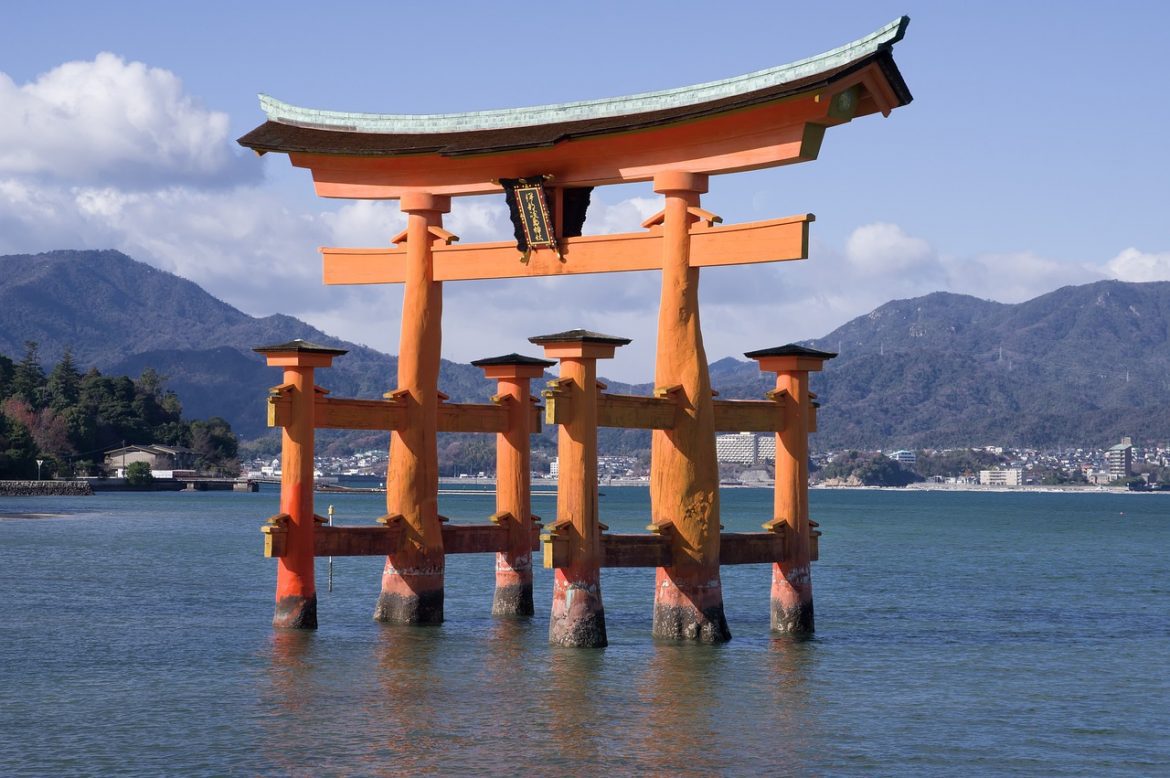
The centrepiece is itsukushima shrine, a heritage site of rare grace set over the water. The iconic shrine gate—the floating shrine torii—changes character with the tide: at high tide it appears to hover above the sea; at low tide, you can walk closer and see the textures of the seabed. If you can, see it twice: once in bright morning clarity, then again as the light mellows.
As you explore, keep your voice low and your movements unhurried. Miyajima rewards quiet attention: the creak of timber, the sound of water, the sense of something older than your itinerary. Many travellers recount a serene moment watching the torii at high tide, feeling a spiritual calm that deepens trust in the journey—especially if you visit Miyajima island before peak crowds.
For nature layers, follow the shoreline for open perspectives, or take the ropeway towards misen for a higher, quieter viewpoint. Back at ground level, omotesando is perfect for crafted souvenirs and snacks—just keep mindful pacing, and remember the deer are wild. Deer etiquette is simple: don’t feed them, keep food secured, and step aside if one becomes persistent.
Transition: With island stillness in your body, returning to the city makes room for lighter, design-led pleasures.
Discover Hiroshima beyond the memorials: Hiroshima Castle, gardens, and best things
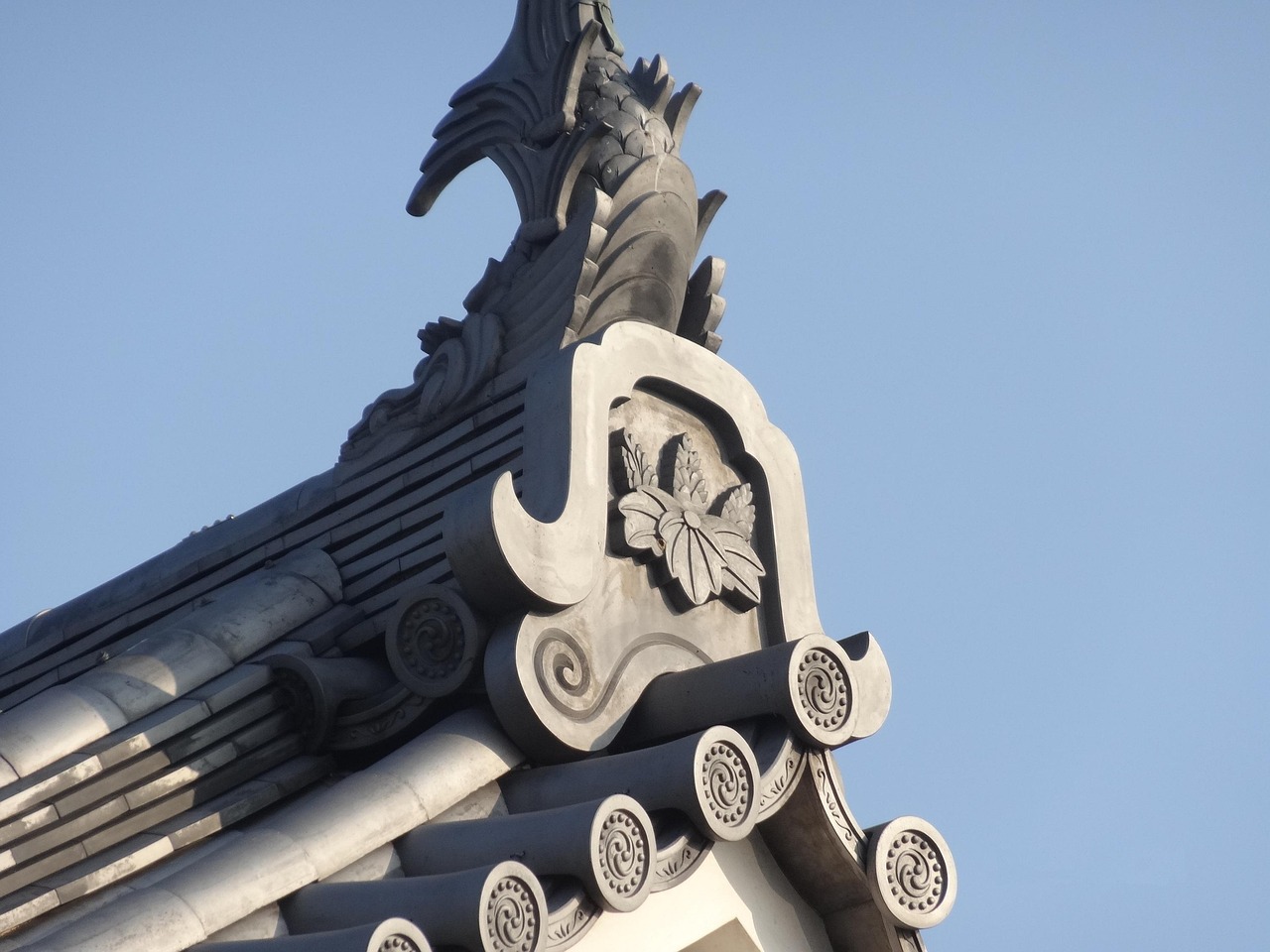
A quieter layer of the city: historic silhouettes, water, and everyday calm
To explore Hiroshima beyond the memorial spaces, this is where the city’s design-forward calm comes into focus. The answer is a beautifully balanced pairing: a story-rich castle visit, then a garden that restores your breathing—one of the best things about the destination is how quickly it can shift from intensity to ease without feeling like distraction. Keep it simple, and let the day feel curated rather than crowded.
These moments matter for high-end travellers because they keep the experience whole. You’re not trying to outrun history; you’re allowing beauty, craft, and everyday life to sit alongside it.
Hiroshima Castle: moat walks, exhibits, and photography angles
Hiroshima Castle is a modern reconstruction, but it still holds a strong presence—especially when approached slowly, with attention to the moat and framing trees. For photographers, the best approach is often to circle first, letting angles reveal themselves before you step inside. If you prefer a refined, unhurried visit, arrive earlier in the day and treat the interior exhibits as optional rather than mandatory.
It’s also a good place to ask a guide for a short architecture-focused layer. Even a brief, curated walk can uncover small design details that you’d otherwise miss—textures, proportions, and the way the castle site relates to water and sky.
Shukkeien Garden: seasonal beauty and a quiet reset
From the castle area, the garden offers a different kind of richness—quiet, restorative, and seasonal. In spring you’ll find delicate blossoms; in autumn, warm colours that make the pathways feel cinematic without being showy. This is where you create space for contemplation, letting the day settle and your body exhale.
For a calm around Hiroshima afternoon, weave in a café stop that feels local and personal, then follow a short walking route back towards the rivers. Keep logistics simple: taxis between sites if you want comfort, and slow strolls when you want texture. Optional add-ons that fit a luxury rhythm include a private architecture walk, a curated museum hour, or a tailor-made shopping pause on hondori—small, crafted choices that keep the day balanced rather than busy.
Transition: When the city has held you gently, dinner becomes less like a plan and more like a welcome.
Hiroshima food guide: okonomiyaki, ramen, oyster bars, and local nights
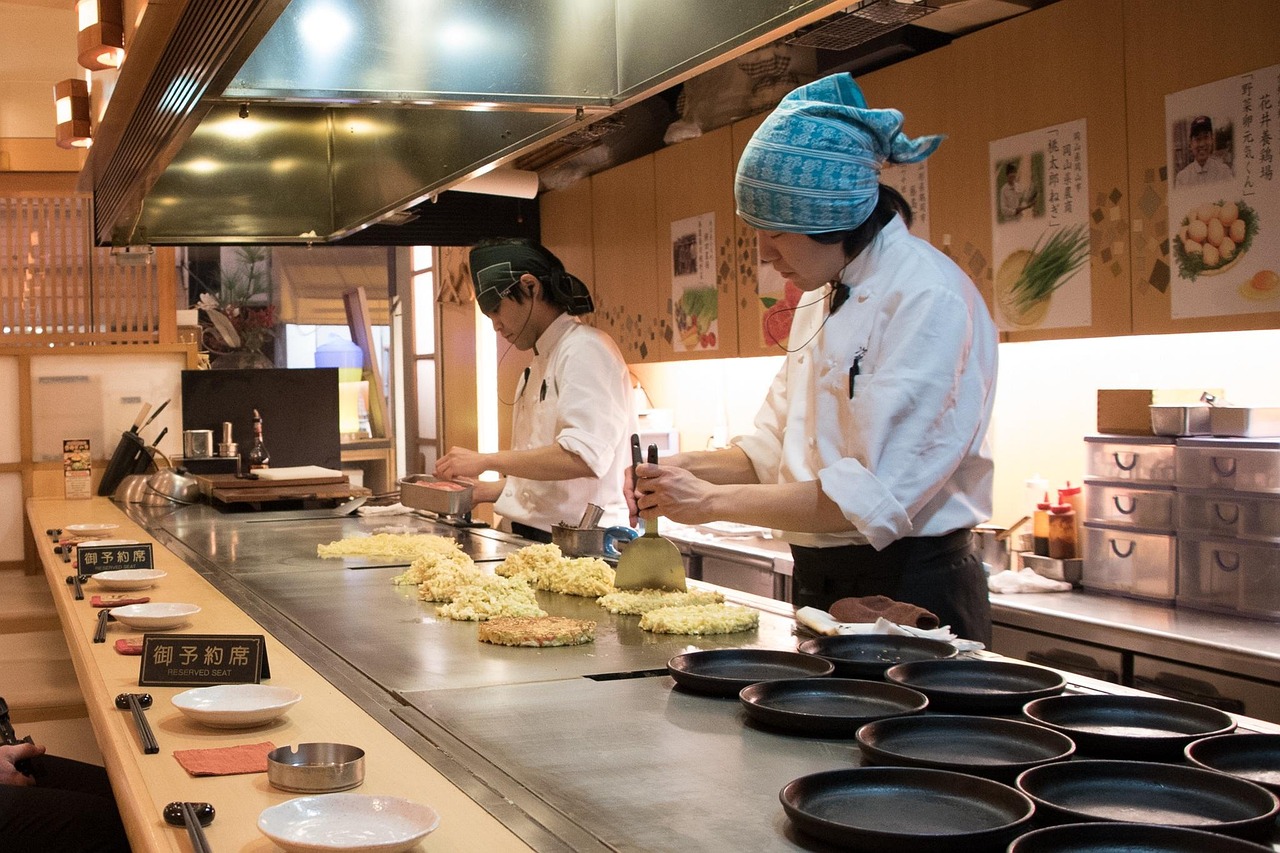
Local evenings in Hiroshima: counter dining, comforting classics, and easy hospitality
If you’ve been looking up the best local meals, you’re in for an evening that feels like a love letter from the city. Food here offers warmth without fuss—an easy kind of hospitality that helps you feel held after a day at the memorial park. For many travellers, this is where the emotional weight of the bombing stories gently releases, replaced by human connection and the simple pleasure of eating well.
Start with the signature: Hiroshima-style okonomiyaki, layered and cooked on a hot plate in front of you. It’s comforting, crafted, and surprisingly elegant in its method—especially when you watch the rhythm of the cook at the counter.
Okonomiyaki: where to eat and how to order with confidence
Ordering okonomiyaki can feel unfamiliar, but the counter experience is part of the charm—direct, local, and quietly theatrical. A classic stop is Okonomimura, where you’ll find 25 okonomiyaki restaurants under one roof, giving you choice without overwhelm. If you want the calmest experience, go early, choose a well-reviewed stall, and let the chef guide the pace.
- How to order: ask for the house special, and mention any dietary needs up front.
- How to eat: many locals use the small metal spatula; you can request chopsticks if you prefer.
- Quiet etiquette: keep voices low at the counter and avoid hovering behind seated diners.
When it lands in front of you—steaming, glossy, layered—it’s easy to understand why Hiroshima okonomiyaki is a point of pride. This is comfort that doesn’t need translation.
Ramen and oysters: a crafted noodle night in Hiroshima
For a refined noodle thread, try a late-night bowl of ramen as a soft landing after a long day. Queue strategy is simple: go slightly early, or choose a quieter neighbourhood spot recommended by your concierge; this is an easy way to end a day trip without overplanning.
Seafood is another local joy. Hiroshima is known for oyster specialities, often best in cooler months when the flavour is deep and clean. Pair a small plate of oysters with a crisp drink in an intimate bar, then finish with a dessert stop—something delicate and seasonal that keeps the evening feeling curated rather than heavy.
After everything the city asks you to hold, food becomes a bridge: local people welcoming you in, and you receiving that hospitality with care. It’s a gentle reminder that resilience is also built in everyday places—stools at a counter, a shared laugh, a warm dish placed in front of you with quiet pride.
Hiroshima travel reflection: Peace Memorial moments and island calm
In the days after a trip to Hiroshima, what often returns isn’t a checklist—it’s a feeling. The city of Hiroshima can leave you with a softer way of seeing: more attentive to small kindnesses, more willing to pause, more aware of how easily ordinary life can be changed by forces beyond it. Many people describe a personal shift after the museum, a renewed trust in peace, and a deeper respect for the human effort it takes to rebuild after the bombing.
There can be a quiet echo of walking through the memorial park, passing each monument with respectful stillness, noticing how others move and breathe in that space. You may find that the a-bomb history doesn’t sit as “information”, but as a gentle insistence—an invitation to live with more intention, and to hold empathy a little closer.
And then there is Miyajima, lingering like sea air caught in your clothes. The memory of itsukushima shrine and the floating torii can feel like a counterweight to sorrow: not an escape, but a calm reminder of beauty, continuity, and care. You might remember the hush at the water’s edge, the way the light changed, and the stillness that made you feel quietly accompanied even when you were alone.
In time, Hiroshima doesn’t ask you to carry it as heaviness. It stays as perspective—steady, human, and quietly enduring—so that when you next return to Japan, you do so with curiosity, gentleness, and a little more attention to what truly matters.
F.A.Qs: Things to Do in Hiroshima Japan (Best things + Miyajima day trip)
Quick answers for a calm, well-paced visit—history, island time, and local food
What not to miss in Hiroshima?
Don’t miss Peace Memorial Park, the Hiroshima Peace Memorial Museum, and the Atomic Bomb Dome for essential context and reflection. Balance that with a day trip to miyajima island to see itsukushima shrine and the floating torii gate. If time allows, add Hiroshima Castle for calmer, design-led moments, then finish with Hiroshima-style okonomiyaki for a local evening that feels genuinely welcoming.
Is Hiroshima worth visiting?
Yes—Hiroshima is worth visiting for the depth of its history, the dignity of its memorial spaces, and the city’s clear resilience. It’s also a beautiful place to visit Hiroshima slowly, with riverside walks, thoughtful museums, and easy connections to the island’s calm. For high-end travellers, it rewards those who want meaning alongside comfort, and who value a well-paced, human-centred experience.
Is Hiroshima dark tourism?
It can be approached that way, but it doesn’t have to be. Hiroshima’s memorial sites are best experienced as respectful learning and remembrance, not as spectacle. With a gentle pace, quiet etiquette, and time to decompress, visiting becomes an act of witness and empathy. Many travellers leave feeling more connected to peace and more attentive to everyday life, rather than feeling they have consumed a “dark” experience.
Is it okay for Americans to visit Hiroshima?
Yes, it’s okay for Americans to visit Hiroshima, and many do. The city welcomes visitors who arrive with respect, openness, and care—especially in memorial areas. A thoughtful visit focuses on listening and learning, acknowledging the human impact of the atomic bomb without defensiveness or performance. If you’re unsure how to navigate the emotions, a local guide can offer supportive context and help you engage in a way that feels sincere.