Post Contents
- Is Hakone worth visiting? A luxury day trip from Tokyo with the best things to do in Hakone
- Tokyo to Hakone: how to get to Hakone from Tokyo, Odawara transfers, and the Hakone Free Pass
- Gora art and gardens in Hakone Gora: Open-Air Museum, Gora Park, Pola Museum, and Venetian glass
- Ryokan accommodation and private onsen: hot spring bath rituals with Fuji views in Hakone
- The classic Hakone loop: Hakone Ropeway to Owakudani, Lake Ashi cruise, pirate ship, and Hakone Shrine torii gate
- What stays with you after Hakone, Japan: quiet moments, Mount Fuji memories, and the urge to return
- F.A.Qs: things to do in Hakone Japan
Is Hakone worth visiting? A luxury day trip from Tokyo with the best things to do in Hakone
Is Hakone worth visiting? A luxury day trip from Tokyo
If you’re asking whether things to do in Hakone Japan is truly more than a well-worn headline, the answer comes down to how you choose to explore Hakone. For design-minded travellers, Hakone isn’t just viewpoints—it’s a curated pause: cedar forests, calm water, sculptural museums, and the chance of seeing Fuji on a clear day. It’s also one of the easiest ways to soften the tempo of Tokyo without sacrificing comfort, aesthetics, or ease.
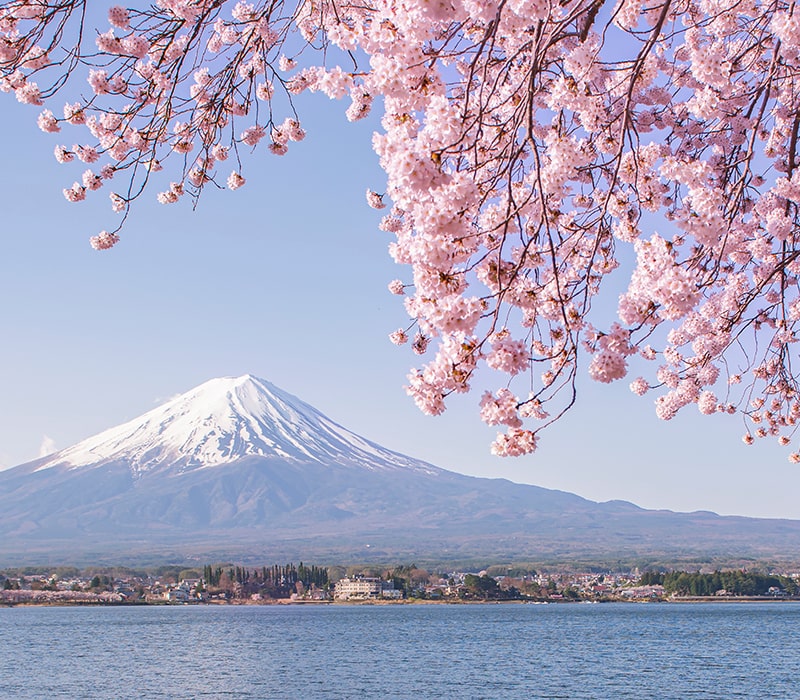
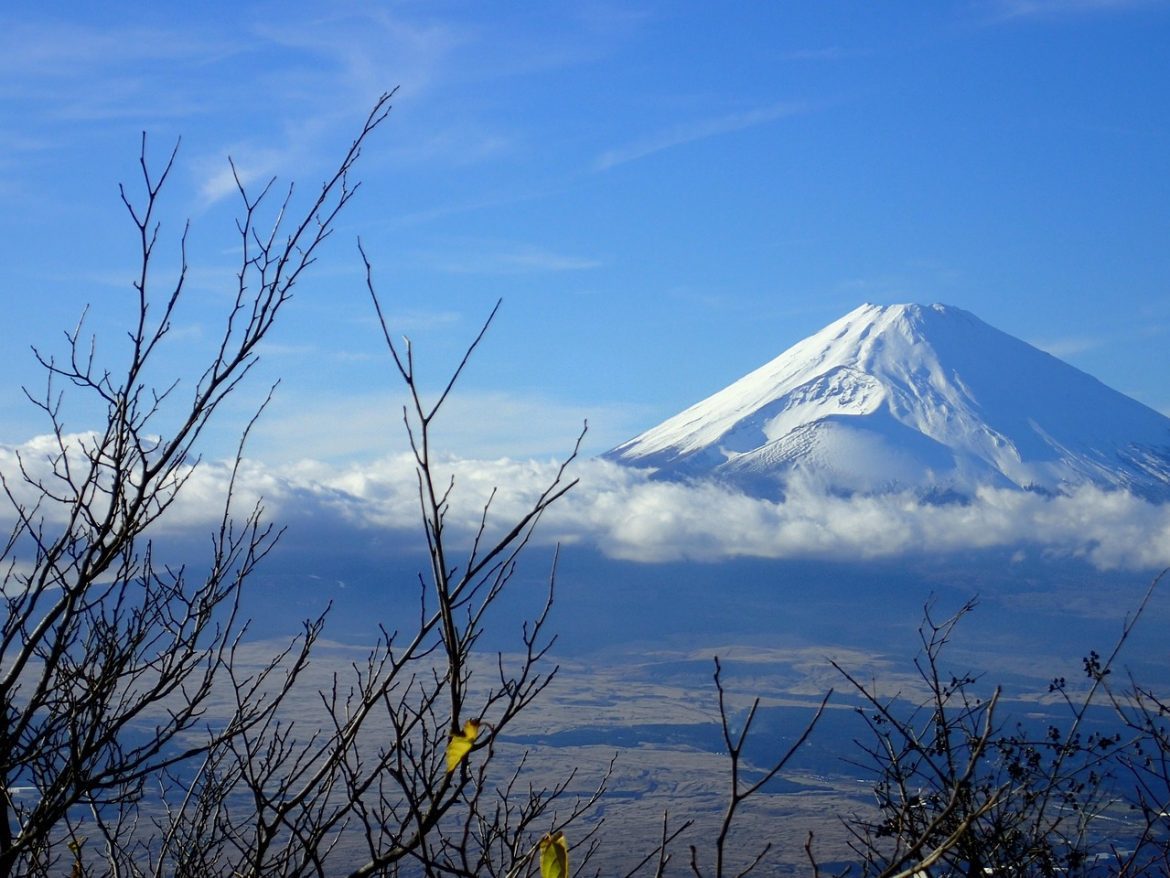
Hakone delivers natural beauty with a gentle sense of theatre: steam rising in the distance, a train climbing into the mountains, and sudden openings in the treeline that reveal Mount Fuji like a quiet surprise. If you’re coming for a single Hakone day, you can still find moments that feel private—especially if you start early and let the schedule breathe rather than chase every stop.
Hakone day trip versus stay in Hakone: which feels more luxurious?
A Hakone day trip works beautifully when you focus on one “loop” and one personal anchor moment—perhaps an unhurried lunch, time in a gallery, or a pre-booked bath. You’ll have enough time to visit Hakone’s headline scenes, but you’ll want to be selective, particularly on weekends when popular destinations fill quickly and transport lines can shape the day.
To stay in Hakone, even for one night, is to let the place settle around you. It opens space for a traditional dinner in a ryokan, a slow morning coffee, and an onsen soak without clock-watching. For high-end travellers, that added night often feels like the difference between “seeing” Hakone and truly being able to enjoy Hakone.
Best time to visit Hakone: cherry blossoms, autumn leaves, and a calm itinerary rhythm
The best time to visit Hakone is spring for cherry blossoms or late autumn for autumn leaves, when the landscape feels intentionally composed by nature. Weekdays tend to feel more exclusive: fewer queues, quieter museum rooms, and more chances to pause without being carried along by the crowd. Mountain weather changes quickly, so layer clothing and keep a light raincoat close—small choices that build confidence through the day.
Imagine arriving early: the air cool, the lake quiet, and the first light softening the ridgelines. You might begin with art in Hakone Gora, then follow the classic loop—ropeway, Owakudani, and Lake Ashi—before finishing with an onsen ritual. This flexible Hakone itinerary lets you choose your own emphasis: more culture, more stunning views, or simply more stillness.


Tokyo to Hakone: how to get to Hakone from Tokyo, Odawara transfers, and the Hakone Free Pass
Tokyo to Hakone: how to get there with passes and transfers
Planning Tokyo to Hakone connections is where a smooth trip to Hakone becomes truly seamless—especially if you’re doing a day trip from Tokyo and want the day to feel intentional, not rushed. Hakone is close enough to feel effortless, yet varied enough that your transfer choices matter. With the right approach—train timings, a pass strategy, and a clear plan for local connections—you can move from Tokyo into the Hakone area with calm rather than friction.
Two main rail options are most common. You can take the Shinkansen to Odawara and continue into Hakone, or use the Odakyu route (often favoured for through-services and pass integration). Both work; the best choice depends on whether you value speed, simplicity, or a pass that covers transport around Hakone.
Get to Hakone from Tokyo via Odawara or Odakyu: the simplest routes
To get to Hakone from Tokyo quickly, the Shinkansen to Odawara is the cleanest time-saving move—especially if you’re heading to a day tour meeting point or joining a private driver itinerary. From Odawara, you connect onward by local train or bus into the mountains. If you prefer an all-in-one rail narrative, Odakyu services from Tokyo can take you towards the gateway without as many changes, which many travellers find reassuring.
If you’re designing a high-end day tour, arrive earlier than you think you need. That single choice creates breathing space for coffee, lockers, and a calm transition at the train station, supporting the kind of day that feels crafted rather than compressed.
Hakone Free Pass and hubs like Hakone-Yumoto: smooth, low-decision travel
The Hakone Free Pass is often the most elegant solution for a self-led visit Hakone plan: it typically bundles trains, bus routes, boats, and ropeway segments so you’re not constantly buying tickets. Think of it as a “low-decision” tool—one that keeps the day smooth and keeps you present. If you’re comparing options, treat it as your Hakone pass baseline for value and convenience.
Arriving at Hakone-Yumoto Station (sometimes written as Hakone Yumoto Station) gives you practical advantages: coin lockers, luggage forwarding, and easy access to quick lunch options. If you’re travelling light, you can walk from Hakone Yumoto along riverside paths for a gentle start before heading uphill.
Getting around Hakone is straightforward once you accept one truth: the mountains set the pace. Use the local bus to bridge areas where trains don’t reach, and leave buffer time so you’re not watching the clock. For the most seamless experience—especially if you’re pairing museums with a timed onsen or a special meal—a private car hire can be the quiet luxury that ties the day together with confidence.
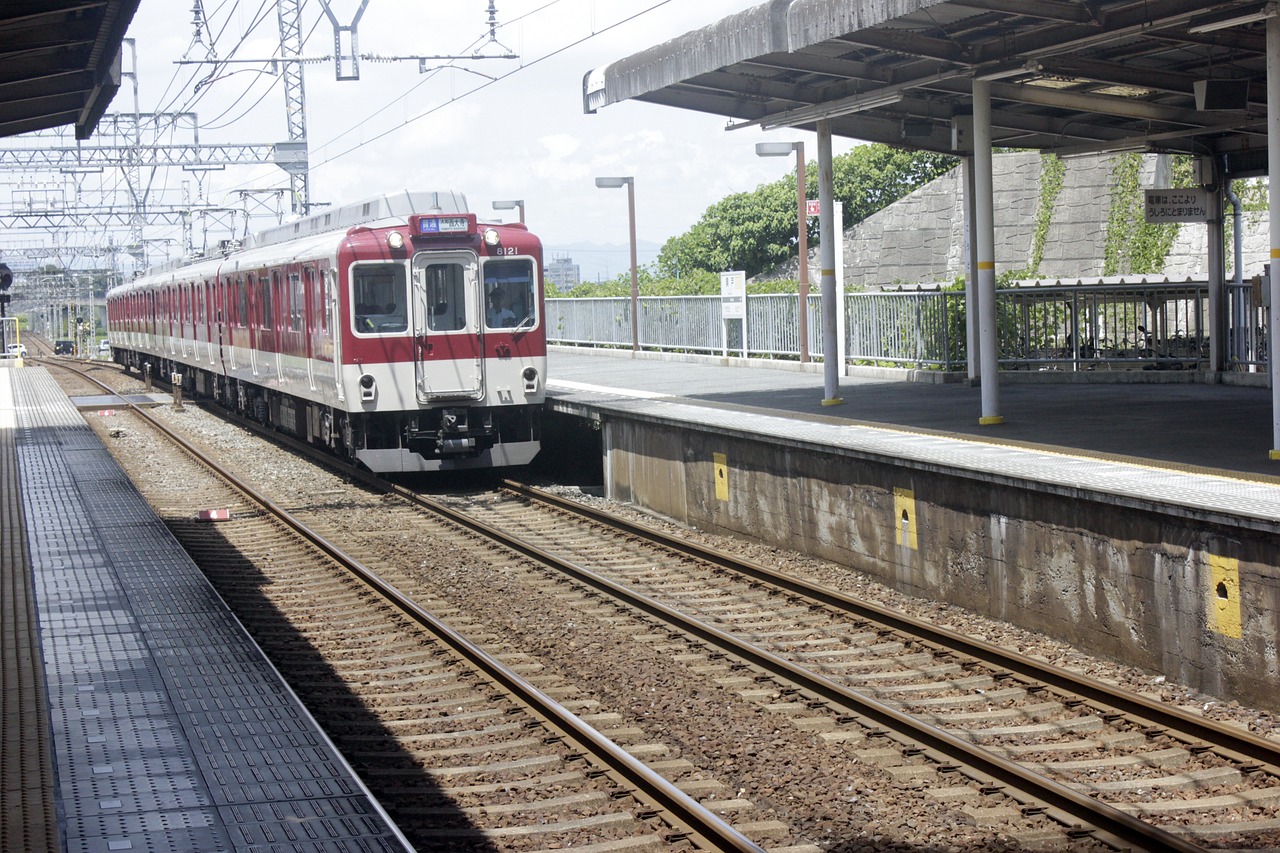
One scenic highlight is the Hakone Tozan line: the Hakone Tozan train climbs slowly through forested slopes, linking the gateway town to Gora. For many travellers, this is the most atmospheric way to transition from city to mountain, and it’s a perfect moment to notice the small details—hydrangea, mist, and the gentle pace of the tozan ascent.
If you’d like inspiration for a wider trip to Japan beyond Hakone, browse our Trip gallery for thoughtfully designed routes.
Gora art and gardens in Hakone Gora: Open-Air Museum, Gora Park, Pola Museum, and Venetian glass
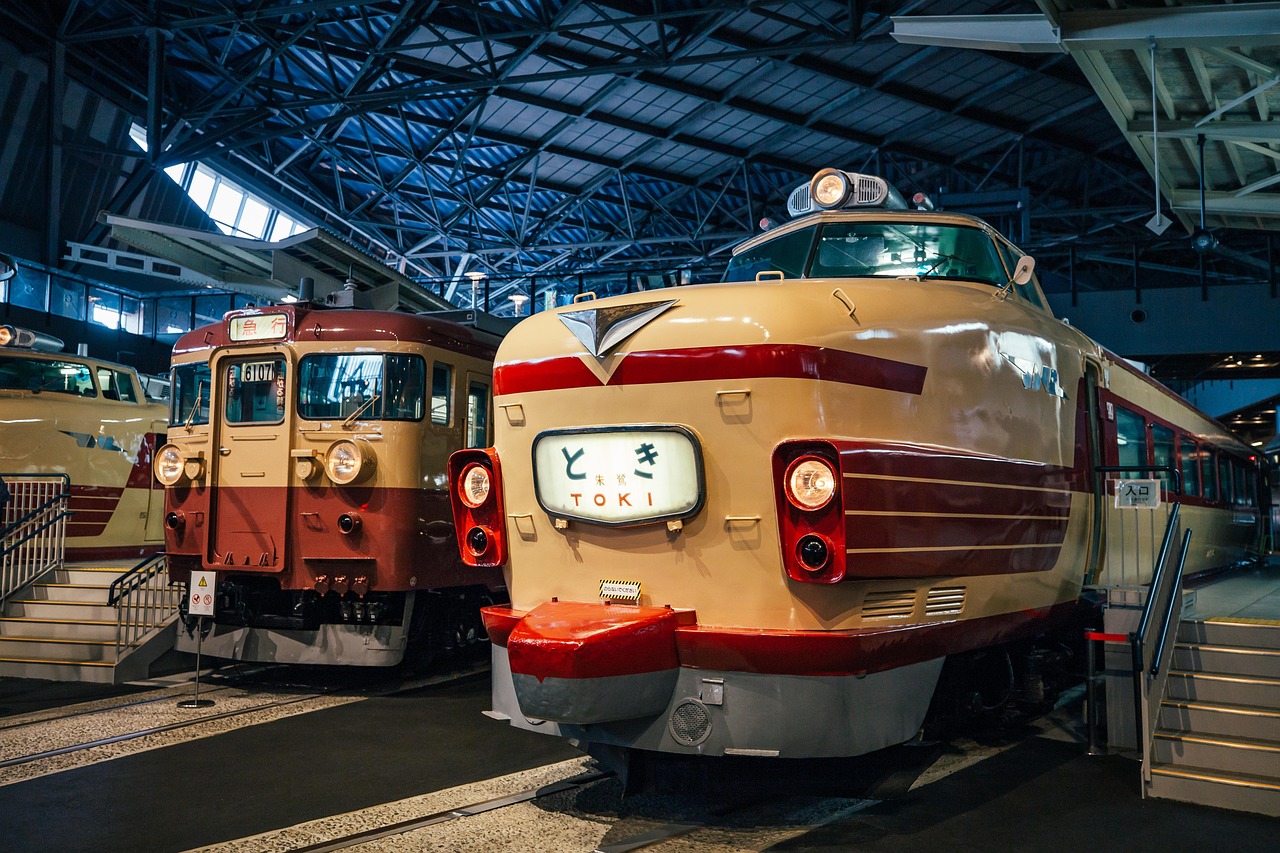
Gora art and gardens: Open-Air Museum and curated culture
To begin the day in Hakone Gora is to choose culture that feels alive, not formal. In Hakone Gora, the air is cooler and the hillsides bring a natural hush—an ideal setting to discover art that’s playful, profound, and refreshingly unpretentious. If you’re building a high-comfort plan, this is one of the easiest ways to add depth to the classic viewpoints.
The Hakone Open Air Museum (also written as Hakone Open-Air Museum or open-air museum) is a standout among attractions in Hakone because it doesn’t force you to choose between nature and design. Sculptures sit in wide lawns and tree-framed paths; you move at your own pace, letting weather and light become part of the exhibition. It’s the sort of place where travellers often feel most at ease: there’s space, beauty, and time to look properly.
Hakone Open-Air Museum: private guiding for deeper context
A traveller once told us their most moving Hakone memory wasn’t a “must-see” photograph—it was a personalised guided walk through the open-air museum. With a private guide offering gentle insight, the connection between modern art and the mountain setting became clear: why materials were chosen, how lines echoed the ridgelines, and how certain pieces were designed to be walked around, not simply viewed.
If you value deeper context, a guide is a form of support that elevates the experience without rushing it. You can still wander freely; you’re simply given a richer vocabulary for what you’re seeing. For many, that’s the difference between a pleasant stroll and a lasting creative spark.
Gora Park, Pola Museum, and a glass museum with Venetian glass and stained glass
After the museum, move gently rather than stacking too much. Gora Park is a calming pause with seasonal planting, a greenhouse, and simple viewpoints that feel especially peaceful in light drizzle. Because Hakone weather can shift quickly, keep layers handy and treat a raincoat as part of your comfort kit—small care, big difference.
For an additional cultural texture, the Pola Museum offers refined curation in a beautifully designed setting, while a glass museum brings a different kind of delight: Venetian glass, delicate detail, and luminous stained glass that catches the light like water. If you can, time it for quieter hours, when galleries feel more like private rooms than public spaces.
Logistics note: Gora station is the natural hinge point here. The Hakone mountain cable car and short taxi hops can save energy, and a well-paced plan will always include breathing space between stops—so you arrive at each experience ready to absorb it.
- What to carry in Gora: light layers, a compact raincoat, and comfortable shoes for gentle slopes.
- How to keep it luxurious: prioritise one major museum, one garden pause, then leave time for a slow lunch.
- Quiet confidence tip: pre-book any guided experience so your day feels crafted, not improvised.
Ryokan accommodation and private onsen: hot spring bath rituals with Fuji views in Hakone
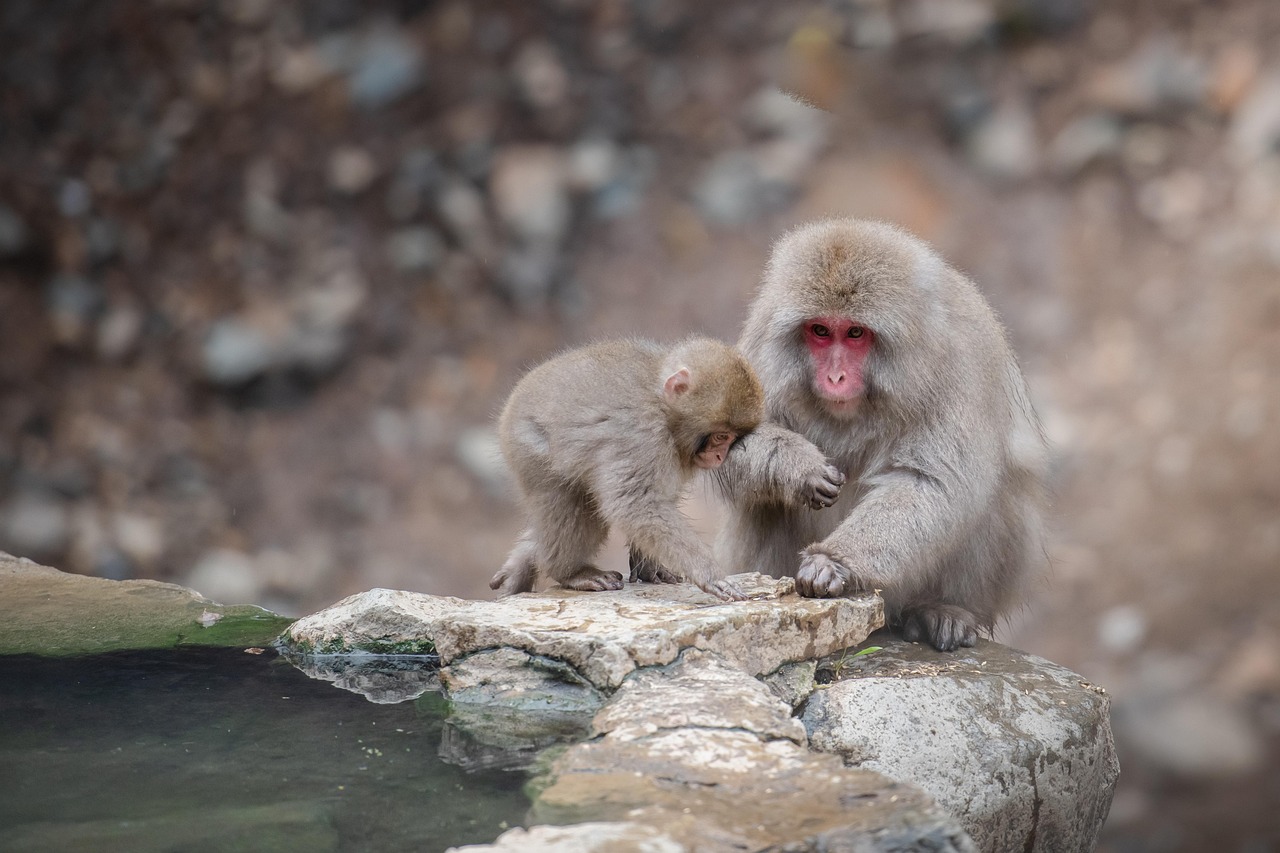
Ryokan accommodation and private onsen with Fuji views
When travellers describe the most restorative side of Hakone, they’re often pointing to a ryokan stay and onsen time—not because it’s flashy, but because it’s quietly complete. A ryokan invites you to slow down: thoughtful hospitality, beautiful rooms, and an atmosphere designed around rest. Even if you’re only doing a trip to Hakone for the day, understanding this rhythm helps you choose experiences that feel grounded and unhurried.
A traditional ryokan is less about “service” and more about care: the way meals arrive in courses, the softness of lighting, the calm of slippers on wooden floors. In Hakone, that calm pairs naturally with onsen culture—a warm counterpoint to mountain air and a perfect way to reset between sightseeing stops.
Private onsen and dawn Fuji views: the quiet luxury of stillness
One traveller shared a moment that still reads like a small poem: a secluded onsen at dawn, steam rising, silence all around, and the faint outline of Mt Fuji appearing as the sky cleared. Those views of Mt Fuji aren’t guaranteed—cloud and haze are part of the truth of the landscape—but when it happens, it can feel like Hakone is offering something personal.
This is where the luxury lies: not in excess, but in permission to pause. A private onsen lets you soak without self-consciousness, especially if you’re new to Japanese bathing culture. If you’re lucky enough to have fuji views, keep the moment simple—no music, no phone, just the sound of water and the steadying warmth of the bath.
Onsen etiquette, tattoo policies, and a little reassurance for first-timers
Onsen etiquette can feel intimidating until it’s explained with warmth. You bathe naked, you wash thoroughly before entering the hot spring bath, and you keep voices quiet. Towels do not go into the water; they’re placed to the side or folded neatly on your head. This isn’t about rules for rules’ sake—it’s about mutual trust and shared comfort.
Tattoo restrictions vary. Some properties welcome tattoos with coverings or by arrangement; others don’t. Check policies in advance so you can choose your accommodation with confidence rather than worrying on arrival.
For high-end travellers, the key is clarity around “private”. Sometimes it means an in-room bath; sometimes it’s a reservable onsen space used by one party at a time. Book early during peak seasons—especially spring and autumn—so your preferred ryokan isn’t the only thing you miss.
After bathing, hydrate, moisturise, and give yourself time to re-enter the day gently. In Hakone, a good soak should feel restorative, not like a box ticked between transfers.
The classic Hakone loop: Hakone Ropeway to Owakudani, Lake Ashi cruise, pirate ship, and Hakone Shrine torii gate
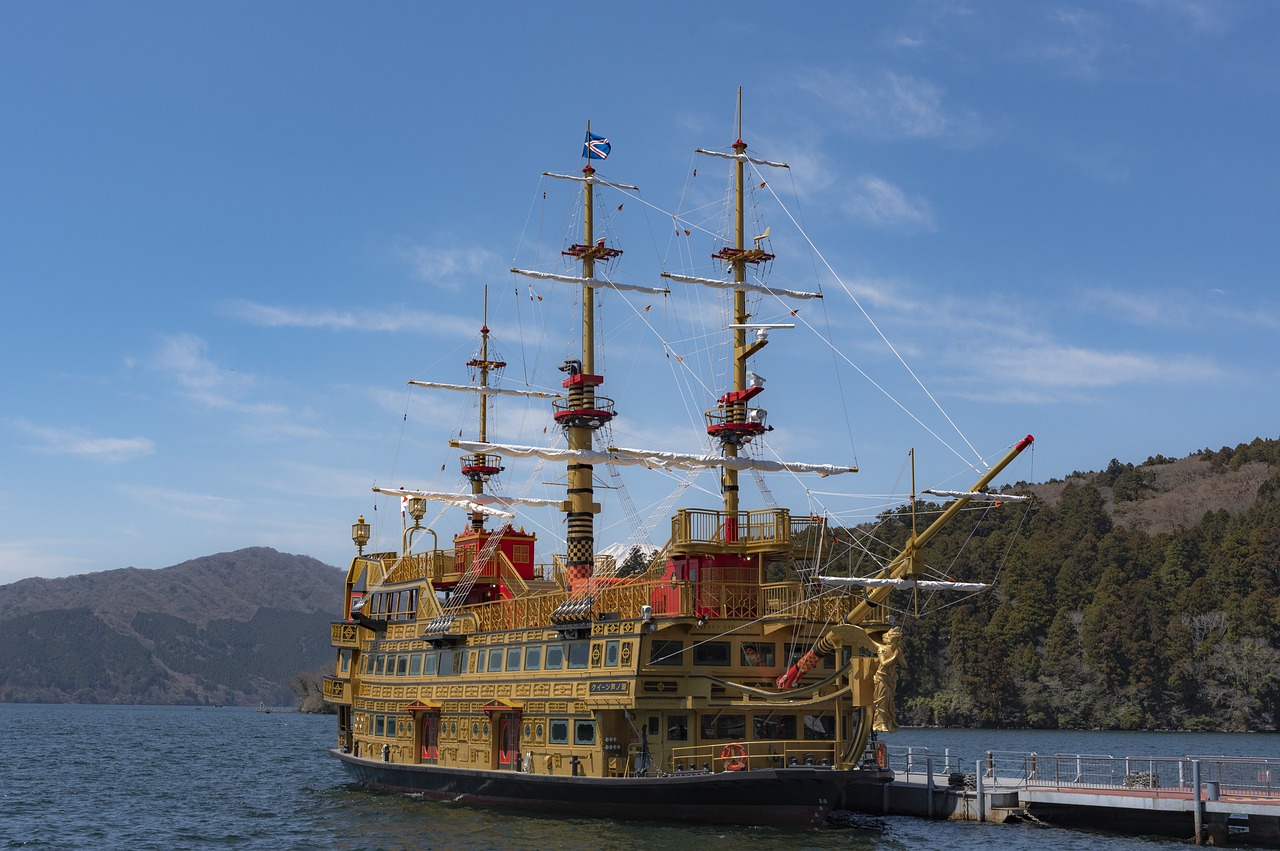
The classic Hakone loop: ropeway, Owakudani, Lake Ashi, and shrine
When people list ropeway, Owakudani, Lake Ashi, and the shrine, they’re describing the classic Hakone loop—the route that lets you explore Hakone in a single sweep. Done well, it doesn’t feel like a checklist. It feels like a scenic narrative: rising into volcanic terrain, descending to water, then stepping into cedar shade at a shrine.
Start by heading towards Sounzan station (often reached via the mountain cable car) to ride the Hakone Ropeway. As the gondola lifts, you watch the landscape shift from forest to exposed earth. On a clear day, you may catch fuji views hovering beyond the ridgelines; if your main aim is to see Fuji, go earlier when visibility is often better.
Owakudani volcanic valley: dramatic landscapes and the famous black egg
Owakudani is dramatic: steaming vents, sulphur scent, and a sense of raw geology. Enjoy it as a short, high-impact stop rather than a long linger. Try the famous black egg (kuro-tamago) if you’re curious—part snack, part local ritual—and then step away from the busiest viewing points for a calmer perspective.
If you’re travelling with a private driver, you can time this stop to avoid the sharpest crowds. If you’re using the pass, be patient and keep your plan flexible; this destination works best when you let the mountains set the rhythm.
Lake Ashi sightseeing cruise: pirate ship fun and Hakone Shrine’s torii gate
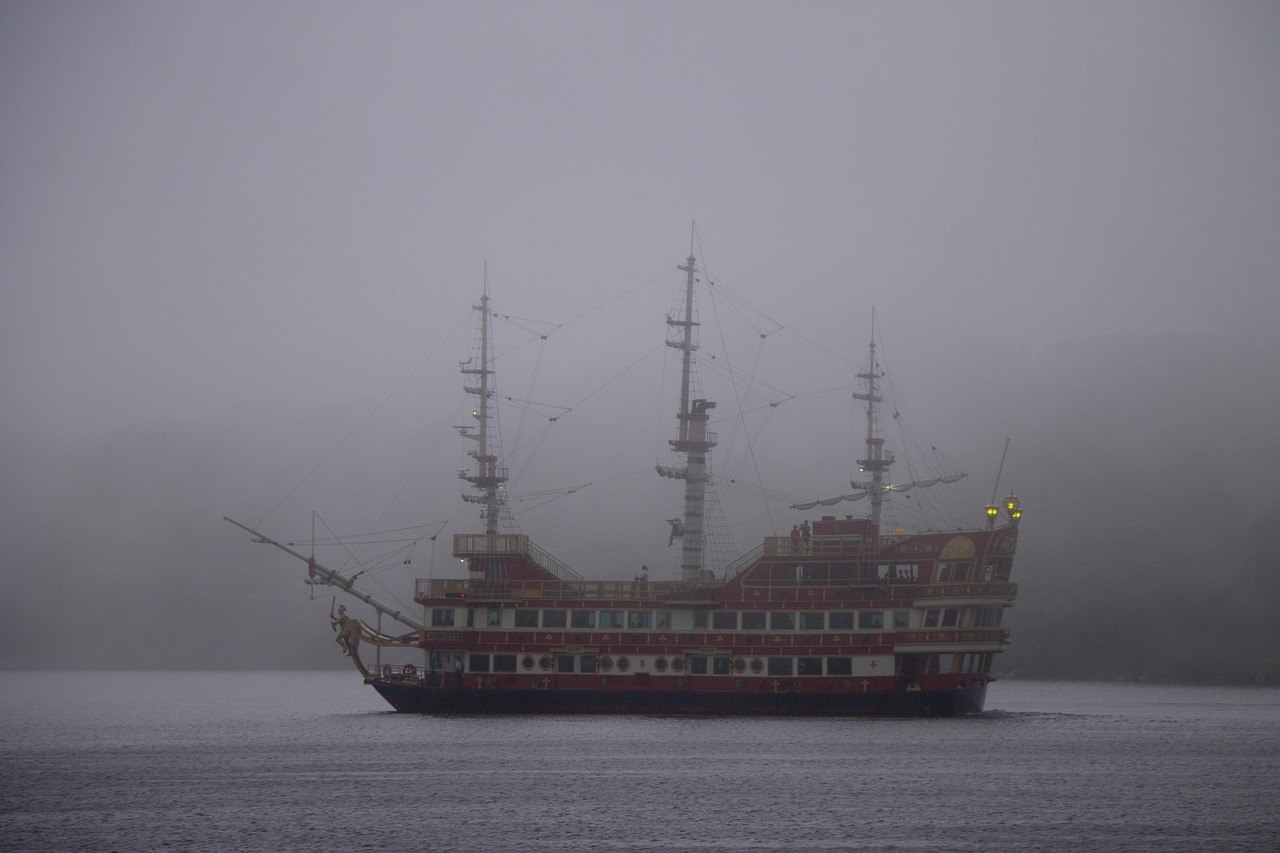
From Owakudani, descend towards Lake Ashi (also called Lake Ashinoko). A sightseeing cruise is one of the most serene ways to take in the water and surrounding slopes, while the playful pirate ship option adds a theatrical edge—surprisingly enjoyable even for grown-up travellers. If you’re travelling with friends or family, lean into the fun: the pirate styling is memorable, and the open decks are excellent for photos.
A couple once described their sunset cruise on Lake Ashi as the moment Hakone became unforgettable. The light softened, the mountains turned painterly, and they captured views of Lake Ashi that felt almost staged—then, near the shore of Lake Ashi, the red torii gate appeared like a quiet punctuation mark.
To visit Hakone Shrine, approach with respect and time. The iconic gate sits on the waterline, and it’s worth waiting for a quieter window rather than forcing a quick photo. If you can, arrive with the mindset of a guest: speak softly, move gently, and let the cedar scent and filtered light do what they do best.
For a final layer of heritage, walk the historic Hakone Checkpoint on the old Tokaido Trail and imagine the Edo period travellers who once paused here under watchful eyes. On an exceptionally clear day, the Komagatake Ropeway is an optional high vantage point—less essential than the main loop, but quietly spectacular when the sky cooperates and you want wider Fuji views.
- Timing tip: aim for the ropeway earlier for the best chance of mount fuji visibility.
- Comfort tip: keep a light snack and water; queues and altitude can be dehydrating.
- Photography tip: for the torii gate, patience is the most luxurious tool you have.
What stays with you after Hakone, Japan: quiet moments, Mount Fuji memories, and the urge to return
In the days after Hakone, it’s rarely the big sights that return first. It’s smaller impressions: the scent of cedar near the shrine, the soft click of shoes on a museum path, the way steam curls into cool air. Hakone Japan lingers like a calm design choice you didn’t realise you needed until you felt it working on you.
You may remember the hush of an onsen—how the world narrowed to water, warmth, and breath—and how your thoughts stopped performing. Or perhaps it’s the light shifting over lake and ridgelines, turning the familiar idea of “scenery” into something more intimate. In Hakone, even the space between places can feel meaningful, as if the journey itself is part of the art.
Going back to Tokyo can feel like changing rooms: the pulse returns, the pace quickens, and the city’s energy gathers you up again. Yet the contrast can be a gift. You carry forward a sense of what it feels like to move with care, to choose with intention, and to trust that a trip can be both beautiful and kind to your nervous system.
Perhaps that’s the quiet lesson Hakone offers. Travel is something we create—and when it’s done well, something we design with attention to comfort, mood, and the local spirit of a place. If you’re planning a return, consider exploring more around Hakone next time: a slower lakeside morning, a second museum, or an extra onsen stop that turns a simple visit into a small ritual.
And if, one morning, you find yourself thinking of dawn mist, a distant outline of Fuji, and the feeling of being newly restored, you’ll know Hakone is still there—waiting in another season, unhurried, whenever curiosity gently brings you back.
F.A.Qs: things to do in Hakone Japan
What not to miss in Hakone on a day trip?
Don’t miss the Hakone Open-Air Museum for art in nature, a ride on the Hakone Ropeway above Owakudani, and time on Lake Ashi for a sightseeing cruise and photos of the torii gate by Hakone Shrine. If you can, add a hot spring soak—ideally an onsen with privacy—so the day feels restorative rather than simply scenic.
Is Hakone in Japan worth visiting from Tokyo?
Yes—Hakone is worth visiting if you want a softer rhythm than Tokyo with a strong mix of landscape, culture, and onsen tradition. Even as a day trip, it delivers memorable contrasts: volcanic valleys, calm lakeside views, and, on a clear day, the chance to see Mount Fuji.
What is Hakone best known for?
Hakone is best known for its hot spring culture, views towards Fuji, the Hakone Ropeway over Owakudani, and Lake Ashi cruises with the iconic red torii gate near Hakone Shrine. It’s also known for refined art experiences in Gora, including the open-air museum.
Is 2 days enough in Hakone for a ryokan stay?
Two days is enough in Hakone for a relaxed pace: one day for the classic loop (ropeway, Owakudani, Lake Ashi and the shrine) and another for museums in Gora plus an unhurried ryokan stay. With one night, you can enjoy onsen time without rushing and wake to mountain calm.