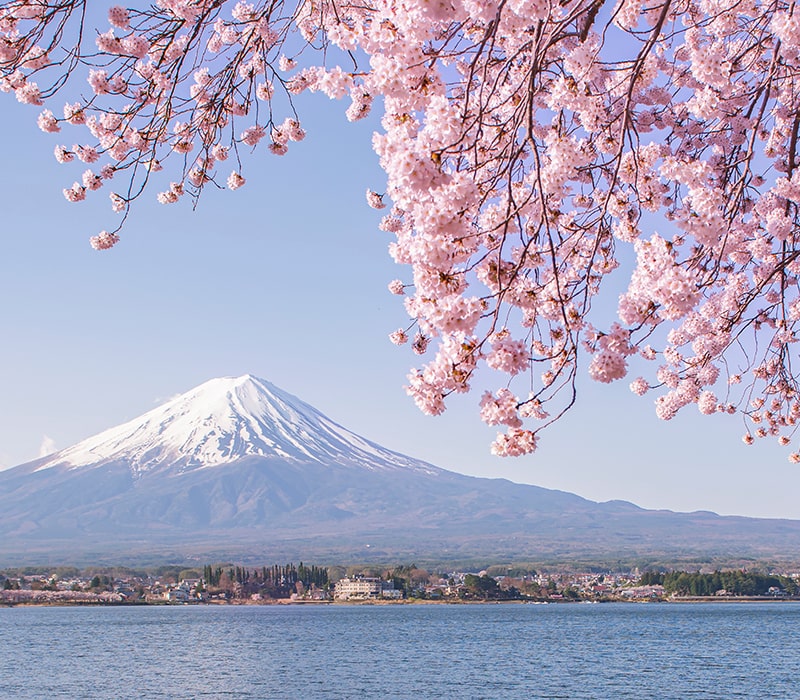
Post Contents
- Arrive at Odawara Station – Easy Day Trip from Tokyo via the JR Tokaido Line
- Odawara Castle in Odawara Japan – Hojo clan roots, samurai history, and timeless character
- Hands-on Local Culture in Odawara Japan – Washi workshops, pottery, and crafted souvenirs
- Spring blooms at Odawara Plum Festival – bairin walks, Odawara plum, and seasonal scenery
- Seafood and kamaboko in Odawara – fish market finds, fishing port mornings, and local sake
- Hakone day trip from Odawara Japan – Hakone-Yumoto, hot spring time, and ryokan calm
- What Stayed With Me After Odawara Japan – reflections on castle grounds, Odawara Castle, and Hakone
- F.A.Qs: Odawara Japan travel basics for Tokyo day trips and Hakone connections
Arrive at Odawara Station – Easy Day Trip from Tokyo via the JR Tokaido Line

Arrive at Odawara Station and map out an easy Tokyo day trip
If you’re planning Odawara Japan as a calm break from Tokyo, the best part is how quickly the city noise falls away. To arrive at Odawara Station, you can take the bullet train and get in within 1 hour 20 minutes, or ride the JR Tokaido Line for a slower, more local start—either way, the journey feels reassuringly straightforward. This corner of Odawara city sits in Kanagawa prefecture, a true transportation hub that makes it easy to link coast, castle, and mountains in one plan.
Tokyo to Odawara Station: shinkansen from Tokyo, exits, and first steps
From Tokyo, follow signs for the Tokaido Shinkansen—taking the shinkansen from Tokyo is the simplest option for most visitors—and you’ll be guided step-by-step with clear English wayfinding. Odawara’s role in the wider Kanto region means the station is designed for movement: platform exits funnel you towards taxis, a clearly marked bus stop, and the town centre. For many travellers, the first surprise is how walkable it feels—key sights begin within a 5-minute walk.
Passes, costs, and timing so you can sightsee before Hakone
If you’re going onwards to Hakone, an Odawara Hakone Pass can be excellent value for regional transport and selected attractions—especially if you’ll use multiple local lines and buses. A JR Pass can still make sense for a multi-city Japan itinerary, but for a focused Odawara-and-Hakone design, the regional pass often keeps things simpler. In peak seasons, reserve seats when you can, and aim to arrive earlier so you can sightsee before midday crowds gather.
- Arrival tip: step outside, take a breath, and orient yourself—Odawara’s centre feels calm and compact.
- First steps: keep your morning flexible for markets and castle grounds, then craft and cafés later.
- Micro-etiquette: quiet voices on trains, gentle queuing, and a small bow when receiving help goes a long way.
That final point matters: Japan rewards care. You don’t need to overthink it—just move thoughtfully, and the day opens up with surprising warmth.


Odawara Castle in Odawara Japan – Hojo clan roots, samurai history, and timeless character
For anyone searching Odawara Castle Japan Hojo clan samurai history, this is the emotional centre of the city—an elegant, reconstructed landmark that anchors the town’s identity. Walking into the castle grounds is a shift in pace: you feel the hush of old stone, wide paths, and careful landscaping that asks you to slow down. Inside, the museum-style exhibits lay out a clear timeline of local power, daily life, and the people who shaped the region.
Hojo power and Toyotomi Hideyoshi: 1590, Tokaido post town life, and a castle town hub
The Hojo clan shaped this stronghold and the wider region, with a legacy that culminated in 1590 when Toyotomi Hideyoshi (Toyotomi, Hideyoshi) re-ordered power across Japan. During the Edo period, Odawara grew as a strategic post town on the Tokaido, and the area functioned as a true castle town where travellers, samurai, and merchants overlapped. It’s worth noting too that parts of the site were destroyed by an earthquake—the careful rebuilding you see today is a testament to local pride.
Samurai, ninja, and the samurai museum: armor, exhibits, and projection mapping
Adventure seekers often want a story they can feel, not just read. Look for displays connected to samurai life and samurai culture: helmets, blades, and (when exhibited) a suit of samurai armor—the kind of samurai armor that makes the past feel suddenly human. The main galleries function like a compact samurai museum, and you may also spot references to ninja folklore used to bring younger visitors into the story. If you’re keen to go deeper, check whether smaller nearby exhibits—such as the Tokiwa Kimon Samurai Museum—are open during your visit, and keep an eye out for special events like evening illuminations or projection mapping that sometimes bring the site to life.
Climbing the castle tower is a gentle challenge: stairs, pauses, then a rewarding reveal. The top floor and observation deck are best in late afternoon when the light softens and photographers become quieter.
A traveller once described reaching the tower at sunset and watching Sagami Bay glow as if the horizon had been brushed with gold. It wasn’t dramatic in a loud way—more a private, personal moment that gave the whole day shape and meaning.
A sacred pause at Hotoku Ninomiya Shrine beside Odawara Castle Park
Just beside the castle, a visit to Hotoku Ninomiya Shrine adds a calm, reflective note. The shrine honours Ninomiya Sontoku (Ninomiya), and “Sontoku” is still associated with diligence, learning, and community care. Speak softly, follow the flow of visitors, and remember: when entering traditional interiors, removing shoes is part of that quiet mutual trust.
As you leave, take a slow loop through Odawara Castle Park—even five minutes here can steady the rest of your itinerary.
Hands-on Local Culture in Odawara Japan – Washi workshops, pottery, and crafted souvenirs

Hands-on craft workshops in Odawara’s studios
When you look up Odawara Japan craft studios, you’re really looking for connection you can touch. Odawara’s workshops are intimate: you can create something with your hands, ask questions, and feel the rhythm of a working craft rather than a staged performance. For high-end travellers, it’s a rare kind of luxury—time, attention, and a made-by-you souvenir that carries real meaning.
Washi paper-making and pottery: traditional Japanese skills with calm guidance
A couple once told me their washi paper-making session changed how they travelled. Feeling wet fibres settle, lifting the frame, and watching the sheet dry made them braver about trying more local experiences—because the workshop offered gentle support and clear steps rooted in traditional Japanese methods. If pottery is more your style, look for glazing styles that echo coastal tones, and don’t be shy about asking how pieces are fired or packed for travel.
- Market manners: ask before photos, and handle items with two hands when possible.
- What to look for: artisan stamps, small-batch finishes, and pieces you’ll actually use at home.
- Takeaway: you’re not just buying—you’re uncovering a story.
Minaka Odawara: modern amenities, shopping, and a sun terrace reset
Slip Minaka Odawara into your afternoon as a well-designed pause. It blends traditional Japanese touches with modern amenities—ideal if you want a refined coffee, beautifully packaged gifts, and an easy-to-navigate environment. If the weather is kind, the sun terrace is a quiet place to recalibrate before your next chapter.
If you’ve explored craft in Kyoto, you’ll notice the contrast immediately. Kyoto can feel grand and gallery-like; Odawara feels personal, close-up, and conversational—still culturally rich, just scaled for human connection.
Spring blooms at Odawara Plum Festival – bairin walks, Odawara plum, and seasonal scenery
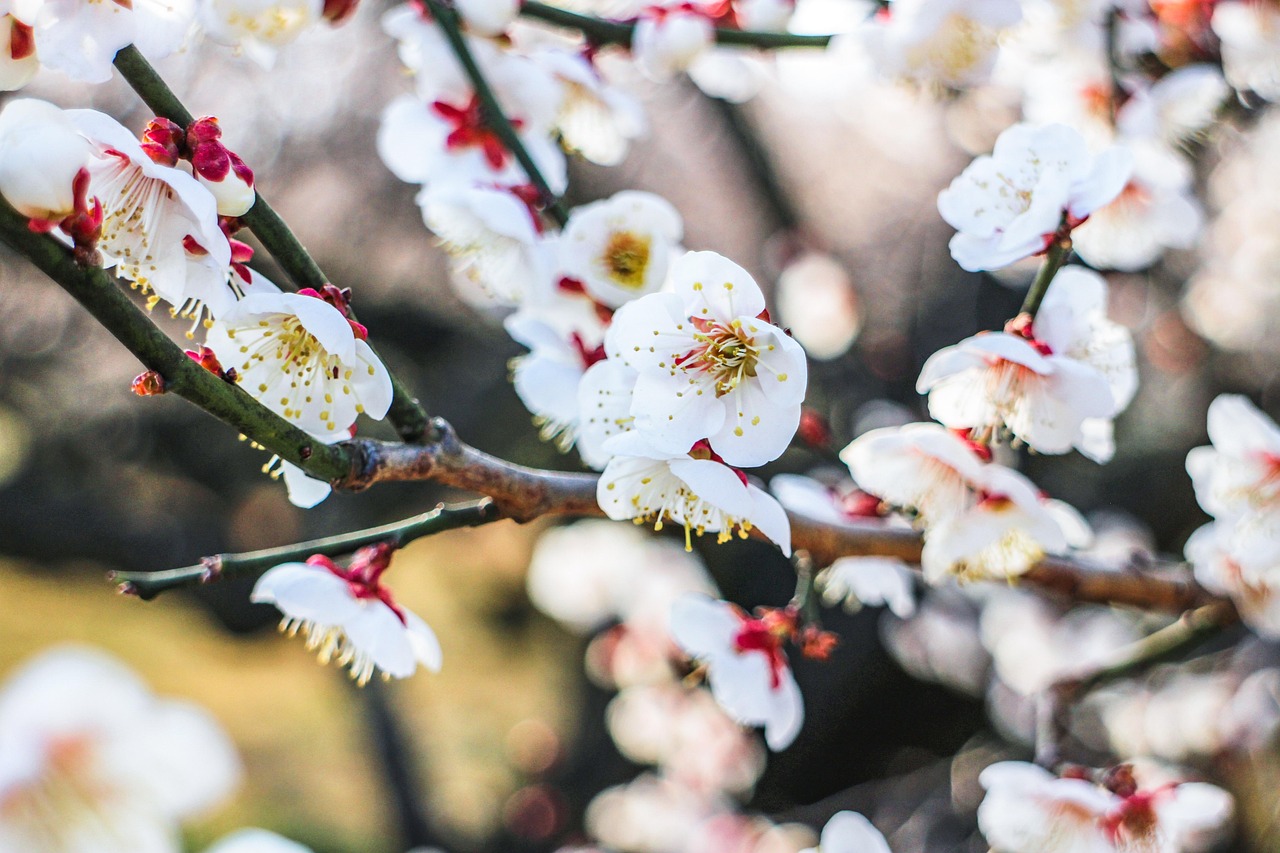
Spring blooms at Odawara bairin and festival days
For travellers timing a visit around the Odawara Plum Festival, the mood is quietly electric. From February to March, the bairin fills with plum trees, and the scent of plum can pull you into the present moment. This is odawara plum season at its most joyful, and it’s an easy way to feel part of everyday community life.
A gentle route through the Odawara Plum Grove for photos in late March
Design your walk with care: follow marked paths, step aside for families, and take photos without blocking narrow viewpoints. Bloom peaks can drift—some years the best colour nudges into late march, especially if winter lingers. If you’re travelling with a camera, early morning light is flattering and calmer.
Festival warmth, street food, and shrine manners
A group of friends once described arriving hungry, then staying for hours. They mingled with locals, tried seasonal snacks from small stalls, and found themselves dancing to traditional music—less a spectacle, more a shared celebration. It’s a reminder that culture isn’t always quiet; sometimes it’s laughter and steam rising from food you’ve never tasted before.
If your timing aligns, you may also catch cherry blossom in late march to early april. Compared with Tokyo’s headline spots, Odawara’s spring feels softer, with space to breathe and explore at your own pace.
One reassuring note: festival etiquette is simple. Respect any shrine boundaries, keep paths clear, and keep your voice mindful—especially near prayer areas.
Seafood and kamaboko in Odawara – fish market finds, fishing port mornings, and local sake
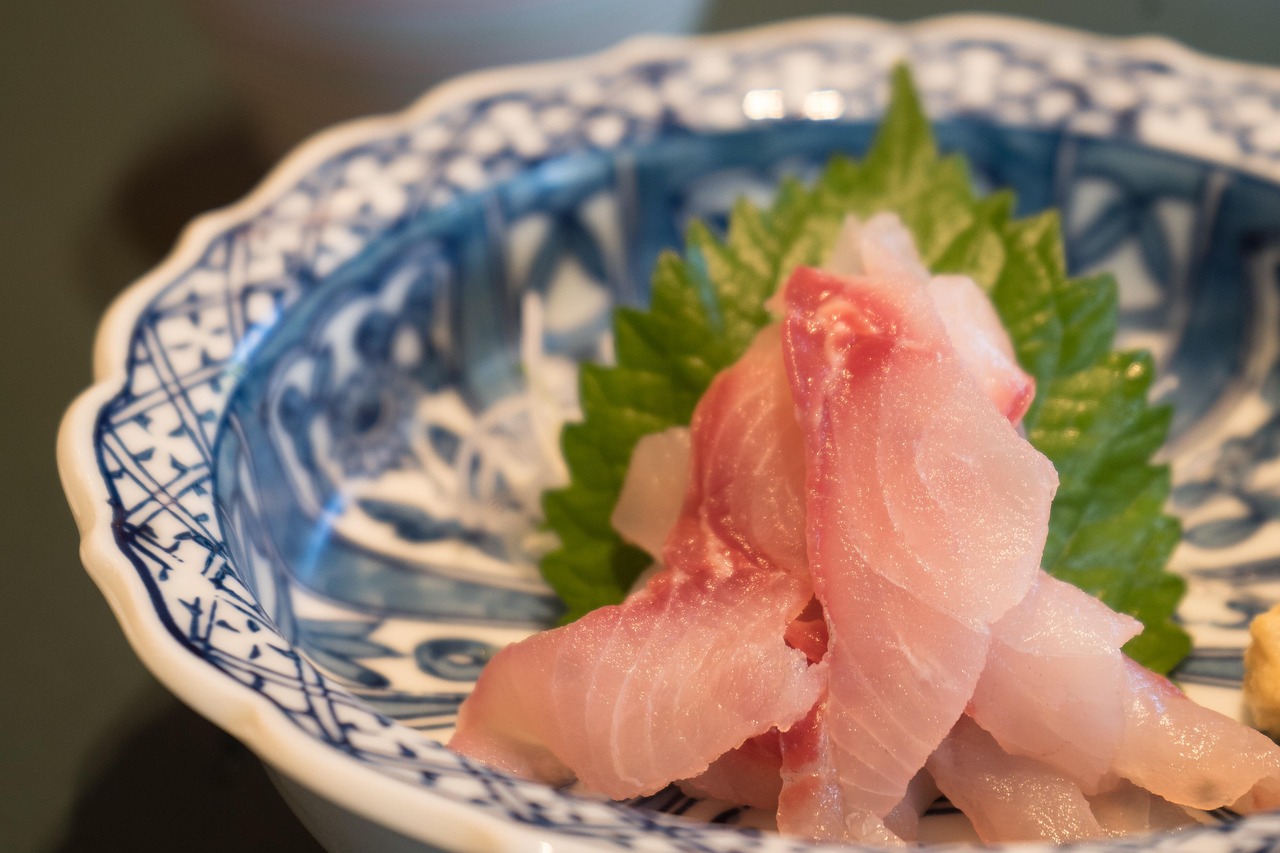
Seafood and kamaboko trails near Odawara’s port
If you’re craving Odawara seafood market Japan fresh seafood sake kamaboko, start early and follow the appetite of the town. The Odawara fish market and wider fishing port area feel purposeful in the morning—vendors working quickly, regulars ordering without hesitation, and the sea air sharpening everything. This is what fresh seafood looks like in practice: clear eyes on fish, clean counters, and bowls assembled to order.
Seafood bowls at Odawara fish market: donburi, grills, and local seafood
For an authentic Japanese flavour itinerary, look for seafood donburi, simply grilled items, and miso soups that taste like they were made for the weather. If you enjoy pairing, try a small pour of local sake with your meal—clean and gentle alongside the salt-sweetness of the coast—and keep an eye out for seasonal seafood specials. It’s also an easy add-on logistically: many travellers do it as a 15-minute walk from Odawara Station, building in a slow, satisfying start to the day with local seafood.
Kamaboko tasting and the old-road Tokaido story
Kamaboko—that springy, beautifully seasoned fish cake—is a proud Odawara speciality. A polished stop is the Suzuhiro Kamaboko Museum, where you can learn the history, taste different styles, and choose a crafted souvenir that travels well. This sea-to-table tradition links back to Odawara’s role on the Tokaido: travellers have been refuelling here for centuries, long before “food tourism” had a name.
Japanese phrases help, even in small doses: “Sumimasen” (excuse me), “Kore o kudasai” (this one, please), and “Gochisousama deshita” (thank you for the meal). They’re tiny bridges—and they build trust fast.
Hakone day trip from Odawara Japan – Hakone-Yumoto, hot spring time, and ryokan calm
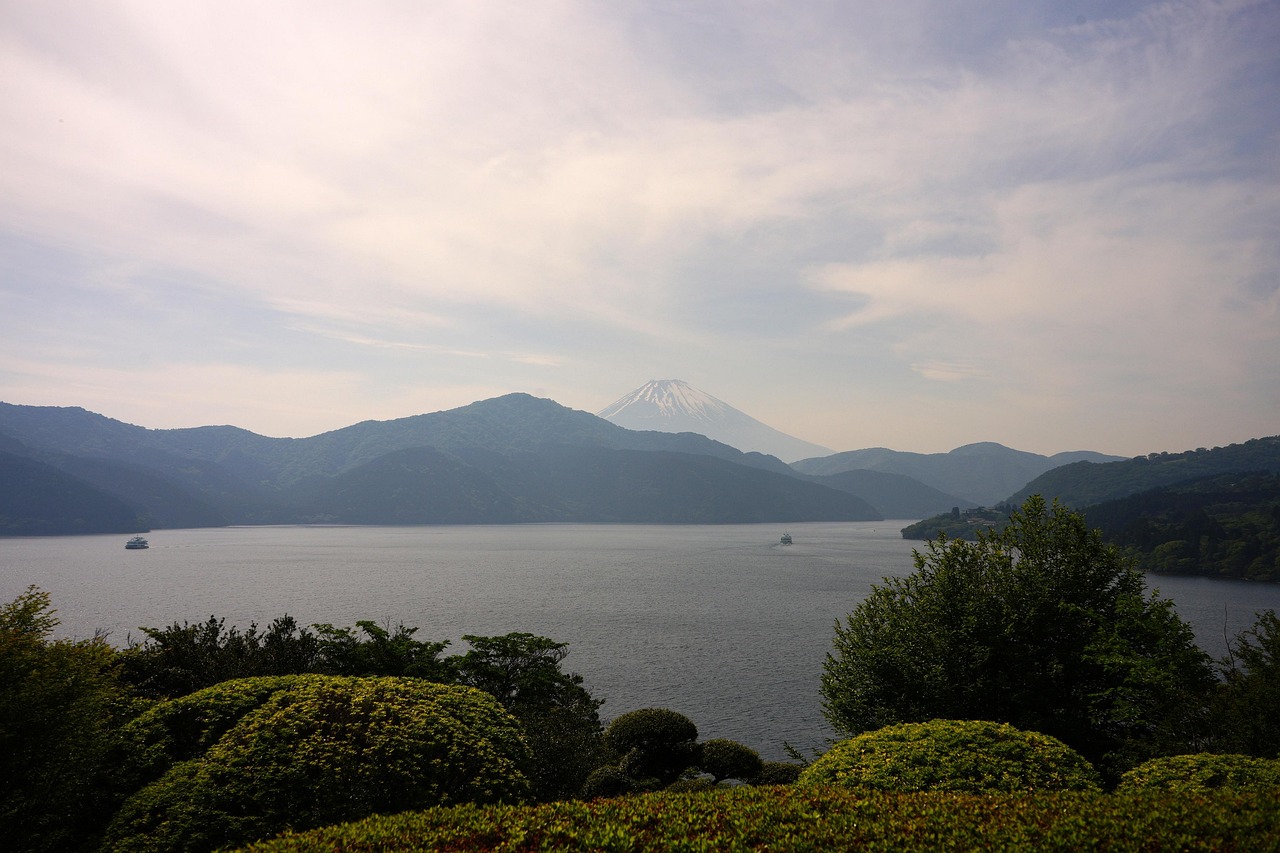
Hakone day trip: hot springs, valleys, and mountain views
For many travellers, the perfect pairing is a Hakone day trip from Odawara Japan Hakone-Yumoto hot spring ryokan plan that feels effortless. From Odawara, connections towards Hakone-Yumoto are simple, and the journey itself is part of the adventure—green valleys, shifting light, and that growing sense you’re leaving the coast behind. A solo adventurer once told me they felt inspired just watching the scenery from the window, as if the day was quietly designing itself.
Hot spring bath choices and open-air bath etiquette
A hot spring bath can be as gentle or as immersive as you want. Some travellers start with an indoor soak to get comfortable, then graduate to an open-air bath where you can hear the wind in the trees. Bring cash for smaller facilities, expect towels to be available (or rentable), and always check tattoo policies before you go; rules vary and it’s best to feel confident before you arrive.
Ryokan calm and Hakone Tozan views: Fuji and Mount Fuji glimpses
If your schedule allows, an overnight ryokan stay turns a quick detour into a deeper reset. The luxury here is unhurried care—slippers by the door, beautifully served meals, and the quiet comfort of knowing everything has been considered. For active travellers, Hakone Tozan segments and viewpoints can add a sense of ascent, and on clear days you may catch a glimpse of Fuji or even Mount Fuji on the horizon.
If you’re weighing Kyoto heritage against Hakone nature, Odawara sits beautifully between both worlds. It lets you explore a castle morning, then breathe in mountain air—all without feeling rushed.
If you’d like to extend this style of high-touch planning across Japan, you can browse our Trip gallery for design inspiration.
What Stayed With Me After Odawara Japan – reflections on castle grounds, Odawara Castle, and Hakone
When I think back on Odawara Japan, it isn’t a checklist that returns—it’s atmosphere. The way the castle grounds hold sound, the gentle patience of strangers, and the sense that you can move through history without needing to perform it. There’s a particular kind of confidence that arrives when a place feels navigable and human, and this seaside gateway carries that feeling well.
A single image that holds the whole journey
Sometimes it’s sunset light caught at the edge of a viewpoint, the last warmth slipping over Sagami Bay. Sometimes it’s paper fibres drying after a workshop, delicate and ordinary and surprisingly moving. Or it’s steam lifting from a quiet soak in Hakone, turning the air milky for a moment, as if the mountains are exhaling.
Odawara reminded me that travel is built from small courtesies. A soft voice on a train, shoes placed neatly by a threshold, a respectful pause at a shrine—these are not rules to fear, but gentle ways of travelling together. When we show care, we’re supported in return, even far from home.
And once you’ve discovered that rhythm—coast to castle, craft to market, mountain to water—you start to wonder what other smaller Japanese towns are waiting, not to impress you, but to be explored slowly.
F.A.Qs: Odawara Japan travel basics for Tokyo day trips and Hakone connections
What is Odawara famous for?
Odawara is famous for Odawara Castle, its role as a historic Tokaido post town, and coastal food culture—especially seafood and kamaboko. It’s also known as an easy gateway to Hakone, so you can combine history, sea air, and onsen-style relaxation without the intensity of bigger cities.
Is Odawara, Japan worth visiting?
Yes—especially if you enjoy a calmer pace with real depth. Odawara offers a beautifully reconstructed castle, hands-on craft experiences, seasonal bloom events, and a strong food scene, plus straightforward onward travel to Hakone. It’s a smart alternative to Kyoto crowds when you want something more compact and personal.
How far is it from Tokyo to Odawara?
From Tokyo to Odawara, it’s roughly about 35–80 minutes depending on the train service you choose. The fastest services are direct and comfortable, while the JR Tokaido Line takes longer but can feel more local. Either way, it’s an easy journey for travellers who want to maximize time on the ground.
Is Odawara near Hakone?
Yes. Odawara is very close to Hakone and is one of the main transport gateways into the area. Trains and buses connect easily from Odawara Station to Hakone-Yumoto and onward to key sights, so many travellers use Odawara as a relaxed starting point before heading into the mountains.