Post Contents
- Arriving in Amanohashidate from Kyoto with confidence and how to get to Amanohashidate station
- Walk or cycle the Amanohashidate sandbar cycling route seaside Japan
- Scenic views from Amanohashidate View Land and Kasamatsu Park cable car one of the three scenic views
- Temples and shrines plus nearby attractions in Ine and Tango Chionji Temple Motoise Kono Shrine Manai Shrine
- What stayed with me after Amanohashidate Japan personal reflection seaside
- F.A.Qs: Amanohashidate Japan
Arriving in Amanohashidate from Kyoto with confidence and how to get to Amanohashidate station
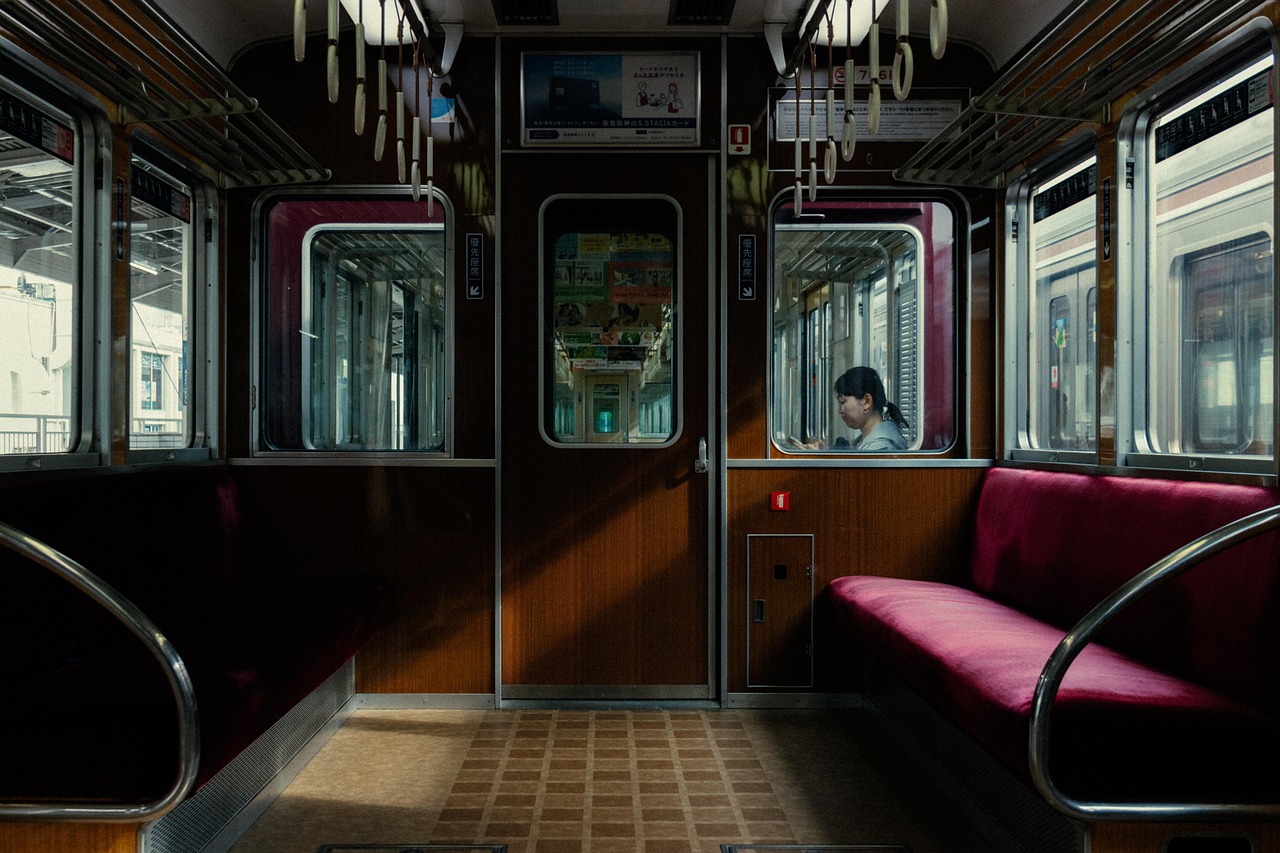
Arriving in Amanohashidate from Kyoto with confidence at Amanohashidate Station
For many travellers, the biggest hurdle is simply knowing Amanohashidate Kyoto by the sea how to get to Amanohashidate station without stress. From Kyoto Station, the most seamless option is the Hashidate limited express, which carries you north into the greener, quieter side of the prefecture with a gentle sense of arrival. If you’re coming from Osaka, you can connect via Kyoto or take an onward route that still keeps the day trip feeling controlled and comfortable.
If you’re building a longer arc, it helps to know the geography: Amanohashidate sits within northern Kyoto Prefecture, and it can be woven into routes that continue west towards Hiroshima as context for wider Japan adventures. That said, there’s real luxury in keeping it simple—one decisive train, one calm arrival, and a landscape that rewards attention.
Amanohashidate Station orientation with luggage and free wifi
Once you step into Amanohashidate Station, give yourself five unhurried minutes to set your day up with confidence. Pick up maps and local pamphlets, check transport times, and decide whether you’ll explore on foot or with a rental bicycle later. Coin lockers and staffed storage make it easy to leave luggage behind, which instantly lightens your pace.
You’ll often find free wifi around the train station area, ideal for confirming chairlift times or messaging your accommodation. This tiny moment of support—data, a plan, a deep breath—can be the difference between rushing and travelling with trust.
A 2-minute walk and a 5-minute walk from the station to the waterfront
Here’s the reassuring truth: the first sights are close. It’s a 2-minute walk from Amanohashidate Station to the lively approach towards the waterfront, and a 5-minute walk from the station to where the views begin to open across the water. When someone says “just around the corner” here, it usually means it.
If you’re doing the walk from Amanohashidate train station towards the sandbar, you’ll pass cafés, small shops, and the gentle threshold where town becomes seaside. It’s an easy place to explore at your own rhythm—especially helpful when travelling together with mixed energy levels.
Designer tip: when you design your timeline, anchor it around two peaks (a viewpoint and the Amanohashidate land bridge) and let everything else be optional. That’s how a trip to Amanohashidate stays calm, even on a busy weekend.


Walk or cycle the Amanohashidate sandbar cycling route seaside Japan
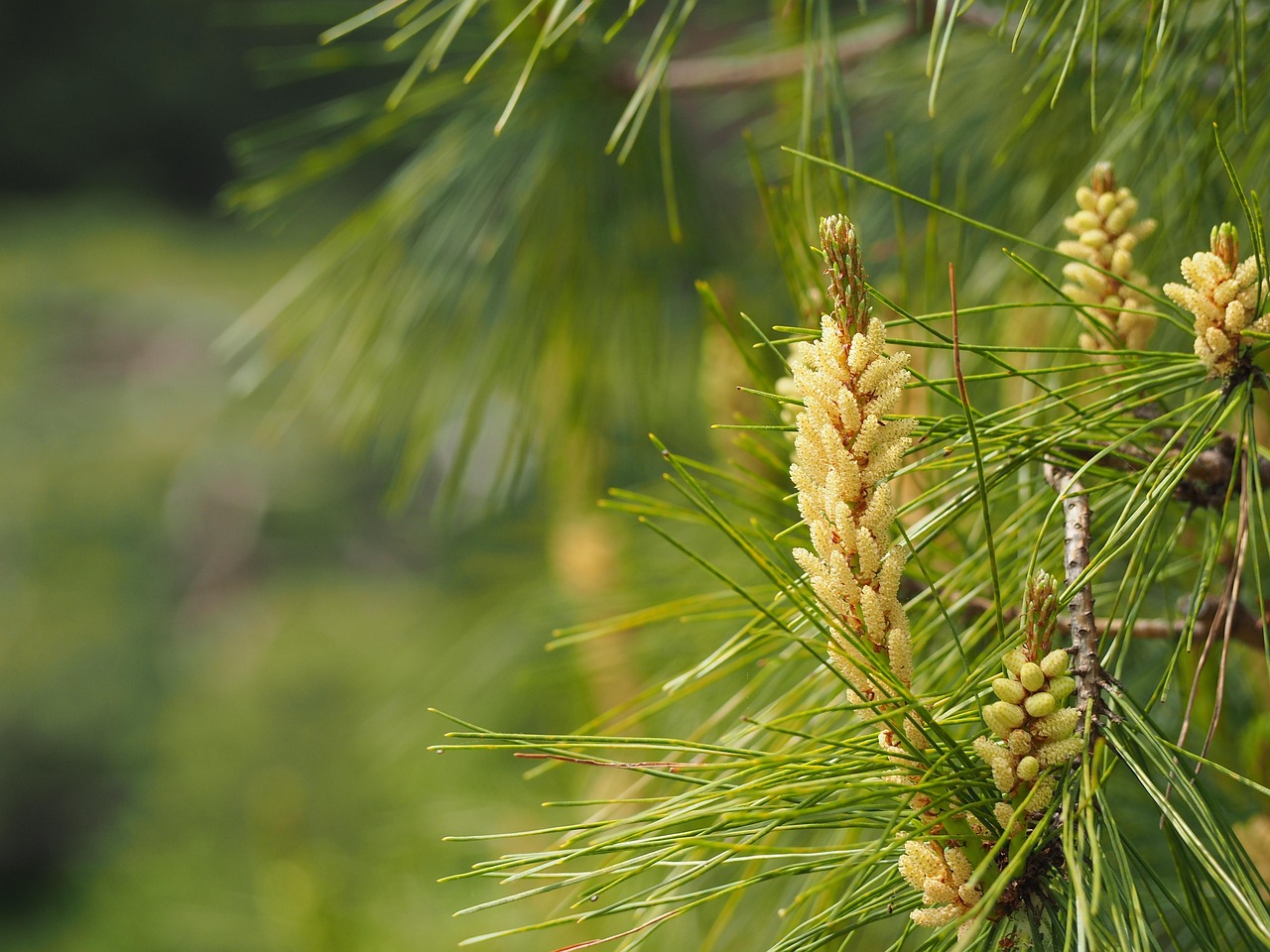
Walk or cycle the Amanohashidate sandbar seaside route through pine trees
This is the heart of it: walk from Amanohashidate sandbar cycling route seaside Japan and let the landscape change your breathing. The Amanohashidate sandbar is a slender land bridge stitched with a dreamy pine forest, with pine trees shifting above you as the air turns briny. Ahead, the Sea of Japan glints; behind, the quieter Aso lagoon (Aso) holds a softer light.
Whether you walk or ride, the experience feels both adventurous and quietly curated—like nature has crafted a promenade purely for noticing. You don’t need to chase speed here; you only need to keep moving.
Beach moments, sand beaches, and the rotating bridge near the southern end
The sandbar isn’t just a corridor; it’s a sequence of small scenes. You’ll find a beach, pockets of sand beaches, and a pier where the water looks particularly picturesque. Near the southern end, look out for the rotating bridge, a functional detail that becomes surprisingly memorable in photographs.
As you approach the end of the sandbar, the energy changes—fewer shops, more hush, and an increased sense of being between worlds. It’s one of those places where you can stop, listen, and uncover the calm that often hides behind headline scenery.
Rental bicycle pacing and comfort for changing seaside weather
If you cycle, choose an easy pace and let your confidence build naturally. A rental bicycle is ideal for covering the full stretch without feeling pushed, especially if you plan to pair it with a viewpoint later. Comfortable shoes matter even on two wheels; you’ll still step off often for photos and short wanderings.
Pack light layers for variable weather—the seaside can shift quickly from warm sun to a cooler breeze. Local visitors often reminisce about cycling along the pine-covered sandbar, describing it as a perfect blend of calm and adrenaline, best enjoyed together and without a strict stopwatch.
Scenic views from Amanohashidate View Land and Kasamatsu Park cable car one of the three scenic views
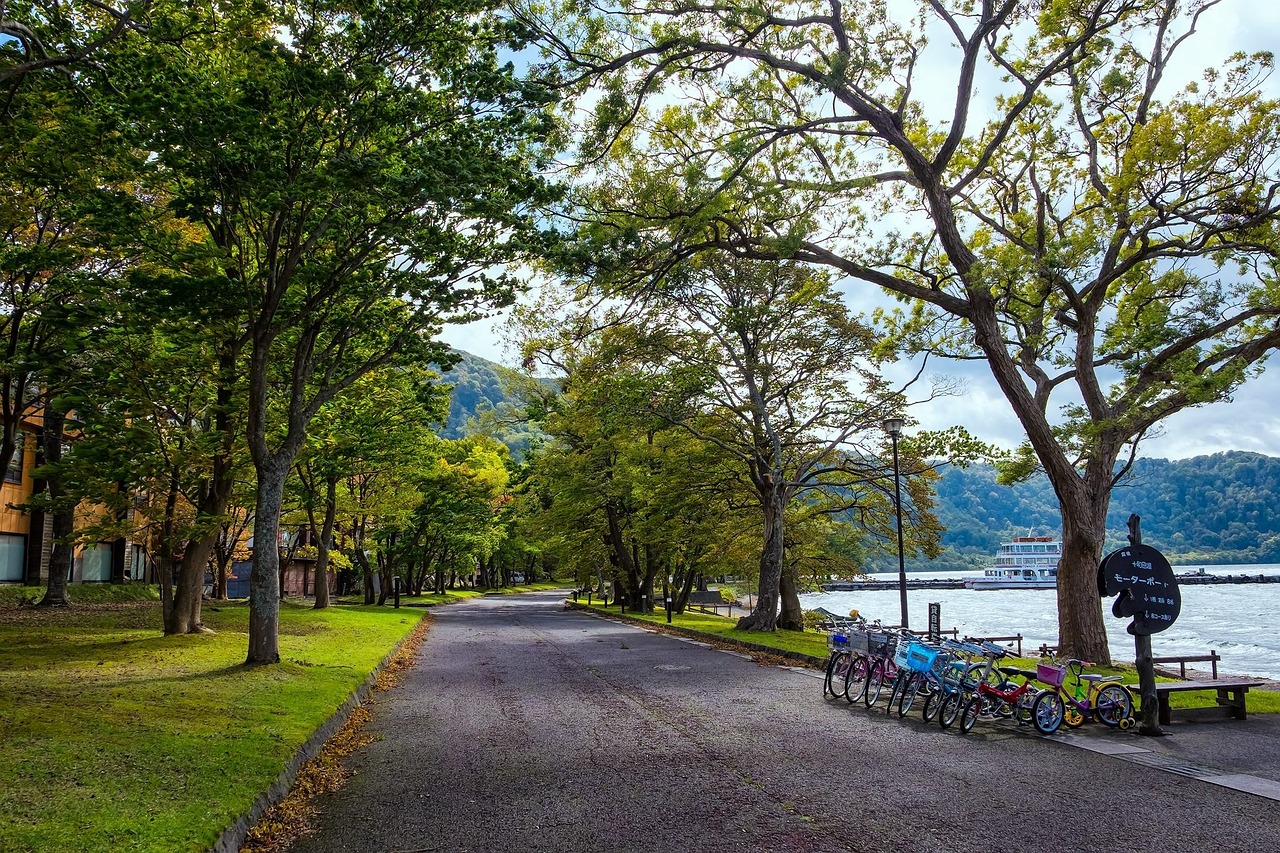
Scenic views from Amanohashidate View Land and Kasamatsu Park over Hashidate
After the shoreline, most travellers search for Amanohashidate View Land Kasamatsu Park cable car one of the three scenic views—and it’s worth doing with intention. Your choice is simple: head to Amanohashidate View Land on the southern side, or cross towards Kasamatsu Park for a different angle on Hashidate. Either way, you’ll rise above the bay and realise why this place has held imaginations for centuries.
The ride itself is part of the delight. A cable car feels effortless and reassuring; a chairlift adds a hint of airy adventure (often around 400 yen–500 yen, depending on ticket type and season). At the top, the observatory platforms invite you to pause, not perform.
Matanozoki and the bridge to heaven effect
Here, you’ll encounter the classic ritual: matanozoki. You bend backwards to see the sandbar appear like a bridge to heaven, as if heaven and earth have flipped. Many travellers share the joy of this moment—not because it’s a gimmick, but because it gives you permission to be playful and present.
In a high-end journey, this is the detail that matters: you’re not collecting a view, you’re creating a memory through a small, personal act.
Why Amanohashidate is one of Japan’s iconic triads
Amanohashidate is one of the three great Japanese scenic icons—counted among the three scenic views and often described as one of Japan’s three most scenic landscapes, along with Matsushima and Miyajima. That cultural status is not just a label; it’s a shared reference point that locals and visitors recognise instantly.
If you’d like to explore beyond the platforms, hikers can link viewpoints to nearby trails and the path towards Nariai-ji. The route begins to feel like a gentle pilgrimage, with forested sections and occasional clearings that frame the coastline like a designed gallery.
Temples and shrines plus nearby attractions in Ine and Tango Chionji Temple Motoise Kono Shrine Manai Shrine
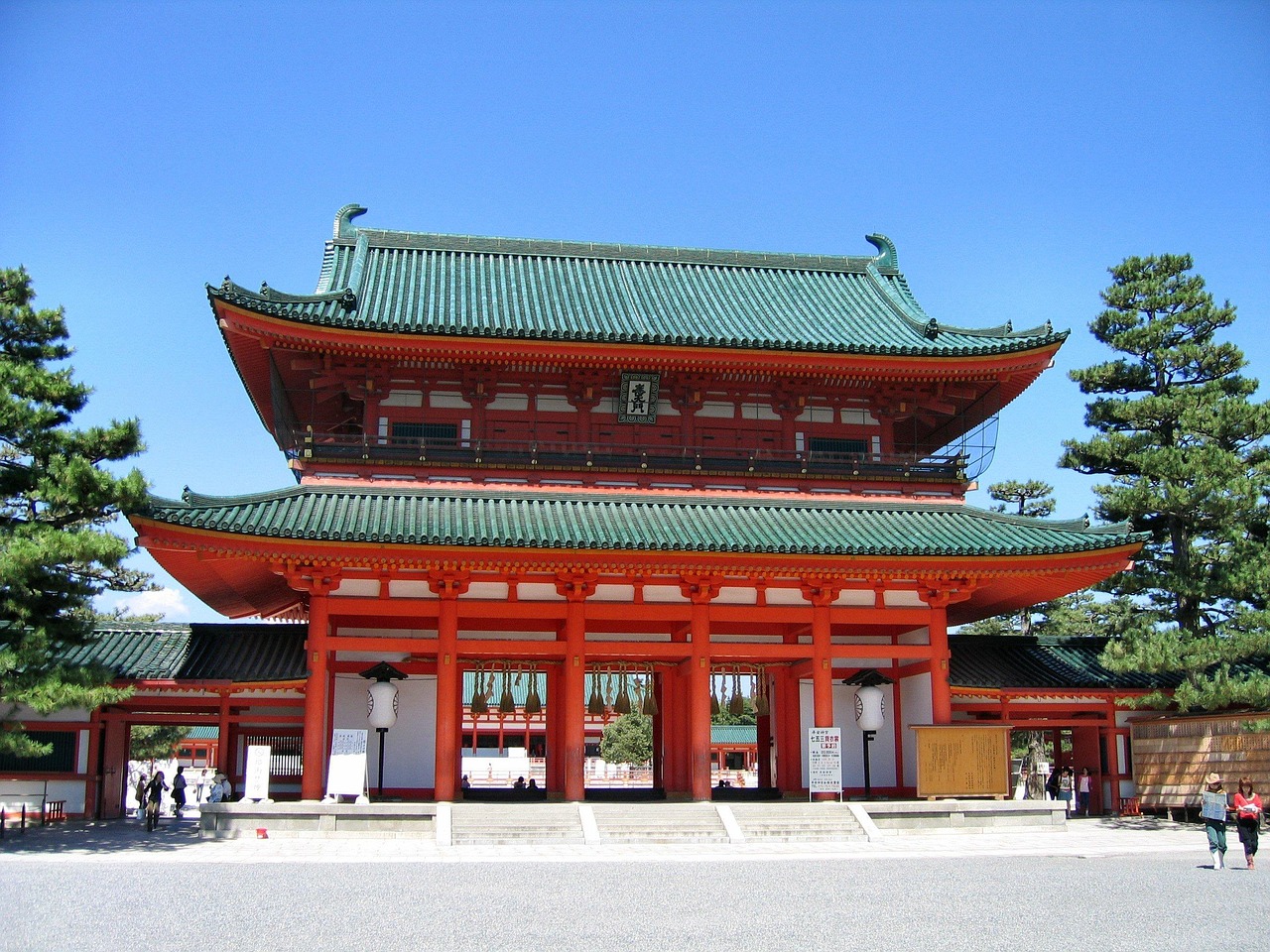
Temples and shrines plus nearby attractions in Ine and Tango near Amanohashidate
For travellers craving cultural depth, Chionji Temple Motoise Kono Shrine Manai Shrine Ine Tango region nearby attractions Amanohashidate is the thread that turns scenery into insight. Begin with Chionji Temple (also seen as Chion-ji), a quietly powerful Buddhist site where the atmosphere shifts the moment you step onto the grounds. This is where Amanohashidate stops being a postcard and becomes a place with living rhythm.
Move with care: remove shoes where asked, speak softly, and give others space to pray. These small gestures build trust with a place—and with the people who call it home.
Motoise Kono Shrine, Motoise tradition, and Manai Shrine paths
Next, consider sacred stops a little further out: Motoise Kono Shrine carries Motoise traditions that echo the wider spiritual geography leading towards Ise. For travellers drawn to quiet stories, it can feel like stepping into a calmer chapter of Japan—less about crowds, more about continuity.
Manai Shrine is often the most intimate of the set, reached via forested paths that naturally slow you down. If you continue towards the Nariaiji temple precinct, you may spot a pagoda peeking through trees, a gentle reminder that this area rewards those who explore with patience.
Look out, too, for local references to isoshimizu, the famed spring water associated with the region; it’s a small detail, but it adds texture to your understanding of place.
Sightseeing boat across Miyazu Bay, then Ine and Kyoto’s Tango coast
To change your perspective, take the sightseeing boat across Miyazu Bay. From the side of the bay, Hashidate looks even more improbable—like a brushstroke laid across water. One tourist recounted a memorable night visit when the sand bar was illuminated, creating a surreal, romantic ambience unlike the typical daytime experience.
If time allows, expand your day beyond Amanohashidate with nearby attractions in Ine and the wider Tango area. Ine’s funaya boathouses (often called the “sea village”) are a refined detour: traditional architecture, reflective water, and a slower tempo that feels intentionally designed. From there, you can trace Kyoto’s Tango coast along the shoreline, taking in small fishing towns and viewpoints along the coast that remain refreshingly local.
For an indulgent reset, add a simple hot spring stop—an onsen with deep, mineral warmth and soothing hot spring baths. It’s the kind of comfort that supports your body after cycling, hiking, or long train rides.
Where to stay and refuel: for convenience near Amanohashidate Station, Auberge Amanohashidate is a practical base, while a traditional ryokan offers a more immersive evening with seasonal meals. You’ll also find well-run inns and hotels across the area; whichever you choose, try local seafood for a complete cultural experience in Kyoto Prefecture and the wider tango region.
If you’d like to imagine a longer, beautifully paced route through Japan, browse our Trip gallery for inspiration and expert planning support.
What stayed with me after Amanohashidate Japan personal reflection seaside
Long after you’ve left, what returns is not a checklist but a sensation: the soft give of the sand bar underfoot, and the way shade from the pines cools your shoulders as the day warms. In Amanohashidate, the air carries salt and something gentler—like reassurance—so even your thoughts begin to slow and settle.
I remember the hush around a temple step, the instinctive bow, the quiet care people take not to disturb one another. Those small rituals create a kind of inner space, and in that space you notice more: water moving, distant voices, the texture of gravel under shoes. It’s a personal kind of luxury, and it doesn’t ask you to buy anything.
There is also a subtle trust that grows when you choose slower movement—walking, cycling, listening—rather than chasing the next view. Adventure, here, is not loud. It’s crafted from attention, and from the confidence to let a landscape meet you at its own pace.
If you travelled together, perhaps that’s what lingers most: the shared pauses, the quiet encouragement, the moment someone laughs while attempting matanozoki, and the way the bridge-to-heaven image keeps turning up later in your mind. Not as a promise of perfection, but as a gentle reminder to keep imagining what might be possible beyond the itinerary.
And so Amanohashidate stays with you, not as urgency but as an invitation—an open doorway you can return to in your own time, with curiosity leading and haste left behind.
F.A.Qs: Amanohashidate Japan
Is it worth visiting Amanohashidate?
Yes—Amanohashidate is worth visiting if you enjoy a blend of cultural atmosphere and outdoor movement. The sandbar walk or cycle feels genuinely special, and the viewpoints add a memorable sense of scale. With temples nearby and calm coastal food, it’s a refined escape that still delivers adventure without feeling demanding.
What is Amanohashidate famous for?
Amanohashidate is famous for its pine-covered sandbar, often described as a natural land bridge, and for the matanozoki viewing tradition from the hills. It’s also known as one of Japan’s classic scenic icons, with perspectives that change beautifully between shoreline walks, boat views, and the observatory platforms.
Is Amanohashidate a day trip from Kyoto?
Yes, Amanohashidate can be a day trip from Kyoto. The Hashidate limited express from Kyoto Station is a straightforward way to travel, and once you arrive, key sights are close to the station area. Start early, choose one viewpoint plus a sandbar walk or cycle, and you’ll keep the day relaxed.
Can I swim in Amanohashidate?
Swimming is possible in designated beach areas during the appropriate season, when conditions and local guidance allow. The water can be inviting in summer, but it’s best to check signage and safety information on the day. Even if you don’t swim, the shoreline and sand beaches are lovely for a restorative pause.